Forsaken Realms: Vahrin’s Call – Imperfect Journey Back to an Older RPG Era
Forsaken Realms: Vahrin’s Call is exactly the kind of ambitious, slightly clumsy fantasy RPG that used to be far more…


If you enjoy independent indie game coverage, consider supporting Indie-Games.eu on Patreon. It helps keep the site independent.
Despair: Blood Curse is a horror adventure with immense potential, but the final product didn’t meet expectations. I managed to finish the game in just two hours, which is partly a result of my experience with the demo version I played during the Steam Next Fest a few months ago. Having followed the game’s development since then, I had high hopes for the complexity of the puzzles and the richness of the content. Unfortunately, I was left disappointed. It’s important to note that the game was developed by a solo developer, which may explain some of the weaknesses.

The game’s graphics are truly impressive; the ambiance and environment are rich and detailed, from ordinary food on a table to our protagonist’s clothing, which further enhances the overall gameplay experience. The level design is coherent, and everything is elegantly connected. In the manor where the action takes place, it’s clear that something is wrong, and the game successfully creates an atmosphere of tension and fear. The ambient music and sound effects further intensify the sense of dread, confirming that it is a horror game.
Aiming with firearms is extremely precise and simple; you will rarely have trouble hitting an enemy, and it’s essential to aim for the head. However, even here there were sometimes issues, as hitting the neck basically counted as a body shot. The game offers diverse ways to fight enemies, whether you use a simple pistol, an axe, or a shotgun. Also, you generally won’t worry about a shortage of bullets or bandages for healing, which actually eases the gameplay and allows you to focus on the action instead of resources.
I personally liked the approach to uncovering the story, although I admit it wasn’t always clearly presented during gameplay. We occasionally come across letters that inform us about the events within the game, providing insight into situations that took place while our main heroine was absent. The story feels only superficially present; sometimes I forgot that the main goal was to find our sister, and we receive very little new information about the main heroine. While some may find this approach acceptable, others might not.
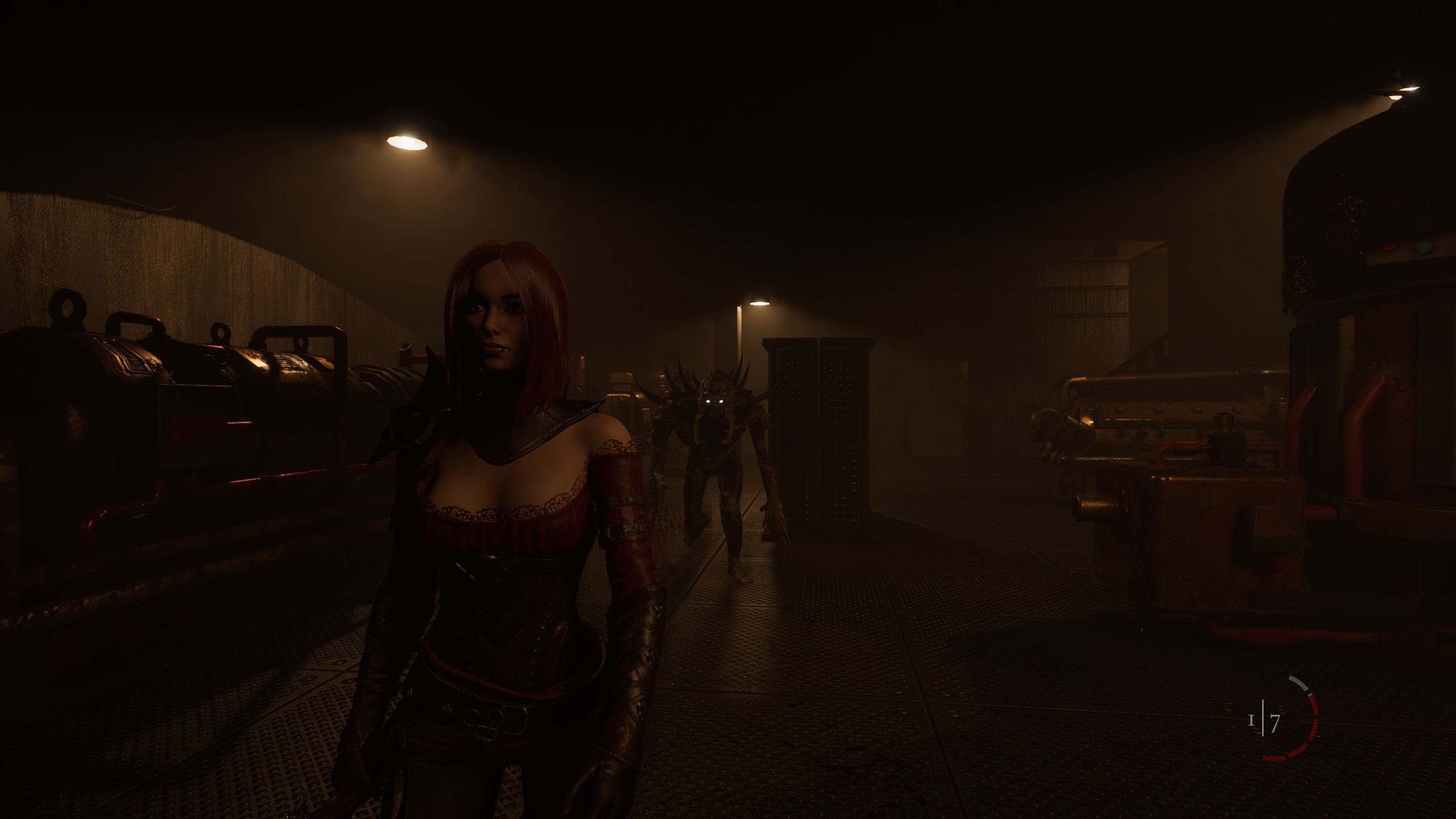
Honestly, it’s hard to pick where to start when looking back at the game. While certain things can be excused in indie games, the gameplay here clearly had many flaws in numerous places. The combat is simple and shallow. I often found myself wondering why we weren’t given an option to roll or dodge enemies. Most of the time, you spend running away from enemies until you can create enough distance to aim at them, which became repetitive and tedious over time. Additionally, some enemies are more durable, so if you don’t hit them in the head, you will expend more bullets than you’d like.
I understand the challenges in balancing gameplay and finding innovative solutions that will satisfy all players. However, the enemies are frequently repetitive, their arrival is predictable, and sometimes it all feels random. I noticed that after solving a certain part of a puzzle and returning to a previous combat area, enemies reappear as if there is no other place you can encounter them.
Furthermore, the enemies had a monotonous design, similar in appearance and sound, which further highlights the lack of diversity in the gameplay. The difference between a boss and a regular enemy is almost negligible, and these issues are amplified by the ineffective combat mechanics. If an enemy hits you, there will be a brief stun on both sides, and the question is why we even have health when most enemies deal a huge amount of damage. Melee combat is, to put it mildly, ineffective; using the axe often proved counterproductive, I took more damage because my protagonist was slow in swinging the axe than I would have while reloading my weapons.
The bosses are interesting, but their execution leaves much to be desired; that is, they don’t pose any challenge. They lack variety in attacks, are often slow, and you have to hit them a hundred times before they are defeated. Moreover, there is no clear indication of their health, and the final boss, who flies around and makes you circle the map a hundred times just to kill him, makes the fight particularly annoying.

Honestly, it’s hard to pick where to start when looking back at the game. While certain things can be excused in indie games, the gameplay here clearly had many flaws in numerous places. The combat is simple and shallow. I often found myself wondering why we weren’t given an option to roll or dodge enemies. Most of the time, you spend running away from enemies until you can create enough distance to aim at them, which became repetitive and tedious over time. Additionally, some enemies are more durable, so if you don’t hit them in the head, you will expend more bullets than you’d like.
I understand the challenges in balancing gameplay and finding innovative solutions that will satisfy all players. However, the enemies are frequently repetitive, their arrival is predictable, and sometimes it all feels random. I noticed that after solving a certain part of a puzzle and returning to a previous combat area, enemies reappear as if there is no other place you can encounter them.
Furthermore, the enemies had a monotonous design, similar in appearance and sound, which further highlights the lack of diversity in the gameplay. The difference between a boss and a regular enemy is almost negligible, and these issues are amplified by the ineffective combat mechanics. If an enemy hits you, there will be a brief stun on both sides, and the question is why we even have health when most enemies deal a huge amount of damage. Melee combat is, to put it mildly, ineffective; using the axe often proved counterproductive, I took more damage because my protagonist was slow in swinging the axe than I would have while reloading my weapons.
The bosses are interesting, but their execution leaves much to be desired; that is, they don’t pose any challenge. They lack variety in attacks, are often slow, and you have to hit them a hundred times before they are defeated. Moreover, there is no clear indication of their health, and the final boss, who flies around and makes you circle the map a hundred times just to kill him, makes the fight particularly annoying.

The animations in the game are unmemorable and often inconsistent. While they are present, they are frequently executed too slowly and appear clumsily animated. The lack of quality cutscenes, apart from one at the end that is also poorly realized, suggests the developer faced challenges in this area. Enemies are particularly static; their movements are nearly identical, as if they are floating above the ground with minimal gesturing. The main protagonist also suffers from the same issue; when solving puzzles or combining resources like charcoal and sulfur to craft gunpowder, the animations are so fast they offer only a fleeting moment of activity.
The puzzles in the game give the impression of being more like basic tasks than true puzzles. Essentially, you solve tasks such as combining various items, searching for a key, or uncovering hidden rooms. While I don’t mind a game offering simpler puzzles, this aspect of the game was too dominant, and I personally was not impressed. The constant traveling from one part of the map to another was particularly frustrating. Although I appreciate it when games encourage exploring hidden corners and rooms, the environment near the second boss, a huge empty room with lava—was confusing. This design choice remains a mystery I will never understand; how such a space managed to be created beneath a huge manor.
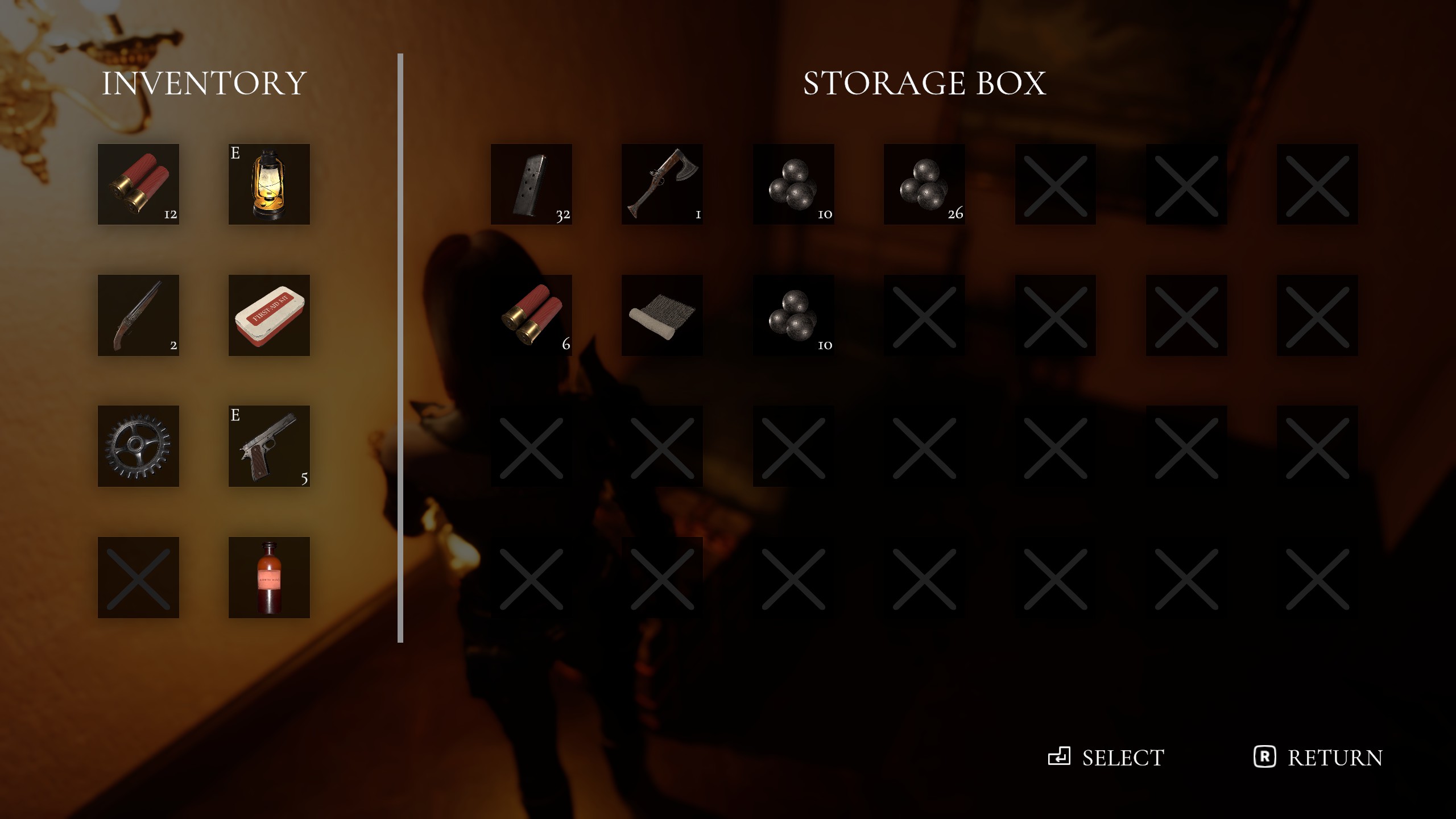
The use of the inventory in the game is unusual. You can only carry eight items with you, while the rest must be stored in chests, which are usually located near save points. This would be acceptable if we weren’t also limited by the amount of ammunition we can carry. For example, you can only carry 12 shotgun shells, while the excess shells take up additional inventory space. Furthermore, if you happen to have too many items in your inventory, you must travel back to store the items you have, instead of the game automatically sending surplus items that we cannot carry back to the chest. Although every region in the game offers six save locations, this detail was not critical because the storage space was not severely limited.
Despair: Blood Curse is truly an intriguing title, and I highly recommend it to everyone for the value it offers relative to its price. However, it shouldn’t be viewed with expectations typical of Resident Evil or similar games. Instead, it’s important to approach the game with understanding and appreciate the developer’s passion and effort that went into it, as this is reflected in the final product.
Despite the need for certain improvements, feedback incorporation, and general functionalities that enhance the quality of the game, Despair has the potential to deliver an outstanding gaming experience. However, it is crucial to focus attention on the gameplay mechanics. Without a feeling of achievement after successfully defeating an enemy, it’s hard to find true satisfaction in the game. The animations are the first thing that needs refinement, but ultimately, an extremely good impression is left for a game made by a solo developer, and I hope they will learn from these mistakes so that every subsequent project is even better.
Review copy provided by the publisher
Forsaken Realms: Vahrin’s Call is exactly the kind of ambitious, slightly clumsy fantasy RPG that used to be far more…
![[Early Access] 2nd EVE – Sci-Fi Action RPG That Lacks a Sense of Stakes](https://www.indie-games.eu/wp-content/uploads/2026/08/2ND-EVE-1024x576.jpg)
2nd Eve is a space-set action RPG in which we strive to save humanity.
![[PREVIEW] Dreamcards – Strategic Exploration of Consciousness](https://www.indie-games.eu/wp-content/uploads/2026/08/Dreamcards_20260810_233631_0000-1024x576.jpg)
Dreamcards is a roguelike deckbuilder centered around dreams and nightmares.
![[Early Access] OFFBEAT – Incredibly Fun Way to Start a Music Career](https://www.indie-games.eu/wp-content/uploads/2026/08/Offbeat_20260808_201446_0000-1024x576.jpg)
In OFFBEAT, we play the role of a jobbing composer who is launching their music career.
HellSlave II retains the original’s oppressive atmosphere, morally grey world and striking art while adding a larger world, randomized loot…
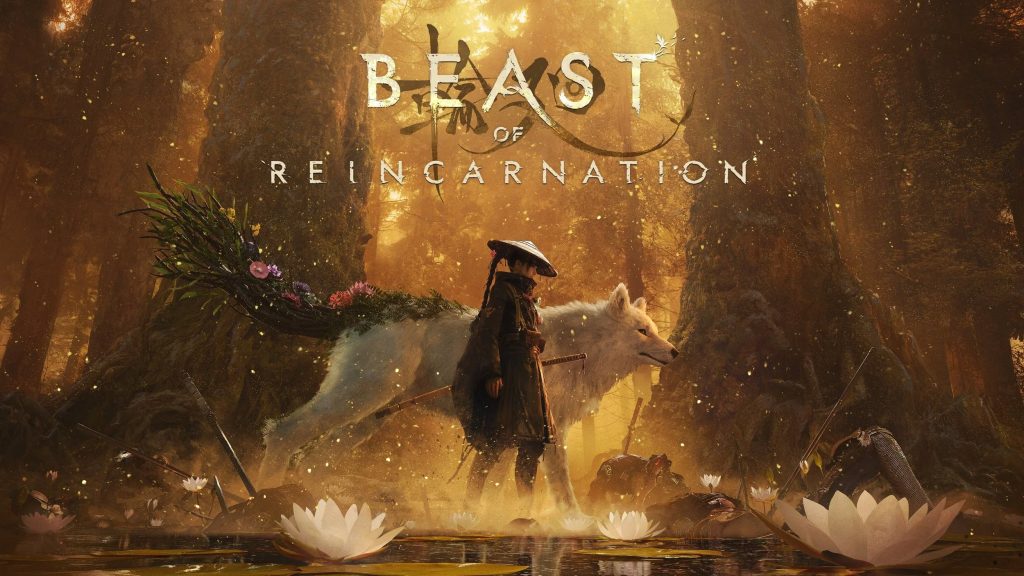
Beast of Reincarnation is an ambitious but uneven action RPG elevated by satisfying parry combat, beautiful art direction and the…

K-pop Idol Stories: Road to Debut captures the pressure of building idol group, but its management systems never explore that…
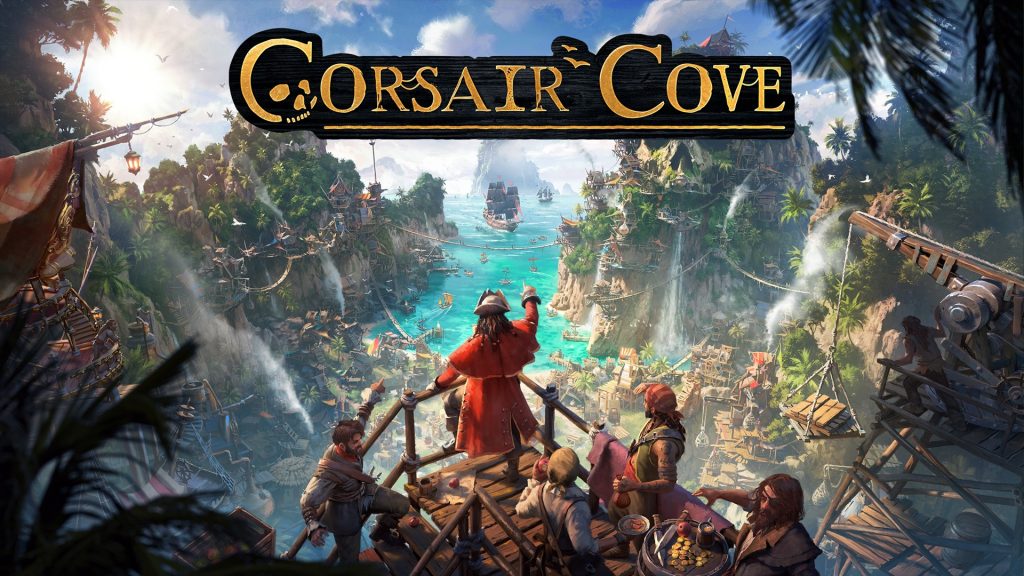
Hooded Horse keeps finding strategy games that know their audience, and Corsair Cove extends its impressive run of excellent city-builders.
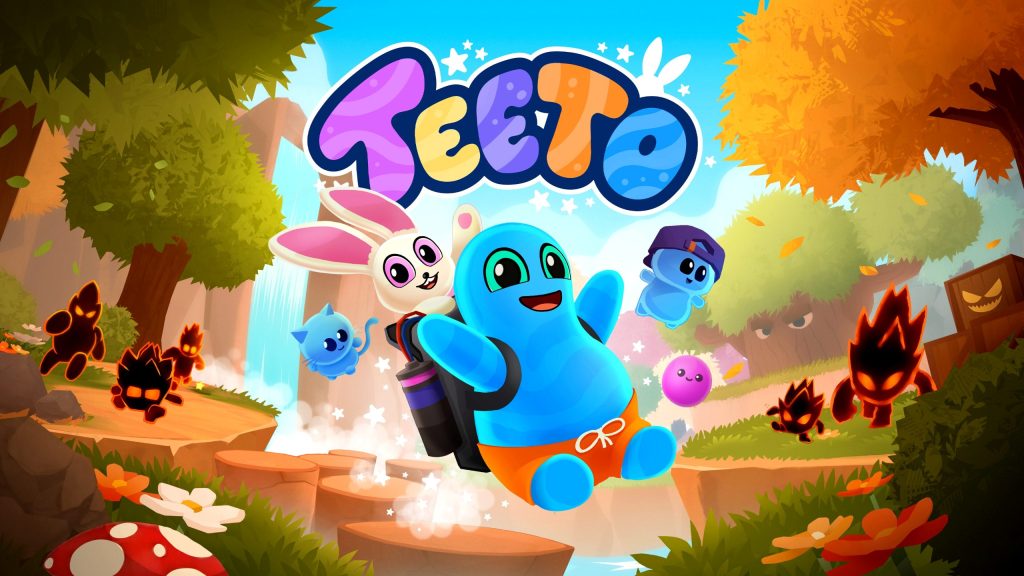
Teeto is a warm, cozy, creative and highly enjoyable 3D platformer that understands why classic collectathons remain so appealing.
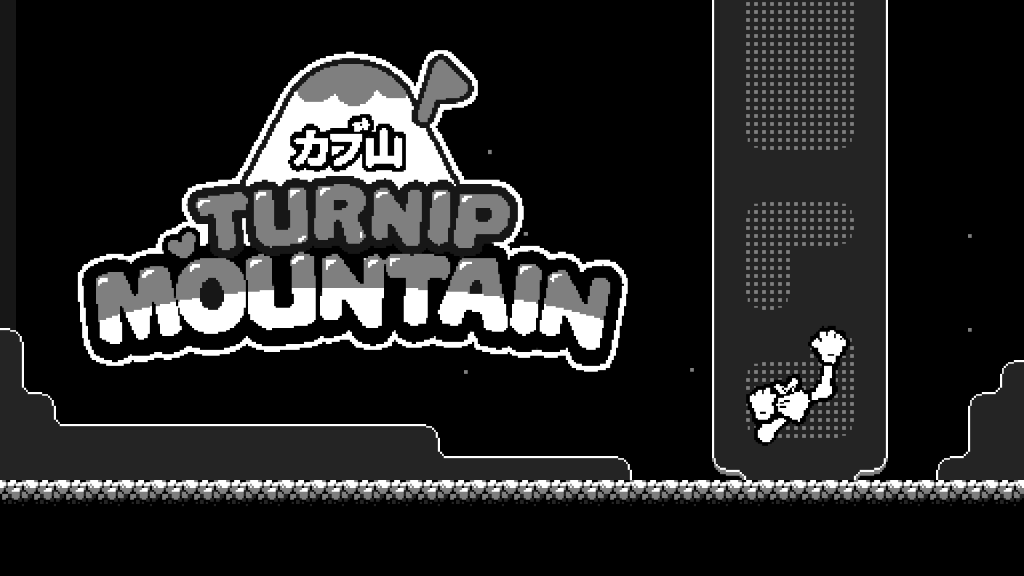
Turnip Mountain stands out for its combination of a unique control system and a minimalist approach.
Dystopicon is an imaginative and memorable narrative experiment with sharp social commentary, engaging world-building and several wonderfully absurd scenarios.
Maneki Mania is an incremental game centered around petting a lucky cat.
XeGrader Plus delivers colorful retro shooting, but basic mechanics, a short campaign and paid retro modes make its €20 price…
It has been roughly two and a half years since Palworld first entered Early Access, and quite a lot has…
![[EARLY ACCESS] The Last Caretaker – Survival Game I Cannot Stop Playing](https://www.indie-games.eu/wp-content/uploads/2026/07/The-last-Caretaker-Key-Art-1024x587.jpg)
The Last Caretaker is a compelling survival crafter with a flooded world and mobile base, but weak combat and performance…
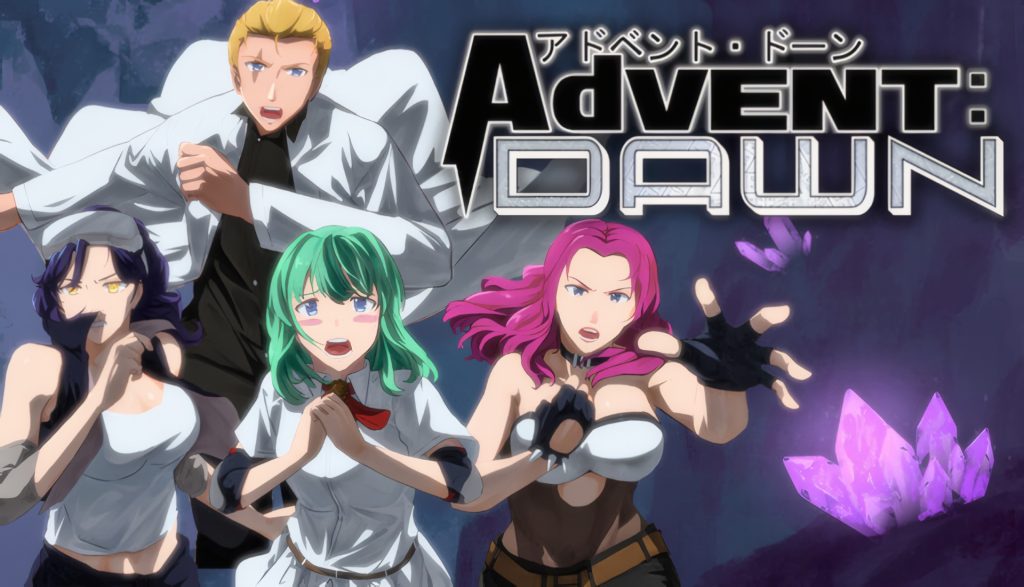
Advent: Dawn is an intriguing science-fiction visual novel elevated by a likable cast and one of the most convenient flowchart…
![[EARLY ACCESS] Hell Maiden – Beautiful but Uneven Journey Through Hell](https://www.indie-games.eu/wp-content/uploads/2025/06/HMD_screenshot_019-1024x576.jpg)
Bullet heaven and rougelite game Hell Maiden lands between a polished Early Access release and a promising game that still…
![[PREVIEW] Dark Queen of Samobor – Promising Croatian Adventure Still in Need of Polish](https://www.indie-games.eu/wp-content/uploads/2026/07/Dark-Queen-of-Samobor-1024x587.jpg)
Dark Queen of Samobor is a promising 2.5D side-scrolling action-adventure that combines Croatian folklore with combat, puzzles and cinematic platforming.
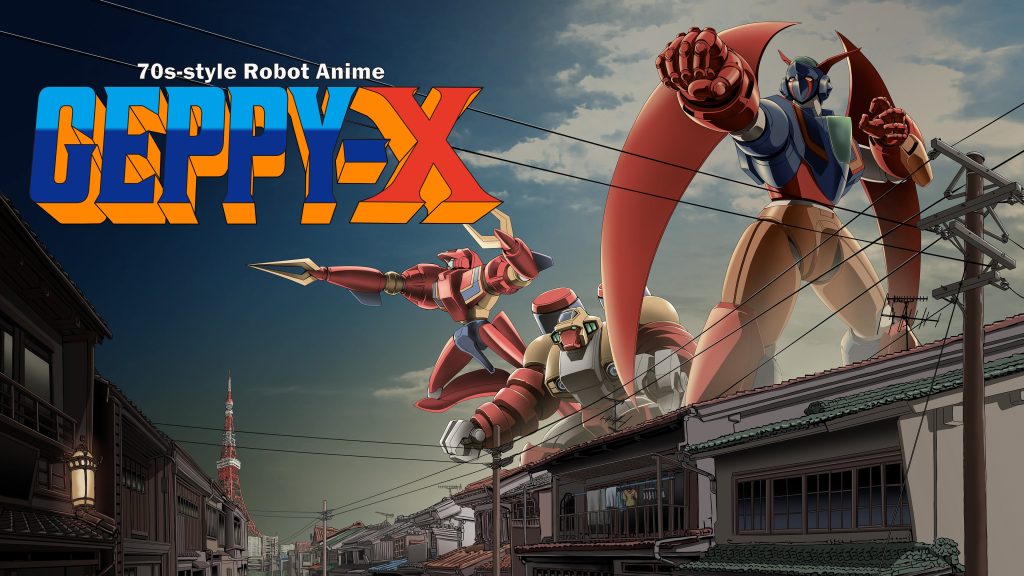
70s-style Robot Anime Geppy-X offers incredible animation, music and mecha nostalgia, but its average shooting make the €39 price difficult…
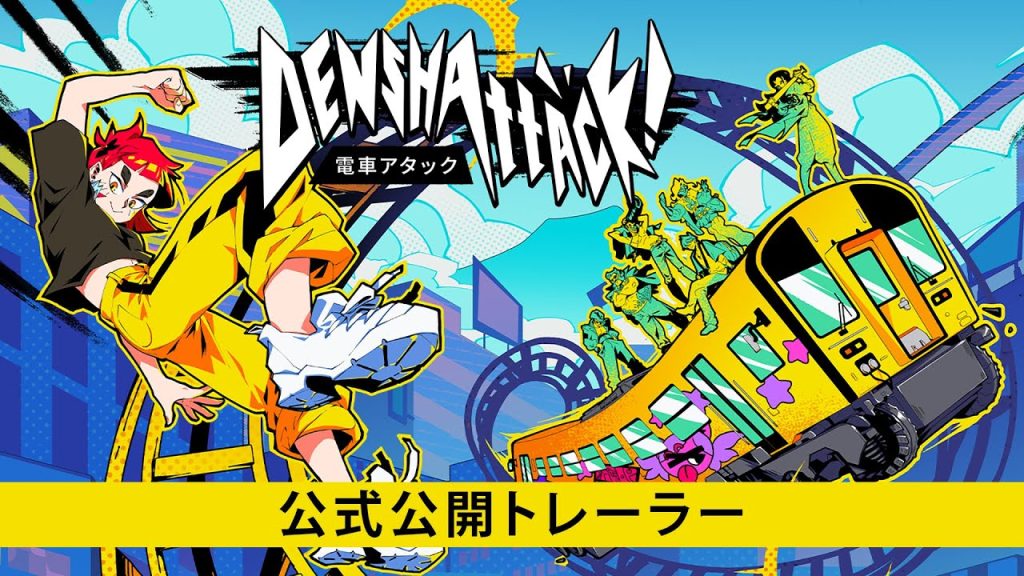
Denshattack! blends Tony Hawk, Jet Set Radio, and Japanese train culture into one of the year's most creative and unforgettable…
