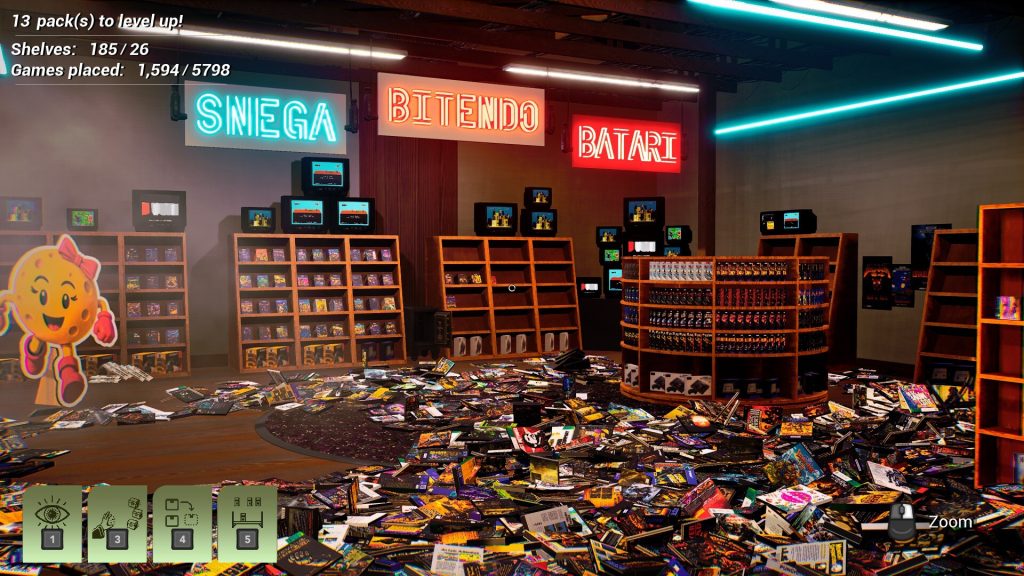
A Cat Scattered 5,798 Games Across This Cozy Supermarket Simulator
MY CAT SCATTERED GAMES asks players to organize 5,798 games and consoles before rescuing a cat trapped inside a claw…


If you enjoy independent indie game coverage, consider supporting Indie-Games.eu on Patreon. It helps keep the site independent.
Former Arrowhead Studios CEO Johan Pilestedt recently shared insights into the development philosophy and technical challenges behind creating Helldivers 2 during the Nordic Game Spring 2024 event. He emphasized the team’s unwavering focus on the core gameplay experience and the multi-layered approach required to build a game that could be considered a hobby.
“From a purely technical standpoint, we had certain immovable goals that we always aimed to reach,” Pilestedt said. “The first thing we knew was that we wanted to create a hobby. A hobby requires an endless system with many opportunities to develop skills, a knowledge-rich environment where there’s always something more to learn beyond what the tutorial teaches.”
Pilestedt explained that for a game to be considered a hobby, it must offer multiple ways for players to engage. Comparing it to golf, he illustrated how a game should provide varied experiences, just like golfers enjoy different aspects of the sport, from playing on the course to browsing equipment online.
“We also knew we wanted to create a game that encourages and forces players to be creative. In the games industry, creativity is often associated with titles like Minecraft or Roblox. However, creativity also exists in action games. It’s about coming up with solutions in the moment, and for that, the game mechanics need to be complex, consistent, and provide players with the freedom to explore within the system.”
This creative freedom enables what Pilestedt called “crazy plays,” where players can devise unique and unexpected solutions within the game’s framework. He stressed that this form of creativity was essential to the team’s vision for Helldivers 2. Additionally, the game needed to evoke strong emotions through dynamic tension, creating highs and lows in the gameplay experience. “We wanted the game to be something you can feel strongly about, with emotional ups and downs,” he added.
These technical and creative goals, while ambitious, posed significant challenges throughout development. The team faced issues such as rapid expansion, which created continuous problems and led to a constant state of playing catch-up. Initially, the informal decision-making processes of a small, flexible team became problematic as the team grew, leading to chaos and misunderstandings.

A key design pillar was maintaining the integrity of the game’s fantasy. “If you’re supposed to be a Mobile Infantry soldier like in Starship Troopers, we have to make sure it feels authentic,” Pilestedt stressed. This meant adhering to realistic limitations. For example, Mobile Infantry foot soldiers shouldn’t be able to jump two meters into the air without assistance, reflecting the limitations shown in the films. Maintaining this internal consistency was crucial for preserving the believability of the game’s fantasy.
Social interaction was another key focus. “We wanted players to think about the game even when they’re not playing it,” Pilestedt said. This required creating a game with enough complexity and depth to fuel ongoing discussions and interactions online.
Believability was a challenging but essential aspect. Pilestedt illustrated this with examples from popular media. “In Game of Thrones, the issue isn’t the existence of dragons, it’s the believability of a character hitting a dragon from a thousand meters away with a huge crossbow with no sight.” Similarly, in Lord of the Rings, the scene where Frodo survives a troll’s blow because of a Mithril jacket raises questions about internal logic. “For us, everything has to make sense within the world we’ve built,” he explained.
Despite the serious approach to design and believability, Pilestedt highlighted the importance of playfulness. “We don’t take it too seriously. The game is meant for relaxation and entertainment. That’s why we avoid overly moralistic content and instead focus on true satire and fun.” Fairness toward players was another core principle.
Pilestedt noted that providing great value is key to building a cooperative community. “It’s easier to convince your friends to join the fight if the game is reasonably priced,” he said. The team aimed to create a non-toxic environment, choosing not to include PvP elements to ensure players could enjoy the game without fear of griefing or harassment.
MY CAT SCATTERED GAMES asks players to organize 5,798 games and consoles before rescuing a cat trapped inside a claw…
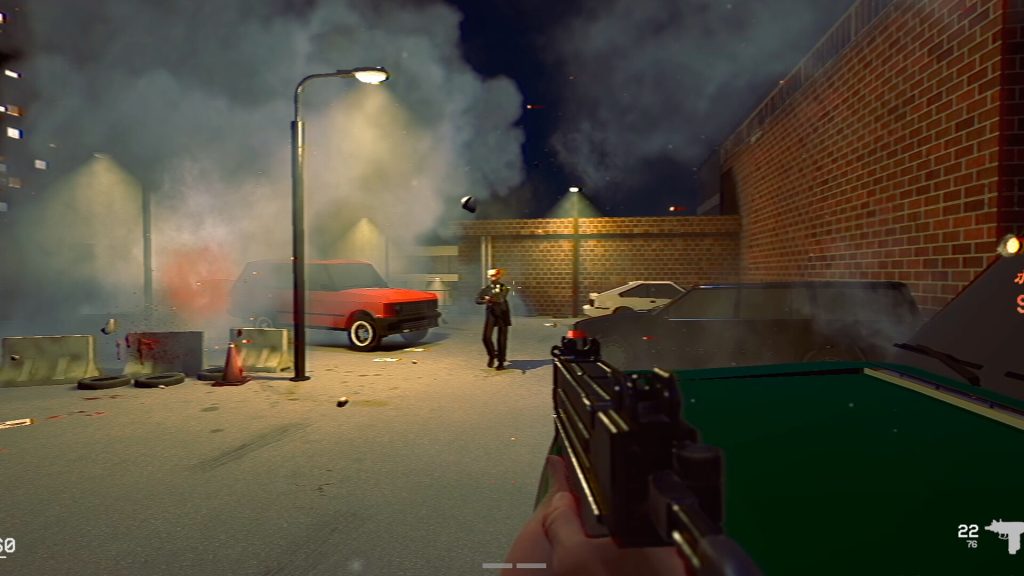
Retro corridor shooter Cop Bastard has partnered with Retrovibe for an October release, accompanied by a faster and more polished…
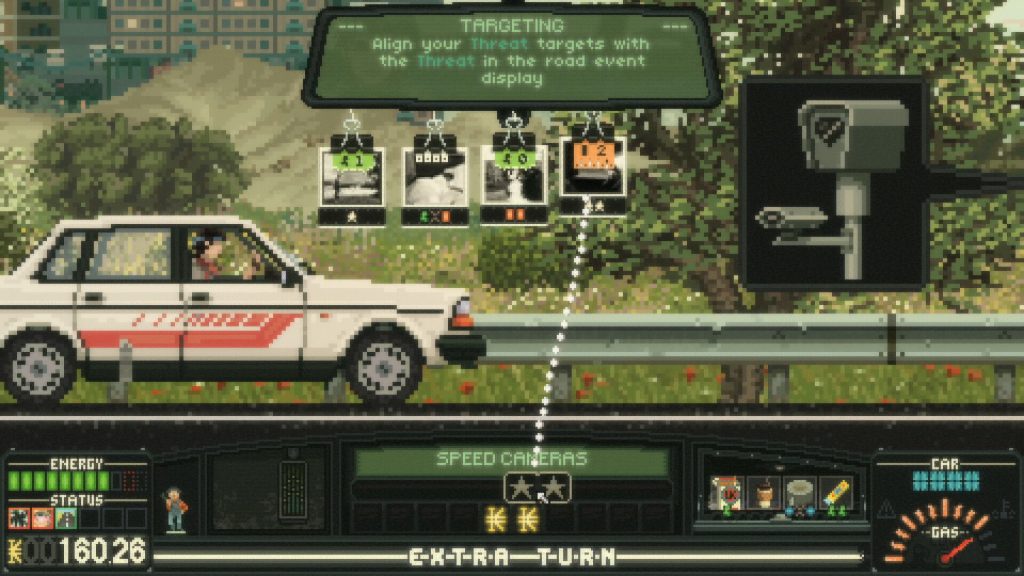
Keep Driving launches on Switch, PS5 and Xbox Series X|S on September 28 as its PC edition receives official Steam…
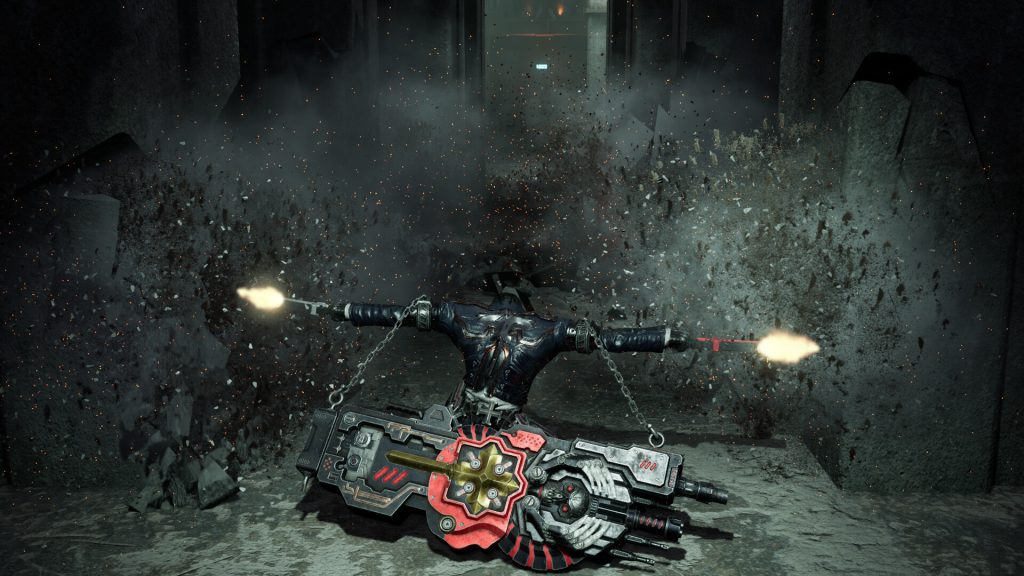
Gungrave G.O.R.E: Blood Heat shows its rebuilt combat, including parries, close-range attacks and faster 360-degree movement.

Sugar Lies follows a young man who hates dishonesty and a girl living behind a perfect persona when it launches…
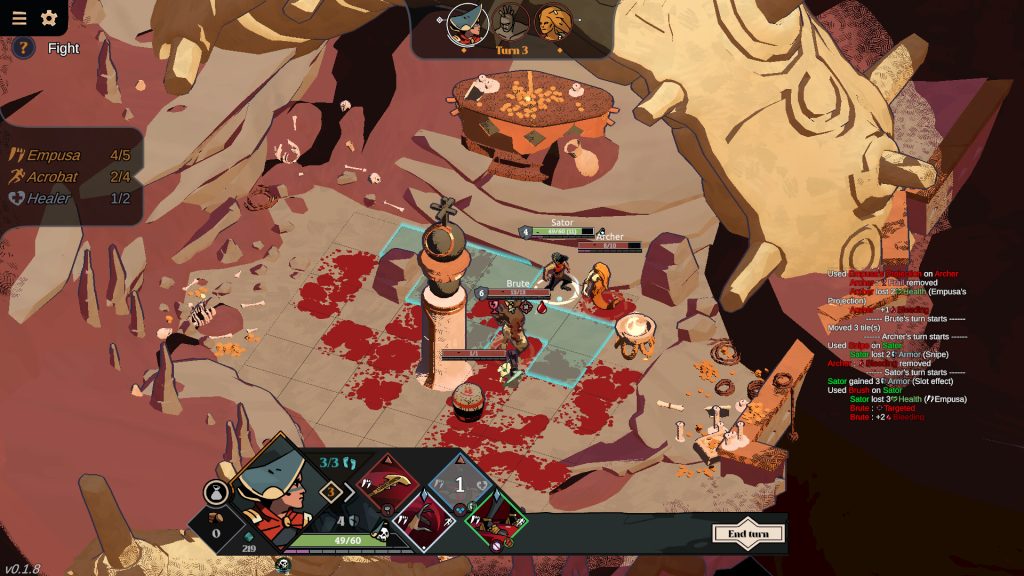
Deified leaves Steam Early Access on September 21 with its narrative ending, final boss floor, balance improvements and hidden content.
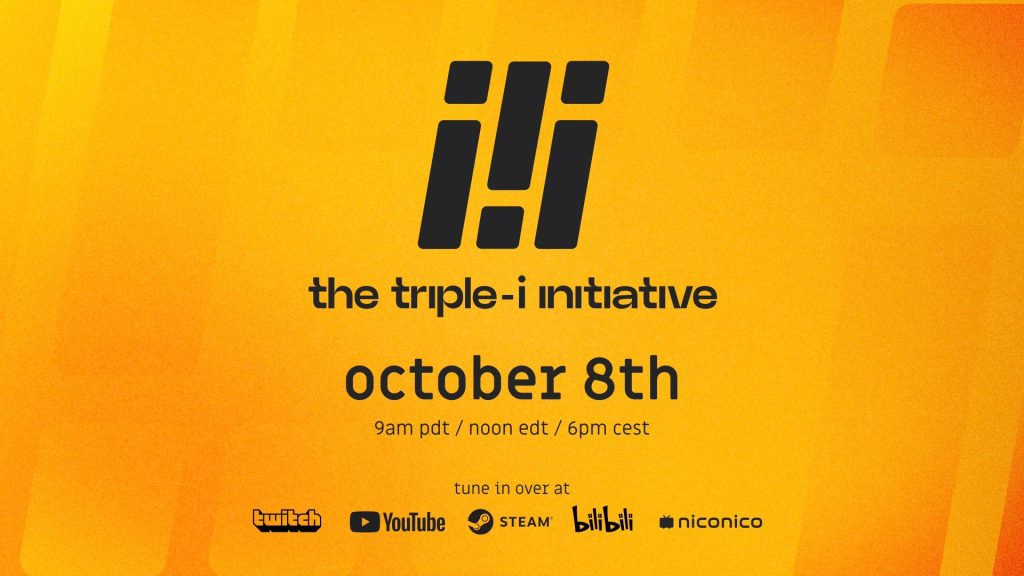
Triple-i Initiative returns October 8 with 40 games, eight world premieres and 45 minutes of trailers, release dates and reveals.
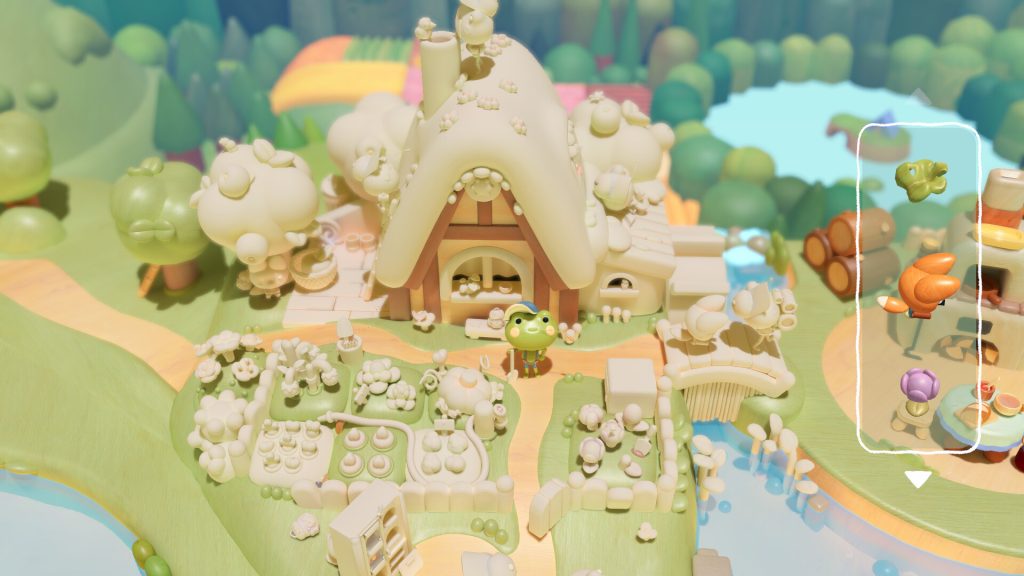
Woodo launches September 16, inviting players to rebuild childhood memories through cozy, handcrafted wooden dioramas.
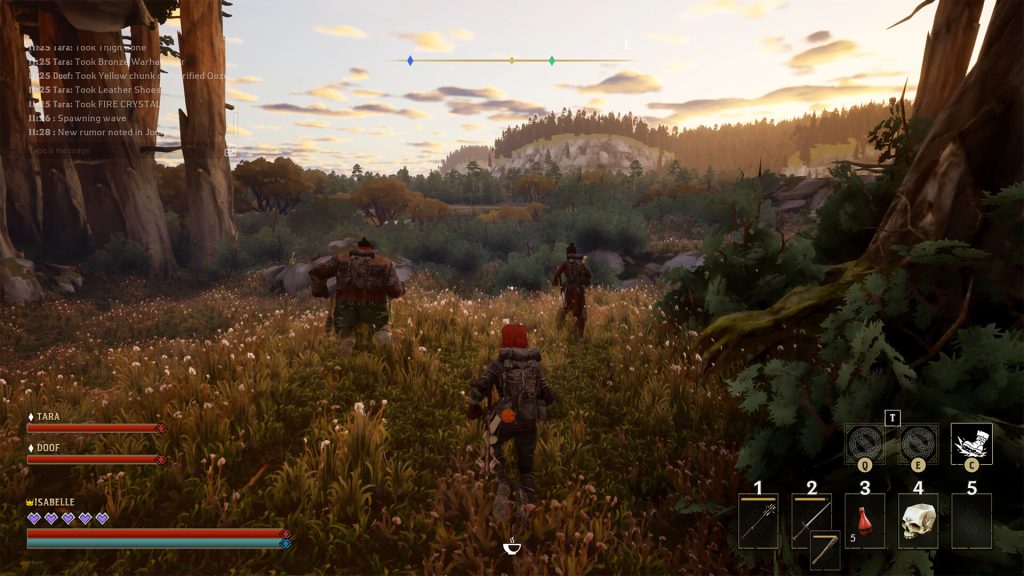
Curve Games signs Wyldheart in one of its biggest recent investments after the co-op RPG surpasses 375,000 Steam wishlists.
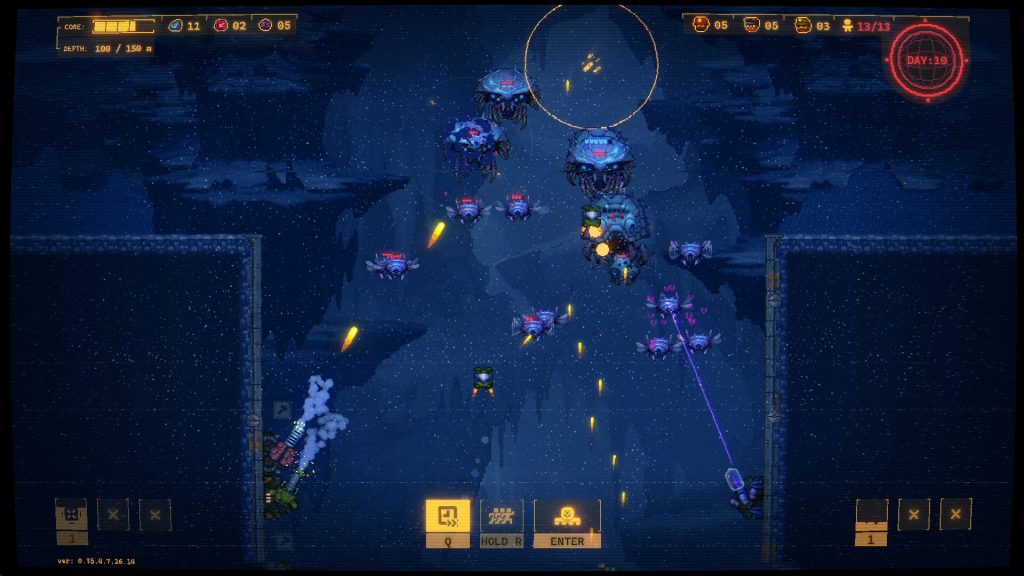
Drill Core’s free Anniversary Update adds Relaxed Mode, new bounties, specialists, platform skins and several quality-of-life improvements.
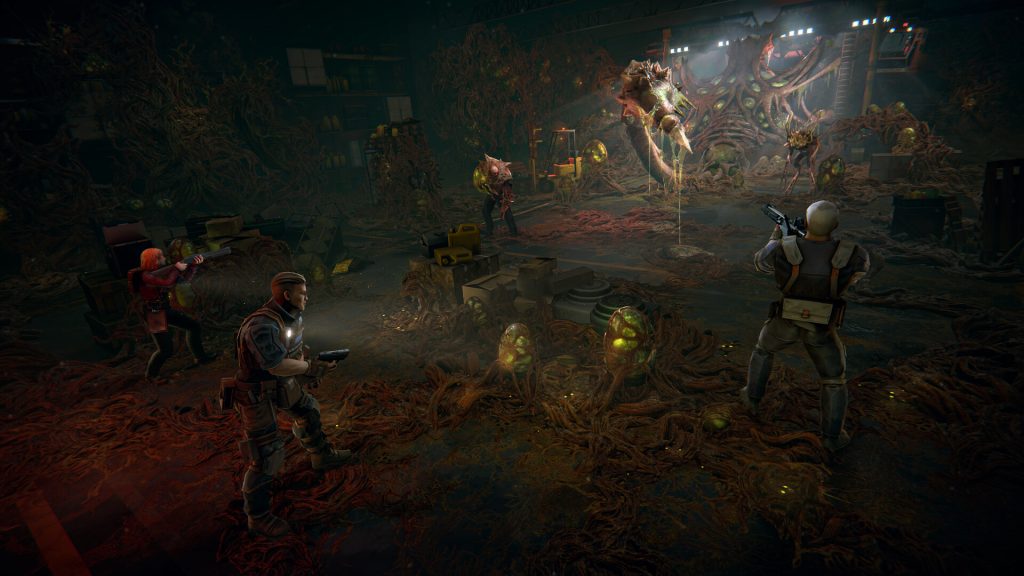
Critical Shift’s free two-hour demo combines real-time exploration with tactical combat inside a compromised Antarctic facility.
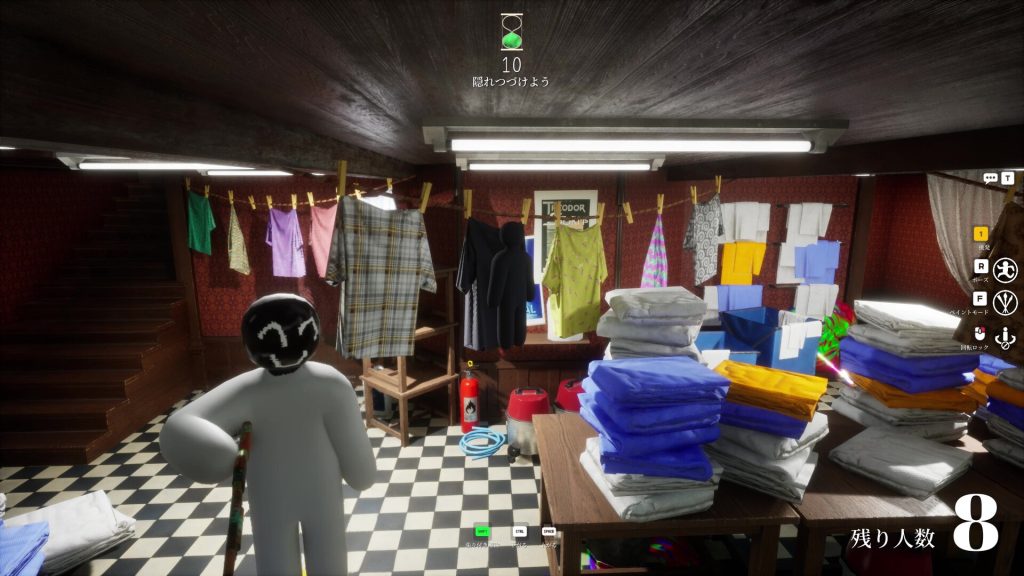
Meccha Chameleon brings its paint-based multiplayer hide-and-seek matches to Nintendo Switch 2 with a temporary $4.79 launch price.
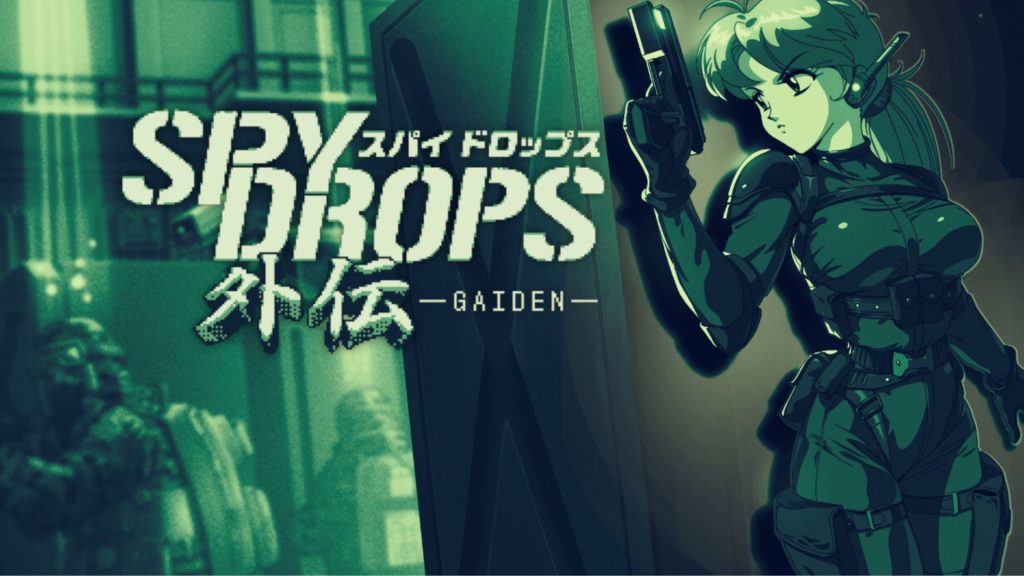
Spy Drops Gaiden brings Game Boy-style stealth, eight covert missions and intel extraction to Steam on October 12 for €4.99.
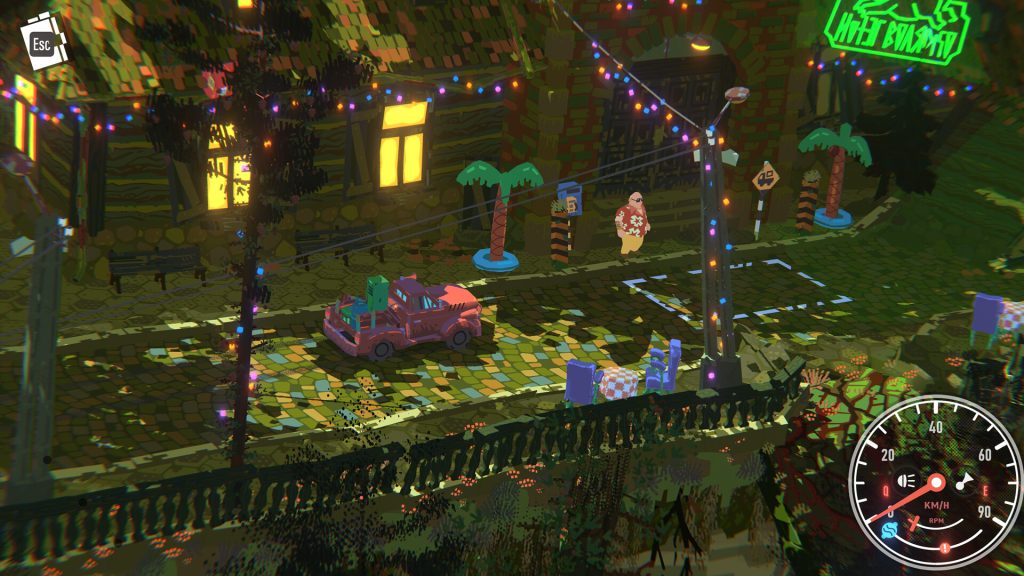
Truckful launches October 9 on Steam and Android, combining physics-based deliveries with vehicle upgrades and a mystery inside an ancient…
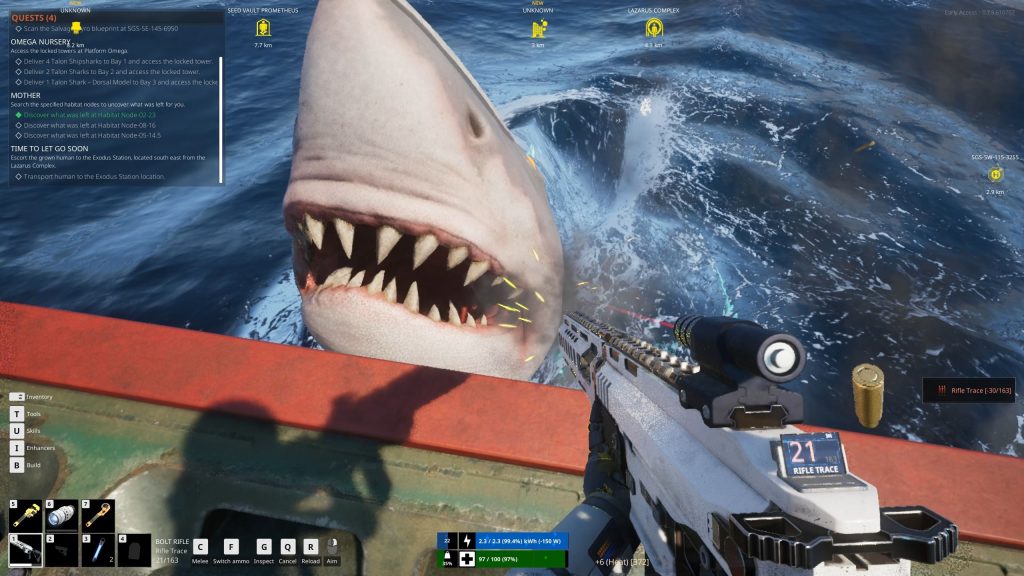
The Last Caretaker reaches version 1.0 in spring 2027 and joins Xbox Game Pass on day one after selling over…
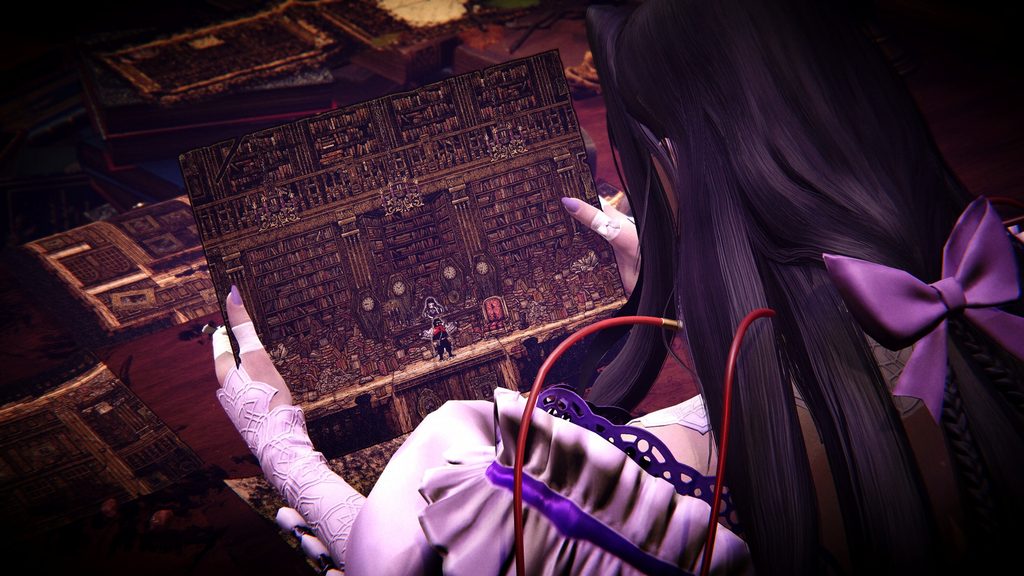
Chronoscript: The Endless End moves to early summer 2027 as DeskWorks! improves combat responsiveness, menus and visual readability.
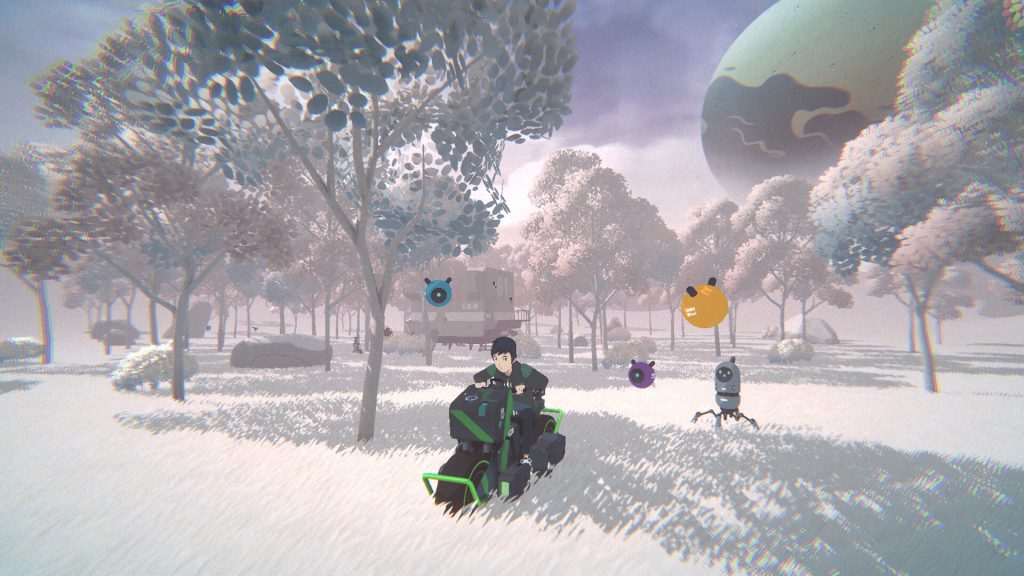
HEIMA is a parallel-world puzzle adventure from former Terra Battle developers, coming to PC in 2028 with SHIFT and HOLD…
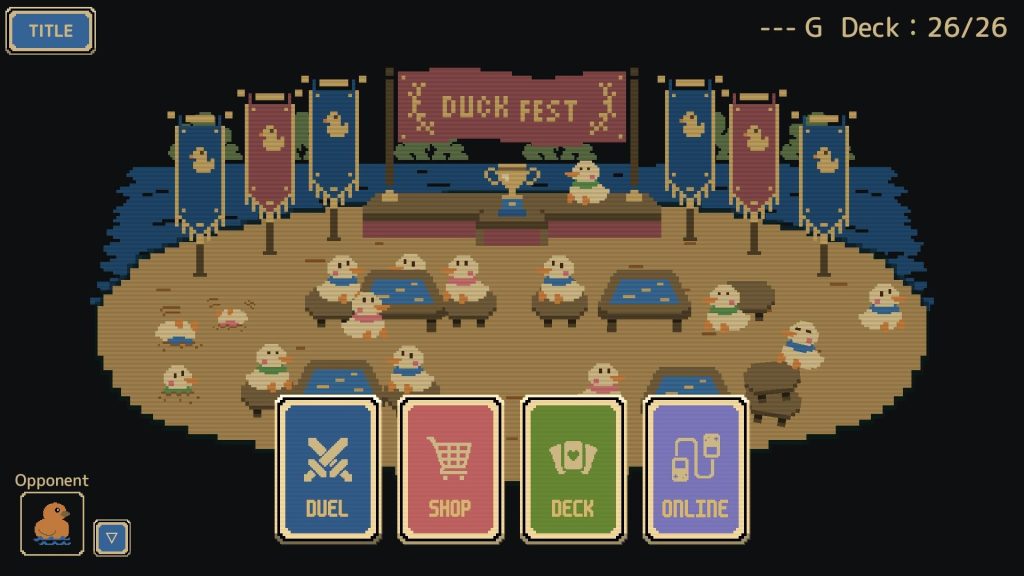
Duck Fest combines deck building and 1v1 battles with collectible cards that players can trade through the Steam Community Market.
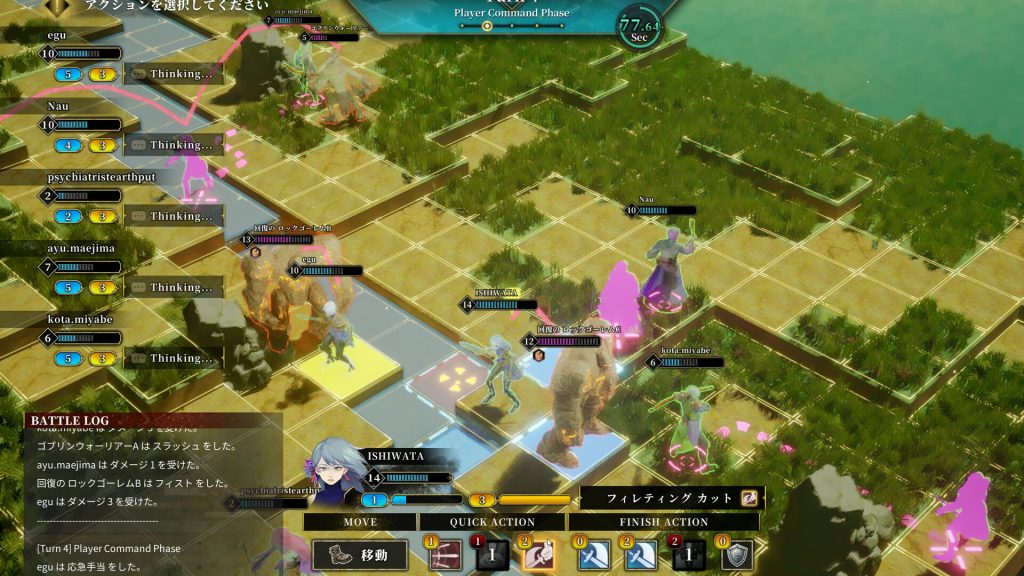
Tactful Tactics is a 1–6-player cooperative RPG where everyone plans and executes their actions simultaneously.
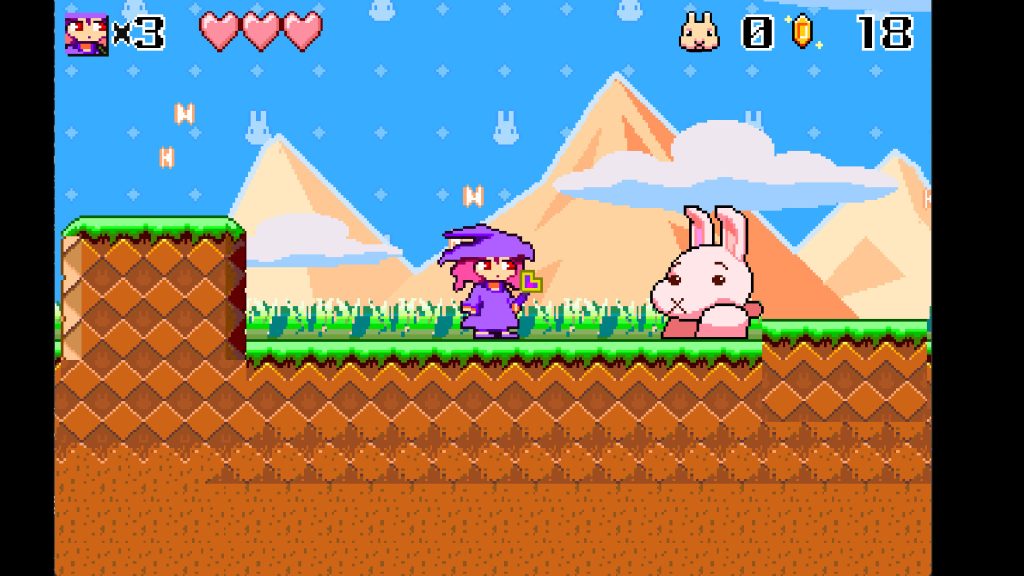
SakuSaku Witch is a retro-inspired 2D platformer about magic, bunny monsters and a suspicious toy company, coming to Steam in…
