![[EARLY ACCESS] The Last Caretaker – Survival Game I Cannot Stop Playing](https://www.indie-games.eu/wp-content/uploads/2026/07/The-last-Caretaker-Key-Art-1024x587.jpg)
[EARLY ACCESS] The Last Caretaker – Survival Game I Cannot Stop Playing
The Last Caretaker is a compelling survival crafter with a flooded world and mobile base, but weak combat and performance…


If you enjoy independent indie game coverage, consider supporting Indie-Games.eu on Patreon. It helps keep the site independent.
Svarog’s Dream is a game that truly surprised me. In it, you have the option to choose between two sides, will you fight for the Christians, meaning one God, or will you join the Slavic gods in their campaign to conquer the world? The plot will be intertwined with many twists, gods will switch sides, and the amount of importance they hold in the game is particularly interesting.
Beyond that, Svarog’s Dream brings an enormous open world that is constantly changing. Various world events and situations will occur that can drastically influence your character. For an RPG, it offers a charm and fun that I haven’t experienced in a long time. Still, we have to be honest, it is not without its flaws, exploration can become tedious after a while, especially traveling from one end of the map to the other. Despite that, it offers a wealth of content and a story that we shape ourselves. But you’ll see why Svarog’s Dream is a unique game.
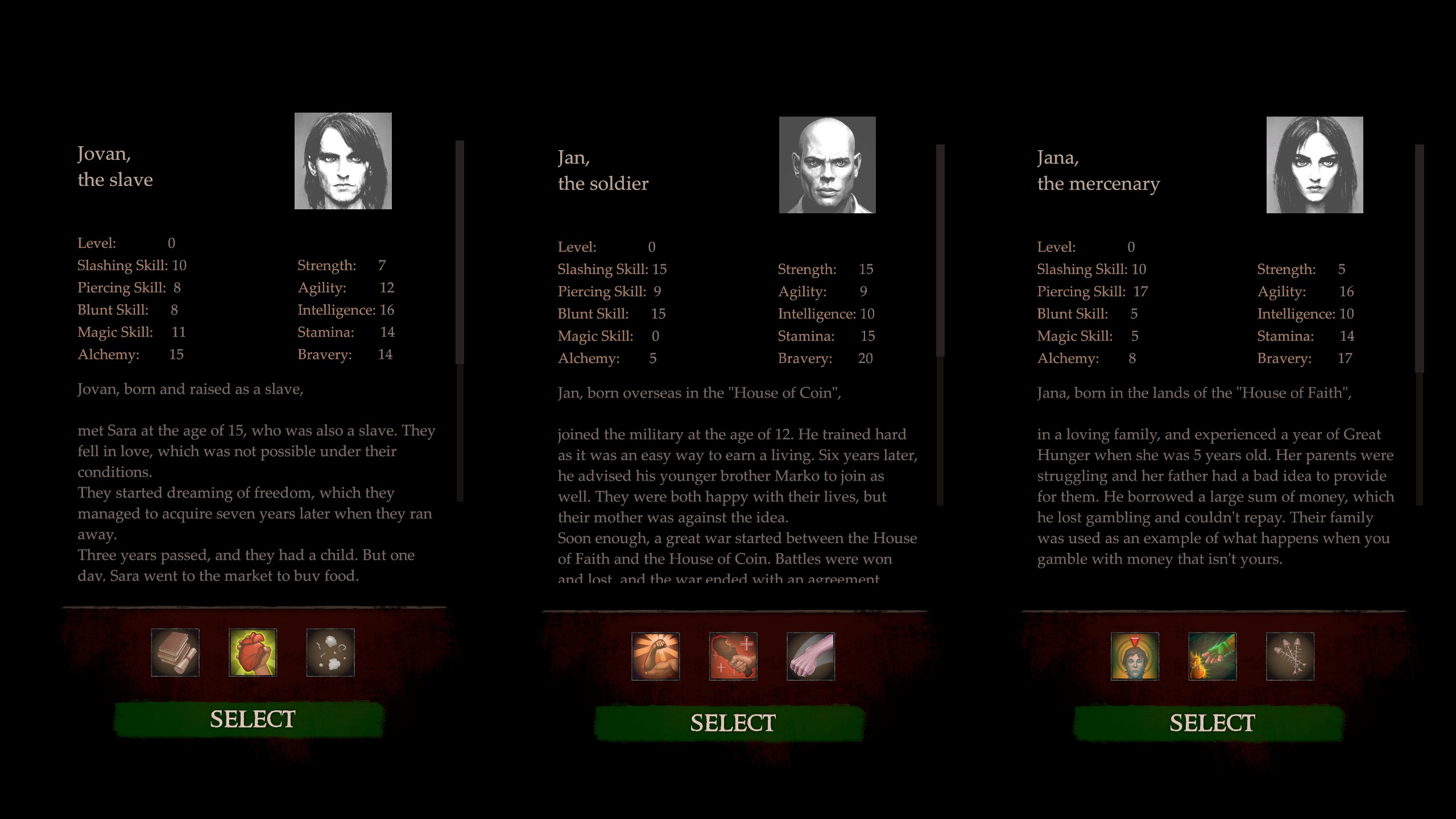
To my knowledge, this game was developed by the Serbian team VI Game Forge, who have been relatively unknown to the public until now. Nevertheless, they have presented a game that is sure to attract RPG fans. At the start of the game, you have a choice of three characters, each with their own special skills, stats, unique backstory, and talents.
What makes this game different is that if you die, you must take on a new character, find your lost belongings, and the game doesn’t end until you complete the final quest. It’s fascinating that character stories can include special tasks, for example, saving a brother from slave owners. You also have three masteries (Ranger, Soldier, and Druid), and all the character’s traits can influence how good or useful they will be for a particular mastery.
I’ll tell you right now that it’s important to remember your character’s name, as it will be useful later. The point of the game is to survive as long as possible with your character, although you can choose to retain all masteries when you take a new one, and all levels are kept. Dying absolutely affects the story itself; it is crucial to know how to navigate the world, as a creature three times stronger than you can jump out at any corner.
Bosses, on the other hand, are diverse, intuitive, and interesting, adding their own dose of challenge. For example, you have to fight the “God of War.” The game has well-balanced certain elements, especially tracking your levels during play, so enemies are not always three times stronger than you. You have a chance to escape, all with the ominous undertone of possible death. Additionally, the quests are varied, ranging from killing that monster to finding the person who is throwing feces in front of a house.
You have a plethora of attributes and skills to choose from, each carrying a light (good) or dark (bad) side. Unlocking one side locks the other, so you can’t take all skills and must choose carefully. This dynamic is strongly connected to the story, as you can acquire experience (XP) faster if you commit to one of those sides during key choices in the game.
The game truly puts important decisions before you; will you kill the giants at Perun’s instigation or solve three philosophical riddles at the command of God? Furthermore, after unlocking all the basic attributes, you can work on upgrading your stats, for example, increasing movement speed or boosting damage output.
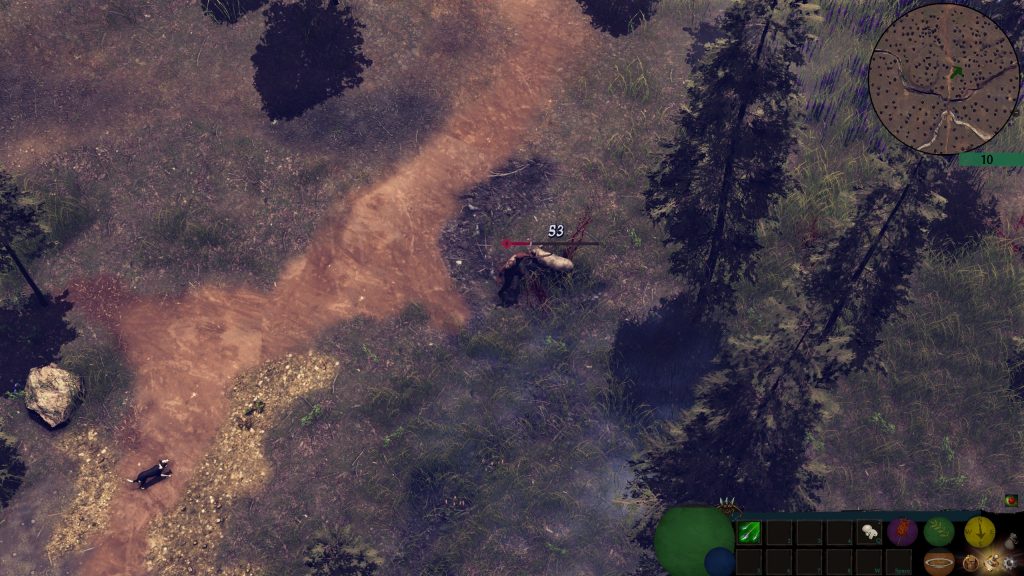
Svarog’s Dream boasts a large open-world map, meaning you are not limited in your exploration. You can gather various items, hunt animals, discover hidden treasures, and move through diverse environments like deserts, forests, mountains, or swim in rivers and seas. With a wealth of varied plants, food, including weapons, armor, and potions, you’ll need to manage your inventory wisely using different bags and indestructible chests, that is, there are spots on the map where you can safely store your belongings.
I believe that fans of Slavic mythology will particularly enjoy this game because figures like Baba Yaga, Perun, Morana, and Veles are presented with dignity. The game is teeming with mythological creatures such as various spirits, griffins, and the like. It’s fascinating that you can also travel the underworld, and thanks to the power of free will, the gods will consider you an important asset and attempt to win you over to their side.
Every part of the world introduces new enemies, different quests, and opportunities to meet diverse characters and explore the offerings of merchants. I was impressed by the detailed weapon design and the ability to upgrade them through the forge, from common to legendary (there are even demons that chase you if you possess the weapons of the gods). It’s important to note that the game operates according to typical RPG principles, so it’s best to tailor equipment to your character; for example, a Berserker will use a large axe, not a sword and shield.
Combat in this game is straightforward. Click on the target, use skills, and each has a special effect, for instance, you can stun or slow down enemies, or gain more gold when you kill them. It’s important to wisely use food to restore health or potions with different effects, mindful of the cooldown to prevent abuse. You can dodge enemy attacks, but you must be faster than them, as you cannot roll or jump.
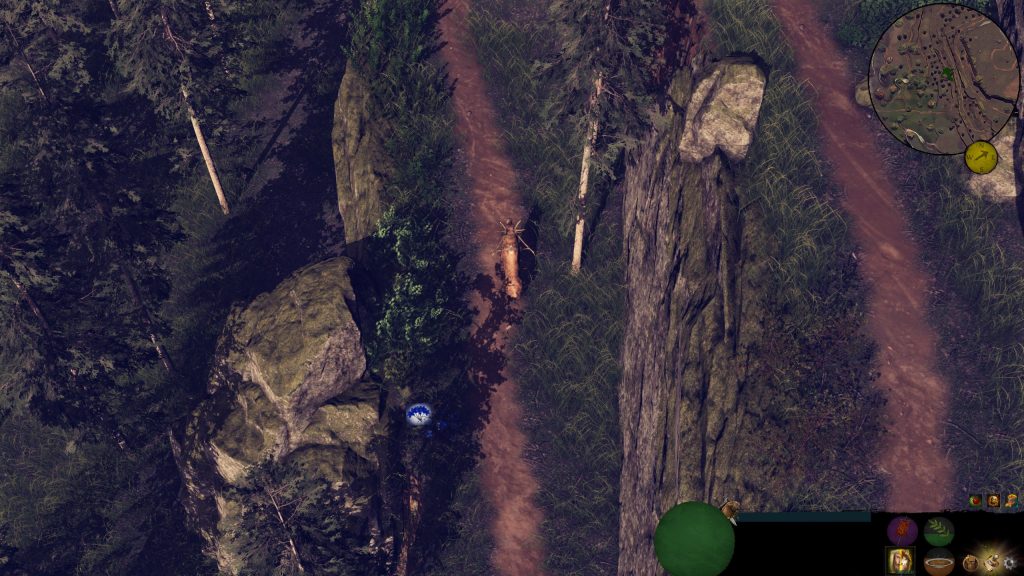
Of course, despite the game’s qualities, there are certain drawbacks. I would primarily point out the exploration experience, which, despite including some variety, for instance, you can be ambushed by werewolves, vampires, and other enemies, becomes monotonous over time. If there weren’t fast travel points, and if you couldn’t transform into a rabbit or a werewolf to travel faster, exploration would become very tedious. We need to consider that things look far apart, but they aren’t; you can get to one area quickly. However, what is more tiresome is that quests constantly send you up and down the entire map. Especially in underground areas, traveling to a destination can take an extremely long time. Moving through the mountains to reach quests was particularly exhausting; if you didn’t solve it, you had to return the next day and repeat the whole journey.
The User Interface (UI) system could use some extra attention. Although placing key elements in the right corner allows for uninterrupted gameplay, adding clear visual indicators below the center of the screen, such as numbers showing health or mana, would be beneficial. Current information on stamina for running, hunger level, and special effects is not always clearly visible without hovering the mouse over those areas. Also, the map in the upper right corner, while useful, is often too zoomed-in for comfortable tracking (I’m not sure if you can change this in the options).

Why is there no simple option to return to the main menu? Instead, we are forced to quit the game entirely. Also, why does the game auto-save after death? Sometimes situations are challenging, and an accidental (stupid) death can result in the loss of a good character and the forced selection of a new one. Furthermore, there is no tutorial in this game; the game throws you into the world as if you are already well-acquainted with the genre, and I would have liked at least some parts, such as combat, to be explained.
The camera can be quite impractical, especially when it is near walls or gets stuck inside objects. I experienced a situation in the underworld where the camera got trapped behind a large wall; I frantically clicked and somehow managed to free it. It would be useful if players had greater control over the camera, perhaps even allowing manual movement of the character for better interaction with the environment.
Typographical errors are frequent, and the dialogue box is slow and inefficient. The actual story feels disjointed, and the dialogues sometimes seemed like scripts, with characters simply outputting text without genuine interaction. Cutscenes are very rare, despite starting off well and adding an interesting element to the game.
Although the story is already complete, I believe there is room for improvement in this game, especially by introducing better Quality of Life features that I mentioned earlier. Regardless, Svarog’s Dream provides a high-quality gaming experience, uniting impressive entertainment with the richness of Slavic mythology.
I decided to buy the game personally to support the developers.
The Last Caretaker is a compelling survival crafter with a flooded world and mobile base, but weak combat and performance…
Advent: Dawn is an intriguing science-fiction visual novel elevated by a likable cast and one of the most convenient flowchart…
![[EARLY ACCESS] Hell Maiden – Beautiful but Uneven Journey Through Hell](https://www.indie-games.eu/wp-content/uploads/2025/06/HMD_screenshot_019-1024x576.jpg)
Bullet heaven and rougelite game Hell Maiden lands between a polished Early Access release and a promising game that still…
![[PREVIEW] Dark Queen of Samobor – Promising Croatian Adventure Still in Need of Polish](https://www.indie-games.eu/wp-content/uploads/2026/07/Dark-Queen-of-Samobor-1024x587.jpg)
Dark Queen of Samobor is a promising 2.5D side-scrolling action-adventure that combines Croatian folklore with combat, puzzles and cinematic platforming.
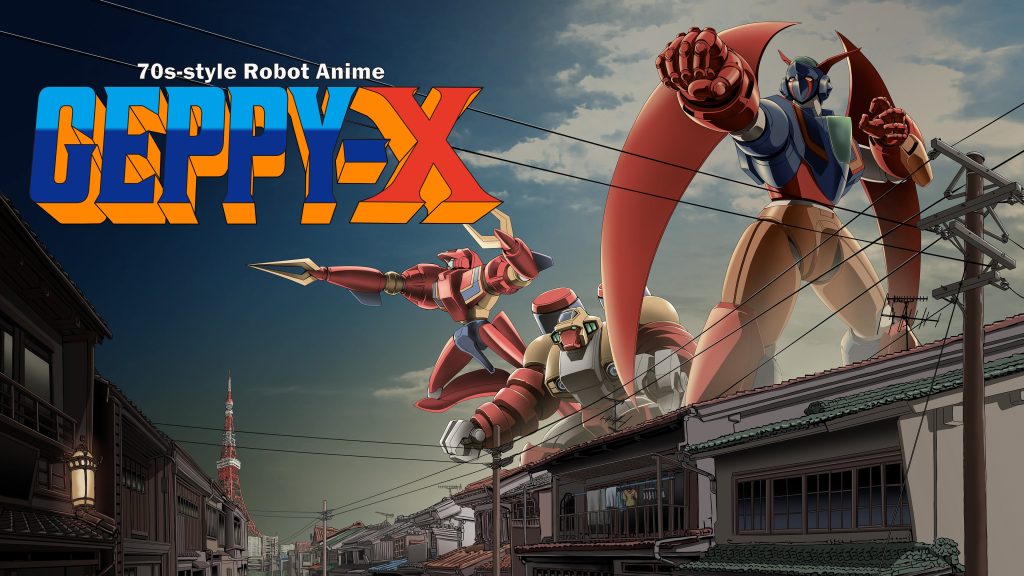
70s-style Robot Anime Geppy-X offers incredible animation, music and mecha nostalgia, but its average shooting make the €39 price difficult…
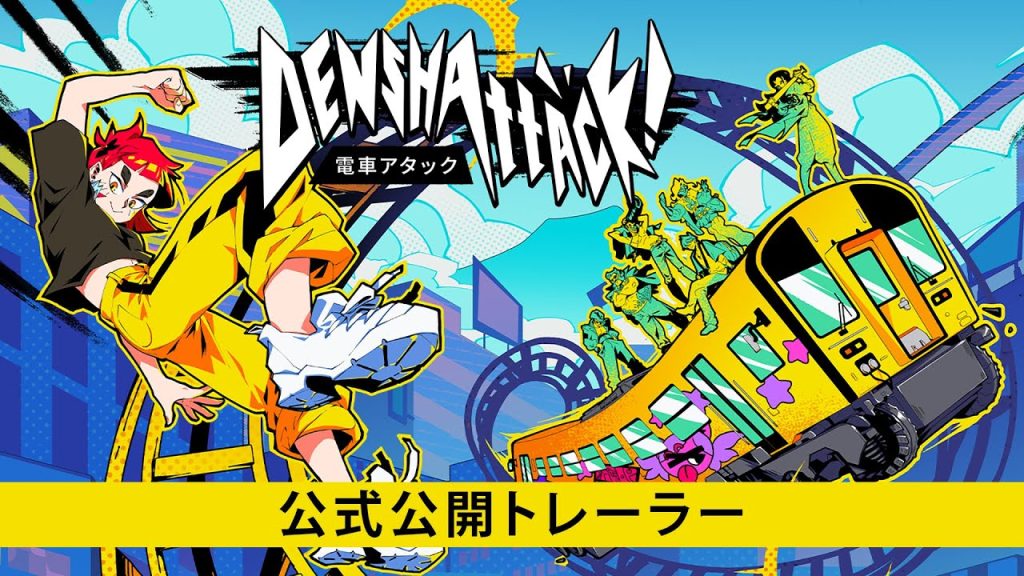
Denshattack! blends Tony Hawk, Jet Set Radio, and Japanese train culture into one of the year's most creative and unforgettable…
If you're looking for a game that takes an incredibly simple idea and somehow turns it into something addictive, KAZ…
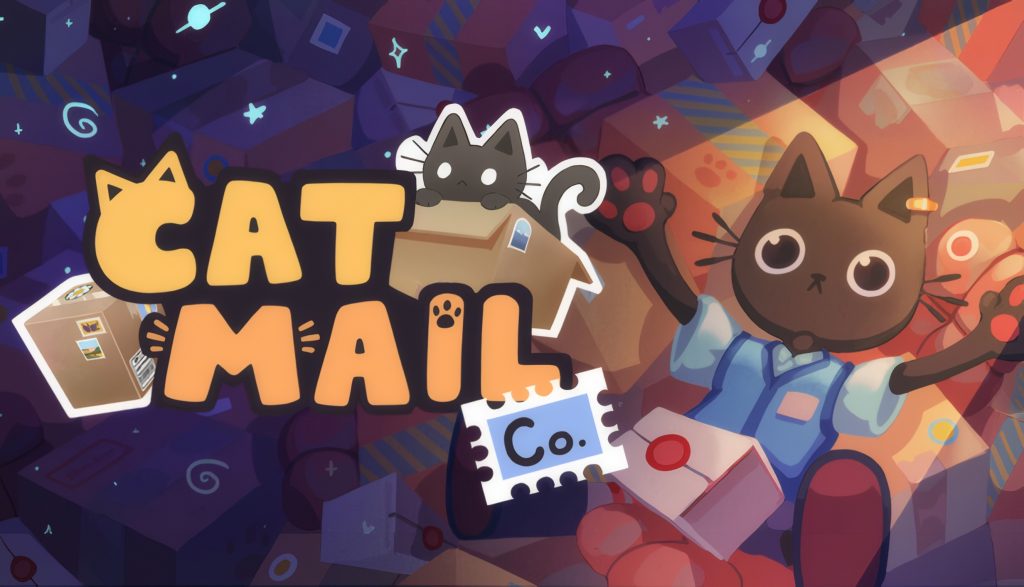
Cat Mail Co. charms with cozy visuals and satisfying mail sorting, but its full release doesn't quite live up to…
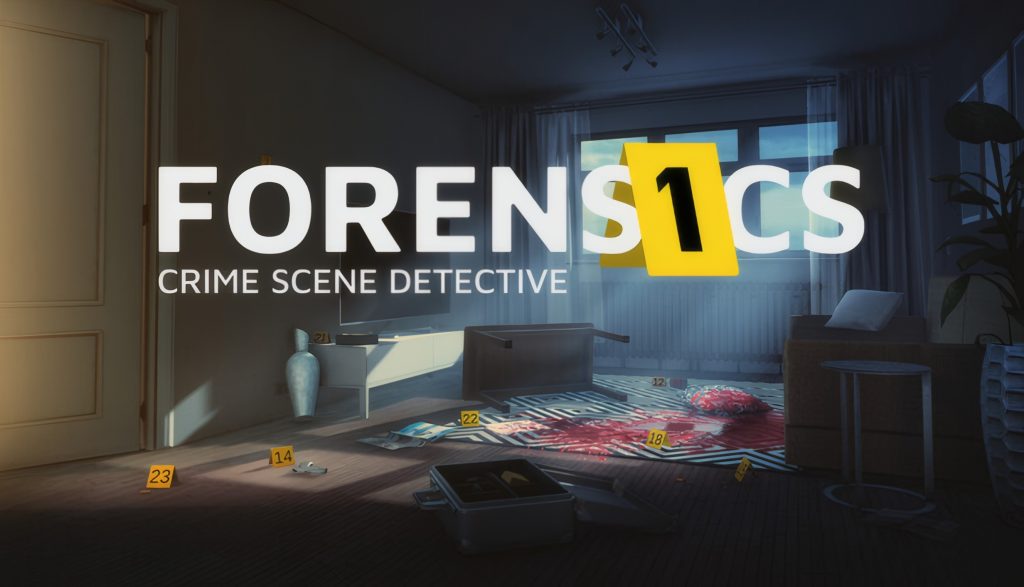
Forensics: Crime Scene Detective follows Aerosoft's familiar formula: an interesting simulation with decent visuals, weak optimization, and repetitive gameplay.

Foxy The First Steps is an excellent precision platformer that understands exactly what makes the genre enjoyable.

Tokyo Valkyries blends visual novel, roguelite deck-building, and fan service into a surprisingly enjoyable mix, despite few standout elements.
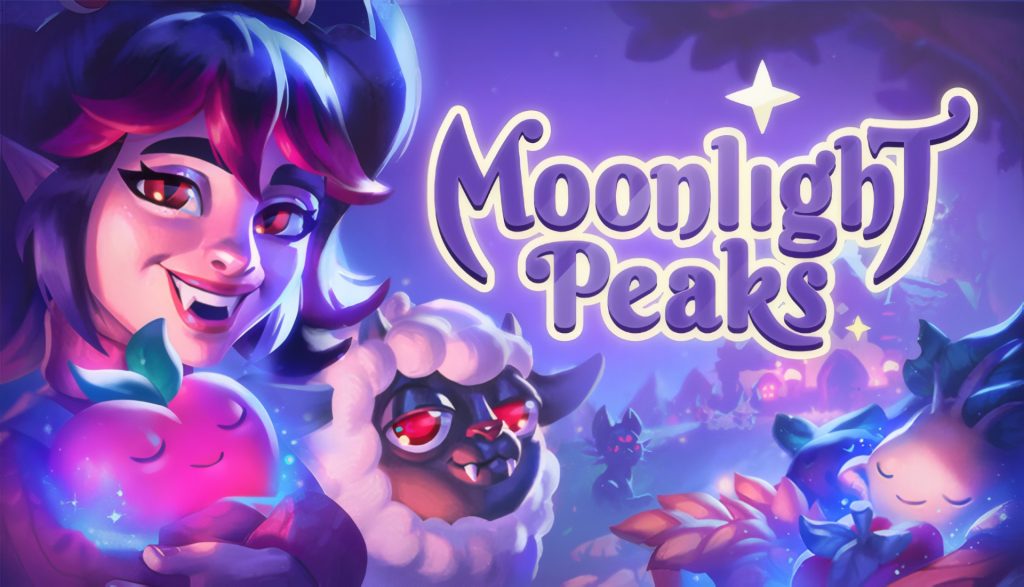
Moonlight Peaks refreshes the cozy farming formula with a more unique supernatural and magical approach while keeping the familiar mechanics…
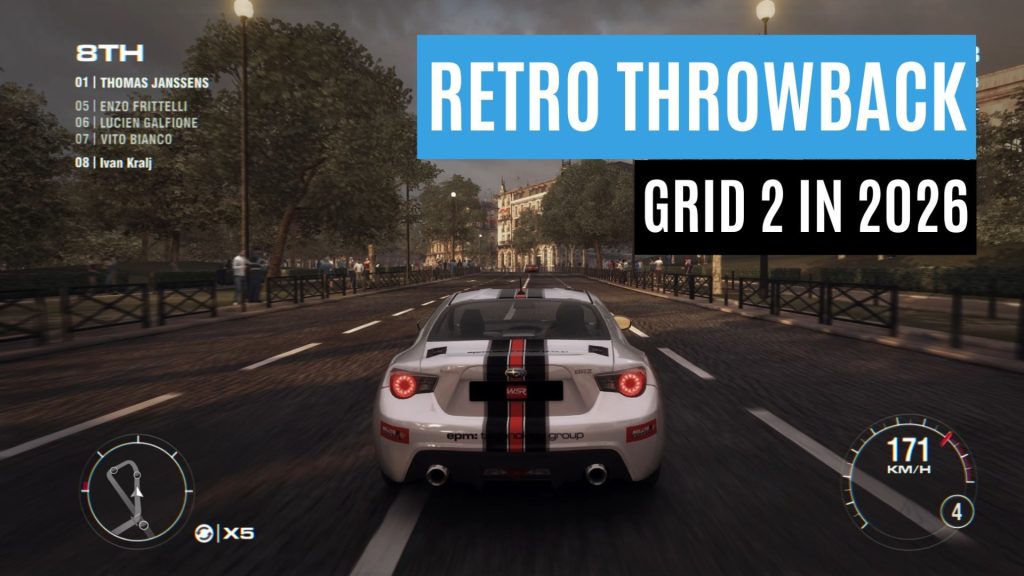
The first thing that stands out about GRID 2 in 2026 has nothing to do with its handling, graphics, or…
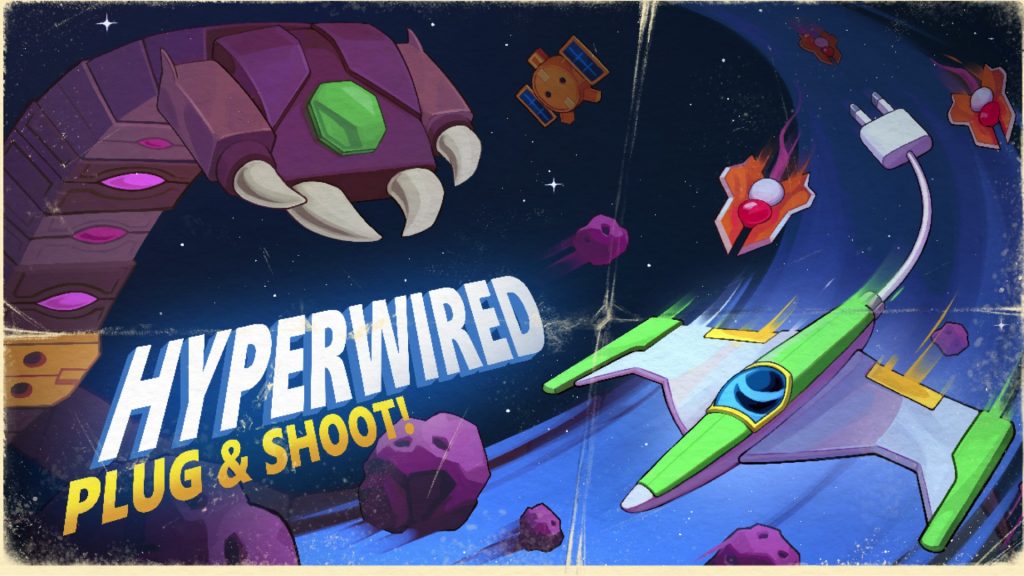
HYPERWIRED is a top-down roguelike where your ship drags a giant plug, powering sockets to complete objectives and progress through…
![[PREVIEW] 70s-style Robot Anime Geppy-X – This Game Pretends It’s a Real 1970s Anime](https://www.indie-games.eu/wp-content/uploads/2026/06/70s-Style-Robot-Anime-Geppy-X-Preview-1024x576.jpg)
As I continue my Steam Next Fest journey, I stumbled upon a game I honestly wasn't expecting to enjoy as…
![[PREVIEW] Edge of Memories – One of My Biggest Steam Next Fest Disappointments](https://www.indie-games.eu/wp-content/uploads/2026/06/Edge-of-Memories-Preview-1024x576.jpg)
Right now, Edge of Memories feels like a game with good ideas that hasn't yet figured out how to turn…
![[PREVIEW] Penguin Colony – Lovecraftian Horror Meets Antarctic Exploration](https://www.indie-games.eu/wp-content/uploads/2026/06/Penguin-Colony-5-1024x576.jpg)
It is surprisingly difficult to explain Penguin Colony, yet incredibly easy to become fascinated by.
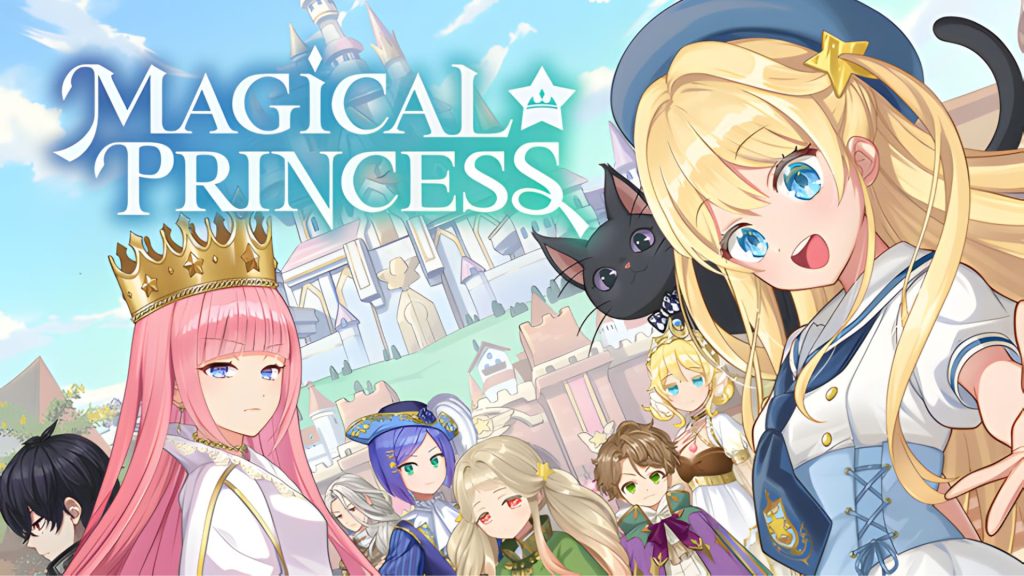
Magical Princess is one of those games that immediately reminded me of the classic Princess Maker series, but it does…
![[PREVIEW] Mortal Shell II – Difficult, Fair, and Surprisingly Polished](https://www.indie-games.eu/wp-content/uploads/2026/06/Mortal-Shell-II-1-1-1024x576.jpg)
Mortal Shell II has opened its beta to everyone, and I have to admit, this is exactly how you showcase…
![[PREVIEW] 1666: Amsterdam – Fails to Capture the Promise of Its Reveal](https://www.indie-games.eu/wp-content/uploads/2026/06/1666-amsterdam-1024x576.jpg)
Having just recently been revealed during Summer Game Fest, 1666: Amsterdam has already received a playable prologue on Steam.
