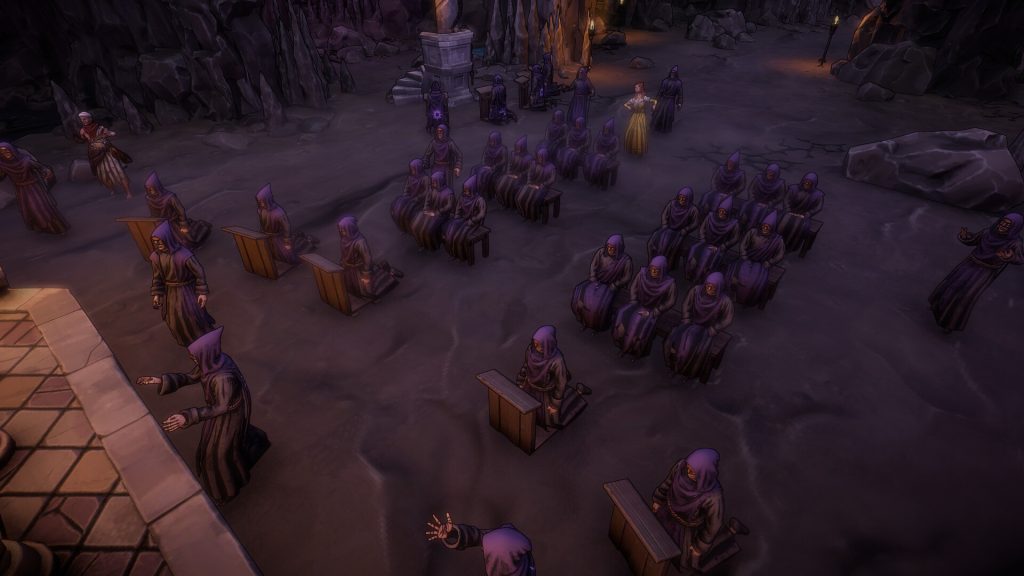
The Lunacy Lets You Build a Secret Cult Beneath Inquisition-Era Spain
Above the Desk, the studio behind Above the Snow, has announced The Lunacy: That Game About a Cult, a dark-comedy…

If you enjoy independent indie game coverage, consider supporting Indie-Games.eu on Patreon. It helps keep the site independent.
Dungeonborne recently launched its open playtest, which will last until the end of the Steam Next Fest. After trying out the demo version, I realized how much better this game is compared to Dark and Darker. Although they share the same format, genre, and setting, let’s delve a little deeper into why we should look forward to the release of Dungeonborne.
Even though it is essentially the same game, the Dark and Darker alpha playtest last year was very lacking: a small number of enemies that were nearly impossible to kill in some situations, some classes were too strong compared to others, there was very little loot to collect, and the maps were much smaller compared to those in Dungeonborne. In its essence, the Dungeonborne alpha playtest brings much more to the table.
In my 10 hours of gameplay, it was much easier to get used to Dungeonborne than it was to Dark and Darker. The movement is smoother, it’s easier to kill enemies, there is a lot more loot to collect, and it is much more newcomer-friendly. The spells, abilities, and passive skills in Dark and Darker are less interesting than those in Dungeonborne, in my opinion. The spells in that game are quite similar to those in Skyrim: simple projectiles of various colors, ranges, and damage.


In Dungeonborne, you have to be quite careful about how you use your skills; for example, some take a long time to cast, and it’s not simple to play as a mage. Currently, Dark and Darker has more class customization in the form of selecting which unlocked passive skills you want. You unlock them as you level up, but you always have a limited number of slots for the ones you can use.
Dungeonborne, on the other hand, doesn’t have that. All skills are already an inherent part of the class and cannot be changed, which definitely makes the gameplay limited. You unlock passive skills by gathering enough stat points, but you have the same passive skills as everyone else of the same class. Stat points come from leveling up as well as from equipment, so you can be an extremely well-equipped character with all passive skills unlocked even at level one.
Dungeonborne’s maps are generally more open. It has much more advanced graphics rendering technology because it uses Unreal Engine 5, while Dark and Darker is still on Unreal Engine 4. This includes ray-traced global illumination, reflections, and other modern technologies. Generally, Dungeonborne has better graphics, but this is certainly a matter of personal opinion and impression.
It should be emphasized that both Dungeonborne and Dark and Darker use ready-made assets from the marketplace in terms of enemies, environments, and items, but Dungeonborne has a slightly greater variety of enemies. The AI is generally poor in both cases, but Dungeonborne has some issues with poor AI pathing, making it very easy to exploit monsters and kill them from a distance. For example, if you climb onto a high ledge, enemies will never be able to attack you and will frantically search for a way to reach you.


It should also be noted that Dungeonborne features various in-game events that are more accessible to players, meaning the rewards are better and the given challenges are easy to solve. What you must not forget is that you can craft certain items yourself, such as health potions, and then put all valuable collected items back into your chest so you don’t lose them. Interestingly, there is a system that allows you to save at least one item if you happen to die while exploring the various maps.
Moreover, Dark and Darker only has a PvPvE experience, while Dungeonborne in its first playtest also has an arena for hardcore PvP battles. Despite the arena being quite basic, it already provides a lot of fun, offering various rewards such as experience, gold, and other items. Dungeonborne also has a surprisingly deep auction system, something Dark and Darker lacks. This system is almost like a small game in itself, complete with full sales analytics.
Overall, Dungeonborne is ahead in many concepts and Quality of Life features, but it lags behind in things like optimization (you can literally see through walls) and Artificial Intelligence. It also brings interesting ways to play; for example, you can throw different potions or transform into a mimic to trick other players, and the UI is also quite simple to use. I admit that balancing is challenging in both cases, but I have the impression that Dungeonborne introduces enough complexity with equipment and stats that it will be easier for players to find a playstyle they like and is also effective.
Above the Desk, the studio behind Above the Snow, has announced The Lunacy: That Game About a Cult, a dark-comedy…
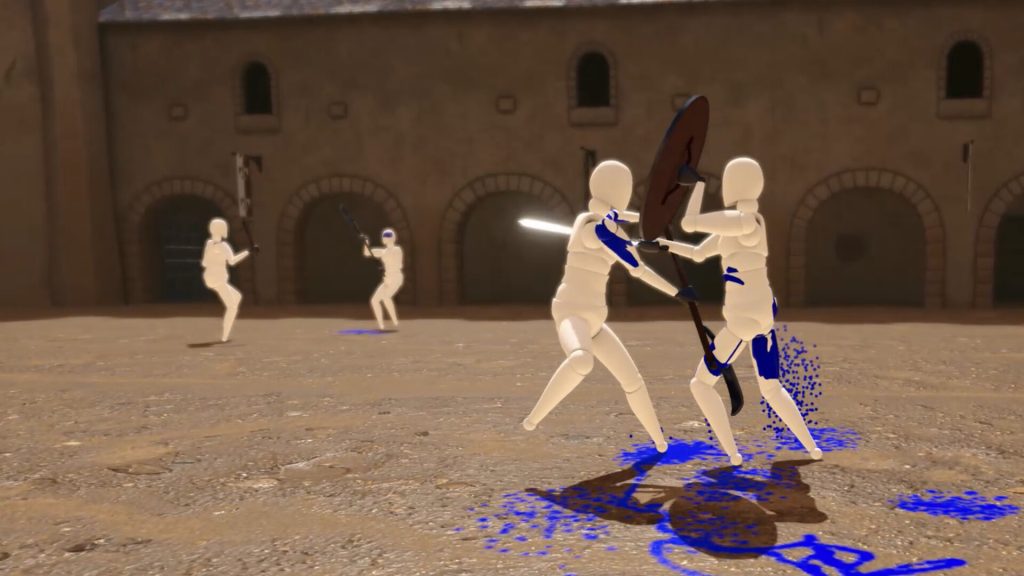
Gladio Mori leaves Steam Early Access and launches for PC, PlayStation 5 and Xbox Series X|S in September 2026, with…
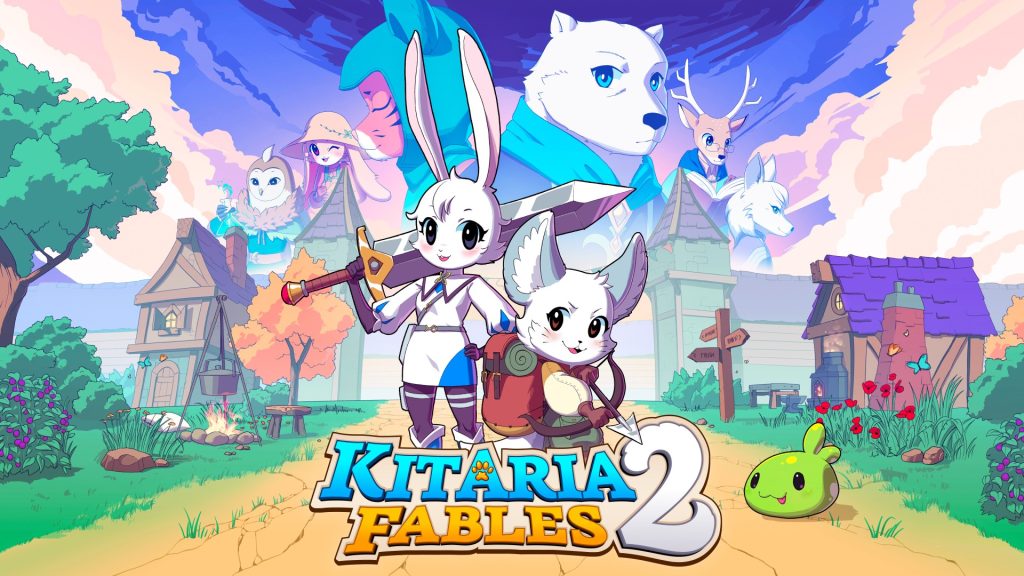
Kitaria Fables 2 will hold a closed Steam beta from September 7th to 21st, 2026, offering selected players roughly 60…
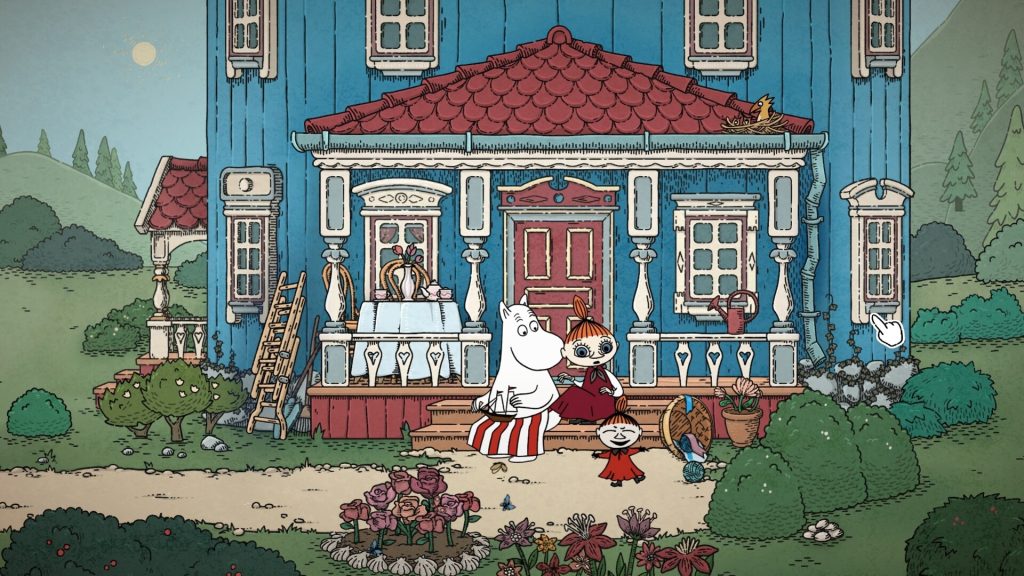
Midsummer Madness launches for PC, Nintendo Switch and Switch 2 in November 2026, following an exclusive one-day gamescom demo in…
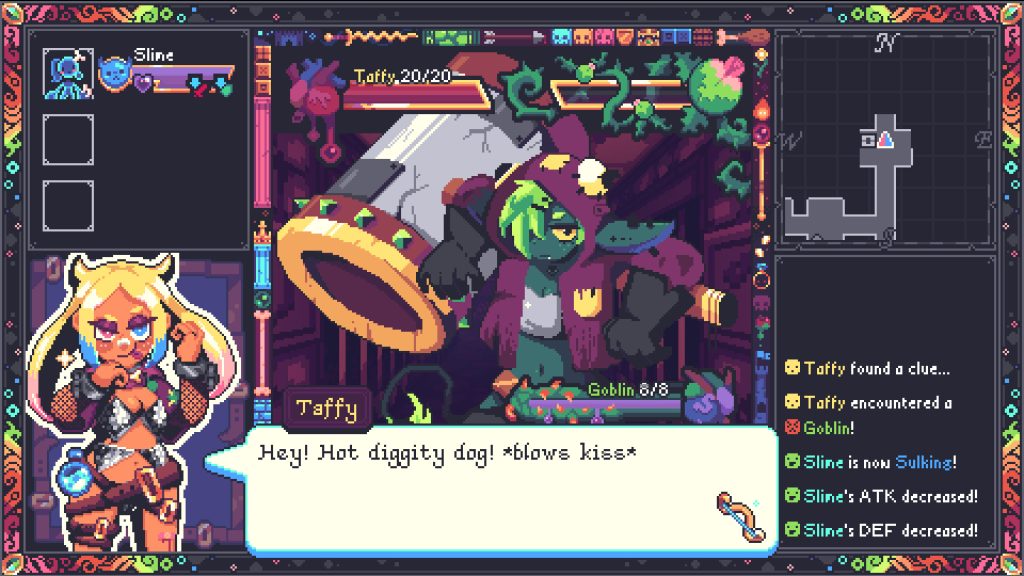
Rizz Dungeon: Skeleton Key to My Heart has been delayed to 2027, giving Snoozy Kazoo time to add more Monster…
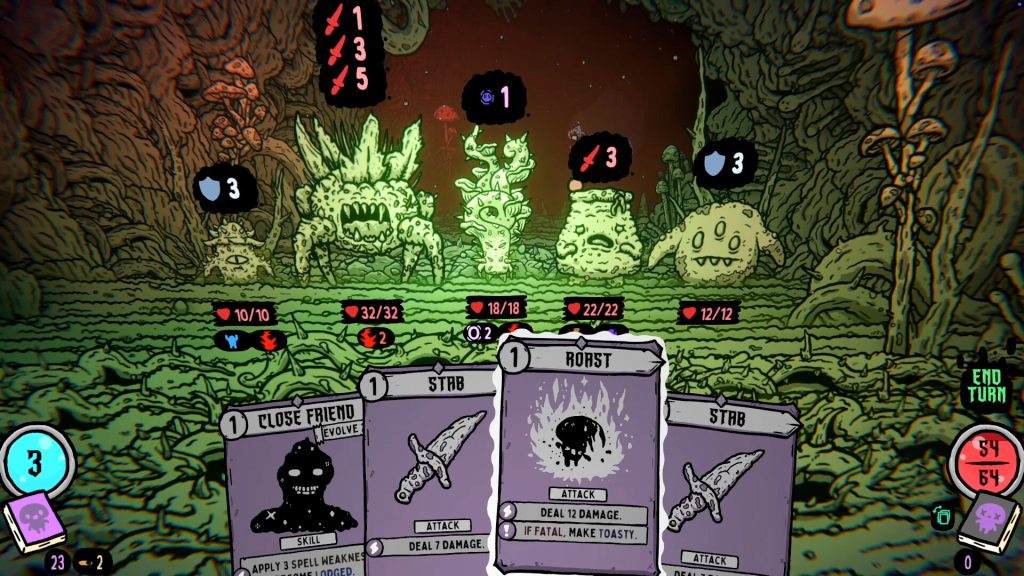
Shroom and Gloom enters Steam Early Access in September 2026, combining first-person dungeon crawling with separate exploration and combat decks.
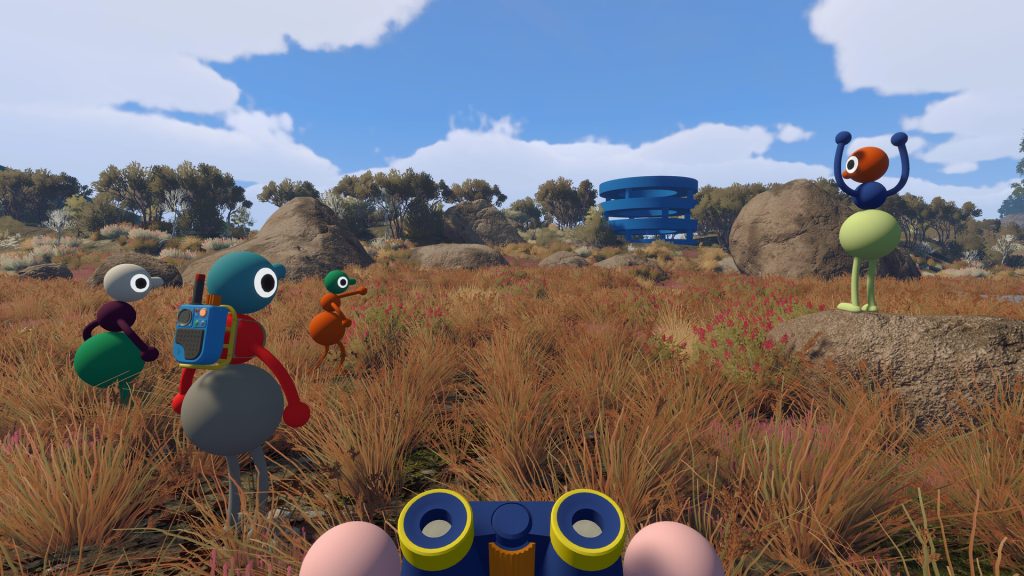
Big Walk sold more than one million copies in six days, strengthening the case for complete co-op-only games built around…

If you regularly visit Indie-Games.eu or follow the YouTube channel, you have probably noticed that things have become unusually quiet.
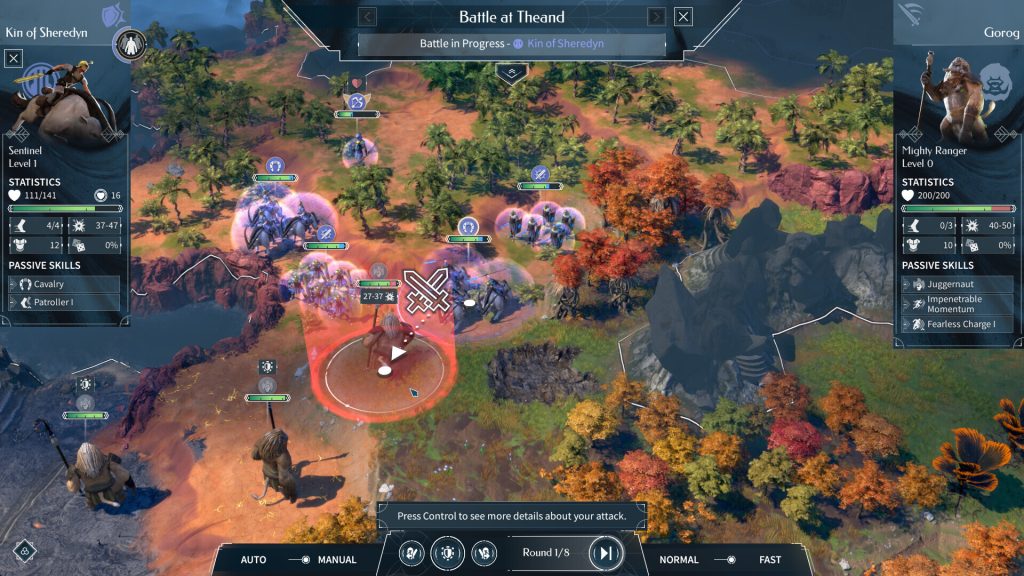
Endless Legend 2 leaves Early Access in September as version 1.0 rolls out, bringing console versions to PlayStation 5 and…
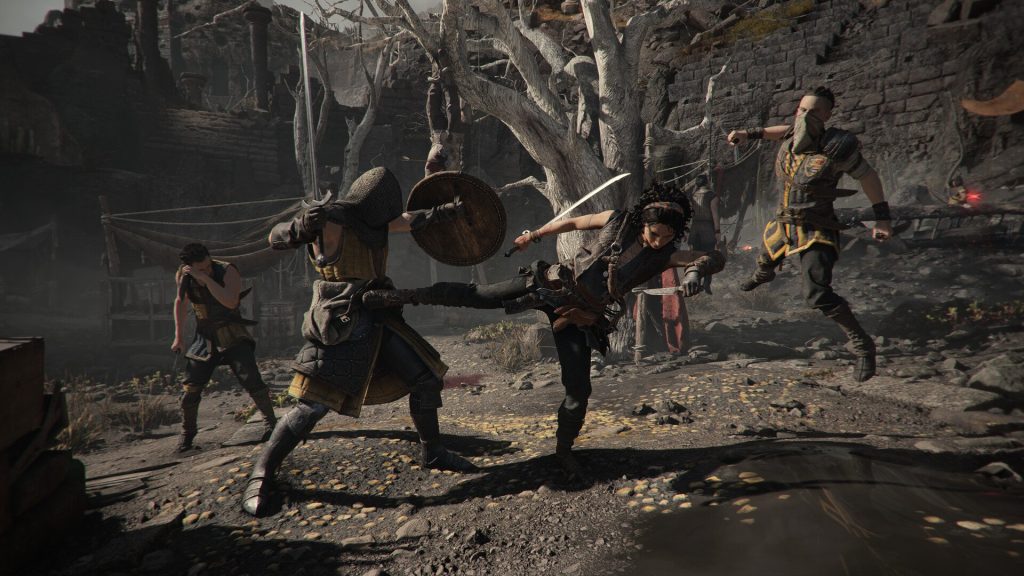
A new Resonance: A Plague Tale Legacy featurette shows how Sophia can use light to navigate dangerous environments and overcome…
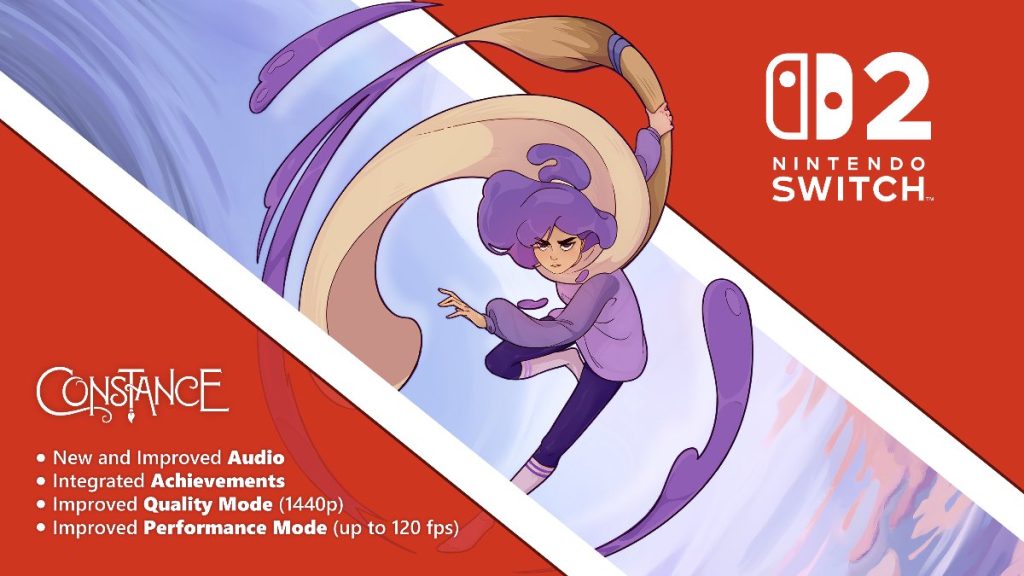
The nonlinear world contains six biomes, each representing a different part of the protagonist’s psyche and history.
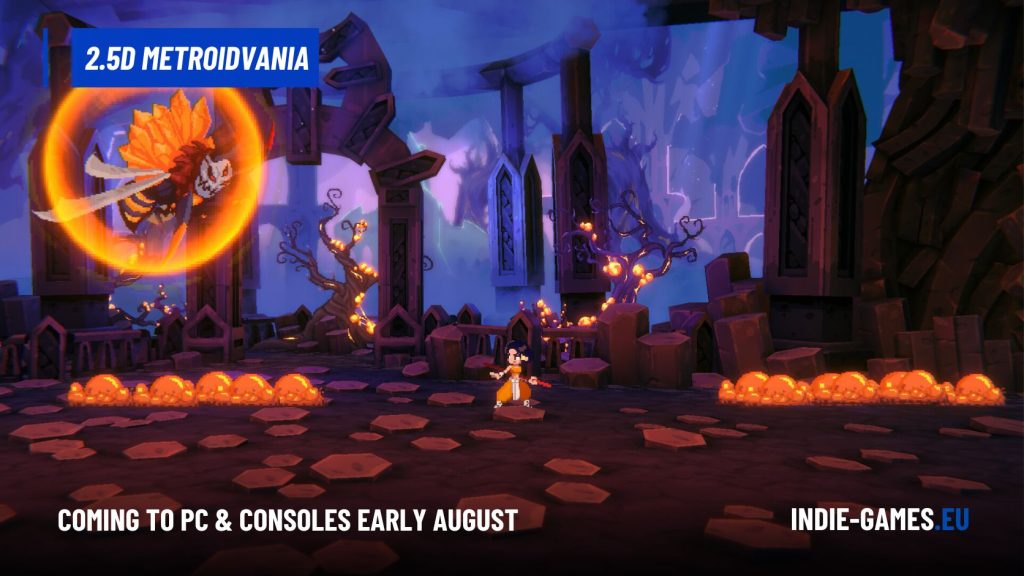
Akatori launches early August on PC and PlayStation and Xbox, featuring 2.5D Metroidvania action, parkour and staff-based combat.
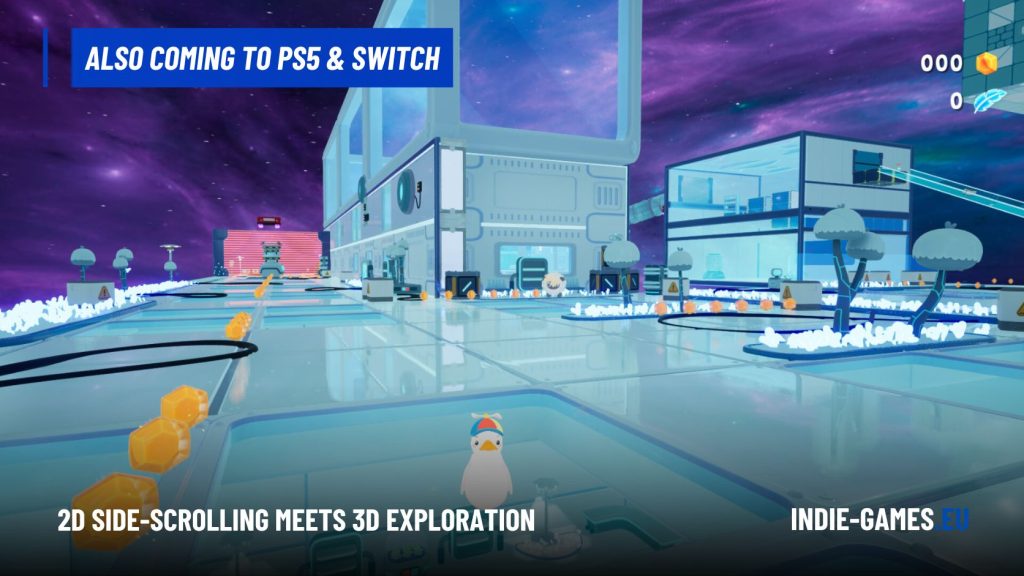
Dodo Duckie! launches on PC and Xbox today, with PS5 and Switch versions arriving later in 2026, featuring unique 2D…
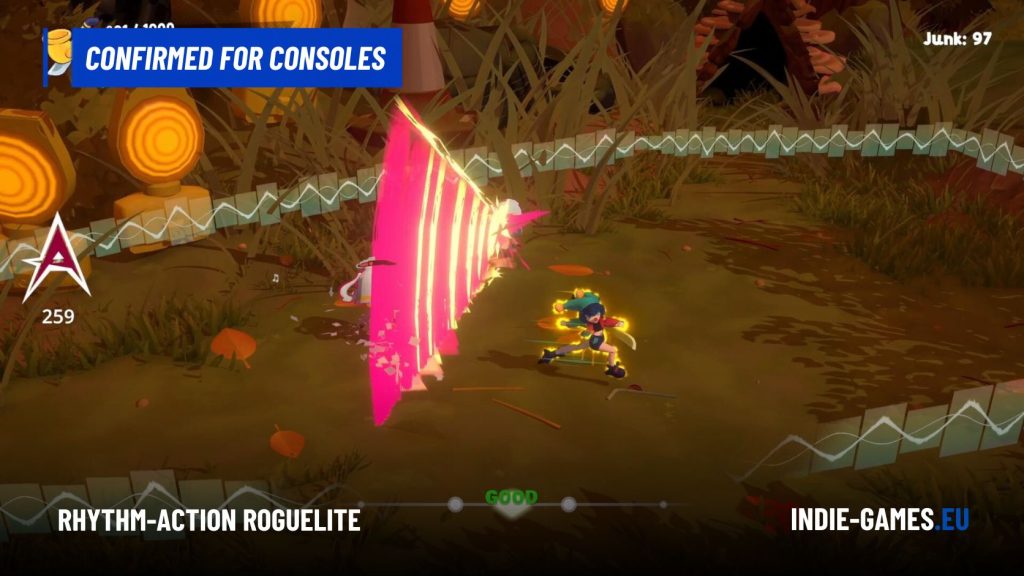
Alpha Nomos launches on PlayStation 5, Xbox Series and PC in 2026, featuring rhythm-based roguelite combat, live-recorded weapons and a…
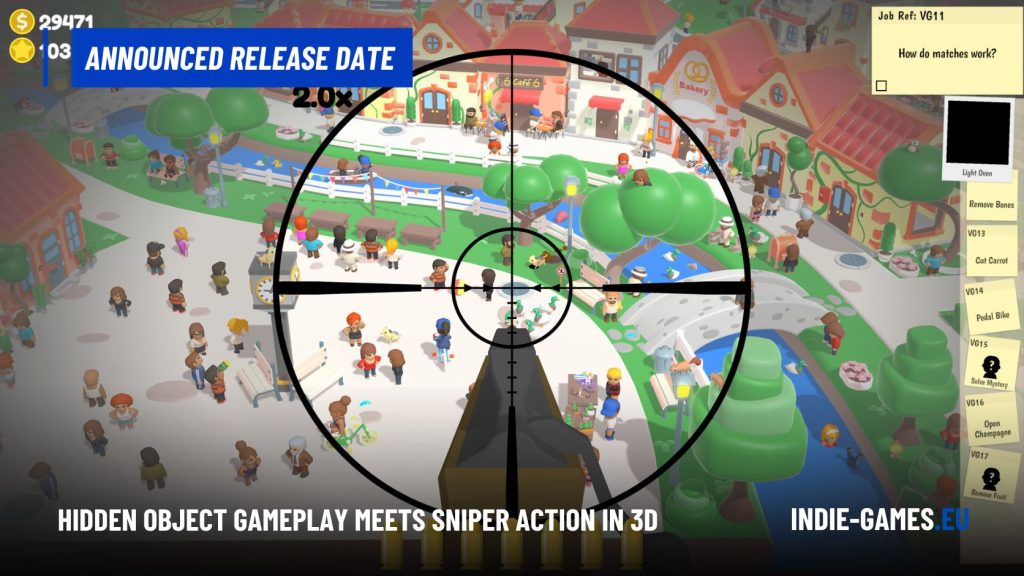
Sniper Dan launches in September for PlayStation 5, Xbox, Switch and PC, blending hidden object gameplay, puzzles and family-friendly sniper…

In ReStory, you will repair a wide range of early-2000s technology, including mobile phones, handheld gaming systems, digital pets, music…
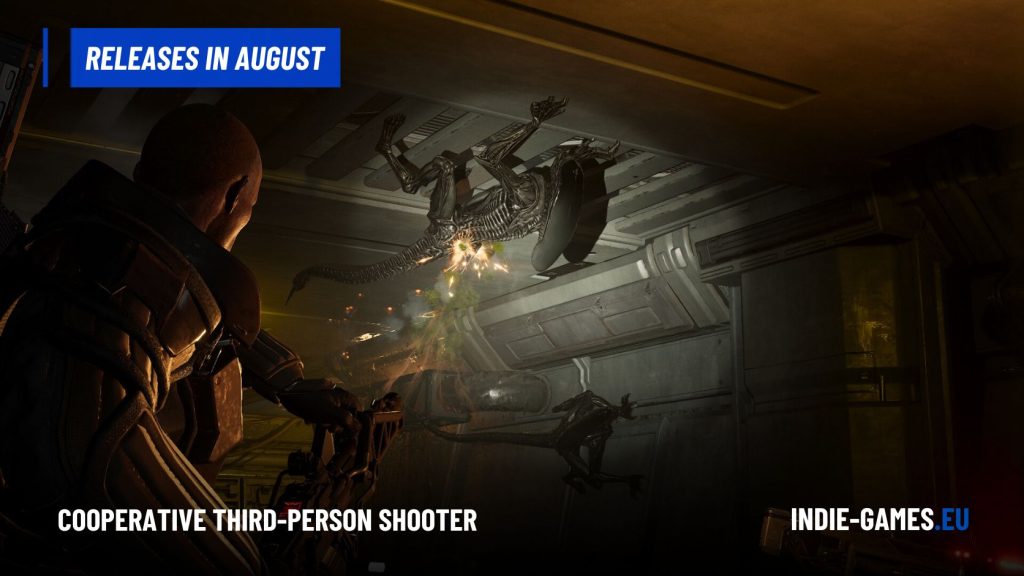
Aliens: Fireteam Elite 2 expands its fireteams to four players, who take control of Colonial Marines deployed across hostile locations…
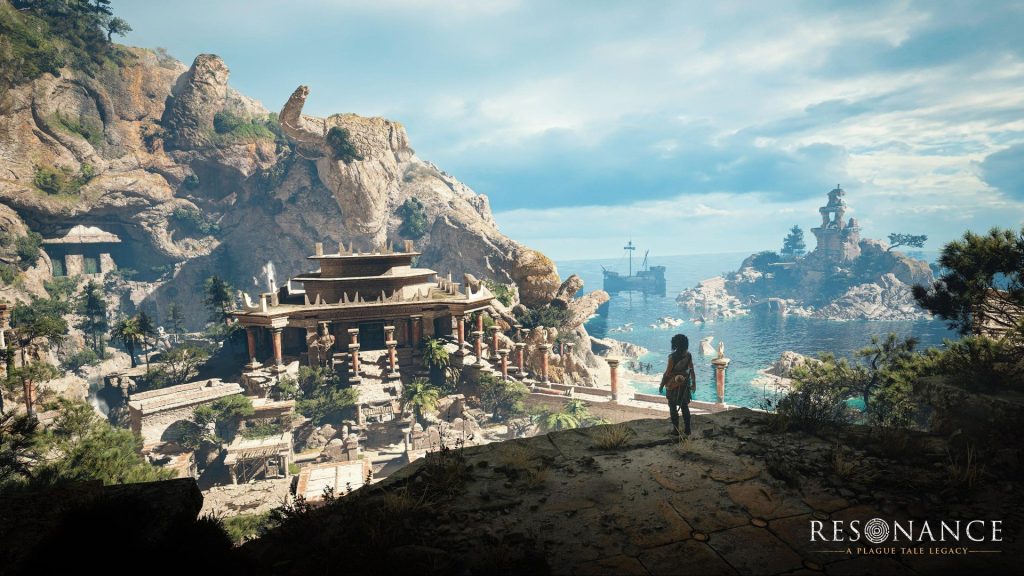
Asobo Studio has released a short scenic clip for Resonance: A Plague Tale Legacy, showcasing its Mediterranean-inspired locations.
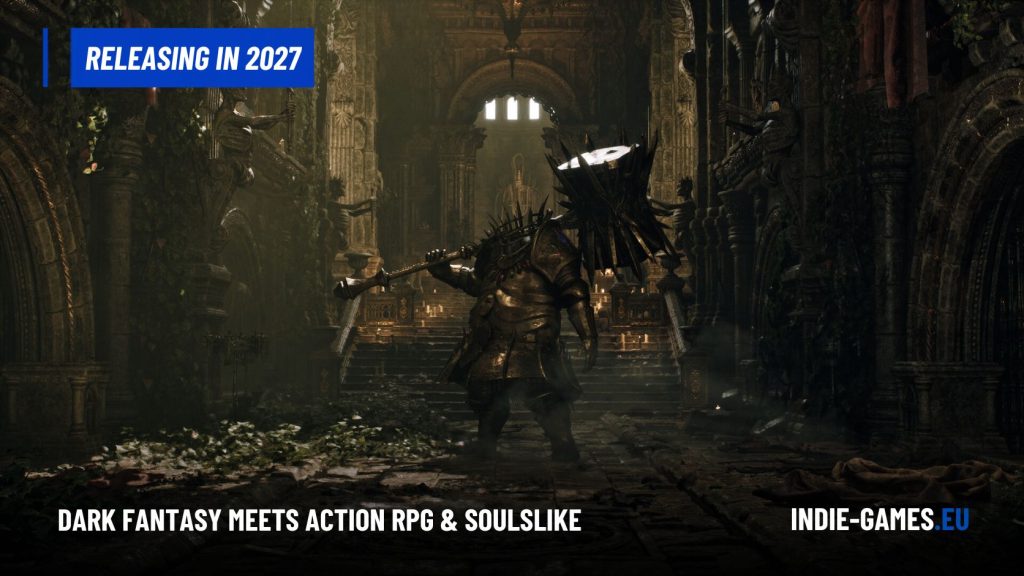
Turkish solo developer Celal Sahin has announced Godless Dawn, a dark fantasy action RPG targeting a Q1 2027 release on…
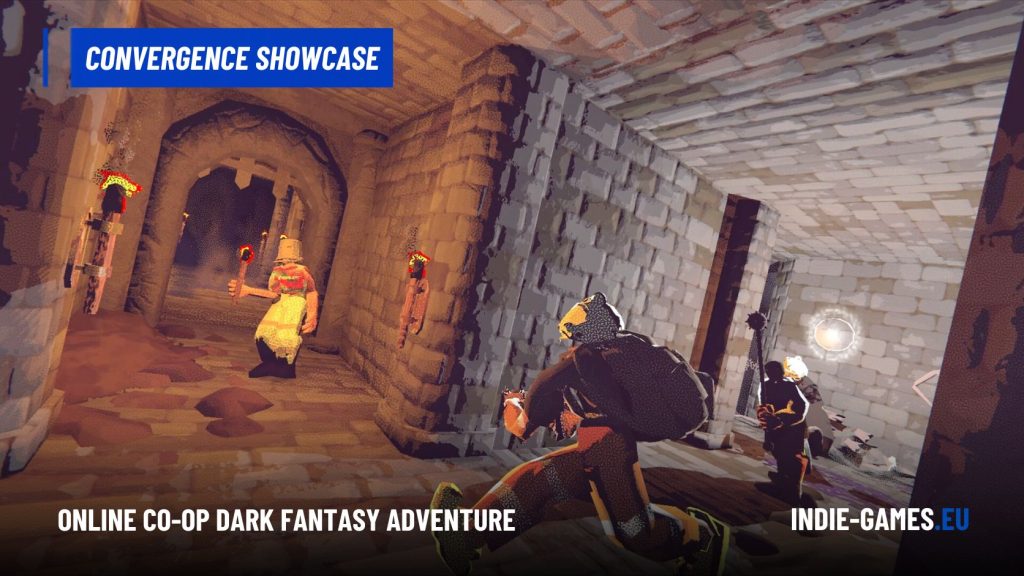
Vision Quench, an online co-op dark fantasy adventure from developer WizMUD Games and Pocketpair Publishing, is targeting an early 2027…
