![[GAMESCOM 2026] Full Circle – How One Developer Is Creating His Dream JRPG](https://www.indie-games.eu/wp-content/uploads/2026/09/Adolfo-Gazzo-Full-Circle-Interview-1-1024x576.jpg)
[GAMESCOM 2026] Full Circle – How One Developer Is Creating His Dream JRPG
At Gamescom 2026, I spoke with solo Peruvian developer Adolfo Gazzo about his upcoming JRPG Full Circle from Second Player…

If you enjoy independent indie game coverage, consider supporting Indie-Games.eu on Patreon. It helps keep the site independent.
Video games aren’t just for fun; they are a powerful medium for storytelling. Titles like Red Dead Redemption show us how games can become part of our personal history, but indie games like Swan Song (Business Goose Studios) prove that even small projects can tackle heavy themes like grief and music with deep emotional precision. I value indie developers because they constantly experiment and push boundaries, creating unique experiences that stay with you forever.
We had the opportunity to sit down with the brilliant minds behind Business Goose Studios: Beau Vankemenade, Sander Ambroos, and Jonathan Wolfs. During our conversation, we discussed what players can expect from Swan Song, their perspectives on the “cozy games” trend, and the current state of the gaming industry. They also shared highlights from their experience at Gamescom and, most importantly, revealed when the game will finally be released.
If you’re curious about Swan Song, it is a cozy, emotional puzzle game where music guides your journey. You’ll use notes of various shapes and sizes to program a music box and solve puzzles. You can check it out on Steam right now and try the demo for yourself.

Beau: It was fun, but like you said, hectic. It’s been a very, very busy five days. But I think we got a lot out of it. We had a lot of positive reactions to the game. It was great seeing so many other developers as well.
For me personally, the biggest and most fun part was actually seeing people play the game. When we do playtests normally, it’s usually with people from the community, and they play the game at home at their own leisure and then send us feedback. You see that people like the game, at least they write that they like it, but you never really see them liking the game.
Sander: Seeing people’s reactions when it clicks, what the game is about, how the puzzles work, that’s something really fun to see for the first time, because we’ve never actually seen people play the game like that before. There was also one person who said “I’m going to stop the demo here because I’m going to start crying from the story, and I’m going to continue playing it at home.” That was a moment where I realized the story is really grabbing people and pulling them in. That was really nice.
Jonathan: We even had two players who came back two days later with fan art. They told us they were so into the game that they talked about it in the evening and decided to make fan art, went to a print shop in Cologne to print it, and brought it to us. It’s in the office right now, our first-ever fan art.
Beau: Swansong is a magical puzzle box that you find. Maybe it’s left for you, maybe for someone else, but you start exploring it. Inside, there are puzzles where you compose music to make platforms and mechanical parts inside the music box change and move based on the music you create.
You don’t need to know anything about music, whatever you do creates music. There’s a swan that needs to go from point A to point B, but it will always walk in a straight line. So it’s up to you to compose music in such a way that the platforms are in the right place at the right time so the swan reaches the end safely.
In between levels, you find objects from the toy maker who created the music box. These objects slowly unravel a story about how his family broke apart after he lost his wife, how he deals with that loss, the emptiness she left behind, and how that affected both him and his daughter.
Jonathan: The game was created during a game jam. We participated in the 2024 GMTK Game Jam, where the theme was “Built to Scale.” At first, that was funny because our previous game, Sizable, was about manipulating objects by scaling them up and down. People kept asking us why we didn’t make Sizable 2, but we felt we had already put all our ideas into that game and wanted to do something new.
Beau: When we saw the game jam theme was also about scale, we decided to turn the concept on its head. Instead of physical scale, we thought: “Build your own scale, a musical scale.” That’s where the music box idea came from. Story-wise, we started workshopping ideas and eventually realized that we were telling a very personal story based on real events without consciously planning it. It became a story about loss, grief, and what happens to the people left behind.
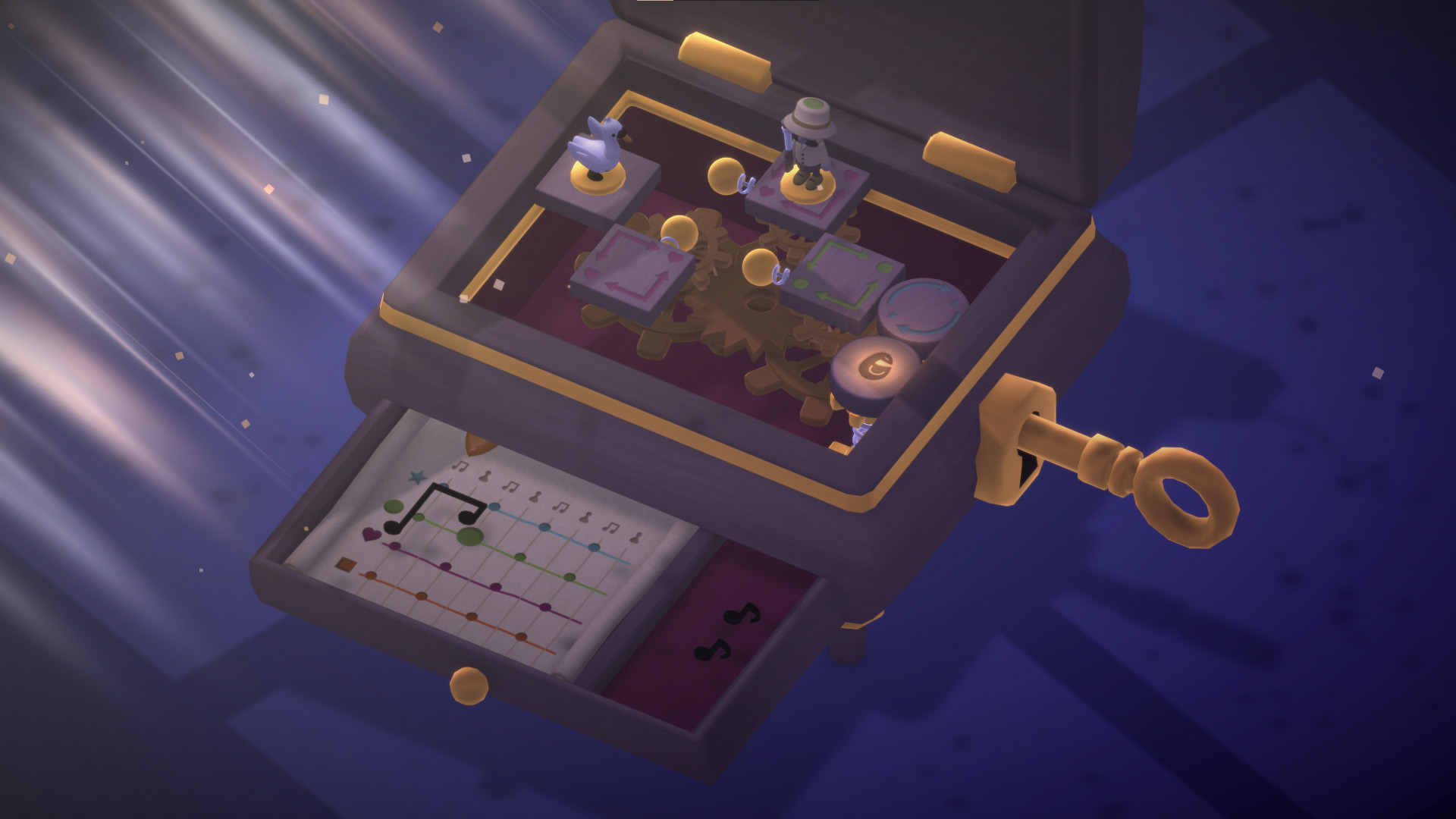
Sander: It gets way more complex. Some of the original game jam levels actually survived into the demo, but many were scrapped because they became too difficult too quickly. Right now, we’re focusing on pacing, slowly building complexity. But later chapters will get much harder. We introduce more notes, new shapes, new platforms, and a double crank mechanic.
Beau: With the double crank, the sequence runs twice, so the level inside the same music box gets longer. Your musical composition has to work for both runs. There are also fragile glass notes that break after the first run, so they only affect part of the sequence.
Later levels also include more complex obstacles, like hunters introduced in chapter three. All of this ramps up the difficulty significantly. There will also be a level editor, likely released as a post-launch update. Some platforms and mechanics will only exist in the editor, allowing the community to create even more complex and wild levels.
Beau: “Cozy” is a very vague category. Some games are labeled cozy just because of their pastel colors or cute visuals. Others define cozy games as games without failure states, where there’s no pressure and you can just enjoy them.
If you say “shooter,” everyone knows what that means. Cozy is much harder to define. Because it’s so broad, there are games that feel drawn out or repetitive, like some farming games, and others that are very creative and interesting.
Sander: The genre really took off during COVID, when people were stuck at home and needed relaxing experiences. Since then, cozy games have evolved a lot and become much more diverse and creative, which is great to see.
Jonathan: The industry is very saturated. There are a lot of people working in it, and games are released daily, making it hard to stand out. At the same time, that diversity is also a positive thing. There’s something for everyone now. We’re seeing the industry thrive, especially in places like Belgium, where more studios are popping up than ever before.
Beau: Games are also one of the easiest creative industries to get started in. Compared to movies or books, distribution is more accessible. That leads to a lot of low-quality games, but it also allows people to learn and eventually make great ones. There’s also increasing support for indie developers through funding, marketing help, and government initiatives, which makes the ecosystem stronger.
Jonathan: The current demo takes around 20 – 45 minutes, depending on the player. The full game will have nine chapters instead of three. We estimate the full game will take around three to four hours, depending on puzzle-solving experience. Later puzzles take longer, while early ones are very quick to solve. If you’re a seasoned puzzler, you might finish it faster.
Beau: There are definitely changes throughout the game. Each chapter has its own clear emotional story beats that it wants to tell, and every chapter has its own musical track that supports that narrative. So depending on the story being told in a specific chapter, the music will vary in theme and intensity.
There’s also a clear ludonarrative connection between the music and the game mechanics. The background music, the notes you place, and the sounds those notes produce are all connected. Based on the background track that’s playing, the notes you use will sound different and flow naturally with the music.
Jonathan: Every mechanical element in the game is synchronized with the music. Platforms move, events trigger, and interactions happen in time with the soundtrack. The music isn’t just something you listen to, it actively drives gameplay.
In later chapters, this connection becomes even more noticeable. For example, environmental effects are tied directly to notes. In one chapter, there’s a window projected onto the music box where it’s raining outside. A system was created where playing certain notes can trigger events like lightning strikes, all synced to the music.
Jonathan: We don’t have a final number yet, but currently there are around four objects per chapter. These objects replace simple text-based storytelling. Originally, the game jam version used letters, but that felt boring. Since this is a puzzle game, we wanted the story itself to feel like a puzzle. Players interact with objects and piece the story together themselves.
Sander: We don’t explicitly tell everything. Players infer meaning, seeing a hospital bed, realizing someone was sick, which makes the story more personal and emotionally engaging. We also intentionally leave gaps in the narrative so players can fill them with their own experiences. That makes the story resonate more deeply.

Beau: It really depends on the publisher. It’s also a bit difficult to answer fully because we haven’t worked extensively with publishers in all situations. That said, we have worked with a publisher before, for 30 Birds, and that experience was generally very positive.
Sander: They allowed us to make the game bigger than we would have been able to otherwise, which was a huge benefit. Importantly, they didn’t interfere too much with the creative direction of the game. They trusted us as developers and let us do what we thought was best for the project. They were mainly there to provide support, especially with marketing and opportunities we wouldn’t have had access to on our own, rather than trying to dictate what the game should be.
Beau: At the same time, we’re aware that there are a lot of horror stories out there when it comes to publishers. But honestly, there are horror stories about everything. In the end, it really comes down to the people you’re working with. A publisher is not just a company, it’s a group of individuals, and the experience depends heavily on their intentions and how they treat developers.
Beau: The music is definitely the main one. Everything in the game is built around music. While it might not sound like a “mechanic” at first, it really is the core system that ties everything together.
A big part of that is how free the game is from traditional UI. Instead of pressing a button to play your sequence, you physically crank the key on the music box. That interaction makes everything feel much more tangible.
Jonathan: On top of that, notes can trigger specific events. For example, in one of the chapters there’s a window projected on top of the music box, and outside it’s raining. A system was created where playing certain notes can trigger events like lightning bolts, fully integrated into the rhythm and timing of the music.
We’re aiming for a release around April or May next year. The game will launch on PC, Mac, and Linux, with plans to explore consoles and Steam Deck support afterward.
At Gamescom 2026, I spoke with solo Peruvian developer Adolfo Gazzo about his upcoming JRPG Full Circle from Second Player…
![[GAMESCOM 2026] Hell Maiden Interview: AstralShift on Self-Publishing, Early Access and An Unlikely Trip Through Hell](https://www.indie-games.eu/wp-content/uploads/2026/09/Hell-Maiden-5-1024x576.jpg)
At Gamescom 2026, we spoke with AstralShift co-founder, writer and marketing manager Patrícia Silva about rougelike Hell Maiden.
Built by a self-funded team of seven, Vahrin’s Call is an ambitious fantasy RPG inspired by Fable, The Elder Scrolls…
We spoke with cosplayer Prince de Guzman, who is known for his transformations inspired by horror, anime, and video games.
Unless you’re deep in the indie gaming scene, Naphtali Faulkner might be a new name to you. But as the…
We had a chance to catch up with Heidi Borge, the developer behind narrative-driven cozy Delphinium to learn more about…
We had the opportunity to speak with Damian Czajka from MOUSE: P.I. For Hire Team.
We had the opportunity to talk with Piotr Nowakowski from Bloober Team about his work on Cronos: The New Dawn.
![[INTERVIEW] Manafinder II Is a Big Step Up – Here’s What the Developer Told Us](https://www.indie-games.eu/wp-content/uploads/2026/04/Manafinder-II-interview-1024x683.jpg)
In the interview, we discussed the game’s mechanics in greater detail, what players can expect from the sequel, and the…
![[EXCLUSIVE] Like a Bloody Storm – Interview with Kazusou Oda (Coda)](https://www.indie-games.eu/wp-content/uploads/2025/12/Oda-Kazusou-Interview-1024x576.jpg)
We had an opportunity to talk with Oda Kazusou, a theme song artist for JoJo's Bizarre Adventure.
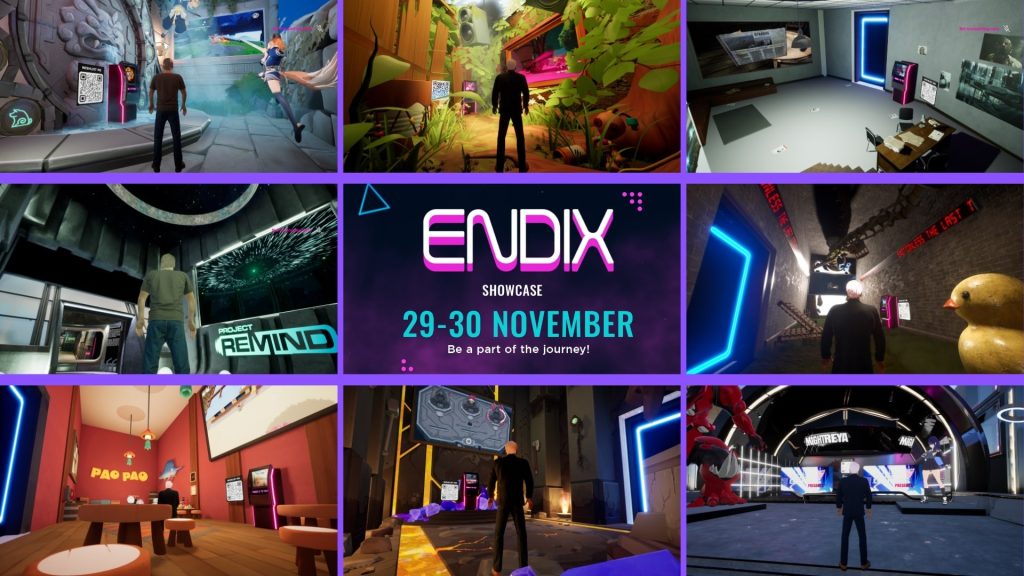
Once inside, visitors will find a fully immersive world where exhibitor booths are crafted using real in-game assets.
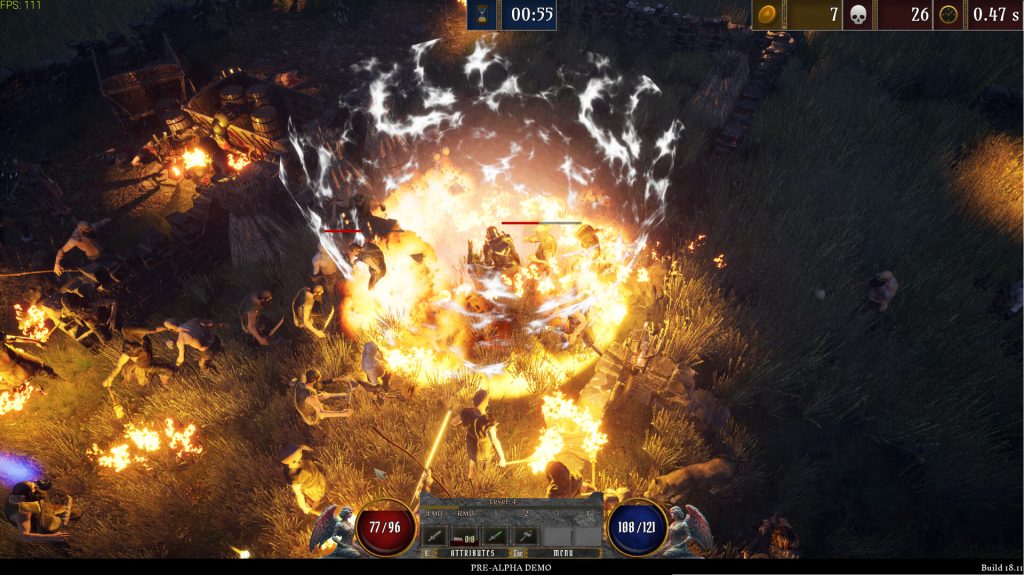
We talked to Tomasz Janicki about the details regarding Cult of Shadows.
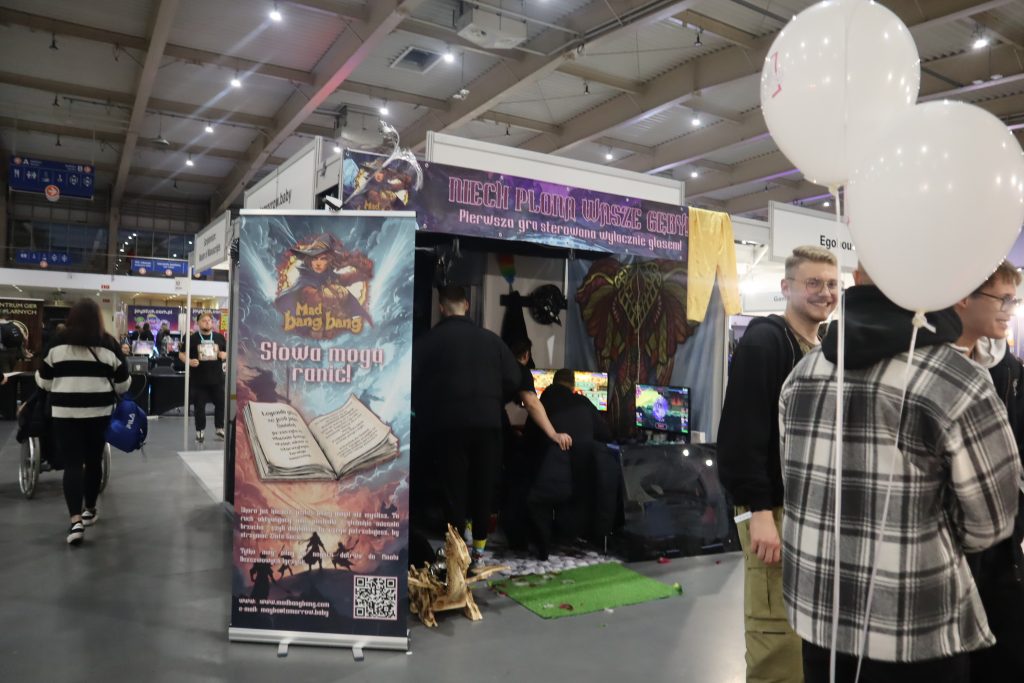
We talked to Piotr Ruszczak, one of the creators of Mad Bang Bang, about the details of this production.
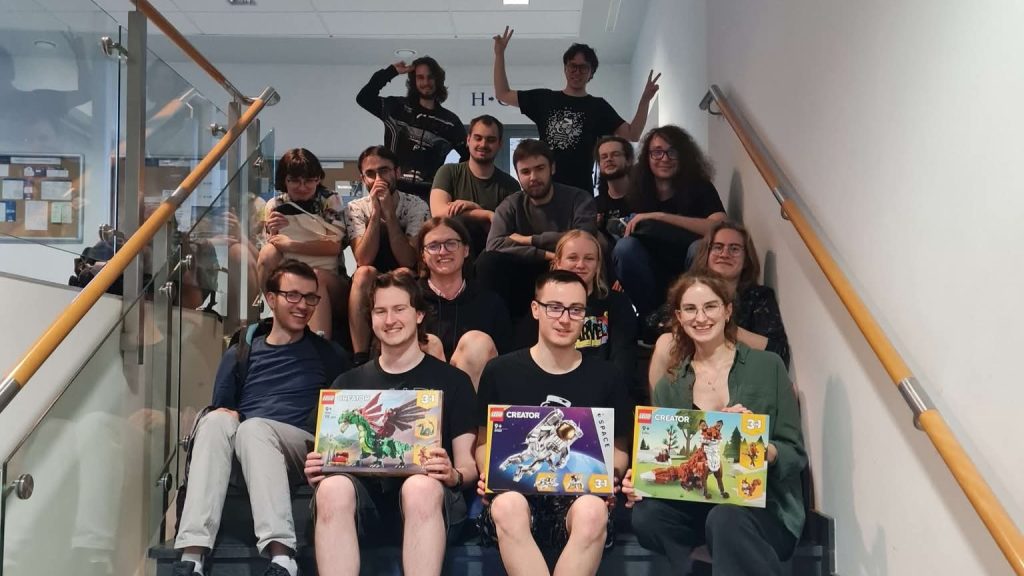
We asked Kiryl, Marek, and Jakub to reveal the secrets of their work to us.
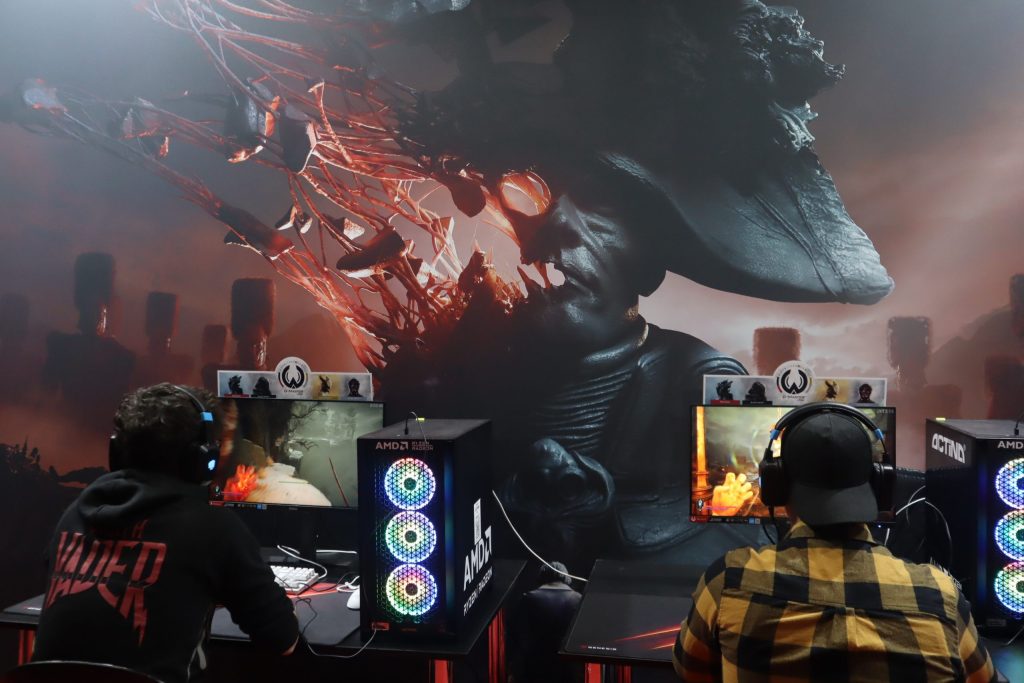
Will Valor Mortis become the hit of 2026?

We had the chance to ask Yannick Audéoud, developer behind Orbyss, some questions about the game.
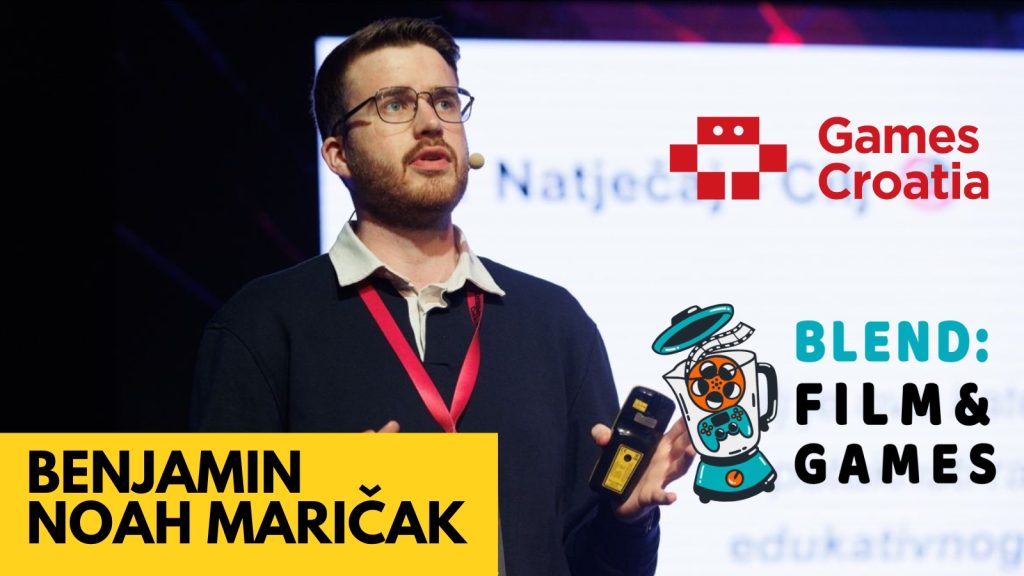
Maričak actively works to grow and promote the Croatian gaming industry while simultaneously fostering collaboration with the film industry.
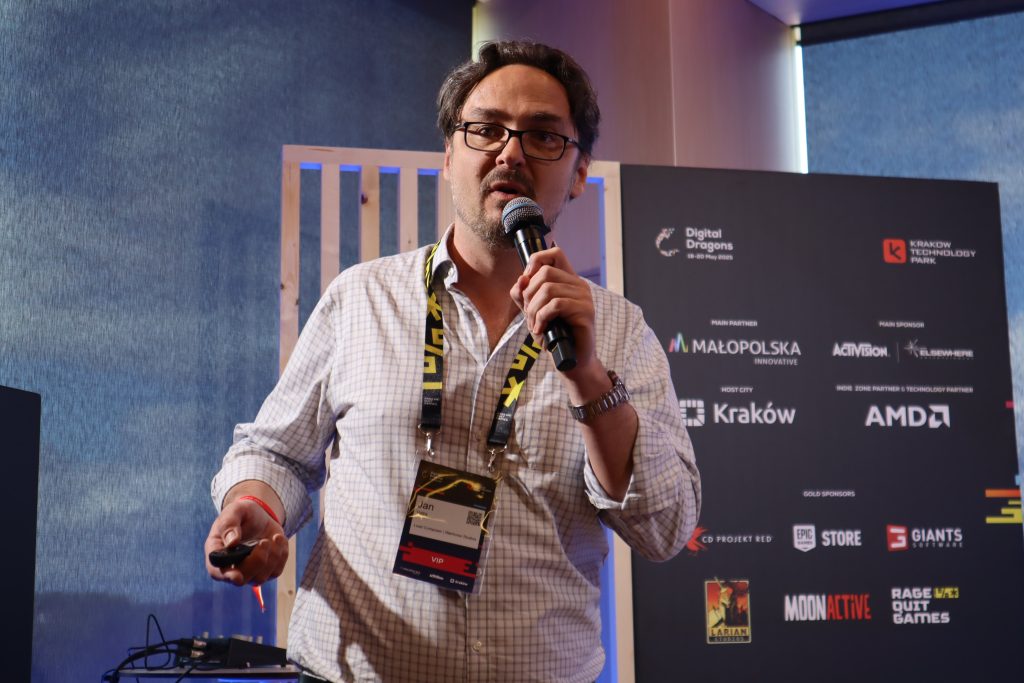
During our interview, Jan revealed the secrets of composing music for both KCD games.
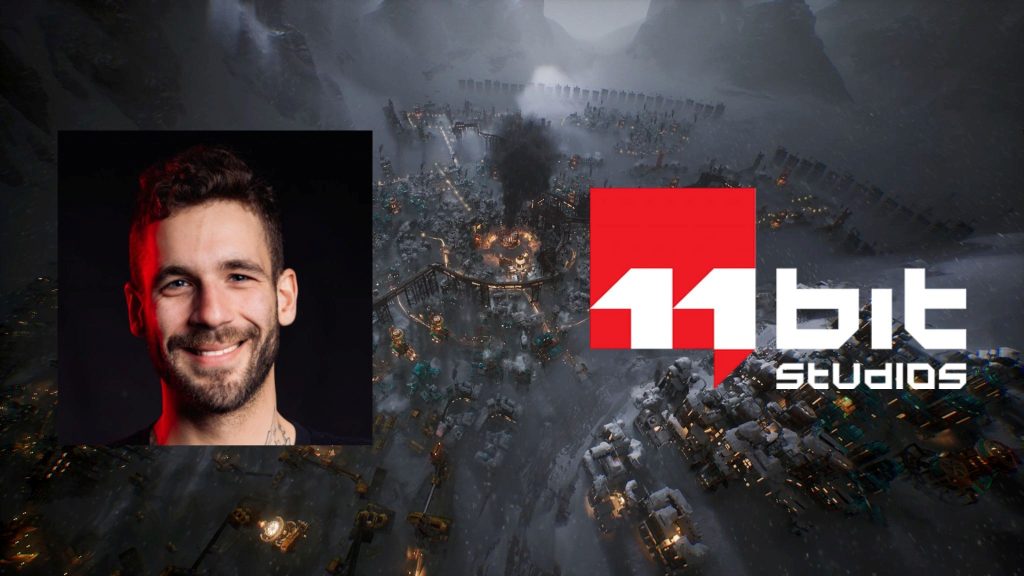
In this interview, we asked Paweł Charzyński about his experience working on Frostpunk 2 as VFX coordinator.
![[A BIG INTERVIEW] Toukana Interactive Co-Founder Zwi Zausch on the Gaming Industry](https://www.indie-games.eu/wp-content/uploads/2025/09/Dizajn-bez-naslova-2-1024x576.jpg)
Zwi Zausch provided a deep dive into the gaming industry from an indie developer's perspective.
