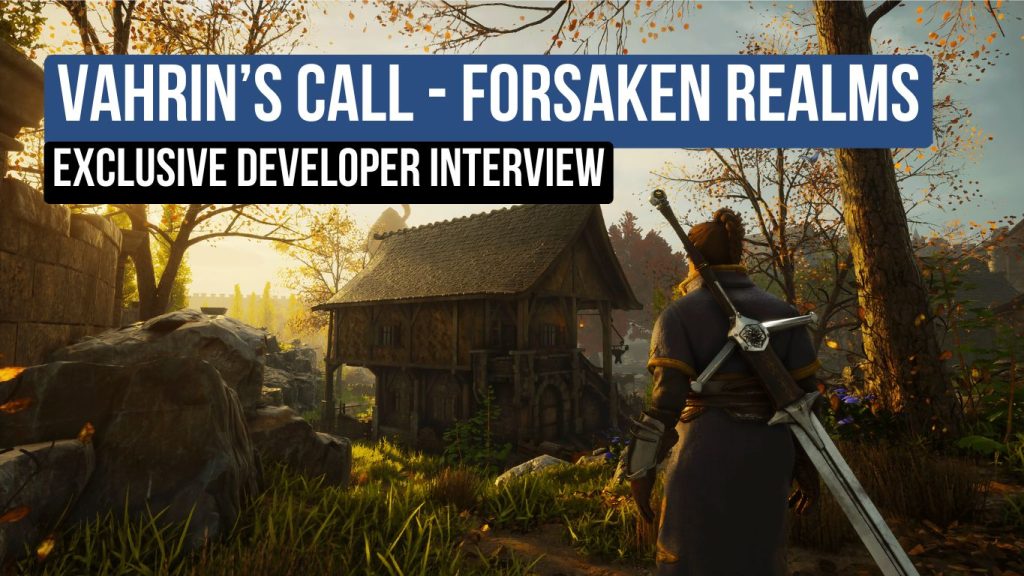
Vahrin’s Call Interview: No Classes, No Generative AI, and Complete Player Freedom
Built by a self-funded team of seven, Vahrin’s Call is an ambitious fantasy RPG inspired by Fable, The Elder Scrolls…

![[A BIG INTERVIEW] Toukana Interactive Co-Founder Zwi Zausch on the Gaming Industry](https://www.indie-games.eu/wp-content/uploads/2025/09/Dizajn-bez-naslova-2.jpg)
If you enjoy independent indie game coverage, consider supporting Indie-Games.eu on Patreon. It helps keep the site independent.
Beyond discussing Star Birds, a new cozy asteroid base-building game, Toukana Interactive’s co-founder, tech art lead, and marketing lead Zwi Zausch provided a deep dive into the gaming industry from an indie developer’s perspective. He shared his thoughts on cozy games, the evolving role of AI, and the reasons behind Toukana’s decision to self-publish their new title.
In Star Birds, players guide a flock of adorable spacefaring birds across the universe, mining asteroids, establishing production networks, and fulfilling the birds’ resource needs to help them thrive and expand to new horizons.
We’re splitting this interview into two parts. The first will focus on Star Birds, while the second will cover Zwi’s thoughts on the gaming industry. As a reminder, the game releases in Early Access this Wednesday on PC via Steam.
When we made Dorfromantik, we thought a lot about working with a publisher. Luckily, at the time, our team had the skills to do the marketing ourselves. We didn’t really see a huge added value in a publisher. Of course, a publisher can offer a lot of security during development with funding, and they handle all the marketing efforts for release.
But we also heard from some of our close contacts in the industry that some of them had bad experiences with publishers, so we were quite skeptical. Since we had the skills in-house and wanted to learn about the market ourselves, we decided to self-publish.
With Star Birds, our team has grown a little, and our partners Kurzgesagt also have a lot of experience with publishing content. While it’s not in games specifically, they know the internet very well. We felt that this collaboration brought two teams together with different but very enriching experiences, so it made sense to self-publish again. We are essentially co-publishing the game together.
If our team wasn’t as flexible, for example, if we didn’t have someone interested in doing marketing or business development, we would have considered talking to a marketing agency or a publisher. But since Dorfromantik was so successful, we’re very independent and can fund the project ourselves, so we’re not dependent on a publisher for funding.

That’s an excellent question, and it’s something we talk about a lot with our industry friends. The industry is not getting any easier, especially for newcomers. It’s incredibly difficult to get enough visibility and traction for a new project. A solid game is a given, but now, a game’s success depends on its ability to reach people. The market feels flooded with releases every day. Standing out from that constant buzz is a huge challenge for both new and established studios.
When you go on Steam, for instance, there’s a massive range of interesting games, even in similar genres. This creates immense competition between all studios, big and small. I think it’s crucial for indie developers to connect with each other, talk, and share experiences. Without this information and support, it’s hard to make informed decisions that can often make or break a project’s success. I know many studios that are struggling, and it feels like the industry is becoming more tense.
My opinion on AI is a bit mixed. On one hand, I see its potential to help and redefine some processes. It can save a lot of time on various tasks, which is great. On the other hand, the quality isn’t always good enough. When it comes to art, I often find AI-generated art to be very generic, and it doesn’t help a project stand out. I definitely prefer human-made art and assets.
I’m not against using AI for technical processes that can speed things up. It can enable smaller teams to create amazing things more effectively. However, I am against using AI to completely replace humans in a team. I see a lot of potential in incorporating it into workflows to assist and redefine tasks, but not to fully take over. As a team, we are currently observing how this all plays out.
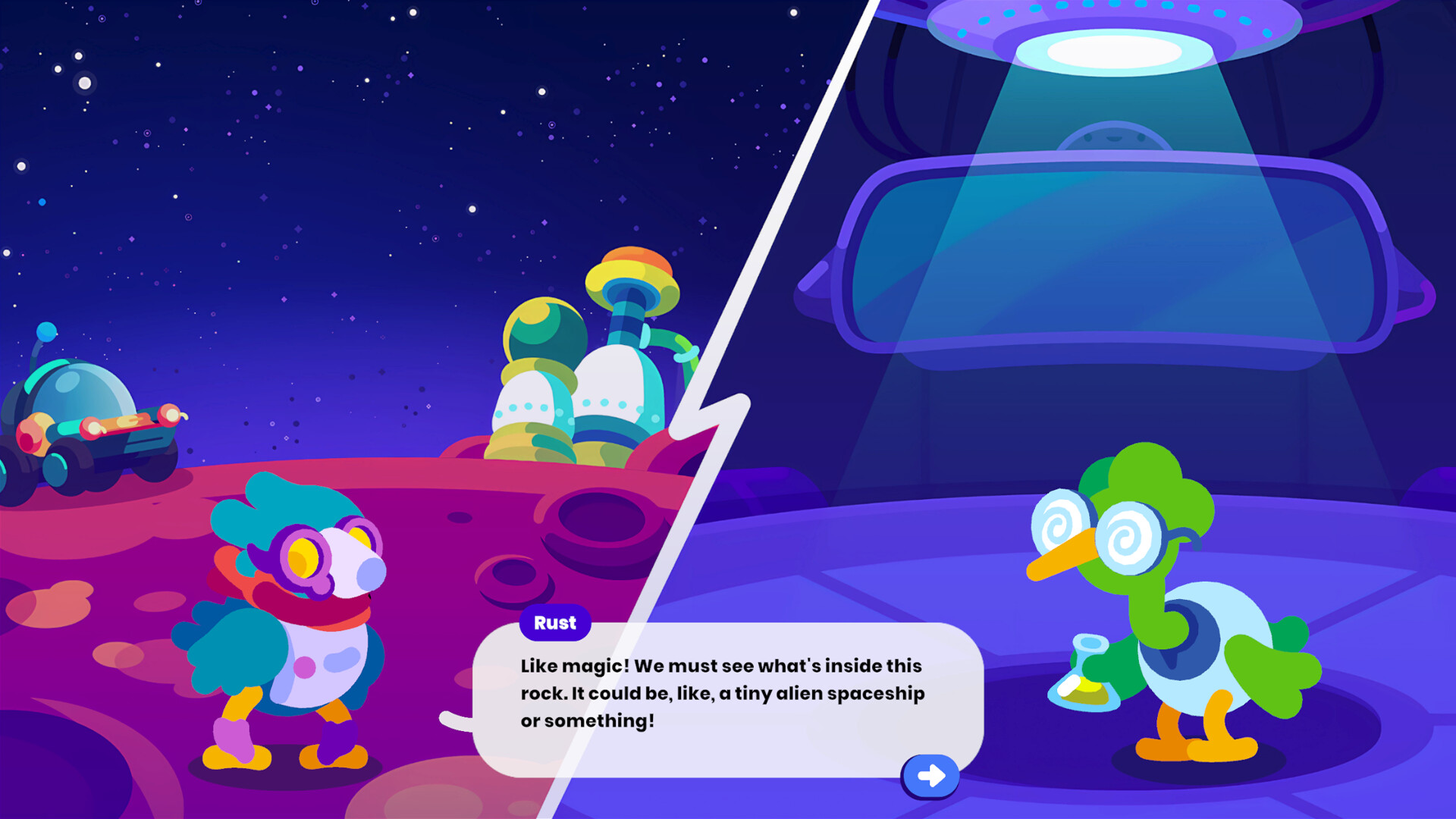
That’s an interesting point. Personally, I like games with a systemic backbone that gets you thinking about how to improve your play. That’s what inspires us. For example, we’re huge fans of games like Slay the Spire. It’s challenging and has depth, but it can still be relaxing to play on the couch. You can get into it and see yourself progress as a player, which is something we love about game systems.
Making a game that is only cozy wouldn’t be enough for us. While I do play some cozy games, most don’t have enough game design depth for me at a certain point. However, I believe they are very important for the industry as a whole. They are accessible to people who might not be used to more complex game systems or who don’t have a lot of time on their hands. Cozy games allow a bigger portion of the player base to play games and unwind.
The gaming industry needs all of these different types of games. It’s an art form, and it has to have different expressions. Indie developers, in particular, are constantly introducing new ideas and approaches that redefine what games can be. This cross-pollination of ideas is what makes games such an interesting medium and art form.
Built by a self-funded team of seven, Vahrin’s Call is an ambitious fantasy RPG inspired by Fable, The Elder Scrolls…
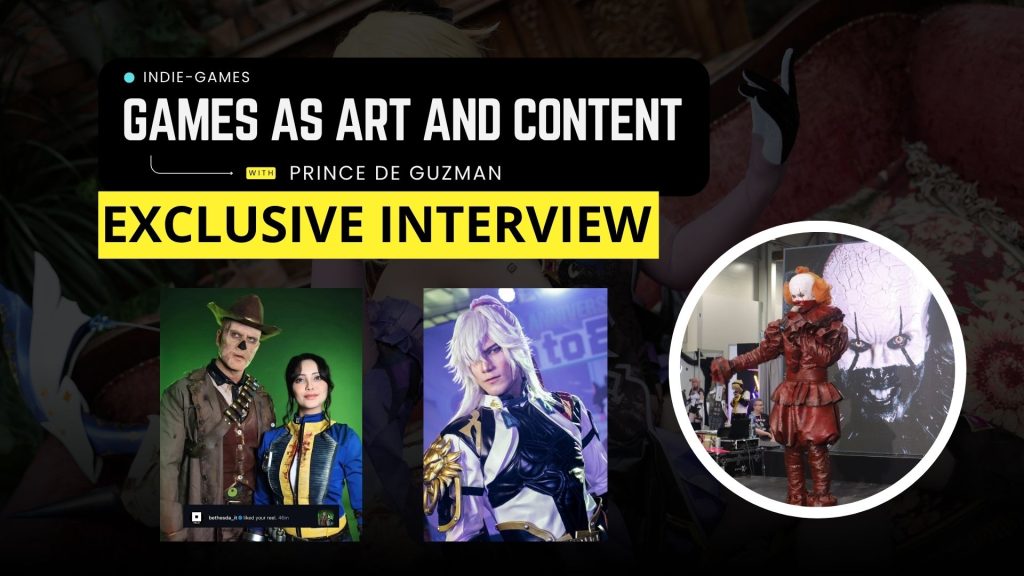
We spoke with cosplayer Prince de Guzman, who is known for his transformations inspired by horror, anime, and video games.
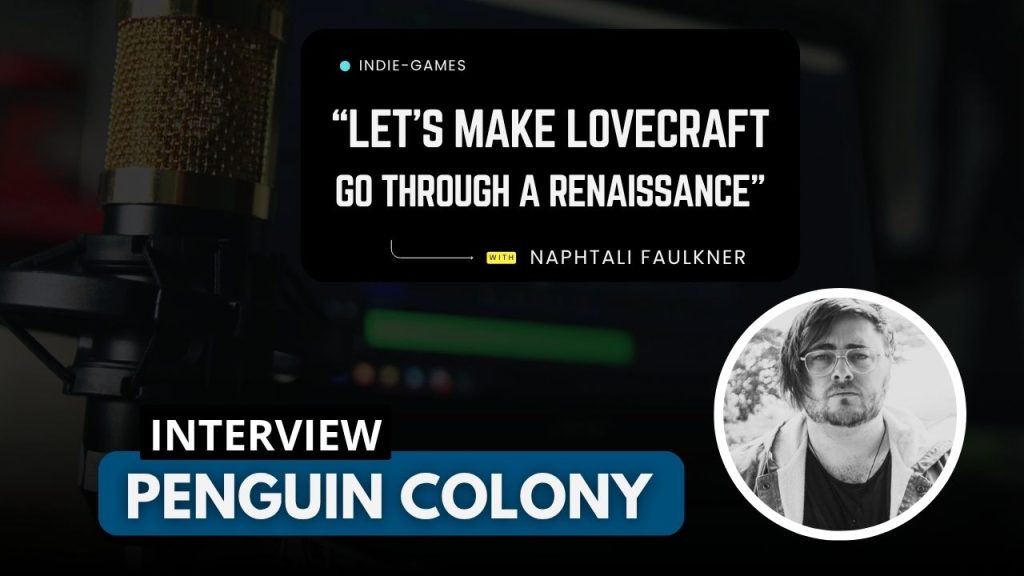
Unless you’re deep in the indie gaming scene, Naphtali Faulkner might be a new name to you. But as the…
We had a chance to catch up with Heidi Borge, the developer behind narrative-driven cozy Delphinium to learn more about…
We had the opportunity to speak with Damian Czajka from MOUSE: P.I. For Hire Team.
We had the opportunity to talk with Piotr Nowakowski from Bloober Team about his work on Cronos: The New Dawn.
![[INTERVIEW] Manafinder II Is a Big Step Up – Here’s What the Developer Told Us](https://www.indie-games.eu/wp-content/uploads/2026/04/Manafinder-II-interview-1024x683.jpg)
In the interview, we discussed the game’s mechanics in greater detail, what players can expect from the sequel, and the…
We had the opportunity to sit down with the brilliant minds behind Business Goose Studios: Beau Vankemenade, Sander Ambroos, and…
![[EXCLUSIVE] Like a Bloody Storm – Interview with Kazusou Oda (Coda)](https://www.indie-games.eu/wp-content/uploads/2025/12/Oda-Kazusou-Interview-1024x576.jpg)
We had an opportunity to talk with Oda Kazusou, a theme song artist for JoJo's Bizarre Adventure.
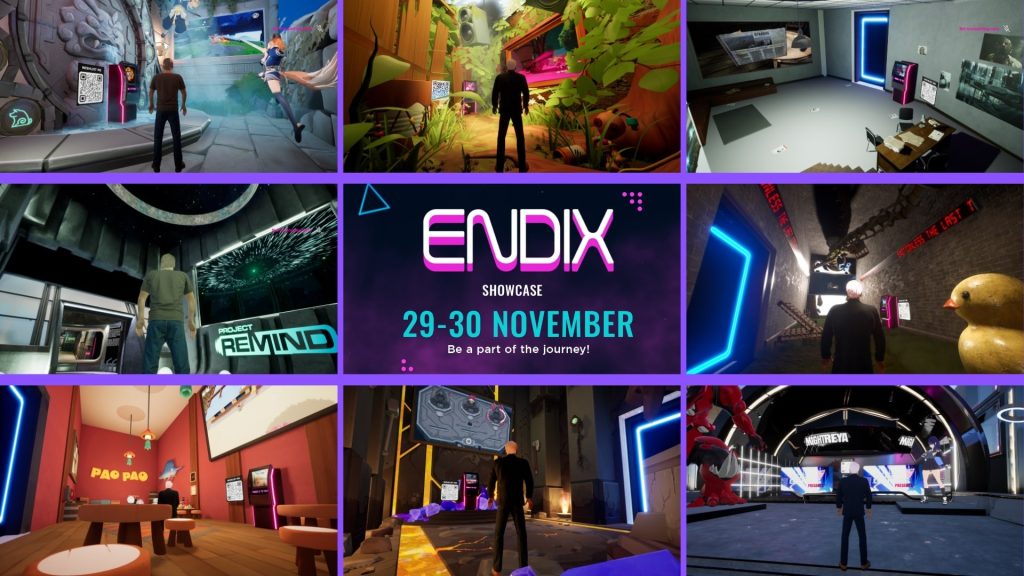
Once inside, visitors will find a fully immersive world where exhibitor booths are crafted using real in-game assets.
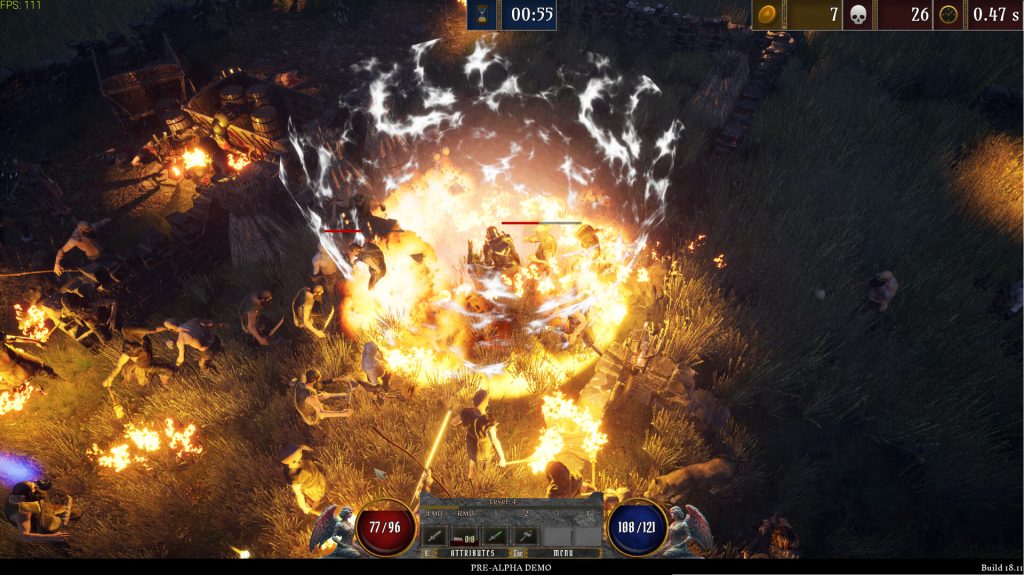
We talked to Tomasz Janicki about the details regarding Cult of Shadows.
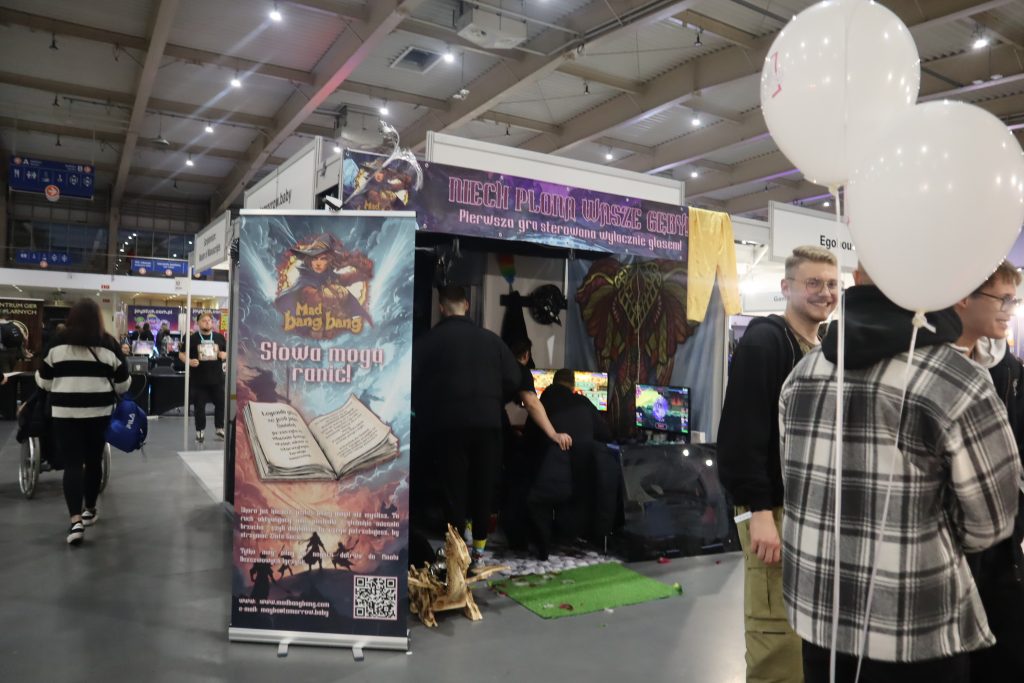
We talked to Piotr Ruszczak, one of the creators of Mad Bang Bang, about the details of this production.
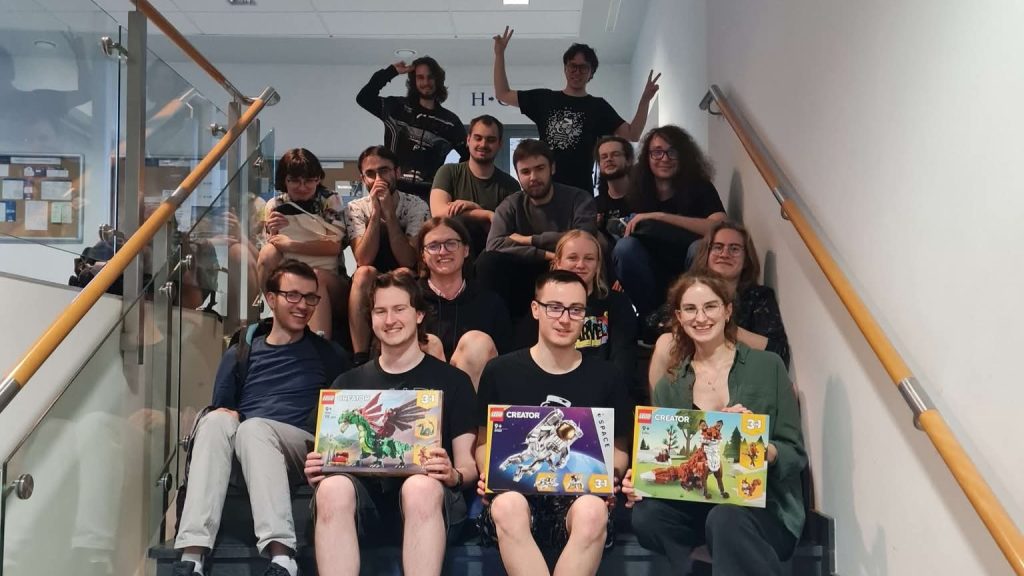
We asked Kiryl, Marek, and Jakub to reveal the secrets of their work to us.
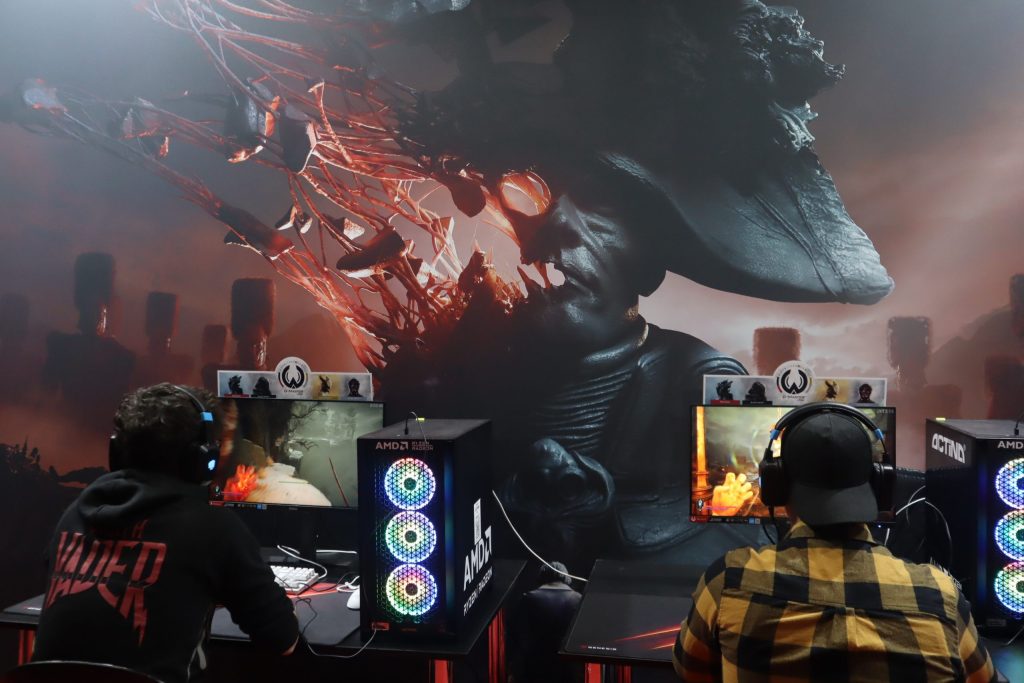
Will Valor Mortis become the hit of 2026?

We had the chance to ask Yannick Audéoud, developer behind Orbyss, some questions about the game.
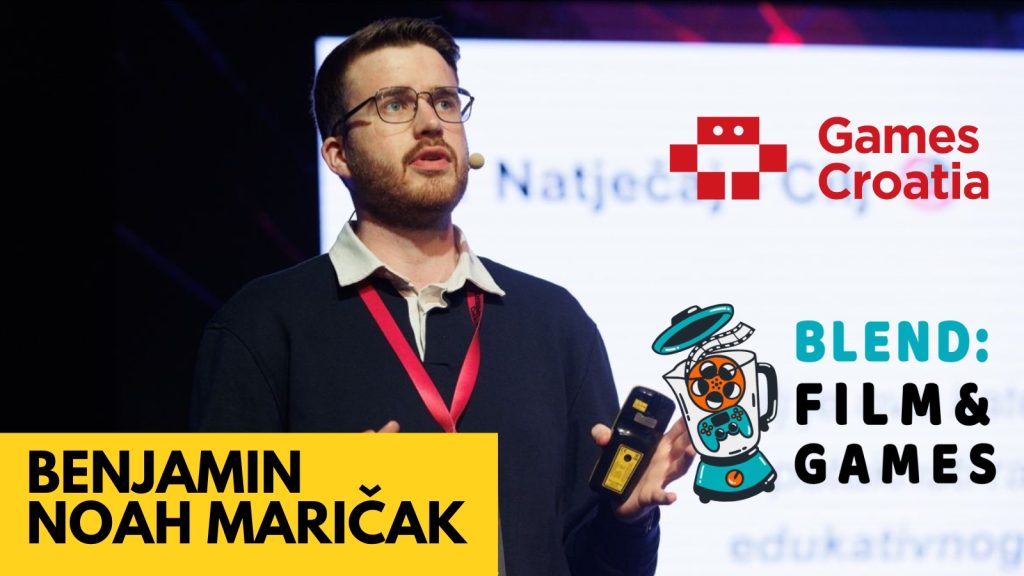
Maričak actively works to grow and promote the Croatian gaming industry while simultaneously fostering collaboration with the film industry.
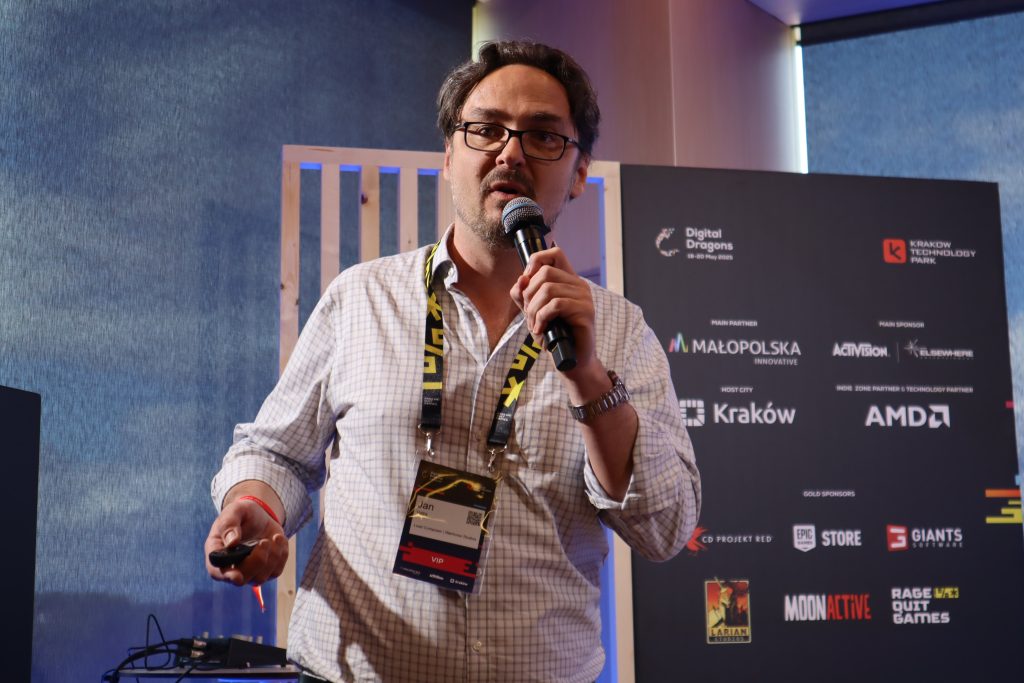
During our interview, Jan revealed the secrets of composing music for both KCD games.
In this interview, we asked Paweł Charzyński about his experience working on Frostpunk 2 as VFX coordinator.
![[A BIG INTERVIEW] Deep Dive into Star Birds with Toukana Interactive’s Co-Founder](https://www.indie-games.eu/wp-content/uploads/2025/09/star-birds-1024x576.jpg)
Ever wondered what it takes to build a relaxing base on an asteroid? We spoke with Zwi Zausch, who gave…
Playtonic has upgraded every aspect of the game, not just the visuals, also the core gameplay experience.
