![[GAMESCOM 2026] Full Circle – How One Developer Is Creating His Dream JRPG](https://www.indie-games.eu/wp-content/uploads/2026/09/Adolfo-Gazzo-Full-Circle-Interview-1-1024x576.jpg)
[GAMESCOM 2026] Full Circle – How One Developer Is Creating His Dream JRPG
At Gamescom 2026, I spoke with solo Peruvian developer Adolfo Gazzo about his upcoming JRPG Full Circle from Second Player…

If you enjoy independent indie game coverage, consider supporting Indie-Games.eu on Patreon. It helps keep the site independent.
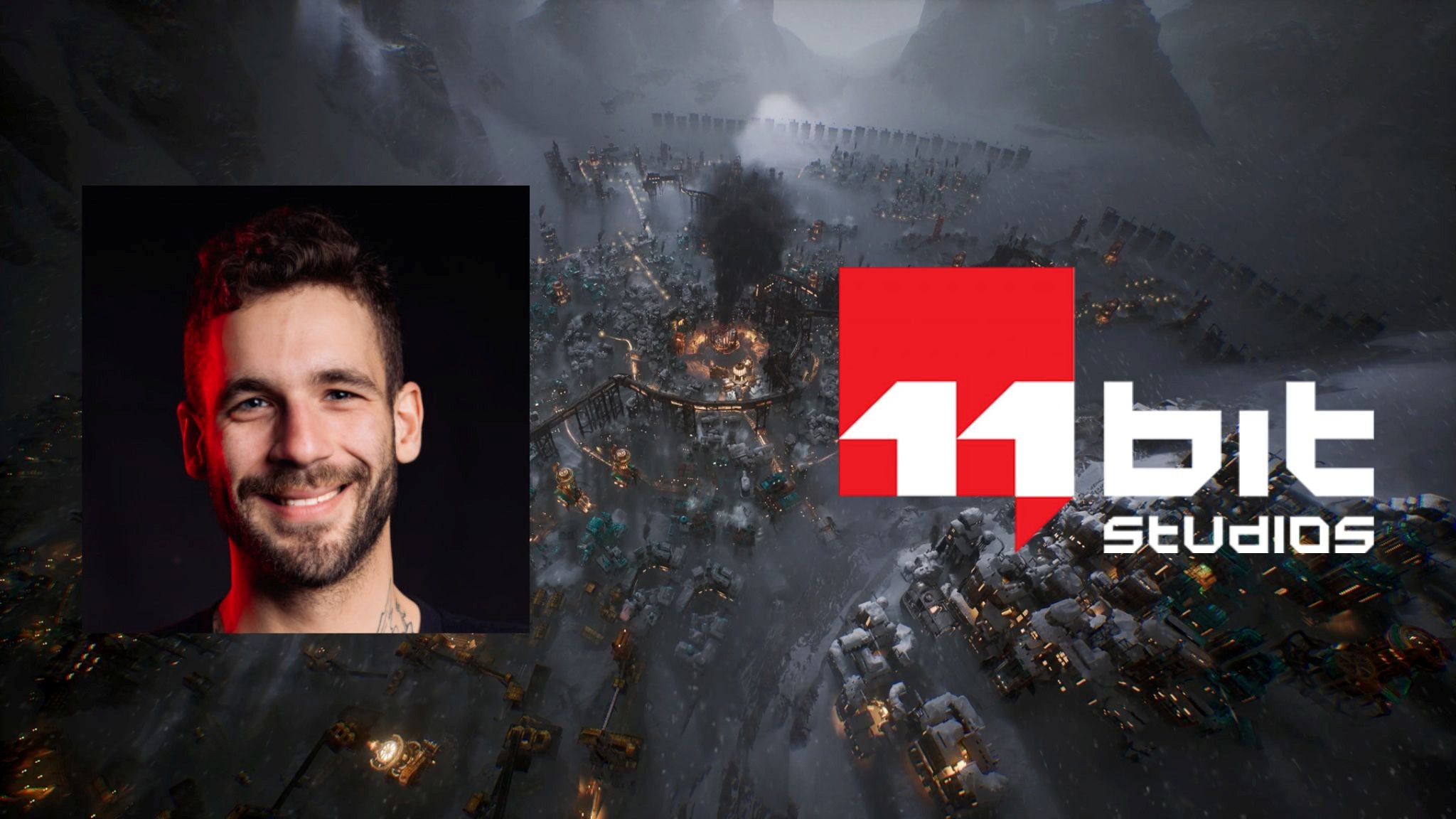
The winner of Best Polish Game of 2024 award at this year’s Digital Dragons Conference, Frostpunk 2, finally got a console release. Starting today, this city-builder with survival elements will be available on Xbox Series X/S and PlayStation 5. On this occasion, we decided to revisit our interview with one of the main authors of the special effects in this production – Paweł Charzyński.
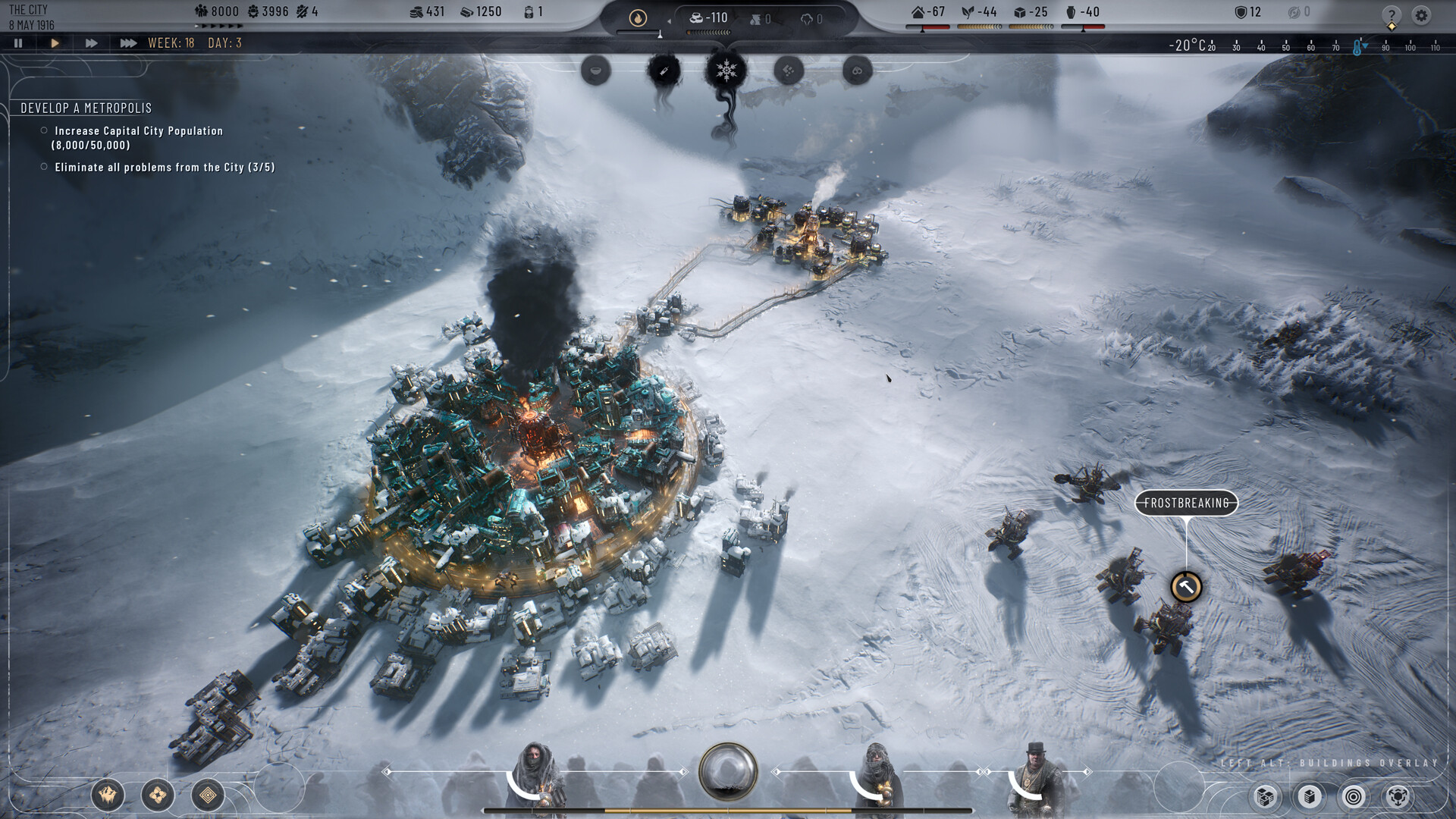
Frostpunk 2 is a sequel to 11 bit Studios’ 2018 hit, the game that redefined the city-building genre in the context of a brutal fight for survival. Three decades after the apocalyptic Great Frost, players have to take on the role of the mayor of New London, tasked with guiding the vast metropolis through a frozen inferno. And to ensure every citizen their lawfully given access to goods, today’s launch included physical editions of the game, carefully overseen in collaboration with Skybound Games on both consoles.
Paweł Charzyński is a VFX Coordinator at 11 bit studios. His experience in the gamedev started in 2019. He began as an animator but quickly transitioned to the VFX department, where he worked on creating glorious explosions and breaking stuff. Multiple AAA releases have granted him the experience needed to properly optimize his systems and make them as flexible as possible for artists. In this interview, we asked Paweł about his experience working on Frostpunk 2, his perspective on creating VFX and also some tips for making good explosions in games.
Visual effects are like the bass player in a rock band – when the bass is missing, you immediately feel that something’s off. On the other hand, when it’s there and done well, nobody really notices it. It’s the same with various special effects in games: the focus is always on smoothness and seamless interaction with the player – UI and UX elements – while explosions, colors, or other effects I create as part of VFX are really just an addition, an enrichment of the whole production.
Yes, we wanted the city to feel alive, with people walking the streets and things constantly happening in the background – like smoke rising from chimneys or snow falling from the sky. All of this adds charm to the game. But we had to keep in mind that it’s primarily a city-builder, so the most important elements are the buildings – thus most of the processing power went into rendering them. Because of that, the VFX budget was quite limited, but proper optimization can solve everything.
I’d even say it’s the most important step in the whole process. Among new artists there’s this strange tendency to focus on making visually impressive effects, while leaving optimization for later. But that’s not really how it should be, because optimization is key in VFX. What I like about it though, is that there are many different paths to achieve a single effect, and each artist can choose their own. There isn’t just one correct answer – you can experiment in many ways.
It depends on the type of effect I’m dealing with. You can think of VFX as tools for game designers – for example, they can be used to create logic puzzles. In other cases, they can provide players with important gameplay clues – these are the so-called “hero assets.” In such cases, optimization starts with the less important effects like background smoke or dust under the player’s feet. Usually, when I start a new project, I already have a prepared texture library, but I always try to make sure each production has its own distinctive elements.
I like making volumetric smoke. Usually, when you create smoke in a game, it consists of duplicated animations that were pre-rendered in another program. The result is an animation that usually has 64 frames per second, creating the illusion of movement – then you can add parameters to make it sometimes darker, sometimes lighter. But when you render 10 of these animations at once, the smoke gives seems three-dimensional – in other words, volumetric. But in reality, they’re still just flat images with animation applied.
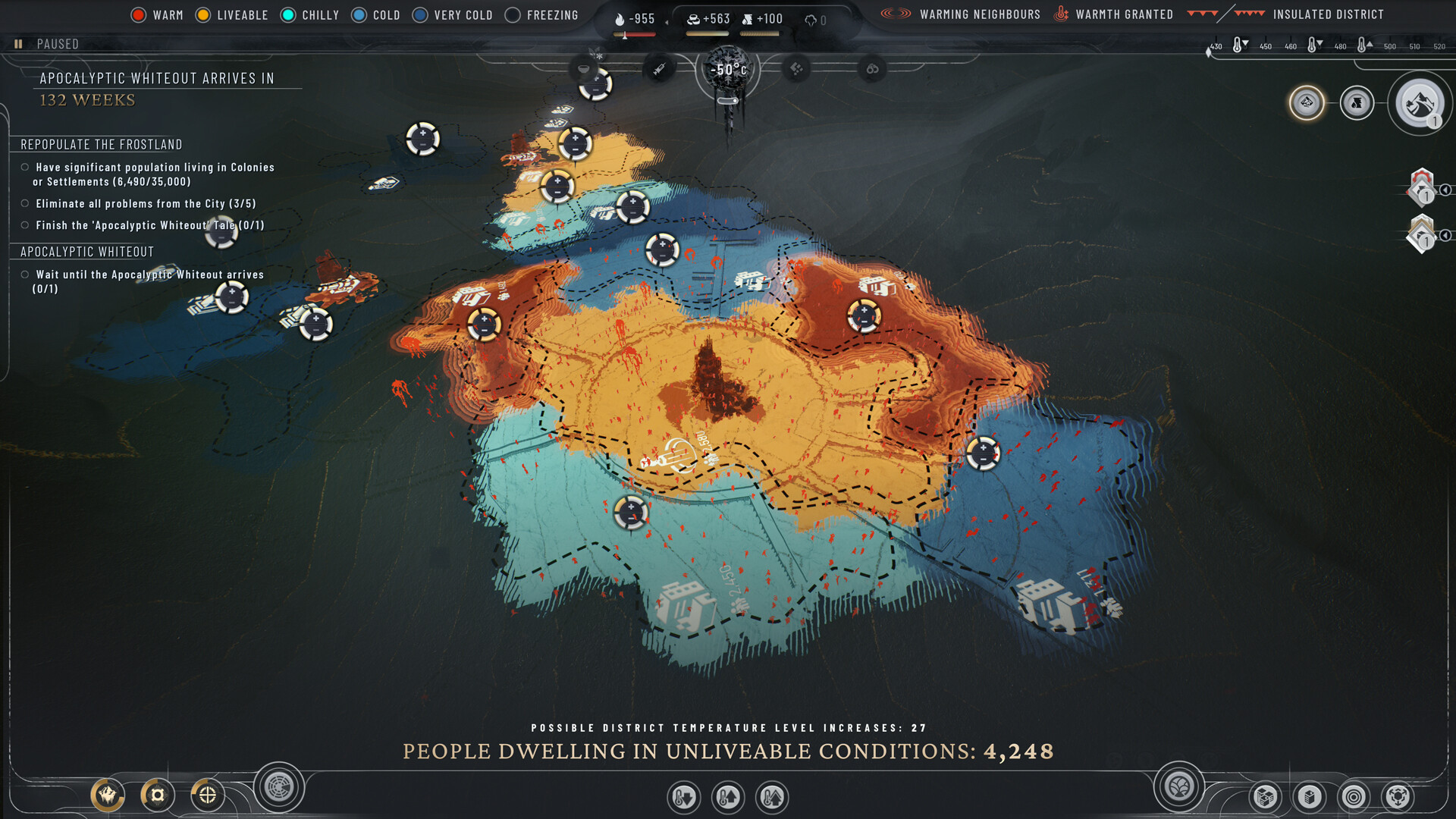
I’ve been using it more since Niagara VFX system introduced voxel simulation for 3D space. It means that instead of generating five models of something, we can render objects in a 3D grid and then fill them with color. It’s optimized enough to be used in modern productions – for example, to design various markers for the player in the UI, though it requires a bit more tinkering. But tinkering with VFX is my favorite part of the job.
Definitely knowledge of the basic principles of animation – it helps you design motion that may not look fully realistic, but is still attractive to the viewer. For example, when you’re working on a stylized game, you don’t generate models, but instead draw everything by hand – in that case those basics become even more useful. I used to work with animations, and thanks to that I knew where to start when creating VFX.
I think that empirical knowledge from other fields is really important, so sometimes it’s worth doing an exercise like creating a full animation on your own. Or modeling and rendering an element by yourself. Like I said before: there’s no single correct way, so it’s always worth experimenting and finding your own approach.
At Gamescom 2026, I spoke with solo Peruvian developer Adolfo Gazzo about his upcoming JRPG Full Circle from Second Player…
![[GAMESCOM 2026] Hell Maiden Interview: AstralShift on Self-Publishing, Early Access and An Unlikely Trip Through Hell](https://www.indie-games.eu/wp-content/uploads/2026/09/Hell-Maiden-5-1024x576.jpg)
At Gamescom 2026, we spoke with AstralShift co-founder, writer and marketing manager Patrícia Silva about rougelike Hell Maiden.
Built by a self-funded team of seven, Vahrin’s Call is an ambitious fantasy RPG inspired by Fable, The Elder Scrolls…
We spoke with cosplayer Prince de Guzman, who is known for his transformations inspired by horror, anime, and video games.
Unless you’re deep in the indie gaming scene, Naphtali Faulkner might be a new name to you. But as the…
We had a chance to catch up with Heidi Borge, the developer behind narrative-driven cozy Delphinium to learn more about…
We had the opportunity to speak with Damian Czajka from MOUSE: P.I. For Hire Team.
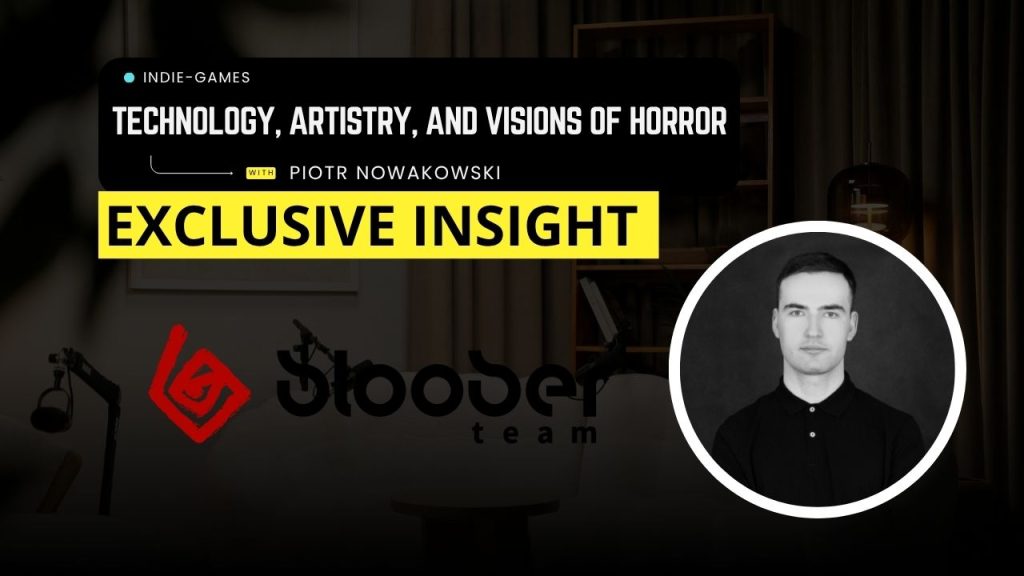
We had the opportunity to talk with Piotr Nowakowski from Bloober Team about his work on Cronos: The New Dawn.
![[INTERVIEW] Manafinder II Is a Big Step Up – Here’s What the Developer Told Us](https://www.indie-games.eu/wp-content/uploads/2026/04/Manafinder-II-interview-1024x683.jpg)
In the interview, we discussed the game’s mechanics in greater detail, what players can expect from the sequel, and the…
We had the opportunity to sit down with the brilliant minds behind Business Goose Studios: Beau Vankemenade, Sander Ambroos, and…
![[EXCLUSIVE] Like a Bloody Storm – Interview with Kazusou Oda (Coda)](https://www.indie-games.eu/wp-content/uploads/2025/12/Oda-Kazusou-Interview-1024x576.jpg)
We had an opportunity to talk with Oda Kazusou, a theme song artist for JoJo's Bizarre Adventure.
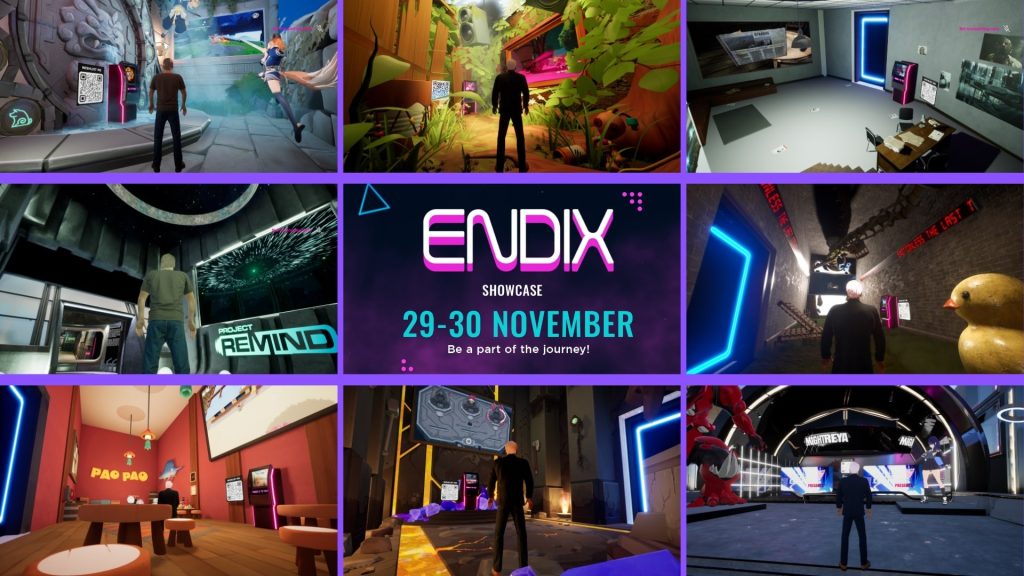
Once inside, visitors will find a fully immersive world where exhibitor booths are crafted using real in-game assets.
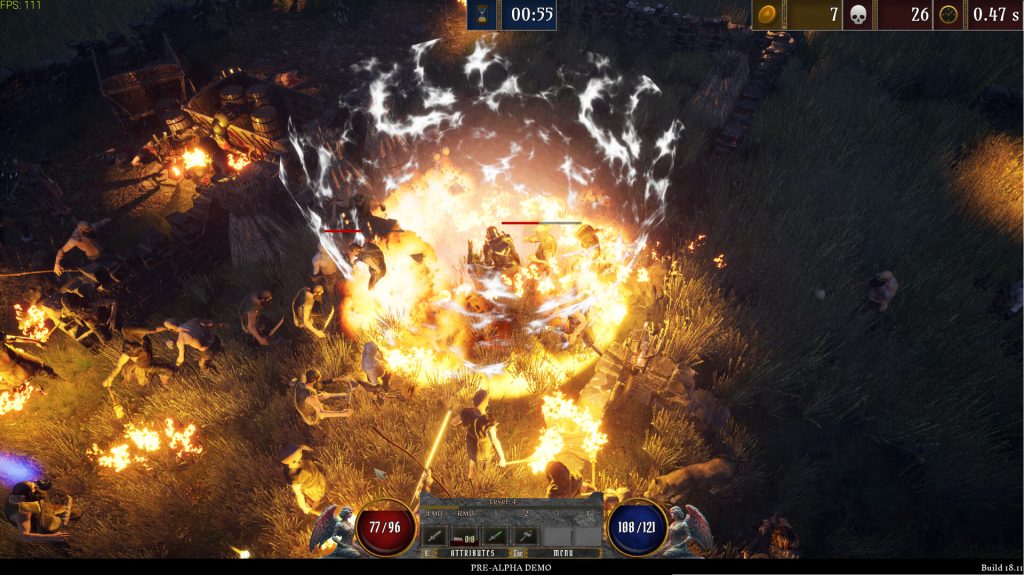
We talked to Tomasz Janicki about the details regarding Cult of Shadows.
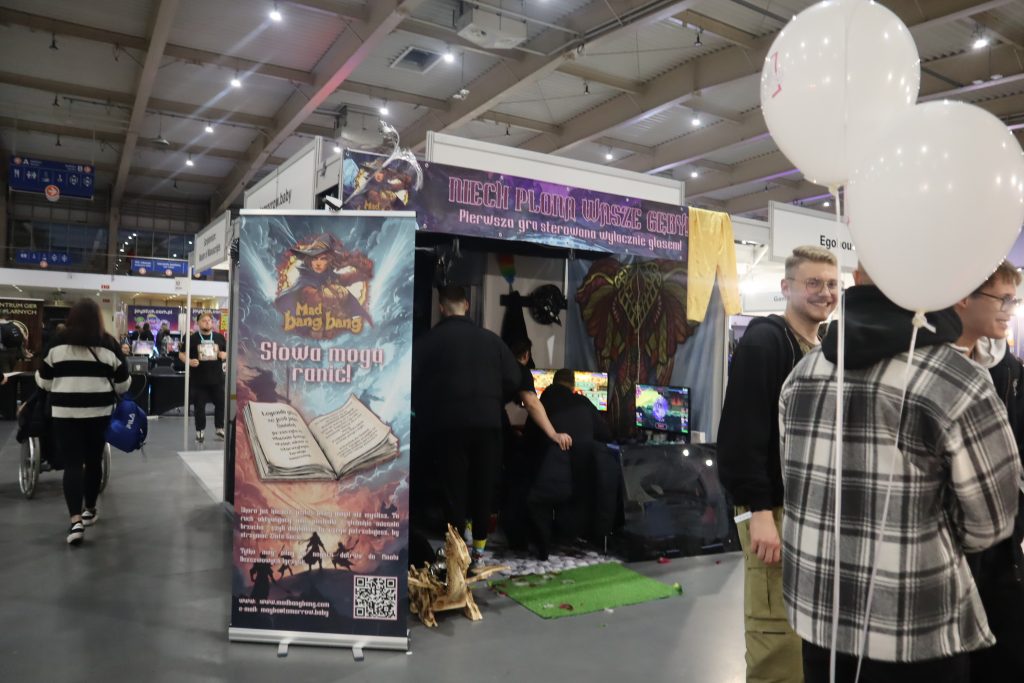
We talked to Piotr Ruszczak, one of the creators of Mad Bang Bang, about the details of this production.
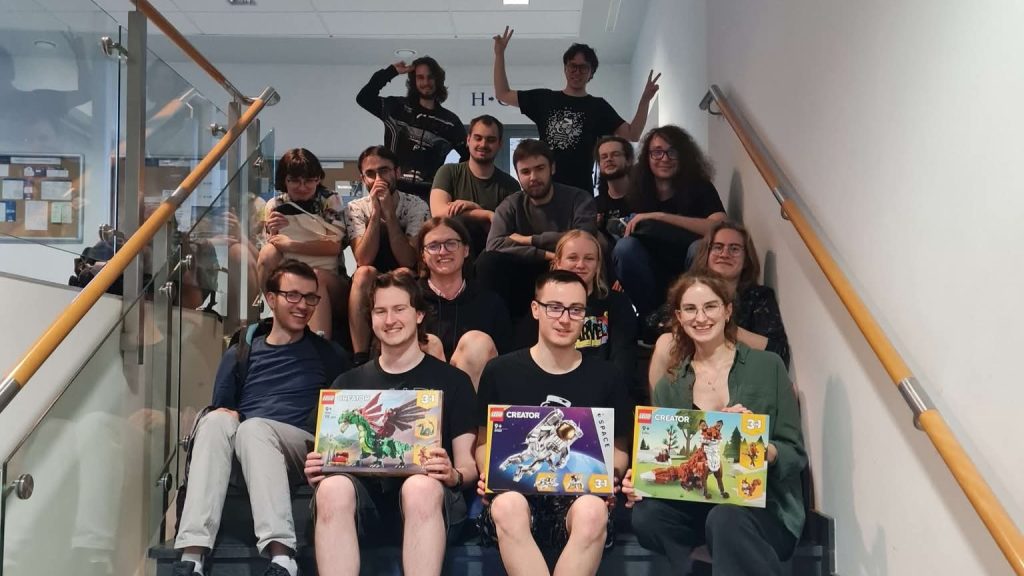
We asked Kiryl, Marek, and Jakub to reveal the secrets of their work to us.
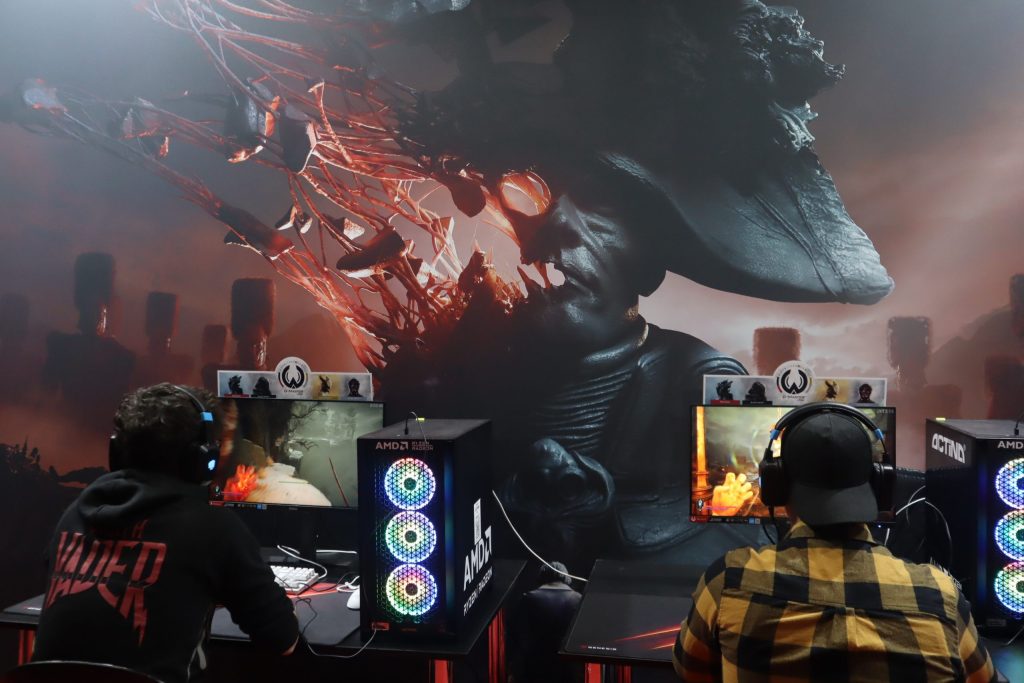
Will Valor Mortis become the hit of 2026?

We had the chance to ask Yannick Audéoud, developer behind Orbyss, some questions about the game.
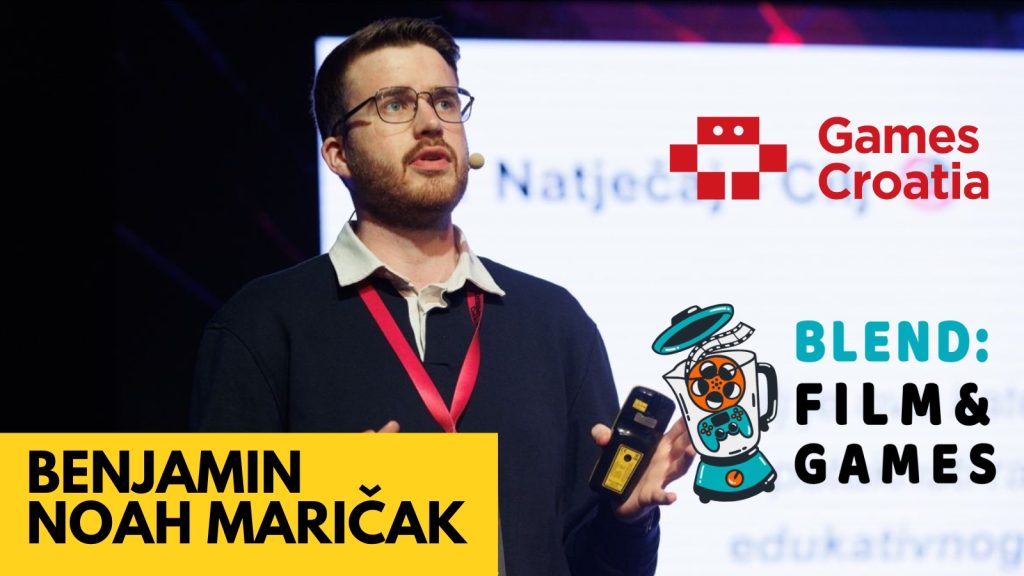
Maričak actively works to grow and promote the Croatian gaming industry while simultaneously fostering collaboration with the film industry.
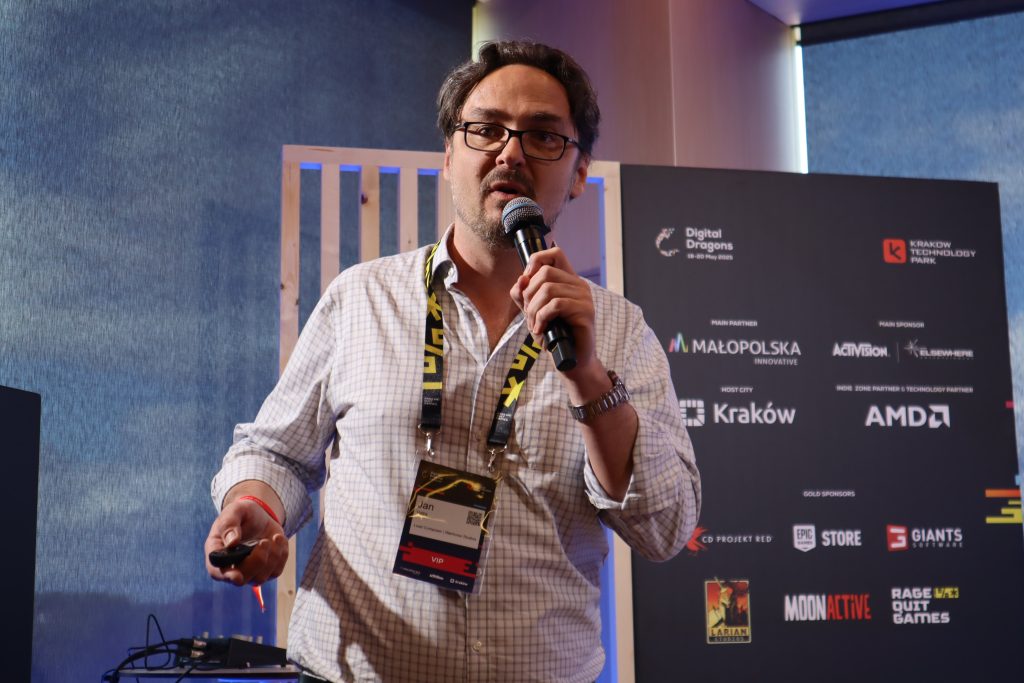
During our interview, Jan revealed the secrets of composing music for both KCD games.
![[A BIG INTERVIEW] Toukana Interactive Co-Founder Zwi Zausch on the Gaming Industry](https://www.indie-games.eu/wp-content/uploads/2025/09/Dizajn-bez-naslova-2-1024x576.jpg)
Zwi Zausch provided a deep dive into the gaming industry from an indie developer's perspective.
