![[GAMESCOM 2026] Full Circle – How One Developer Is Creating His Dream JRPG](https://www.indie-games.eu/wp-content/uploads/2026/09/Adolfo-Gazzo-Full-Circle-Interview-1-1024x576.jpg)
[GAMESCOM 2026] Full Circle – How One Developer Is Creating His Dream JRPG
At Gamescom 2026, I spoke with solo Peruvian developer Adolfo Gazzo about his upcoming JRPG Full Circle from Second Player…

If you enjoy independent indie game coverage, consider supporting Indie-Games.eu on Patreon. It helps keep the site independent.
At this year’s Digital Dragons Conference, Cronos: The New Dawn received three awards, including Best Polish Visual Game Art and Best Polish Game of 2025. This survival horror game from Bloober Team has captured players’ attention not only for its distinctive gameplay, which blends combat and tactical thinking, but also for its world that combines brutalism with retro-futuristic technology. We had the opportunity to talk with Piotr Nowakowski, the cinematic artist responsible for editing cutscenes and animating cameras on this project, about the behind-the-scenes process of creating this universe.
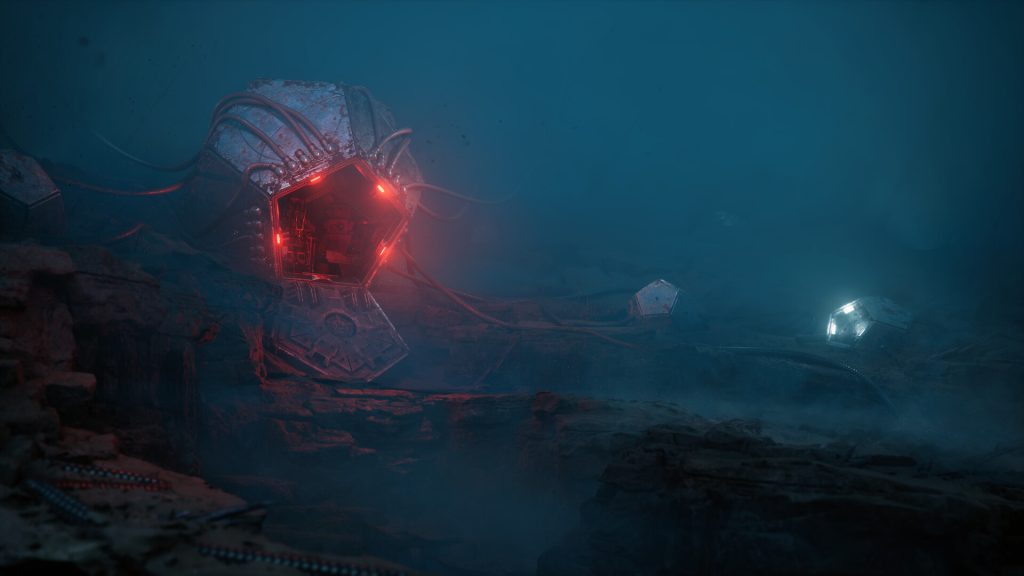
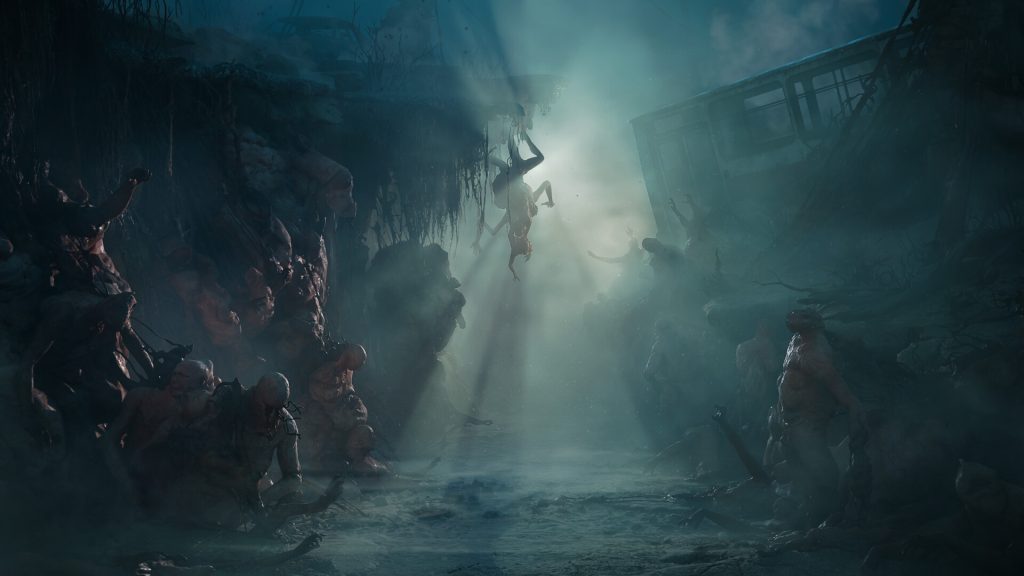
Cronos: The New Dawn is a new survival horror IP from Bloober Team, which made its debut last September. Caught between the past and the future, players witness a world in the throes of The Change, a cataclysmic event that forever altered humanity, as well as fight for survival against dangerous abominations. This third-person game features dynamic battles, strategic decisions, and an intense atmosphere reminiscent of 1980s Poland.
Piotr Nowakowski is a cinematic artist at Bloober Team with experience in delivering Unreal Engine projects from pre‑production to final pixels. His main areas of interest include real‑time cinematics, editing, previsualization, and compositing. During the development of Cronos: The New Dawn, he was primarily responsible for editing cutscenes and animating cameras. Together with Michał Pikul, a senior technical cinematic artist and motion capture specialist, he gave a lecture at this year’s Digital Dragons Conference on creating cinematics for this game, so we asked Piotr to elaborate on the content of that presentation in our interview.
The connection I mentioned during the lecture partly comes from the fact that Cronos was my first project at Bloober Team, so I wanted to learn as much as possible and experiment with new techniques.
Actually, quite by accident, while cleaning my room, I found an old console from the late 90s, and I immediately remembered using a gun-shaped controller that more or less tracked the player’s movements for games like Duck Hunt. Around the same time, I was also tasked with bringing more life to the cameras in Cronos’ cutscenes – mainly by adding subtle shakes so some shots would feel less static. That’s when I came up with the idea of combining those two things by using newer technology in the form of a DualShock 4 controller to create camera micro shakes.
I like to observe just how advanced today’s games are, and yet how those old ideas still work best. Cronos was one such example where I drew inspiration from older technology – during production I often relied on more traditional solutions, for example when creating placeholders. For instance, if I have a scene with fog or another specific effect, I often don’t need to immediately contact the VFX artist and ask for a fog asset. Instead, I create a simple texture myself, add a function that gives the impression of movement, and at an early stage of production that is usually more than enough.
I also consider myself a generalist, because I’m able to use multiple techniques to quickly show the team what the final result might look like and then adjust it according to feedback. Besides, I’ve been interested in game engines for a long time, so I can see that those older techniques, which theoretically could be replaced by newer solutions, are often less demanding both technically and timewise, which is why I enjoy using them.
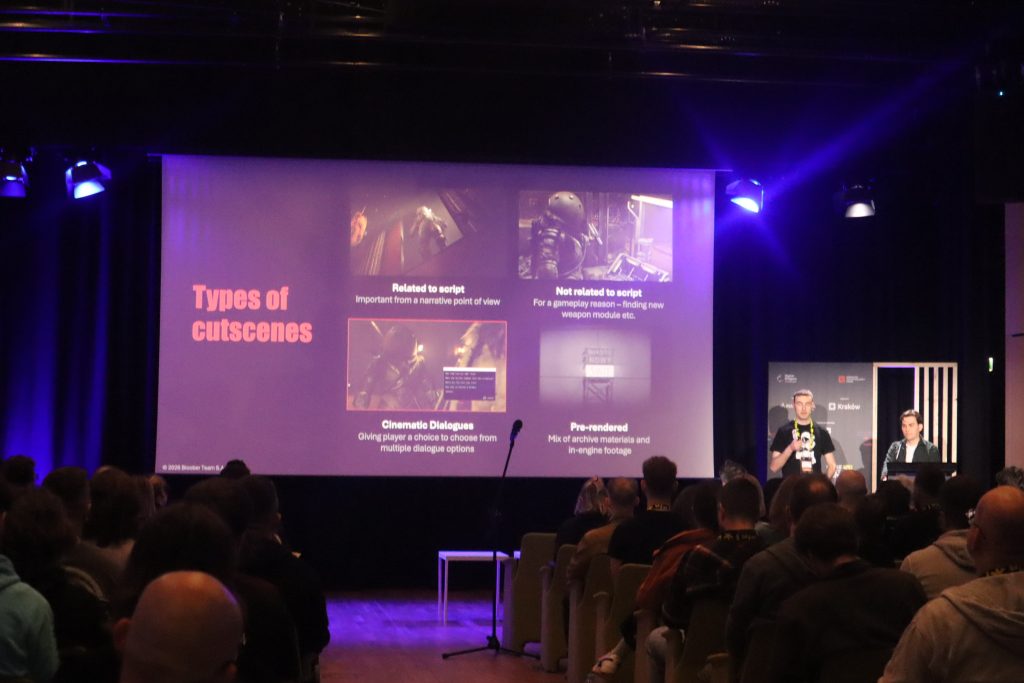
What was important about these experiments was that I didn’t feel pressured to rush through my regular tasks, so I had some room to grow creatively. For my part, I didn’t introduce any highly advanced technological solutions here – most experimentation consisted of smaller activities that diversified my work during production while also allowing me to learn new things. For example, I used DaVinci Resolve while working on the opening sequence in order to modify texts in archival footage to better fit the story of our game. In this case, I wasn’t just working in Unreal Engine, but I was also able to use strictly film-based software.
I joined Bloober Team two years ago, so all discussions about story and character concepts had already taken place before I arrived. Because of that, many ideas for conveying emotions, for example through gestures or camera movement, came from earlier discussions, while some emerged from my own experiments. Besides, I had other characters in mind, such as Darth Vader from Star Wars and Isaac Clarke from Dead Space, whose identities are for the most part hidden behind helmets. So I analyzed how those characters behave and noticed that voice acting usually plays the key role in conveying emotions, which was also important for us.
But on top of all that, we wanted to add something else – something that would allow us to show those emotions even better, to highlight them even more. That’s why we focused on specific gestures and movements, which ultimately turned out to be a very good decision, especially since we have our own motion capture studio adapted for recording this kind of animation. Before the recording sessions, team members would first work together to determine the flow of scenes so that everything was carefully planned in terms of action, character placement, and so on. Having our own studio and know-how gave us many possibilities when it came to working with actors and translating their performances onto the characters in Cronos.
I’ll put it this way: if something wasn’t very time-consuming, I did it myself without involving the animators. For example, there’s a scene in the game where our character struggles with elevator doors and forces them open. We already had motion capture footage recorded for that, so I just added the animation of the doors sliding apart. We agreed to leave it like that temporarily and improve it later if necessary, but we never came back to it because it looked good enough and allowed us to focus on other things.
Of course, if we’re dealing with advanced simulations or large explosions, then VFX specialists, tech artists, and animators handle those tasks. On my side, I mainly helped create some placeholders, so they knew where everything was and roughly how it should look.
Yes, we drew on a variety of references for building scenes. For example, the beginning of the game was inspired to some extent by Blade Runner 2049 in terms of wide shots and unsettling atmosphere. One scene that especially comes to mind is when Ryan Gosling, playing Officer K, walks through urban wastelands covered in dense fog. We also collaborated very closely with other departments in the company responsible for specific elements of the game to ensure that this vision was realized in a cohesive way.
I think that feature was MetaHuman Animator, because it allowed our team to capture solid base for facial movements relatively easily and quickly. In the past, separate software was needed for that, whereas now practically anyone can launch such engine and, even with a regular smartphone, transfer simple facial expressions onto a digital face. At the same time, it’s worth mentioning that there was also a lot of tweaking and polishing involved to push recorded data into desired quality. This particular feature was super cool in general, because it showed just how much animation tools have evolved.
It’s also worth mentioning the Sequencer itself, which is the standard module where we animate cameras and edit scenes. Michał, with whom I conducted the lecture, is an excellent specialist in this area because he writes many tools that help us in our everyday work. Unreal Engine is fantastic as a foundation, but if you want both the engine and the entire pipeline tailored specifically to your needs, it’s worth using additional tools that expand those core functions.
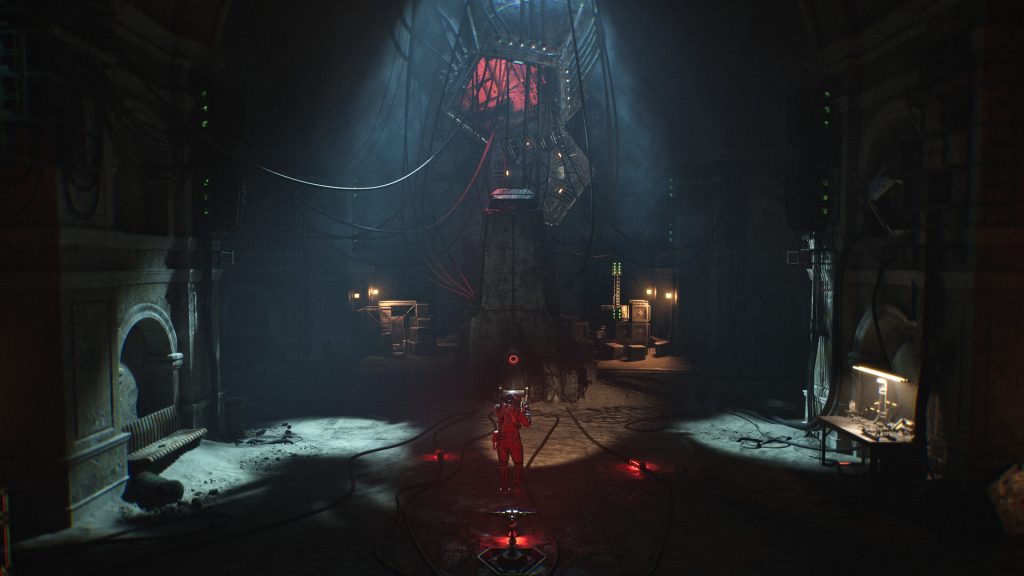
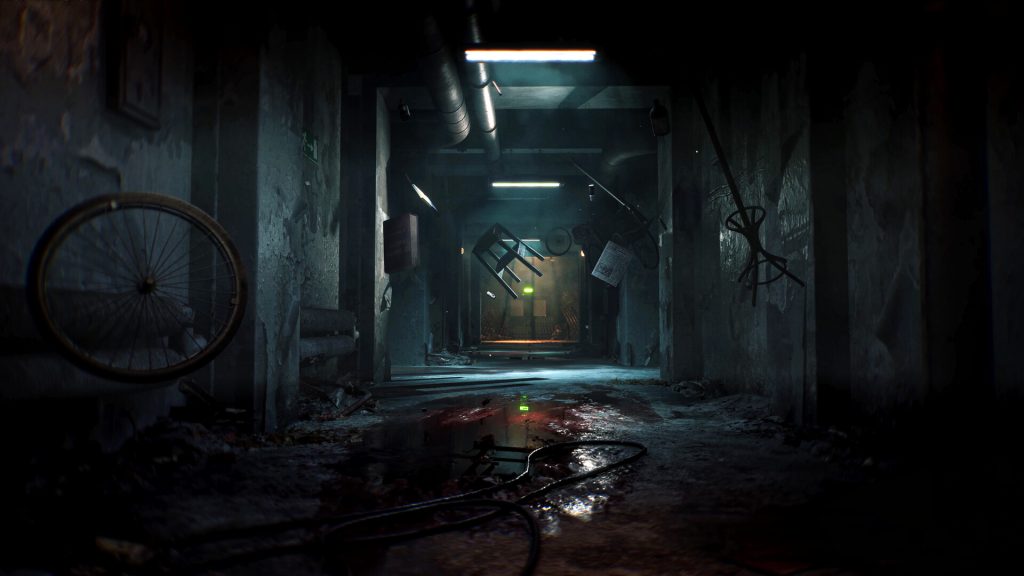
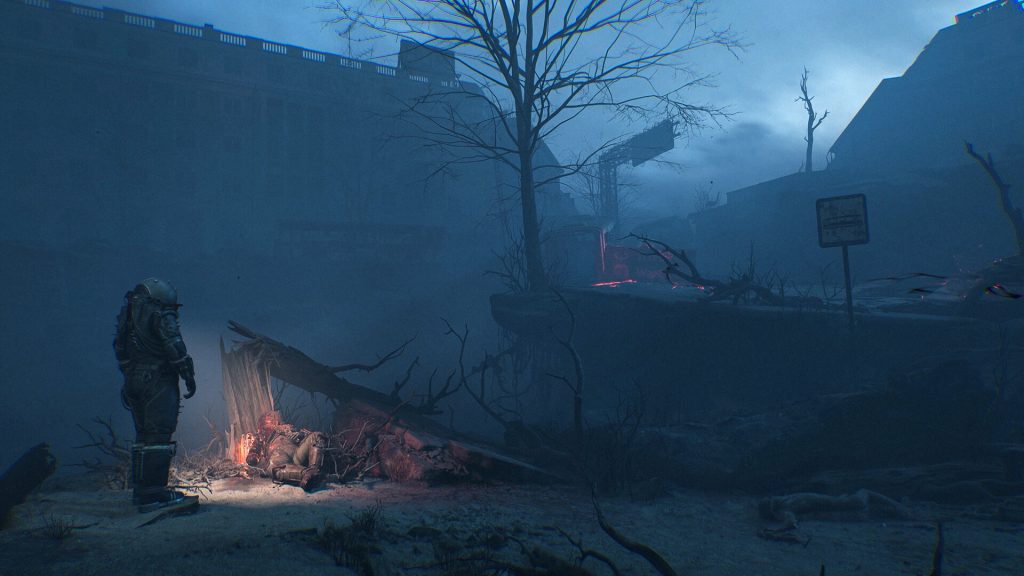
I joked during yesterday’s gala that this year I contributed to games that collectively won five awards, even though my role in The Alters was minimal.
That was actually my first hands-on experience with how professional game production looks behind the scenes. The testing itself usually lasts several days – together with other people I was invited to the studio some time before the game’s release, and I shared my thoughts about the gameplay. So it was more of a micro-role in the entire process, but from my perspective it was a great opportunity to take small steps to explore the industry and see whether it genuinely interested me more deeply. And that’s how I ended up staying here longer, although I also have future plans connected to things beyond games.
It’s true, I started taking a film directing course a while back. So far, I’ve worked with actors exclusively during motion capture sessions, so now I’ll have the opportunity to test myself working with them in live-action conditions. I also already have a concept for a short film, which I’ll most likely shoot next year.
I don’t want to reveal too much, but I’d like to keep it in the spirit of my favorite game series such as Resident Evil, Silent Hill, and Cronos, so it will probably be a film filled with mystery and intrigue. I hope I’ll be able to complete it in the near future and later perhaps present it at selected festivals. This project is also related to the fact that I’m interested in many things: on one hand, Bloober Team is a fantastic place for me to improve my gamedev skills, but also I’d also like to develop in other fields and simply get as much joy from it as possible.
At Gamescom 2026, I spoke with solo Peruvian developer Adolfo Gazzo about his upcoming JRPG Full Circle from Second Player…
![[GAMESCOM 2026] Hell Maiden Interview: AstralShift on Self-Publishing, Early Access and An Unlikely Trip Through Hell](https://www.indie-games.eu/wp-content/uploads/2026/09/Hell-Maiden-5-1024x576.jpg)
At Gamescom 2026, we spoke with AstralShift co-founder, writer and marketing manager Patrícia Silva about rougelike Hell Maiden.
Built by a self-funded team of seven, Vahrin’s Call is an ambitious fantasy RPG inspired by Fable, The Elder Scrolls…
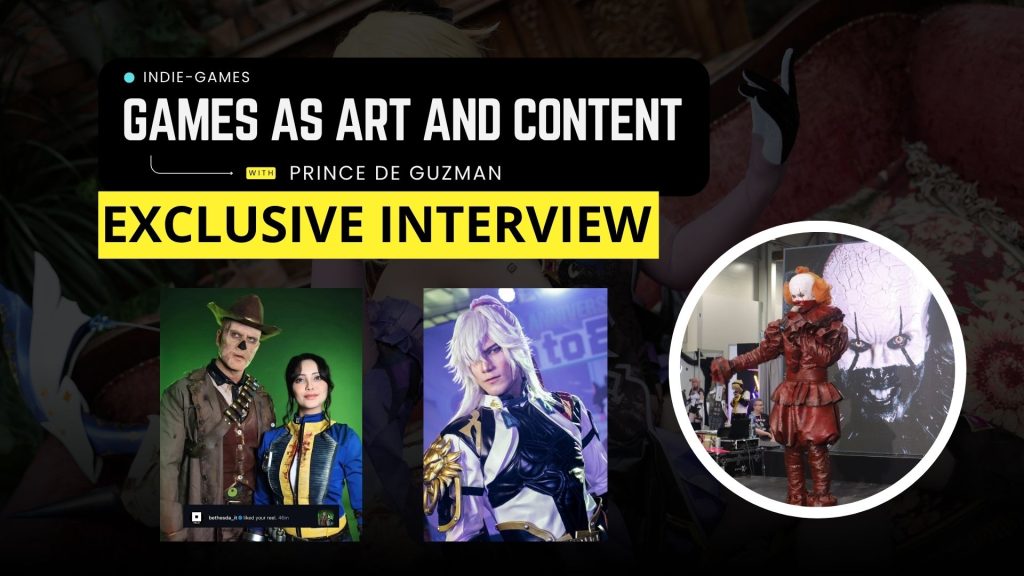
We spoke with cosplayer Prince de Guzman, who is known for his transformations inspired by horror, anime, and video games.
Unless you’re deep in the indie gaming scene, Naphtali Faulkner might be a new name to you. But as the…
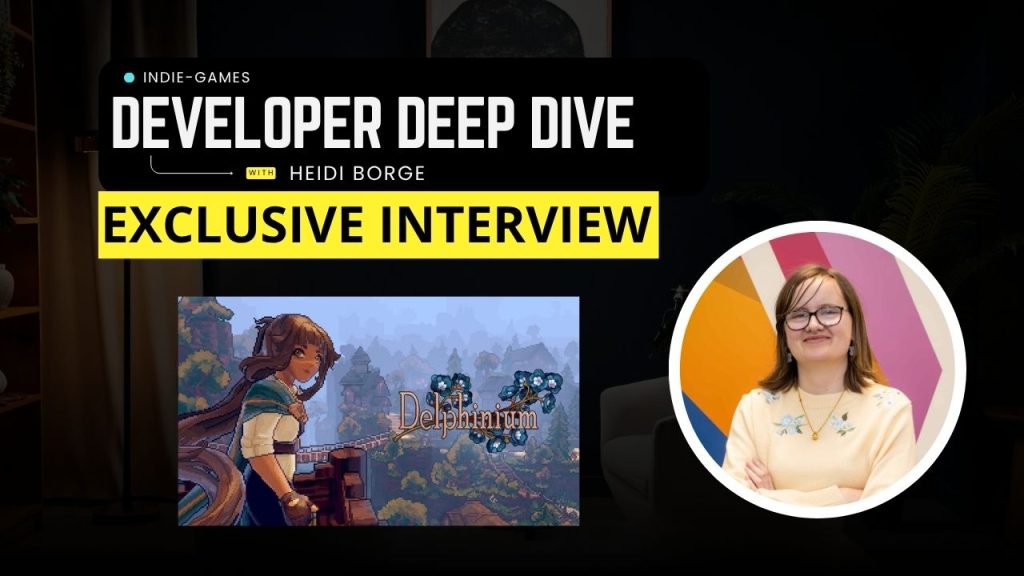
We had a chance to catch up with Heidi Borge, the developer behind narrative-driven cozy Delphinium to learn more about…
We had the opportunity to speak with Damian Czajka from MOUSE: P.I. For Hire Team.
![[INTERVIEW] Manafinder II Is a Big Step Up – Here’s What the Developer Told Us](https://www.indie-games.eu/wp-content/uploads/2026/04/Manafinder-II-interview-1024x683.jpg)
In the interview, we discussed the game’s mechanics in greater detail, what players can expect from the sequel, and the…
We had the opportunity to sit down with the brilliant minds behind Business Goose Studios: Beau Vankemenade, Sander Ambroos, and…
![[EXCLUSIVE] Like a Bloody Storm – Interview with Kazusou Oda (Coda)](https://www.indie-games.eu/wp-content/uploads/2025/12/Oda-Kazusou-Interview-1024x576.jpg)
We had an opportunity to talk with Oda Kazusou, a theme song artist for JoJo's Bizarre Adventure.
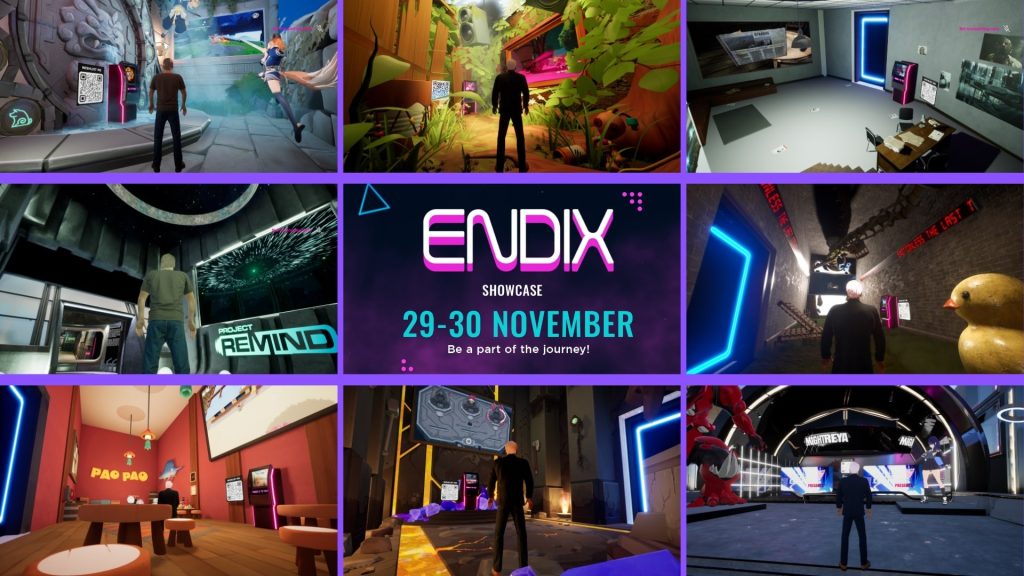
Once inside, visitors will find a fully immersive world where exhibitor booths are crafted using real in-game assets.
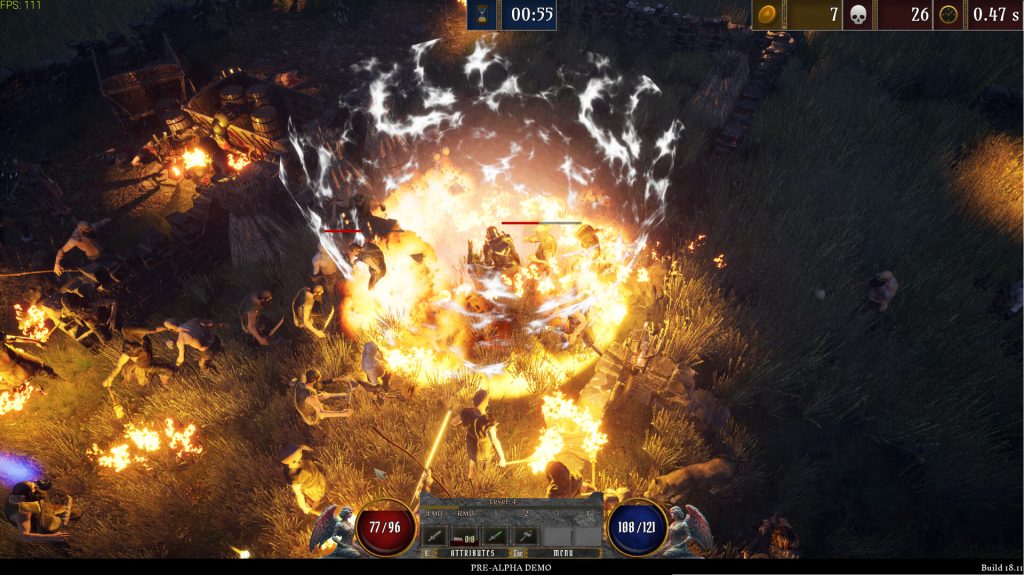
We talked to Tomasz Janicki about the details regarding Cult of Shadows.
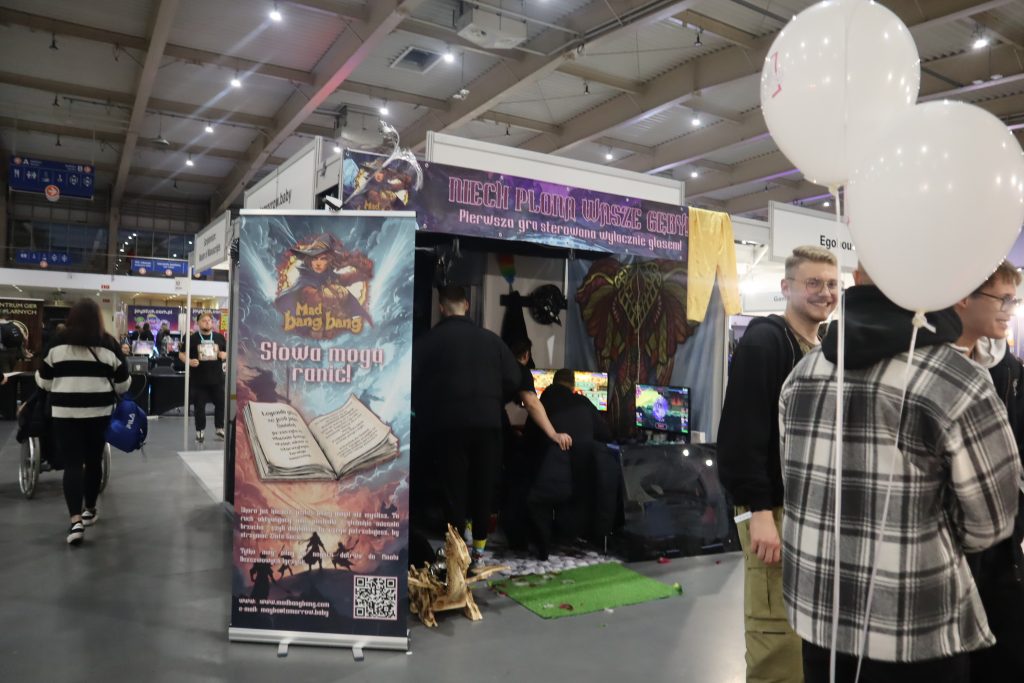
We talked to Piotr Ruszczak, one of the creators of Mad Bang Bang, about the details of this production.
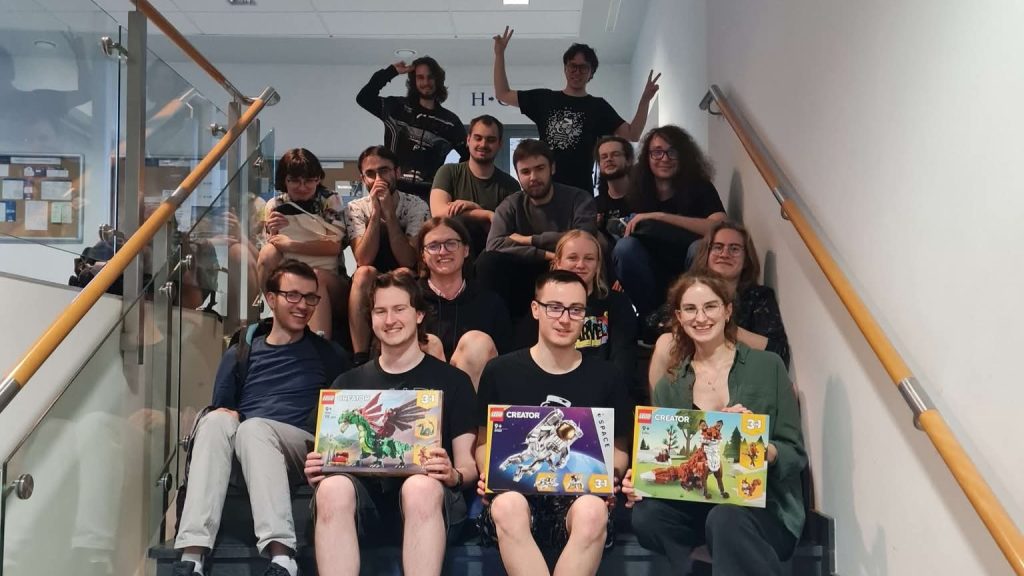
We asked Kiryl, Marek, and Jakub to reveal the secrets of their work to us.
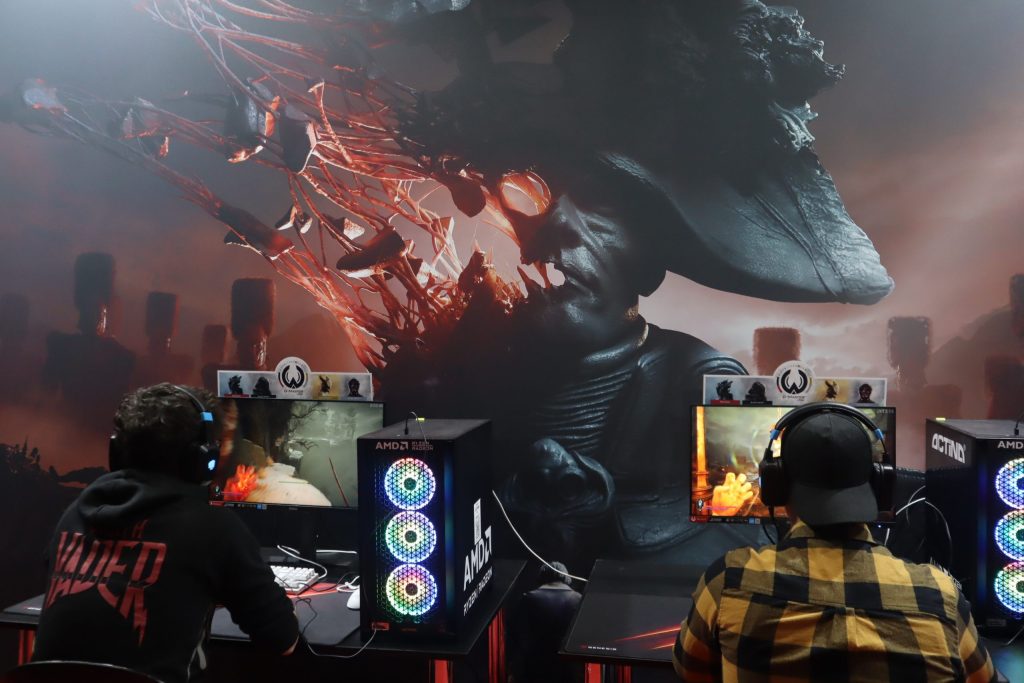
Will Valor Mortis become the hit of 2026?

We had the chance to ask Yannick Audéoud, developer behind Orbyss, some questions about the game.
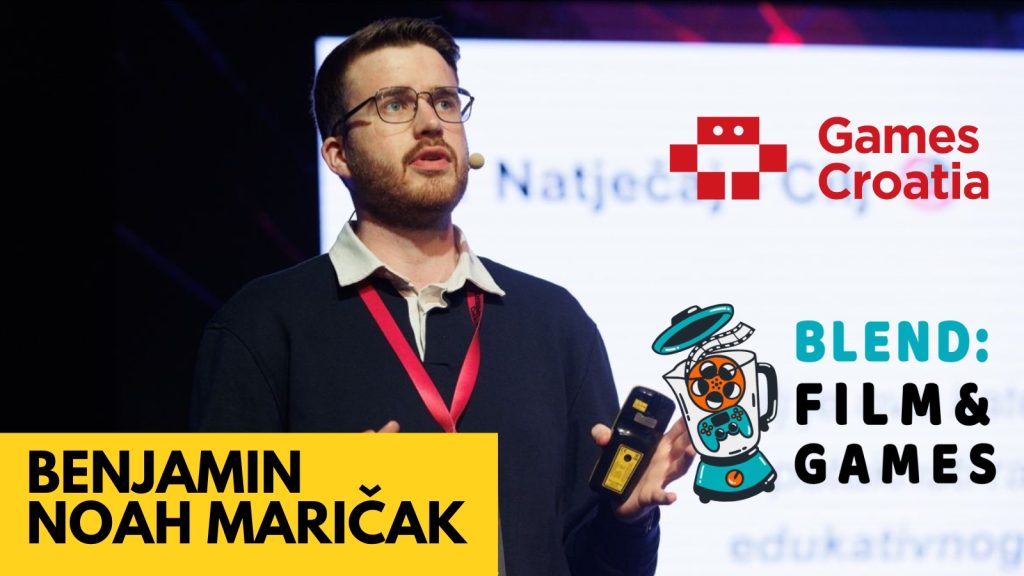
Maričak actively works to grow and promote the Croatian gaming industry while simultaneously fostering collaboration with the film industry.
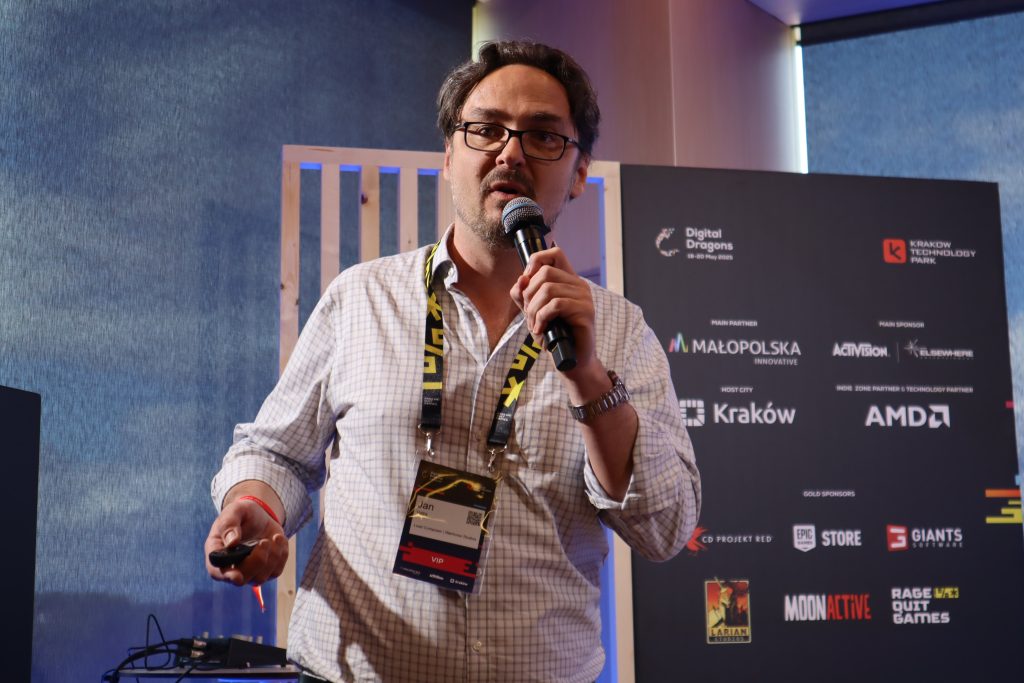
During our interview, Jan revealed the secrets of composing music for both KCD games.
In this interview, we asked Paweł Charzyński about his experience working on Frostpunk 2 as VFX coordinator.
![[A BIG INTERVIEW] Toukana Interactive Co-Founder Zwi Zausch on the Gaming Industry](https://www.indie-games.eu/wp-content/uploads/2025/09/Dizajn-bez-naslova-2-1024x576.jpg)
Zwi Zausch provided a deep dive into the gaming industry from an indie developer's perspective.
