![[GAMESCOM 2026] Hell Maiden Interview: AstralShift on Self-Publishing, Early Access and An Unlikely Trip Through Hell](https://www.indie-games.eu/wp-content/uploads/2026/09/Hell-Maiden-5-1024x576.jpg)
[GAMESCOM 2026] Hell Maiden Interview: AstralShift on Self-Publishing, Early Access and An Unlikely Trip Through Hell
At Gamescom 2026, we spoke with AstralShift co-founder, writer and marketing manager Patrícia Silva about rougelike Hell Maiden.


If you enjoy independent indie game coverage, consider supporting Indie-Games.eu on Patreon. It helps keep the site independent.
Last week, we spoke via Discord with Josip Vincetić, a developer from Osijek. He, along with his brother Mate, is developing the game Dark Queen of Samobor, also known as Crna kraljica, a linear side-scrolling adventure inspired by Croatian mythology and literary works.
We dove deeper into the game’s world, explored its sources of inspiration, from Croatian mythology to literary works. We discussed the crucial role of the Croatian Audiovisual Centre (HAVC) in its development, found out what we can all expect in the game itself, heard about their experiences at Croatian gaming events, and learned on which platforms we will be able to play this unique creation.
You can find Dark Queen of Samobor on Steam. The Vincetić brothers are also very active on Discord, and the game’s release date is currently set for 2026, while a playtest can be expected early next year.
We chose the name Downtown Game Studio to promote Osijek, specifically Donji grad (Lower Town) where we come from. Although it doesn’t really make sense because “downtown” usually refers to the business center of the city, and we live in a suburb, but, well, Donji grad means Downtown. We founded the studio in 2019, and Crna kraljica (Dark Queen) is not our first game, that is, it is in terms of consoles and PC.
Before it, we spent three years developing hypercasual mobile games. I started the studio with my brother and one other programmer, who has since left us. That’s when our current programmer, Aleksandar Baranji, joined. It’s interesting that Aleksandar was independently working on his own projects at the same time we started with mobile games. We met, joined forces, and together published about 30 mobile games.
We always wanted to work on a more serious game, so we hoped to have a hit with at least one mobile game that would bring us enough funds to dedicate ourselves to it. Although we didn’t achieve that financial breakthrough, the collaboration with big mobile game publishers over those few years gave us invaluable experience and knowledge.
The idea for Crna kraljica dates back to 2021, when we first applied for the HAVC public call. We weren’t accepted then, so we put the project on hold and continued developing mobile games. The turning point occurred in 2023 when we reapplied for the HAVC call, which was accepted this time, and they approved the initial funds for pre-production. This encouraged us to fully dedicate ourselves to this project: we terminated our contracts with mobile game publishers and focused entirely on Crna kraljica.
Besides the three of us in the main team, we also have an extremely talented concept artist from Zagreb. His name is Fran Domljan, he is still a student, and he is currently interning with us. We hope this will grow into a long-term partnership even after his internship ends.

Inspired by the dark atmosphere of the game Inside from the last console generation, we decided to create a similar experience in the side-scrolling genre. The opportunity arose with the HAVC public call, which prompted us to develop an idea for a Croatian fantasy story. We grew up with dark fantasy films like Conan and Disney’s Sleeping Beauty, so it was a natural step for us to devise a story in that spirit.
The initial idea was to focus on the characters of Ivana Brlić Mažuranić and build a fantasy world around them. However, after speaking with Daniel Rafaelić, a renowned Croatian filmologist and historian, we were advised to explore lesser-known themes. This led us to Šenoa’s “The Serpent Queen” (Zmijska kraljica), a poem about Barbara Celjska, the ruler of Medvedgrad known as the Black Queen (Crna kraljica).
When Daniel recommended Šenoa’s poem about the Serpent Queen, everything immediately clicked. We realized we could build our own story on those foundations. Šenoa’s epic tells of a crusader who, upon returning from his campaign, meets the Black Queen, the ruler of his homeland. A tragic love story develops between them and the crusader’s new love, a young girl. Our story deviates significantly from Šenoa’s, but retains the key foundations: the queen, the crusader, and the young girl.
Šenoa’s story served as a springboard for developing our own vision. However, we didn’t want to limit ourselves to just Šenoa. The characters, locations, and events are rooted in Croatian mythology and culture. In doing so, we do not strictly adhere to geographical truths. For example, the mountainous part of the game may look like Velebit, but the inspiration for the characters in that section comes from other sources. Our goal is to create a dark fantasy world based on Croatian roots, mixing elements from various literary works, including some characters from the works of Ivana Brlić Mažuranić, we haven’t completely abandoned her.

We discovered the Grabari while researching contemporary literature on Croatian folk legends and mythologies. Although there isn’t much such literature in our country, we try to find and study the available sources. For example, I would mention “Hrvatska bajoslovlja” by Vid Balog, which deals with old beliefs before the arrival of Christianity. In certain parts of Croatia, these beliefs still live on, and older generations pass on stories about ancient beings, as some parts of Croatia fell under Christian influence only later.
That’s how, along with the testimonies of the local population, we found out about the Grabari and their nature. Our vision of the Grabari is more similar to what the local people there call Vodenjaci (Water Spirits). So, we didn’t strictly adhere to the truth; instead, we drew inspiration. Our Grabari would more closely match the description of the Vodenjaci from those legends, but we also have Vodenjaci in the game, also inspired by those stories.
We try to find as many references from Croatian culture as possible. Daniel also helps us a lot with this, providing us with information about the Black Queen and the historical context of her life. Although we do not strictly adhere to historical facts, we try to incorporate as many elements from real Croatian medieval history into the game as possible.

Finding a voice for our Black Queen for the trailer turned out to be surprisingly simple, thanks to Daniel. We had the script for the trailer ready and knew we needed a voice, but we weren’t sure about the scope of the collaboration for the entire game, how much it would cost us, or how much text there would be.
Daniel asked us who would be providing the voice, and we admitted we didn’t know yet. He then suggested Sandra Lončarić, which felt unreal to us at the time. The very next day, I spoke with Sandra on the phone, and we arranged a meeting. She really liked the idea. We proposed that she shouldn’t just be the voice in the trailer, but lend her voice to the Black Queen for the entire game, which she agreed to.
I think Sandra recognized the potential in our game, and local patriotism certainly helped, considering both she and we are from Osijek. She loved the project immediately, and we are honored to work with her. The Black Queen is the main anti-hero in the game, the driving force of the plot, and the main antagonist. The player’s goal is to reach her and confront her, which makes her an extremely important character.
We paid special attention to cinematic moments, memorable scenes, and an engaging story. It’s a linear experience that will last 3-4 hours, meaning the game can be completed in one, slightly longer playthrough.
Our game will be divided into several chapters, with each chapter bringing a unique atmosphere and a challenge in the form of a boss fight at the end. Every boss is inspired by characters from Croatian literature or legends. When you defeat each boss, you unlock a new ability that is somewhat a reflection of the defeated opponent’s power. For example, one of them is the witch Kuga (Plague), inspired by Šenoa’s “Kugina kuća” (“The Plague House”). After the player defeats her—she controls time, by the way, the player gains the ability to slow down time.
This is one of the first special abilities the player will acquire, and they will then have to use it in later chapters to solve puzzles and progress. We place great emphasis on camera direction. Perspective changes won’t be arbitrary; you won’t be able to change the viewing angle as you wish. Instead, the camera is strictly directed from the first to the last frame, and we change the perspective to emphasize something in the environment or achieve a dramatic effect.
One of our key mechanics is throwing the axe, obviously inspired by God of War. The axe is used both in combat and for solving puzzles. Along with it, the player will acquire other special abilities, whose exact appearance we are still developing. Each of them will be unique and useful in combination with combat and puzzle-solving. You will be able to choose which abilities to use in combat. There won’t be too many RPG elements like a skill tree or extensive character development because the focus is on the linear story. Imagine our game as Inside, but instead of a boy, you play as a knight armed with an axe and magic.

Our game will use a similar principle of environmental changes, but instead of seasons, we will focus on the change of the time of day. The idea is for the player to travel through an entire day, starting the journey in the morning and finishing it in the deepest night. This will bring significant changes to the environment, meaning you will pass through different biomes, such as mountainous and forest areas. In the swampy areas, for example, the Grabari will lurk, which are monsters hiding beneath the water’s surface, waiting for the right moment to attack the unwary player.
Besides the Grabari, we can mention the Order of the Crow, as we called them; those are the ninja-like warriors we showed in the trailer. They are one of the Black Queen’s units responsible for patrolling and guarding a certain part of the forest that the player passes through. They are known for using various traps and devices and try to avoid direct confrontation with the enemy, slowing them down with obstacles.
Of course, they are also very skilled in combat. All enemies will have different variants. For example, within the aforementioned order, we have light, heavy, melee, and ranged versions. Also, in every new biome, you will encounter new types of enemies. While the Order of the Crow is in the forest, completely new creatures and beings await the player in the mountainous regions.

I often emphasize that without the Croatian Audiovisual Centre (HAVC), our game would not exist. Although the financial support we received from HAVC was important for pre-production, its true value lies in something much deeper. Game production is an extremely expensive process, so the recognition and support from an institution with such experience and knowledge was crucial for us. It was the real incentive we needed to even start this project. Of course, we couldn’t have started without the financial aid, but the collaboration with HAVC brings us much more, including promotion and support. We are truly grateful for everything they are doing for us.
I would absolutely recommend everyone who has a development idea to try it and not let bureaucracy and paperwork scare them away. The application process is actually simpler than it seems. I can confirm that Benjamin Noah Marićak from HAVC is extremely approachable and ready to assist with everything needed during the application process. This kind of support is immensely beneficial for the entire gaming community. Namely, the more quality projects we submit to HAVC, the more funds will return to the industry.
Therefore, no submitted idea can hurt, and you could potentially receive financial resources, media space, mentorship, and crucial assistance for developing your own game. Hence, I definitely recommend everyone to apply.
We are currently actively preparing for a Kickstarter campaign which should begin in early September. The primary reason is to find funding for the further development of the game. At the same time, we are also actively looking for publishers. We are currently in negotiations with a few of them. If we succeed in securing funding through a publisher, the Kickstarter campaign might not be necessary, but we are not counting on that.

Participating in festivals like InfoGamer in Zagreb, the regionally largest event for indie games, and Reboot Develop Blue in Dubrovnik, which is one of the biggest global events, proved invaluable for getting feedback on our game. At all the conferences and festivals we attended, we brought a game prototype on a computer and allowed visitors to try it out and give us their impressions. Getting feedback at such an early stage of development is crucial.
For example, we would come to Zagreb with one version of the game, gather feedback, implement it, and then go into a new round of testing with an improved version. Through this process, we found numerous bugs and received excellent advice that we implemented into the game. That is the primary benefit of such events, in addition to extra exposure and visibility.
We were also featured on the Best Indie Game channel back in January. We didn’t know how he found us, but he placed us at 25th on his top 25 list of new side-scrolling games. This was ideal because we were at the beginning of the video, and on the same day the video was published, we got 500-600 new wishlists just from that one video. We recently applied again for his showcase, where he personally selected the games he liked, and we got in. I can confirm firsthand that it pays off to showcase the game on larger channels because it definitely brings increased visibility.
We are primarily developing the game for PC, but our goal is to release it on all consoles: PlayStation, Xbox, and Switch. Whether we succeed will depend on the financial situation and potential collaboration with publishers who can help us with this. We believe our game will fit perfectly on the Switch 2, especially now that it has been released.
We plan to release a demo version on Steam only next year, closer to the game’s launch. We want to maintain good momentum between the demo and the full release, so it will likely be available during the Steam Next Fest, approximately a year from now.
However, players will have the opportunity to try the game earlier. We are planning to conduct a closed alpha test with a portion of the community this year, followed by a more open beta in the second or third month of next year. Only then, next summer, will the official demo come to Steam.


At Gamescom 2026, we spoke with AstralShift co-founder, writer and marketing manager Patrícia Silva about rougelike Hell Maiden.
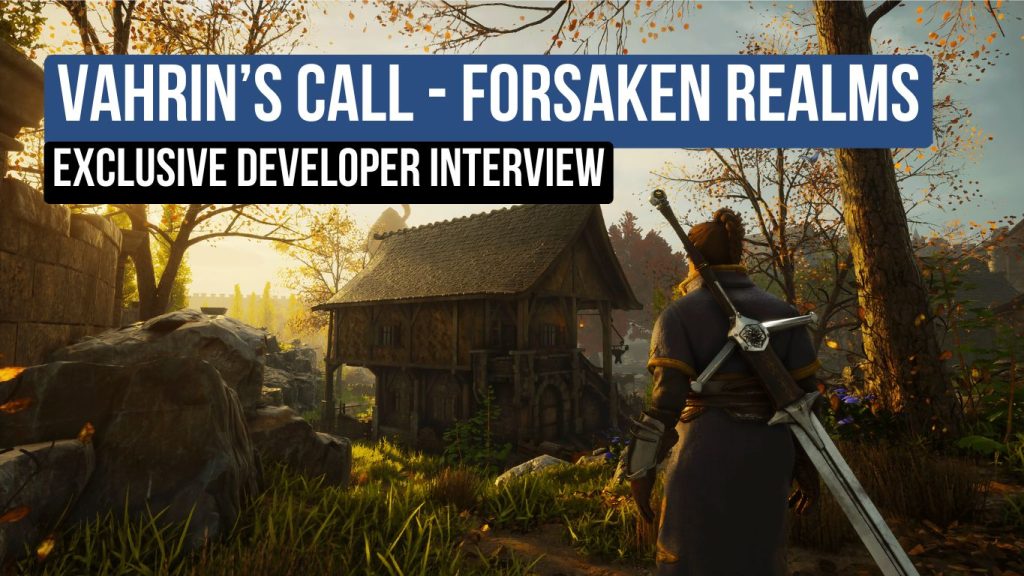
Built by a self-funded team of seven, Vahrin’s Call is an ambitious fantasy RPG inspired by Fable, The Elder Scrolls…
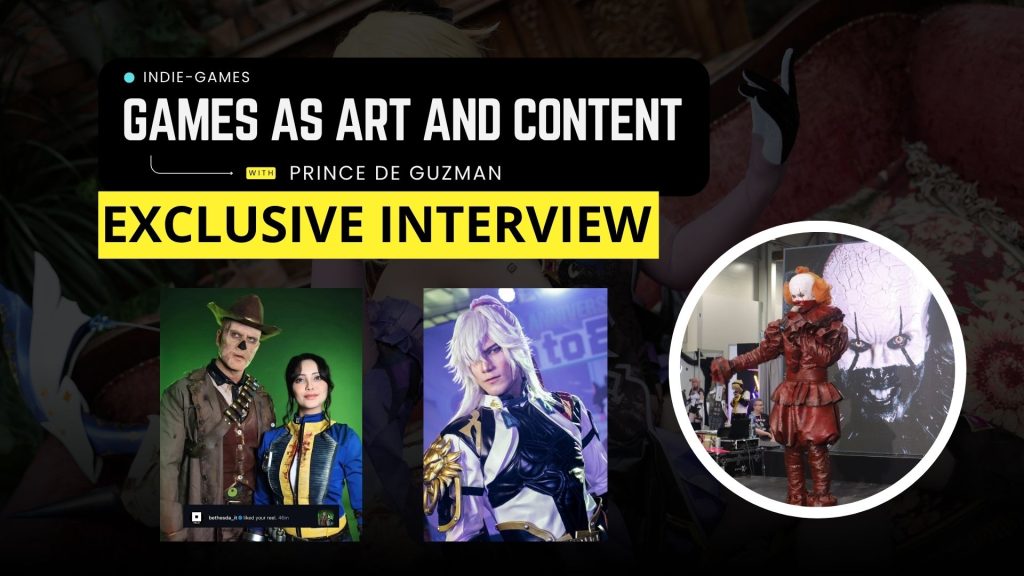
We spoke with cosplayer Prince de Guzman, who is known for his transformations inspired by horror, anime, and video games.
Unless you’re deep in the indie gaming scene, Naphtali Faulkner might be a new name to you. But as the…
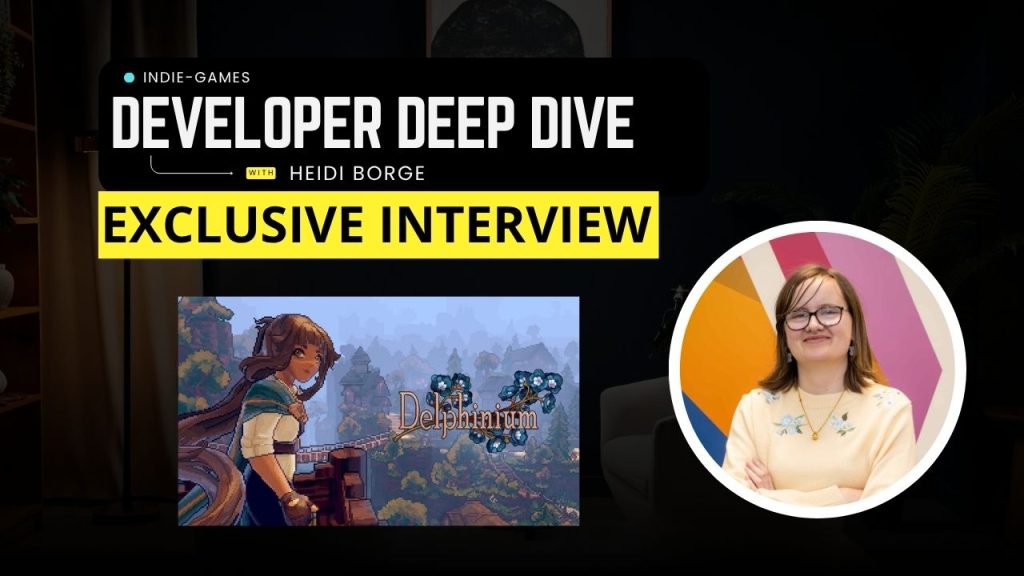
We had a chance to catch up with Heidi Borge, the developer behind narrative-driven cozy Delphinium to learn more about…
We had the opportunity to speak with Damian Czajka from MOUSE: P.I. For Hire Team.
We had the opportunity to talk with Piotr Nowakowski from Bloober Team about his work on Cronos: The New Dawn.
![[INTERVIEW] Manafinder II Is a Big Step Up – Here’s What the Developer Told Us](https://www.indie-games.eu/wp-content/uploads/2026/04/Manafinder-II-interview-1024x683.jpg)
In the interview, we discussed the game’s mechanics in greater detail, what players can expect from the sequel, and the…
We had the opportunity to sit down with the brilliant minds behind Business Goose Studios: Beau Vankemenade, Sander Ambroos, and…
![[EXCLUSIVE] Like a Bloody Storm – Interview with Kazusou Oda (Coda)](https://www.indie-games.eu/wp-content/uploads/2025/12/Oda-Kazusou-Interview-1024x576.jpg)
We had an opportunity to talk with Oda Kazusou, a theme song artist for JoJo's Bizarre Adventure.
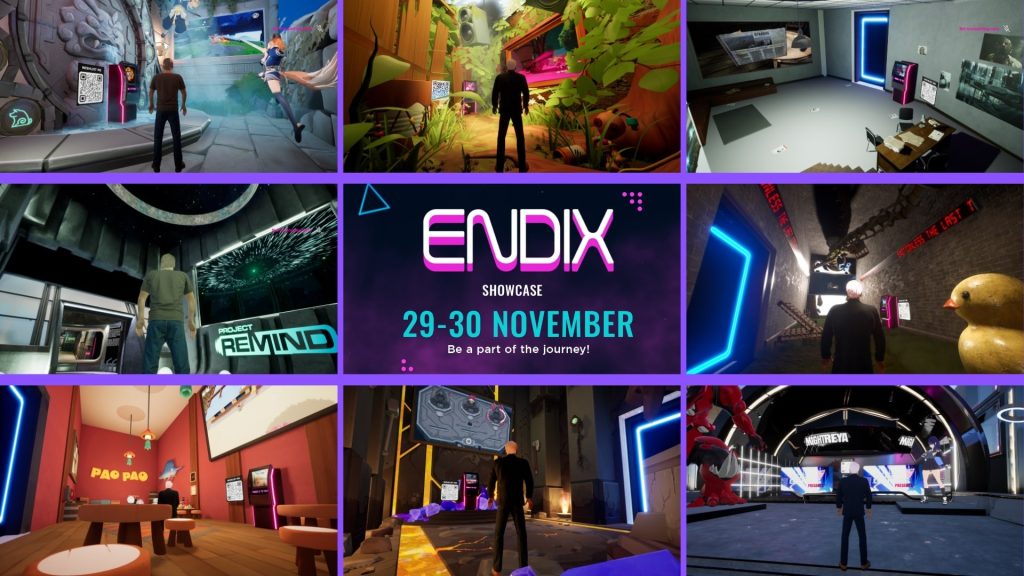
Once inside, visitors will find a fully immersive world where exhibitor booths are crafted using real in-game assets.
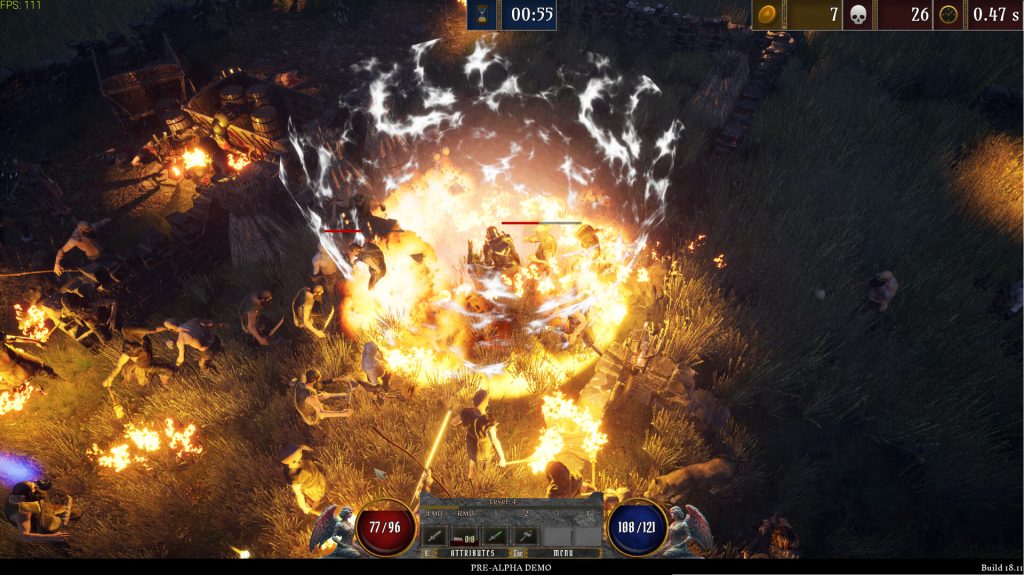
We talked to Tomasz Janicki about the details regarding Cult of Shadows.
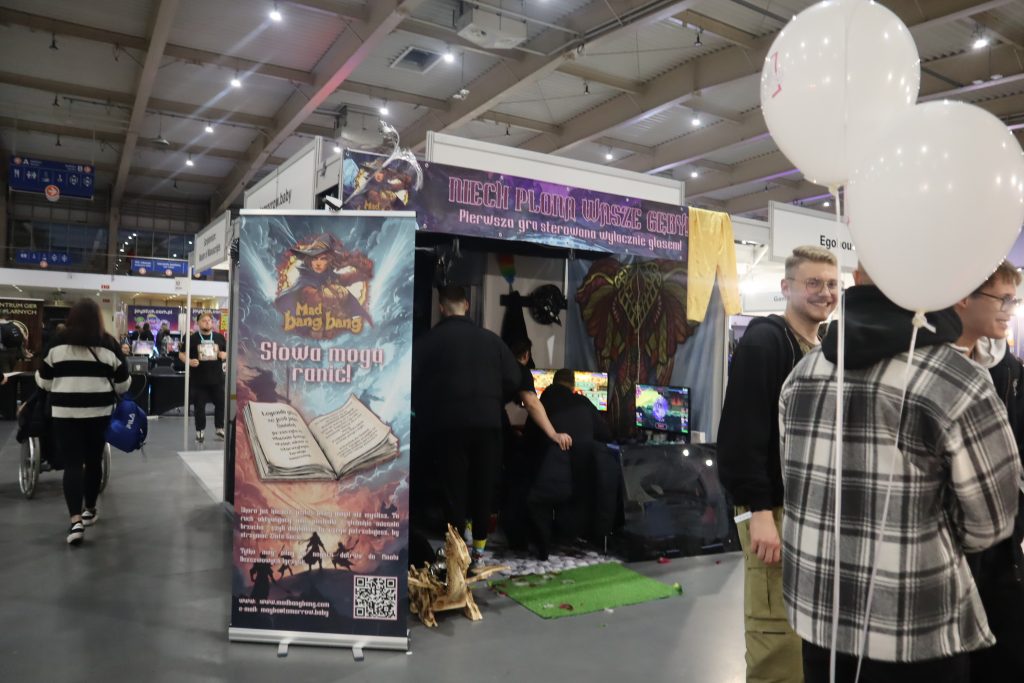
We talked to Piotr Ruszczak, one of the creators of Mad Bang Bang, about the details of this production.
We asked Kiryl, Marek, and Jakub to reveal the secrets of their work to us.
Will Valor Mortis become the hit of 2026?

We had the chance to ask Yannick Audéoud, developer behind Orbyss, some questions about the game.
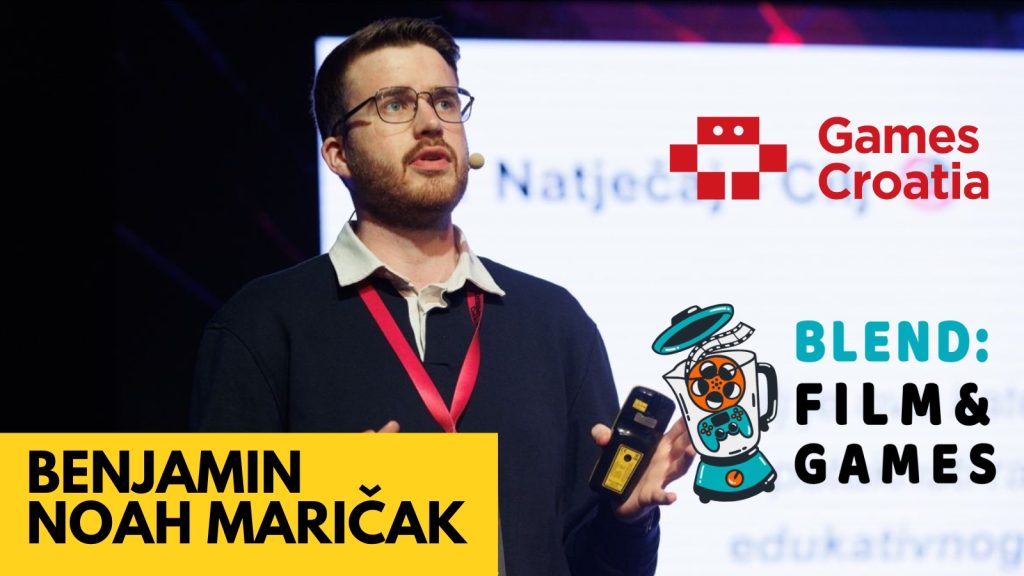
Maričak actively works to grow and promote the Croatian gaming industry while simultaneously fostering collaboration with the film industry.
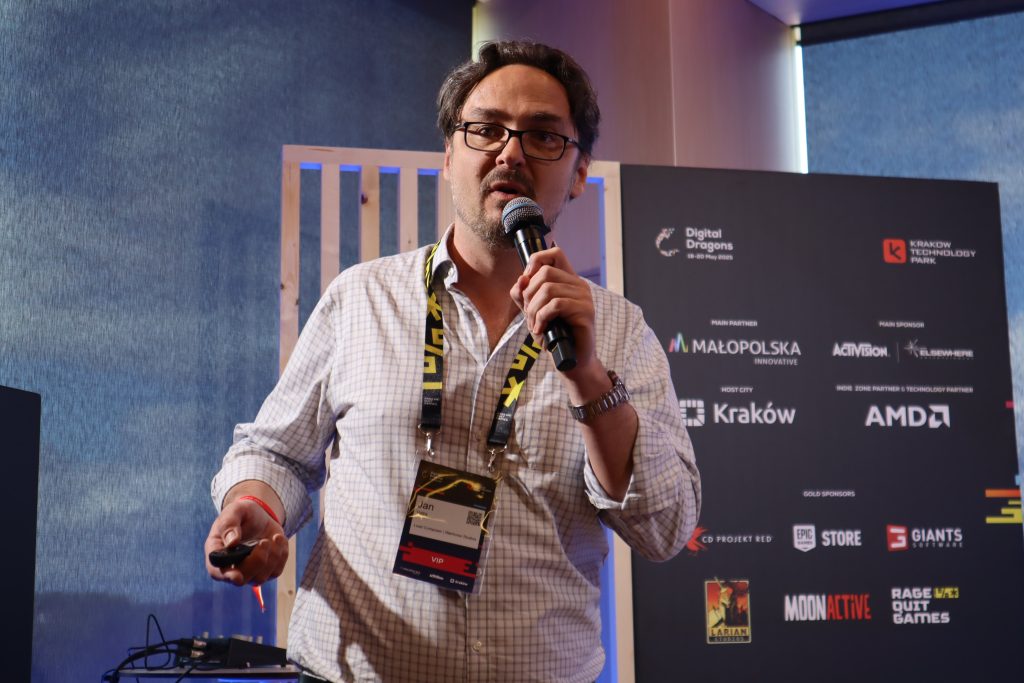
During our interview, Jan revealed the secrets of composing music for both KCD games.
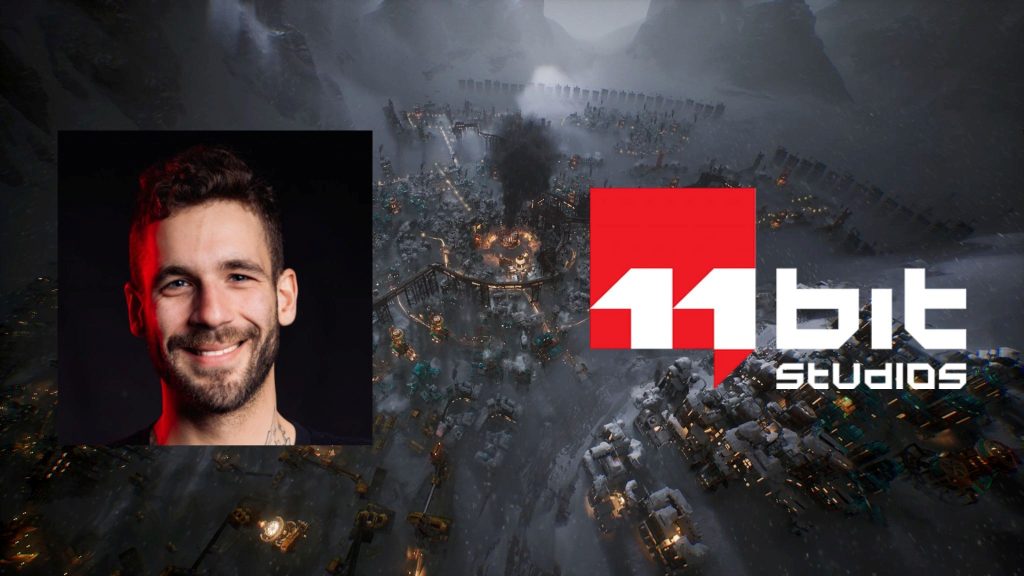
In this interview, we asked Paweł Charzyński about his experience working on Frostpunk 2 as VFX coordinator.
![[A BIG INTERVIEW] Toukana Interactive Co-Founder Zwi Zausch on the Gaming Industry](https://www.indie-games.eu/wp-content/uploads/2025/09/Dizajn-bez-naslova-2-1024x576.jpg)
Zwi Zausch provided a deep dive into the gaming industry from an indie developer's perspective.
