
![[OPINION] Nintendo, Sony, and Microsoft Unite on Safety – Here’s Why That Matters](https://www.indie-games.eu/wp-content/uploads/2026/01/Gaming-Industry-big-tree.jpg)
If you enjoy independent indie game coverage, consider supporting Indie-Games.eu on Patreon. It helps keep the site independent.
When Nintendo, Sony and Microsoft make a joint announcement, it’s worth paying attention. The so-called “Big Three” agreeing on anything, especially something as sensitive as player safety, is rare and on the surface, this collaboration feels like a genuine step forward for the games industry.
At its best, the alliance sends a strong signal that online safety is no longer something to be handled in isolation. These companies have spent decades competing fiercely, so seeing them align on shared safety principles suggests a recognition that harassment, abuse, and exploitation aren’t platform-specific problems. For players and parents, the promise of more consistent parental controls, reporting tools, and conduct standards across consoles could remove a lot of confusion and friction. In theory, safety should no longer depend on which box happens to be under the TV.
The most promising element, though, is shared intelligence. Through programs like the Tech Coalition’s Lantern initiative, bad actors could no longer move from one platform to another after being banned. That kind of cooperation addresses a long-standing loophole in online moderation and has the potential to improve safety across the entire console ecosystem, not just within individual walled gardens.

That said, the announcement deserves a healthy dose of skepticism. The language is polished, but often vague, leaning heavily on feel-good principles without offering measurable goals or timelines. Without clear data how success will be tracked, how much will be invested, or how outcomes will be reported this risks becoming a well-branded promise rather than a meaningful commitment.
There’s also the issue of moderation itself. While the companies talk about advanced technology, the real work of enforcement relies on skilled human teams. Effective moderation is expensive, emotionally demanding, and easy to underfund. If “human oversight” becomes a footnote beneath automated systems and outsourced labor (read AI), the initiative could quickly lose credibility.
Finally, it’s hard to ignore the political timing. Governments around the world are tightening online safety regulations, particularly in Europe and the UK. A unified, industry-led effort conveniently positions these companies as responsible self-regulators, potentially softening future legal pressure. That doesn’t make the initiative insincere, but it does mean its motivations aren’t purely altruistic.
The bottom line is this: the collaboration itself is a positive development. Shared standards, pooled resources, and cross-platform cooperation are all steps in the right direction. But this is still just a promise. The real test will be in execution: transparent reporting, well-funded moderation teams, usable safety tools and a willingness to be held accountable.

Today’s roundup covers a wide range of stories shaping the future of independent games.

The indie games scene doesn’t slow down and neither do we.
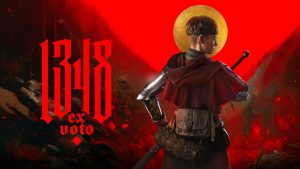
An IGN trailer recently highlighted 1348 Ex Voto, an upcoming third-person action-adventure game set in Italy during the Black Death.
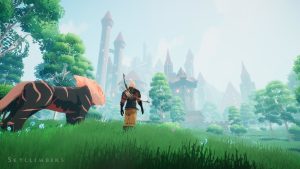
This update comes after a long development journey that began with a successful Kickstarter campaign in 2021.
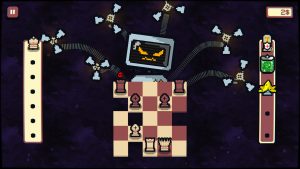
Deep knowledge of chess is not required and the developer has made it clear that learning strict openings or endgame…
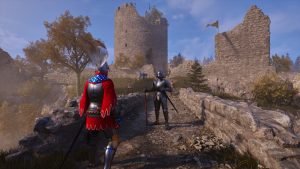
Knight’s Path is an upcoming action RPG made almost entirely by solo developer Jan Tichota.

Some developments in today's gaming world are simply too significant to ignore, and today’s roundup reflects that balance.
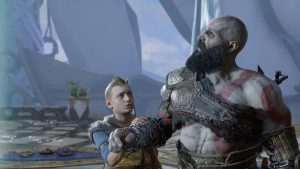
The latest controversy about LGBTQ characters began with a former viral screenshot shared on X.
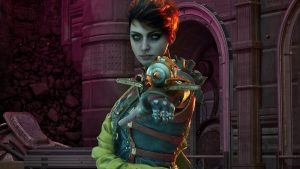
The Outer Worlds 2 is less an isolated disappointment and more a sign of a changing market.

In a new Patreon-exclusive article (free-to-read for anyone), I break down the full workflow behind our reviews.
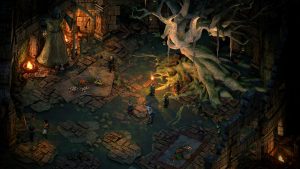
Both Pillars of Eternity games used backer betas, which gave early access to players who supported the projects.
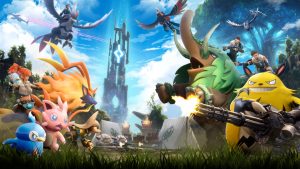
What shocked publishing lead John Buckley was not the number of pitches, but the terms developers had come to accept.

Welcome back to Daily Indie News Roundup, your one-stop snapshot of everything happening across the indie games and the wider…

To keep your feed clutter-free, we’ve once again gathered the latest headlines from across the indie gaming space.

We’re already halfway through January 2026, and the new year is off to an incredible start for gaming.
![[OPINION] Gaming Exclusives Are Losing Their Value: Who Really Breaks the News in Gaming Anymore](https://www.indie-games.eu/wp-content/uploads/2026/01/Gaming-Gaming-Journalism-300x200.jpg)
There is a growing problem in gaming media with exclusives and question arises who really breaks the gaming news anymore…
We are still fine-tuning this format, so please bear with us as we improve.
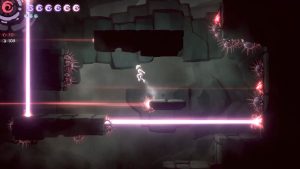
In BEFORE I GO, you take control of an inner child trapped in limbo, moving through a symbolic journey toward…
Instead of flooding your feed with dozens of individual posts, here’s everything you need to know from the indie games…

It is an easy recommendation for anyone who enjoys beautiful worlds, strong narratives, or tactical depth.
Today’s roundup covers a wide range of stories shaping the future of independent games.
The indie games scene doesn’t slow down and neither do we.
An IGN trailer recently highlighted 1348 Ex Voto, an upcoming third-person action-adventure game set in Italy during the Black Death.
This update comes after a long development journey that began with a successful Kickstarter campaign in 2021.
Deep knowledge of chess is not required and the developer has made it clear that learning strict openings or endgame…
Knight’s Path is an upcoming action RPG made almost entirely by solo developer Jan Tichota.
Some developments in today's gaming world are simply too significant to ignore, and today’s roundup reflects that balance.
The latest controversy about LGBTQ characters began with a former viral screenshot shared on X.
The Outer Worlds 2 is less an isolated disappointment and more a sign of a changing market.
In a new Patreon-exclusive article (free-to-read for anyone), I break down the full workflow behind our reviews.
Both Pillars of Eternity games used backer betas, which gave early access to players who supported the projects.
What shocked publishing lead John Buckley was not the number of pitches, but the terms developers had come to accept.
Welcome back to Daily Indie News Roundup, your one-stop snapshot of everything happening across the indie games and the wider…
To keep your feed clutter-free, we’ve once again gathered the latest headlines from across the indie gaming space.
We’re already halfway through January 2026, and the new year is off to an incredible start for gaming.
There is a growing problem in gaming media with exclusives and question arises who really breaks the gaming news anymore…
We are still fine-tuning this format, so please bear with us as we improve.
In BEFORE I GO, you take control of an inner child trapped in limbo, moving through a symbolic journey toward…
Instead of flooding your feed with dozens of individual posts, here’s everything you need to know from the indie games…
It is an easy recommendation for anyone who enjoys beautiful worlds, strong narratives, or tactical depth.
