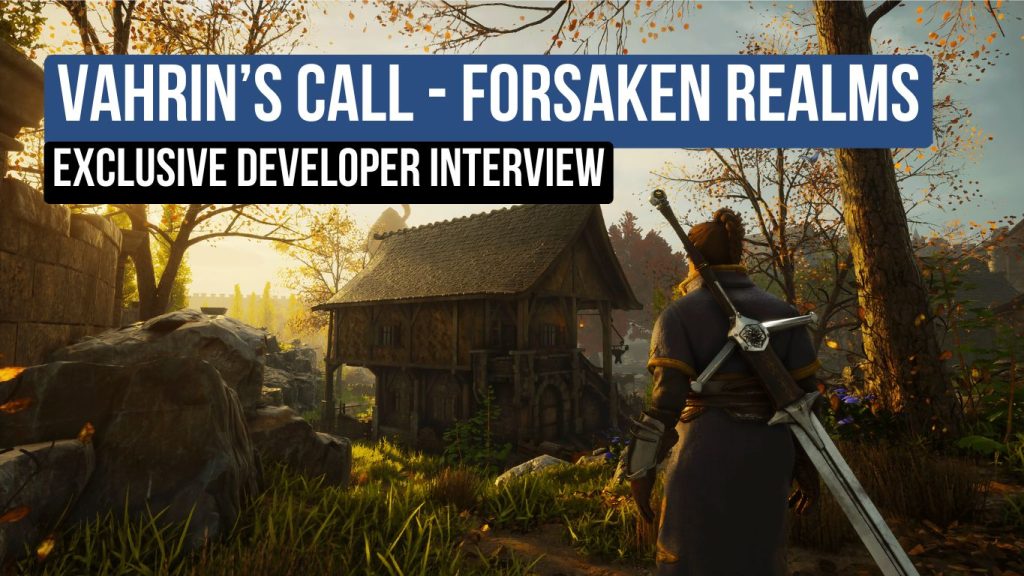
Vahrin’s Call Interview: No Classes, No Generative AI, and Complete Player Freedom
Built by a self-funded team of seven, Vahrin’s Call is an ambitious fantasy RPG inspired by Fable, The Elder Scrolls…


If you enjoy independent indie game coverage, consider supporting Indie-Games.eu on Patreon. It helps keep the site independent.
StarVaders is a mecha-themed roguelike deckbuilder by Pengonauts, which launched at the end of April of this year and has already built up a really big community. It’s a game where you pilot one of three unique mechs: the Gunner, Stinger, or Keeper each with their own distinct cards and mechanics. Your goal is to fight off alien invaders in tactical, turn-based combat on a grid.
The primary reason for its success is its endless replayability. With over 400 cards, 10 pilots, and interesting Chrono Tokens that let you rewind time, it cleverly blends elements from Space Invaders, Slay the Spire, and Into the Breach for endless fun. We had a chance to chat with the lead designer of StarVaders who revealed more about the game, its unexpected success, challenges they faced and what they think of the gaming industry in general.
You can also read our detailed review here. Additionally, don’t forget to support the devs by checking the game on Steam.
Our team started out as friends long before we formed Pengonauts. We’ve worked on a slew of projects together in the form of game jams, discarded prototypes, and abandoned ideas before we decided to commit to StarVaders as our first commercial project.
StarVaders was started as a side project for all of us while we worked our regular day jobs. But thanks to the momentum it organically picked up, we were fortunate enough to be able to make the leap to full-time development in 2023.
It takes a lot of time to playtest. Especially in a game as varied with as many combinations as ours – there are more combinations of card pools than we can realistically play. What helped us a lot is having a large and dedicated group of beta testers help us refine the game.
StarVaders completes the goal for us. We set out to create what we wanted to see in the genre, and there is nothing that was left on the cutting floor or that we couldn’t implement.
The original concept was inspired by two boardgames, Bullet and Under Falling Skies. Balance – no idea honestly, it is very hard to balance a game and we kinda just went by feeling and intuition most of the time.


We had a lot of trouble marketing the game – it was tough to showcase how interesting the gameplay is without getting players hands on it. So we really focused on promoting and creating a very extensive demo for players.
The sheer power of time, working almost 3 years on the project gives a lot of time to come up with ideas and effects. I always try to think of the wackiest effects we could add in the game, and then try it out to see if it’s possible.
It’s hard to say at the moment because the characters unlock at different times during a playthrough – Roxy will be the most played pilot because she is the first one. I know many players love Stinger because of the melee ninja fantasy. Noel is also a fan favorite because of the characterization.
Very very early, we wanted a way to mitigate all forms of input randomness, for the player to have extra control over it. One of the worst feelings in a deck builder is when the “RNG” deals you a bad hand or gives you bad options, so we wanted players to have a resource to control that system.


There are thousands and thousands of synergies and combos to discover in the game. Every time I play the game I still discover new synergies I hadn’t thought of before, even though I’m the lead designer and have played thousands of runs already. There’s a creative sandbox that allows players who want to explore the intricacies of the mechanics to really thrive.
We are working on new content, but nothing confirmed at the moment.
It has always been a success for us, but it’s really been amazing to see the reception from our playerbase, after release it has been a much bigger success than we could have ever originally imagined.
It’s really really tough. I see a lot of studios just like us, with their first games, putting their passion and soul into their games and coming out with nothing. Even though our game is doing well, it could easily have been a financial failure if the players didn’t connect with it at the current level. It feels like, to succeed, you must be an exception or an outlier, and you can never really bet on that. Though maybe it always did take a little delusion and risk to make games.
Built by a self-funded team of seven, Vahrin’s Call is an ambitious fantasy RPG inspired by Fable, The Elder Scrolls…
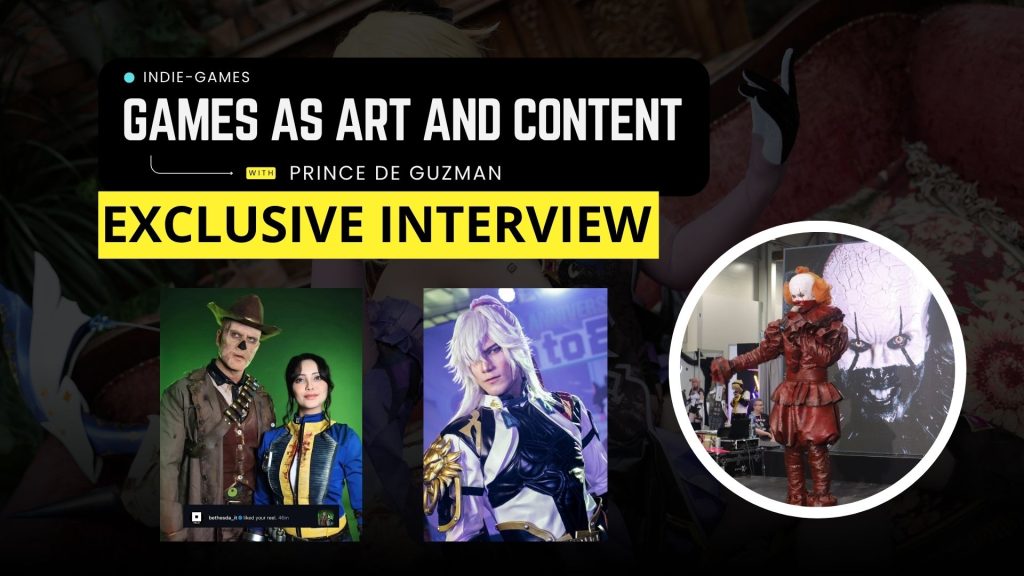
We spoke with cosplayer Prince de Guzman, who is known for his transformations inspired by horror, anime, and video games.
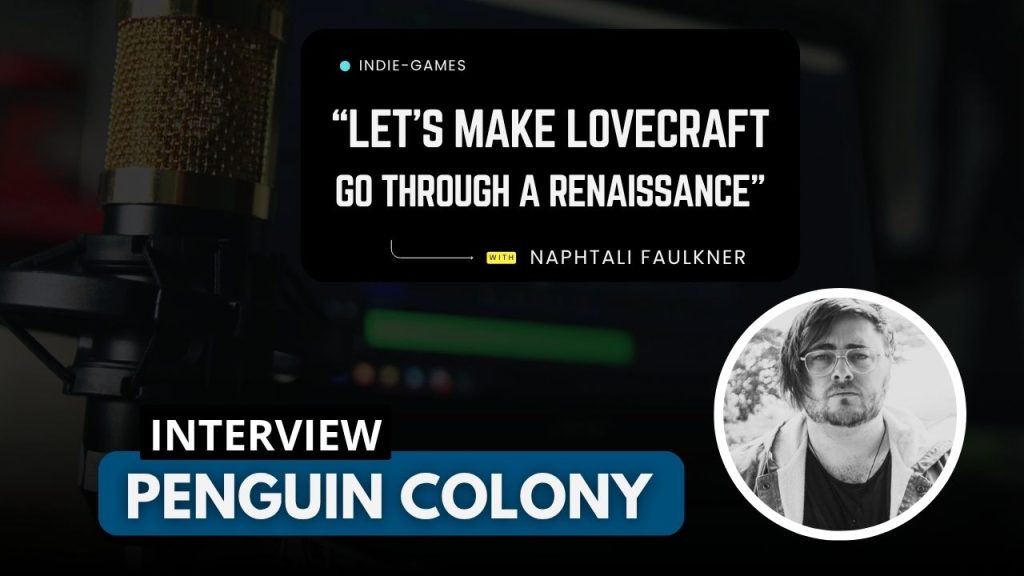
Unless you’re deep in the indie gaming scene, Naphtali Faulkner might be a new name to you. But as the…
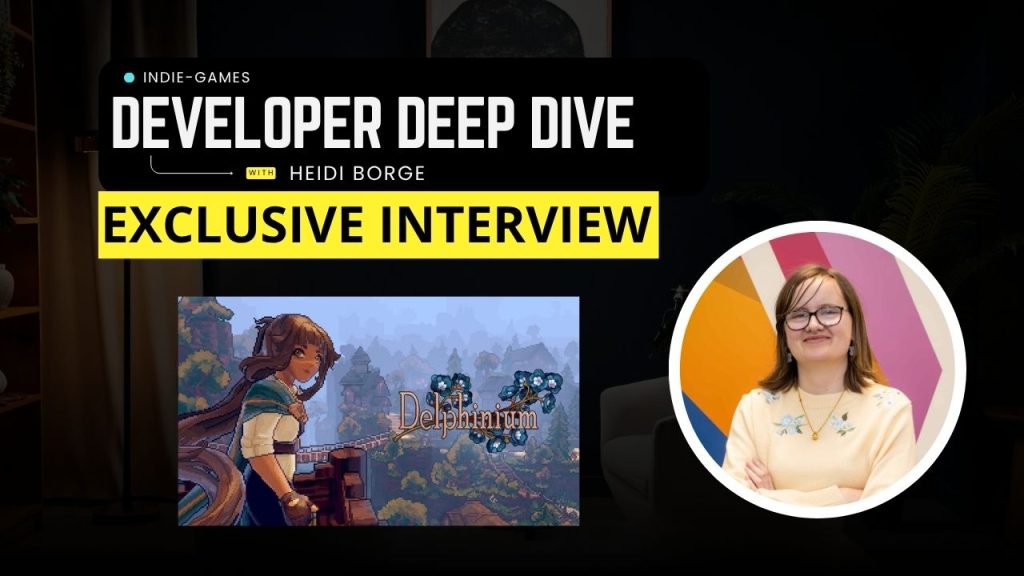
We had a chance to catch up with Heidi Borge, the developer behind narrative-driven cozy Delphinium to learn more about…
We had the opportunity to speak with Damian Czajka from MOUSE: P.I. For Hire Team.
We had the opportunity to talk with Piotr Nowakowski from Bloober Team about his work on Cronos: The New Dawn.
![[INTERVIEW] Manafinder II Is a Big Step Up – Here’s What the Developer Told Us](https://www.indie-games.eu/wp-content/uploads/2026/04/Manafinder-II-interview-1024x683.jpg)
In the interview, we discussed the game’s mechanics in greater detail, what players can expect from the sequel, and the…
We had the opportunity to sit down with the brilliant minds behind Business Goose Studios: Beau Vankemenade, Sander Ambroos, and…
![[EXCLUSIVE] Like a Bloody Storm – Interview with Kazusou Oda (Coda)](https://www.indie-games.eu/wp-content/uploads/2025/12/Oda-Kazusou-Interview-1024x576.jpg)
We had an opportunity to talk with Oda Kazusou, a theme song artist for JoJo's Bizarre Adventure.
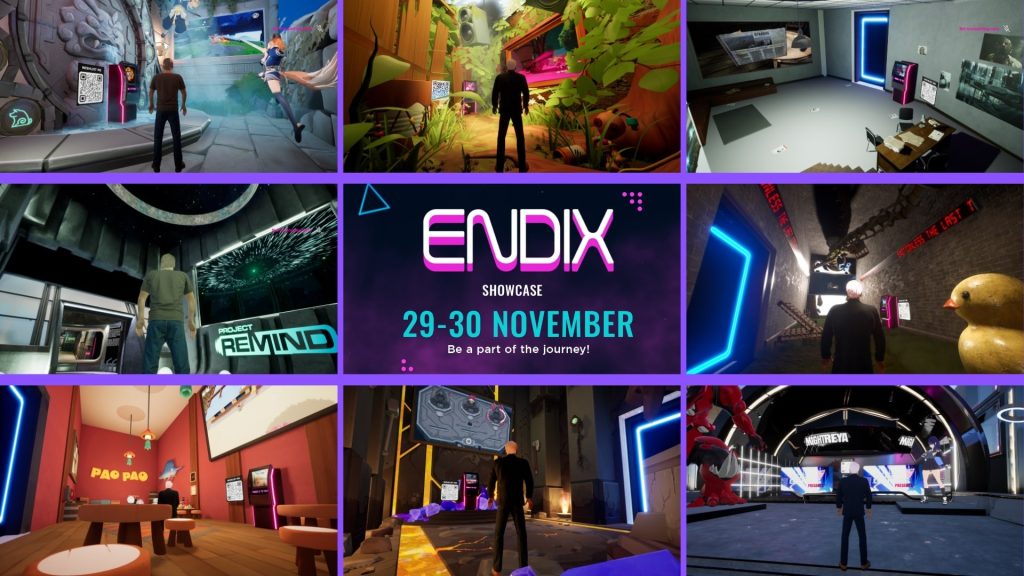
Once inside, visitors will find a fully immersive world where exhibitor booths are crafted using real in-game assets.
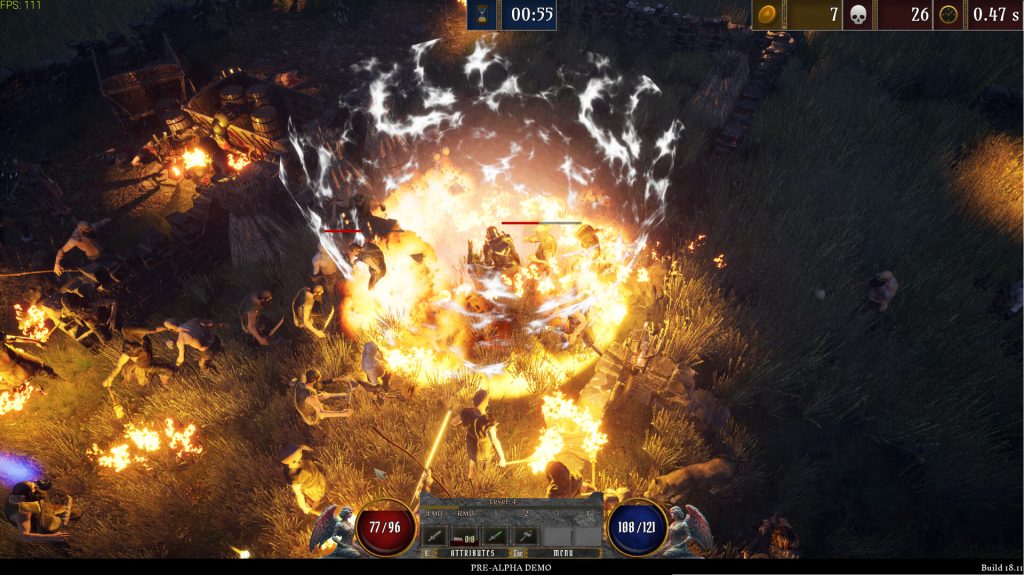
We talked to Tomasz Janicki about the details regarding Cult of Shadows.
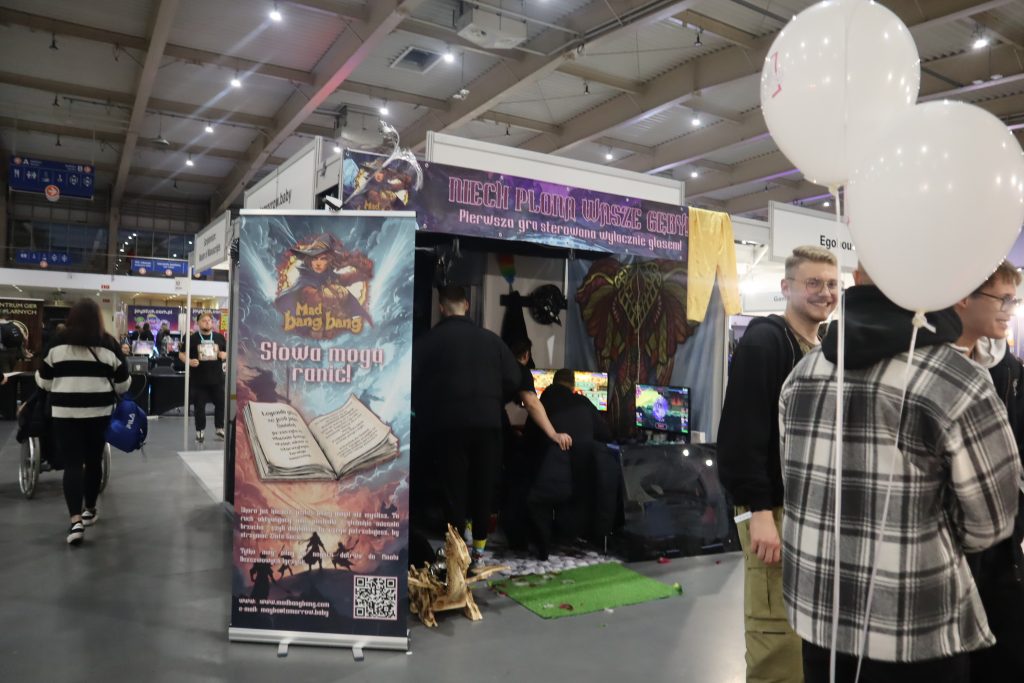
We talked to Piotr Ruszczak, one of the creators of Mad Bang Bang, about the details of this production.
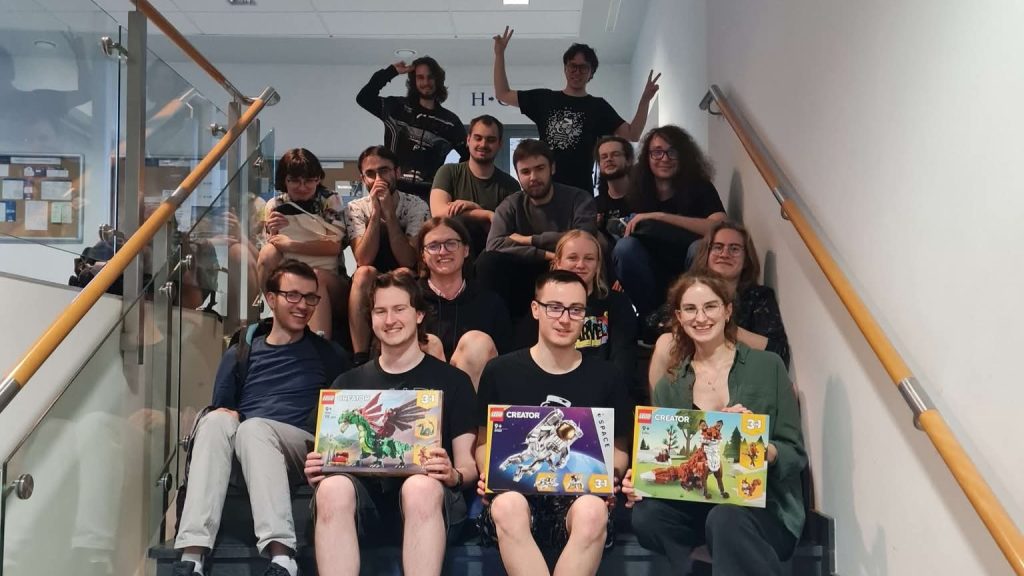
We asked Kiryl, Marek, and Jakub to reveal the secrets of their work to us.
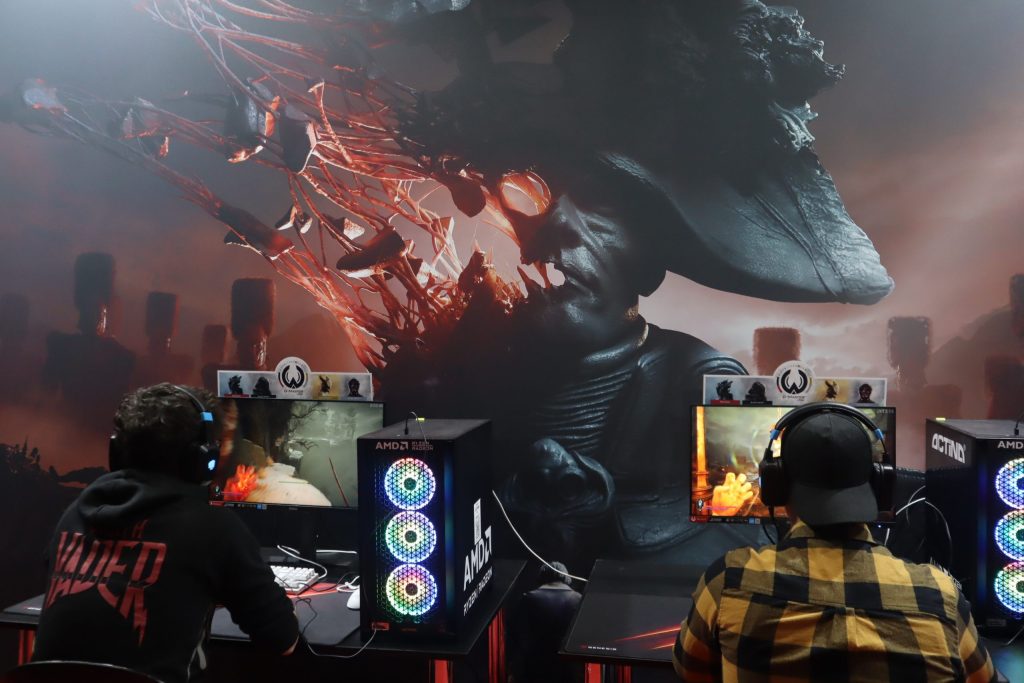
Will Valor Mortis become the hit of 2026?

We had the chance to ask Yannick Audéoud, developer behind Orbyss, some questions about the game.
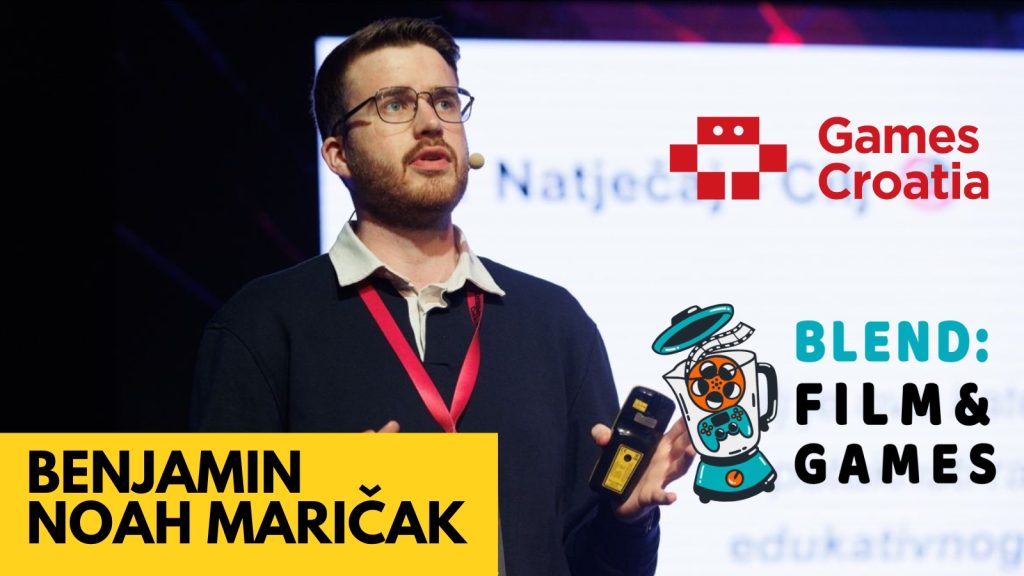
Maričak actively works to grow and promote the Croatian gaming industry while simultaneously fostering collaboration with the film industry.
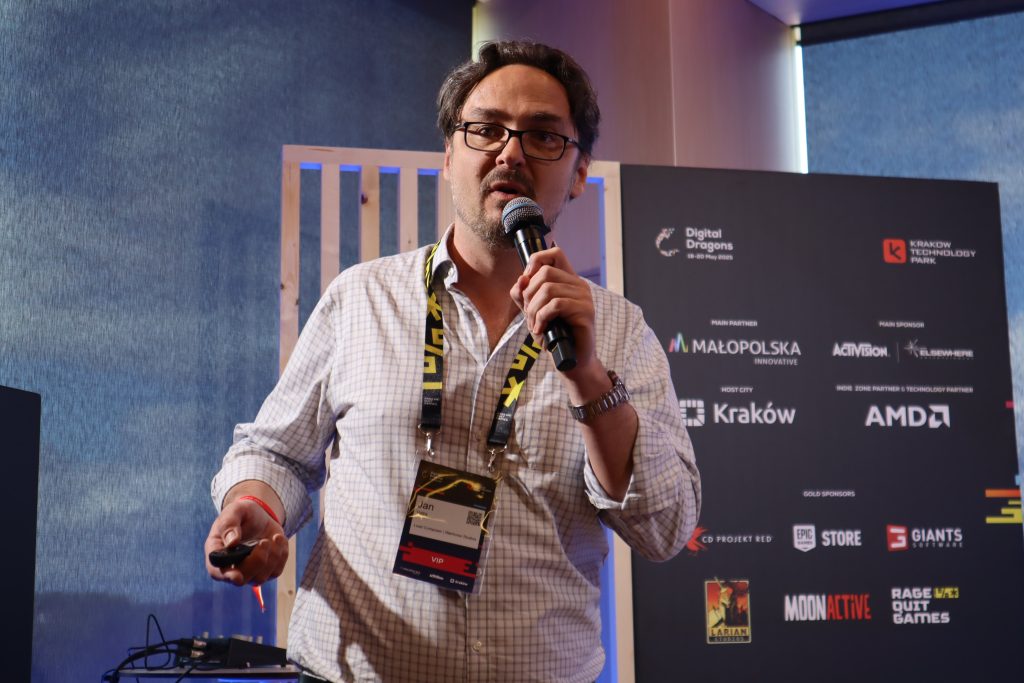
During our interview, Jan revealed the secrets of composing music for both KCD games.
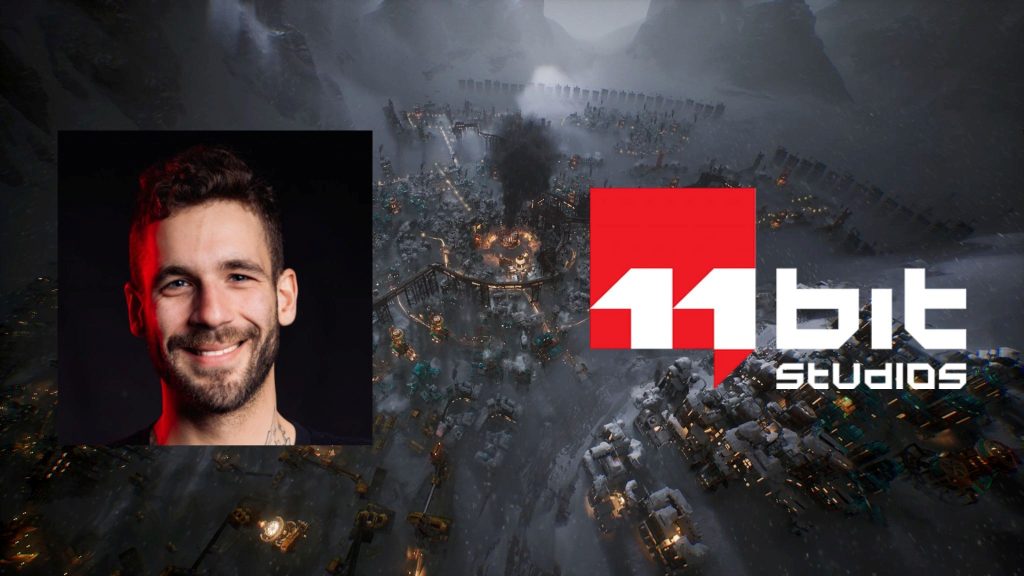
In this interview, we asked Paweł Charzyński about his experience working on Frostpunk 2 as VFX coordinator.
![[A BIG INTERVIEW] Toukana Interactive Co-Founder Zwi Zausch on the Gaming Industry](https://www.indie-games.eu/wp-content/uploads/2025/09/Dizajn-bez-naslova-2-1024x576.jpg)
Zwi Zausch provided a deep dive into the gaming industry from an indie developer's perspective.
![[A BIG INTERVIEW] Deep Dive into Star Birds with Toukana Interactive’s Co-Founder](https://www.indie-games.eu/wp-content/uploads/2025/09/star-birds-1024x576.jpg)
Ever wondered what it takes to build a relaxing base on an asteroid? We spoke with Zwi Zausch, who gave…
