Games as Art and Content – Interview with Prince de Guzman
We spoke with cosplayer Prince de Guzman, who is known for his transformations inspired by horror, anime, and video games.


If you enjoy independent indie game coverage, consider supporting Indie-Games.eu on Patreon. It helps keep the site independent.
We recently had the opportunity to meet Dmitry Glaznev, game designer and head of the London-based studio Long Jaunt, who are preparing an interesting medieval simulation title Norland. In the game, we’ll manage a noble family that owns a town inhabited by dozens of characters from various classes: peasants, slaves, soldiers, and criminals.
Every citizen has their own needs and complex behaviors, which will depend on their social status and individual traits, and their behavior can often be deadly for your family. Besides that, the game will feature complex relationships between members of our and other noble families involving love, hatred, friendship, envy, jealousy, betrayal, and a lust for power.
Indeed, all of this might already sound familiar, as Norland is directly inspired by games like RimWorld and Crusader Kings. If you are a fan of such titles, then be sure to visit Norland’s Steam page.
(The article has been update with new images and X posts. Although it’s quite an old interview, it’s interesting to see the studios inital ideas and how they evolved)
Besides me, there are three programmers working on the game full-time, a freelance artist, and a community manager. Since the game system is complex and constantly evolving, we often hire people for various tasks, like sound. We initially worked on mobile games to earn money. That’s why we don’t have a publisher and are developing the game without external influence, apart from the influence of our wonderful community.
It’s more like RimWorld than Crusader Kings, I’m not a big fan of grand strategy games. Some people mention a vibe from The Guild or Majesty. Some even mention The Sims. The latter is more accurate, the game is primarily based on semi-automated actors, which first appeared in The Sims.
While The Sims operated at the level of the simplest social unit (the family) and DF and RimWorld expanded this to the tribal level, our idea is to go further and create the next stage of social development based on such actors, which are city-states. These are characterized by social stratification, bureaucracy (including a governing class per se), as well as organized religion. All of this is present in the game.
Well, those are Stephen King story titles that our lead programmer likes. My name suggestions were rejected by the rest of the team, so why not. I believe the studio name isn’t the most important thing in itself, it gains meaning through the games that stand behind that name.
With limited resources, we started development approximately 5 years ago. Currently, we plan to release Norland in Early Access by the end of this year. A few days ago, I posted a substantial update on the game’s Steam page detailing what we have achieved since the demo and what we will be doing in the near future. You can read it to get an idea of what awaits you.
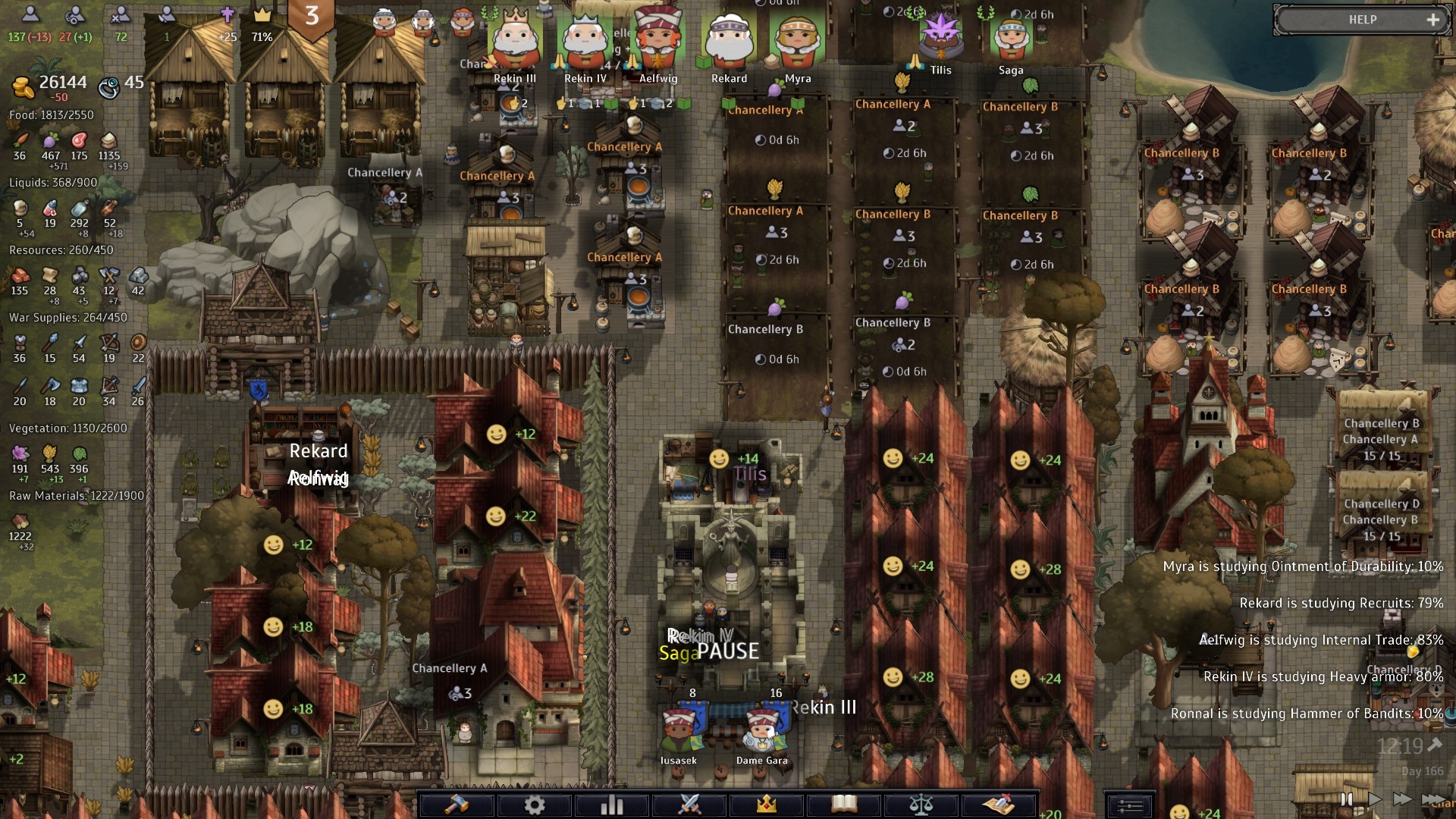
I don’t even know where to begin! The very system where dozens of semi-autonomous characters from different social classes live and interact in a city with a monetary economy, politics, and religion is a significant challenge for game design. We had to rethink many traditional gameplay systems. For example, our knowledge system is open, based on books, rather than a traditional technology tree.
Regarding feedback, yes, the vast majority of it has been positive, but we are not fooling ourselves on that front, keeping in mind that those who didn’t like the game probably didn’t leave feedback in our internal survey but might leave it on the game’s Steam page. So, it’s not entirely reliable, but it is inspiring. Thank you to everyone who took the time to do this.
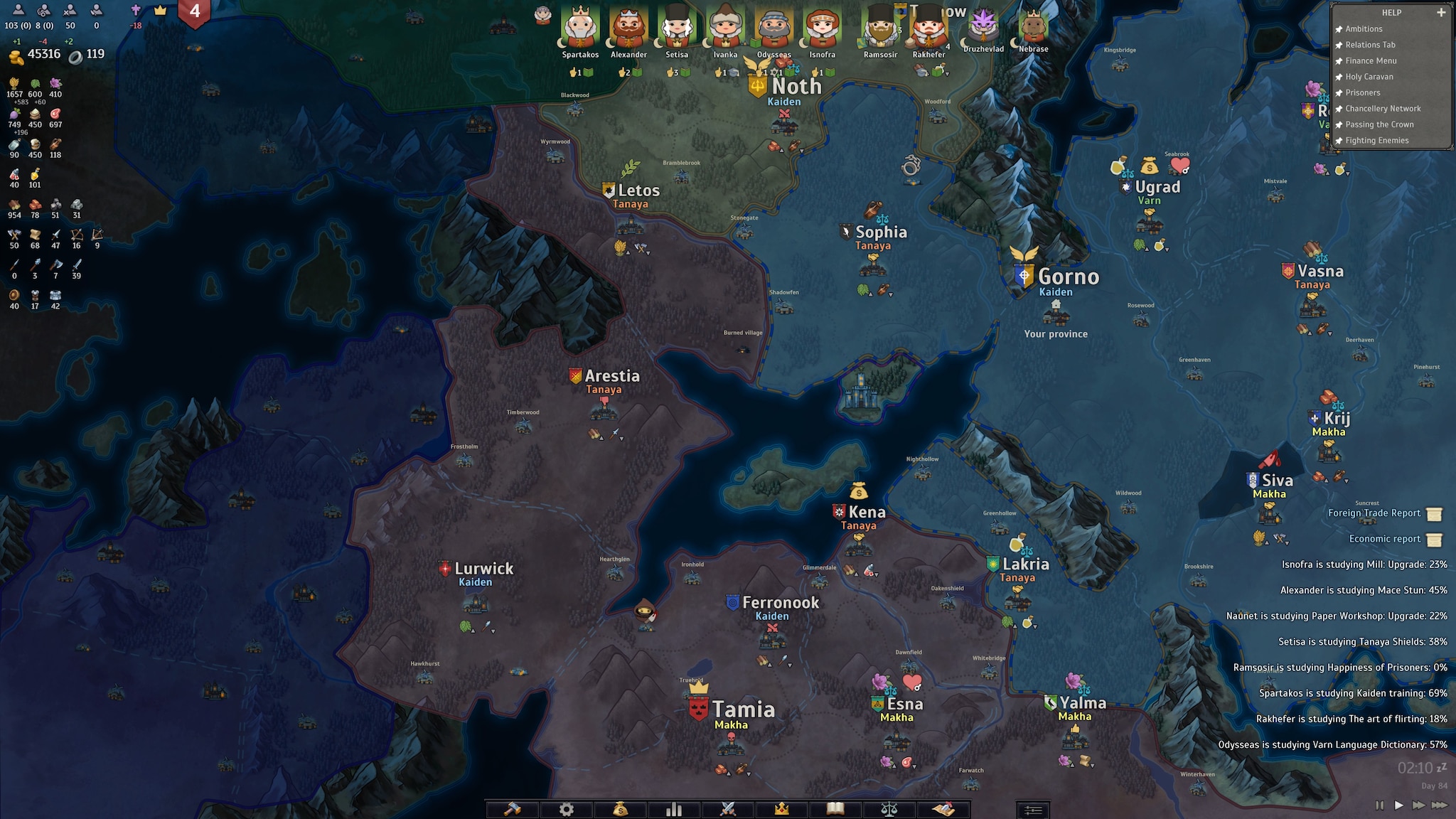
First of all, I want to say that we do not have map generation. We did it differently. Concerning the initial game settings, you can customize your noble family and their skills. Then, you can choose one of 8 provinces on the world map (currently, they only differ in resource composition and geography, but when we introduce seasons, there will be climatic differences as well). You can fully customize all other provinces – their ethnicity, risk, ambition, strength, names, and initial relations with you.
In addition, you can configure the political map – create empires and kingdoms of various sizes with different national compositions. You can even abandon the provinces and embark on the colonization of a desolate world yourself. Furthermore, variety will stem from politics and trade on the global map – we are just starting to work on that aspect.
If any social class is unhappy, it can instigate a rebellion—sometimes, that includes your unhappy nobles. To satisfy their needs, you need a different approach. If you have many Fanatics, you must watch the King’s sinfulness, how the Church Matriarch (who is the highest authority for fanatics) treats him, and make sure there are enough temples to Saint Sophia.
If you have many Loyalists, you must watch their standard of living. Nectar Addicts need a constant supply of nectar to local dens. Warriors love victories and money and dislike defeats, etc.
In the game, technologies are tied to books. To build a new building, you need to buy the necessary book from a merchant and give it to one of your nobles to read. You can also acquire books and knowledge from neighbors. Books can also be rewritten, and sometimes nobles transmit knowledge orally or gain insights by working on specific tasks.
If a noble who possesses the knowledge of a certain technology dies, the building associated with that technology will collapse, and your technological level will drop. Thus, maintaining knowledge is a special task, considering that books can also be stolen by neighbors, and libraries can be burned by fanatics. Some books will essentially be written in different languages, so you will need to learn those languages before acquiring and reading those books.
Honestly, this style doesn’t exactly create the atmosphere we want because the cartoonish characters make the game less serious than it actually is. However, it is the only way to simultaneously give players an architectural camera for viewing buildings in the city-builder aspect and keep the focus on the characters. To achieve this, their faces must also be distinct.
We are deliberately moving away from historical accuracy and creating our own game world to avoid restricting gameplay with history. In general, historical accuracy in games is a complex and dangerous genre. I shy away from player-historians; they have already dismissed one of our helmets as being too late for our period, despite the fact that we have a fictional universe.
Besides the obvious climatic events that can cause famine, and consequently, peasant rebellions, the main source of problems is currently the global map. Your enemies bribe your lords and bandits, try to steal your money, or attempt assassinations. Visiting guests can challenge someone to a duel or try to seduce your best general. Furthermore, global crises develop on the world map. Currently, that is the Pagan Horde ravaging town after town in the land of Norland while you deal with neighboring feuds.
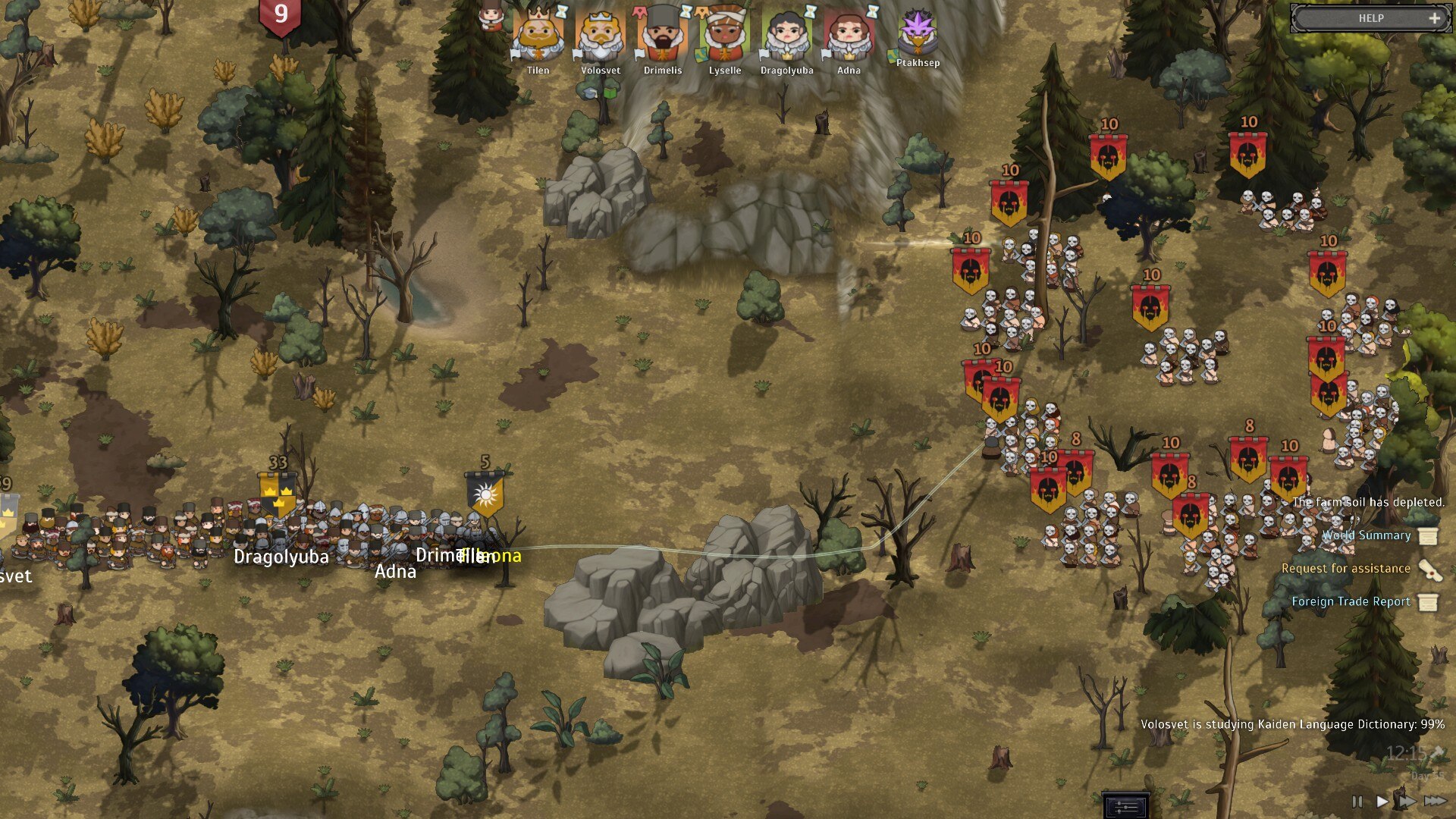
Well, we focus more on close combat involving dozens of soldiers. Each of them can sustain various types of injuries from different weapons, and their skills affect the probability of dodging an attack (although this doesn’t work if the character is attacked from the back).
We’ve currently added more tactics to battles, along with archers. Archers are very effective against unprotected soldiers, but armor and shields provide good protection against them. You can learn about the composition of your neighbors’ armies and assemble your own army to effectively counter them. You can keep your commander behind the lines, although this will lower your troops’ morale, which is influenced by your general’s leadership skill.
You can also use different types of weapons in different situations. For example, axes are very effective at breaking armor, while swords provide additional defense from dodging.
Absolutely. We will start working on mod support after Early Access because we first need to finish the core of the game; otherwise, mods will quickly become obsolete and lose compatibility.
We have currently gathered about 250,000 wishlists, and 120,000 people have played the demo.
For Early Access, we hope to significantly expand the global map towards complex diplomacy, alliances, and trade, introduce different ethnicities and languages, add starting scenarios and modifiers, allow building rotations for a more human-like city architecture, implement dynasty prestige, and much more. We’ll see if we can do it, but those are the plans.
To be honest, I haven’t thought about it. This game is a complex, multi-layered sandbox strategy genre where stories resembling historical chronicles (or Game of Thrones, if you will) should be generated in every session. We would like to give players a unique experience every session while keeping the entry level low.
We spoke with cosplayer Prince de Guzman, who is known for his transformations inspired by horror, anime, and video games.
Unless you’re deep in the indie gaming scene, Naphtali Faulkner might be a new name to you. But as the…
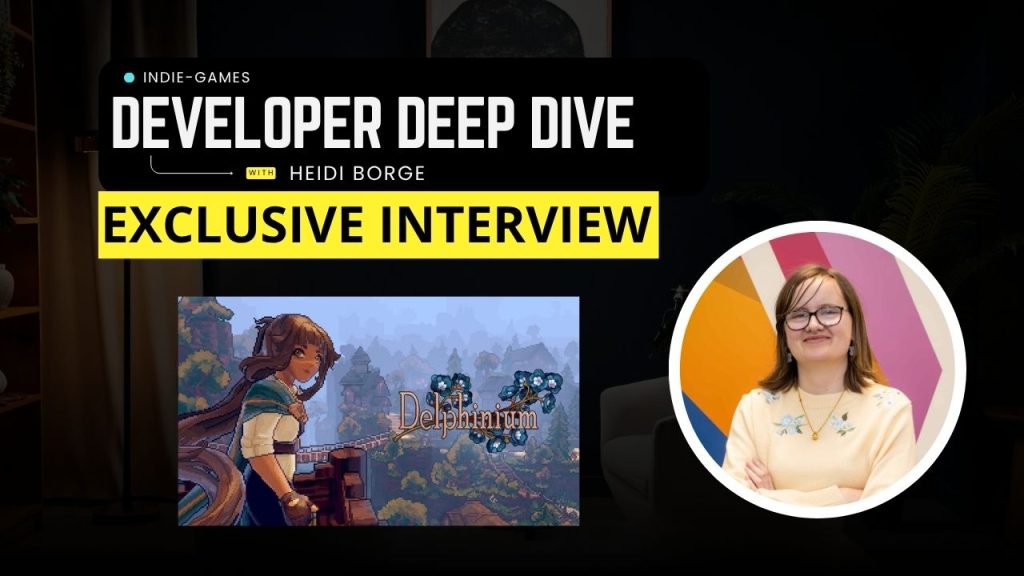
We had a chance to catch up with Heidi Borge, the developer behind narrative-driven cozy Delphinium to learn more about…
We had the opportunity to speak with Damian Czajka from MOUSE: P.I. For Hire Team.
We had the opportunity to talk with Piotr Nowakowski from Bloober Team about his work on Cronos: The New Dawn.
![[INTERVIEW] Manafinder II Is a Big Step Up – Here’s What the Developer Told Us](https://www.indie-games.eu/wp-content/uploads/2026/04/Manafinder-II-interview-1024x683.jpg)
In the interview, we discussed the game’s mechanics in greater detail, what players can expect from the sequel, and the…
We had the opportunity to sit down with the brilliant minds behind Business Goose Studios: Beau Vankemenade, Sander Ambroos, and…
![[EXCLUSIVE] Like a Bloody Storm – Interview with Kazusou Oda (Coda)](https://www.indie-games.eu/wp-content/uploads/2025/12/Oda-Kazusou-Interview-1024x576.jpg)
We had an opportunity to talk with Oda Kazusou, a theme song artist for JoJo's Bizarre Adventure.
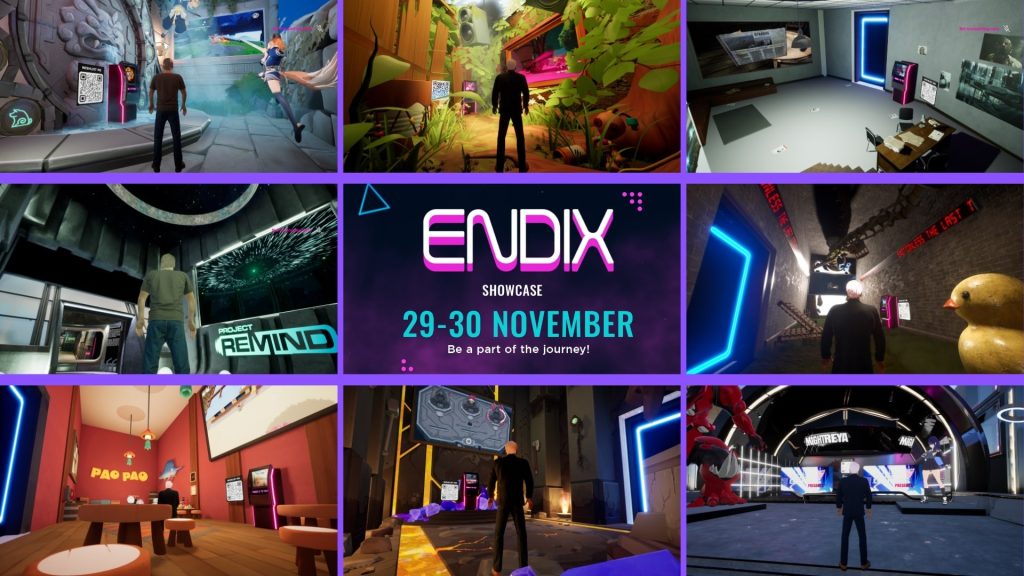
Once inside, visitors will find a fully immersive world where exhibitor booths are crafted using real in-game assets.
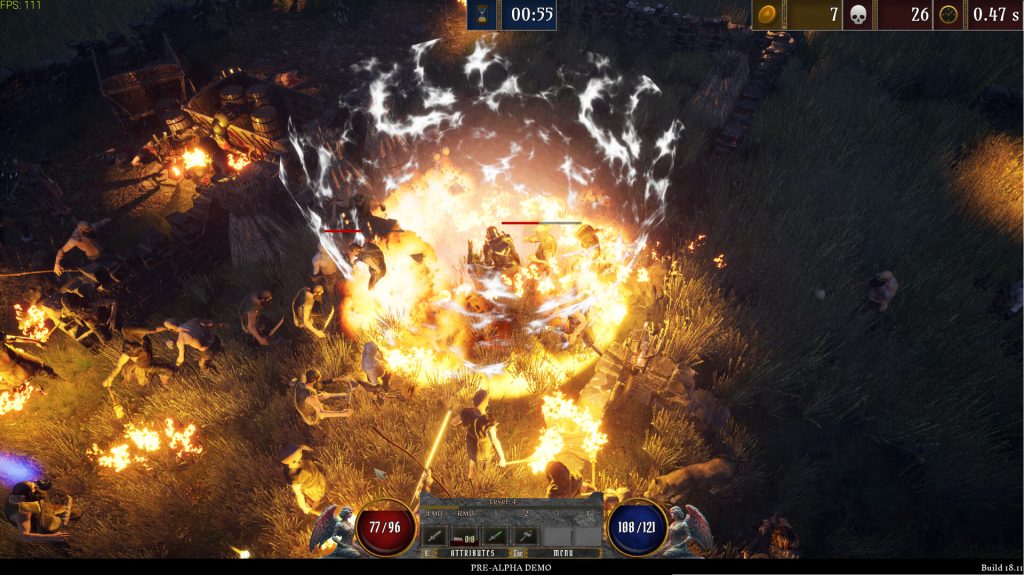
We talked to Tomasz Janicki about the details regarding Cult of Shadows.
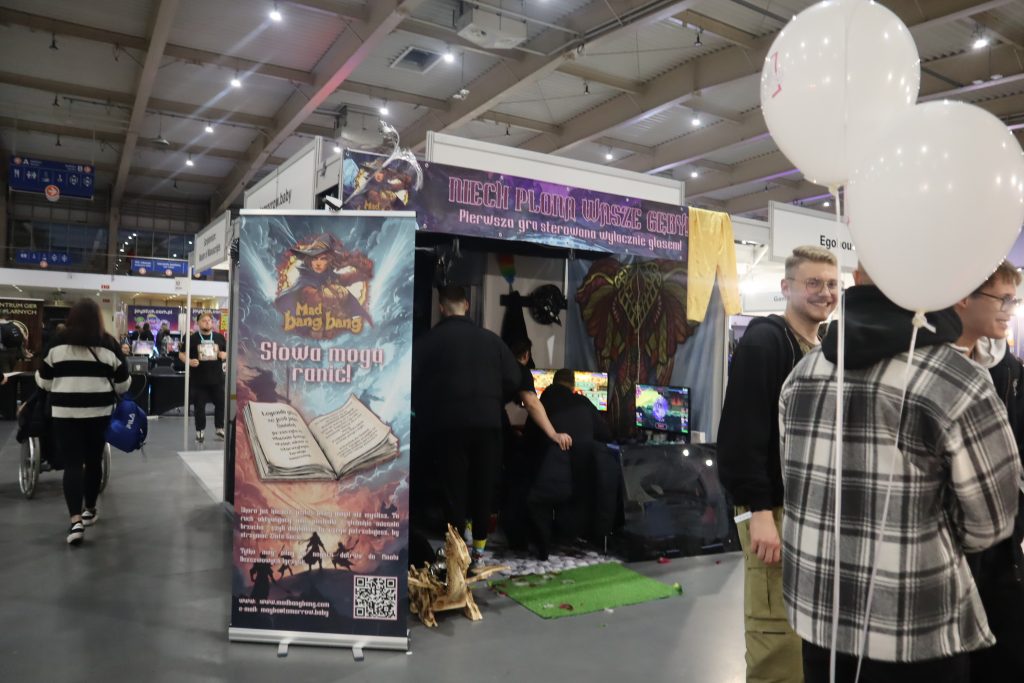
We talked to Piotr Ruszczak, one of the creators of Mad Bang Bang, about the details of this production.
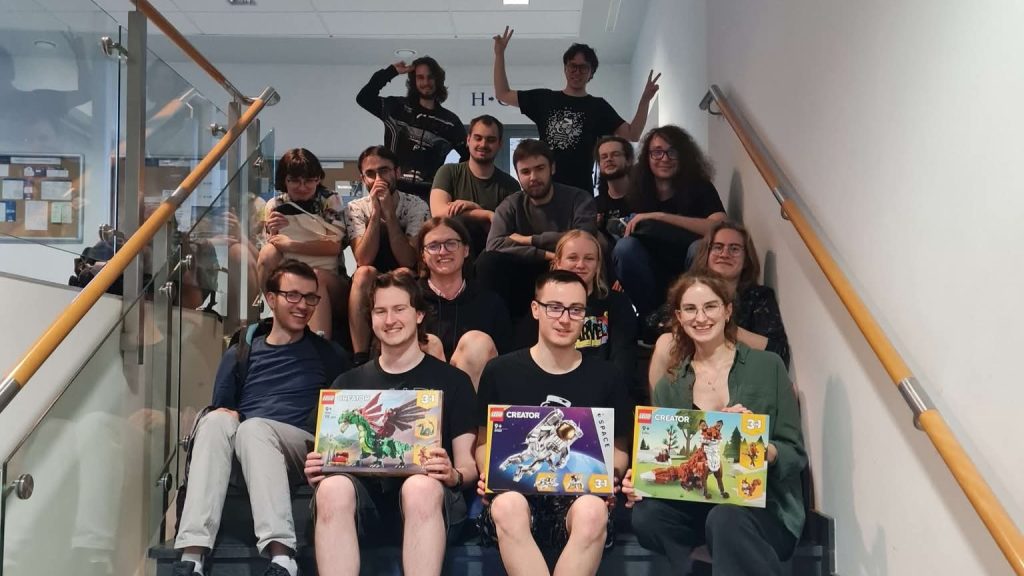
We asked Kiryl, Marek, and Jakub to reveal the secrets of their work to us.
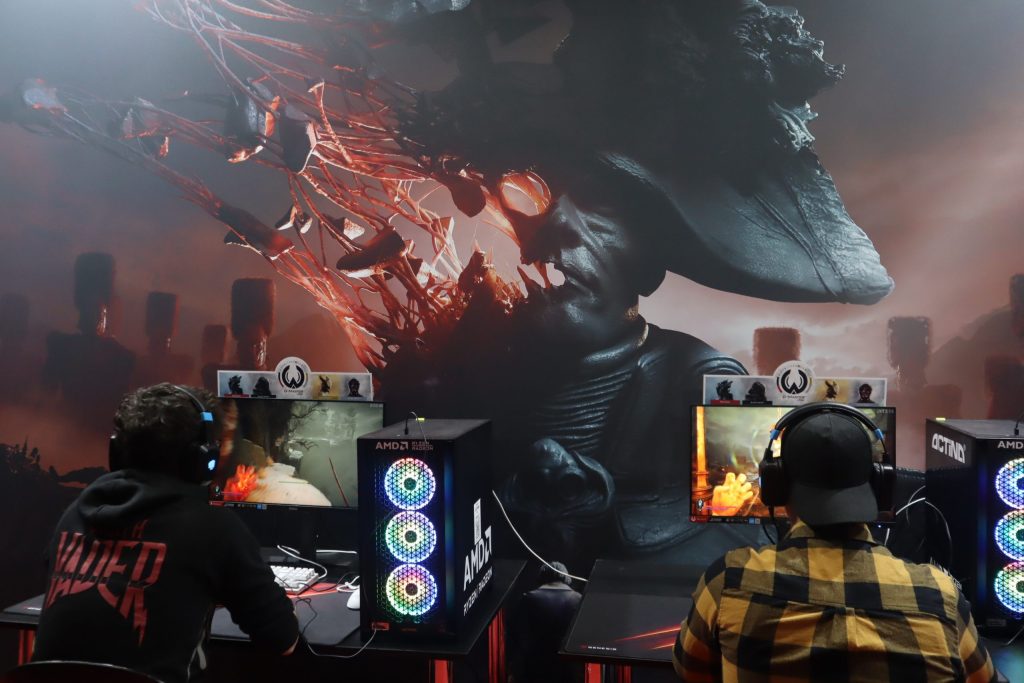
Will Valor Mortis become the hit of 2026?

We had the chance to ask Yannick Audéoud, developer behind Orbyss, some questions about the game.
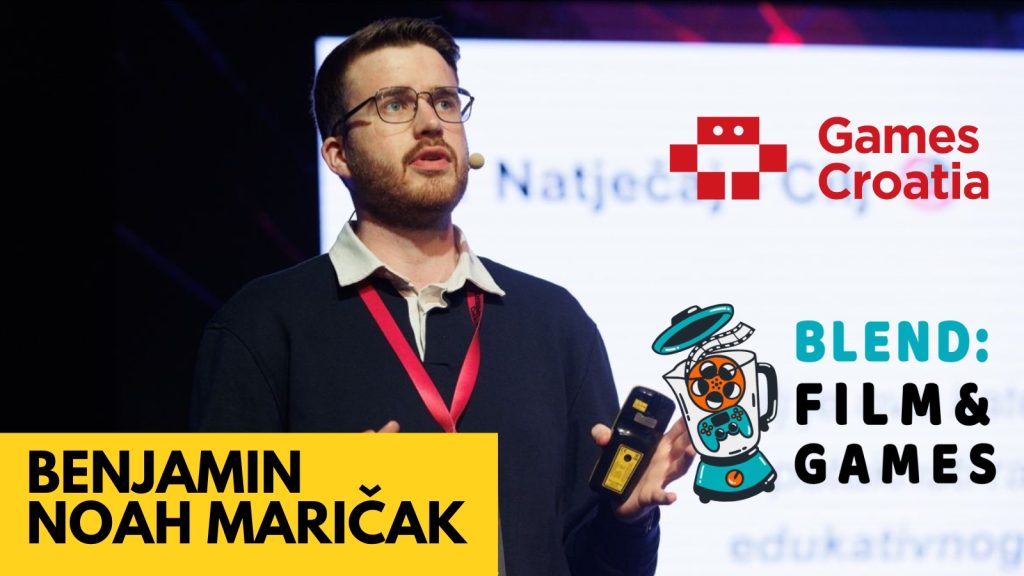
Maričak actively works to grow and promote the Croatian gaming industry while simultaneously fostering collaboration with the film industry.
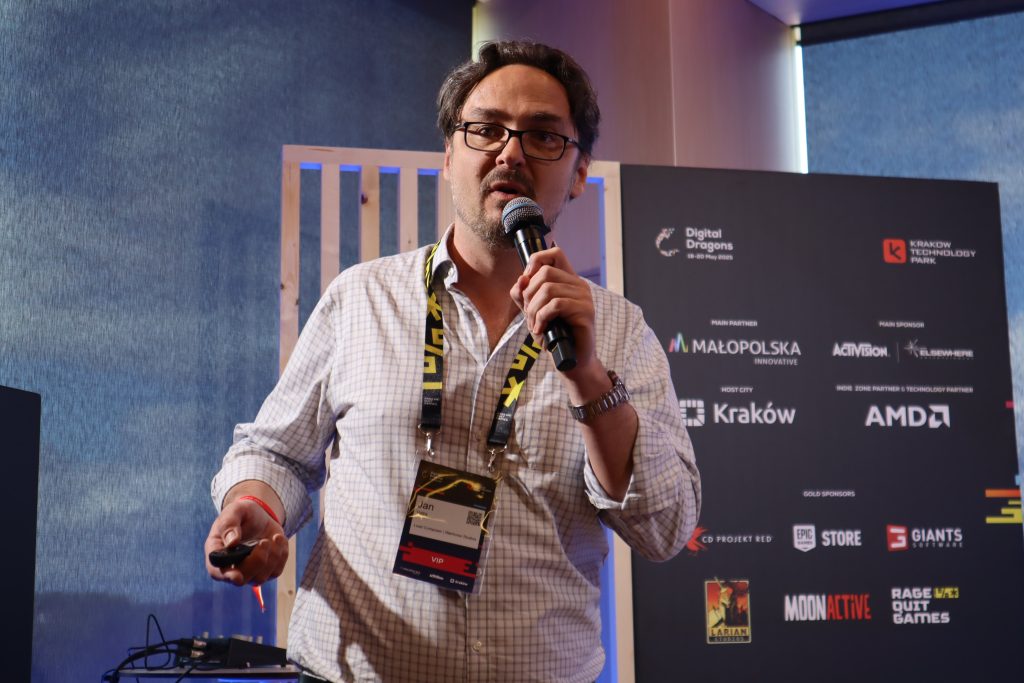
During our interview, Jan revealed the secrets of composing music for both KCD games.
In this interview, we asked Paweł Charzyński about his experience working on Frostpunk 2 as VFX coordinator.
![[A BIG INTERVIEW] Toukana Interactive Co-Founder Zwi Zausch on the Gaming Industry](https://www.indie-games.eu/wp-content/uploads/2025/09/Dizajn-bez-naslova-2-1024x576.jpg)
Zwi Zausch provided a deep dive into the gaming industry from an indie developer's perspective.
![[A BIG INTERVIEW] Deep Dive into Star Birds with Toukana Interactive’s Co-Founder](https://www.indie-games.eu/wp-content/uploads/2025/09/star-birds-1024x576.jpg)
Ever wondered what it takes to build a relaxing base on an asteroid? We spoke with Zwi Zausch, who gave…
Playtonic has upgraded every aspect of the game, not just the visuals, also the core gameplay experience.
