DigiBitPlay Turns Digital Libraries Into Physical Collections
DigiBitPlay presents digital game libraries through interactive 3D boxes, discs, cartridges, consoles and scanned manuals.


If you enjoy independent indie game coverage, consider supporting Indie-Games.eu on Patreon. It helps keep the site independent.
| Feature | Description |
|---|---|
| Genre | Railroad & City Building Simulation |
| Platform | PlayStation 2 |
| Developer / Publisher | Artdink |
| Graphics | Full 3D with dynamic camera |
| Trains | 40+ different locomotives |
| Scenarios | 6 major mission areas |
| Core Systems | Emotional City System, finance, land growth |
| Play Style | Strategic, long-term planning |
I’m starting my series where I play every PlayStation 2 game from A to Z. Now, as I was combing through Wikipedia to see the full list of PS2 releases, I noticed a bunch of titles that started with numbers, dots, and other symbols. I decided to save those for later and jump right into the alphabet, starting with the letter A. Now, the first game I encountered wasn’t actually A-Train 6, it was a Japanese version titled A-Ressha de Ikou 2001. Since my Japanese isn’t perfect, I did some digging, and thankfully, I found a European release of the game.
This is my first time experiencing the series, and from what I’ve seen so far, it’s a deep, real-world management and city-building simulation. It first launched in Japan as a PS2 title in 2000 and then hit Europe in 2004, becoming a kind of breakout hit for the series on console. And, while it had a lot of ambitious ideas, I’ll be honest, I really struggled with it. The city and train management is deep enough, and the stakes are pretty high, so I often found myself overwhelmed.
It was interesting, especially since I also discovered there’s a Steam version out there, A-Train 9, that builds on this formula with modern features. But for now, A-Train 6 is a fascinating, slow-burn experience, if you’re ready to dive in, it demands patience, but it rewards you with a rich sense of urban planning and railway wonder.
When I first booted up A-Train 6, there was no tutorial, no hand-holding, just me dropped into this vast, open system, expected to figure it out. At first, it was really disorienting. There was no clear path, so I had to experiment, click around, and just let the game’s logic unfold. And you know what? There’s something really refreshing about that. Modern games rarely leave you to your own devices, they guide you and break things down. But here, it was all about discovery. Of course, I do wish I had a manual, I’m sure the original game came with one, but without it, I just had to let the game speak for itself.
What I slowly realized is that A-Train 6 is fundamentally about urban city planning where railroads come in second, but they’re just as crucial. You have these expansive cities and multiple scenarios, and I gave myself about five hours to really let it sink in. Now, five hours isn’t a huge amount of time for a game this deep, but it gave me a solid foundation.
It’s a layered strategic experience, blending financial management, rail logistics, and scenario-based goals. There are six scenarios, and once you complete the objectives in each one, you unlock new cities to shape. I really appreciate that the game doesn’t make you start from scratch; instead, it gives you a few built cities so you can focus on shaping their growth. My biggest hurdle was figuring out how to connect all the dots, like, do I really need to micromanage every train schedule? But, as I kept going, it turned out that once you get a feel for it, it’s surprisingly accessible.

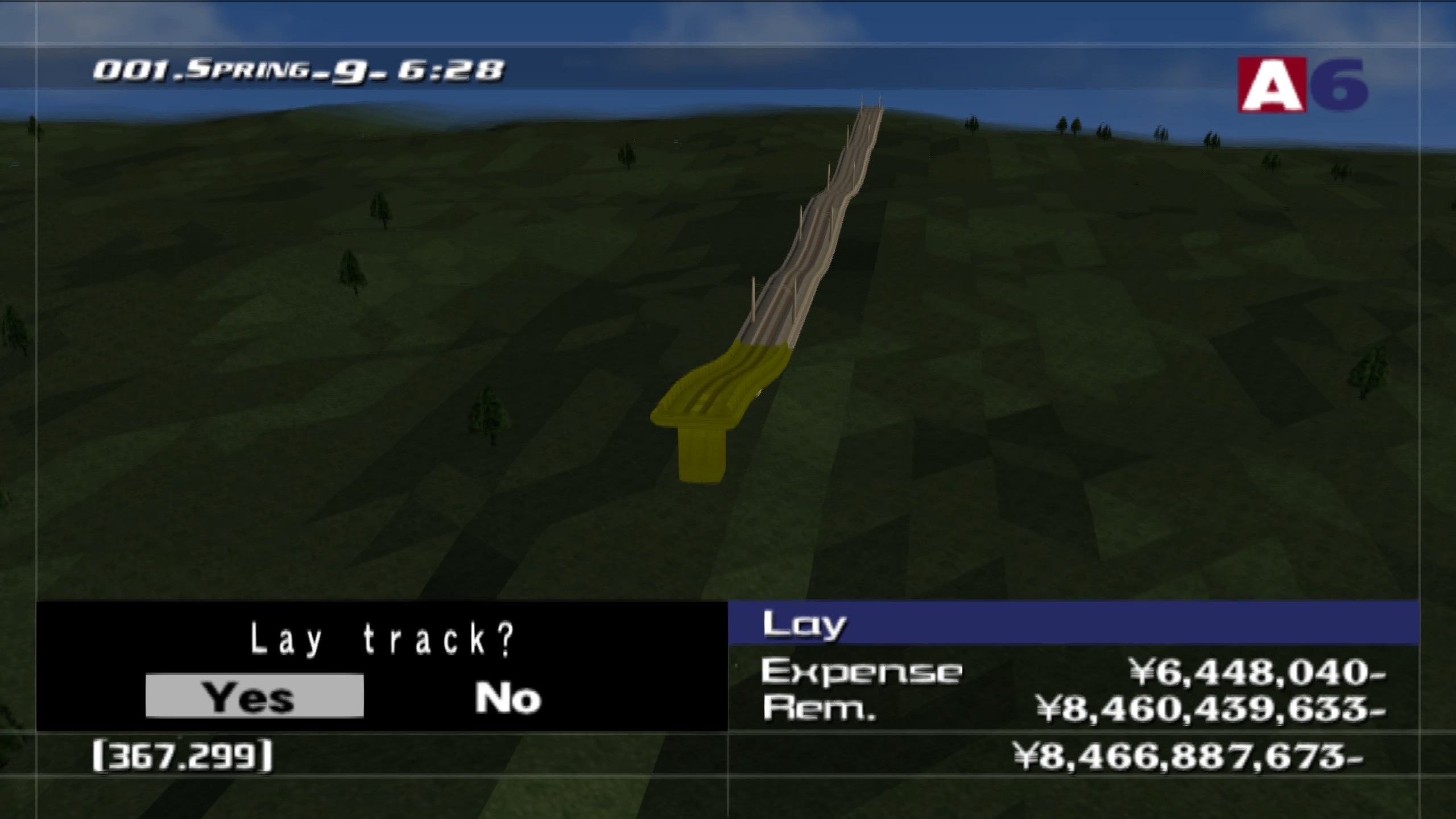
Once I started getting into the gameplay mechanics, the core concept was actually pretty straightforward: you lay tracks, build stations, and create networks that transport passengers and goods efficiently. What really impressed me was how open the city-building was.
You have industrial zones, tourist areas, commercial spaces, houses, even farms and you get to decide whether you want to shape them or just let them grow organically around your train stations. It’s not a game that forces you to buy land or micromanage every detail, instead, you can sit back and see how the city breathes and expands around your rail network.
That said, building the railroads was where I ran into more trouble. It’s simple in concept, but the freedom just wasn’t quite there. The camera is pretty limited, I couldn’t tilt or move it as much as I wanted so the best technique I found was just moving the rail forward and only swerving when absolutely necessary. And, oh, connecting the rails was a headache where no one told me why they kept turning red, or why I couldn’t always use inclines or declines. I think it’s because of the ground not being flat (you do have hills).
The options were there, but the logic wasn’t always obvious and I found myself stuck more than once. Still, there is a lot of charm in how the stations evolve: you have country stops, suburban stations, large city hubs and the bigger stations give you more flexibility for connecting lines.
If you only have one track with a bunch of trains, they just get bottlenecked, so I wish I had known that earlier. Despite these frustrations, though, the game still works decently. Watching the city grow was surprisingly satisfying and even though I didn’t turn my small town into a mega-city in just five hours, I still saw a ton of potential.
When it comes to economics in A-Train 6, it’s actually pretty straightforward, though I do wish it was a bit deeper. There aren’t a lot of complex financial charts or dashboards, you don’t have this granular breakdown of every cent. Instead, you’re mostly aware that your trains are burning fuel, and your income comes from passenger fares.
Now, what’s nice is that you get to choose from over 40 different trains, everything from express lines to commuter trains, cargo haulers, and even models from Japan, Germany, and Italy. Each one has unique stats like speed, capacity, cost and that makes route planning a real balancing act. There’s even a train gallery mode where you can pause and admire all these different locomotives, so if you’re a railfan, it’s a nice touch.
That said, the economics never really go beyond a surface level. I mean, you can click on each train to see if it’s profitable or not, whether you’re in the green or red, but I kind of wished there was a more robust system that gave you a clearer picture of your overall finances. There is a city info view, though, where you can check population growth, but again, it’s a bit slow where time ticks by day by day.
You can adjust the game speed to slow, normal, or fast, but even then, it takes a while for the city to evolve. It’s not a deal-breaker, especially if you enjoy sinking into retro games with a slower pace. But once you get into a rhythm, it’s rewarding, you really start to bond with these trains, watch them chug along their routes, and experiment with different strategies as your city rises.
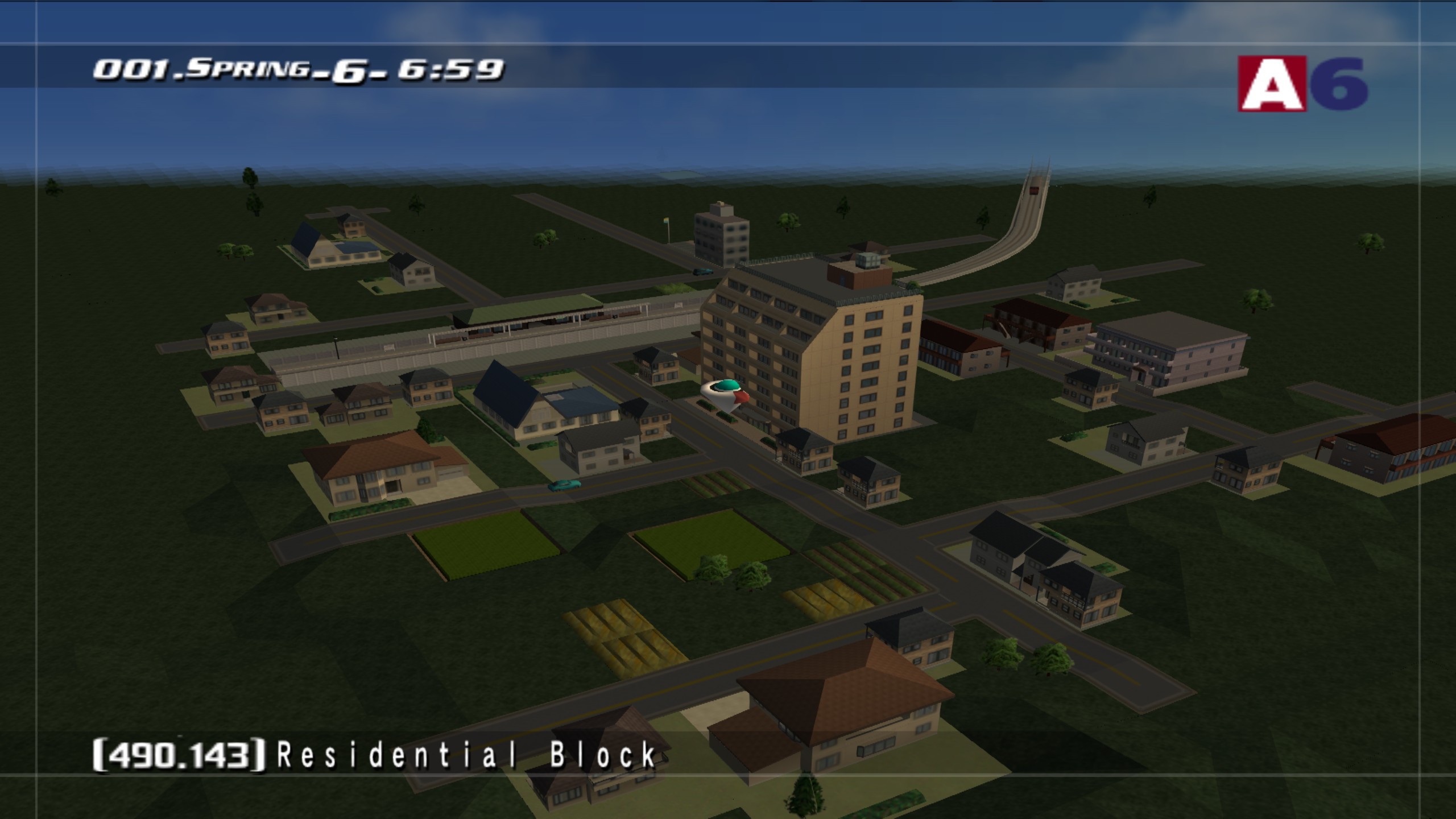
I was honestly surprised by how solid A-Train 6 looks for a PlayStation 2 game. The visuals really stand ou, there’s this seamless 2D-to-3D camera system that lets you zoom from a broad overhead strategy view all the way down into a fully rendered 3D city.
You can inspect tiny details up close, each building and train, but at any moment, you can zoom out to get a broader picture of how the whole city is evolving. You can rotate the camera, view the city from almost any angle, and even get this quasi-first-person feel, watching the trains glide along their tracks.
There’s a lot of attention to environmental detail: the lighting changes throughout the day, weather effects come into play, and it all showcases what the early PS2 was really capable of. One of the coolest options is that you can toggle between full-detail buildings or a sort of see-through blur mode, so if you need a clearer view of your railways, you can just switch it. Sure, it’s not packed with ultra-dense detail, no crowds bustling, but it still feels surprisingly polished.
I can’t speak for what it was like back in the day, I didn’t own it on PS2 originally, but even now, it’s a really solid package, something that pulls you in, makes you tinker with it for a few hours, and then just come back whenever you need a breather.

One of the most interesting features I discovered in A-Train 6 is the split-screen, or double-window setup. You can have a multi-view play area, for example, on the left, you can see a full 3D perspective, and on the right, a 2D map view, so you can organize and plan with a lot more precision. Alongside that, there’s a schedule wizard, which is really handy, you can tailor each train’s departure times, intervals, and timings without needing to dig into complicated diagrams.
These little touches really grow on you as you keep playing. The truth is, this is the kind of game you can sink 100 hours into, no doubt about it. The flip side is, it doesn’t really evolve a lot over time, unlike modern city builders, everything is more or less unlocked from the start, so the gameplay loop stays straightforward.
It’s more about letting your city breathe and grow than unlocking new mechanics. And honestly, maybe five hours is a bit too short, I can see the potential, even if it’s not really my personal genre. Still, I’m glad I gave it a try, and if you love retro city sims, this is absolutely worth a look. As I wrap this up, I have to say, one thing I really wish I could do is talk to someone who truly loves this series, someone who grew up with A-Train or has spent years immersed in these kinds of games.
In a world where modern games often guide you step-by-step, this one just drops you in and says, “Figure it out.” And while I had a few moments of frustration, I also found some genuine enjoyment, just sitting back, watching the city grow, and seeing how the puzzle pieces fit together. In the end, it’s not my absolute favorite genre, but it’s definitely a game I can see myself returning to now and then, especially when I’m looking for a slower, more contemplative experience.
| Label | Meaning | Description |
|---|---|---|
| Timeless Classic | ⭐⭐⭐⭐⭐ | A retro game that remains outstanding today — endlessly replayable and still a joy to experience. |
| Aged but Golden | ⭐⭐⭐⭐ | Some mechanics have aged, but the fun, charm, or innovation still shines through. |
| Of Its Time | ⭐⭐⭐ | Enjoyable mainly for nostalgia — solid in context, but dated by today’s standards. |
| Left in the Past | ⭐⭐ | Historically interesting, but frustrating or dull to actually play now. |
| Retro Relic | ⭐ | Best remembered, not replayed — a museum piece more than a game. |
DigiBitPlay presents digital game libraries through interactive 3D boxes, discs, cartridges, consoles and scanned manuals.
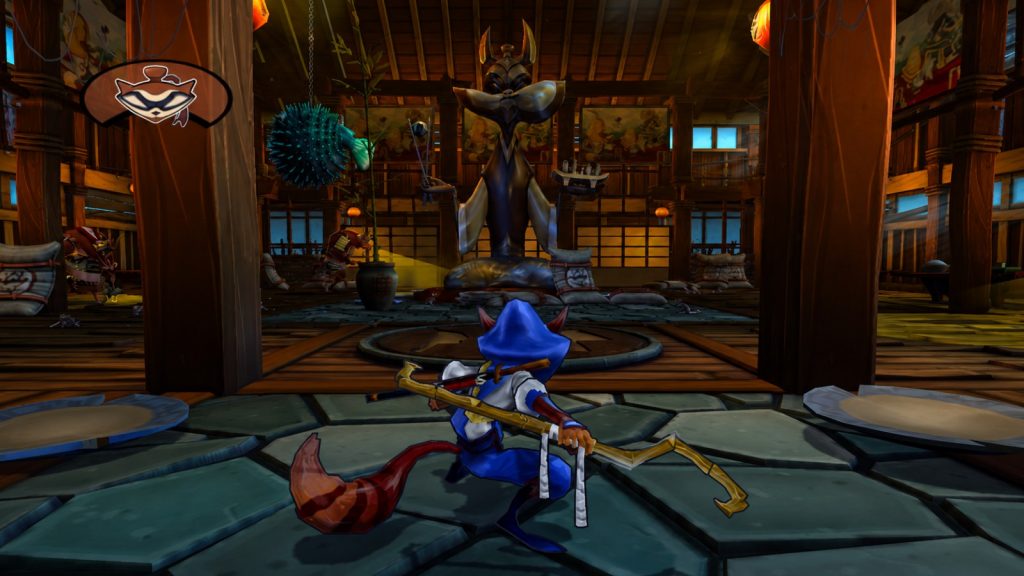
Project Cane shows new Sly Cooper PC footage, but the unofficial native port still needs menus, audio, saving, controls and…

Donkey Kong 64 now runs natively on Windows, Linux and macOS with widescreen, uncapped frame rates, modern controls and optional…
PCSX2 2.8.0 delivers major performance and graphics improvements alongside EyeToy support, interface upgrades and bundled FFmpeg.

Mr. Nutz and the previously unreleased Mega Drive sequel Hoppin' Mad are receiving new physical cartridges from Strictly Limited Games…
Sony will close the PlayStation 3 Store in July 2027, while RPCS3 fully supports 75% of the console's library, highlighting…

The Forever Project aims to make physical game releases more affordable for indie developers through a partnership between 33 Games…

Indie developer Oscar Celestini is expanding his retro-inspired platformer with Jixa Lady Tiger Plus, an enhanced edition that significantly builds…
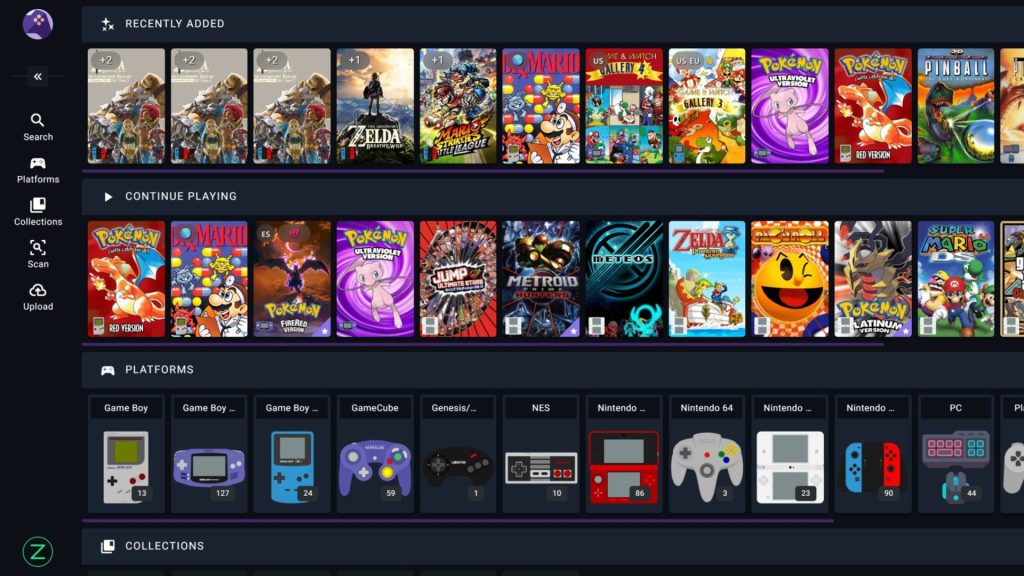
RomM is a free, open-source, self-hosted platform that organizes ROM libraries, fetches metadata, and supports browser-based emulation.
The developers behind Wii64 have released Beta 1.4, marking the Nintendo 64 emulator's first major update in more than five…
Rock It Games has brought Jaleco Sports: Bases Loaded II and Goal! Two to PC after successful Nintendo Switch and…
Developer Pygmy Studio has announced that Bokosuka Wars II will launch on PC via Steam in 2026, bringing the tactical…
An unofficial native PC port of Donkey Kong 64 is in development, bringing rare's Nintendo 64 classic to modern hardware…
A fan-made native PC port of the original Spyro the Dragon is officially in development, bringing the 1998 PlayStation classic…
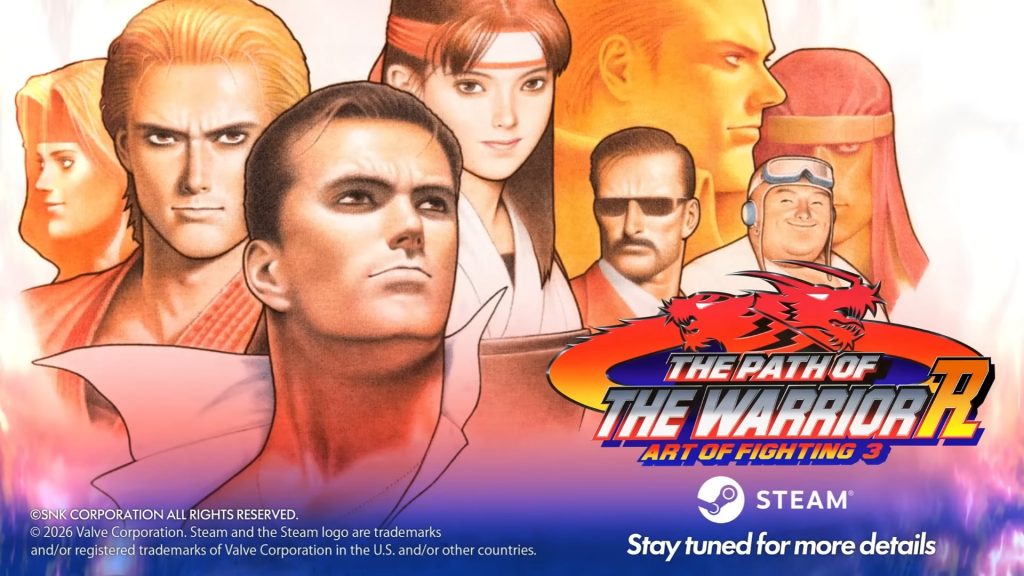
SNK has officially announced The Path of the Warrior: Art of Fighting 3 R, a modernized version of the 1996…
The developers behind ShadPS4 have introduced a major new feature that moves PlayStation 4 emulation closer to a complete experience.
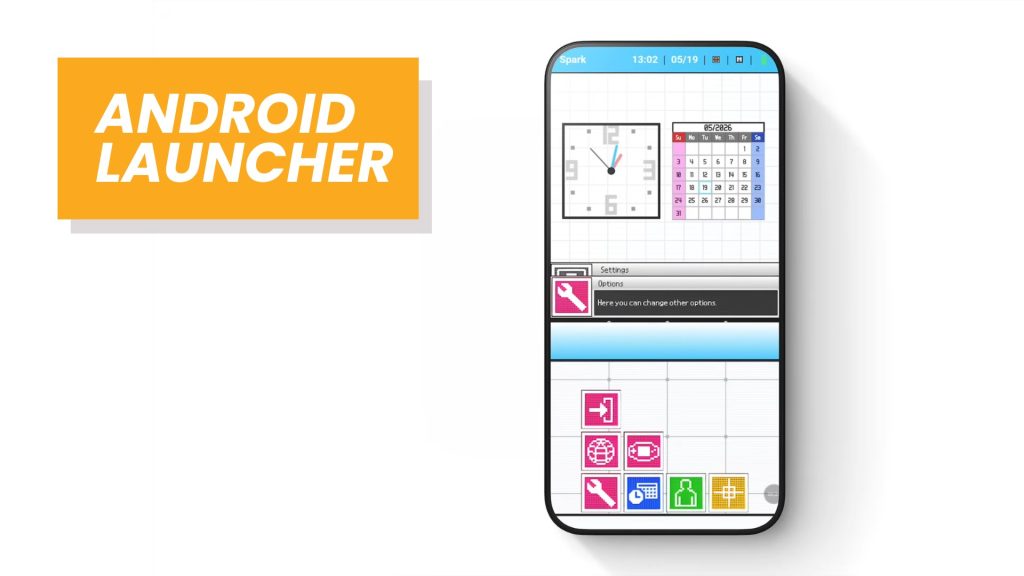
DS & DSi Launcher brings the classic Nintendo DS and DSi interface to Android, giving retro fans a nostalgic way…
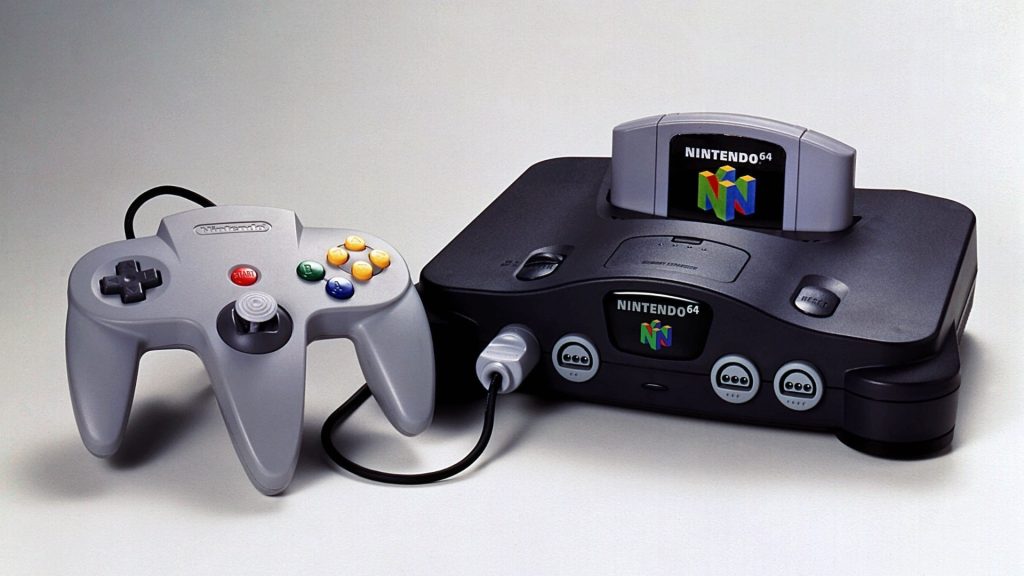
Today marks 30 years since the launch of the Nintendo 64 in Japan, and for many, that's enough to trigger…
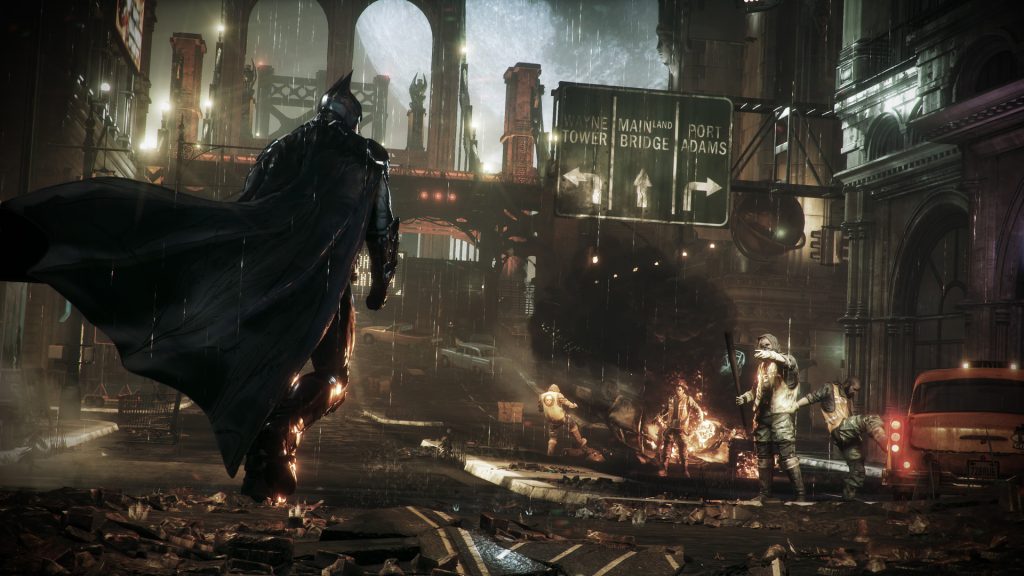
It's hard to believe, but Batman: Arkham Knight is officially 11 years old today. This title was Rocksteady's final chapter…

RetroAchievements has officially verified ARMSX2 as a hardcore-compatible emulator, allowing players to earn PlayStation 2 achievements on mobile devices.
