![[GAMESCOM 2026] Terranigma Preview – A Lost SNES Classic Returns in 2027](https://www.indie-games.eu/wp-content/uploads/2026/08/Terranigma-1-1024x576.jpg)
[GAMESCOM 2026] Terranigma Preview – A Lost SNES Classic Returns in 2027
After more than three decades of limited availability, Terranigma is returning in 2027. We played its enhanced re-release at Gamescom…

If you enjoy independent indie game coverage, consider supporting Indie-Games.eu on Patreon. It helps keep the site independent.
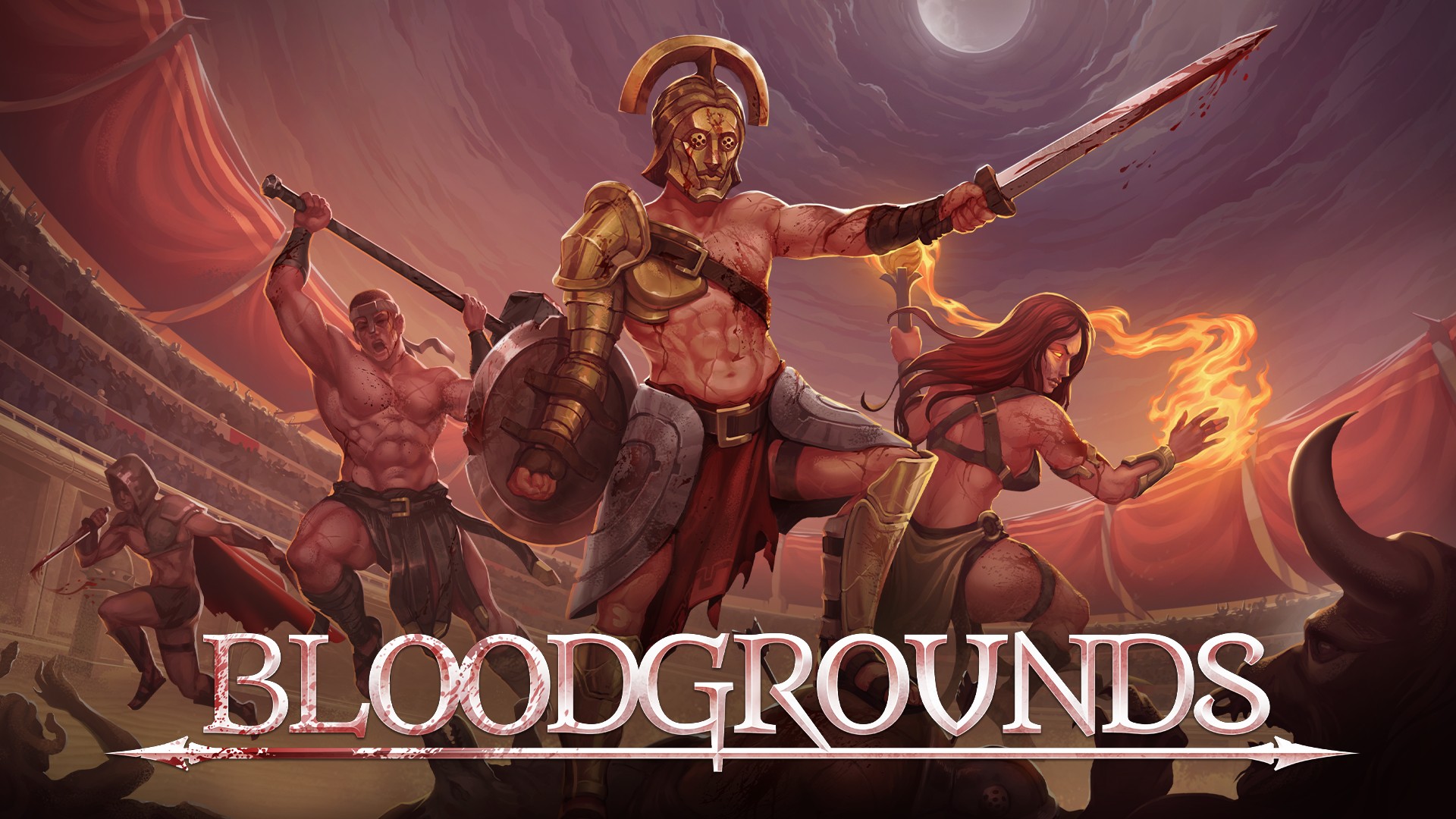
If you’re a fan of turn-based games, Roman culture, and the permadeath challenge, Bloodgrounds is a game you don’t want to miss. There’s a satisfying depth to its progression, varied enemies, unique gladiators, synergies, and diverse equipment. Following a very successful demo during Steam Next Fest, Bloodgrounds is ready to deliver a fun experience that you’ll end up coming back to.
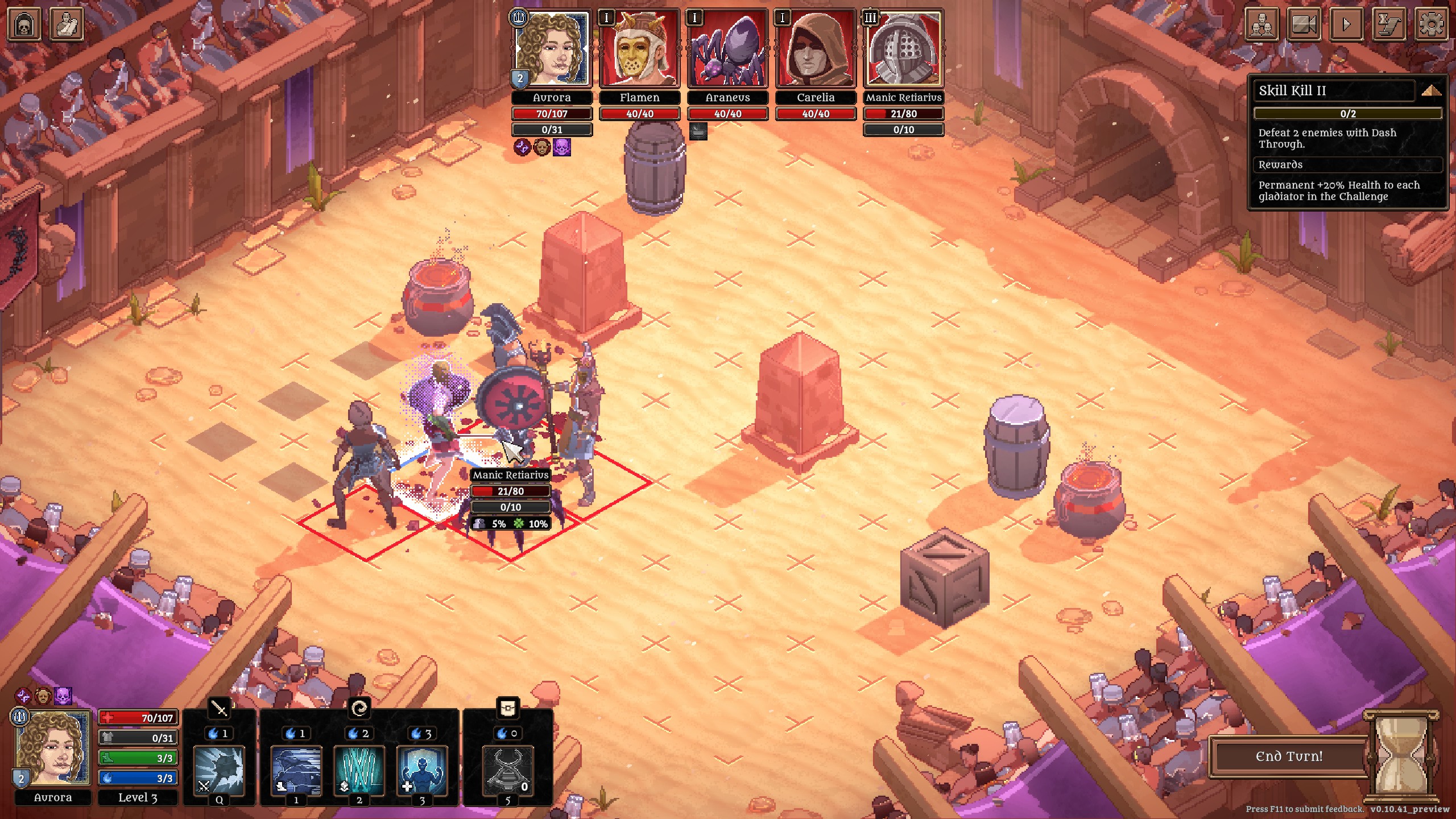
Bloodgrounds is a roguelite turn-based strategy game blending RPG and city management elements. Set in a brutal gladiatorial world, you’ll combine tactical arena combat, squad progression, and settlement building as you seek vengeance against a tyrannical emperor. The game features retro-styled visuals, the high stakes of permadeath, and procedural challenges across five distinct ages and biomes.
It starts simple, like pieces on a chessboard with basic abilities, but the complexity increases satisfyingly as you progress. The ability pool opens up, and new classes of combatants are introduced, making the experience genuinely fun. After beating the final boss of a level, you unlock the next era, allowing you to continuously upgrade your buildings and face new challenges.
Every fight feels unique, thanks to random modifiers, crowd favors, and unpredictable RNG that forces you to adapt on the fly. Between matches, you manage your estate: healing fighters, training, gearing up, and stocking traps or potions for the next bloodbath. However, this progression often requires replaying challenges to level up gladiators and earn the necessary funds for better equipment and new skills, which are essential to keep up with increasingly tougher enemies.
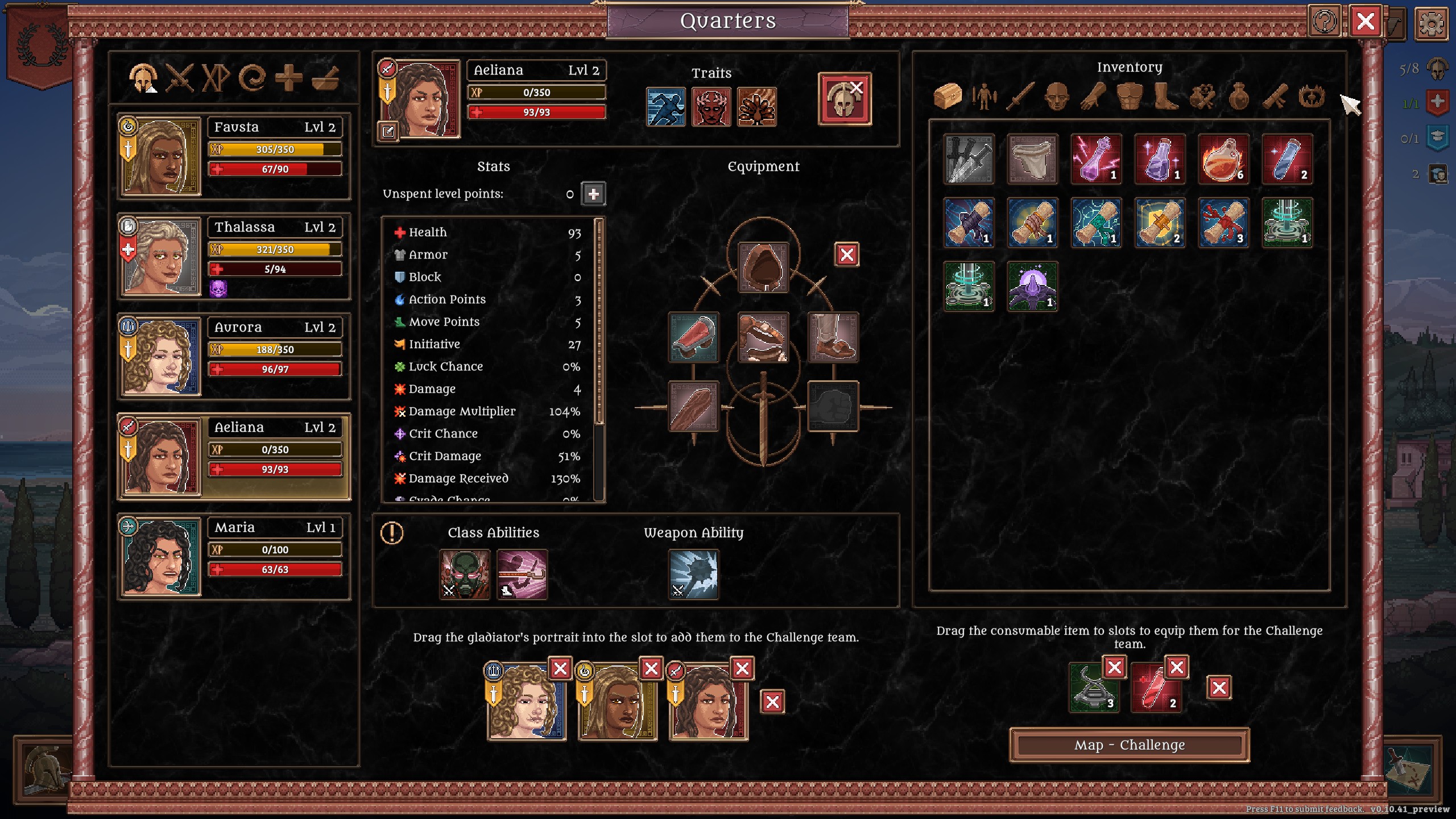
While the core gameplay loop stays consistent, the tactical execution changes dramatically in every match. Map traps such as poison or fire traps, randomly dropped consumables, and varied enemy compositions ensure strong replayability as you strive to create the ultimate gladiator. The unit depth is impressive, ranging from archers and tanks to melee fighters specializing in crit damage or elemental attacks.
An important management element is the statuses (positive/negative effects) and traumas gladiators earn during fights, often forcing you to rest them or pay for quicker recovery. Thankfully, the game includes a speed-up option, but you’re still pushed to think tactically and outsmart your opponents. This is complicated by some frustrating RNG, like when an enemy with only a 5% evasion chance dodges multiple attacks in a row.
When leveling up, you can choose between several stat upgrades, influencing attributes such as initiative, damage, health, and armor among others. The Market is another key feature, letting you acquire new equipment and reroll its offerings between arena fights. My main concern is the difficulty curve: after beating a boss, the challenge can spike sharply, often forcing you to grind without a clear sense of whether your squad is truly prepared for what’s next.
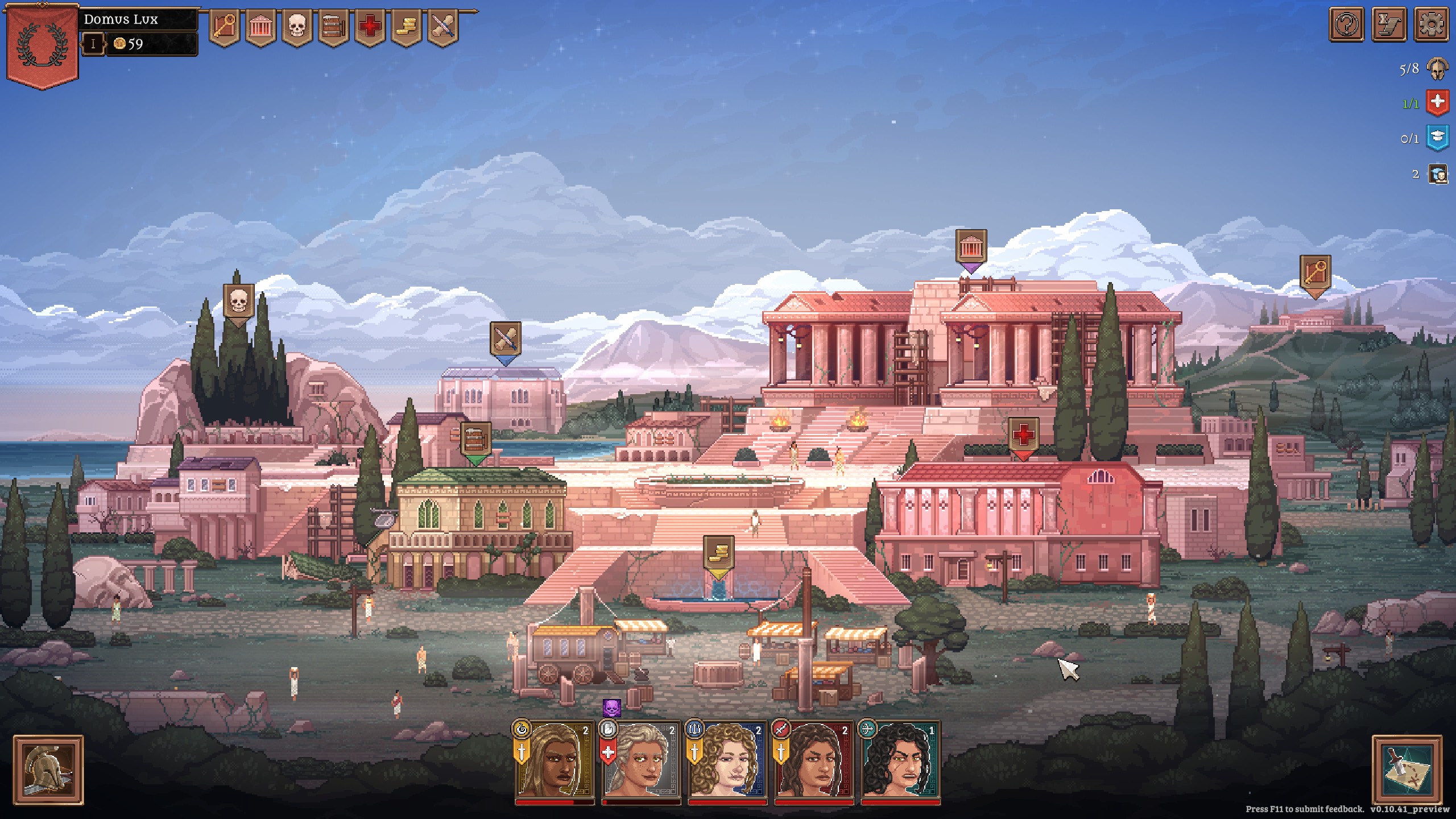
The permadeath system is perhaps the most heartbreaking aspect of the game, as you lose your gladiator forever. However, this is actually a positive feature, as it forces constant adaptation since you can’t rely on keeping a perfect squad intact. While roguelite procedural challenges and your legacy system carry forward, it’s confusing that you lose a gladiator’s gear when they die, even if your remaining squad wins the overall match.
Despite these punishing mechanics, Bloodgrounds rarely feels unfair. Every defeat teaches you something new about team composition, ability synergy, or terrain use. The tension of knowing that one misstep could cost you a veteran fighter keeps every turn meaningful. It’s a game that rewards experimentation and resilience, pushing you to rebuild smarter each time instead of grinding mindlessly.
In the end, Bloodgrounds delivers a deeply satisfying experience with well over 15 hours of core gameplay, not including its replay value. However, this isn’t for everyone; it’s specifically aimed at fans of turn- and grid-based strategy who appreciate a game demanding patience and extensive planning. You won’t be disappointed. With so many games releasing, make sure this one doesn’t slip into your backlog — you can always try the demo on Steam right now.
Review copy provided by the publisher
After more than three decades of limited availability, Terranigma is returning in 2027. We played its enhanced re-release at Gamescom…

Reading another person’s mind is often presented as a desirable superpower, but Sister Other Paranoia immediately understands why it could…
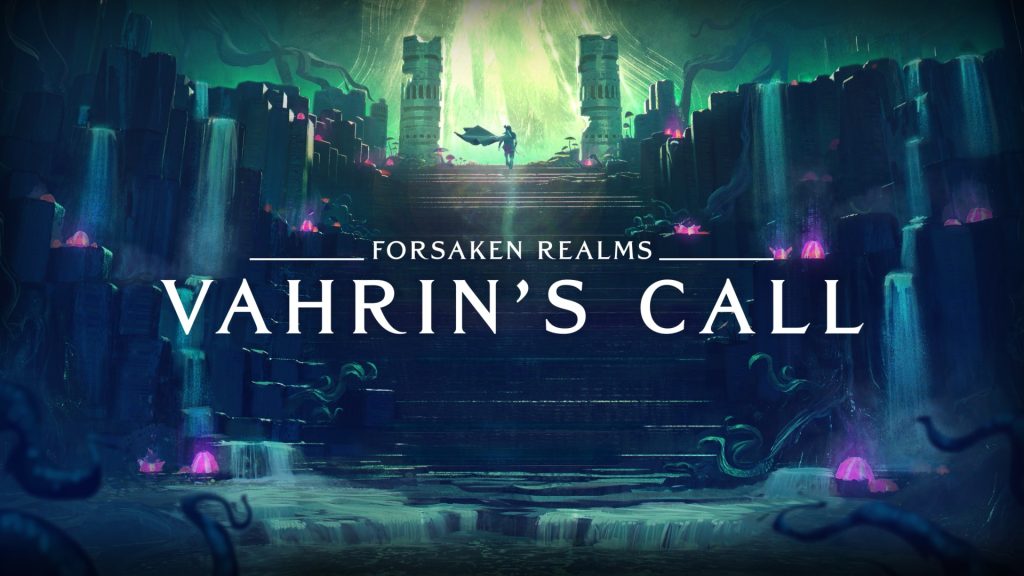
Forsaken Realms: Vahrin’s Call is exactly the kind of ambitious, slightly clumsy fantasy RPG that used to be far more…
![[Early Access] 2nd EVE – Sci-Fi Action RPG That Lacks a Sense of Stakes](https://www.indie-games.eu/wp-content/uploads/2026/08/2ND-EVE-1024x576.jpg)
2nd Eve is a space-set action RPG in which we strive to save humanity.
![[PREVIEW] Dreamcards – Strategic Exploration of Consciousness](https://www.indie-games.eu/wp-content/uploads/2026/08/Dreamcards_20260810_233631_0000-1024x576.jpg)
Dreamcards is a roguelike deckbuilder centered around dreams and nightmares.
![[Early Access] OFFBEAT – Incredibly Fun Way to Start a Music Career](https://www.indie-games.eu/wp-content/uploads/2026/08/Offbeat_20260808_201446_0000-1024x576.jpg)
In OFFBEAT, we play the role of a jobbing composer who is launching their music career.
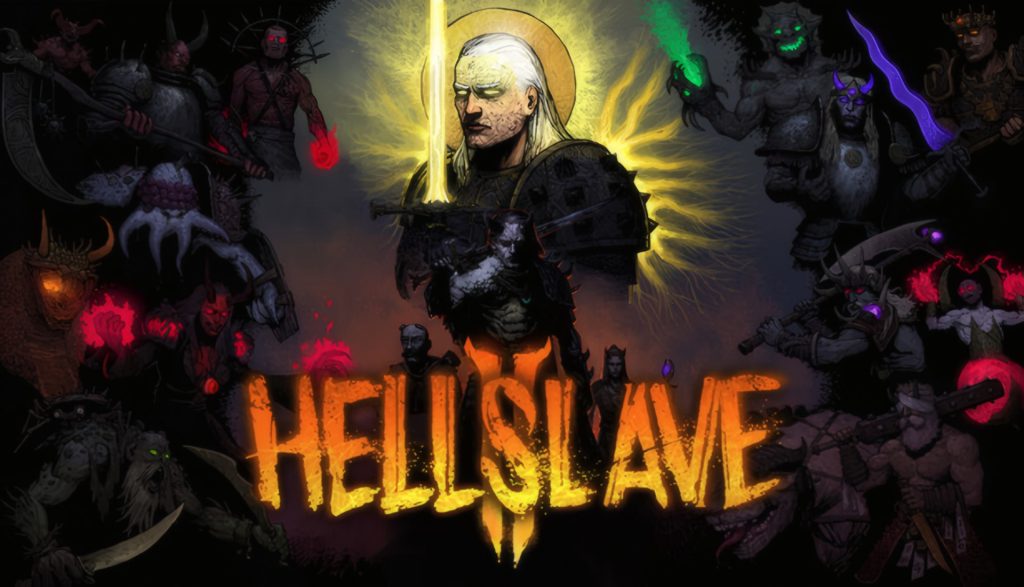
HellSlave II retains the original’s oppressive atmosphere, morally grey world and striking art while adding a larger world, randomized loot…
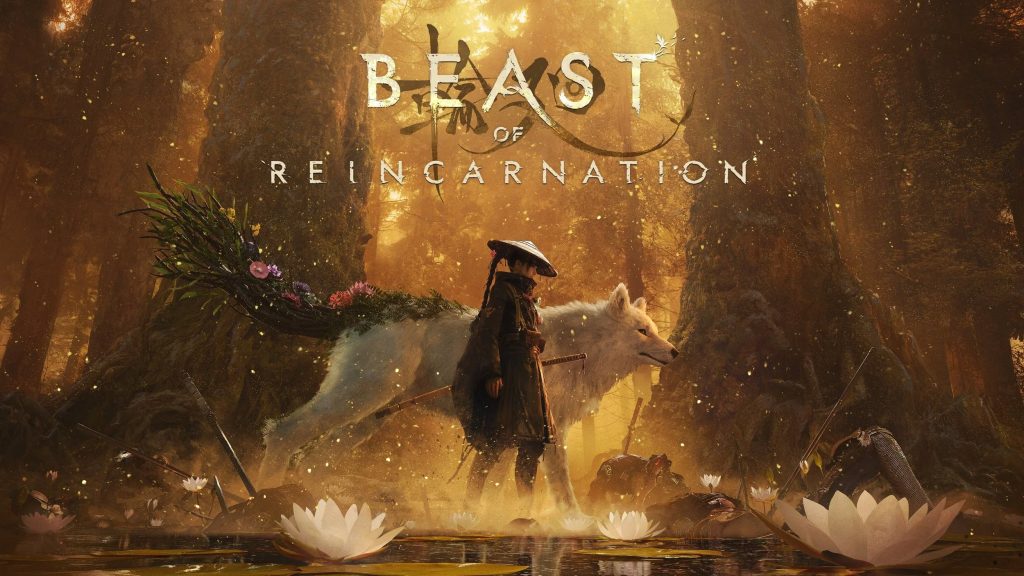
Beast of Reincarnation is an ambitious but uneven action RPG elevated by satisfying parry combat, beautiful art direction and the…

K-pop Idol Stories: Road to Debut captures the pressure of building idol group, but its management systems never explore that…
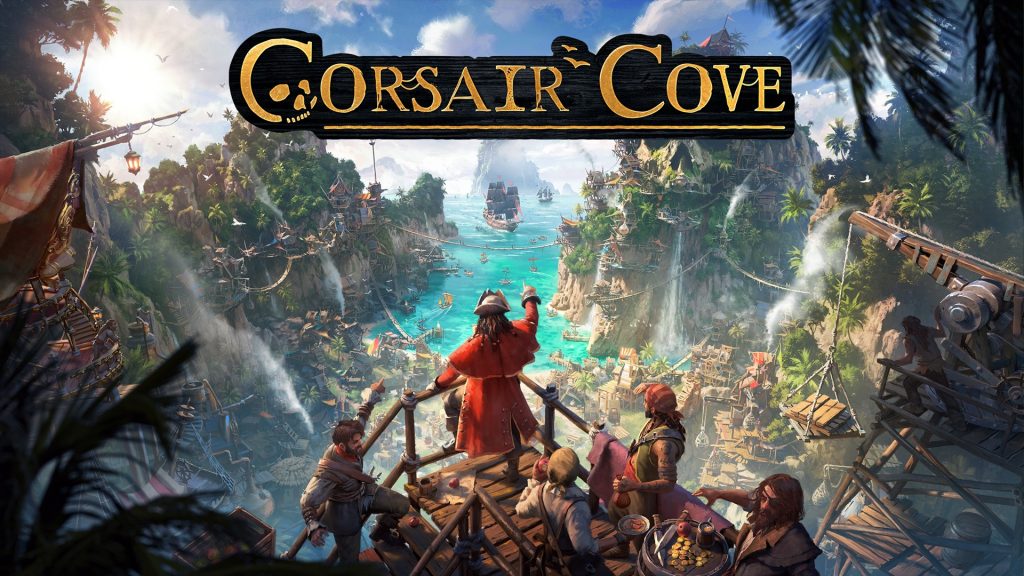
Hooded Horse keeps finding strategy games that know their audience, and Corsair Cove extends its impressive run of excellent city-builders.
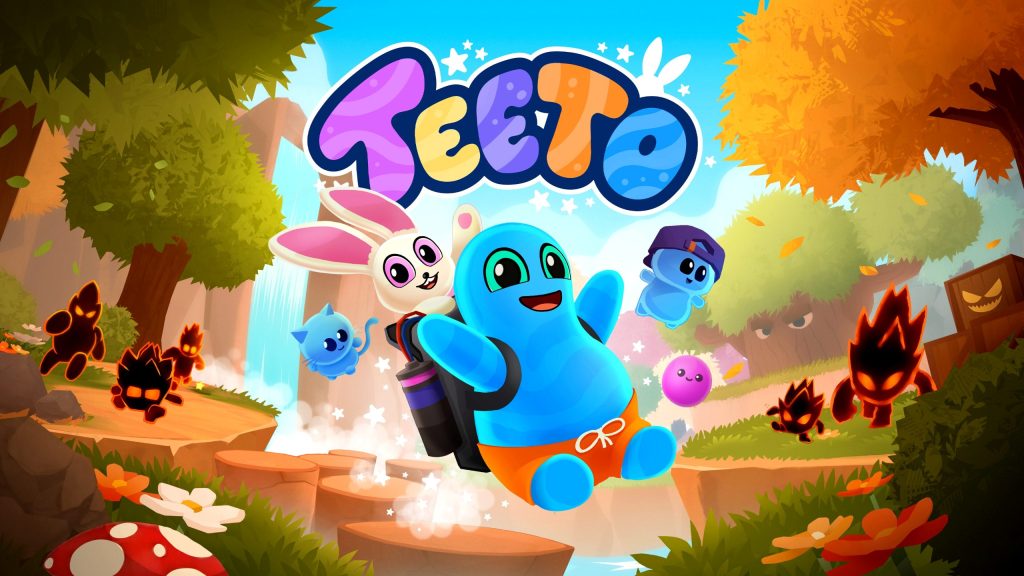
Teeto is a warm, cozy, creative and highly enjoyable 3D platformer that understands why classic collectathons remain so appealing.
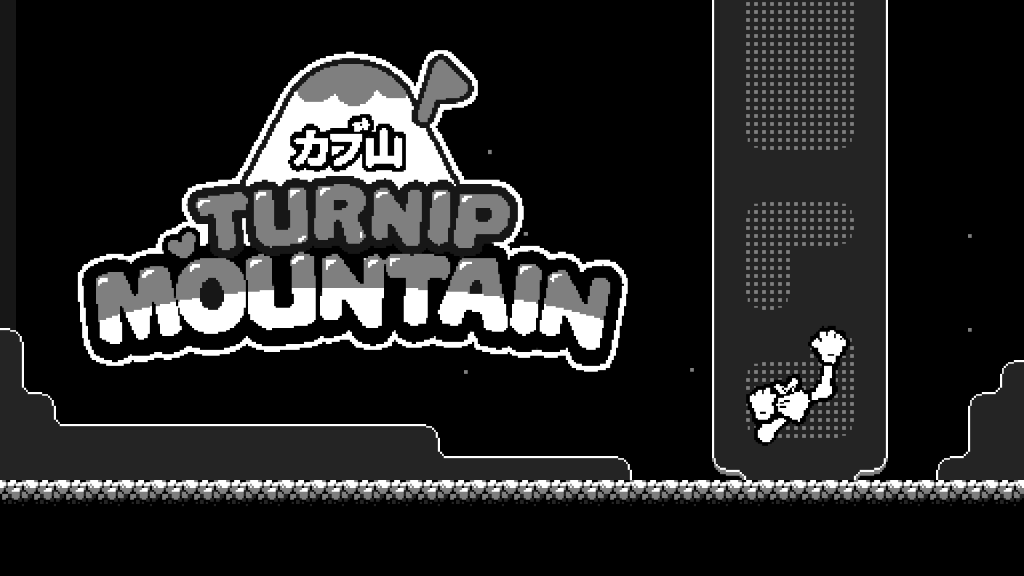
Turnip Mountain stands out for its combination of a unique control system and a minimalist approach.
Dystopicon is an imaginative and memorable narrative experiment with sharp social commentary, engaging world-building and several wonderfully absurd scenarios.
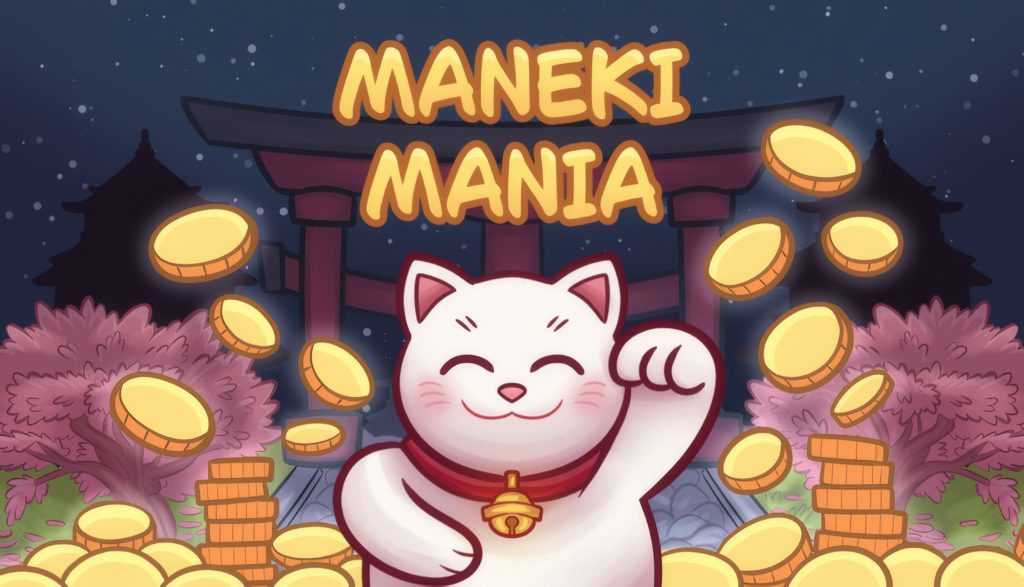
Maneki Mania is an incremental game centered around petting a lucky cat.
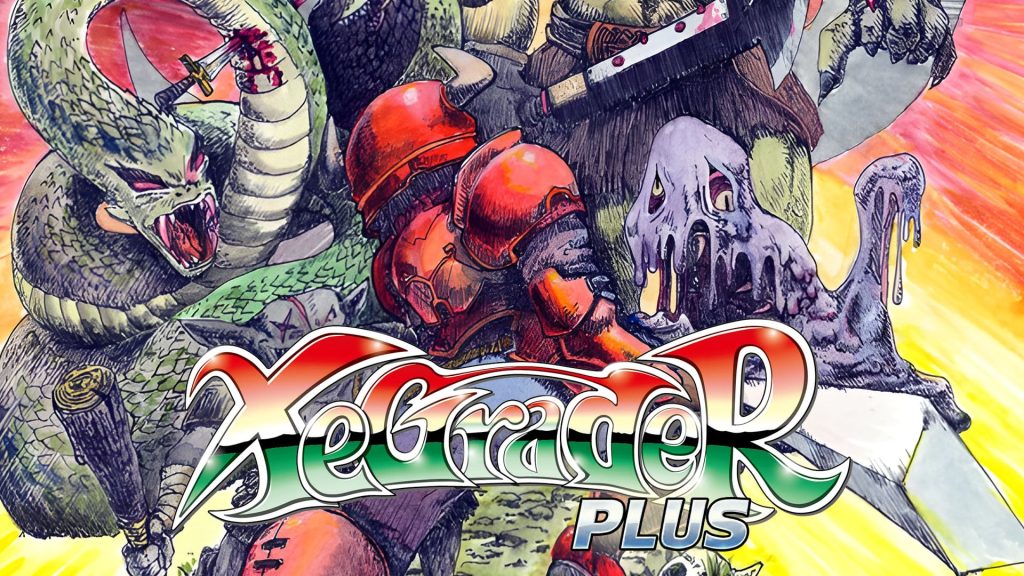
XeGrader Plus delivers colorful retro shooting, but basic mechanics, a short campaign and paid retro modes make its €20 price…
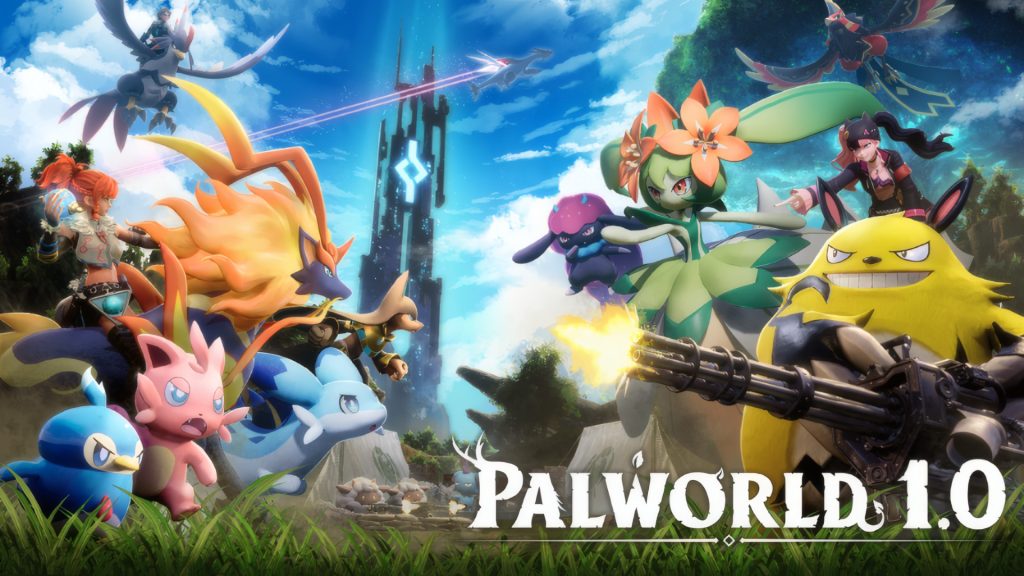
It has been roughly two and a half years since Palworld first entered Early Access, and quite a lot has…
![[EARLY ACCESS] The Last Caretaker – Survival Game I Cannot Stop Playing](https://www.indie-games.eu/wp-content/uploads/2026/07/The-last-Caretaker-Key-Art-1024x587.jpg)
The Last Caretaker is a compelling survival crafter with a flooded world and mobile base, but weak combat and performance…
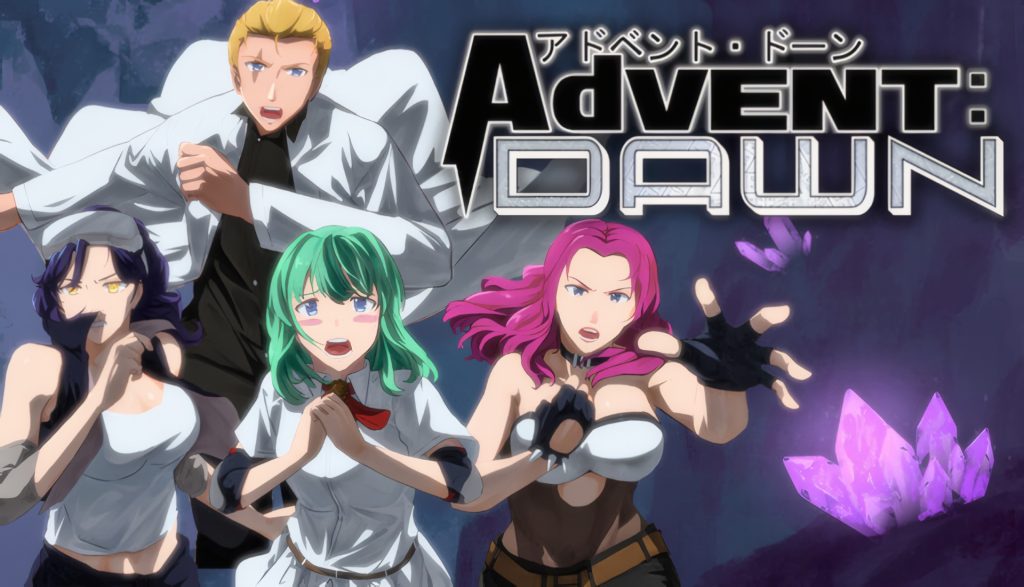
Advent: Dawn is an intriguing science-fiction visual novel elevated by a likable cast and one of the most convenient flowchart…
![[EARLY ACCESS] Hell Maiden – Beautiful but Uneven Journey Through Hell](https://www.indie-games.eu/wp-content/uploads/2025/06/HMD_screenshot_019-1024x576.jpg)
Bullet heaven and rougelite game Hell Maiden lands between a polished Early Access release and a promising game that still…
![[PREVIEW] Dark Queen of Samobor – Promising Croatian Adventure Still in Need of Polish](https://www.indie-games.eu/wp-content/uploads/2026/07/Dark-Queen-of-Samobor-1024x587.jpg)
Dark Queen of Samobor is a promising 2.5D side-scrolling action-adventure that combines Croatian folklore with combat, puzzles and cinematic platforming.
