Duskfade – The PS2 Era Returns With All Its Strengths and Weaknesses
Duskfade is worth considering for players who miss colourful PS2-style action-platformers and can tolerate basic combat, floaty movement and backtracking.

If you enjoy independent indie game coverage, consider supporting Indie-Games.eu on Patreon. It helps keep the site independent.
I think the friendslop genre should be considered one that can practically print money, but only when it’s done right. Sure, the name “friendslop” carries a very negative connotation. However, if you look at games like Lethal Company, PEAK, and R.E.P.O., and then add titles like Roadside Research and Super Battle Golf, it becomes clear that Oro Interactive knows exactly what it’s doing and how to attract an audience. Super Battle Golf launched quietly on Steam for about eight euros, a small price tag for a small, silly-looking multiplayer game about chaotic golf. But within days, it became clear that something special was happening.
The numbers tell the story. Super Battle Golf sold 500,000 copies in its first nine days, and not long after it approached 800,000 units sold. Even more impressive is its consistent activity, with daily peak concurrent players hovering between 15,000 and 20,000. Its highest concurrent player peak actually occurred nine days after launch, which is often considered one of the clearest indicators of a viral hit driven by word of mouth rather than initial marketing hype.
This success is even more interesting when you look at the developers’ previous work. The studio had released Overthrown in 2024, a much more ambitious and complex project with a €25 price tag. Despite its creative ideas, Overthrown never quite broke into the mainstream and peaked at roughly 350 concurrent players. In contrast, Super Battle Golf is simpler, cheaper, and far less ambitious in scope, and yet it completely outperformed its predecessor. The reason becomes obvious the moment you understand the game’s central idea.
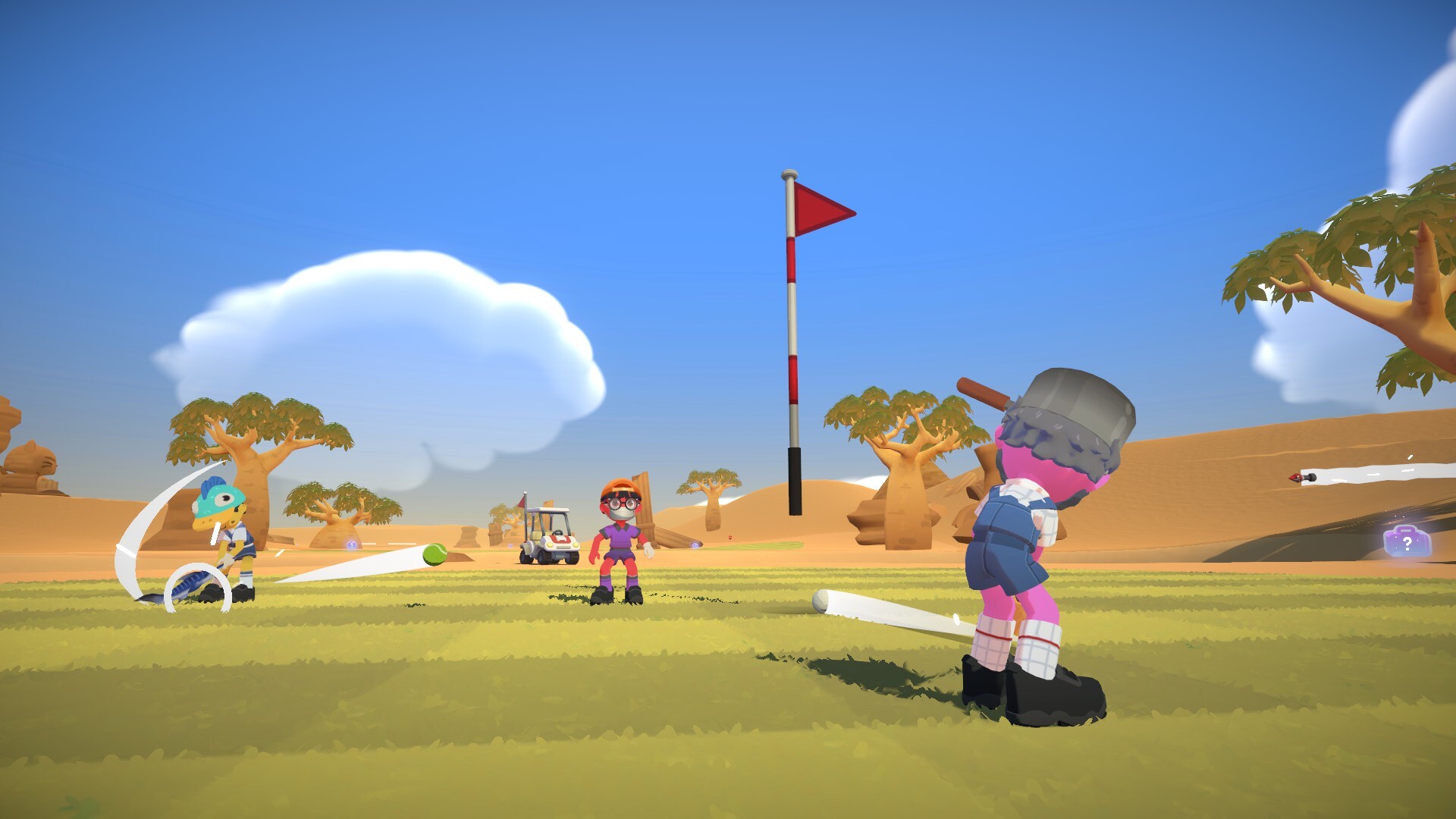
Golf, as a sport, is built on etiquette and patience. Players wait their turn, maintain polite silence, and carefully follow a strict set of rules. Super Battle Golf takes that familiar structure and completely flips it upside down. Instead of turn-based play, everyone hits their ball at the same time and races toward the hole in real time. That single change transforms the game from a quiet sports simulation into a loud, chaotic multiplayer race.
Matches quickly become a mix of golf, physics mayhem, and competitive sabotage. Players aim and strike their shots just like in a traditional golf game, but immediately after hitting the ball they run across the course to reach it and line up the next shot. The goal is no longer simply achieving the lowest number of strokes. Instead, it is about reaching the hole before everyone else.
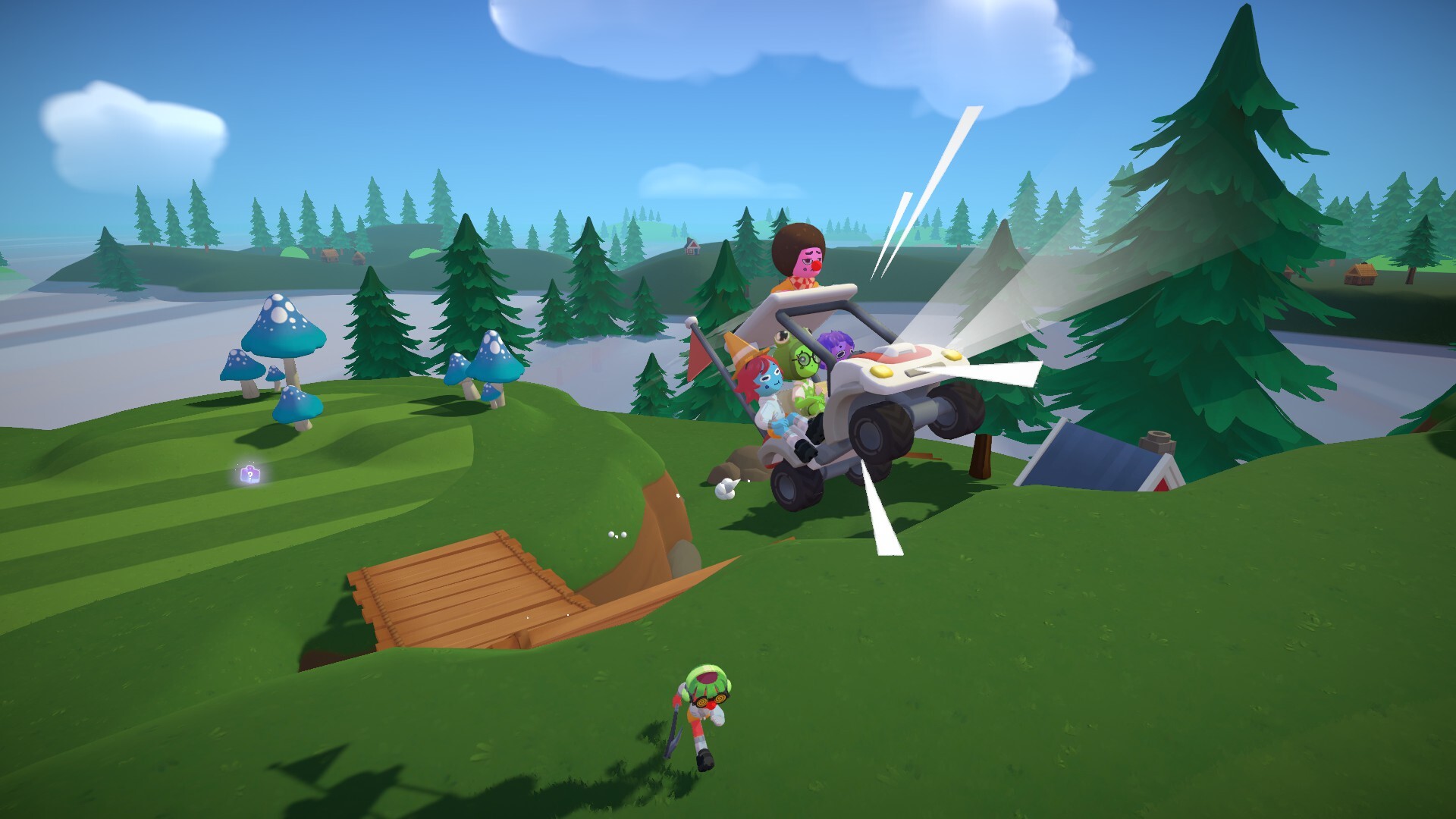
What truly defines the game, however, is the combat and disruption layered on top of the golf mechanics. You can pick up a variety of ridiculous tools designed to ruin each other’s progress. Rocket launchers can blast opponents across the map, mines can be placed along the fairway, and orbital lasers can suddenly strike from above. Even golf carts become weapons, allowing you to drive across the course and ram your competitors. At most times you will simply smack each other with golf clubs to gain a brief burst of speed.

The result is chaos in the best possible way. A perfectly lined-up shot might be ruined by an explosion. A player racing toward the hole might suddenly be launched into a lake. Someone might reach the green only to discover a mine waiting for them. These moments happen constantly, and they are exactly what make the game entertaining.
Another reason the game stands out is the type of multiplayer experience it creates. Many modern multiplayer titles focus on cooperative gameplay, encouraging players to work together against the environment or against AI opponents. Super Battle Golf does the opposite. It is designed as a friendly PvP experience, where players compete directly against each other in short, chaotic matches.
This competitive element gives the game a different energy. Instead of cooperating with friends, you are actively sabotaging each other while laughing at the ridiculous results. The developers themselves describe the core idea as “PvP golf with bazookas, golf carts, physics, where everybody plays at the same time.” That description might sound absurd, but it captures the spirit of the game perfectly. It is less about serious competition and more about creating hilarious situations where friendships are temporarily tested.
Despite the chaotic gameplay, the game itself feels surprisingly polished. One of the smartest decisions the developers made was limiting the scope of the project. Instead of building another large, complicated system like the one used in Overthrown, they focused entirely on perfecting a single idea. The underlying engine originally supported cooperative gameplay systems, but the team refined it specifically for this competitive party game concept.
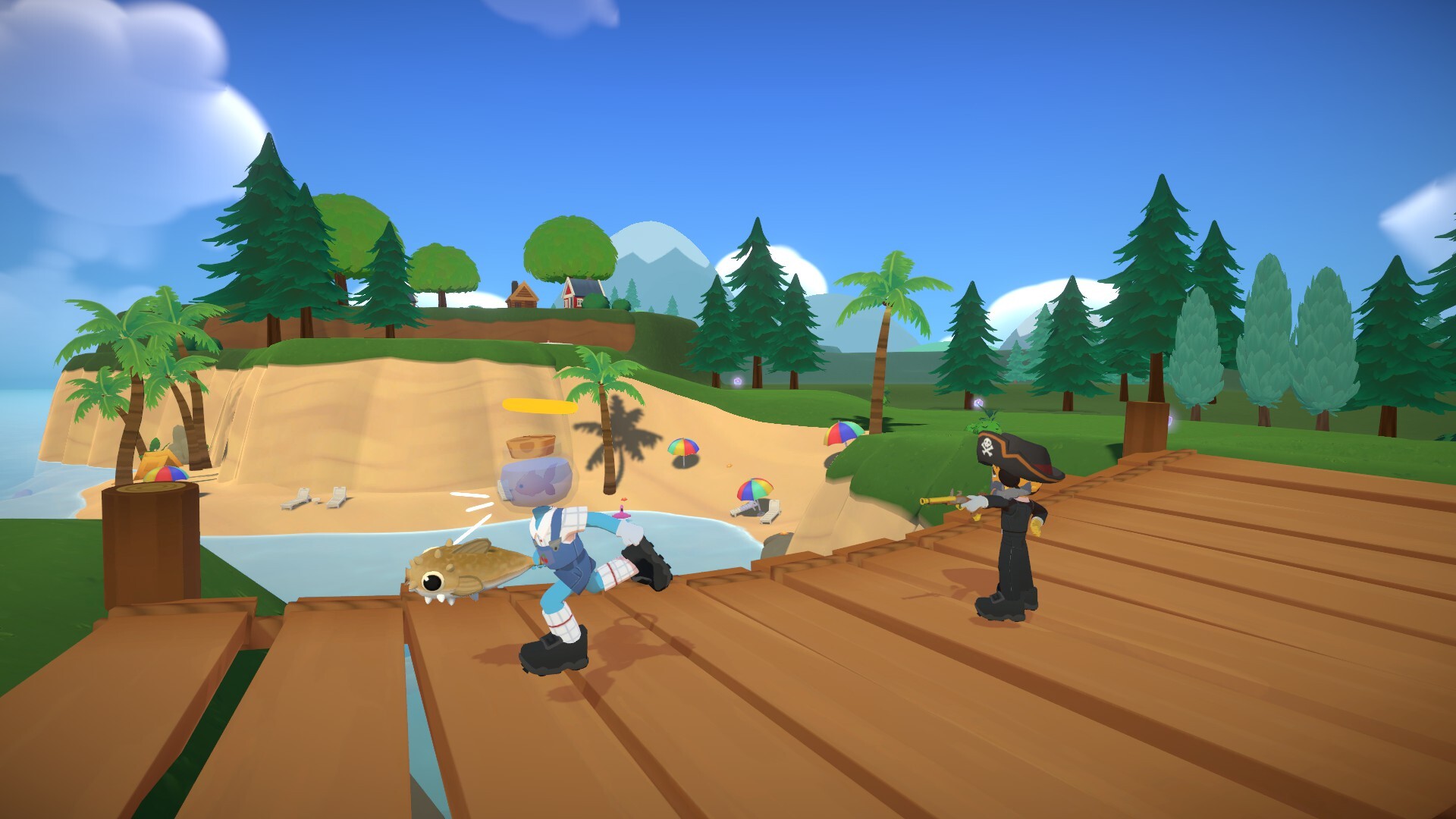
That focus shows in the final product. The controls are responsive, the physics behave consistently, and matches begin quickly without unnecessary menus or downtime. Everything about the experience feels streamlined and carefully tuned. Even though the concept is silly, the execution is remarkably clean.
In terms of content, the game offers a solid amount of variety for a small multiplayer title. You can compete across twenty-seven different golf holes, each designed with environmental obstacles such as water hazards, sand pits, trees, and uneven terrain. Because players can place traps and fire weapons during matches, the same course can play out very differently every time.
Multiplayer supports up to eight players at once, which is enough to create constant chaos without making matches impossible to follow. The game also includes a simple customization system where you can unlock cosmetic items such as hats, hairstyles, glasses, special golf clubs, and unique golf balls. These items are purchased with in-game gold earned through matches, keeping progression straightforward without becoming overly complicated.
Of course, the game does have some limitations. Its long-term progression is relatively shallow and those looking for more deeper competitive systems might eventually find the experience repetitive. However, Super Battle Golf was never meant to be a massive hundred-hour experience. It is designed to be something you jump into with friends for quick sessions filled with laughter and chaos.
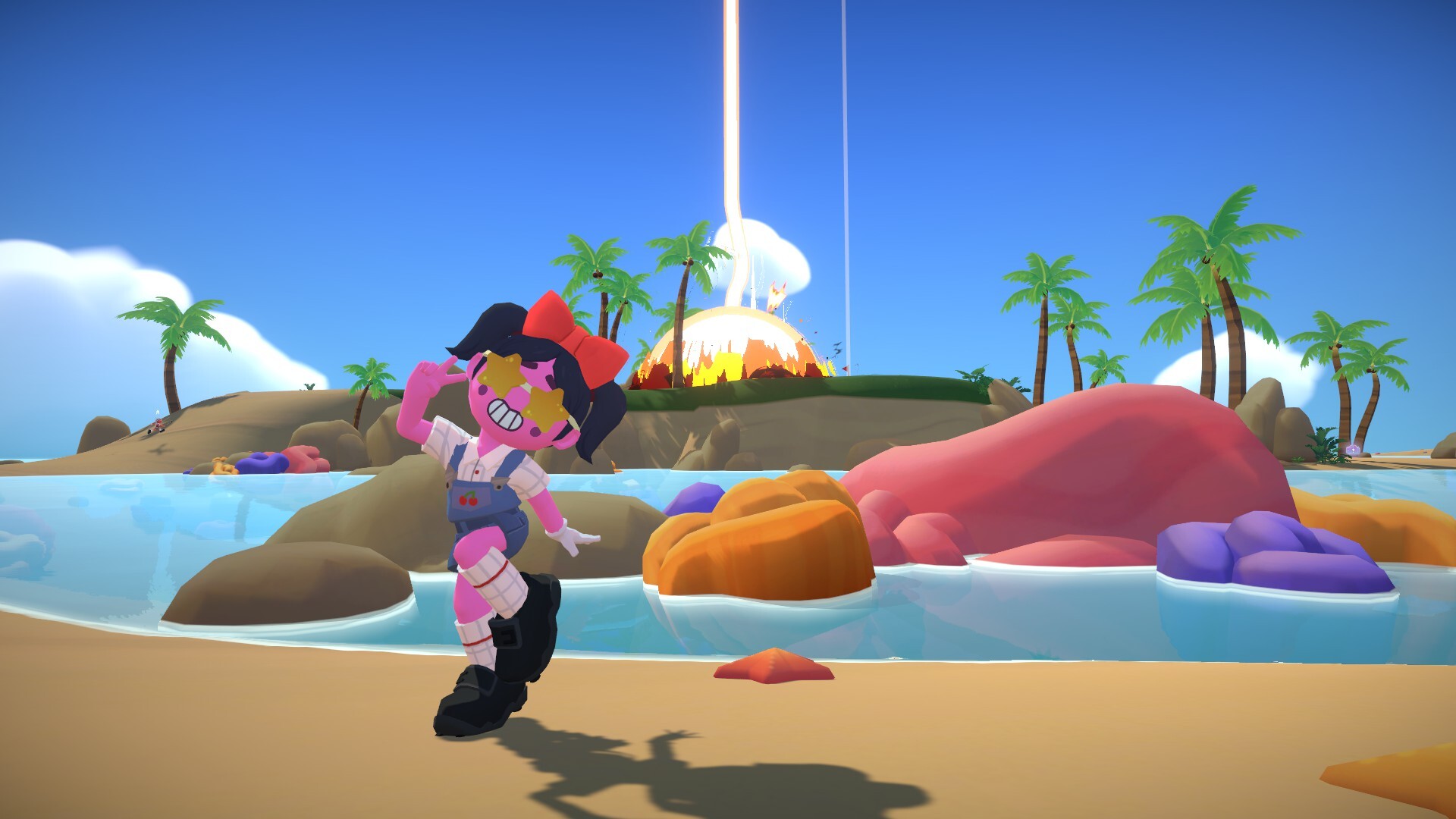
Ultimately, the success of Super Battle Golf demonstrates an important lesson in game design. Bigger and more complicated does not always mean better. Sometimes the winning formula is a simple idea executed extremely well. By taking a universally understood sport and transforming it into a chaotic multiplayer race filled with weapons and physics mayhem, the developers created something instantly recognizable and endlessly shareable.
That combination of accessibility, humor, and polished gameplay is exactly why the game spread so quickly through word of mouth, streaming platforms, and social media clips. What started as a small indie project quickly became one of the most talked-about multiplayer releases of early 2026.
Super Battle Golf may look like a ridiculous joke at first glance, but that ridiculousness is precisely its strength. It is loud, unpredictable, competitive, and constantly funny. And judging by the hundreds of thousands of copies sold in just a few days, it seems that players were more than ready for a game that turns golf etiquette into total multiplayer chaos.
This review is based on a copy I purchased myself
Duskfade is worth considering for players who miss colourful PS2-style action-platformers and can tolerate basic combat, floaty movement and backtracking.
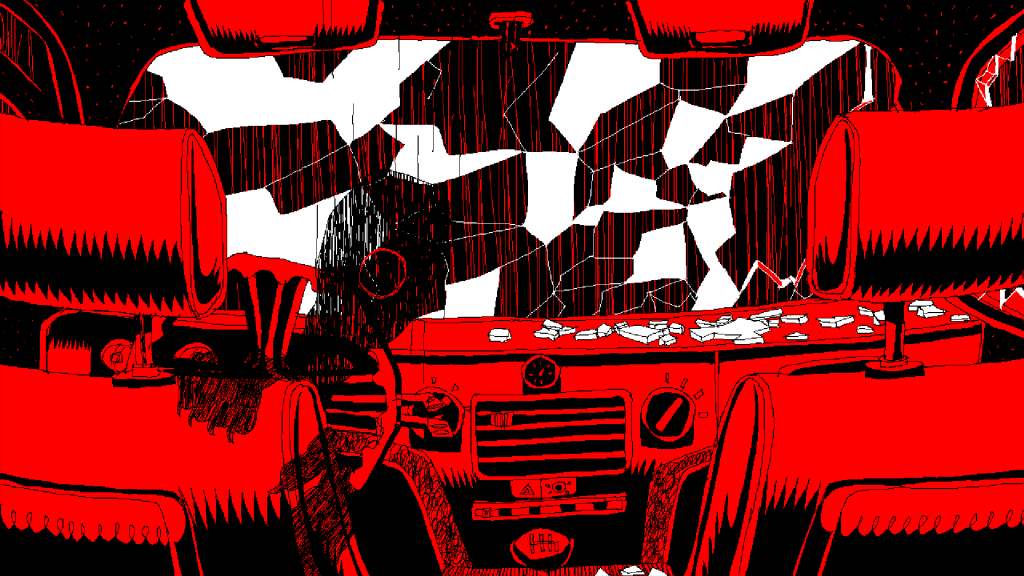
Man I Just Wanna Go Home is a noir crime story with visuals from MS Paint and life-or-death choices.
![[GAMESCOM 2026] Vikings Dynasty Preview – Expands the Dynasty Formula](https://www.indie-games.eu/wp-content/uploads/2026/09/Viking-Dynasty-09-21-26-2-1024x576.jpg)
After showing me Prospera at Gamescom 2026, Toplitz Productions' Mathias Oertel moved to a very different kind of settlement builder.…
![[GAMESCOM 2026] Prospera Preview – Production, Prosperity and Victorian Industry](https://www.indie-games.eu/wp-content/uploads/2026/09/Prospera-09-21-26-5-1024x576.jpg)
At Gamescom 2026, I met with Toplitz Productions' Mathias Oertel for a guided presentation of two upcoming games. One of…
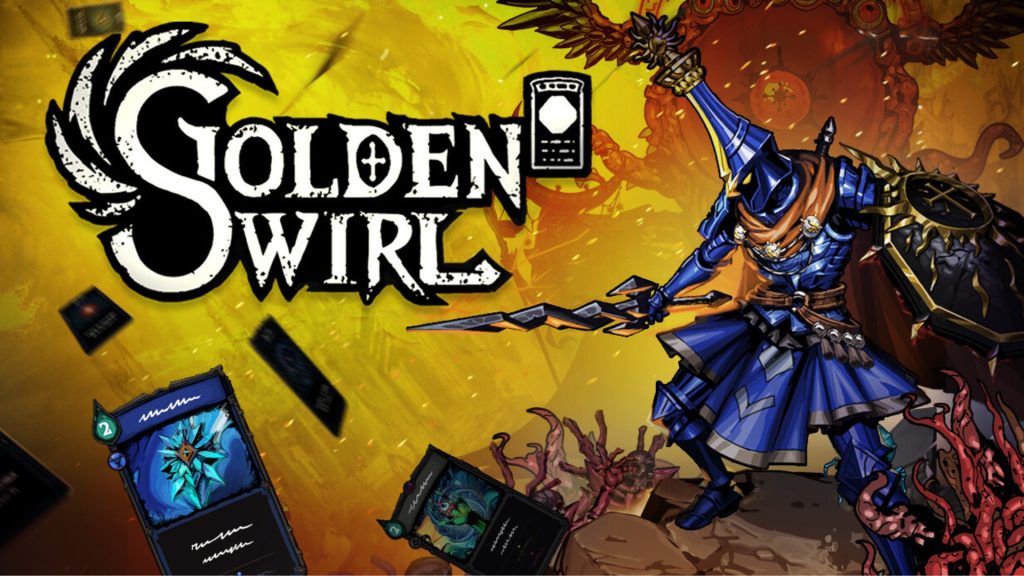
Golden Swirl inventive card combat carries the experience, but repetitive rooms, weak upgrades and excessive dialogue hold it back.
![[GAMESCOM 2026] Wilderdark Preview – Ambitious Dinosaur Horror Game That Still Has Plenty to Prove](https://www.indie-games.eu/wp-content/uploads/2026/09/Wilderdark-1024x576.jpg)
Dinosaur survival horror game Wilderdark has one of those premises that immediately makes you wonder why more games have not…
![[PREVIEW] Tiny Metal 2 – Strategy Game That Wants You to Learn From Every Mistake](https://www.indie-games.eu/wp-content/uploads/2026/09/Tiny-Metal-2-1024x576.jpg)
I rarely enjoy discovering that my opening strategy was completely wrong, but Tiny Metal 2 made that process one of…
![[PREVIEW] Remothered: Red Nun’s Legacy – Ambitious Survival Horror That Needs More Polish](https://www.indie-games.eu/wp-content/uploads/2026/09/Remothered-Red-Nuns-Legacy-4-1024x576.jpg)
Remothered: Red Nun’s Legacy has a gripping atmosphere and promising survival tools, but its repetitive hiding and rough visuals need…
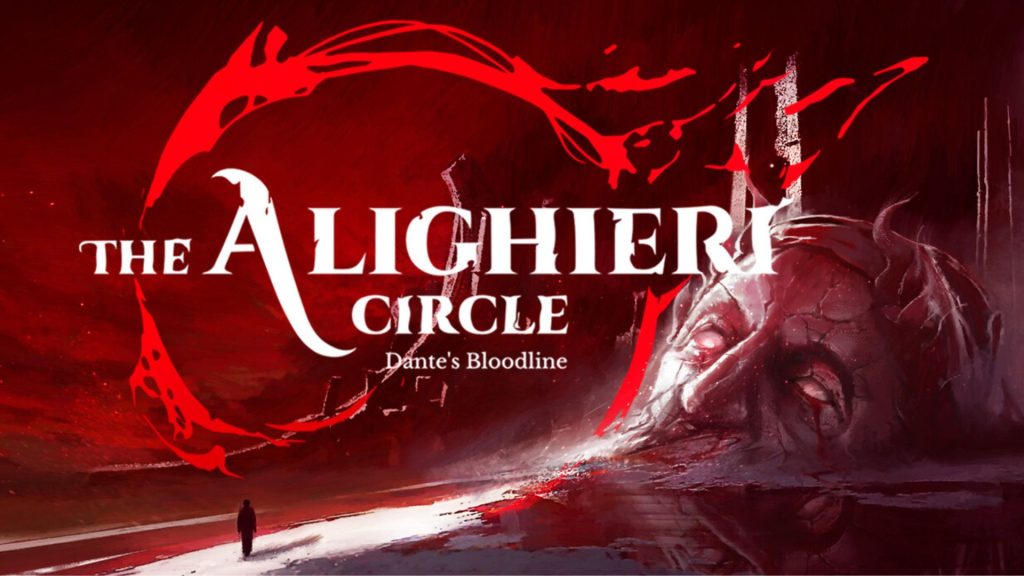
The Alighieri Circle: Dante’s Bloodline is difficult to recommend beyond players who are especially interested in Dante or enjoy solving…
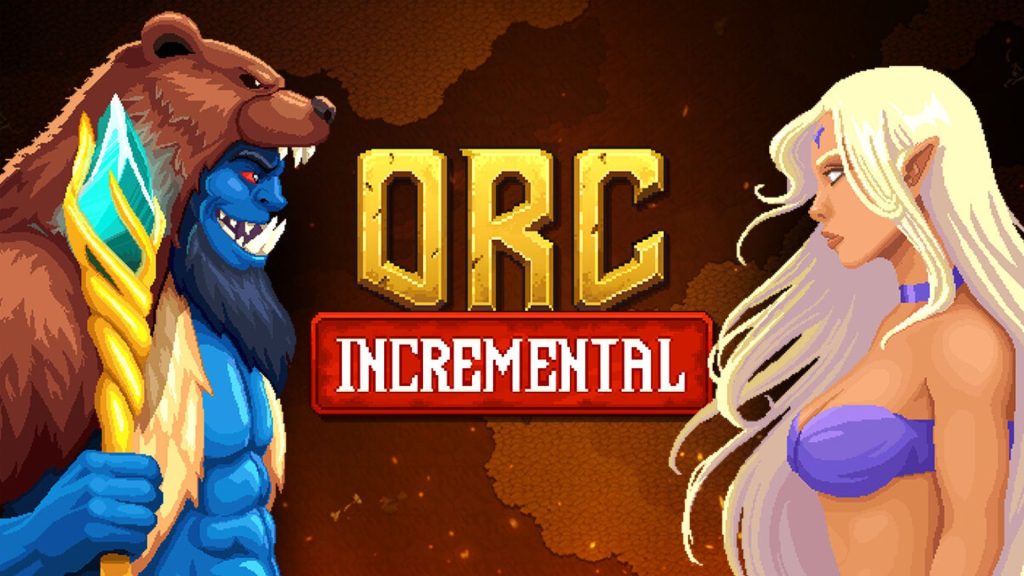
Orc Incremental offers satisfying progression, entertaining totem combinations and enough content to justify its affordable price.
![[GAMESCOM 2026] Chronoscript: The Endless End Preview – Beautiful Pages Hide Deliberate Combat](https://www.indie-games.eu/wp-content/uploads/2026/09/Chronoscript-The-Endless-End-1-1024x576.jpg)
Chronoscript: The Endless End stands out from other Metroidvanias by blending 2D manuscript worlds with exploration inside a 3D manor.
![[GAMESCOM 2026] MegaGum Preview – Combat Hits Hard in This Sticky Platforming Adventure](https://www.indie-games.eu/wp-content/uploads/2026/09/MegaGum-09-09-26-5-1024x576.jpg)
MegaGum combines hard-hitting combat, varied weapons and Gum-powered platforming in a promising Gamescom 2026 demo.
![[GAMESCOM 2026] Delphinium Preview – Cozy Routine Mixed With Enjoyable Minigames](https://www.indie-games.eu/wp-content/uploads/2026/03/Delphinium--1024x665.jpg)
Delphinium mixes cozy farming, exploration and relationships with enjoyable fishing, cooking and forging minigames in its Gamescom 2026 demo.
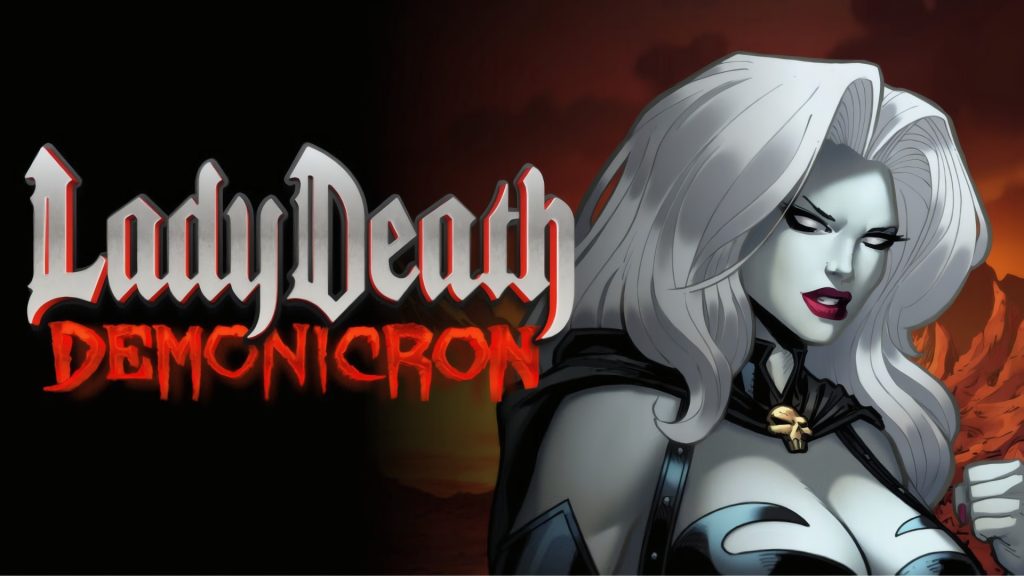
Lady Death: Demonicron looks the part, but underneath its excellent comic-book exterior is a clunky and painfully short brawler.
![[GAMESCOM 2026] Tomb Raider: Legacy of Atlantis Preview – Expands the Original Without Losing Its Identity](https://www.indie-games.eu/wp-content/uploads/2026/09/tomb-raider-legacy-of-atlantis-06-02-26-1-1024x576.jpg)
Tomb Raider: Legacy of Atlantis brings Lara back to her roots, but its Gamescom 2026 showing proved this is far…
![[GAMESCOM 2026] Clive Barker’s Hellraiser: Revival Preview – Ready to Open the Box](https://www.indie-games.eu/wp-content/uploads/2026/09/Clive-Barkers-Hellraiser-Revival-08-30-26-1-1024x576.jpg)
Hellraiser: Revival preserves the franchise’s sex, gore and psychological horror while delivering approachable survival-horror gameplay.

Swan Song creates a peaceful and forgiving puzzle space without removing the challenge that makes solving a difficult puzzle rewarding.
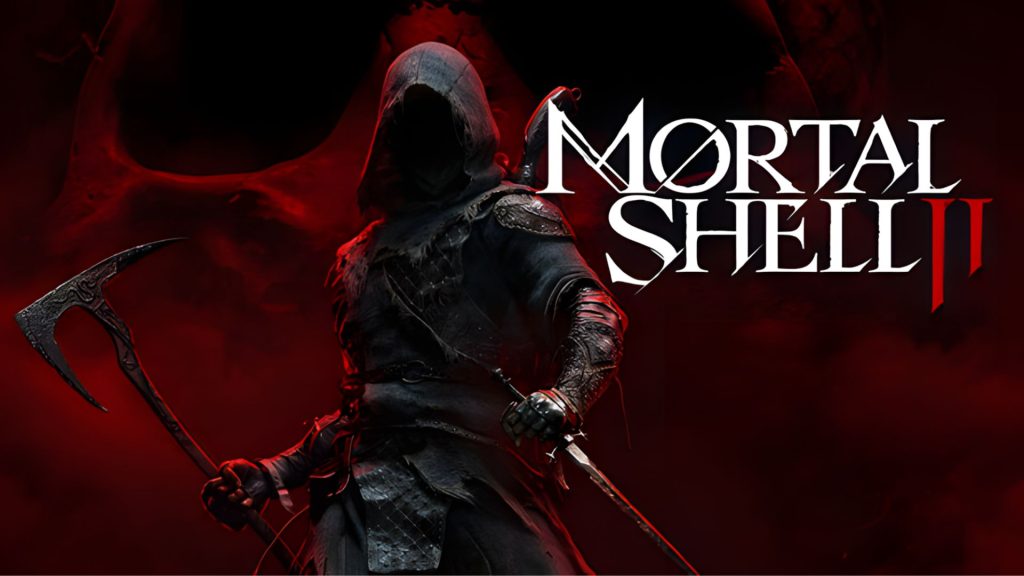
Mortal Shell II starts brilliantly but grows repetitive and exhausting, while remaining a rewarding and ambitious Soulslike sequel.
![[GAMESCOM 2026] Terranigma Preview – A Lost SNES Classic Returns in 2027](https://www.indie-games.eu/wp-content/uploads/2026/08/Terranigma-1-1024x576.jpg)
After more than three decades of limited availability, Terranigma is returning in 2027. We played its enhanced re-release at Gamescom…
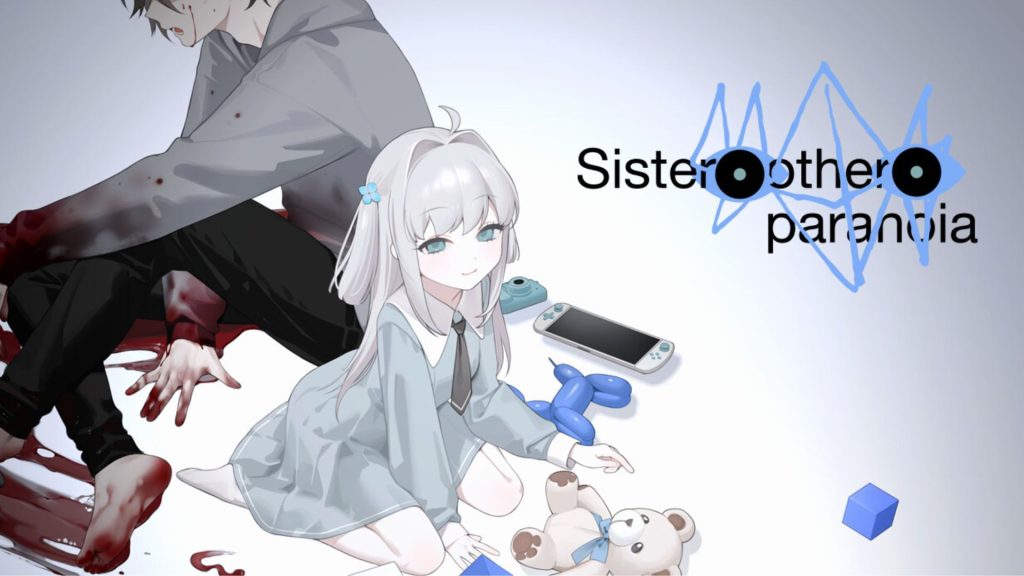
Reading another person’s mind is often presented as a desirable superpower, but Sister Other Paranoia immediately understands why it could…
