Fire Emblem Awakening Retro Review – Unfulfilled Potential
Awakening is worth playing if you enjoy developing characters, experimenting with tactical partnerships, and shaping an army over a massive…


If you enjoy independent indie game coverage, consider supporting Indie-Games.eu on Patreon. It helps keep the site independent.
Project Songbird is an ambitious blend of psychological horror, puzzle-solving, narrative exploration, and light stealth elements. It follows Dakota, a struggling musician dealing with writer’s block, emotional trauma, and personal loss. In search of inspiration, she retreats to an isolated cabin in the forest, setting the stage for a story that explores themes of identity, grief, creativity, and the pressures of the music industry.
The game makes a strong first impression. Its opening hour is particularly effective, slowly building tension as you move from a grounded apartment setting into a surreal and hostile world filled with strange creatures. However, this promising start isn’t fully sustained. While the game introduces intriguing narrative threads early on, many of them feel underdeveloped or unresolved as the story progresses, leading to an overall sense of inconsistency.
Exploration plays a central role, and the game does little to guide you. While this hands-off approach encourages careful investigation, it can become frustrating if you miss a key item; I often found myself forced to backtrack to find what I’d overlooked. The gameplay includes resource management, meaning you can scavenge for ammunition and materials to repair and upgrade weapons like Dakota’s axe.
Combat, unfortunately, is one of the weaker aspects. It feels inconsistent due to unreliable hit detection and clunky mechanics. While you can block, attack, and even stun enemies, encounters often lack polish and can become frustrating. Stealth mechanics are similarly underwhelming, with erratic enemy behavior and unreliable distraction systems.
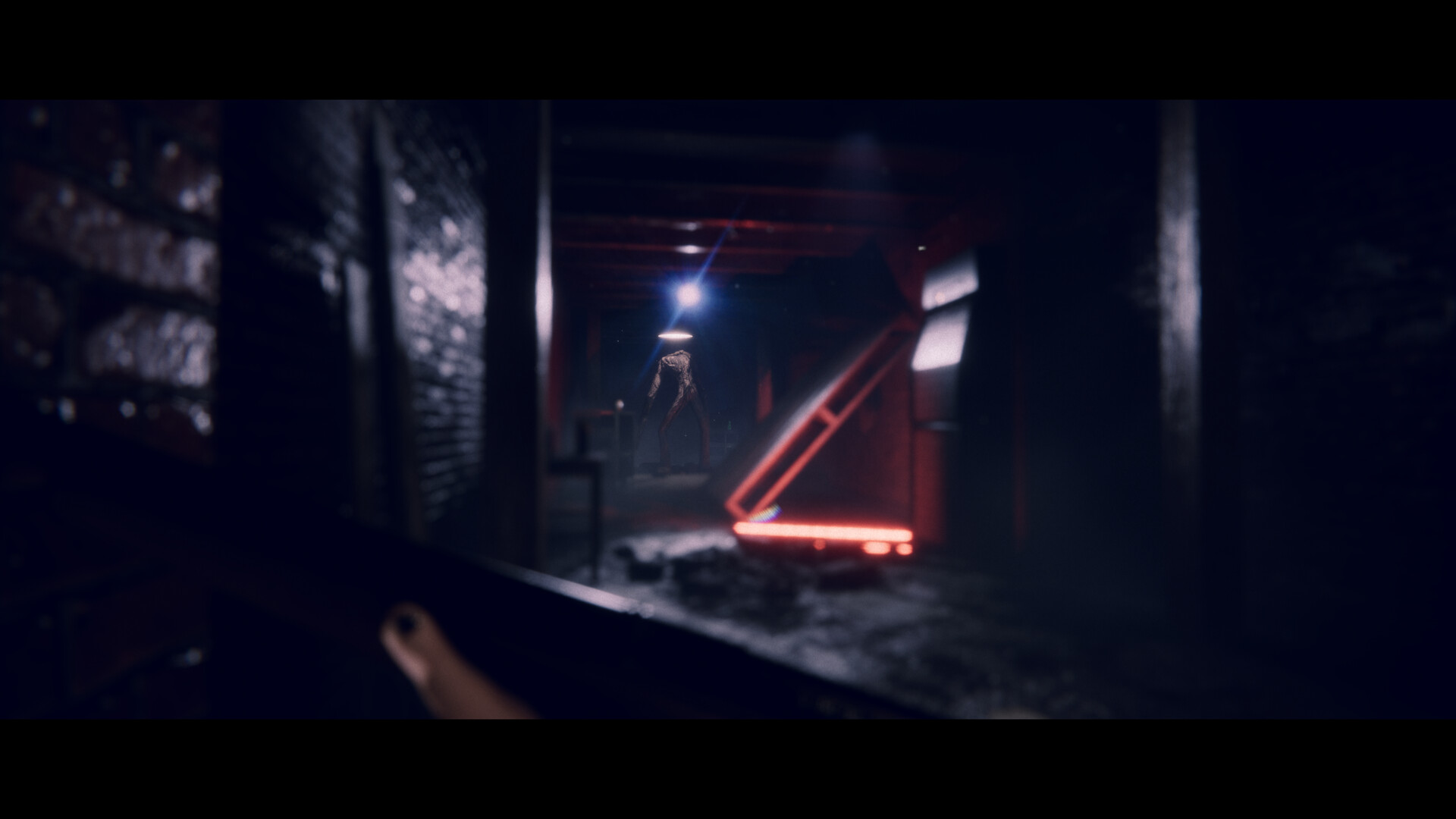
Enemy design is another letdown, as most encounters feel generic and fail to match the strong atmosphere established early on. One recurring “weeping angel”-style enemy, one that moves when not observed, is an interesting concept but becomes tedious over time, especially during puzzle sequences.
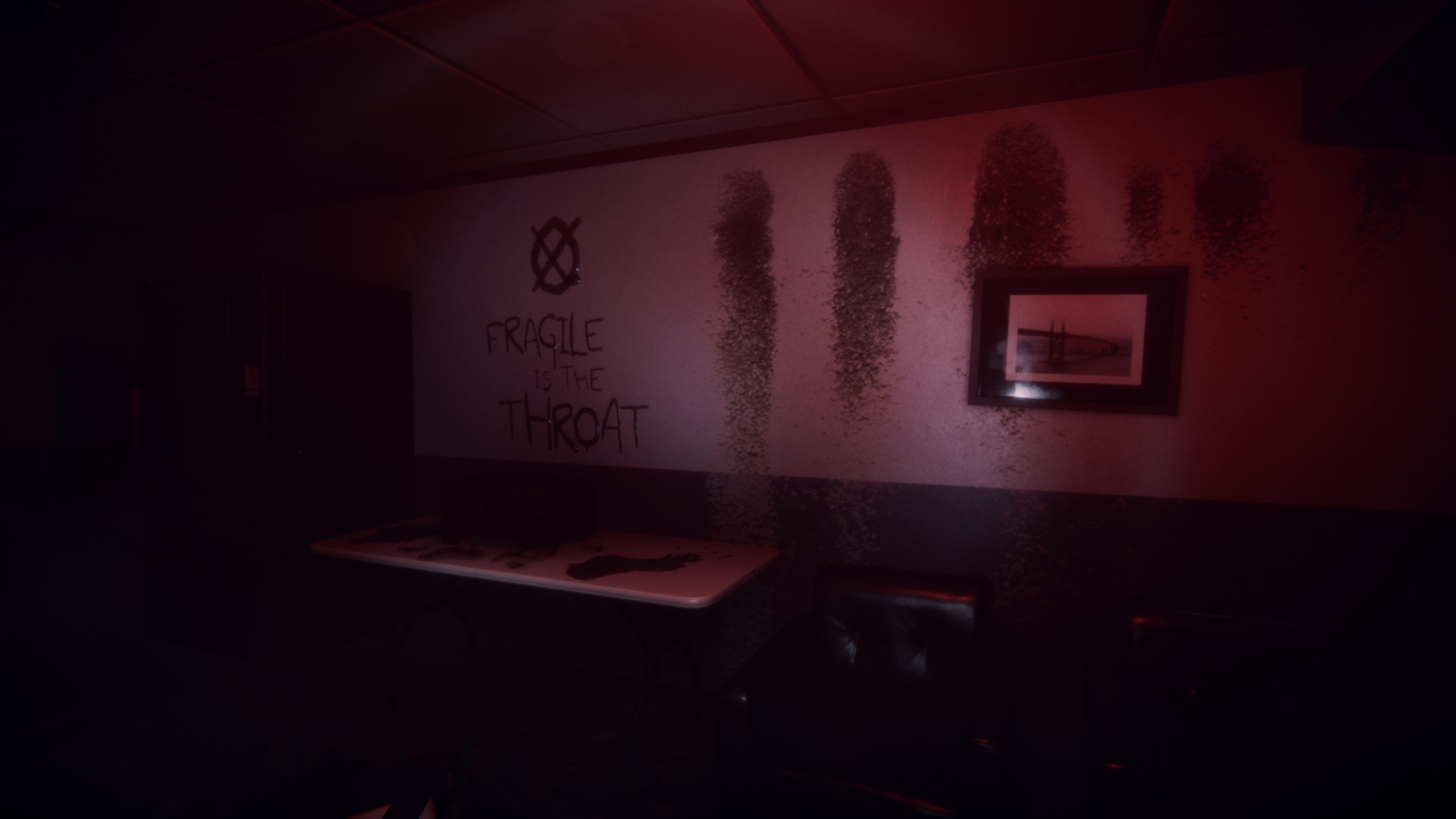
On the other hand, the puzzles are great. They are logical, fair, and well-integrated into the game’s environments and themes. Each chapter introduces new ideas without becoming overly complex, maintaining a satisfying balance between challenge and accessibility. Some mechanics, such as the camera and sound recorder, feel underdeveloped. While they tie into Dakota’s identity as a musician, they have little meaningful impact on gameplay and come across as missed opportunities.
Despite its horror label, Project Songbird isn’t particularly frightening. The abundance of weapons reduces tension, and the enemy designs lack the impact needed to create genuine fear. Where the game truly shines, however, is in its atmosphere and presentation. The environments are beautifully crafted, enhanced by a subtle film grain effect that adds to the overall mood.
Environmental storytelling and Dakota’s personal journal help deepen the experience, offering insight into her thoughts and emotional state. The standout element of the game is also the audio design. Voice acting is exceptional, delivering a high level of emotion and immersion that complements the narrative. Combined with strong sound design, it creates an amazing auditory experience that carries much of the game’s emotional weight.
As a solo developer project, Project Songbird is undeniably ambitious. It introduces a number of interesting ideas, including manual ammo checking and resource conservation, which add a layer of realism and tension when used effectively. However, not all of these ideas are fully realized.
In the end, Project Songbird is a flawed but thoughtful experience. It may not fully succeed as a horror game, and its gameplay mechanics can feel rough, but its atmosphere, voice acting, and emotional core make it worth experiencing. The ending, while somewhat ambiguous, invites reflection and gradually comes together with a bit of thought.
Project Songbird is a game of contrasts: ambitious and emotionally resonant in its audio and atmosphere, yet frustratingly inconsistent in its gameplay execution. The exceptional voice acting and beautifully crafted environments create a powerful mood, and the puzzle design is genuinely strong. However, combat is “clunky” with unreliable hit detection, stealth mechanics are underwhelming, and enemy design feels generic rather than frightening. The promising narrative threads introduced early feel underdeveloped or unresolved.
Ending Thoughts
Review copy provided by the publisher
Awakening is worth playing if you enjoy developing characters, experimenting with tactical partnerships, and shaping an army over a massive…
Duskfade is worth considering for players who miss colourful PS2-style action-platformers and can tolerate basic combat, floaty movement and backtracking.

Man I Just Wanna Go Home is a noir crime story with visuals from MS Paint and life-or-death choices.
![[GAMESCOM 2026] Vikings Dynasty Preview – Expands the Dynasty Formula](https://www.indie-games.eu/wp-content/uploads/2026/09/Viking-Dynasty-09-21-26-2-1024x576.jpg)
After showing me Prospera at Gamescom 2026, Toplitz Productions' Mathias Oertel moved to a very different kind of settlement builder.…
![[GAMESCOM 2026] Prospera Preview – Production, Prosperity and Victorian Industry](https://www.indie-games.eu/wp-content/uploads/2026/09/Prospera-09-21-26-5-1024x576.jpg)
At Gamescom 2026, I met with Toplitz Productions' Mathias Oertel for a guided presentation of two upcoming games. One of…
Golden Swirl inventive card combat carries the experience, but repetitive rooms, weak upgrades and excessive dialogue hold it back.
![[GAMESCOM 2026] Wilderdark Preview – Ambitious Dinosaur Horror Game That Still Has Plenty to Prove](https://www.indie-games.eu/wp-content/uploads/2026/09/Wilderdark-1024x576.jpg)
Dinosaur survival horror game Wilderdark has one of those premises that immediately makes you wonder why more games have not…
![[PREVIEW] Tiny Metal 2 – Strategy Game That Wants You to Learn From Every Mistake](https://www.indie-games.eu/wp-content/uploads/2026/09/Tiny-Metal-2-1024x576.jpg)
I rarely enjoy discovering that my opening strategy was completely wrong, but Tiny Metal 2 made that process one of…
![[PREVIEW] Remothered: Red Nun’s Legacy – Ambitious Survival Horror That Needs More Polish](https://www.indie-games.eu/wp-content/uploads/2026/09/Remothered-Red-Nuns-Legacy-4-1024x576.jpg)
Remothered: Red Nun’s Legacy has a gripping atmosphere and promising survival tools, but its repetitive hiding and rough visuals need…
The Alighieri Circle: Dante’s Bloodline is difficult to recommend beyond players who are especially interested in Dante or enjoy solving…

Orc Incremental offers satisfying progression, entertaining totem combinations and enough content to justify its affordable price.
![[GAMESCOM 2026] Chronoscript: The Endless End Preview – Beautiful Pages Hide Deliberate Combat](https://www.indie-games.eu/wp-content/uploads/2026/09/Chronoscript-The-Endless-End-1-1024x576.jpg)
Chronoscript: The Endless End stands out from other Metroidvanias by blending 2D manuscript worlds with exploration inside a 3D manor.
![[GAMESCOM 2026] MegaGum Preview – Combat Hits Hard in This Sticky Platforming Adventure](https://www.indie-games.eu/wp-content/uploads/2026/09/MegaGum-09-09-26-5-1024x576.jpg)
MegaGum combines hard-hitting combat, varied weapons and Gum-powered platforming in a promising Gamescom 2026 demo.
![[GAMESCOM 2026] Delphinium Preview – Cozy Routine Mixed With Enjoyable Minigames](https://www.indie-games.eu/wp-content/uploads/2026/03/Delphinium--1024x665.jpg)
Delphinium mixes cozy farming, exploration and relationships with enjoyable fishing, cooking and forging minigames in its Gamescom 2026 demo.
Lady Death: Demonicron looks the part, but underneath its excellent comic-book exterior is a clunky and painfully short brawler.
![[GAMESCOM 2026] Tomb Raider: Legacy of Atlantis Preview – Expands the Original Without Losing Its Identity](https://www.indie-games.eu/wp-content/uploads/2026/09/tomb-raider-legacy-of-atlantis-06-02-26-1-1024x576.jpg)
Tomb Raider: Legacy of Atlantis brings Lara back to her roots, but its Gamescom 2026 showing proved this is far…
![[GAMESCOM 2026] Clive Barker’s Hellraiser: Revival Preview – Ready to Open the Box](https://www.indie-games.eu/wp-content/uploads/2026/09/Clive-Barkers-Hellraiser-Revival-08-30-26-1-1024x576.jpg)
Hellraiser: Revival preserves the franchise’s sex, gore and psychological horror while delivering approachable survival-horror gameplay.

Swan Song creates a peaceful and forgiving puzzle space without removing the challenge that makes solving a difficult puzzle rewarding.

Mortal Shell II starts brilliantly but grows repetitive and exhausting, while remaining a rewarding and ambitious Soulslike sequel.
![[GAMESCOM 2026] Terranigma Preview – A Lost SNES Classic Returns in 2027](https://www.indie-games.eu/wp-content/uploads/2026/08/Terranigma-1-1024x576.jpg)
After more than three decades of limited availability, Terranigma is returning in 2027. We played its enhanced re-release at Gamescom…
