![[GAMESCOM 2026] Clive Barker’s Hellraiser: Revival Preview – Ready to Open the Box](https://www.indie-games.eu/wp-content/uploads/2026/09/Clive-Barkers-Hellraiser-Revival-08-30-26-1-1024x576.jpg)
[GAMESCOM 2026] Clive Barker’s Hellraiser: Revival Preview – Ready to Open the Box
Hellraiser: Revival preserves the franchise’s sex, gore and psychological horror while delivering approachable survival-horror gameplay.


If you enjoy independent indie game coverage, consider supporting Indie-Games.eu on Patreon. It helps keep the site independent.
Ranger’s Path: National Park Simulator is exactly what it sounds like, a game where you step into the role of a park ranger and take care of daily responsibilities in a large natural environment. As a title published by Astragon Entertainment, it comes with some familiar expectations. On one hand, the game looks visually appealing and offers a unique concept; on the other, it struggles with technical issues and relies heavily on repetitive, task-based gameplay, often built around mini-game mechanics.
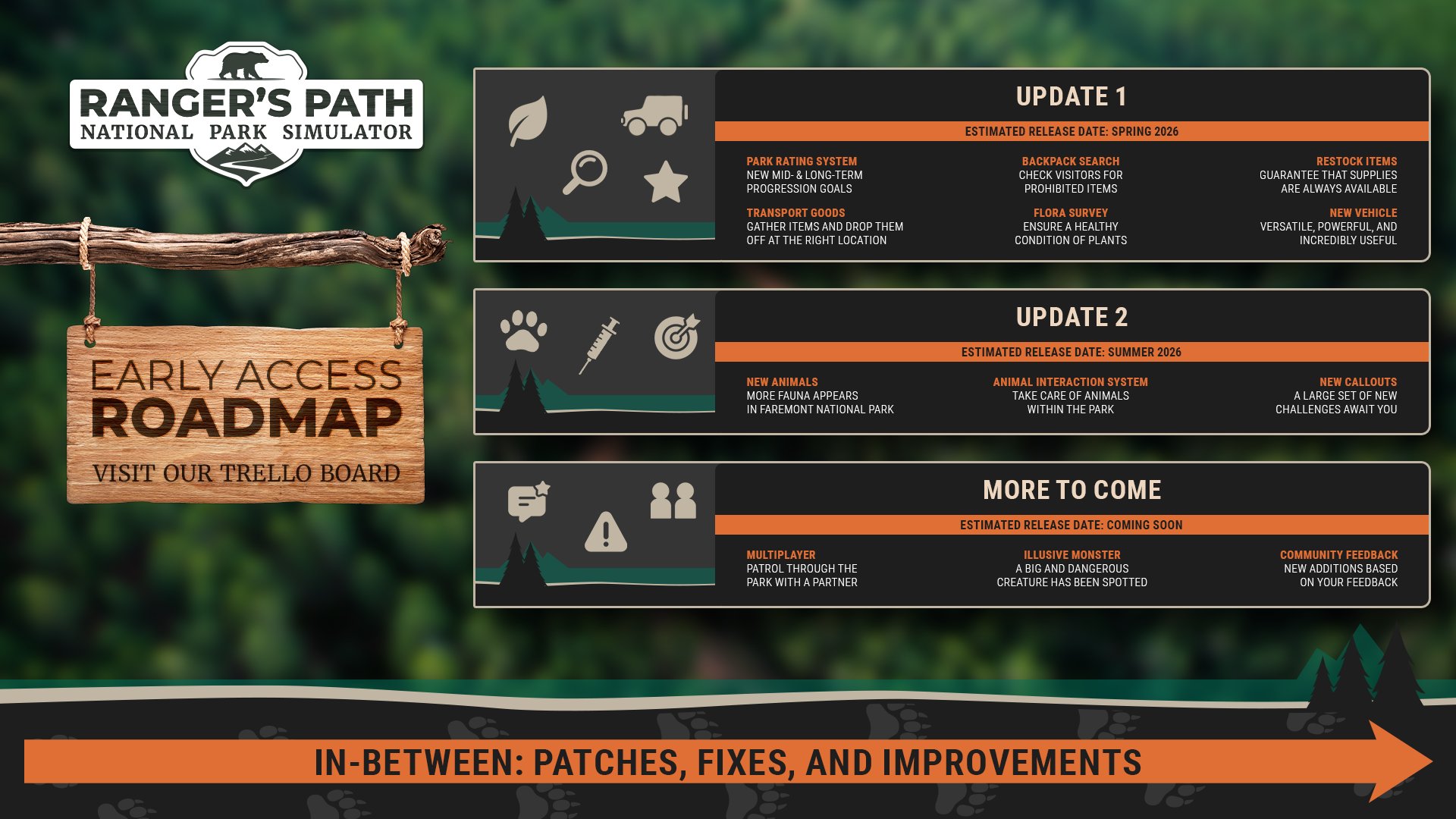
At its core, the game aims to deliver a cozy, relaxing, and stress-free experience set in Faremont National Park. You explore a semi-open world filled with forests, riversides, and meadows, occasionally using a vehicle to travel faster, although most of your time is spent on foot. Because of this, the game often feels like a walking simulator, especially since there is no fast travel system. As a result, moving back and forth across the map can become tedious, particularly when objectives require you to revisit the same areas repeatedly.
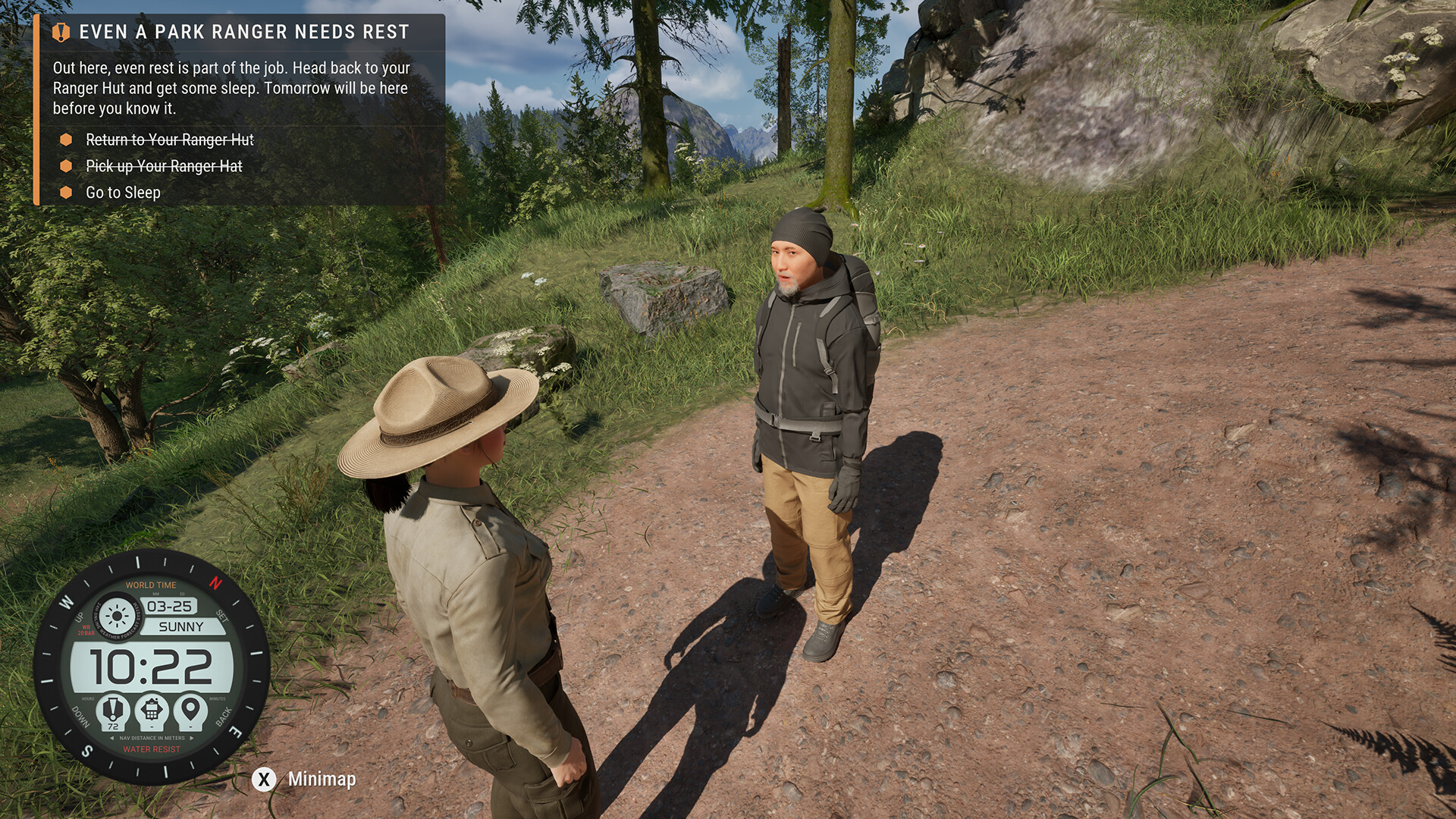
The gameplay primarily revolves around maintenance tasks. You repair signposts, fix benches, clean up campsites, and handle general upkeep across the park. While the use of tools like hammers, screwdrivers, and wrenches adds a bit of interaction, the overall loop quickly becomes repetitive. For instance, trash collection is a constant activity, but it often feels excessive, with large amounts of litter scattered around areas that should realistically be maintained by visitors themselves.
In addition to maintenance work, you can interact with park visitors by checking permits, issuing warnings, or handing out fines. However, these interactions add little depth and tend to feel like optional chores rather than meaningful gameplay elements. Unless required for progression, they are easy to ignore due to how repetitive and unrewarding they become over time.
Progression is tied to experience points, which you earn by completing tasks. Sadly, it’s mostly used to unlock new story moments and I personally don’t see the point of it if it does not unlock anything when we level up. The story itself is minimal and mainly serves as a guide to introduce different mechanics and responsibilities. While it provides some structure, it doesn’t significantly improve the overall experience. At the same, once you complete the main objectives, the game shifts into a loop of repeating the same activities without much variation.
Despite these shortcomings, there are aspects the game does well. One of the more enjoyable features is the camera and lexicon system, which allows you to photograph animals and plants. This mechanic encourages exploration and adds a sense of discovery, as you gradually build a catalog of wildlife. It’s simple but effective, and it fits well with the game’s relaxed tone.
Visually, the game is impressive. The environments are detailed and atmospheric, making exploration enjoyable from a purely aesthetic standpoint. However, this comes at a cost. The game suffers from technical issues, including occasional stuttering and brief freezes. While these problems don’t completely ruin the experience, they can make the otherwise smooth presentation feel inconsistent. Lowering the graphical settings helps, but the issues are still noticeable.
The world itself is lively, with various animals and NPCs populating the park. However, wildlife lacks interaction, serving more as background elements than active parts of the ecosystem. Similarly, the number of NPCs may contribute to the game’s performance issues, as the engine seems to struggle with maintaining stability when many characters are present.
The game also includes missions where you rescue lost or injured NPCs, however, these encounters are overly simplistic and lack meaningful engagement. Also, the day-night cycle, varying weather conditions, and side tasks provide a nice change of pace, but they lack the depth necessary to keep the game engaging over the long term.
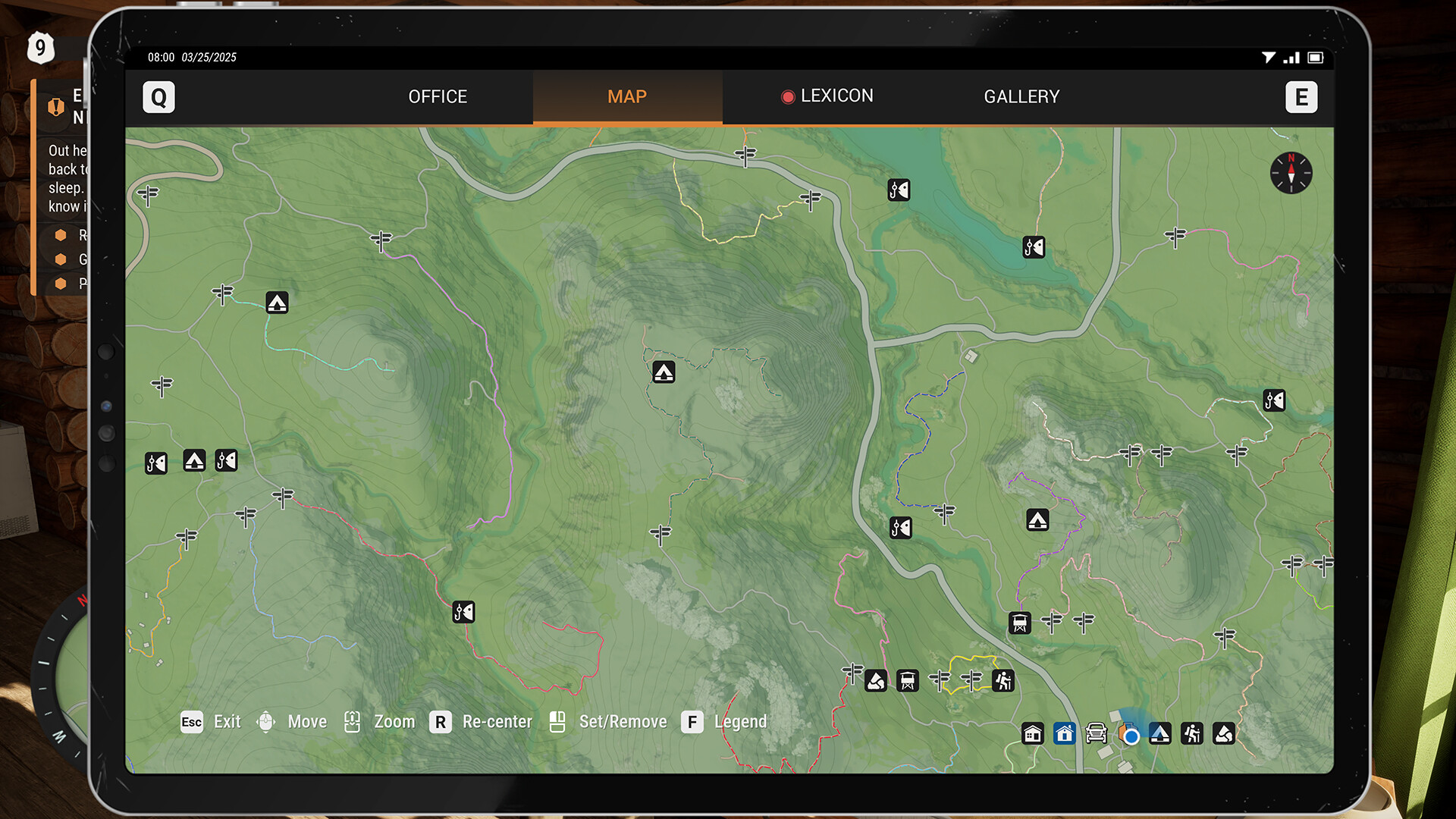
In the end, Ranger’s Path: National Park Simulator offers a solid foundation with a clear vision. Its relaxing atmosphere, beautiful environments, and simple gameplay loop can be appealing, especially for anyone looking for a calm, low-pressure experience. However, the lack of variety, repetitive tasks, and technical shortcomings hold it back. After around six to seven hours, the gameplay begins to feel monotonous, making it difficult to stay engaged.
For now, the game feels somewhat barebones, which is understandable given its early access state. If you enjoy slower-paced, task-oriented simulators, it may still be worth trying. Otherwise, it’s probably best to wait for future updates that expand the content and refine the overall experience.
Ranger’s Path: National Park Simulator offers a visually appealing, relaxing concept that will appeal to fans of slow-paced, task-oriented simulators. The camera and lexicon system encourages exploration and discovery, and the detailed environments create a pleasant atmosphere. However, the game is undermined by repetitive gameplay, tedious traversal with no fast travel, shallow mechanics across most systems, and noticeable technical issues like stuttering and freezes. Progression feels pointless, and the experience becomes monotonous after six to seven hours.
Ending Thoughts
Review copy provided by the publisher
Hellraiser: Revival preserves the franchise’s sex, gore and psychological horror while delivering approachable survival-horror gameplay.

Swan Song creates a peaceful and forgiving puzzle space without removing the challenge that makes solving a difficult puzzle rewarding.

Mortal Shell II starts brilliantly but grows repetitive and exhausting, while remaining a rewarding and ambitious Soulslike sequel.
![[GAMESCOM 2026] Terranigma Preview – A Lost SNES Classic Returns in 2027](https://www.indie-games.eu/wp-content/uploads/2026/08/Terranigma-1-1024x576.jpg)
After more than three decades of limited availability, Terranigma is returning in 2027. We played its enhanced re-release at Gamescom…

Reading another person’s mind is often presented as a desirable superpower, but Sister Other Paranoia immediately understands why it could…
Forsaken Realms: Vahrin’s Call is exactly the kind of ambitious, slightly clumsy fantasy RPG that used to be far more…
![[Early Access] 2nd EVE – Sci-Fi Action RPG That Lacks a Sense of Stakes](https://www.indie-games.eu/wp-content/uploads/2026/08/2ND-EVE-1024x576.jpg)
2nd Eve is a space-set action RPG in which we strive to save humanity.
![[PREVIEW] Dreamcards – Strategic Exploration of Consciousness](https://www.indie-games.eu/wp-content/uploads/2026/08/Dreamcards_20260810_233631_0000-1024x576.jpg)
Dreamcards is a roguelike deckbuilder centered around dreams and nightmares.
![[Early Access] OFFBEAT – Incredibly Fun Way to Start a Music Career](https://www.indie-games.eu/wp-content/uploads/2026/08/Offbeat_20260808_201446_0000-1024x576.jpg)
In OFFBEAT, we play the role of a jobbing composer who is launching their music career.

HellSlave II retains the original’s oppressive atmosphere, morally grey world and striking art while adding a larger world, randomized loot…
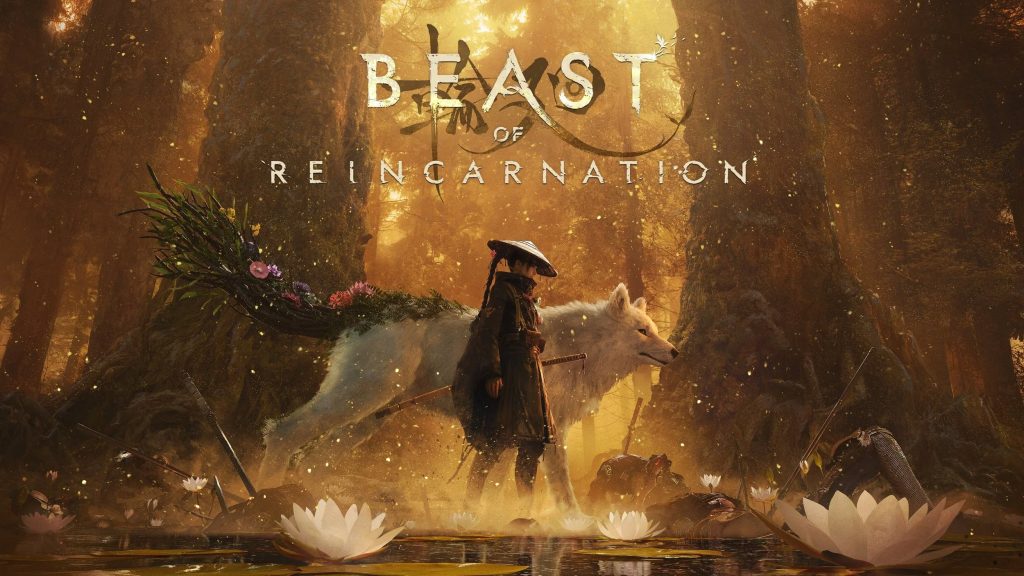
Beast of Reincarnation is an ambitious but uneven action RPG elevated by satisfying parry combat, beautiful art direction and the…

K-pop Idol Stories: Road to Debut captures the pressure of building idol group, but its management systems never explore that…
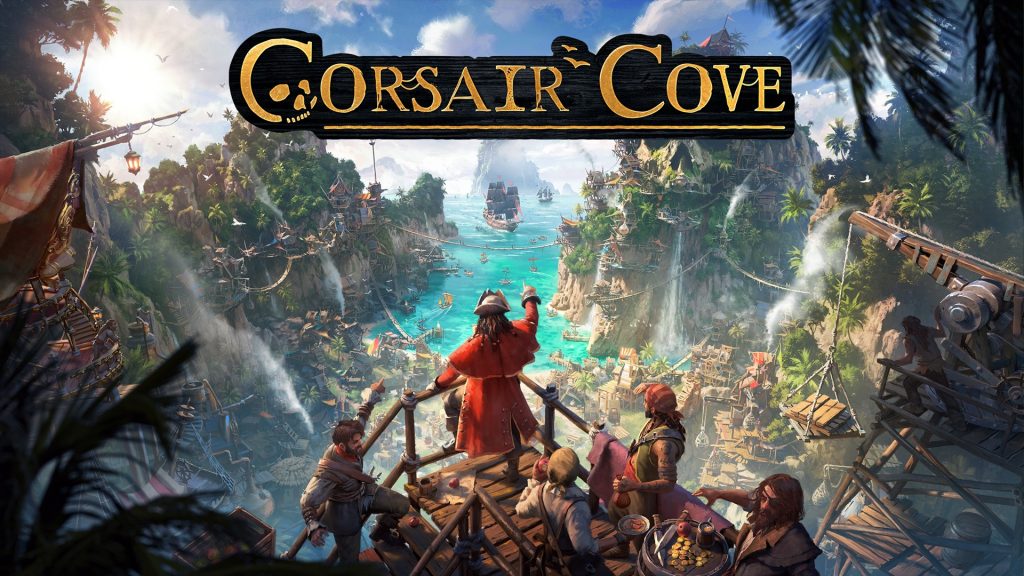
Hooded Horse keeps finding strategy games that know their audience, and Corsair Cove extends its impressive run of excellent city-builders.
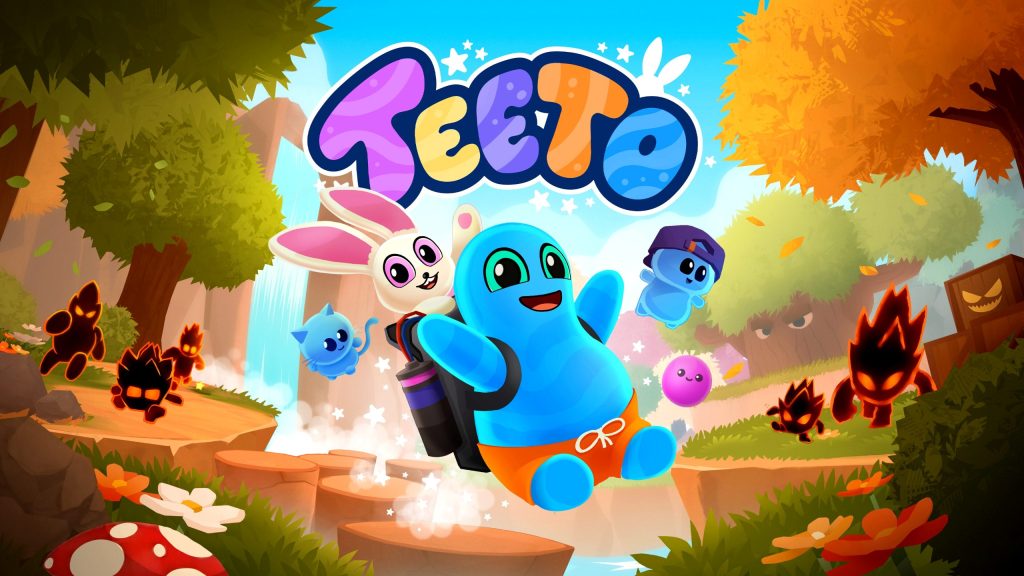
Teeto is a warm, cozy, creative and highly enjoyable 3D platformer that understands why classic collectathons remain so appealing.
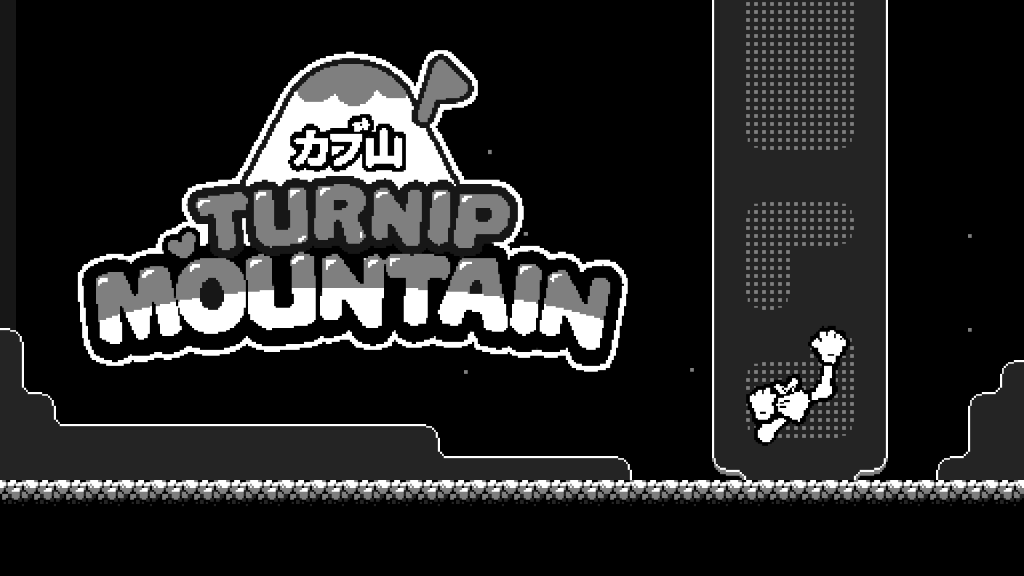
Turnip Mountain stands out for its combination of a unique control system and a minimalist approach.
Dystopicon is an imaginative and memorable narrative experiment with sharp social commentary, engaging world-building and several wonderfully absurd scenarios.

Maneki Mania is an incremental game centered around petting a lucky cat.
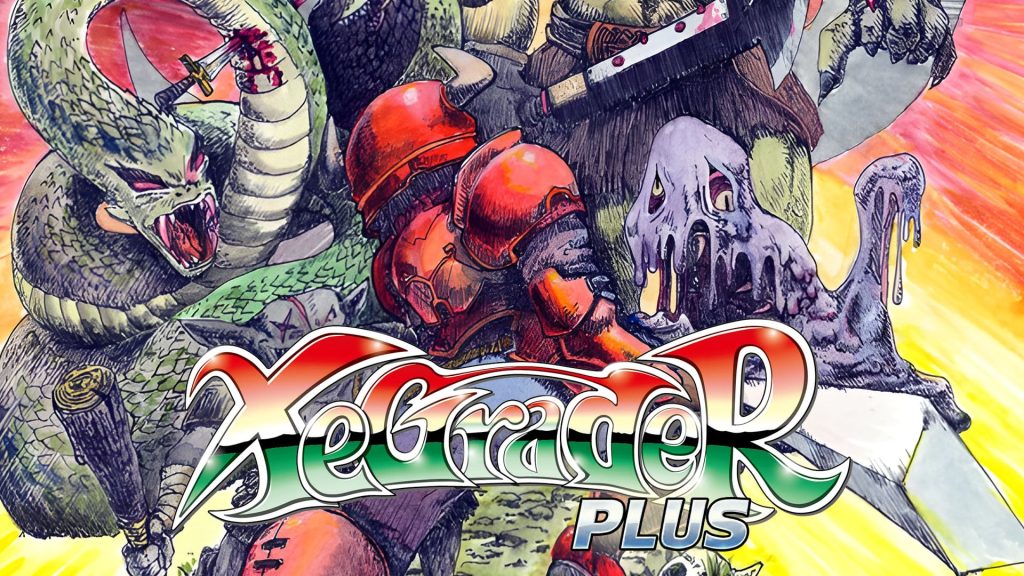
XeGrader Plus delivers colorful retro shooting, but basic mechanics, a short campaign and paid retro modes make its €20 price…
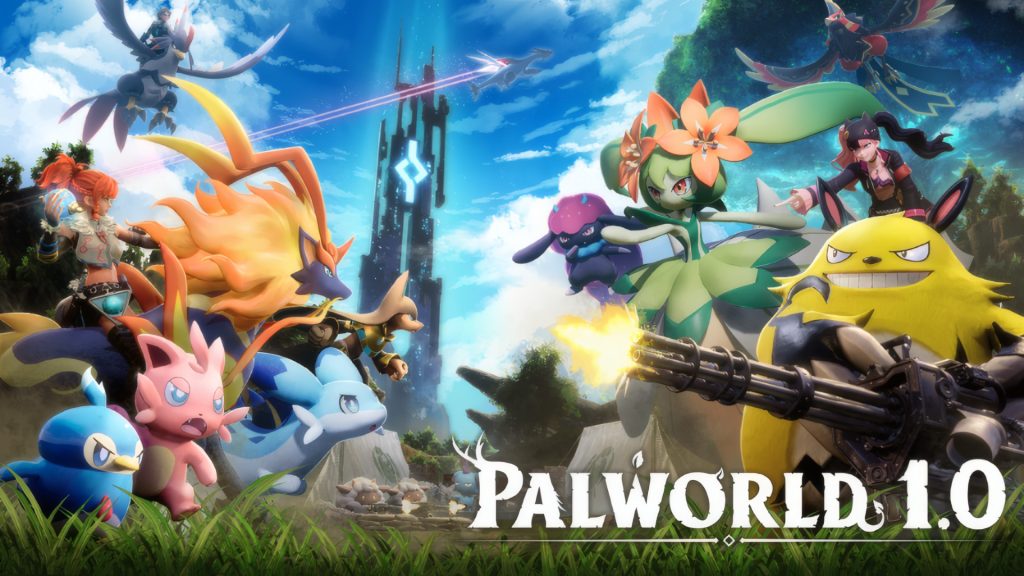
It has been roughly two and a half years since Palworld first entered Early Access, and quite a lot has…
![[EARLY ACCESS] The Last Caretaker – Survival Game I Cannot Stop Playing](https://www.indie-games.eu/wp-content/uploads/2026/07/The-last-Caretaker-Key-Art-1024x587.jpg)
The Last Caretaker is a compelling survival crafter with a flooded world and mobile base, but weak combat and performance…
