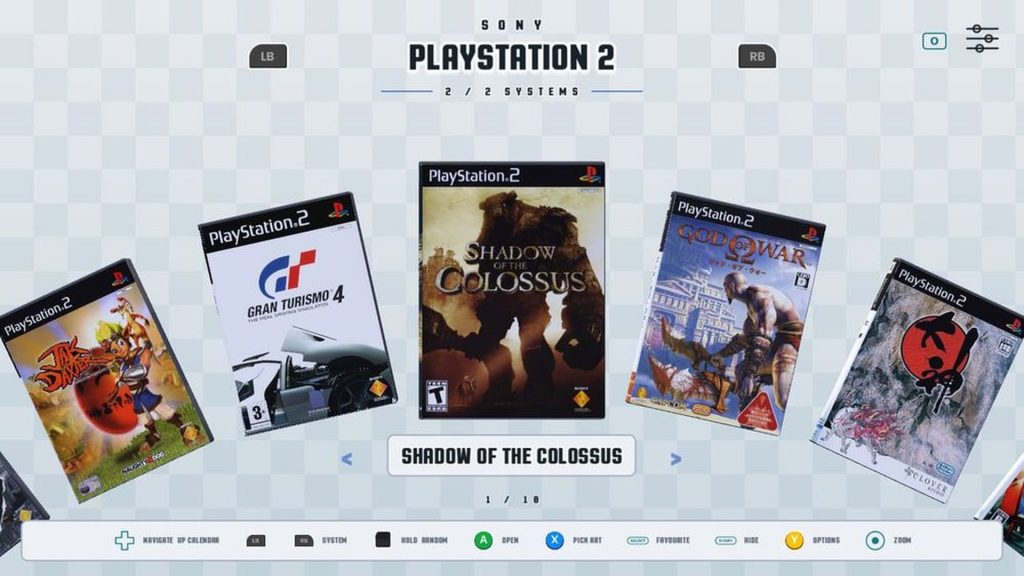
DigiBitPlay Turns Digital Libraries Into Physical Collections
DigiBitPlay presents digital game libraries through interactive 3D boxes, discs, cartridges, consoles and scanned manuals.


If you enjoy independent indie game coverage, consider supporting Indie-Games.eu on Patreon. It helps keep the site independent.
On December 22, 1987, a quiet but important shift in action games began with the release of Metal Gear on the Japanese Famicom. Metal Gear asked players to slow down, stay hidden, and avoid fights whenever possible. Today marks the game’s 38th anniversary and the birth of a series that has sold over 65 million copies worldwide while turning Hideo Kojima into one of the most well-known creative voices in gaming.
The idea behind Metal Gear was born earlier that year on the MSX2 home computer. Kojima was asked to make a military action game, but the hardware struggled to handle many enemies or bullets on screen at once. Instead of fighting the limits, he worked around them. Inspired by movies like The Great Escape, he built a game where survival depended on avoiding enemies, not defeating them.
The Famicom version, which later became the NES release in the West, tells a more complicated story. This port was made by a different Konami team without Kojima’s involvement and was rushed in just three months. Kojima has openly criticized this version over the years, calling it deeply flawed. Levels were changed, progression became more linear, and several bugs slipped in. The biggest change came at the end, where the famous Metal Gear machine was removed and replaced with a stationary computer due to system limits.
Even with these flaws, the Famicom and NES versions were how many players first met Solid Snake. Set in the year 1995, the story follows the FOXHOUND agent as he sneaks into the Outer Heaven base in South Africa to destroy the Metal Gear weapon. Along the way, Snake uncovers a shocking truth involving his commander, Big Boss. Despite the weaker hardware, the game still felt unique thanks to ideas like radio calls for advice, top-down stealth movement, and clever tools such as cigarettes used to spot laser traps.
The success of the NES version, especially in North America where it sold more than a million copies, helped save the series. Its popularity led Konami to greenlight a sequel for Western players, Snake’s Revenge. That decision pushed Kojima to return and create his own follow-up, Metal Gear 2: Solid Snake, for the MSX2. These ideas would later grow into Metal Gear Solid in 1998, which brought the series into 3D and set a new standard for storytelling in games.
DigiBitPlay presents digital game libraries through interactive 3D boxes, discs, cartridges, consoles and scanned manuals.
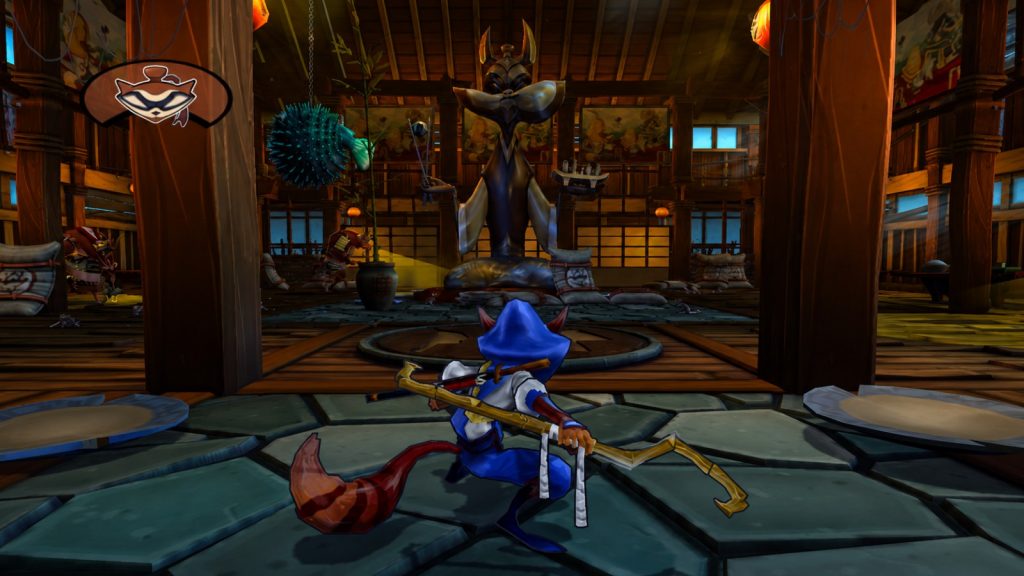
Project Cane shows new Sly Cooper PC footage, but the unofficial native port still needs menus, audio, saving, controls and…
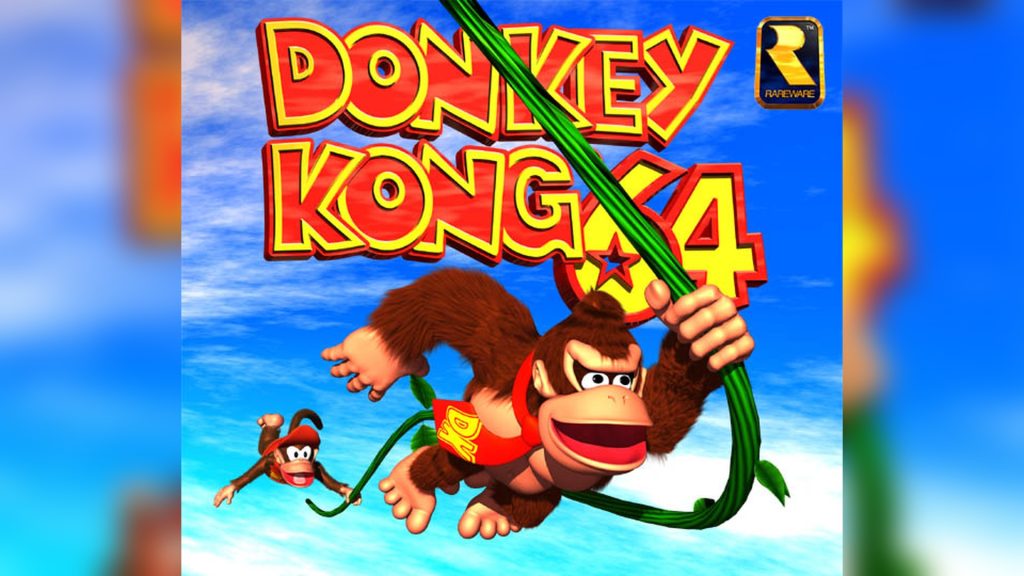
Donkey Kong 64 now runs natively on Windows, Linux and macOS with widescreen, uncapped frame rates, modern controls and optional…
PCSX2 2.8.0 delivers major performance and graphics improvements alongside EyeToy support, interface upgrades and bundled FFmpeg.
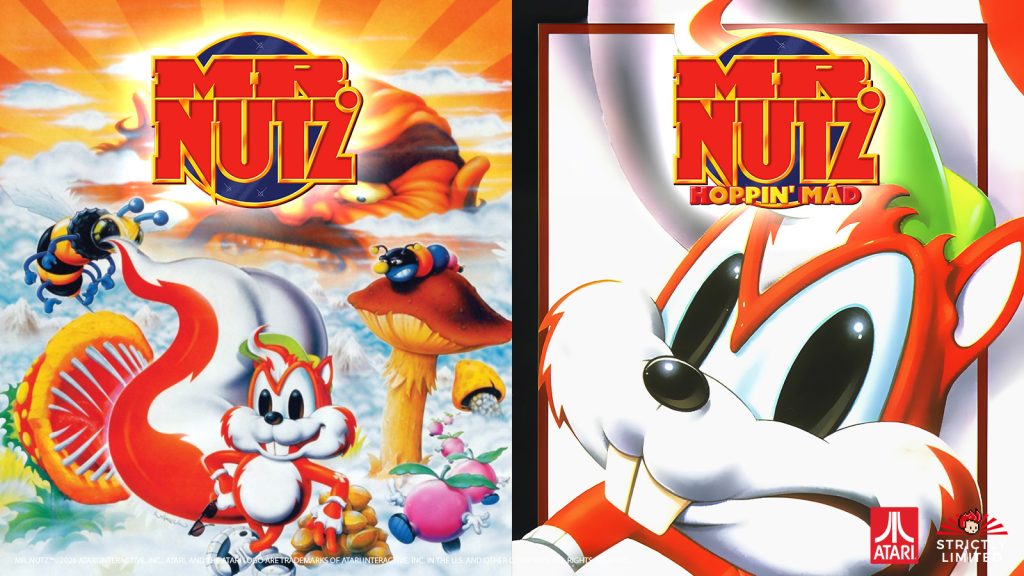
Mr. Nutz and the previously unreleased Mega Drive sequel Hoppin' Mad are receiving new physical cartridges from Strictly Limited Games…
Sony will close the PlayStation 3 Store in July 2027, while RPCS3 fully supports 75% of the console's library, highlighting…
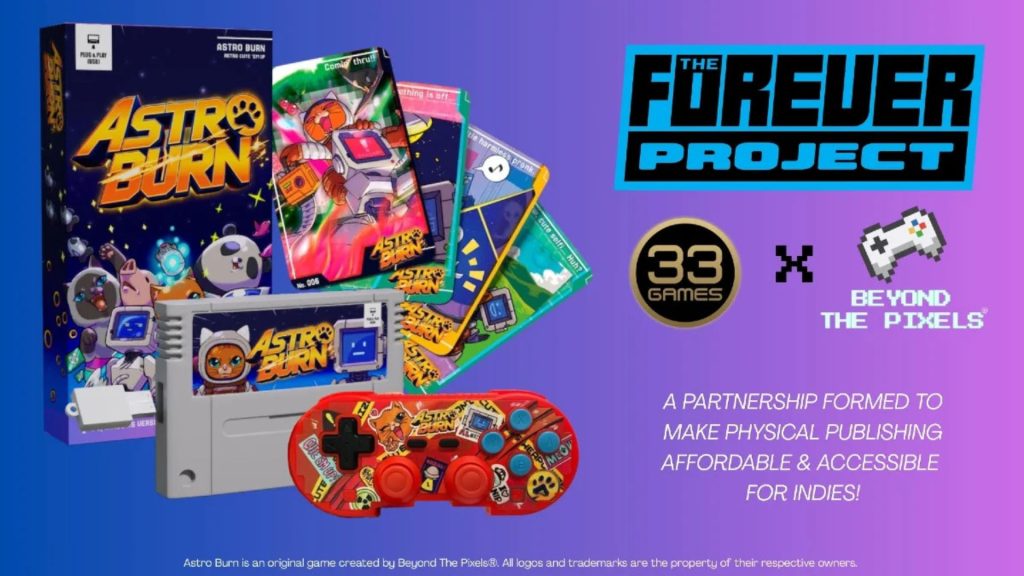
The Forever Project aims to make physical game releases more affordable for indie developers through a partnership between 33 Games…
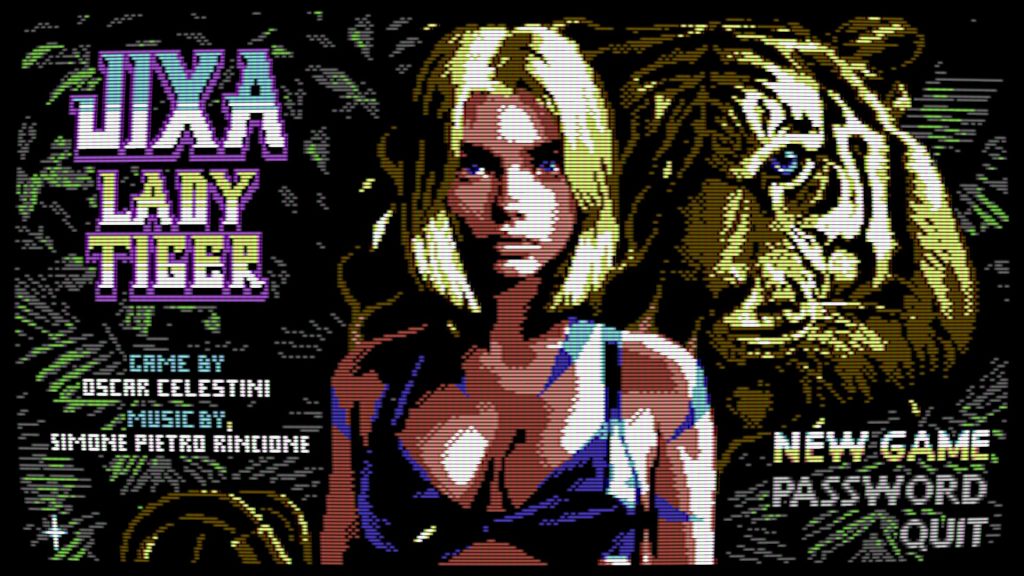
Indie developer Oscar Celestini is expanding his retro-inspired platformer with Jixa Lady Tiger Plus, an enhanced edition that significantly builds…
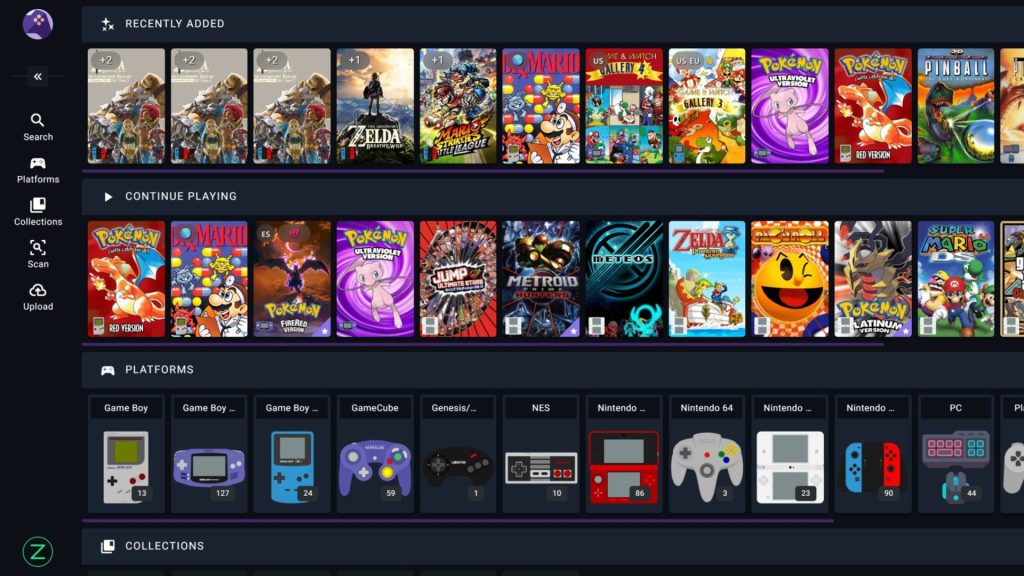
RomM is a free, open-source, self-hosted platform that organizes ROM libraries, fetches metadata, and supports browser-based emulation.
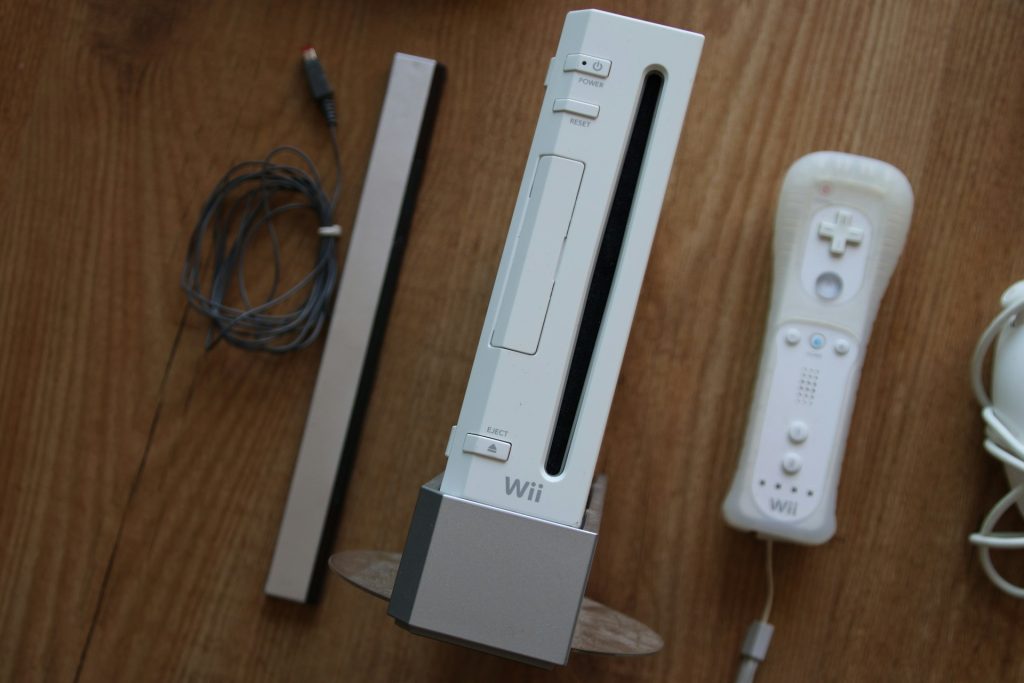
The developers behind Wii64 have released Beta 1.4, marking the Nintendo 64 emulator's first major update in more than five…
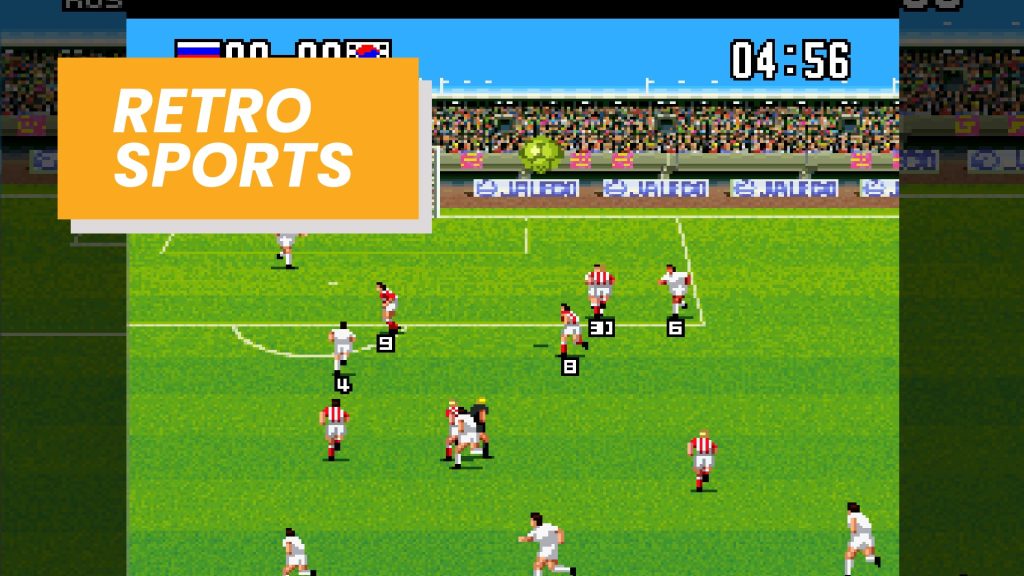
Rock It Games has brought Jaleco Sports: Bases Loaded II and Goal! Two to PC after successful Nintendo Switch and…
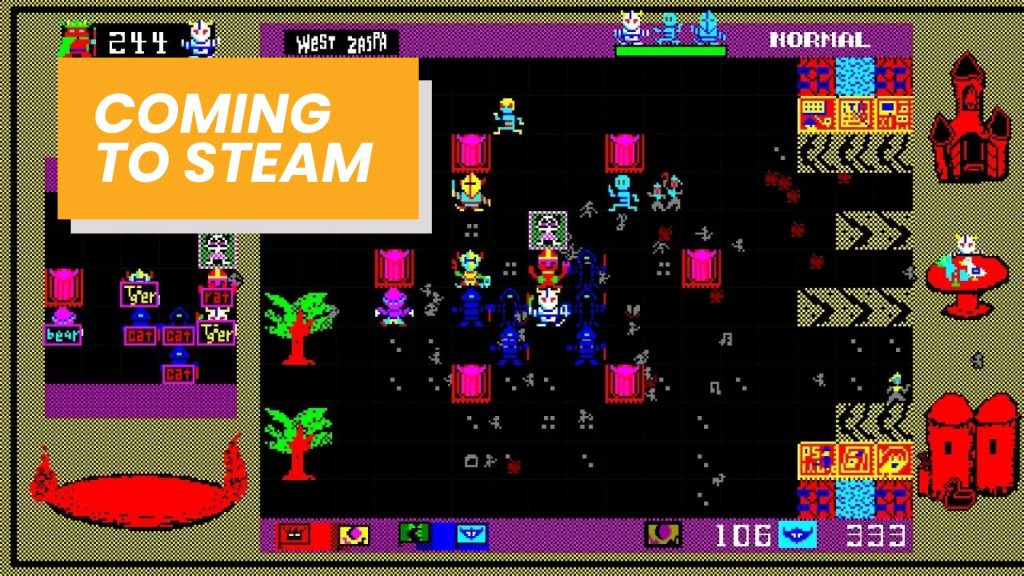
Developer Pygmy Studio has announced that Bokosuka Wars II will launch on PC via Steam in 2026, bringing the tactical…
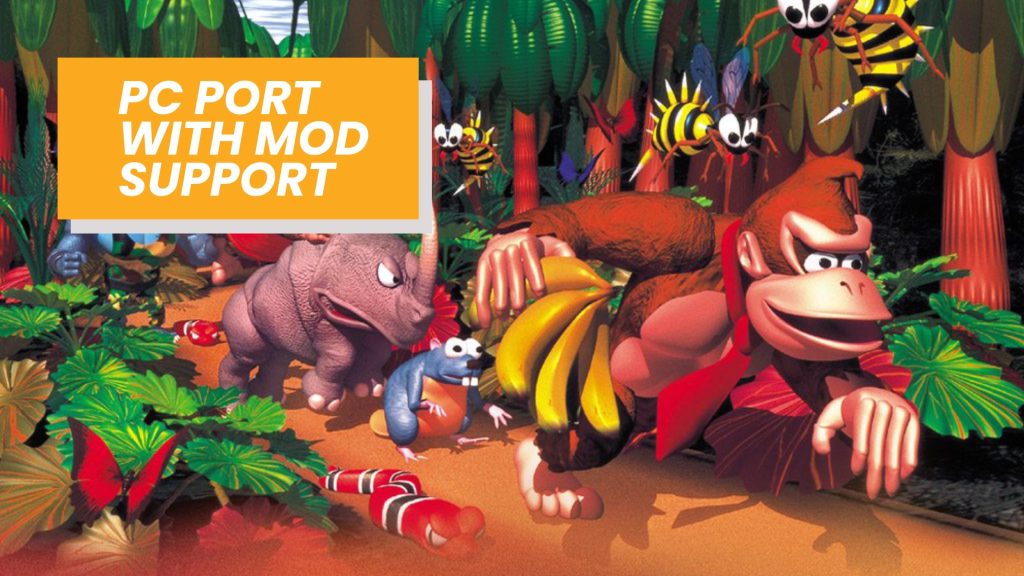
An unofficial native PC port of Donkey Kong 64 is in development, bringing rare's Nintendo 64 classic to modern hardware…
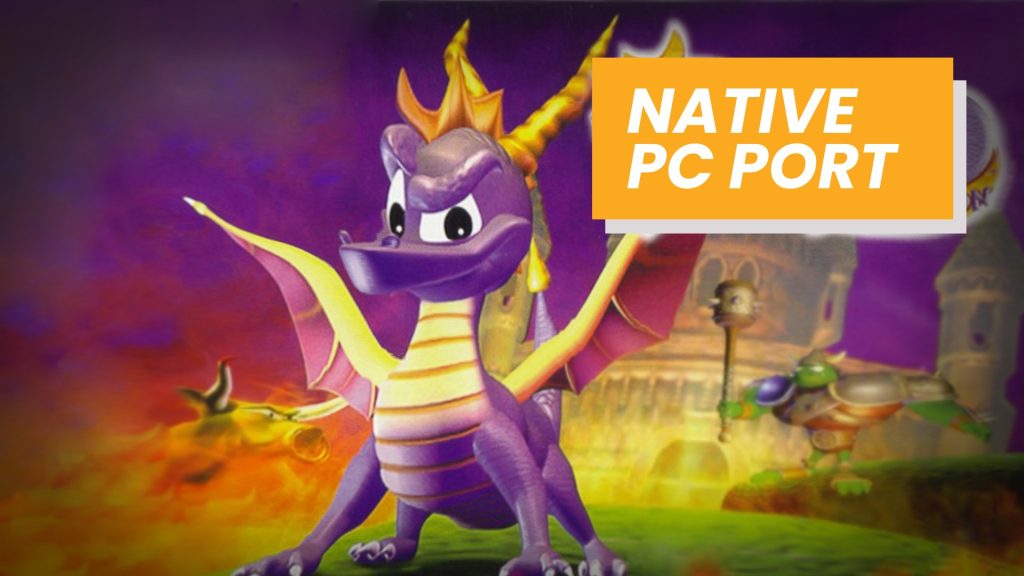
A fan-made native PC port of the original Spyro the Dragon is officially in development, bringing the 1998 PlayStation classic…
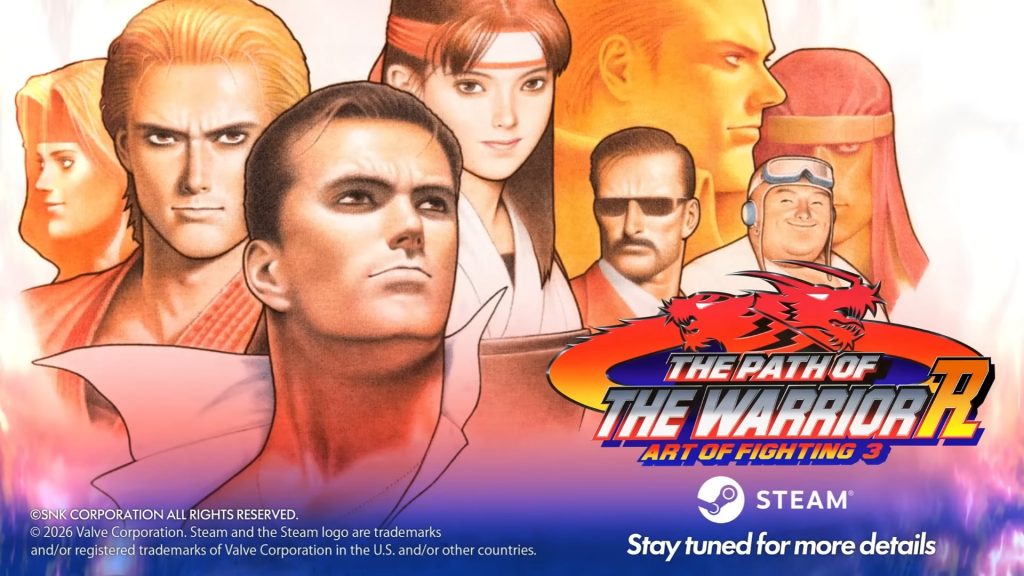
SNK has officially announced The Path of the Warrior: Art of Fighting 3 R, a modernized version of the 1996…
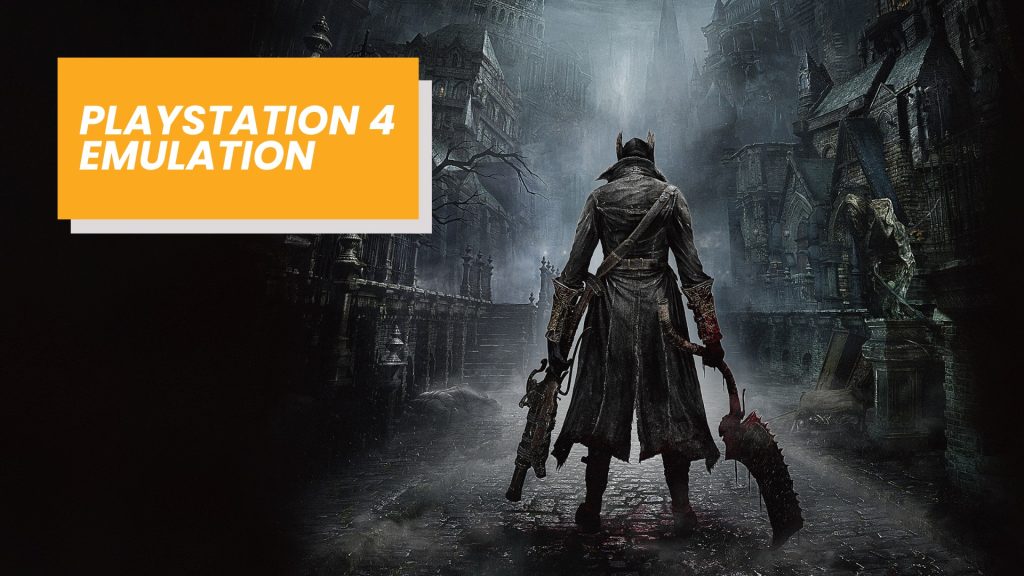
The developers behind ShadPS4 have introduced a major new feature that moves PlayStation 4 emulation closer to a complete experience.
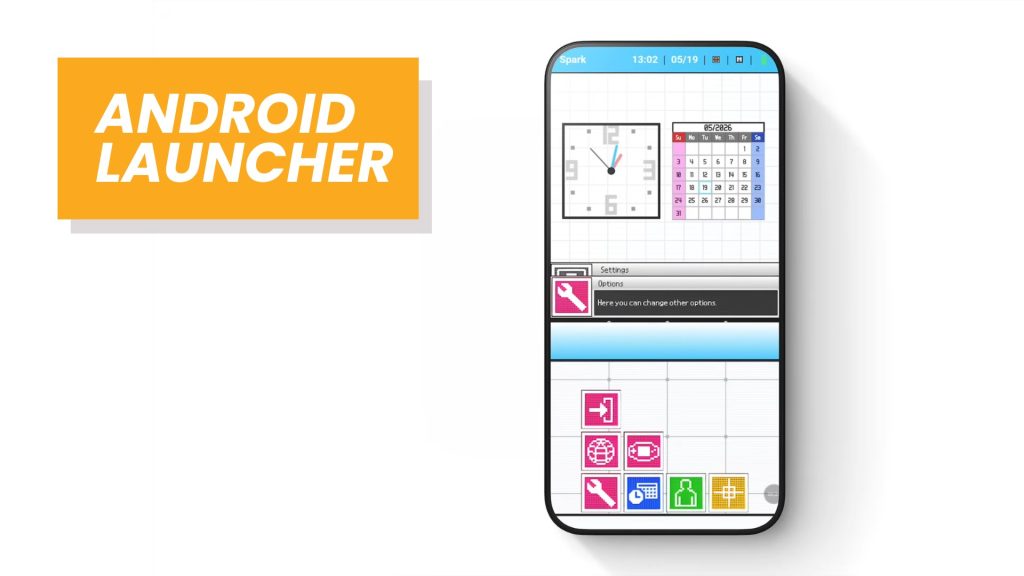
DS & DSi Launcher brings the classic Nintendo DS and DSi interface to Android, giving retro fans a nostalgic way…
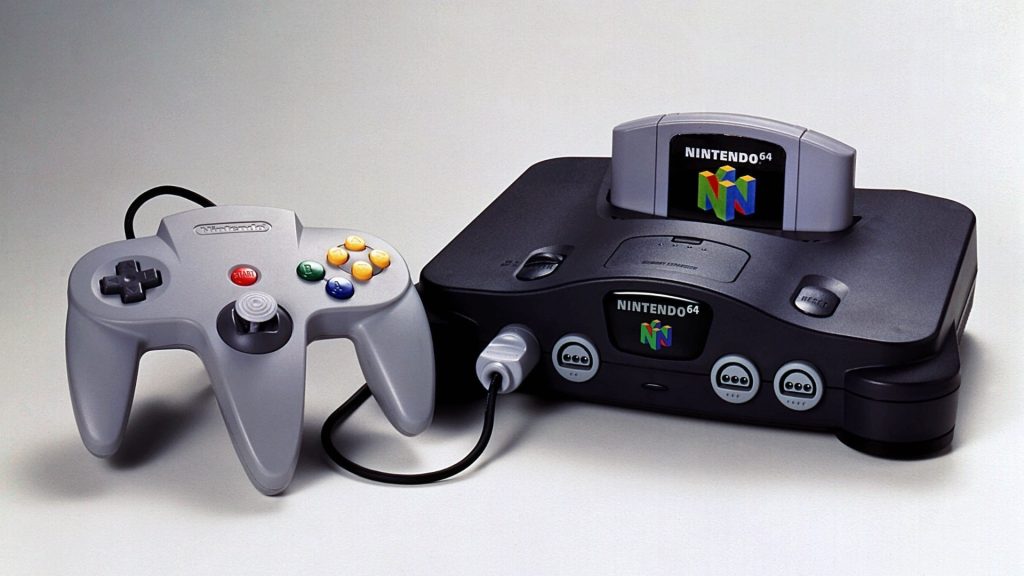
Today marks 30 years since the launch of the Nintendo 64 in Japan, and for many, that's enough to trigger…
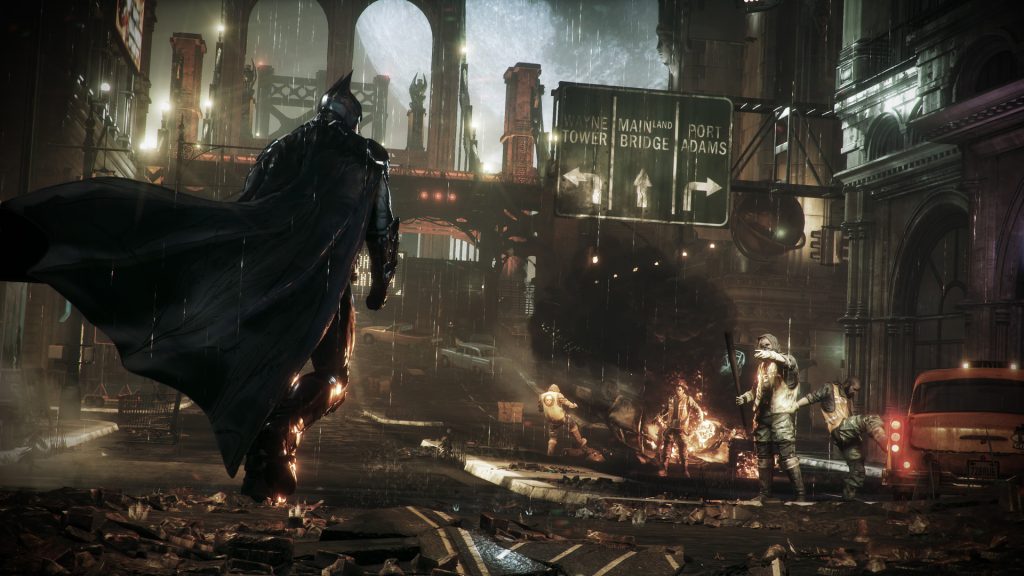
It's hard to believe, but Batman: Arkham Knight is officially 11 years old today. This title was Rocksteady's final chapter…
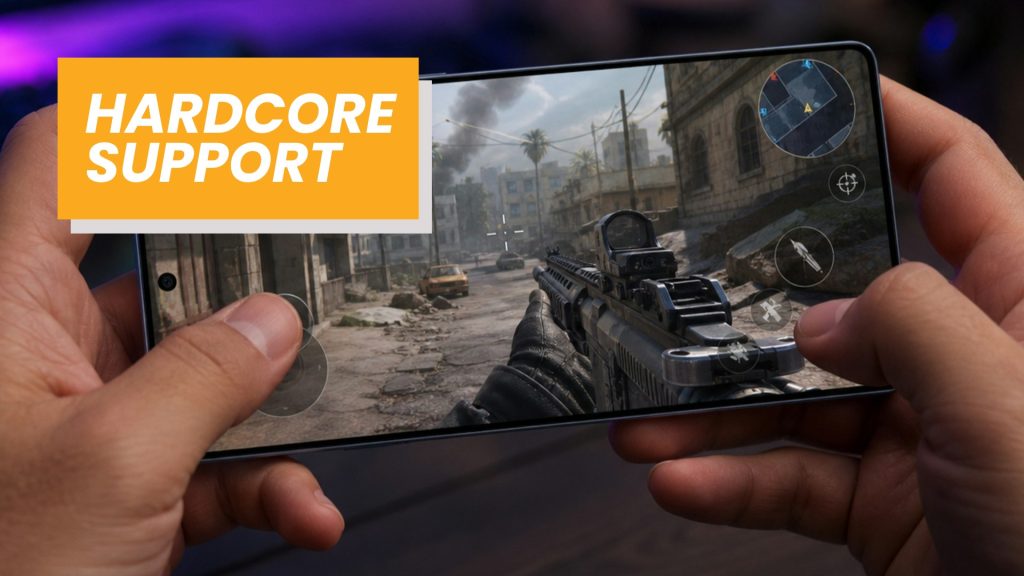
RetroAchievements has officially verified ARMSX2 as a hardcore-compatible emulator, allowing players to earn PlayStation 2 achievements on mobile devices.
