![[GAMESCOM 2026] Full Circle – How One Developer Is Creating His Dream JRPG](https://www.indie-games.eu/wp-content/uploads/2026/09/Adolfo-Gazzo-Full-Circle-Interview-1-1024x576.jpg)
[GAMESCOM 2026] Full Circle – How One Developer Is Creating His Dream JRPG
At Gamescom 2026, I spoke with solo Peruvian developer Adolfo Gazzo about his upcoming JRPG Full Circle from Second Player…


If you enjoy independent indie game coverage, consider supporting Indie-Games.eu on Patreon. It helps keep the site independent.
At the panel titled One Actor for Everything: Voice Acting, Motion Capture, and Performance Capture, held during the inaugural Blender: Film & Games conference this year, we gained insight into the challenges and dynamics of these professions. Beyond passion, dedication is essential, something best demonstrated by voice actor Daniel Dizdar.
Even though we often don’t pay attention to the ads on our phones, computers, or TVs, Dizdar’s voice is one of those we can easily recognize, yet in most cases we don’t even realize it’s him. His versatility is one of the reasons so many people want to work with him. He became well-known after participating in Hrvatska traži zvijezdu and Supertalent. He also has a significant social media following and especially enjoys working on animated films, where he brings different characters to life.
He was born in Chicago but grew up near Karlovac, in the village of Kamanje. What sets him apart, and what many praise him for, is his unique blend of American and Croatian speech and dialect, giving him a special tone and style of expression, as well as the ability to play with his voice. He has voiced more than 400 TV commercials, including for Konzum, Coca-Cola, Pevex, and others. This year he also voiced the villain in the animated film Ten Lives, and he is well-known as the Croatian voice of SpongeBob SquarePants.
Before the panel, we spoke with him about how many voices he can imitate, what he thinks about artificial intelligence, whether he’d like to work on video games, what he enjoys most about his voice acting career, and where he sees himself in the future. We also highly recommend listening to his portfolio.
Quite often, especially after 2017. At first, I thought it would fade over time since I no longer appear physically on TV, except on platforms like TikTok and YouTube. But most people still recognize me from the time when I was on TV more frequently, especially because of the voice impressions.
Well, I’m kind of a “maniac” when it comes to organization. I live by spreadsheets and track everything—when I wake up, when I go to sleep. Early in my career, I would run whenever anyone needed anything, but now I’m more entrepreneurial and focused on my own projects. The first 4–5 hours of my day are reserved for myself, and only then do I work for others. I go to studios, record, and if it’s something I’ve been doing for 10 years, I don’t need much preparation, so I handle it in the afternoon.
I use various techniques depending on what’s needed. I mostly work as a voice-over artist, and that’s a very broad field. There are very few good voice actors, so I enjoy doing vocal singing too. Sometimes I have to imitate voices, create synergy with post-production, or adjust my voice to technical requirements. Knowing these things well helps with recording. Sometimes I even have to do sound effects.
Yes, it was tough when I had two recording sessions a day. Those were three-hour sessions each, so six hours of work. Sometimes I’d even have a third session for something completely different. It was extremely exhausting, especially when you have to scream. You always have to be well-rested because on a recording you can’t “fake” being in a bad mood. You need to sound enthusiastic, otherwise it sounds bad. That’s why you have to come mentally prepared. And when you’re not, caffeine helps. I’ve slowed down a bit in the last two or three years and started choosing my projects.
I think anyone building a career should have social media. In my case, what I do is very interesting to people. Even if I’m working on something quieter, there’s always some video that does well. I have fun on social media, tailor content to what interests me, promote films—especially animated and feature films. It entertains the audience, improves promotion, and for me, it has been something new and exciting in the last two years.

Honestly, we never counted, so I don’t really know. On my website, I have around 60 voice-over styles listed that I could think of, but it all depends on how much nuance you want between each voice. It also depends on the level of precision. I’m quite self-critical, maybe I think a voice isn’t good enough, while someone else would say it’s great. So I mostly use the voices I believe are the best.
Actually, there were three SpongeBobs. At first, one studio worked on it, then another took over with a new actor. When that actor moved to Ireland, there was a gap and people panicked, what now? Then they asked me to do a voice test. My voice is a bit heavier and raspier compared to the previous SpongeBob, who had a softer, higher voice. But in the end, it worked really well because even though my voice is rougher, I can do more with it. Recording SpongeBob is never boring, we always have fun and laugh, even after ten years. Time really flies!
Working on cartoons is always fun, although after 12–13 years it’s hard to find something I haven’t done yet. Still, SpongeBob never gets old for me. Even if I come in tired, the session always ends up being fun. I also enjoy voice-over work, but I think that marketing in Croatia tends to play it too safe. In foreign commercials, the voice is often a key element, while here it doesn’t get as much attention. I think there’s a lot more room for experimentation.
I applied during a phase in life when I realized this is a profession where every bit of promotion matters. In any job, it’s important to be recognized and recommended. Today social media helps with promotion, but older people, who often hold key positions, might not be as present online. That’s why it’s good to think strategically. Appearing on the show opened new doors, like a long-term collaboration with Pevex, which I’ve now been doing for four years. Appearing on TV helped the wider audience get to know me.
I’d say that once you decide to pursue this career, you need to dedicate yourself fully. These professions seem glamorous, like acting and modeling, but behind the scenes, there’s a lot of hard work. Many are drawn to extravagant careers but don’t want to put in the required effort. For example, kids come into a studio, record for a few hours, and after a couple of sessions say they’ve had enough. Every job is hard in its own way. My advice is to study the industry, develop your skills, and adapt to the future, because technology will certainly transform this profession.

I talked with a sound engineer with more than 25 years of experience, and we touched on how AI might affect our field. He began his career with early digital tools, but back then everyone still worked on old machines, and no one studied new technology. As a young sound engineer, he couldn’t make a big impact immediately because he needed trust and the right contacts. But after a few years, those who didn’t adapt slowly disappeared from the industry.
As for voice work, it’s hard to predict the future, if someone knew what would happen, they’d already know which stocks to buy. But one thing is certain: new technologies are gradually entering the market. For lower-budget or less important projects, AI voices might be used more. In English, AI voices are already quite good, while Croatian is more complex and blends with similar languages like Serbian, making precise imitation difficult. But in English, AI voices are already so good that sometimes it’s hard to tell the difference.
Slowly but surely, AI is entering the market and affecting our profession. Looking at my income, I can see how it’s gradually eating into the market. A moment might come when we have to consider alternative career paths. That’s why it’s important to stay adaptable.
Yes, a few times I didn’t immediately recognize an AI voice, especially in the first five seconds. When I realized it, I thought, “Oh, right!” It’s time to consider alternative options. Every career has its challenges and requires time to build up. When you decide on a change or a new direction, you must understand that building takes time. That rule applies everywhere, and that’s why I recommend it to others—success doesn’t come overnight, but through gradual progress and perseverance.
Yes, I’ve been part of several games. In Phageborn, I voiced monsters, and I worked on Scullport as a pirate. I haven’t worked on Croatian games yet, but I’d like to. If the opportunity arises, I’d love to join a Croatian gaming project.
I’ve just arrived, so I don’t know much yet, but this is my first time here and I’m excited because I know there will be many familiar people. It will be interesting to see how everything turns out.
It was great and a lot of fun! I voiced the villain, which I especially enjoy because such characters have a lot of expressiveness. My character was manic-depressive, switching between explosive and calm states, which was a real challenge. I love when a character has a full emotional spectrum because that’s when I can show my talent. Even though it’s demanding on the voice, I always love roles like that.
One of the reasons I love voice acting is that I don’t have to memorize full scripts. When I had to memorize entire scripts a few times, I was under enormous stress. Fortunately, it worked out, but afterward I decided to choose projects where I don’t have to memorize so much. I prefer working on specific tasks where I can fully focus and give my best.
I don’t have big aspirations, but I’d love to have a role in a game, maybe as a soldier on a map, giving short commands like, “Hey, hurry up, the squad is waiting for us over there!” I’d buy the game just for that moment. I’ve learned that low expectations are the key to a happy life, but I do like pushing boundaries and working on projects that challenge me.
I have a lot of responsibilities and run two businesses, so I don’t have much free time. But when I do, I like to play something. League of Legends takes up a lot of time, especially when I uninstall and then reinstall it, waiting for it to update, that’s a punishment in itself! But I used to love playing Age of Empires II, Civilization IV, Unreal Tournament, and GTA. For example, I know the entire Chatterbox segment from GTA 3 by heart, as well as Game Radio. Those games really stuck with me.
At Gamescom 2026, I spoke with solo Peruvian developer Adolfo Gazzo about his upcoming JRPG Full Circle from Second Player…
![[GAMESCOM 2026] Hell Maiden Interview: AstralShift on Self-Publishing, Early Access and An Unlikely Trip Through Hell](https://www.indie-games.eu/wp-content/uploads/2026/09/Hell-Maiden-5-1024x576.jpg)
At Gamescom 2026, we spoke with AstralShift co-founder, writer and marketing manager Patrícia Silva about rougelike Hell Maiden.
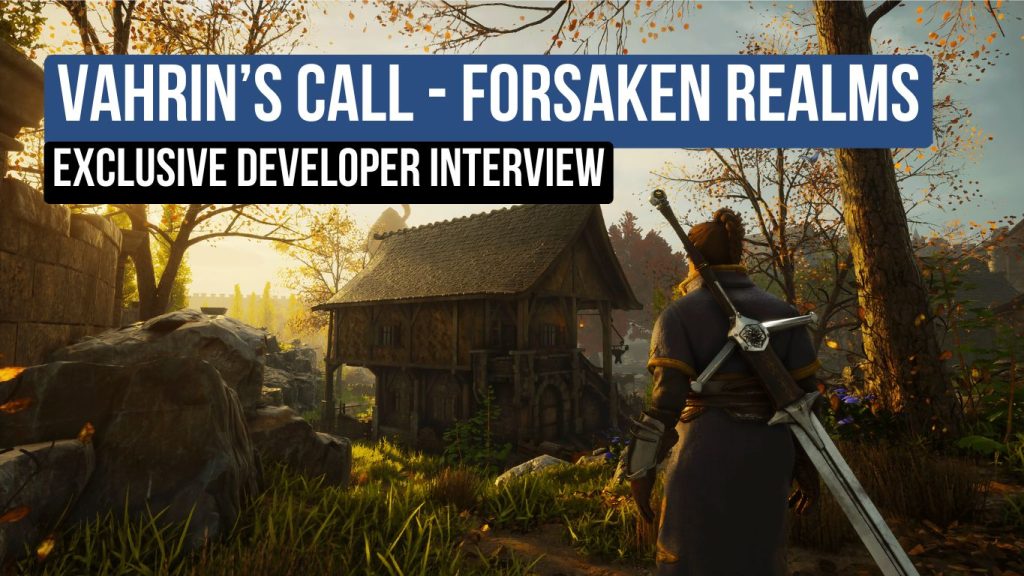
Built by a self-funded team of seven, Vahrin’s Call is an ambitious fantasy RPG inspired by Fable, The Elder Scrolls…
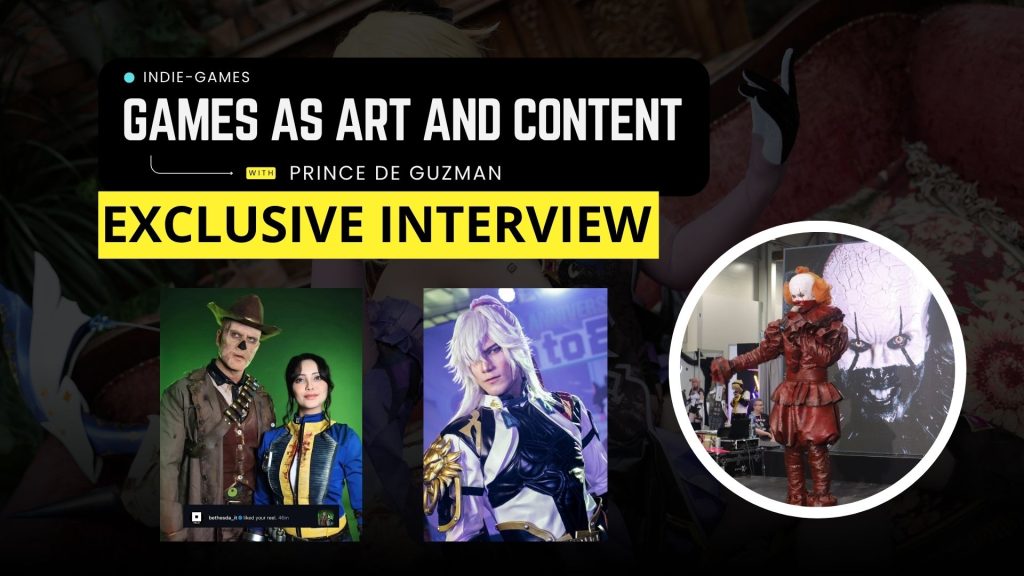
We spoke with cosplayer Prince de Guzman, who is known for his transformations inspired by horror, anime, and video games.
Unless you’re deep in the indie gaming scene, Naphtali Faulkner might be a new name to you. But as the…
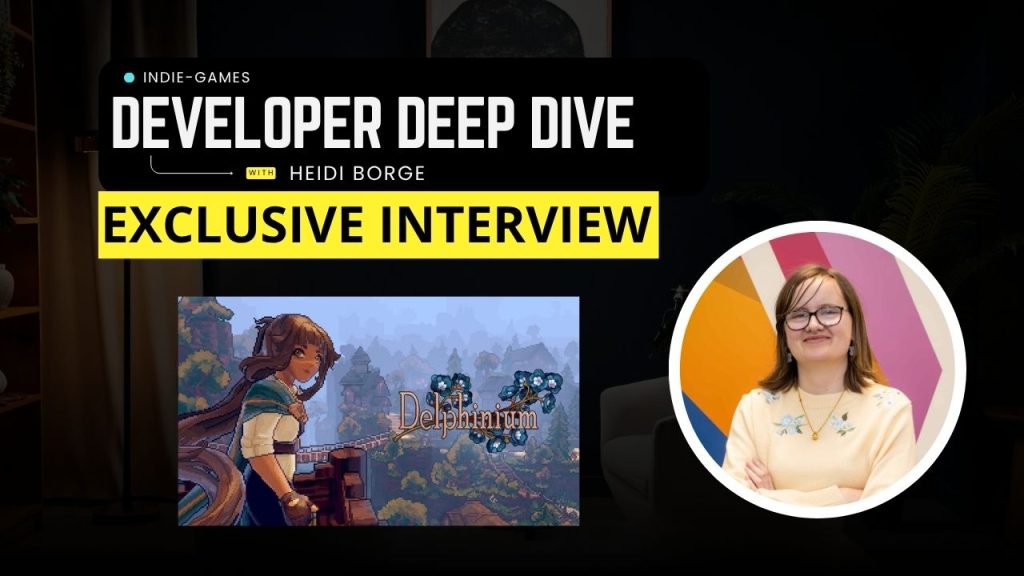
We had a chance to catch up with Heidi Borge, the developer behind narrative-driven cozy Delphinium to learn more about…
We had the opportunity to speak with Damian Czajka from MOUSE: P.I. For Hire Team.
We had the opportunity to talk with Piotr Nowakowski from Bloober Team about his work on Cronos: The New Dawn.
![[INTERVIEW] Manafinder II Is a Big Step Up – Here’s What the Developer Told Us](https://www.indie-games.eu/wp-content/uploads/2026/04/Manafinder-II-interview-1024x683.jpg)
In the interview, we discussed the game’s mechanics in greater detail, what players can expect from the sequel, and the…
We had the opportunity to sit down with the brilliant minds behind Business Goose Studios: Beau Vankemenade, Sander Ambroos, and…
![[EXCLUSIVE] Like a Bloody Storm – Interview with Kazusou Oda (Coda)](https://www.indie-games.eu/wp-content/uploads/2025/12/Oda-Kazusou-Interview-1024x576.jpg)
We had an opportunity to talk with Oda Kazusou, a theme song artist for JoJo's Bizarre Adventure.
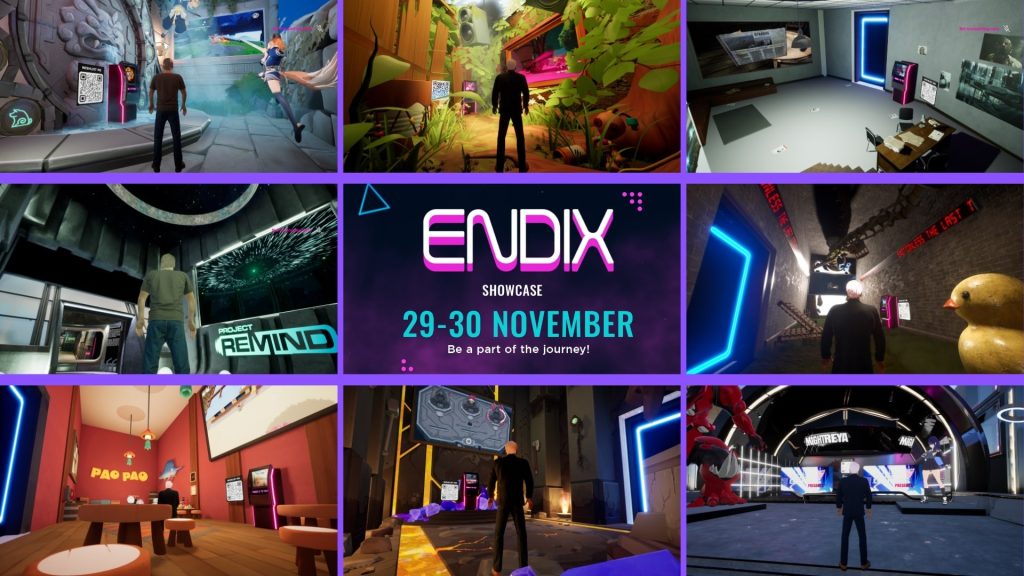
Once inside, visitors will find a fully immersive world where exhibitor booths are crafted using real in-game assets.
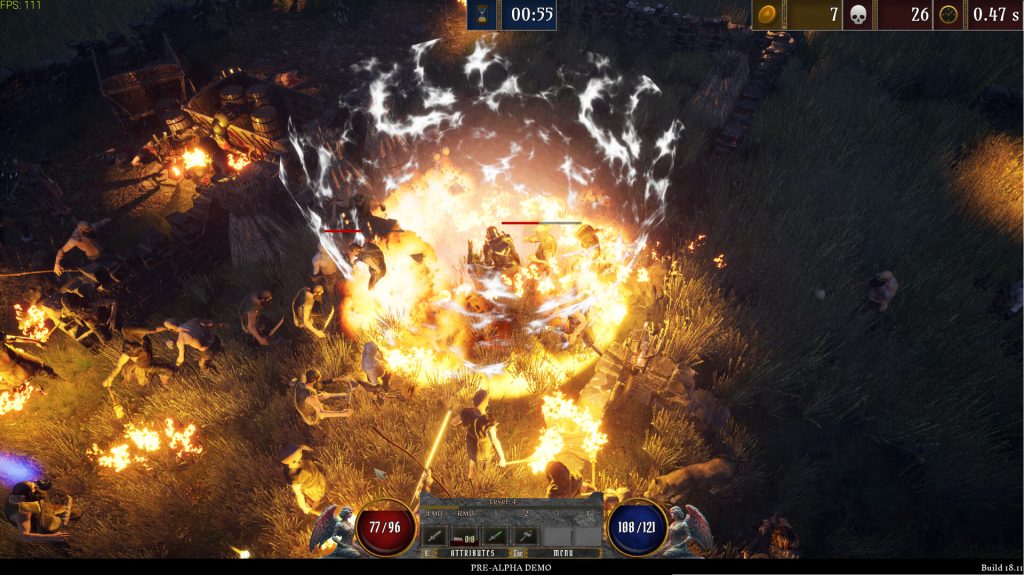
We talked to Tomasz Janicki about the details regarding Cult of Shadows.
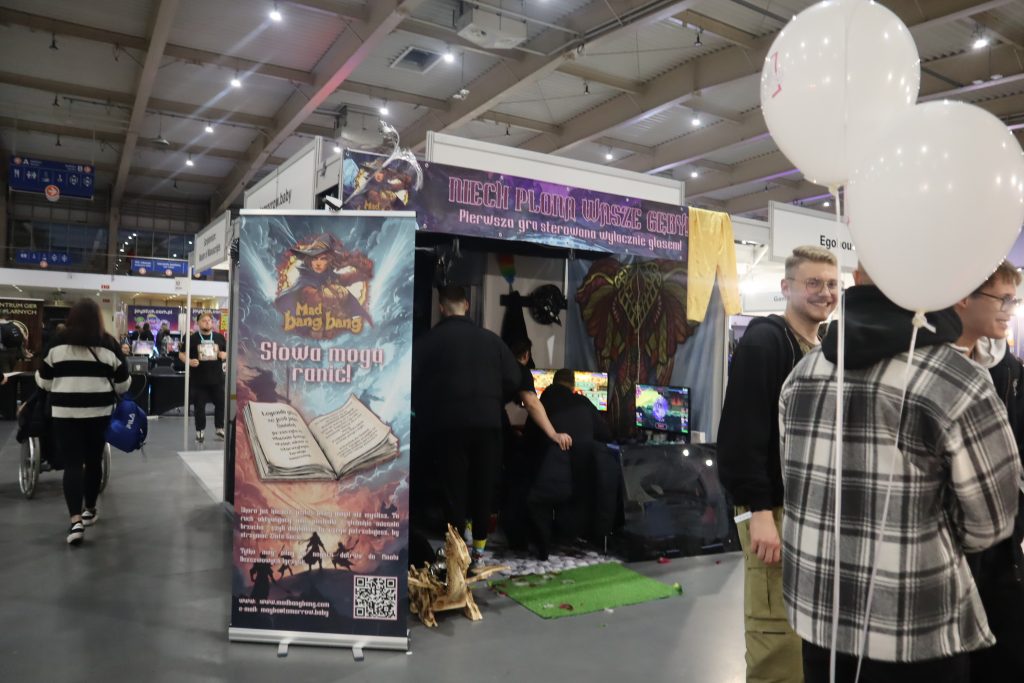
We talked to Piotr Ruszczak, one of the creators of Mad Bang Bang, about the details of this production.
We asked Kiryl, Marek, and Jakub to reveal the secrets of their work to us.
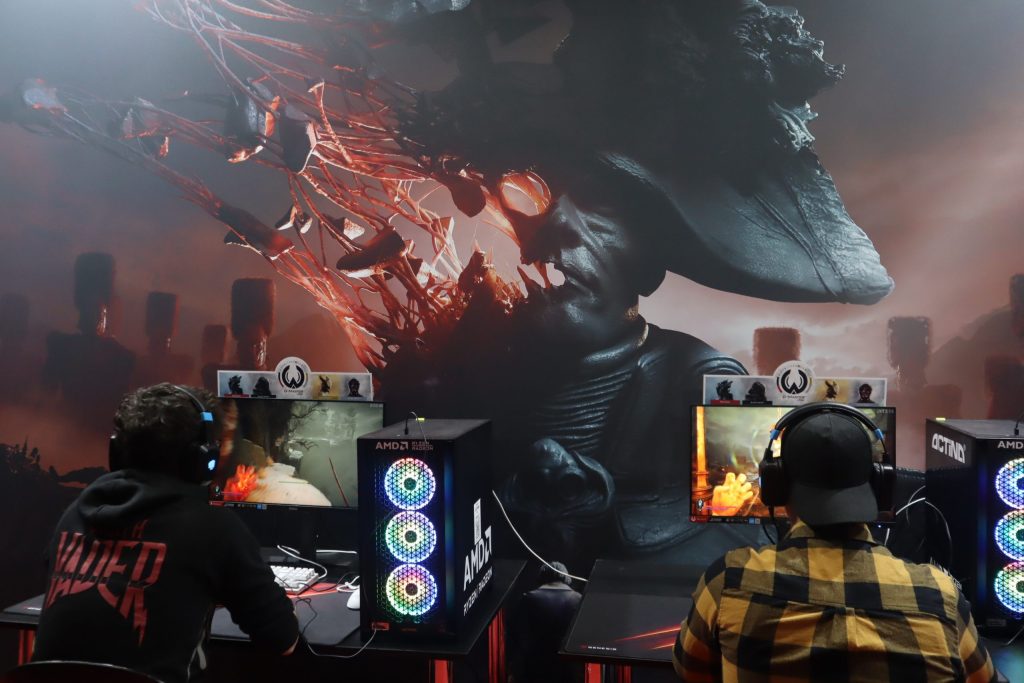
Will Valor Mortis become the hit of 2026?

We had the chance to ask Yannick Audéoud, developer behind Orbyss, some questions about the game.
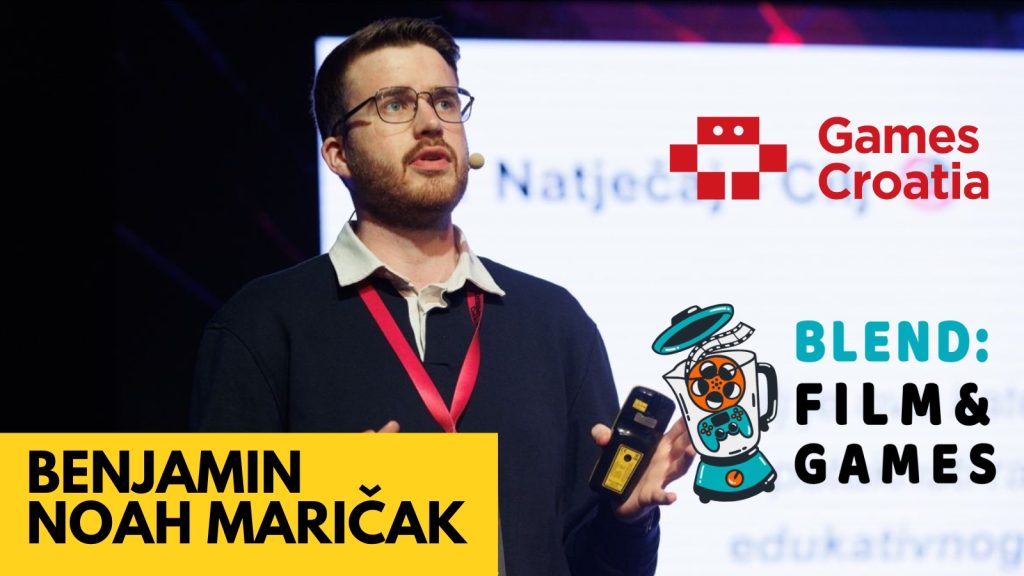
Maričak actively works to grow and promote the Croatian gaming industry while simultaneously fostering collaboration with the film industry.
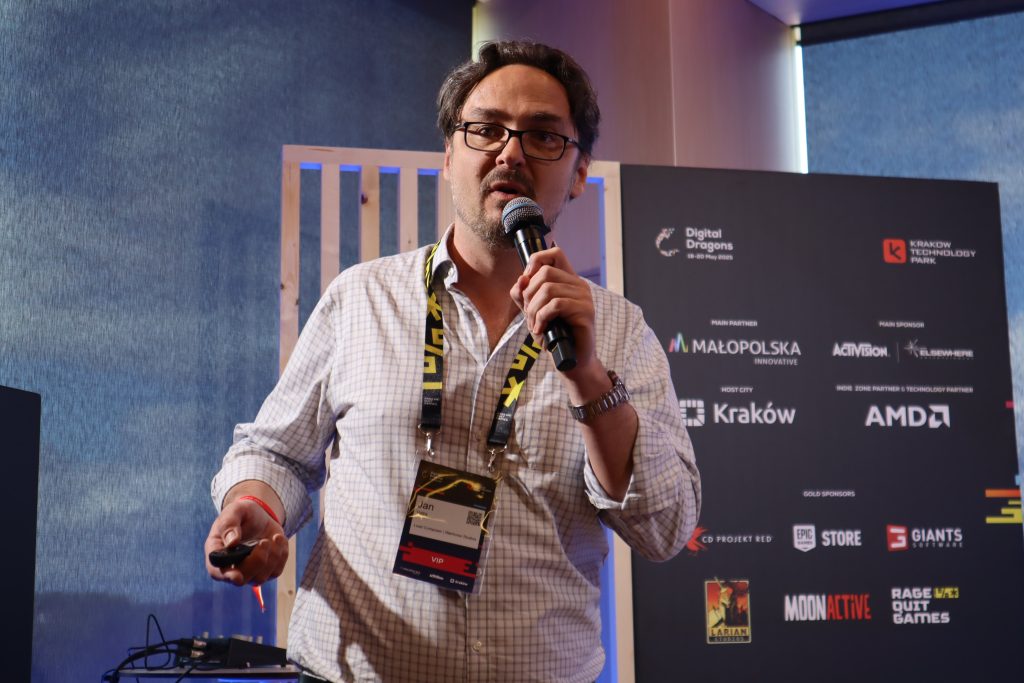
During our interview, Jan revealed the secrets of composing music for both KCD games.
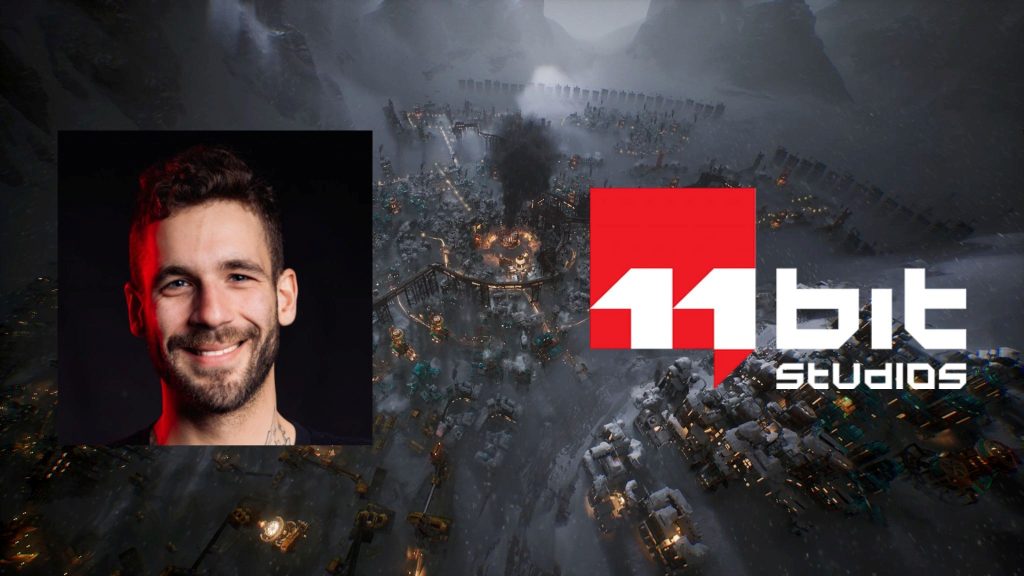
In this interview, we asked Paweł Charzyński about his experience working on Frostpunk 2 as VFX coordinator.
