![[GAMESCOM 2026] Full Circle – How One Developer Is Creating His Dream JRPG](https://www.indie-games.eu/wp-content/uploads/2026/09/Adolfo-Gazzo-Full-Circle-Interview-1-1024x576.jpg)
[GAMESCOM 2026] Full Circle – How One Developer Is Creating His Dream JRPG
At Gamescom 2026, I spoke with solo Peruvian developer Adolfo Gazzo about his upcoming JRPG Full Circle from Second Player…

If you enjoy independent indie game coverage, consider supporting Indie-Games.eu on Patreon. It helps keep the site independent.
At the Blender: Film & Games conference, an interesting panel was held on the topic of Sound Design and Music – Similarities and Differences in Shaping Sound and Music for Films and Video Games. The panelists were prominent industry professionals: Ivan Zelić (sound designer), Dalibor Grubačević (composer), Davor Manojlović (composer), and Ana Krstajić (composer from Belgrade). They discussed the tools they use, the differences in approach between films and games, and the challenges of creating sound and music in an interactive environment.
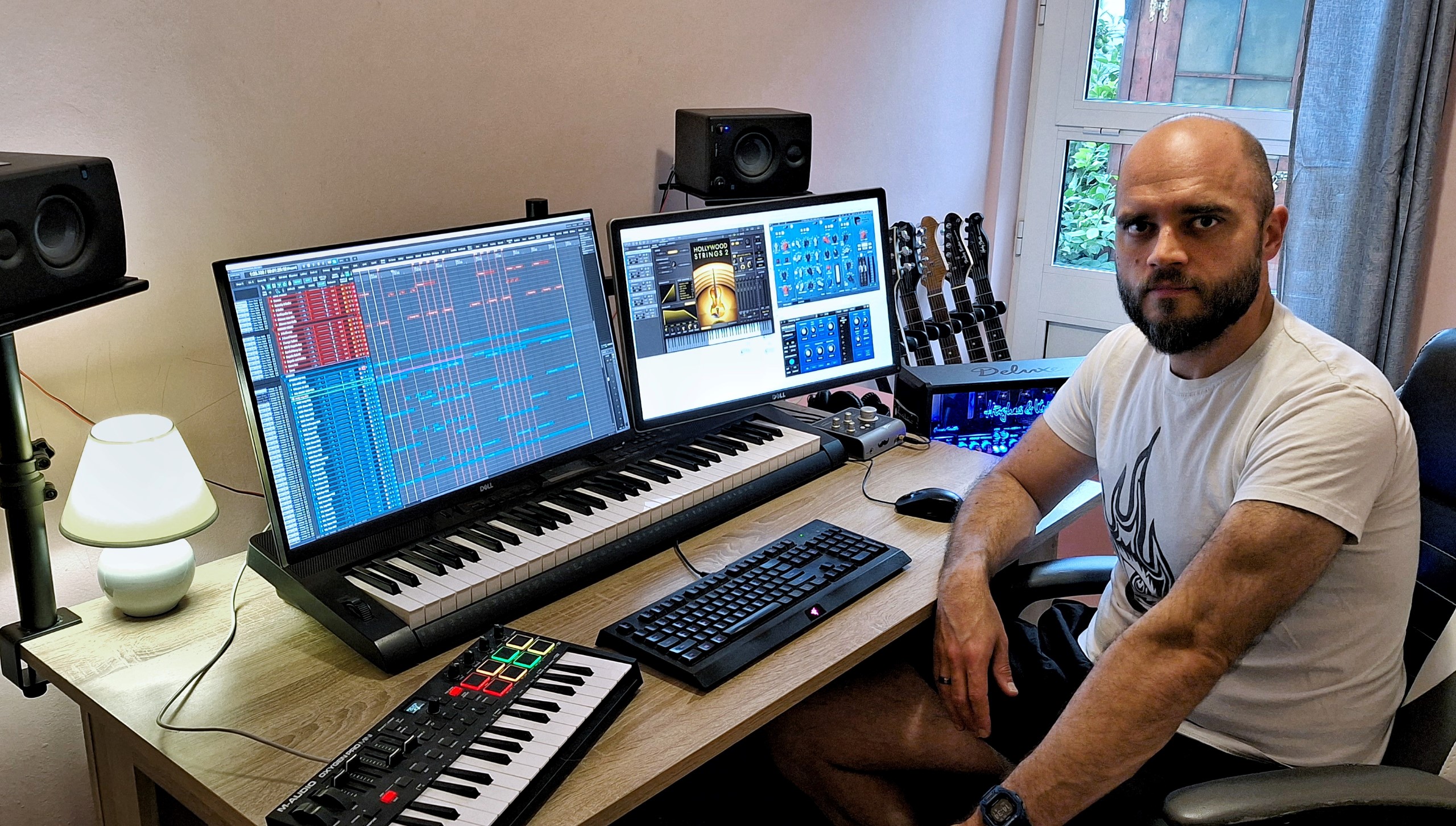
After the panel, we had the opportunity to meet Davor and talk with him about what it’s like to be a sound designer as well as a composer working in video games. We discussed what makes this profession unique and special, how he creates sounds, which tools he uses, and how to succeed in this field.
Davor is currently working for the American studio 8 Circuit Studios on the game Project Genesis, as well as with the Croatian studio Ironward on Atre: Dominance Wars. The latter is a 4X RTS title that evokes nostalgia for Heroes of Might and Magic and may also remind players of Age of Wonders. The game features a deep and rich story, so you can expect campaign gameplay where you explore various magic and technologies while strategically positioning your armies.

The job is demanding, but I always say I have the best job in the world. No one could offer me a better one because I’ve always been involved with music, first as an amateur, and professionally for the past 5–6 years. If you love your work, the demands become a pleasure, because in the end, you see, or in my case, hear, a good product. A lot depends on the client and their requirements, but working in gaming is very fulfilling for me. My goal is always to make a game sound as good as possible in terms of sound design, music, and implementation.
Not very much, actually. That’s often the case, although there are games that are especially famous for their outstanding music. On one hand, it’s important from a business perspective, because more and more games hire well-known composers, usually from the film industry.
For example, composers like Harry Gregson-Williams, who gained fame through film music, also work on video game scores. However, those who focus exclusively on video game music are often not known to the general public outside the gaming world.
On the other hand, gamers who love Nintendo, for instance, often know who is behind the music or conceptual design of their favorite games. Still, video game composers in general aren’t very publicly exposed.
By training, I’m a psychologist, but I don’t work professionally in that field. About five years ago, I quit a private company operating in the medical sector, where I sold and adjusted hearing aids. That was the closest I could get to a job related to my interest in sound, especially music, which has always fascinated me.
I didn’t have the opportunity to study at SAE Institute in Ljubljana, which focuses on sound mixing, but now I’m glad I didn’t. After leaving the company, I decided to do something related to sound and music. That’s how I gradually entered the gaming industry. My first project was working on Serious Sam 4, where I was an assistant sound designer, creating sounds for cutscenes.
As for psychology, I don’t practice it professionally, only privately in personal relationships. Photography is my hobby, and I practice it exclusively analog, not because I think it’s better, but because I enjoy the process. I used to be a professional photographer, but now I don’t feel the need. Nowadays, I take a camera, go outside, and maybe take one or two photos on film.
Shooting analog is a very different process, mainly because it’s expensive, each roll of film is costly, and developing is expensive. While my wife can take a hundred photos in an afternoon with her digital camera, I might take just one, or sometimes none, if the framing or lighting isn’t good enough. So I always find time for work, and photography fits in whenever we go for a walk.

It’s hard to say exactly, but I’d say around a dozen games. Some of them were never released, while others are still in development. For example, the project I’m currently working on has been in development for six to eight years. Some games develop faster, depending on the size of the team and the complexity of the game itself. One mobile game I worked on is supposed to release in a few months, even though it has been in development for six years. On some projects, I was only responsible for implementation; on others, for both implementation and sound design; and on some, I worked solely on sound or music. Often, it’s a combination of all these elements.
The music process for this game is still in its early stages, as the game itself is in an early development phase. Usually, we receive instructions from the producer or someone who decides the game’s direction, things like mechanics or the desired atmosphere, and based on those guidelines, we try to create the intended sound. Sometimes we get references from films, classical music, or other games. Game development takes a long time, and through many iterations, we try to find the direction that best fits the project.
Yes, I’ve created jingles for a private TV station in Zagreb, which I believe are still being aired. These were some of my first projects when I started working exclusively with music and sound. I’ve also made music for multimedia presentations in museums, animations for various companies, commercials, and sound design for different projects.
When it comes to sound, inspiration often comes from references to something else. There are sounds I imagine and want to create, but haven’t realized yet. For example, if I’m tasked with creating a sound for a grenade in a game, I first think about how others have done it in similar games. This often gives me inspiration, not to copy, but to create something different according to my own vision.
For music, since I’ve been playing guitar for almost 30 years, inspiration often comes from pure improvisation. I sit down with the guitar without a plan and just start playing. I always have my phone or a recorder with me because sometimes an idea comes spontaneously, and I record it immediately, as it might turn into something interesting.
It’s the same with sound design, I might hear an interesting sound while walking somewhere. I record it and later use or adapt it for a game or project.

I exclusively use Reaper, because although I often research online to see how others work and which tools they use, I haven’t found anything that suits my needs better. Reaper works perfectly for me, and I don’t feel like I’m missing anything. What I particularly like about Reaper, and why I recommend it to everyone, is its incredible flexibility. I can customize everything, from the appearance of the icons on the screen to the colors and functions of every key on the keyboard. This greatly speeds up my workflow.
Reaper is my primary software for sound design and composition. I also compose music within it. When it comes to software for gaming, I mainly work in Unreal Engine, though I’ve also worked on several projects in Unity. I also use middleware software for implementing sound into a game engine. Most often, I use FMOD, although this usually depends on the developer, since the software comes at different price points. Sometimes sounds are integrated natively in Unreal or Unity, depending on the project.
I’d say it’s quite important, because projects and studios can vary greatly. I’ve worked with different studios, some use only Reaper from the very beginning of sound design, which worked out great for me.
It’s not always predetermined which software will be used, and sometimes the focus isn’t just on sound. Flexibility is key because even though engines and middleware software like FMOD and Wwise are generally similar, there are significant differences. You need to be ready to adapt to different projects because when one ends, the next project might require working in a completely different environment with new tools and approaches.
I have a few pieces of advice. First and foremost, work as much as possible and reach out to people. I would recommend starting with smaller indie studios, because often one person is responsible for almost the entire game. For example, I’m currently working on a project where one person develops almost all the gameplay and visuals, and we help with sound implementation.
My advice is to contact people as much as possible through cold calling or emails. It often works, maybe you send 500 emails, but one contact can lead to a job for the next few years. It’s also very important to learn sound implementation. This part of the process is often overlooked but is extremely important because poor implementation can ruin a game, it can sound too loud, too quiet, or even cause the game to crash.
I recommend everyone learn as much as they can about implementation because it can be a huge advantage, especially early in your career. I worked on a project where the game was almost finished, but due to poor sound implementation, it was crashing and consuming too many resources. That’s when I realized how crucial it is to optimize sounds, monitor their resource usage, and control how often they repeat. These details can significantly affect the final quality of the game.
Another piece of advice is to learn to work with game engines. In large studios, there is often a separate person for sound design, implementation, and audio programming, but if you know at least the basics of all these areas, you’ll have a big advantage because you can independently work on different parts of a project without needing additional help.

It’s hard for me to single out a favorite project. As someone who entered this industry relatively late, I can say I don’t have a lot of experience tied exclusively to gaming. However, through gaming, I’ve met many people, and I can say the atmosphere is very positive. Everyone values the work, regardless of who does what.
One reason for this is that gamers, who are often online, are used to communicating via Discord or similar platforms, so communication feels very natural. The work is done seriously, but the atmosphere is informal. It’s creative work, which allows for a more relaxed approach, no one wears a tie, we’re all pretty laid-back, and I really like that.
Not yet. First, I haven’t had the opportunity to work on such projects, and second, I always strive to create something original. I’m very conscious of copyright issues and simply don’t use other people’s material, neither samples nor beats. I always create 100% my own work.
There’s always the possibility that something unexpected could happen. For example, you often find “free sounds” on YouTube with licenses stating you can use them freely, but it turns out those sounds were taken from someone else and should have a license, which could cost money. So I am extremely cautious in that regard.
It was phenomenal! The conference is really great, and the team is very positive. I think it’s amazing that it brings together film and video games. These are very closely related fields, even though they have their differences. During my panel, I learned a lot listening to my fellow speakers for 40 minutes. Even though I work in this area, there were many things I didn’t know. Here, you have people who work professionally in film, whether in sound or music.
Well, I’m currently learning to read music properly. I know the notes, but I’m not someone who can easily read sheet music. I know which note is which, but as I mentioned at the conference, the advantage today is that you can learn almost anything for free, especially on YouTube.
I’ve watched videos on sound design, music composition, and how to use different instruments. I play electric guitar, bass guitar, and keyboards. Keyboards are something I started using recently, but now I use them the most because all music composition on the computer is done through a keyboard. A MIDI keyboard triggers the sounds I want, whether it’s a choir, cello, organ, electric guitar, or something else. If I need to record an electric guitar, I play it myself.
At Gamescom 2026, I spoke with solo Peruvian developer Adolfo Gazzo about his upcoming JRPG Full Circle from Second Player…
![[GAMESCOM 2026] Hell Maiden Interview: AstralShift on Self-Publishing, Early Access and An Unlikely Trip Through Hell](https://www.indie-games.eu/wp-content/uploads/2026/09/Hell-Maiden-5-1024x576.jpg)
At Gamescom 2026, we spoke with AstralShift co-founder, writer and marketing manager Patrícia Silva about rougelike Hell Maiden.
Built by a self-funded team of seven, Vahrin’s Call is an ambitious fantasy RPG inspired by Fable, The Elder Scrolls…
We spoke with cosplayer Prince de Guzman, who is known for his transformations inspired by horror, anime, and video games.
Unless you’re deep in the indie gaming scene, Naphtali Faulkner might be a new name to you. But as the…
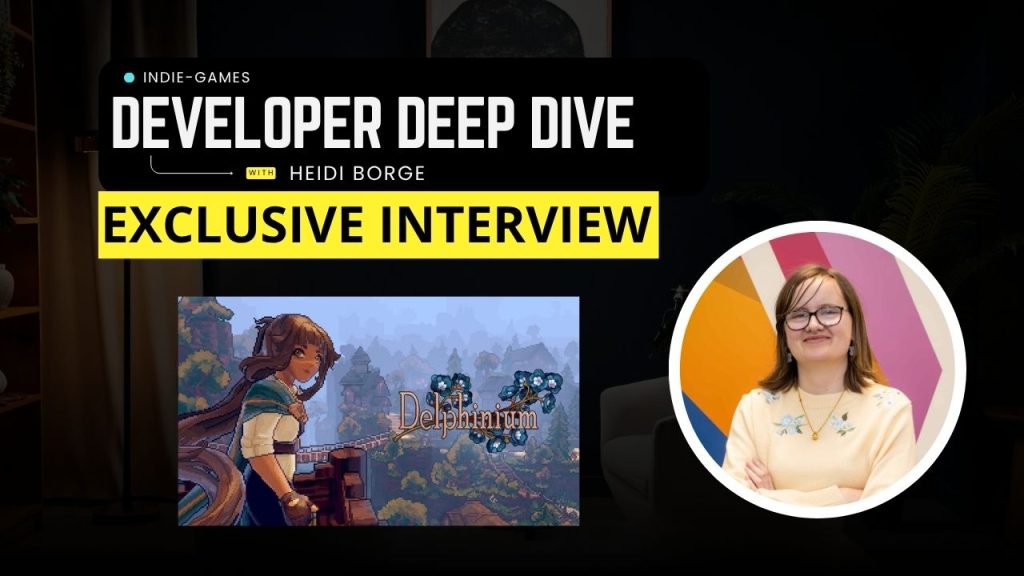
We had a chance to catch up with Heidi Borge, the developer behind narrative-driven cozy Delphinium to learn more about…
We had the opportunity to speak with Damian Czajka from MOUSE: P.I. For Hire Team.
We had the opportunity to talk with Piotr Nowakowski from Bloober Team about his work on Cronos: The New Dawn.
![[INTERVIEW] Manafinder II Is a Big Step Up – Here’s What the Developer Told Us](https://www.indie-games.eu/wp-content/uploads/2026/04/Manafinder-II-interview-1024x683.jpg)
In the interview, we discussed the game’s mechanics in greater detail, what players can expect from the sequel, and the…
We had the opportunity to sit down with the brilliant minds behind Business Goose Studios: Beau Vankemenade, Sander Ambroos, and…
![[EXCLUSIVE] Like a Bloody Storm – Interview with Kazusou Oda (Coda)](https://www.indie-games.eu/wp-content/uploads/2025/12/Oda-Kazusou-Interview-1024x576.jpg)
We had an opportunity to talk with Oda Kazusou, a theme song artist for JoJo's Bizarre Adventure.
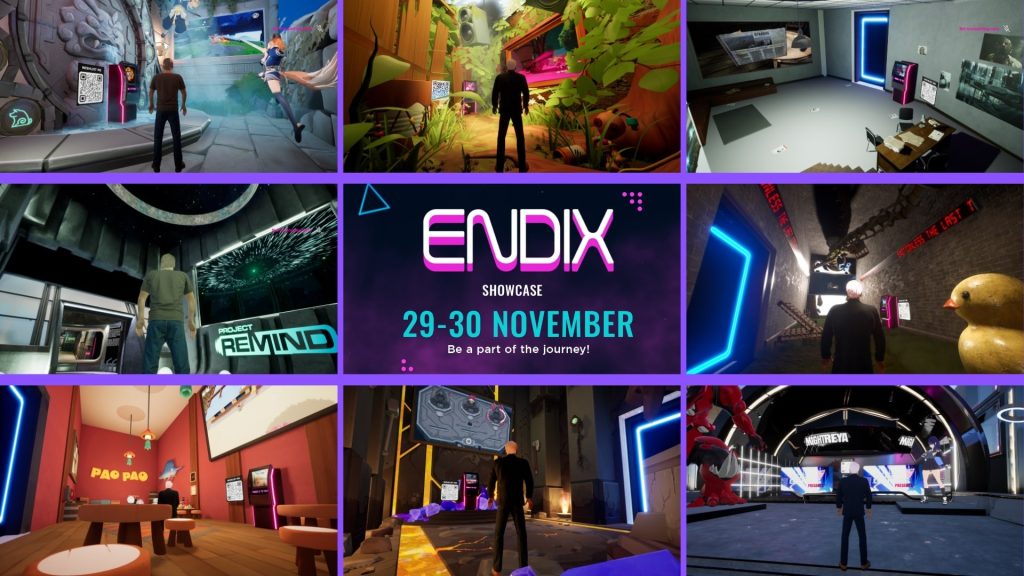
Once inside, visitors will find a fully immersive world where exhibitor booths are crafted using real in-game assets.
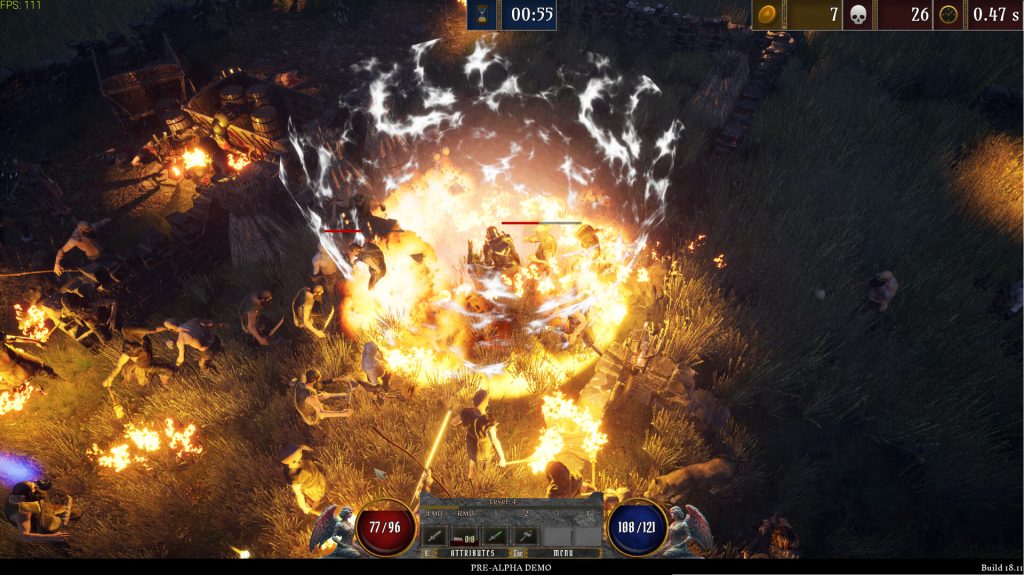
We talked to Tomasz Janicki about the details regarding Cult of Shadows.
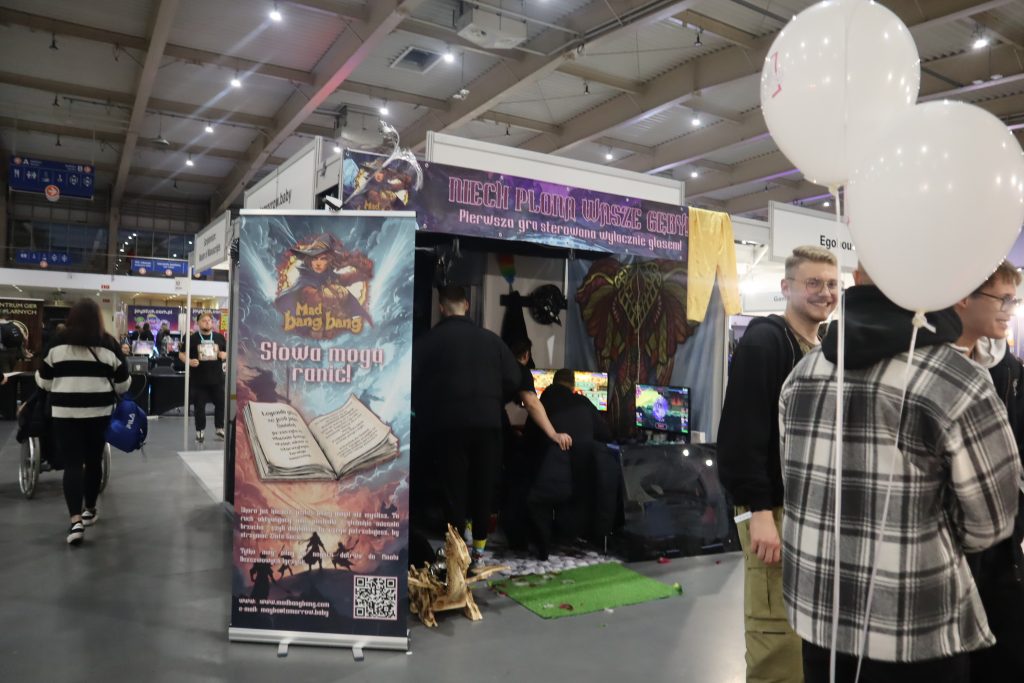
We talked to Piotr Ruszczak, one of the creators of Mad Bang Bang, about the details of this production.
We asked Kiryl, Marek, and Jakub to reveal the secrets of their work to us.
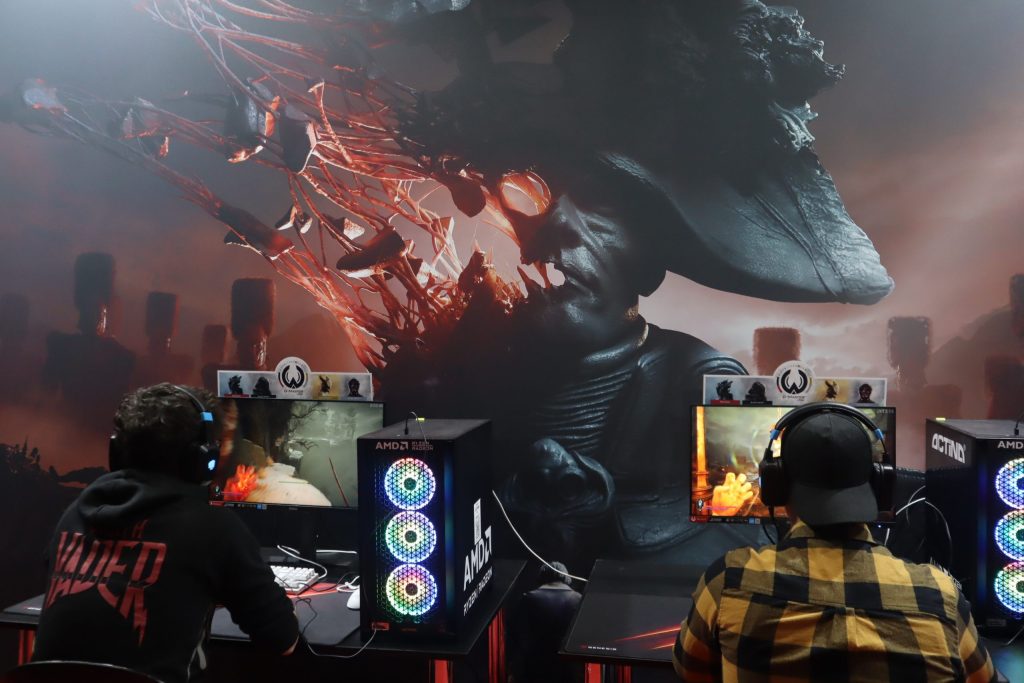
Will Valor Mortis become the hit of 2026?

We had the chance to ask Yannick Audéoud, developer behind Orbyss, some questions about the game.
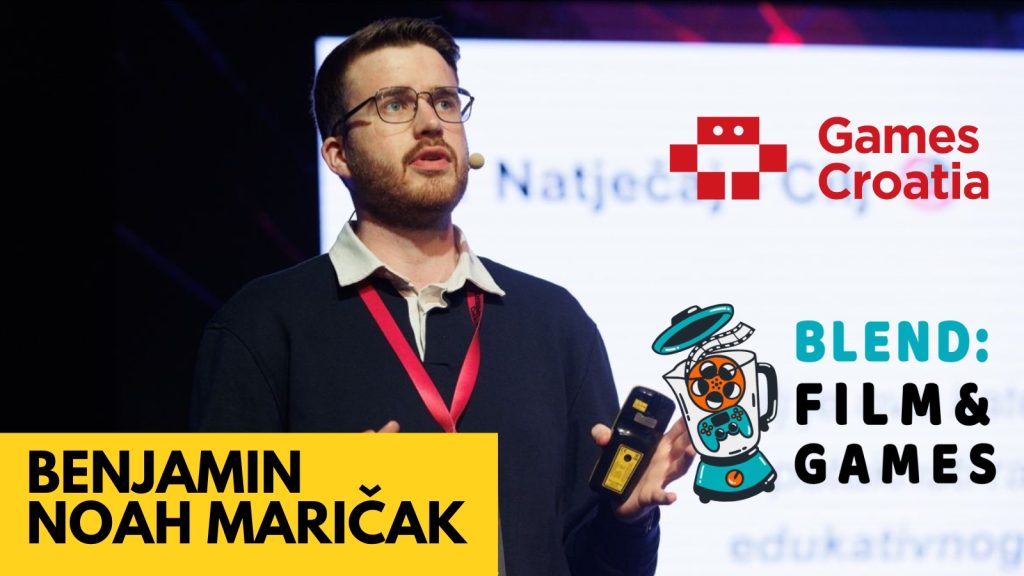
Maričak actively works to grow and promote the Croatian gaming industry while simultaneously fostering collaboration with the film industry.
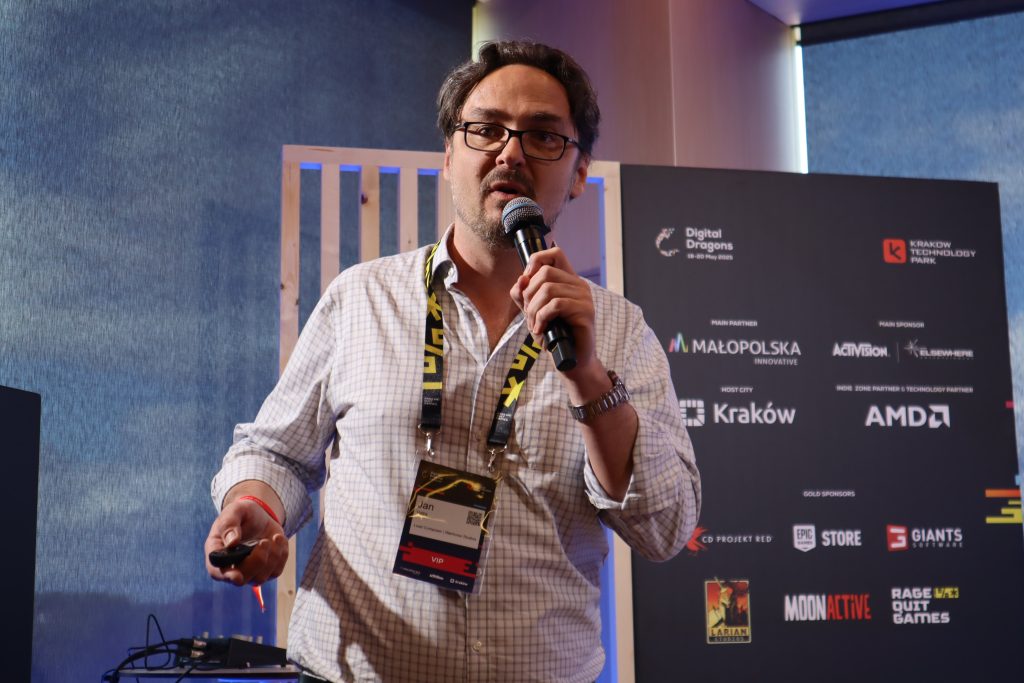
During our interview, Jan revealed the secrets of composing music for both KCD games.
In this interview, we asked Paweł Charzyński about his experience working on Frostpunk 2 as VFX coordinator.
