![[GAMESCOM 2026] Full Circle – How One Developer Is Creating His Dream JRPG](https://www.indie-games.eu/wp-content/uploads/2026/09/Adolfo-Gazzo-Full-Circle-Interview-1-1024x576.jpg)
[GAMESCOM 2026] Full Circle – How One Developer Is Creating His Dream JRPG
At Gamescom 2026, I spoke with solo Peruvian developer Adolfo Gazzo about his upcoming JRPG Full Circle from Second Player…

If you enjoy independent indie game coverage, consider supporting Indie-Games.eu on Patreon. It helps keep the site independent.
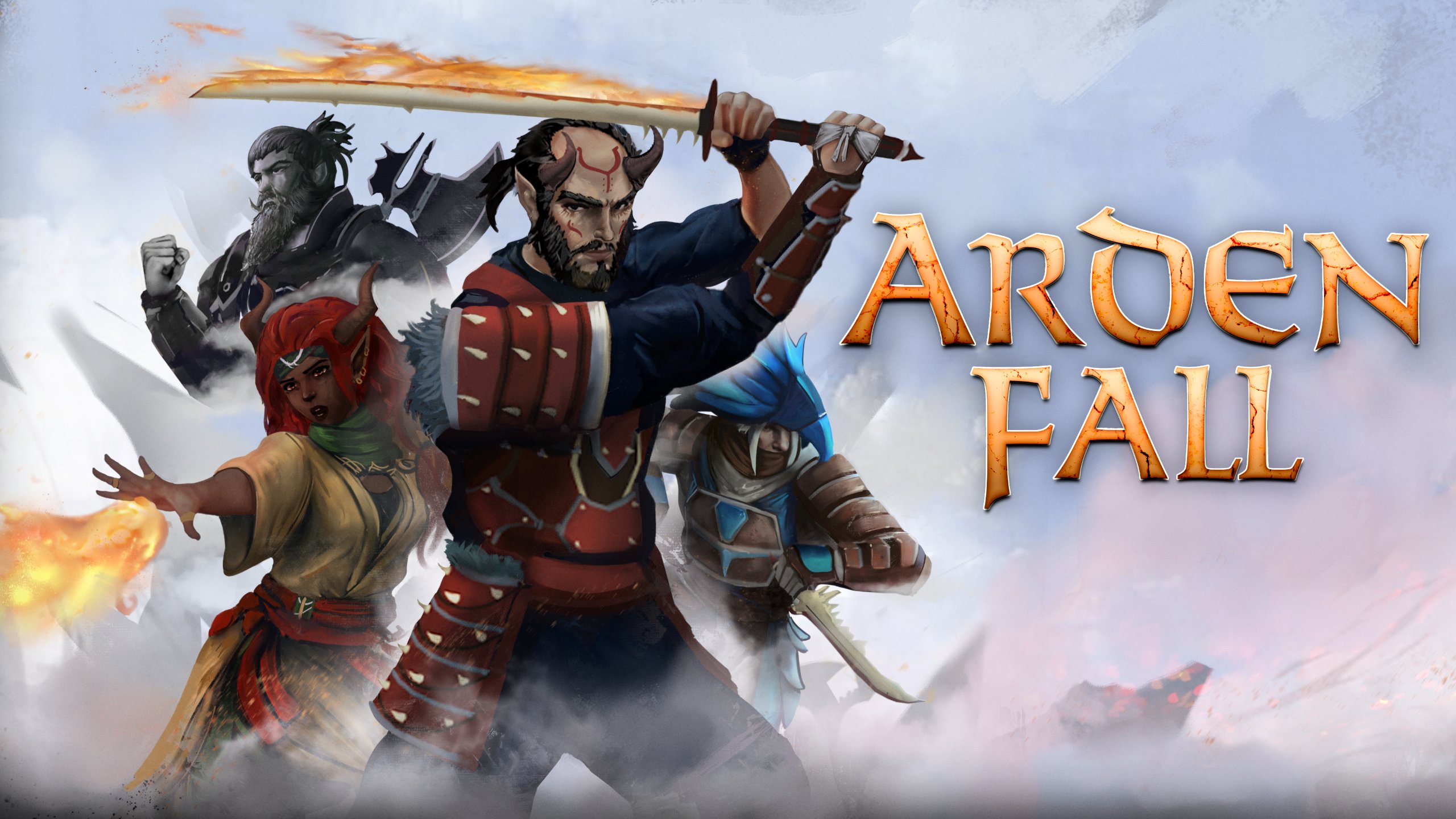
When we had the chance to dive deeper into Ardenfall, we simply had to chat with the developers about it. For those who don’t know, Ardenfall is an open-world, first-person RPG which is being developed by Spellcast Studios, and is set to launch in Early Access on Steam in late 2025. Inspired by The Elder Scrolls III: Morrowind, it immerses you in the Isle of Ardenfall, a compact yet diverse world of windy plains, flooded wetlands, ancient ruins, and dungeons.
You begin as a nobody, traveling to the settlement of Garkai, with no overarching main storyline. Instead, the game emphasizes emergent narrative, where your choices shape the world through interactions with hundreds of unique NPCs, faction alliances, and quests. Deep character customization like race, attributes, traits, and starting faction unlocks varied dialogue and consequences, affecting how NPCs trust or distrust you.
A really interesting thing about Ardenfall is that it skips traditional quest markers. Instead, it uses a “ring of interest” on the map to guide lost players, mimicking Morrowind’s exploration-driven approach. Every NPC home is enterable, and you can steal items. Beyond standard weapons, you can use unconventional tools like a “potion of silence” for stealth kills or a throwing knife of fire.
The project began in 2017 with a couple of college students. Since then, they’ve gained new teammates and released an Ardenfall demo in 2022, which was a great success. Thousands of players tested the game, leading to a total of 30,000 wishlists on Steam.
Ardenfall’s largest inspirations are classic action RPGs such as Morrowind and Fallout New Vegas. We’re aiming for an RPG that promotes reactivity and player choice through dialog, branching quests, and sandbox gameplay. Players will be able to enter any building (and rob the inhabitants blind), build a reputation with everyone in the world (or go the evil route and kill all characters, even “essential” NPCs). Our goal is to drop as many boundaries as we can, and allow players to experiment and play their own way!
Our core team is five devs, with a handful of support devs and voice actors. We’re planning to release Ardenfall into Early Access on Steam in late 2025.
Our 2022 demo includes a large region, a town with 40 NPCs, several quests, and multiple dungeons. It’s a considerably large area! But with the early access launch, the game will be over 4x the size, with a lot more density, quality, and features.
Beyond the demo, we’ve put a ton of focus on creating quests and locations that flesh out our world further, giving players a better look into the history, magic, and politics of Ardenfall and beyond. As we’ve added new towns, dungeons, and regions, we’ve ensured a high replayability and changes to the world players can create. New features will be present in the game – alchemy, expanded spells and potions, new enemies, durability and repairing, dodging and improved combat, and more.
After the initial release of the Early Access, we have a roadmap that involves expanding the world, introducing a perk system, guilds, and more. We’re incredibly excited to have players fully explore the world we’ve made so far, and look forward to growing the game based on feedback from the community.


Developing Ardenfall has absolutely been a challenge for our small team. It started out as a passion project and has remained so, and thus funding was never an issue. We started off as students without any industry experience but simply had the desire to create a unique experience to fill an RPG niche that we felt was missing for over a decade. The journey has been the most important aspect as we continued to learn new things and it was exciting to adapt and evolve to make the game better in all aspects of design.
Project management and creating deadlines for ourselves have been a great challenge. The first six years were focused on building the engine and tech to support building the vast world we had imagined. We tried several different options to document and track project goals and shifted a ton. In the end we landed on something that was most accessible and easy to document using shared cloud drives and communicating with frequent check-ins with work sessions sometimes spanning hours long into the night.
The documentation process has been the most important aspect as we narrowed down each project’s scope, discovered gaps, and prioritized what’s needed for the next phase. This hasn’t been perfect, but over time we’ve learned what’s needed and what can be de–prioritized for later.
Ardenfall doesn’t feel like an adventure you’ve had before – we’re inspired by Eastern Asian / South Eastern Asian and other cultures (in large part due to much of the team being from these cultures), that are less common in western RPGs, and have the goal to create a world that is both alien and grounded as if it could be a real place. Instead of each fantasy race having a single monoculture like many fantasy worlds, Ardenfall has a lot of subcultures that bounce off each other in interesting ways both in lore and in game.
The island of Ardenfall is controlled by several native clans, from wannabe techno-imperialists to militaristic isolationists to wine peddling slavers. This power is in question due to a foreign empire introducing a boon of trade, wealth, and law into the land of Ardenfall. Two of the three clans have succumbed to the will of this empire – what will happen next will be affected by the player.


Character creation is very important for the gameplay that will follow.
At the end of the day, pretty much every stat is used in dialog options, when interacting with objects in the world and completing quests, and of course during battle.
The design for combat is built around sandbox elements with an array of different play styles in a first person view. The player is free to use swords, magic, stealth, throwing potions and much more at any time. The player can still specialize in skills to unlock each weapon’s full potential but there are no hard requirements preventing players from using items outright.
Something we avoid compared to some RPGs is a hard level requirement for equipping items – this goes against our design philosophy of player freedom. Rather than gamifying the requirements, the weapons may just be less effective if skill requirements aren’t high enough.
Combat itself is meant to feel dynamic and fluid between different enemy types. Monsters can teleport, dash, or dig to maneuver around the player. The goal is to keep the player on edge, switching between different combat tools like throwing potions to poison or stun enemies, casting a levitation spell to gain high ground, or pushing enemies away with a gust of wind magic. There are a lot of different approaches to combat and the design is built around freely experimenting and discovering fun ways to defeat enemies.
The environment introduces complexity as well – rain or water will apply wetness, which cancels out fire damage, but increases shock damage. Fighting enemies or running around in the dirt may make you dirty, which will reduce many npc’s opinions on you – getting wet or using soap will clean you right up.


NPCs in Ardenfall are incredibly important. Many provide quests, act as traders, or offer fast travel for a price. Players will come across a variety of NPCs where increasing reputation can lead to economic gain, unlock rewards that have permanent effects on the player. Gaining favor from one faction can result in a betrayal from another, locking away options and unlocking others. All this creates a truly reactive world with consequences that can be rewarding or punishing depending on player actions. This allows for high replayability as NPC faction and reputation systems can open or close doors to the player.
The stealing aspect is really important as there is various tech involved to ensure items are “owned” by a particular NPC. A fun thing we discovered through building the system is not only can you pickpocket an NPC, the reverse can be done as well, such as putting an item into an NPCs inventory. I wonder what will happen if you place a potion of explosion in someone’s pocket? Only one way to find out!
Ardenfall’s world is shaped by a web of political and economic histories, interconnected across factions and eras. The largest way players will be interacting with these concepts is through quests and dialog – you aren’t merely sent on a quest to collect an old ring, but instead you may be sent to assassinate a political opponent, erase wrongdoings of allies, or find yourself being merely a pawn.
Players can affect the world in large (and sometimes quite visually stunning) ways, changing how characters react to you, unlocking new quests, and even altering the economy. Prices on certain items will rise and fall depending on your decisions, affecting both yourself and others.
Dungeons are the best place for players to find dangerous monsters to slay, and rare and unique items to help you along your journey. Each dungeon is handcrafted, with many being quite expansive – secret rooms, hidden treasure, and glimpses of an ancient world await those brave enough to explore.


In a way, you could say that Ardenfall’s art style is utilitarian – dropping most textures and embracing a non-realistic artstyle allowed us to produce more models, necessary for such a large game!
We try to push the brightness and saturation of the colors, especially the fog and sky. The stylized look also lends a more abstract feel to the game, allowing us more flexibility with game systems that would look goofy and out of place in a graphically realistic world.
The tone of Ardenfall is a blend of serious and light hearted. Our world often takes itself pretty seriously, but not in a dark fantasy blood-and-guts everywhere sort of way – instead we are more interested in presenting a very beautiful and rich world, and showcasing equally beautiful and rich cultures, while also presenting their flaws and dangers.
We believe Ardenfall can stand on its own even in this current market. The “total freedom” aspect is very important to us, as is the reduction in hand-holding, both of which we view as a clear desire for certain groups of players.
Our dream is for players to fall in love with this world as deeply as we have. There’s something magical about stepping into a bustling inn, the light of two moons spilling through the bamboo windows, while the cheerful rhythm of jelly drums drowns out the distant cries of beasts in the wilderness. After braving temple ruins and cutting down ancient horrors, there’s no better reward than a strong drink and a slurred conversation with the locals. Rest well – tomorrow, anything could happen.
At Gamescom 2026, I spoke with solo Peruvian developer Adolfo Gazzo about his upcoming JRPG Full Circle from Second Player…
![[GAMESCOM 2026] Hell Maiden Interview: AstralShift on Self-Publishing, Early Access and An Unlikely Trip Through Hell](https://www.indie-games.eu/wp-content/uploads/2026/09/Hell-Maiden-5-1024x576.jpg)
At Gamescom 2026, we spoke with AstralShift co-founder, writer and marketing manager Patrícia Silva about rougelike Hell Maiden.
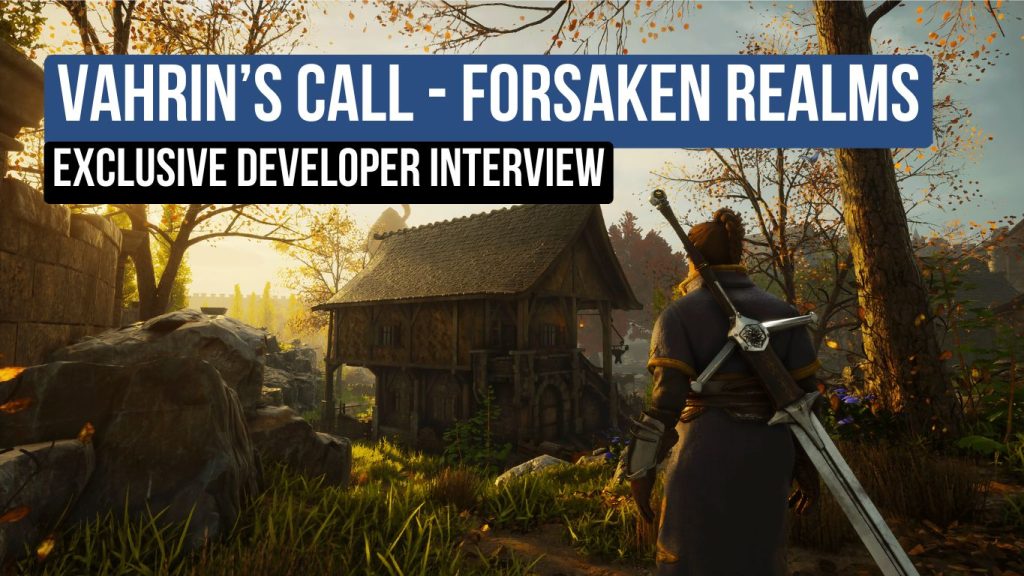
Built by a self-funded team of seven, Vahrin’s Call is an ambitious fantasy RPG inspired by Fable, The Elder Scrolls…
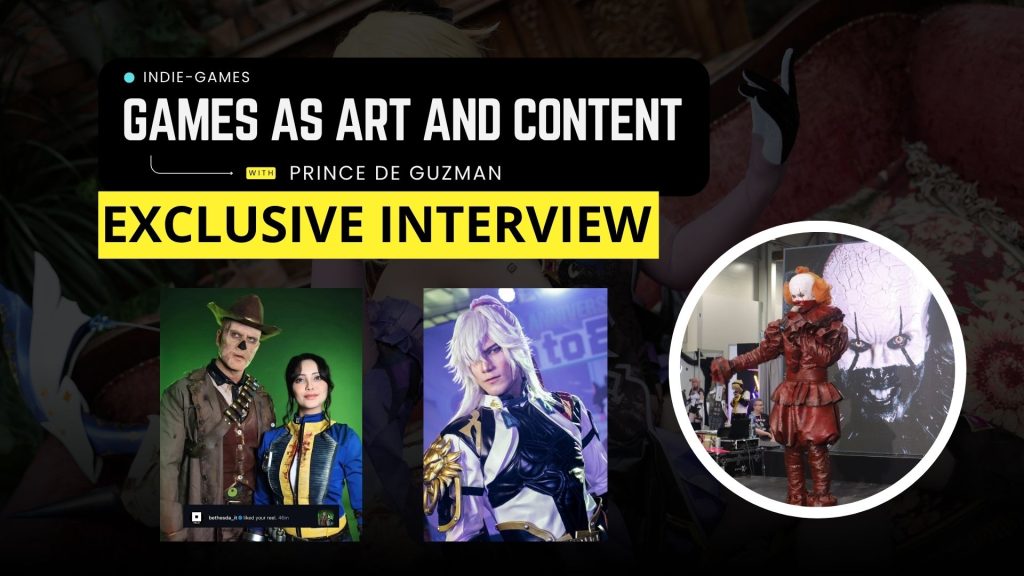
We spoke with cosplayer Prince de Guzman, who is known for his transformations inspired by horror, anime, and video games.
Unless you’re deep in the indie gaming scene, Naphtali Faulkner might be a new name to you. But as the…
We had a chance to catch up with Heidi Borge, the developer behind narrative-driven cozy Delphinium to learn more about…
We had the opportunity to speak with Damian Czajka from MOUSE: P.I. For Hire Team.
We had the opportunity to talk with Piotr Nowakowski from Bloober Team about his work on Cronos: The New Dawn.
![[INTERVIEW] Manafinder II Is a Big Step Up – Here’s What the Developer Told Us](https://www.indie-games.eu/wp-content/uploads/2026/04/Manafinder-II-interview-1024x683.jpg)
In the interview, we discussed the game’s mechanics in greater detail, what players can expect from the sequel, and the…
We had the opportunity to sit down with the brilliant minds behind Business Goose Studios: Beau Vankemenade, Sander Ambroos, and…
![[EXCLUSIVE] Like a Bloody Storm – Interview with Kazusou Oda (Coda)](https://www.indie-games.eu/wp-content/uploads/2025/12/Oda-Kazusou-Interview-1024x576.jpg)
We had an opportunity to talk with Oda Kazusou, a theme song artist for JoJo's Bizarre Adventure.
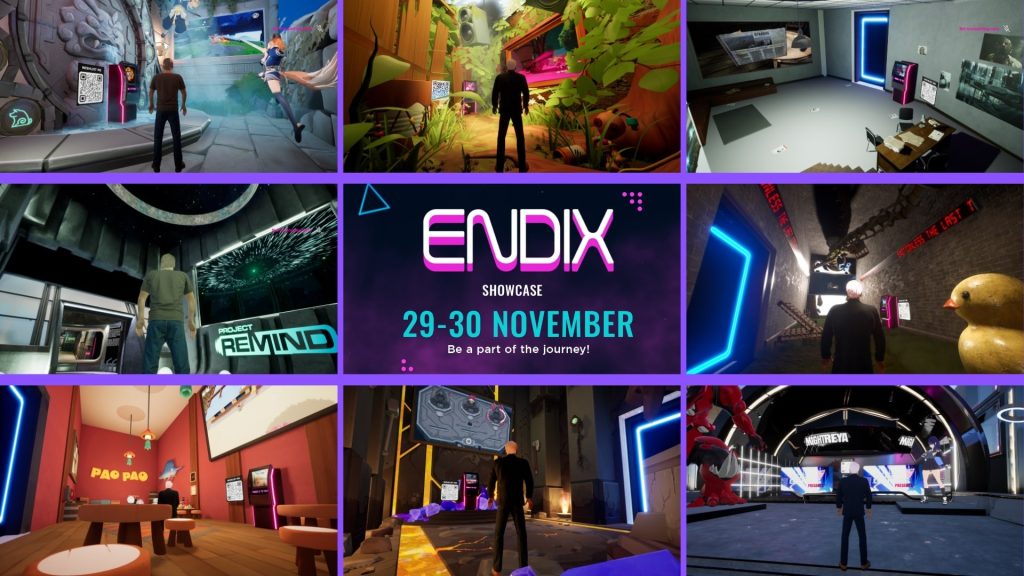
Once inside, visitors will find a fully immersive world where exhibitor booths are crafted using real in-game assets.
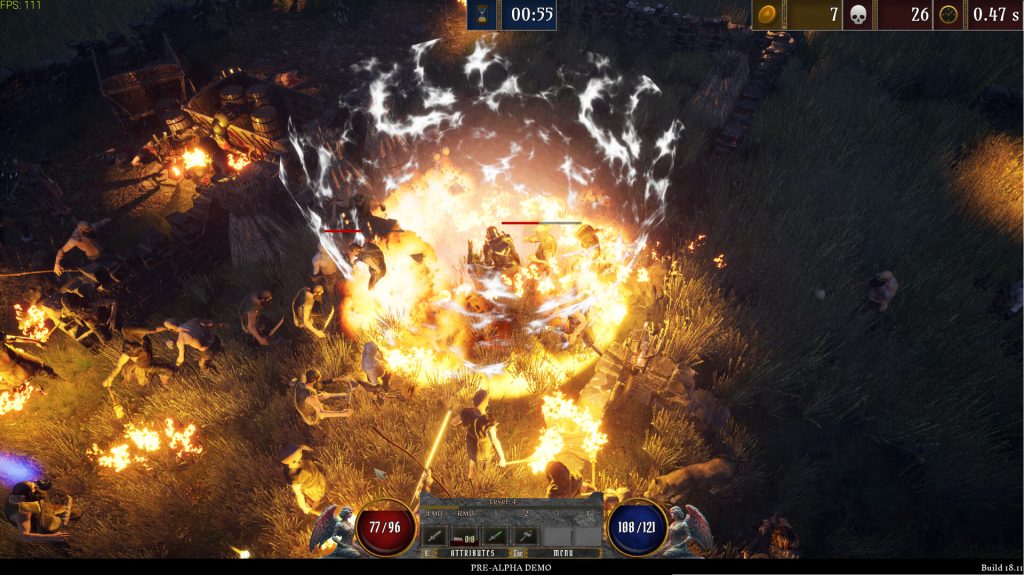
We talked to Tomasz Janicki about the details regarding Cult of Shadows.
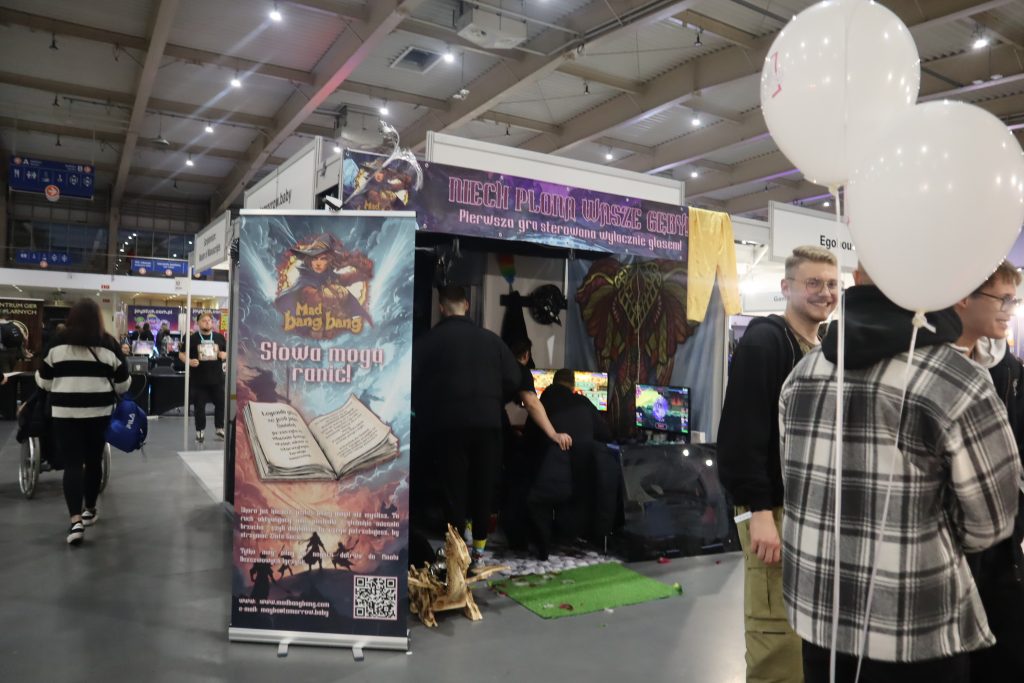
We talked to Piotr Ruszczak, one of the creators of Mad Bang Bang, about the details of this production.
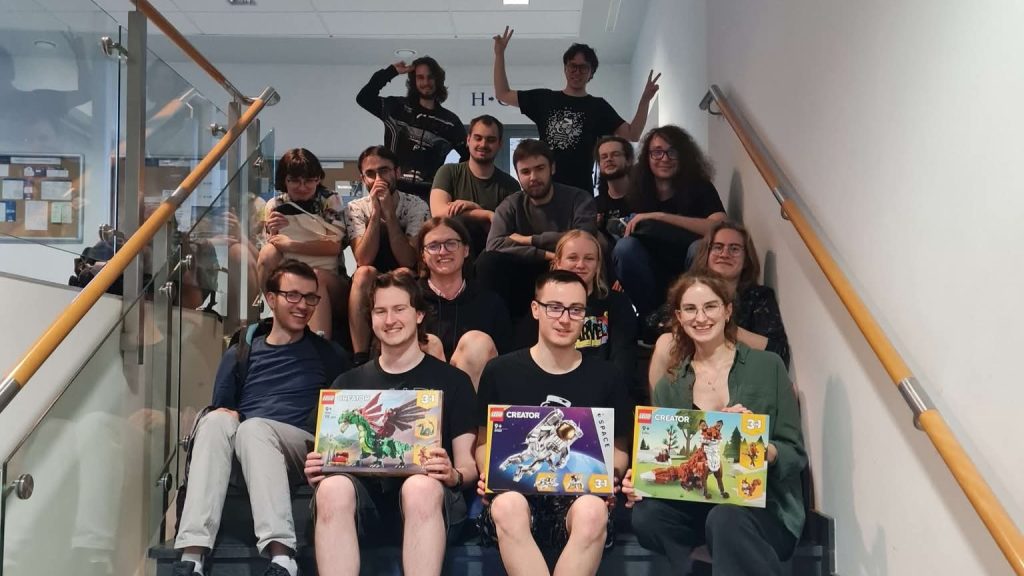
We asked Kiryl, Marek, and Jakub to reveal the secrets of their work to us.
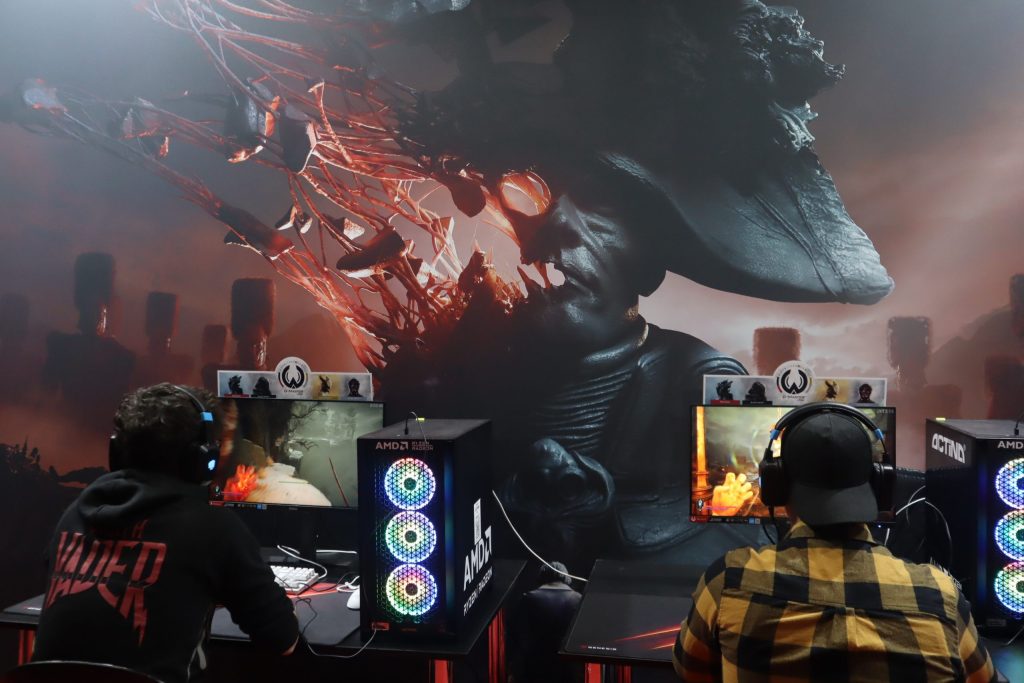
Will Valor Mortis become the hit of 2026?

We had the chance to ask Yannick Audéoud, developer behind Orbyss, some questions about the game.
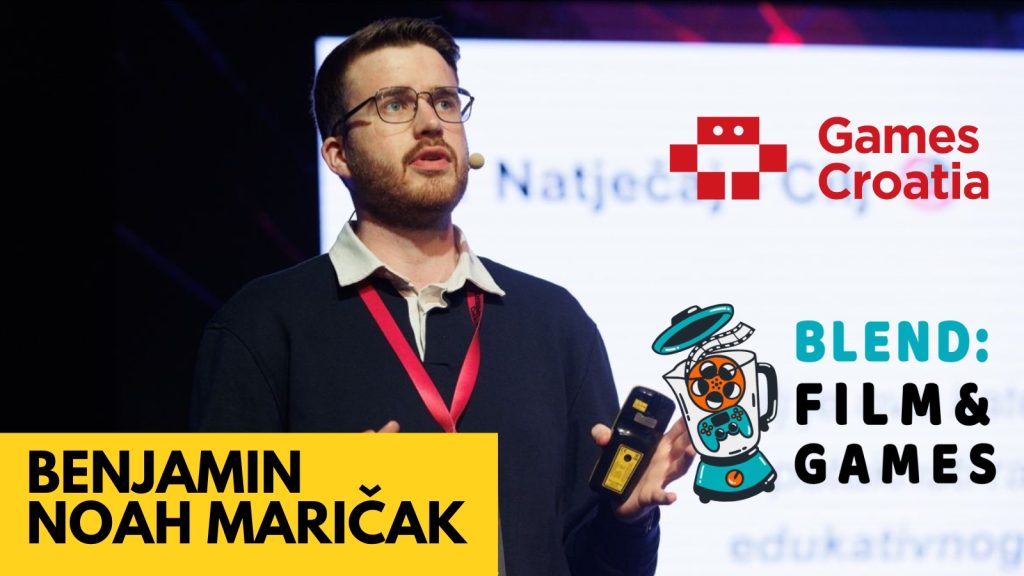
Maričak actively works to grow and promote the Croatian gaming industry while simultaneously fostering collaboration with the film industry.
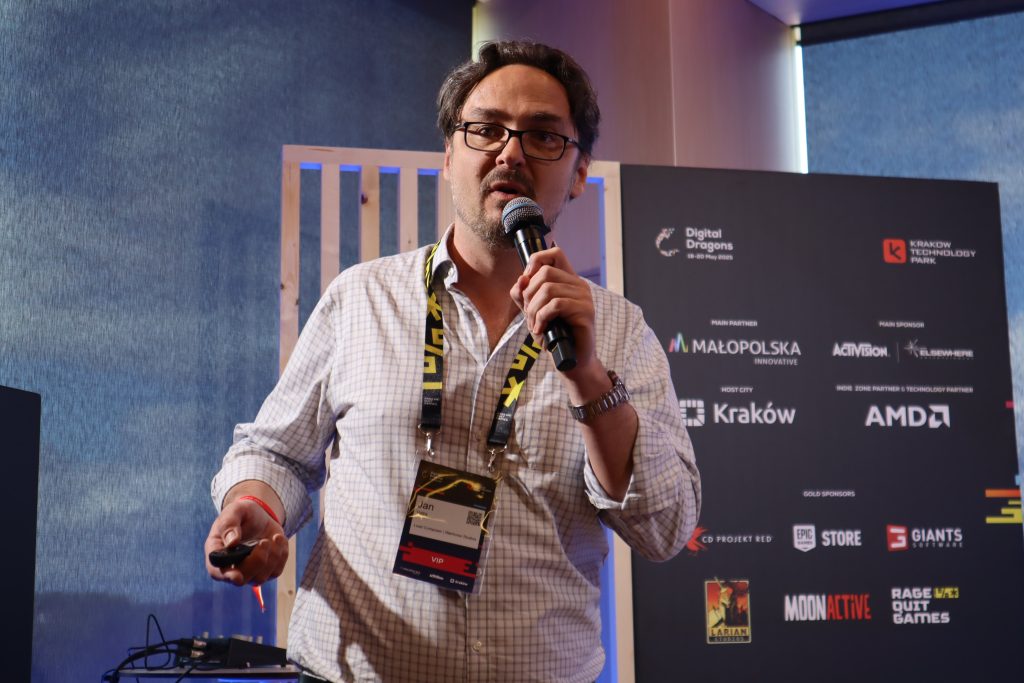
During our interview, Jan revealed the secrets of composing music for both KCD games.
In this interview, we asked Paweł Charzyński about his experience working on Frostpunk 2 as VFX coordinator.
