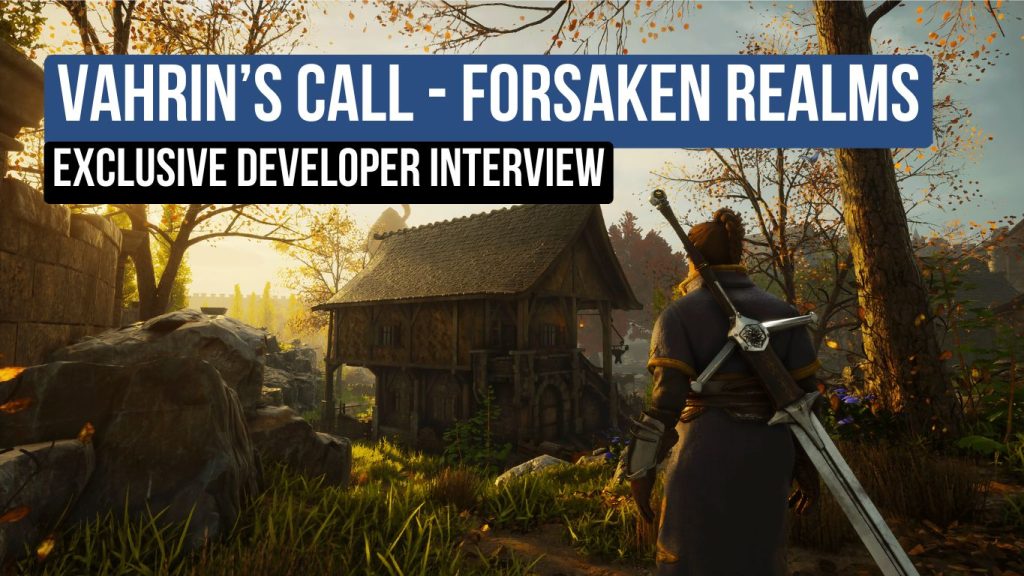
Vahrin’s Call Interview: No Classes, No Generative AI, and Complete Player Freedom
Built by a self-funded team of seven, Vahrin’s Call is an ambitious fantasy RPG inspired by Fable, The Elder Scrolls…

If you enjoy independent indie game coverage, consider supporting Indie-Games.eu on Patreon. It helps keep the site independent.
How do you combine classical sound with melodies from popular Japanese animations? The members of the Yumegakanau Foundation have found a way. In cooperation with the Karol Namysłowski Symphony Orchestra from Zamość and the Pro Musica Mundi choir, they organize concerts as part of the Anime Symphony project. The final anime music concert of the year took place at Kraków Magnificon Winter Expo 2024, where we had the opportunity to speak with Wiktor Kuliński, the foundation’s president and the driving force behind the entire initiative.
Anime music offers an incredible variety of genres: from rock to symphonic film music, and even classical compositions inspired by Mozart or Bach. People unfamiliar with anime are often surprised after our concerts because they expect primarily traditional Japanese sounds. While those are certainly present, a significant portion of the melodies has a European character, reminiscent of the aforementioned famous composers.
It’s a story that might sound a bit cliché and sentimental, but it truly happened. My love for anime music was born in primary school. I attended music classes with an excellent teacher, Ms. Katarzyna Kucharska, who taught us about music. We also learned to play the recorder. I was quite good at it, so I started looking for new pieces to play and came across a track from the second Pokémon movie: Lugia’s Song.
This was in the early days of the internet, which wasn’t as developed as it is today, so I wasn’t skilled at finding sheet music. Instead, I downloaded the song from YouTube and burned it onto a CD, which I gave to Ms. Kucharska. A week later, she returned it with sheet music she had transcribed by ear. I was thrilled, and when she saw how excited I was, she suggested enrolling in music school. That was the beginning of my journey in the oboe class.
At Ms. Katarzyna’s initiative, we also went on trips to the philharmonic. There was an annual program where you could buy a subscription and concert tickets cost only 5 złoty. The last concert in that series that I attended was dedicated to film music. They performed pieces from Pirates of the Caribbean, Star Wars, and The Mission. That’s when the idea struck me: if I can go to the Kraków Philharmonic and listen to the biggest hits from Pirates of the Caribbean, why couldn’t the same be done with anime music?
Anime compositions are often beautiful and have huge potential for symphonic performance. The idea started growing inside me. In the meantime, I was helping organize various pop culture events like Magnificon, where I observed the growing interest in anime. That’s when I began serious preparations, contacting orchestras, choirs, and friends. In the end, I managed to bring everything together, which led to the first Anime Symphony concert.


It feels like it has been years, but in reality we only started this year. Our performance at Magnificon was our sixth concert. Before that, we held two “large” concerts with a full orchestra of over 50 instrumentalists, a 24-member choir, and our four amazing vocalists. For chamber concerts, the ensemble is smaller: 25 instrumentalists and soloists. So even though we began only recently, preparations for the first concert took more than a year.
Aside from the obvious difference in the music, which in this case comes not from games or films but from anime, we try to approach these concerts from a slightly different perspective. Besides providing entertainment, we aim to maintain a level of seriousness in promoting culture. That’s why we established cooperation with organizations such as the Embassy of Japan and the Legalna Kultura Foundation. We also make sure the concerts are held in appropriate venues, such as the ICE Kraków Congress Centre or the Warsaw Philharmonic.
Moreover, in anime, music usually supports the visuals. In our concerts, we decided that the visuals should support the music. We include animations created specifically for our performances, as well as cosplayers during iconic pieces. This segment is handled by our stage designer and vice-president of the Yumegakanau Foundation, Katarzyna “Kairi” Siedlecka. In my opinion, she perfectly balances music as an art form with visuals that enhance it.


This is the most beautiful aspect we observe. Young anime fans often face skepticism from their parents or older relatives, who see anime as a passing hobby or something not worth taking seriously. With the Anime Symphony project, we wanted to give young people an opportunity to introduce their loved ones to the world of anime through a form of culture they can appreciate. I’ve seen comments on TikTok, YouTube, and even on ticket-sale platforms like Bileterie, where people write: “I didn’t know what anime was, but my children/grandchildren took me to the concert, and I had a great time.”
Listening to and reading such comments warms my heart. It shows that we’ve created an event that treats anime seriously and brings generations together. I’m not saying that those who are new to anime will immediately start watching series or attending conventions, but they get a chance to glimpse the passion their children, grandchildren, or friends have for it. After all, anime is a multifaceted medium that includes animation, cosplay, music, art, performance, and more. Moments like these highlight how anime fans can channel their passion into something even more creative.
I won’t hide that the first repertoire was entirely my choice. While putting it together, I focused on two aspects: the complexity of the compositions, selecting technically demanding ones, and their character. The best choices are grand, emotional pieces written for orchestras. The goal is to evoke memories in the listeners, even if they don’t immediately recognize the titles. When they hear these pieces during the concert, specific scenes from the anime often come to mind.
For that reason, I avoid opening and ending themes, as they are already popular and mostly serve commercial and promotional purposes. However, that doesn’t mean they are completely excluded from Anime Symphony. For example, we included the ending theme from Demon Slayer, which also appears during the episodes, and of course Moonlight Densetsu, the opening theme from Sailor Moon.
I can reveal that at the next concert we will include the opening song Gurenge from Demon Slayer, which our vocalist Carolin “Wønder” Mrugala has been eager to perform. Kairi has also suggested several ideas, including music from Death Note. Although I’ve watched it, I had forgotten how fantastic its vocal parts are, making it perfect for our Pro Musica Mundi choir. Kairi also proposed My Hero Academia, and I added One Piece and Fairy Tail. These are great ideas for themed segments. Our concerts are divided into two parts: blocks of songs from specific anime, usually around five compositions, and standalone pieces from other productions. Larger blocks usually consist of four segments, while individual pieces fill the remaining parts, making up nearly 40 pieces per concert.
Our next goals are quite ambitious. We would love to invite Japanese composers to our concerts. It would be incredible to host performers of legendary pieces so they could play with the orchestra or sing solo. Imagine, for example, Miku Kobayashi performing songs from Attack on Titan with a full symphony orchestra, what a spectacle that would be! Of course, the costs of such events would be enormous, and we operate entirely on our own resources. Therefore, finding an investor or sponsor would certainly make realizing this vision easier. But I believe that as Anime Symphony continues to grow, these dreams will become more achievable.


As for the concerts, I dream of performing in the largest Polish cities: Wrocław, Poznań, Kraków, Warsaw, and Gdańsk. I think there is great potential for development here. As I mentioned earlier, we cooperate with the Embassy of Japan, the Legalna Kultura Foundation, and the Institute of Middle and Far Eastern Studies at Jagiellonian University, who support us in promoting these concerts as cultural events.
This aligns with our main idea, to get people interested in anime without overwhelming them with pop culture. I encourage all anime fans to bring their siblings, parents, teachers, and anyone who notices their passion but doesn’t understand it. Tell them: “Take that first step and see for yourself.” I promise it will be a step they’ll fondly remember.
Built by a self-funded team of seven, Vahrin’s Call is an ambitious fantasy RPG inspired by Fable, The Elder Scrolls…
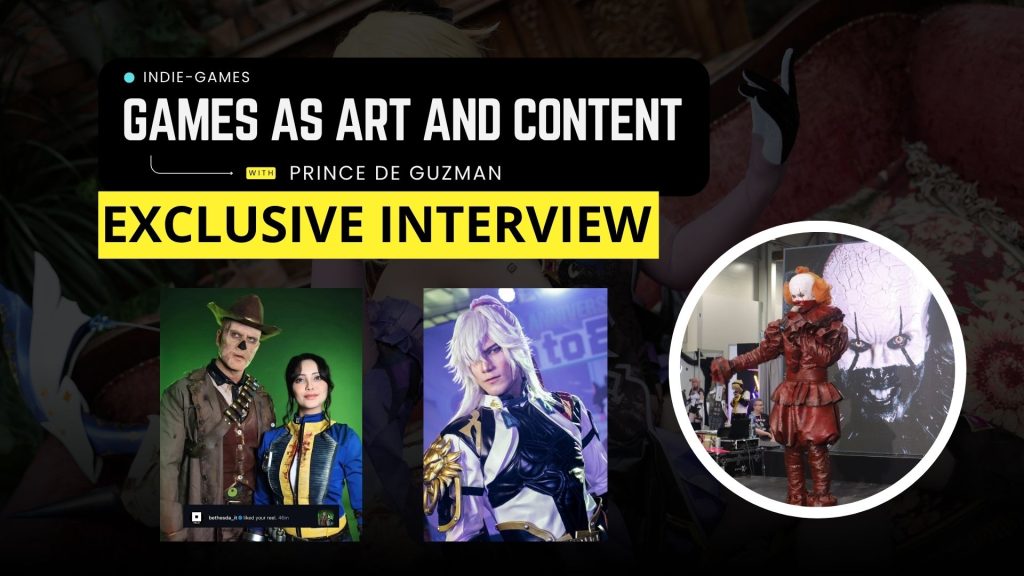
We spoke with cosplayer Prince de Guzman, who is known for his transformations inspired by horror, anime, and video games.
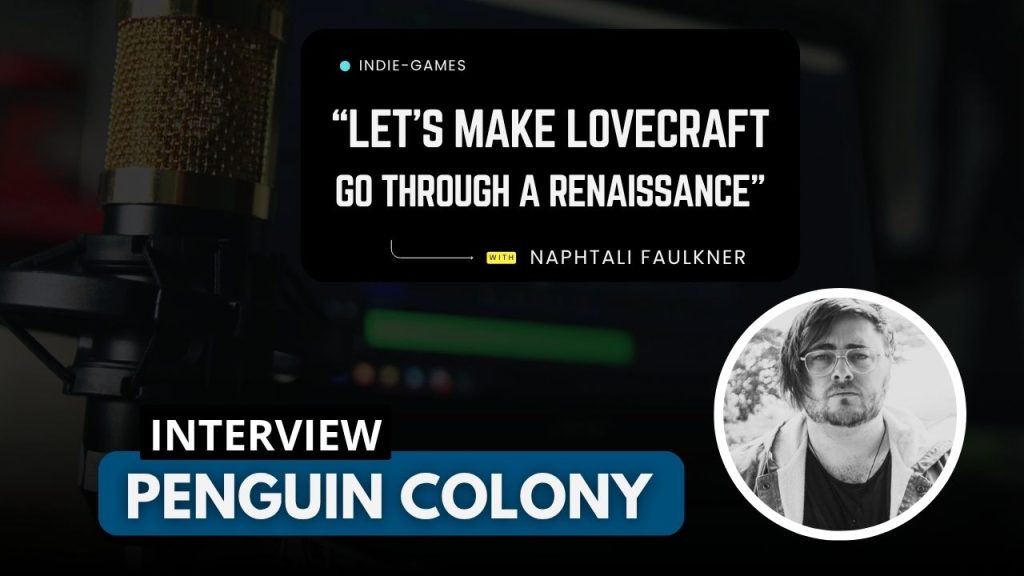
Unless you’re deep in the indie gaming scene, Naphtali Faulkner might be a new name to you. But as the…
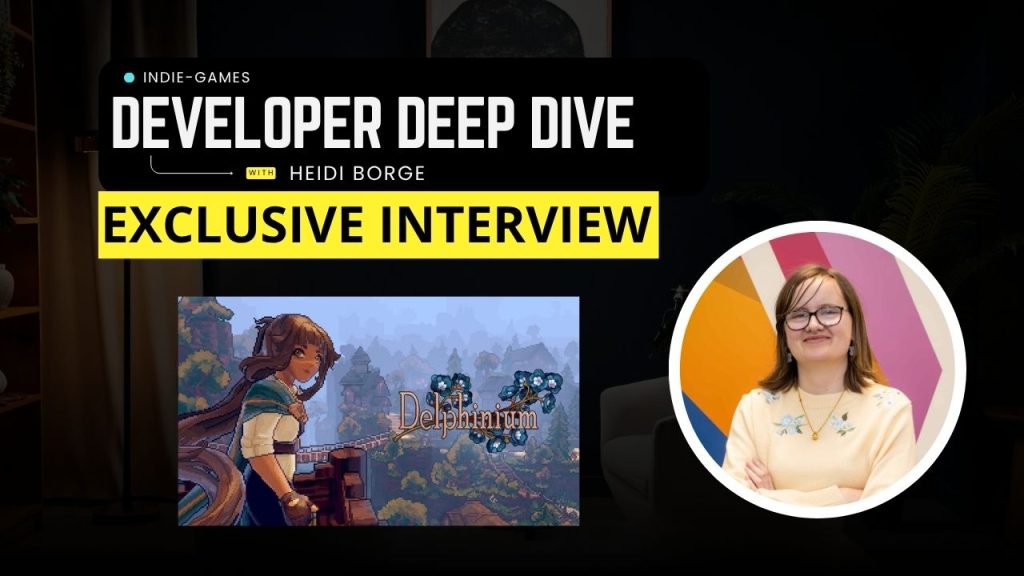
We had a chance to catch up with Heidi Borge, the developer behind narrative-driven cozy Delphinium to learn more about…
We had the opportunity to speak with Damian Czajka from MOUSE: P.I. For Hire Team.
We had the opportunity to talk with Piotr Nowakowski from Bloober Team about his work on Cronos: The New Dawn.
![[INTERVIEW] Manafinder II Is a Big Step Up – Here’s What the Developer Told Us](https://www.indie-games.eu/wp-content/uploads/2026/04/Manafinder-II-interview-1024x683.jpg)
In the interview, we discussed the game’s mechanics in greater detail, what players can expect from the sequel, and the…
We had the opportunity to sit down with the brilliant minds behind Business Goose Studios: Beau Vankemenade, Sander Ambroos, and…
![[EXCLUSIVE] Like a Bloody Storm – Interview with Kazusou Oda (Coda)](https://www.indie-games.eu/wp-content/uploads/2025/12/Oda-Kazusou-Interview-1024x576.jpg)
We had an opportunity to talk with Oda Kazusou, a theme song artist for JoJo's Bizarre Adventure.
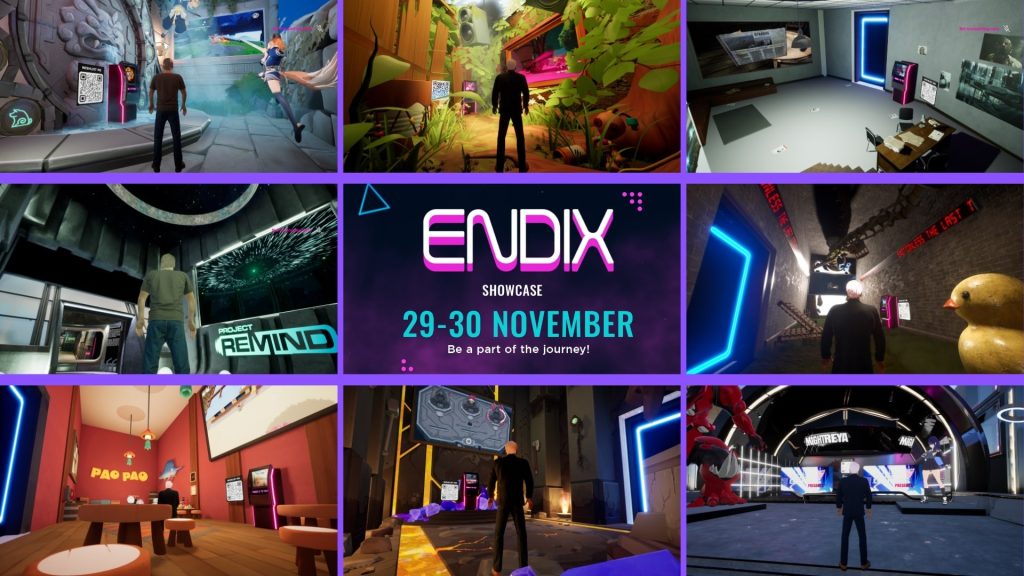
Once inside, visitors will find a fully immersive world where exhibitor booths are crafted using real in-game assets.
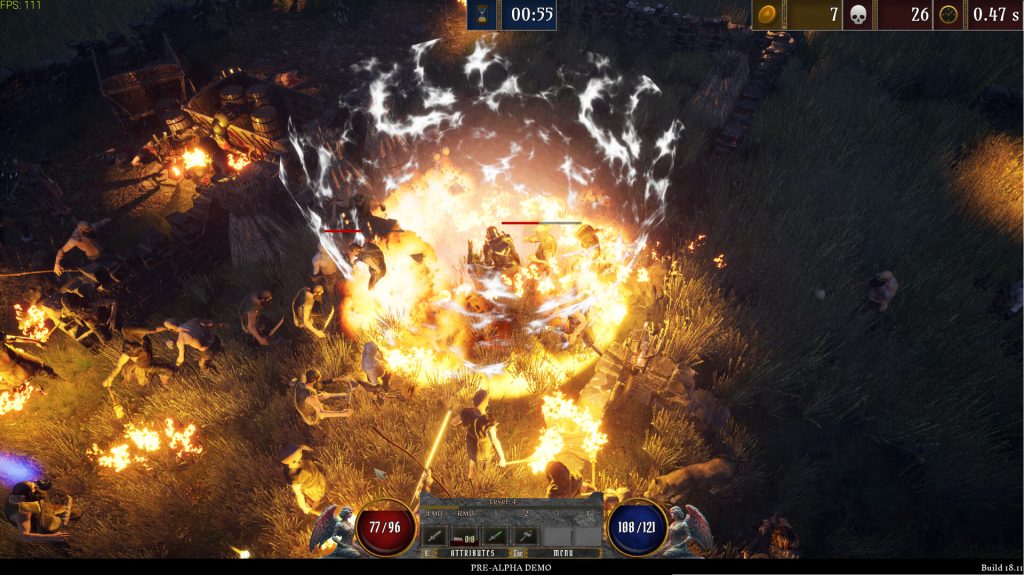
We talked to Tomasz Janicki about the details regarding Cult of Shadows.
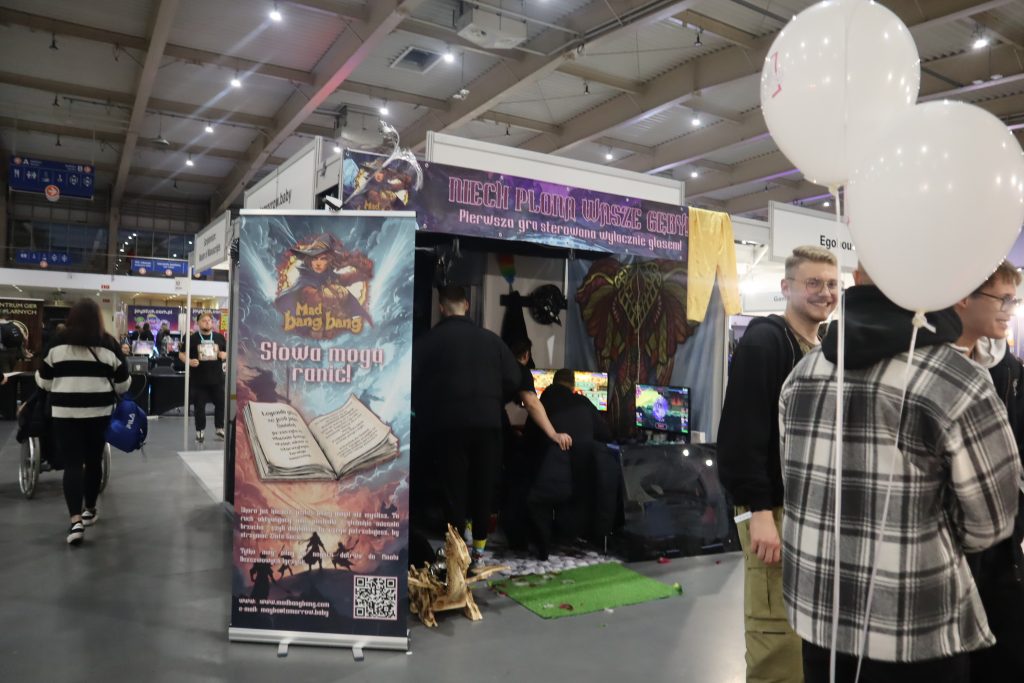
We talked to Piotr Ruszczak, one of the creators of Mad Bang Bang, about the details of this production.
We asked Kiryl, Marek, and Jakub to reveal the secrets of their work to us.
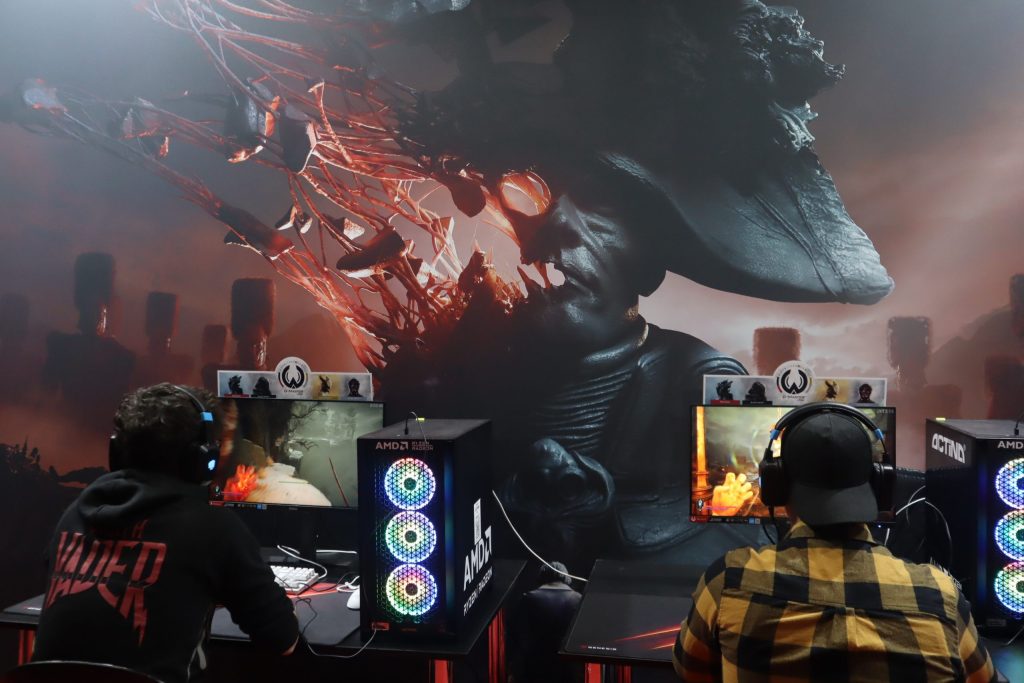
Will Valor Mortis become the hit of 2026?

We had the chance to ask Yannick Audéoud, developer behind Orbyss, some questions about the game.
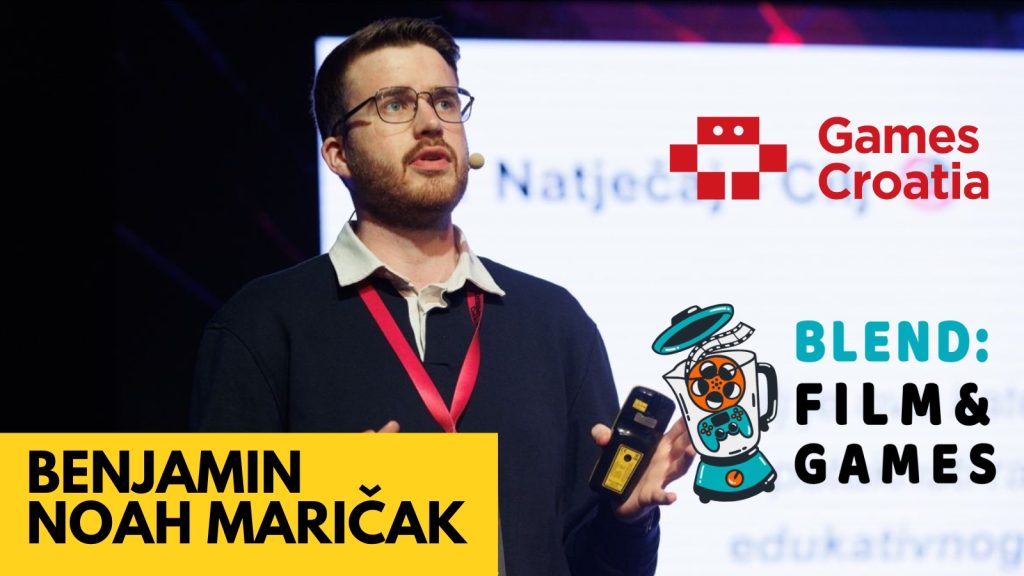
Maričak actively works to grow and promote the Croatian gaming industry while simultaneously fostering collaboration with the film industry.
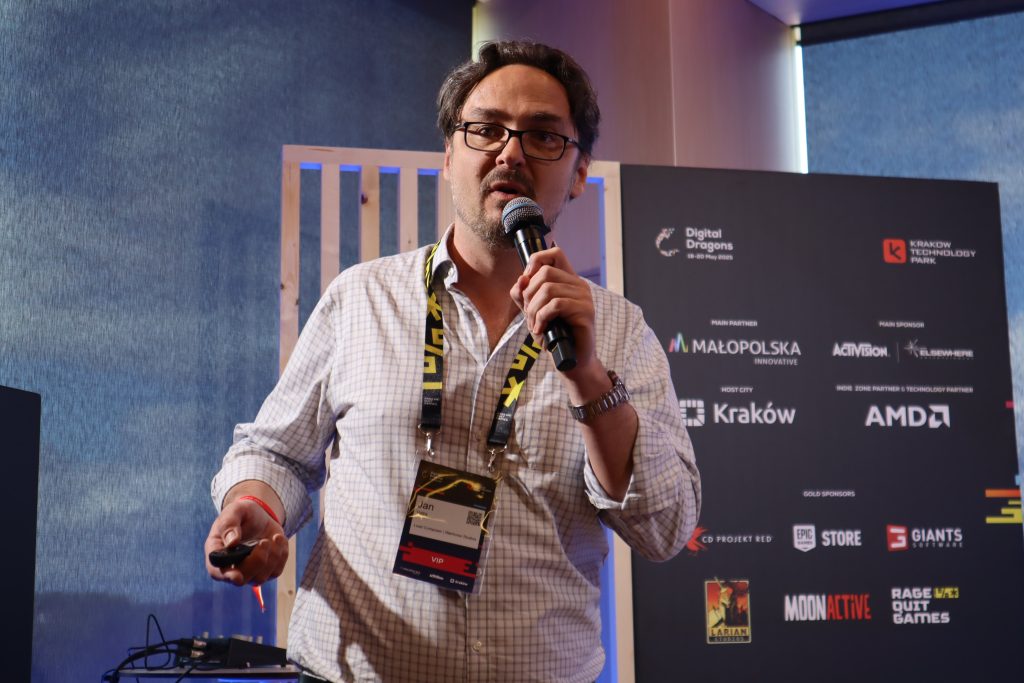
During our interview, Jan revealed the secrets of composing music for both KCD games.
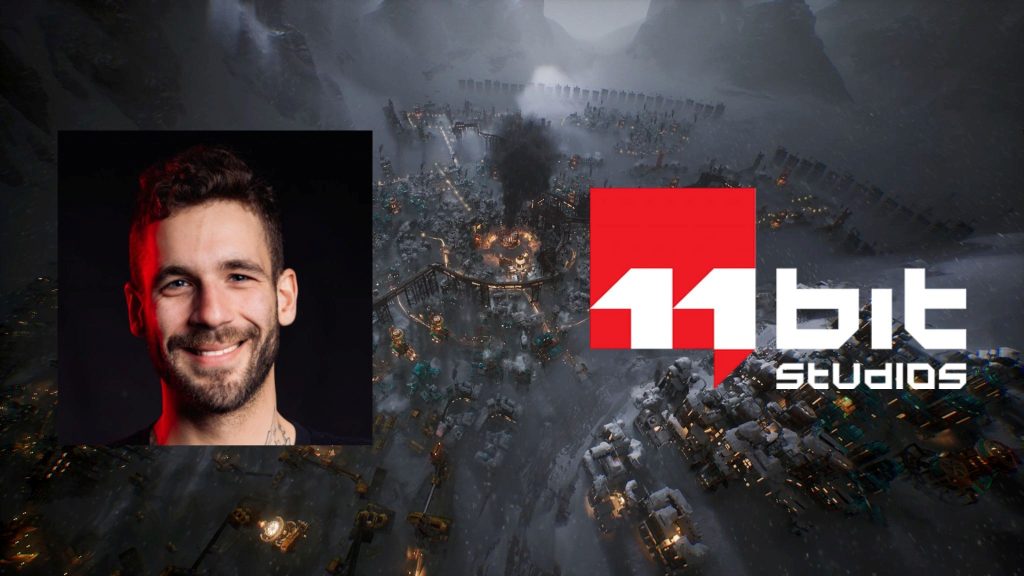
In this interview, we asked Paweł Charzyński about his experience working on Frostpunk 2 as VFX coordinator.
![[A BIG INTERVIEW] Toukana Interactive Co-Founder Zwi Zausch on the Gaming Industry](https://www.indie-games.eu/wp-content/uploads/2025/09/Dizajn-bez-naslova-2-1024x576.jpg)
Zwi Zausch provided a deep dive into the gaming industry from an indie developer's perspective.
![[A BIG INTERVIEW] Deep Dive into Star Birds with Toukana Interactive’s Co-Founder](https://www.indie-games.eu/wp-content/uploads/2025/09/star-birds-1024x576.jpg)
Ever wondered what it takes to build a relaxing base on an asteroid? We spoke with Zwi Zausch, who gave…
