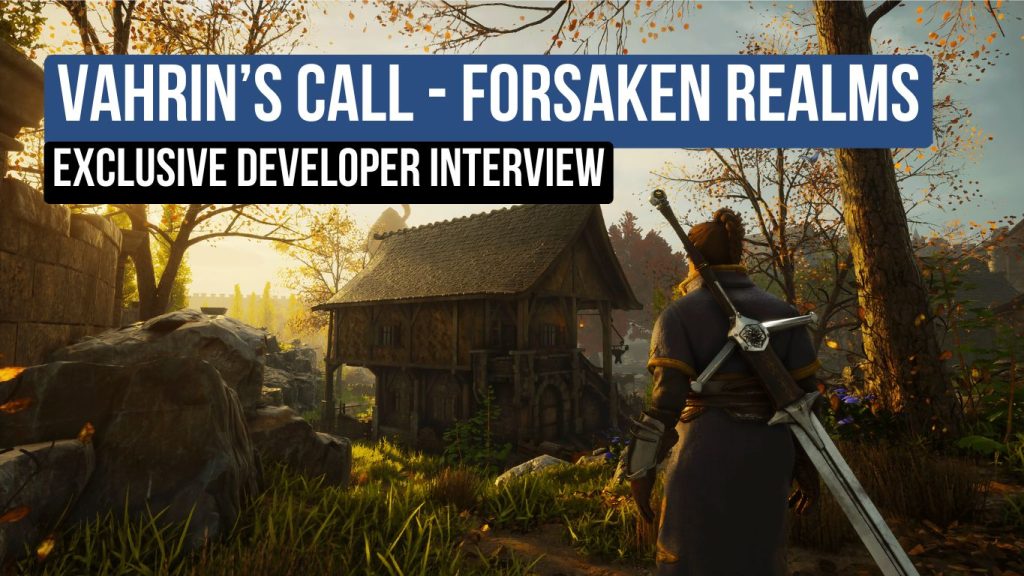
Vahrin’s Call Interview: No Classes, No Generative AI, and Complete Player Freedom
Built by a self-funded team of seven, Vahrin’s Call is an ambitious fantasy RPG inspired by Fable, The Elder Scrolls…

If you enjoy independent indie game coverage, consider supporting Indie-Games.eu on Patreon. It helps keep the site independent.
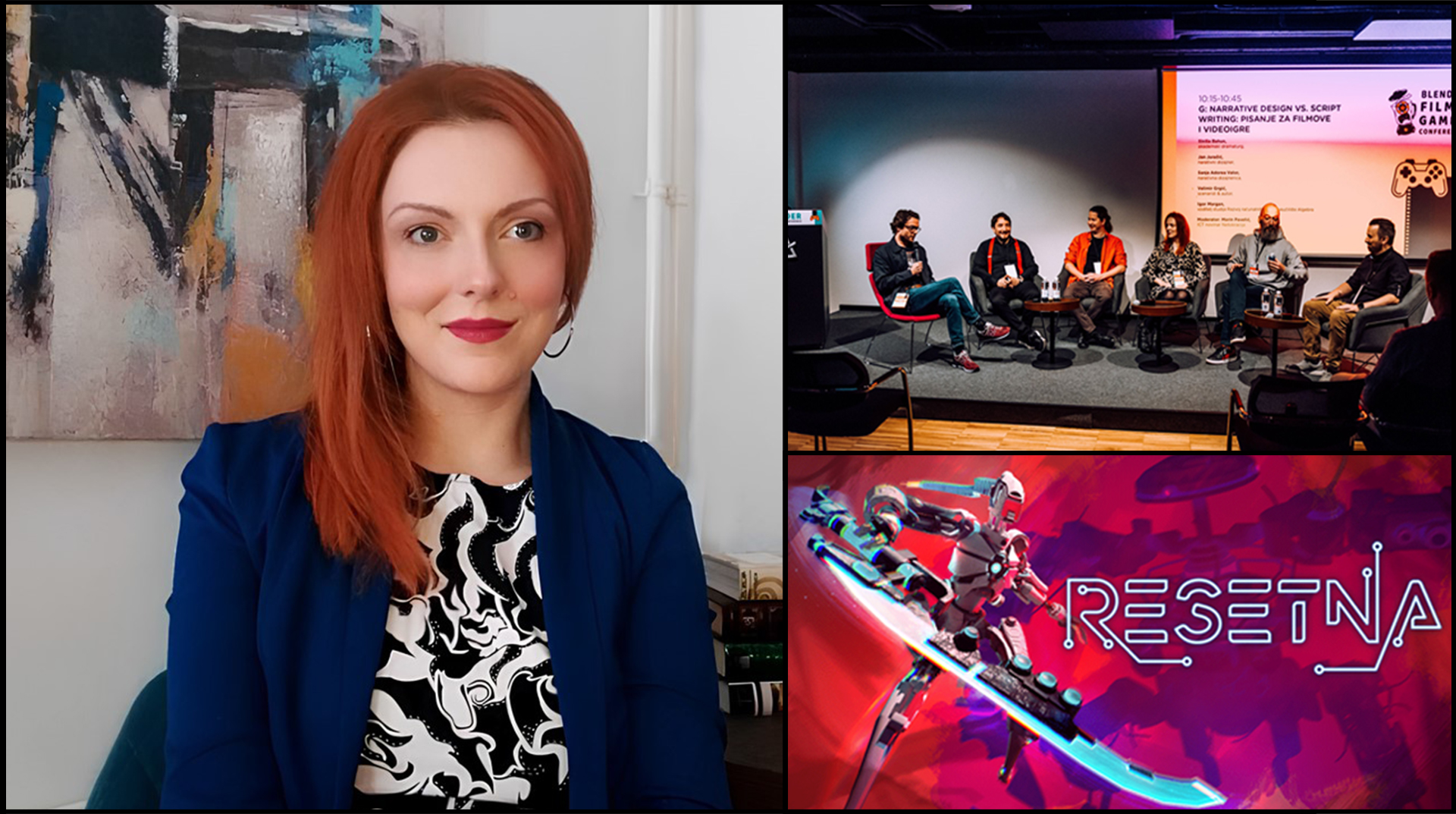
The Blender: Film & Games conference brought together local and international professionals from both the film and video game industries. It was the first conference in Croatia to connect these two fields, which, despite their differences, share many similarities. On the first Friday of the month, we had the opportunity to attend various panels, gain new insights, and meet narrative designer, musician, and creative director Sanja Adorea Valor.
Sanja is proof that this work is far from easy. Over the years, she has worked at several studios, including Exordium, Pine Studio, and collaborations with Croteam, which eventually led her to Today’s Games, currently developing the game ReSetna. We spoke with her about the role of a narrative designer, details about ReSetna, and her thoughts on the state of the Croatian video game industry.
ReSetna is a 2.5D Metroidvania set in a collapsed, post-apocalyptic world. A once-great civilization has fallen, and its remaining inhabitants struggle to survive under the rule of APEX. When a mysterious Signal appears, driving robots to madness and violence, ReSetna and her loyal drone IXA embark on a mission to uncover the secrets behind the Signal and its true meaning.

It’s hard for me to pick one favorite, because I love combining different mediums. I really love music—I’ve been playing, singing, and composing since I was little. Still, I love writing just as much, because through it I can tell stories. I enjoy expressing my ideas in different ways, so it’s difficult for me to choose just one.
Since I’m a very creative person, I’ve always seen myself in some kind of creative waters. But I didn’t specifically think about video games. About seven years ago, I stumbled upon an ad for creative writing at Machina Academy, and that’s basically how I started my journey into video games in Croatia. I met a lot of people in the industry, did internships for writing, and even for music, eventually.
Narrative design really includes everything. Primarily, it’s about collaborating with the game designer so that the game mechanics connect with the story. For example, if I’m working on a Metroidvania game, every combat mechanic needs a narrative explanation. Of course, it also involves worldbuilding—it’s not just writing dialogues, cutscenes, or quests.
You also have to describe the items players will find, the entire history of the world, and what’s actually happening in that world. I really enjoy writing NPCs, or side characters. They’re especially interesting to me because they’re the ones who tell the story of the world, not the main player. So, that part is quite challenging for me.

It’s hard for me to pick one favorite, because I love combining different mediums. I really love music—I’ve been playing, singing, and composing since I was little. Still, I love writing just as much, because through it I can tell stories. I enjoy expressing my ideas in different ways, so it’s difficult for me to choose just one.
Since I’m a very creative person, I’ve always seen myself in some kind of creative waters. But I didn’t specifically think about video games. About seven years ago, I stumbled upon an ad for creative writing at Machina Academy, and that’s basically how I started my journey into video games in Croatia. I met a lot of people in the industry, did internships for writing, and even for music, eventually.
Narrative design really includes everything. Primarily, it’s about collaborating with the game designer so that the game mechanics connect with the story. For example, if I’m working on a Metroidvania game, every combat mechanic needs a narrative explanation. Of course, it also involves worldbuilding—it’s not just writing dialogues, cutscenes, or quests.
You also have to describe the items players will find, the entire history of the world, and what’s actually happening in that world. I really enjoy writing NPCs, or side characters. They’re especially interesting to me because they’re the ones who tell the story of the world, not the main player. So, that part is quite challenging for me.


The biggest challenge is the time difference, since we’re in different time zones. We try to make sure communication doesn’t get delayed by more than a day, but sometimes this leads to overtime. Still, our publisher is really great. There aren’t any major challenges aside from the time difference, which we sometimes forget about. We work remotely, so whenever we send a message to the team, someone responds immediately and we can quickly organize a meeting.
I think between 9 and 13. We have three programmers, three to four artists, one writer, one game designer, and VFX and sound designers. So we cover all key positions. Sometimes, especially in indie teams, one person handles multiple roles, which is pretty common in Croatia—both due to experience and limited resources.
But we’re well-equipped. We have an excellent team of industry veterans who know exactly what they’re doing, and their efficiency is unquestionable. In that sense, the workload is optimal.
Quite a lot. Just at Exordium, I worked on over 150 games, so it’s hard to count exactly. I’ve held various positions, from composing to writing, so I didn’t track the numbers specifically, but overall, it’s definitely over 100 games.
Yes, for music I mostly use FL Studio. I’ve experimented a little with Cubase, but that’s a matter of preference. I can also use Ableton, all of these tools have similar functions. It’s a personal choice, just like developers decide whether to work in Godot, Unity, or Unreal. For example, we work in Unity, which I’m very familiar with.
Currently, I’m also working on scripts. I write scripts in Articy Draft, which we then port into Unity. It’s important to have technical knowledge to speed up the process and make communication with the rest of the team easier. My job isn’t just sitting down and writing—ideally, a writer should be able to test their work directly in the engine.

I think it’s a very positive event. It’s interesting to see how the film and video game industries come together, or “blend,” so to speak. While they are similar mediums, they are also very different. On the panel, we discussed interactivity and the differences between them, but we also highlighted their similarities. I think it’s extremely useful, especially because video games, despite being around for many years, are still unfamiliar to the broader public. This conference helps people better understand games and connect them with film, a medium that has been established for a long time and has a much wider audience.
I think it’s still in a growth phase. I’m happy to see new studios opening, which is always a positive sign. However, I believe there is a lot of room for further development. In general, the biggest challenge, not just in Croatia, but in the global video game industry, especially for indie teams, is investment and the lack of investors. This work often starts in a “garage,” without any funding, in free time, or through a job at a larger studio where you build your career. Starting a project requires not only creativity and technical skills, but also business knowledge and experience.
Yes, it is. But nowadays it’s actually much easier than before. Technology and remote work mean we are no longer strictly tied to Croatia, which is a very positive change. I also increasingly see colleagues from Croatia working as narrative designers, game designers, or voice actors. It’s always beneficial to have a broad range of skills in the industry.


It’s hard to give concrete advice without it sounding like preaching. But I think the most important thing is to keep learning and to get to know the medium you’re working with. Video games are an extremely complex medium with a wide range of genres, and as a writer, you need to adapt to each of them. For example, there are games where, as a writer, you won’t write a single line of dialogue but will focus entirely on worldbuilding, like the well-known indie titles Little Nightmares or Inside. These are games with clear stories but not a single word. The key is to adapt to the genre you’re writing for.
It’s also important to understand the technical aspects, working in Unity, Articy, or other tools. You can learn writing itself, but the key skill is being able to find inspiration and good ideas within yourself. That’s something you need to discover on your own, and it’s perhaps the most important piece of advice I can give.
It definitely makes it easier. When I started, I was already a gamer, but I didn’t play all genres. Now, with advances in technology, it’s much easier to study different games and genres. Technology allows easier learning and faster access to information, but it also brings some challenges. For example, the development of artificial intelligence raises concerns for some, but as a writer, I’m not too worried. I’ve experimented with AI tools like ChatGPT, and while they can generate text, their output often lacks creativity and depth. AI can make certain tasks easier, but it cannot replace the creation of content with soul and meaning.
One of my first tasks in the day is reviewing and reading what I’ve already written, especially regarding worldbuilding or the stories of characters and bosses. I do this to remind myself of details and ensure consistency in the narrative. I also maintain my own Excel spreadsheet with daily tasks—I plan how much I’ll write, which parts of the game to test, and I handle creative and marketing tasks like recording videos.
The biggest challenge for me is organization, because game development often has strict deadlines. I could work on a game for ten years, but unfortunately, that’s not possible, so good organization is crucial. Every day, I review my tasks and check what I’ve written to avoid mistakes.
Built by a self-funded team of seven, Vahrin’s Call is an ambitious fantasy RPG inspired by Fable, The Elder Scrolls…
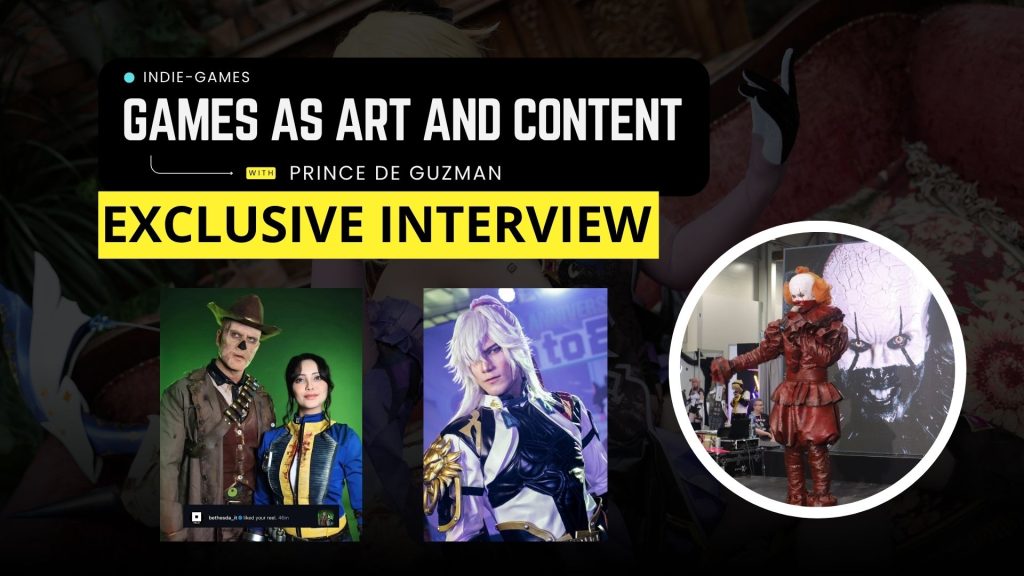
We spoke with cosplayer Prince de Guzman, who is known for his transformations inspired by horror, anime, and video games.
Unless you’re deep in the indie gaming scene, Naphtali Faulkner might be a new name to you. But as the…
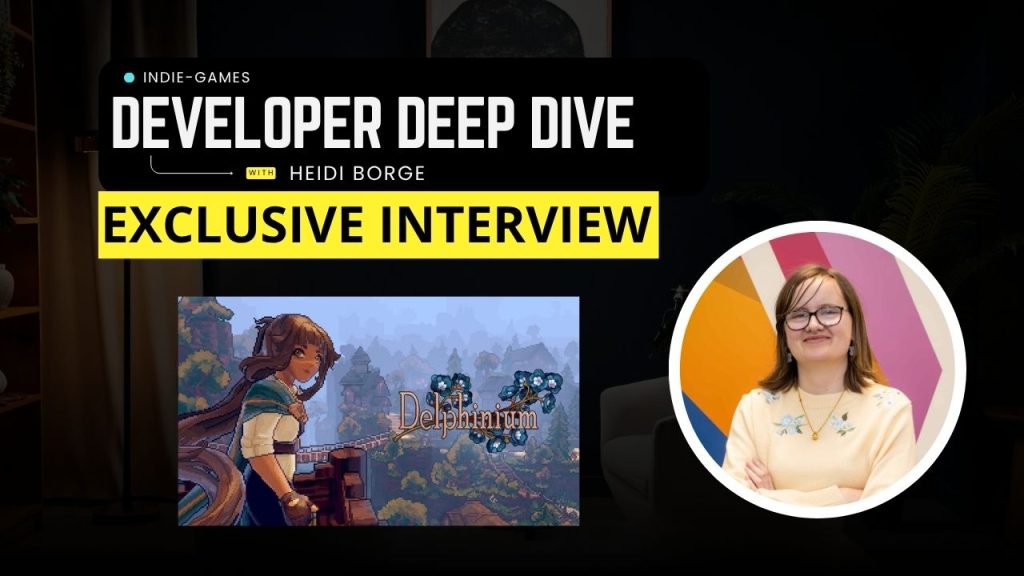
We had a chance to catch up with Heidi Borge, the developer behind narrative-driven cozy Delphinium to learn more about…
We had the opportunity to speak with Damian Czajka from MOUSE: P.I. For Hire Team.
We had the opportunity to talk with Piotr Nowakowski from Bloober Team about his work on Cronos: The New Dawn.
![[INTERVIEW] Manafinder II Is a Big Step Up – Here’s What the Developer Told Us](https://www.indie-games.eu/wp-content/uploads/2026/04/Manafinder-II-interview-1024x683.jpg)
In the interview, we discussed the game’s mechanics in greater detail, what players can expect from the sequel, and the…
We had the opportunity to sit down with the brilliant minds behind Business Goose Studios: Beau Vankemenade, Sander Ambroos, and…
![[EXCLUSIVE] Like a Bloody Storm – Interview with Kazusou Oda (Coda)](https://www.indie-games.eu/wp-content/uploads/2025/12/Oda-Kazusou-Interview-1024x576.jpg)
We had an opportunity to talk with Oda Kazusou, a theme song artist for JoJo's Bizarre Adventure.
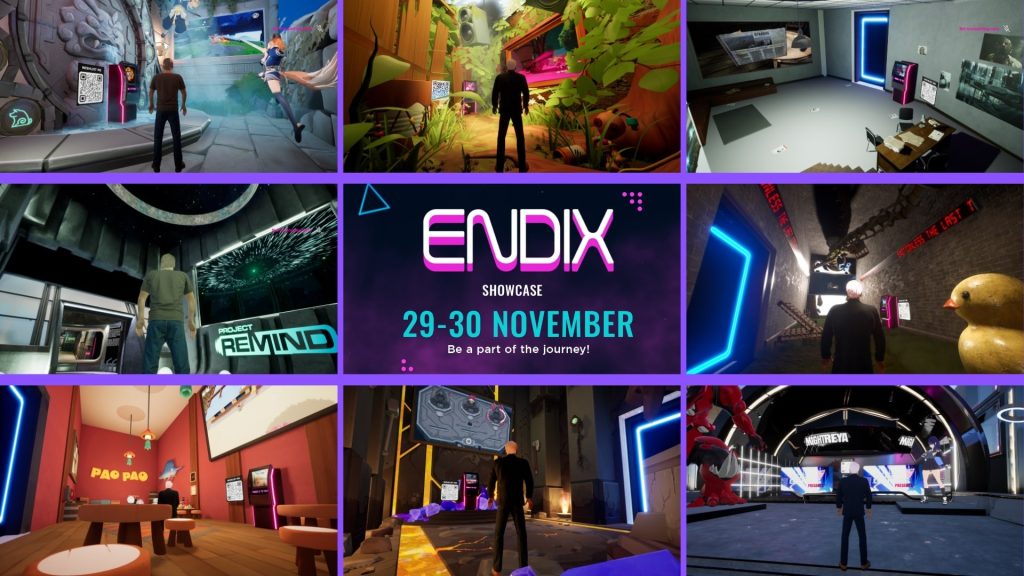
Once inside, visitors will find a fully immersive world where exhibitor booths are crafted using real in-game assets.
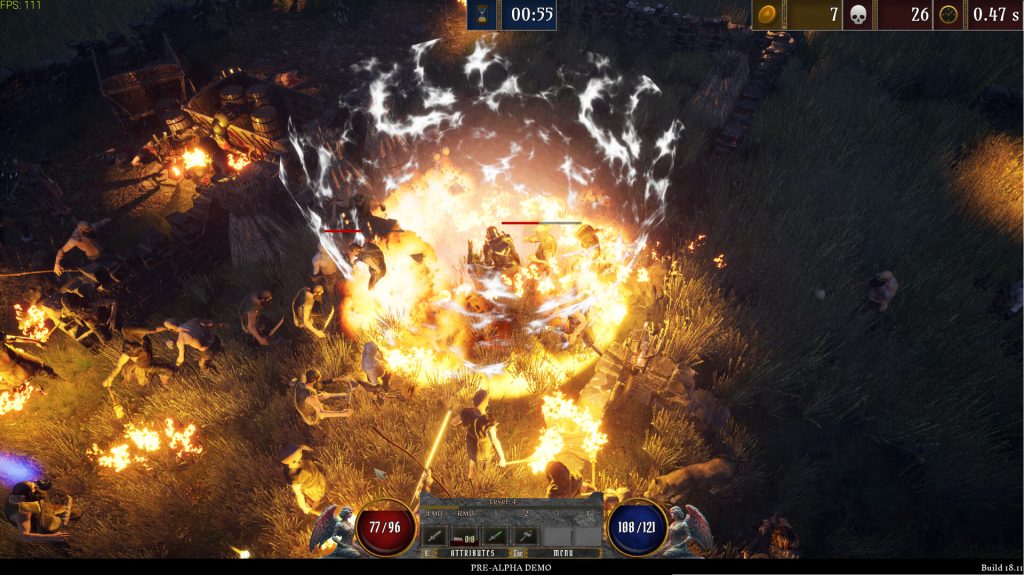
We talked to Tomasz Janicki about the details regarding Cult of Shadows.
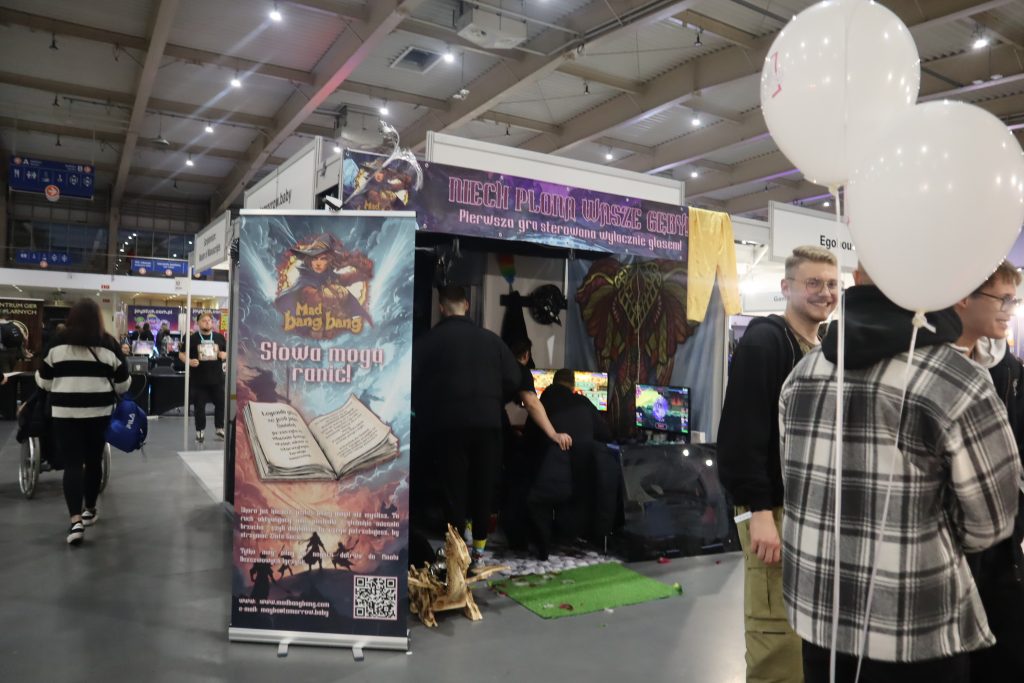
We talked to Piotr Ruszczak, one of the creators of Mad Bang Bang, about the details of this production.
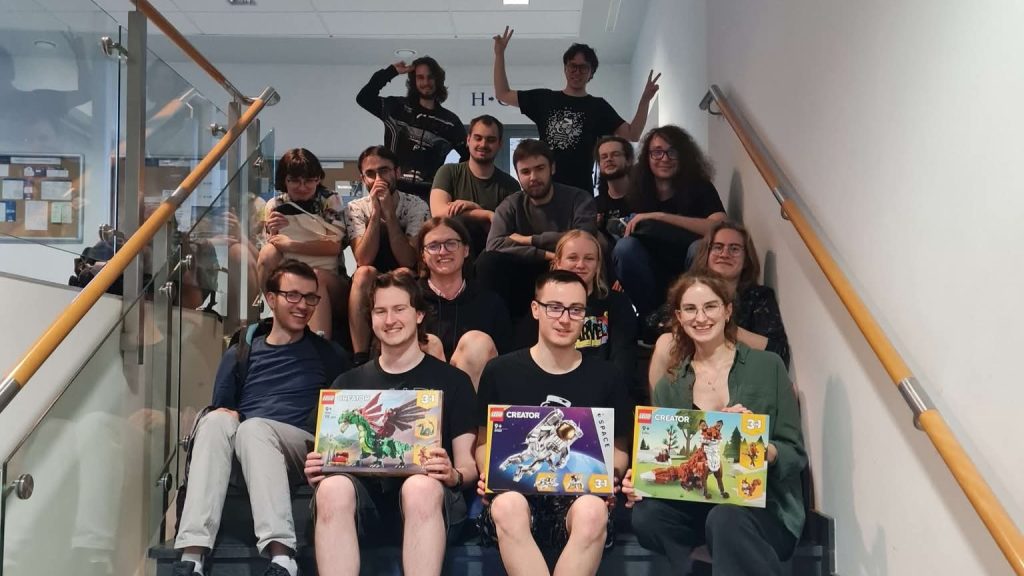
We asked Kiryl, Marek, and Jakub to reveal the secrets of their work to us.
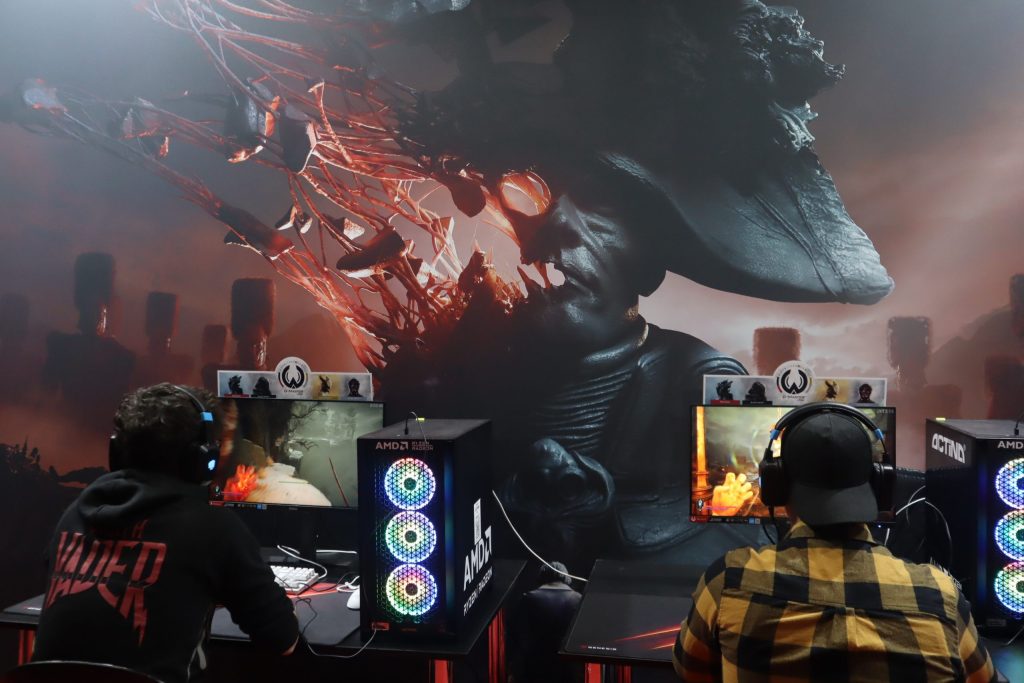
Will Valor Mortis become the hit of 2026?

We had the chance to ask Yannick Audéoud, developer behind Orbyss, some questions about the game.
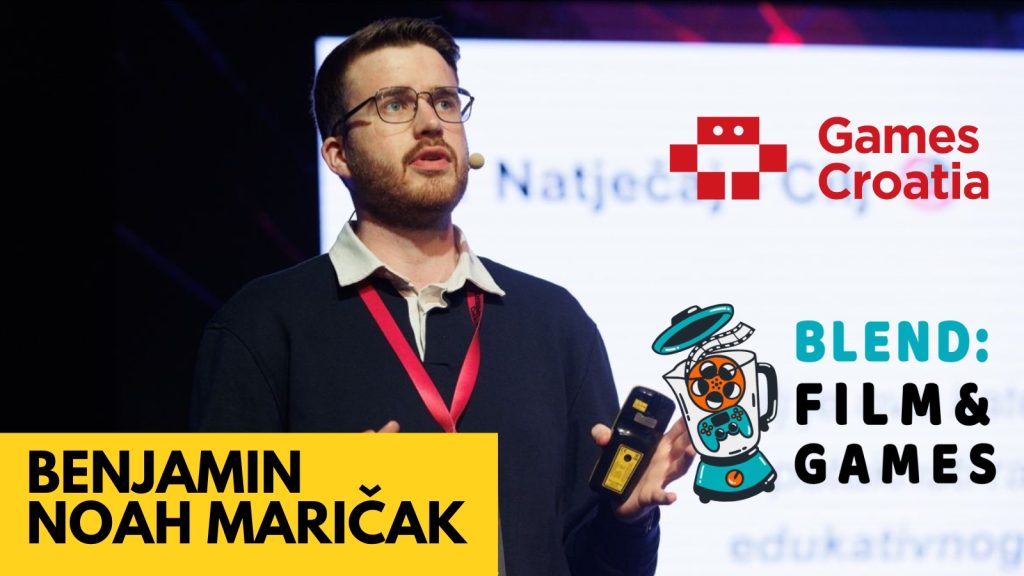
Maričak actively works to grow and promote the Croatian gaming industry while simultaneously fostering collaboration with the film industry.
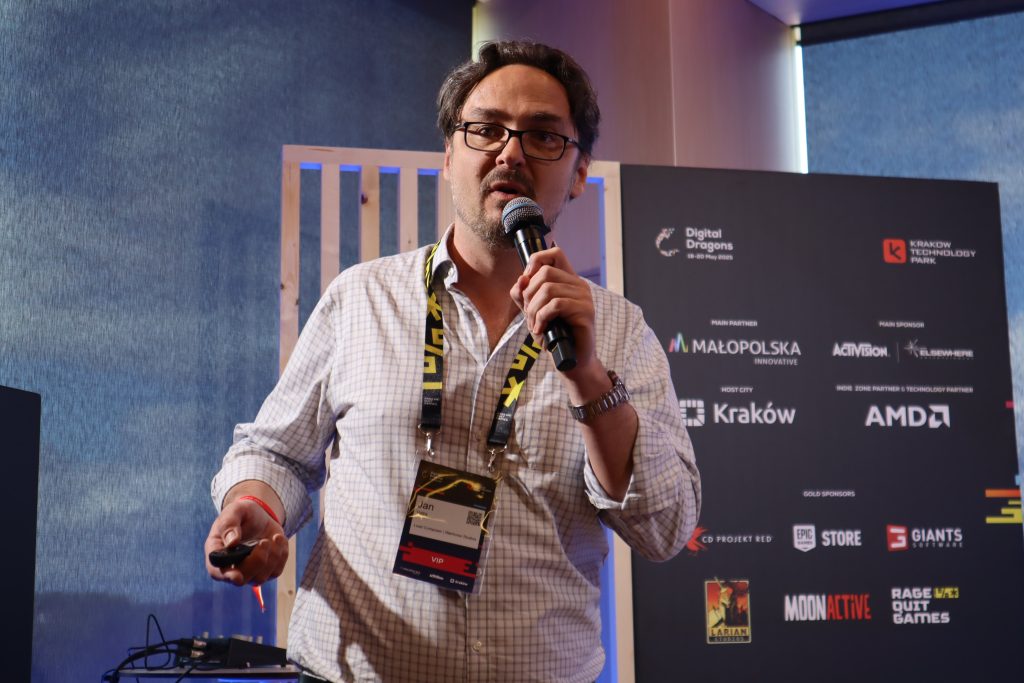
During our interview, Jan revealed the secrets of composing music for both KCD games.
In this interview, we asked Paweł Charzyński about his experience working on Frostpunk 2 as VFX coordinator.
![[A BIG INTERVIEW] Toukana Interactive Co-Founder Zwi Zausch on the Gaming Industry](https://www.indie-games.eu/wp-content/uploads/2025/09/Dizajn-bez-naslova-2-1024x576.jpg)
Zwi Zausch provided a deep dive into the gaming industry from an indie developer's perspective.
![[A BIG INTERVIEW] Deep Dive into Star Birds with Toukana Interactive’s Co-Founder](https://www.indie-games.eu/wp-content/uploads/2025/09/star-birds-1024x576.jpg)
Ever wondered what it takes to build a relaxing base on an asteroid? We spoke with Zwi Zausch, who gave…
