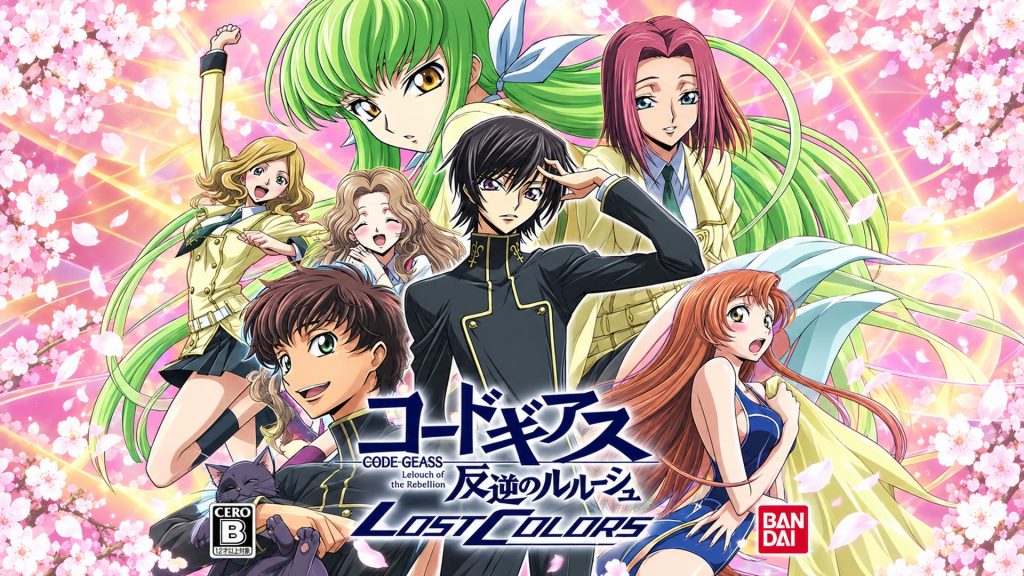
A Japan-Only Code Geass PS2 Game Finally Has a Complete English Patch
Code Geass: Lost Colors now has a complete fan-made English patch for PS2, including the platform-exclusive Blue Moon route.


If you enjoy independent indie game coverage, consider supporting Indie-Games.eu on Patreon. It helps keep the site independent.
More than two decades after its commercial collapse in the West, the Sega Saturn is once again at the center of debate. A recent online discussion, sparked by a response to a question about Sega’s biggest mistake with the console, has reignited interest in whether the Saturn truly failed because of weak hardware or because of something else entirely. The argument is clear and provocative: the Saturn did not lose to the PlayStation because it was underpowered, but because Sega failed to market it and support it properly.
According to this perspective, long-standing beliefs about the Saturn being “bad at 3D” or “too weak to compete” are based largely on rumors, playground myths, and incomplete information. Supporters of this view urge skeptics to look beyond outdated narratives and examine Sega’s original development tools, which are now freely available online through preservation projects. These official software development kits, archived on sites such as the Internet Archive, provide detailed technical documentation that paints a very different picture of the console’s capabilities.
The preserved SDKs, including early releases like the Sega Saturn Software Development Kit 1.00J and later versions featuring the SGL library, offer a comprehensive look at how the system was designed to function. They reveal a machine built around two Hitachi SH-2 processors running at 28.6 MHz each. Combined, these CPUs provided more raw computing power than the PlayStation’s single MIPS R3000 processor. Alongside this, Sega equipped the Saturn with two specialized graphics chips: VDP1 and VDP2.
VDP1 handled sprites and quadrilateral polygons, with a theoretical output of up to 200,000 textured polygons per second. VDP2 managed backgrounds and environmental effects, enabling features such as multiple scrolling layers, transparency, rotation, scaling, and “infinite” planes. This combination allowed for visual effects and fill rates that were highly advanced for the mid-1990s and, in some cases, superior to Sony’s hardware.
Where the Saturn truly excelled was in two-dimensional graphics. Drawing heavily from Sega’s arcade technology, VDP2 supported advanced scrolling techniques, rotation and zoom effects, and highly detailed sprite rendering. Its ability to display up to 64 colors per sprite, compared to the PlayStation’s 16, made it especially well suited for fighting games, shoot-’em-ups, and visual novels. This advantage is evident in titles such as Radiant Silvergun, Guardian Heroes, and numerous arcade-perfect ports that remain visually impressive today.


In three-dimensional graphics, the Saturn was more competitive than its reputation suggests, at least on paper. VDP1’s theoretical polygon output was comparable to the PlayStation’s Geometry Transformation Engine. However, the way the Saturn handled 3D rendering created serious practical challenges. It relied on quadrilaterals rather than triangles, meaning developers often had to manually split shapes for smoother models. Texture mapping lacked full perspective correction, and the dual-CPU architecture shared a single data bus, making efficient parallel processing difficult.
To take full advantage of the hardware, developers needed to write low-level assembly code and carefully balance workloads between processors. This was technically possible, but it required expertise, time, and deep familiarity with the system. Most third-party studios, especially those working under tight deadlines, were unable or unwilling to invest that effort. As a result, many Saturn games failed to reach the console’s full potential.
Sega’s own internal teams demonstrated what the machine could do when properly optimized. Games like Virtua Fighter 2 and Panzer Dragoon showed smooth performance, strong visuals, and creative use of the hardware. In contrast, many third-party ports, including Tomb Raider, ran at lower frame rates and with reduced visual quality compared to their PlayStation counterparts. These weaker versions reinforced the public perception that the Saturn was inferior, even when the underlying issue was development complexity rather than raw power.
Hardware challenges alone, however, do not explain the Saturn’s downfall. Sega’s business decisions compounded these technical issues. In the United States, the company launched the console prematurely in May 1995 at a price of $400, attempting to get ahead of Sony. The move backfired. Retailers were unprepared, launch titles were limited, and consumers were confused. Meanwhile, Sony entered the market months later with a clearer message and a more attractive $299 price point.
Sega also failed to deliver a defining mascot game. There was no true 3D Sonic title to anchor the platform, and the cancellation of Sonic X-treme left a major gap in the lineup. Internal conflicts between Sega of Japan and Sega of America further weakened the company’s strategy, with reports of infighting, mixed messaging, and deliberate undermining of U.S. operations during executive shakeups.


Sony, by contrast, focused on developer-friendly tools, strong third-party relationships, and aggressive marketing. With hits like Final Fantasy VII and broad publisher support, the PlayStation quickly became the dominant platform, eventually selling more than 100 million units worldwide. The Saturn, in comparison, sold roughly nine million.
Yet the story was not the same everywhere. In Japan, the Saturn performed remarkably well. It became Sega’s best-selling home console in its domestic market, outperforming the Mega Drive and securing second place behind the PlayStation. Strong arcade conversions, exclusive titles, and support from Japanese developers helped the system thrive locally, suggesting that its failure was not inevitable.
Today, modern analyses and the growing homebrew community are lending credibility to the argument that the Saturn was misunderstood. With better tools, modern knowledge, and fewer time constraints, developers have shown that the system can deliver impressive results in both 2D and 3D. These projects highlight the strengths of its arcade-inspired architecture and demonstrate how much potential was left untapped in the 1990s.
This renewed interest matters because it challenges one of gaming history’s most persistent narratives. The Saturn is often remembered as a technological misstep, a symbol of Sega’s decline. In reality, it may have been a powerful but poorly managed platform, undone by rushed decisions, internal conflict, and weak marketing rather than by flawed engineering.
For retro fans, historians, and developers alike, this debate offers a deeper understanding of how success in gaming depends on more than hardware. It is shaped by timing, tools, communication, and trust between companies, creators, and players. The Saturn’s story serves as a reminder that even strong technology can fail without the right ecosystem to support it.
Code Geass: Lost Colors now has a complete fan-made English patch for PS2, including the platform-exclusive Blue Moon route.
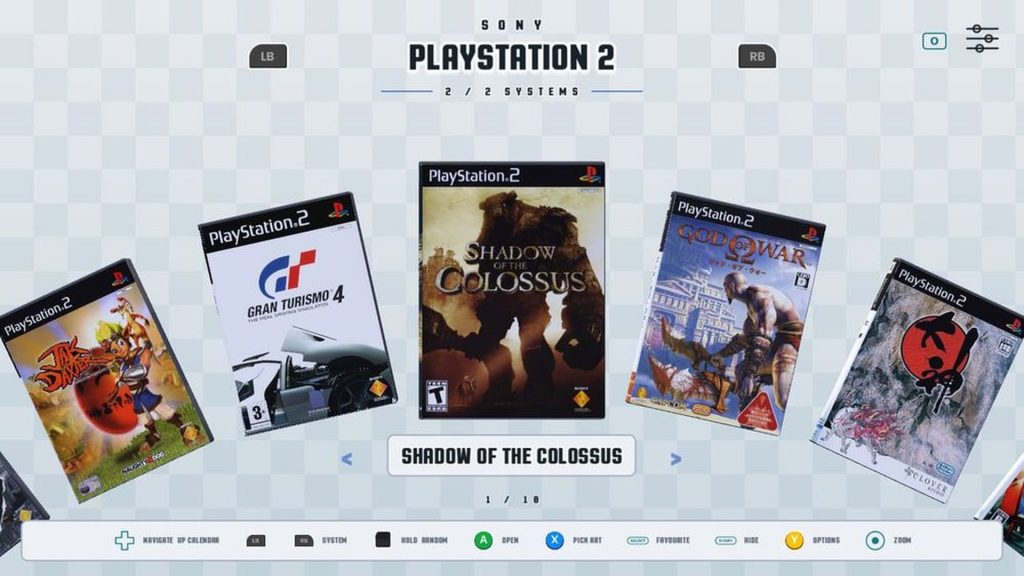
DigiBitPlay presents digital game libraries through interactive 3D boxes, discs, cartridges, consoles and scanned manuals.
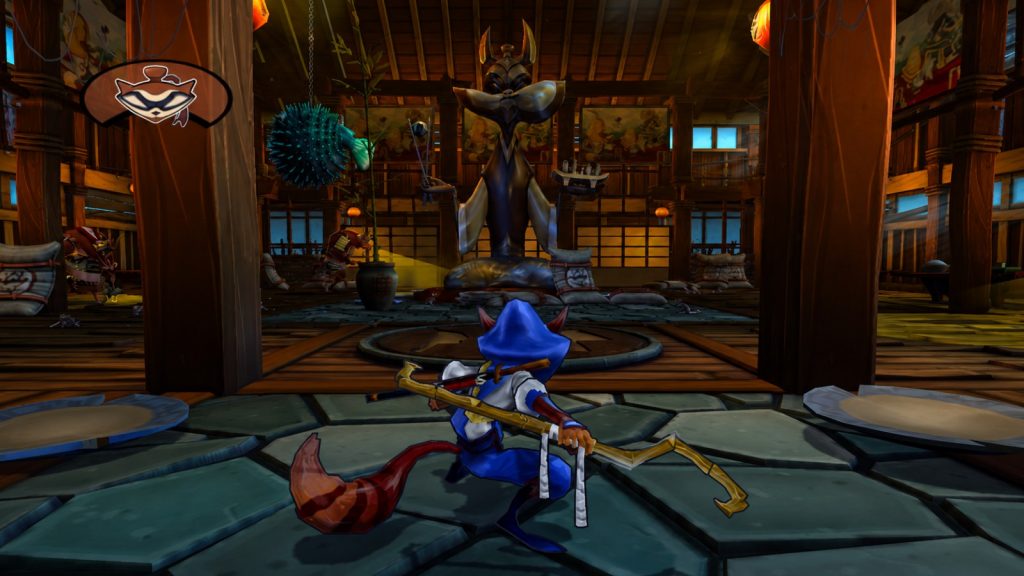
Project Cane shows new Sly Cooper PC footage, but the unofficial native port still needs menus, audio, saving, controls and…
Donkey Kong 64 now runs natively on Windows, Linux and macOS with widescreen, uncapped frame rates, modern controls and optional…
PCSX2 2.8.0 delivers major performance and graphics improvements alongside EyeToy support, interface upgrades and bundled FFmpeg.
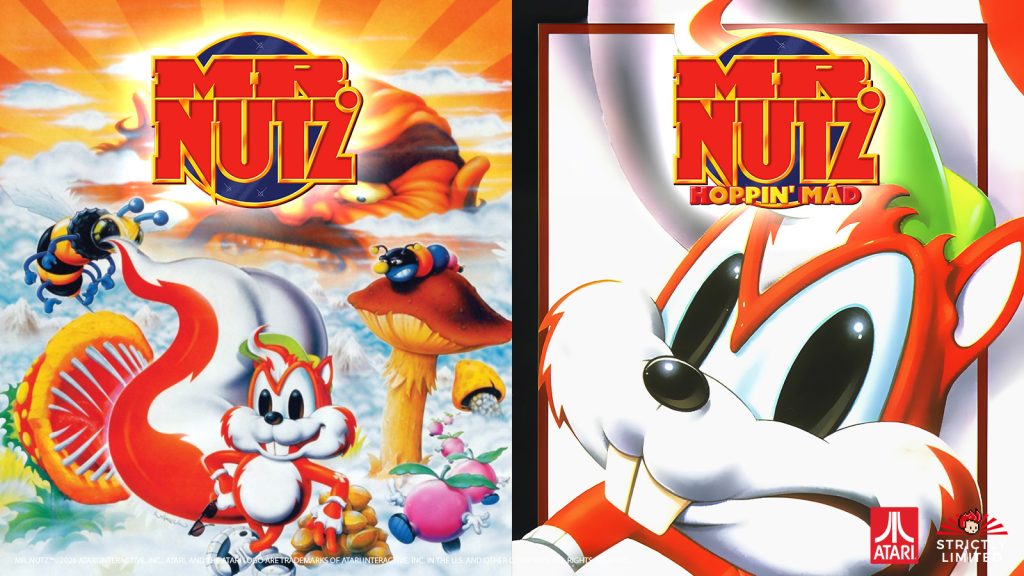
Mr. Nutz and the previously unreleased Mega Drive sequel Hoppin' Mad are receiving new physical cartridges from Strictly Limited Games…
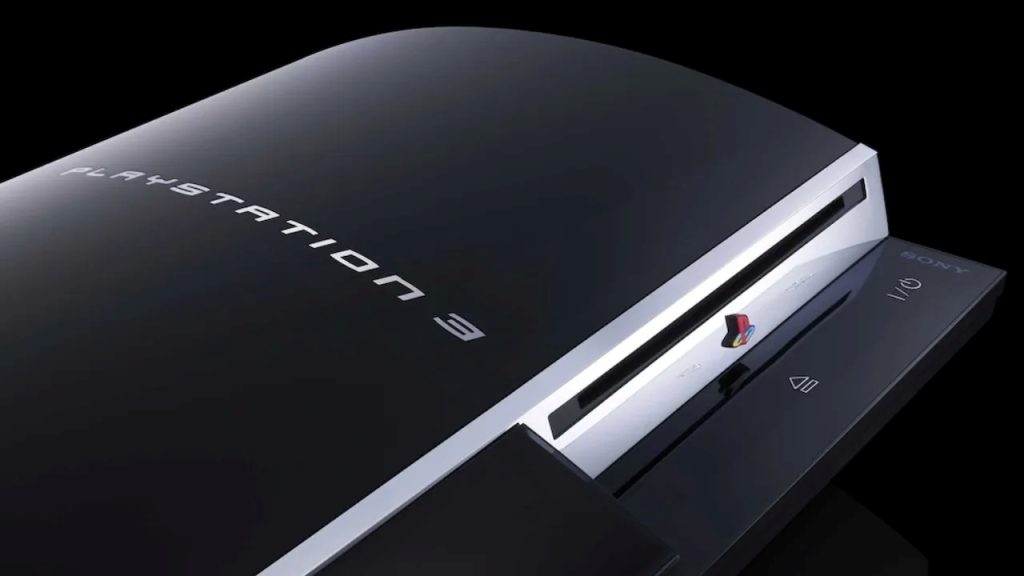
Sony will close the PlayStation 3 Store in July 2027, while RPCS3 fully supports 75% of the console's library, highlighting…
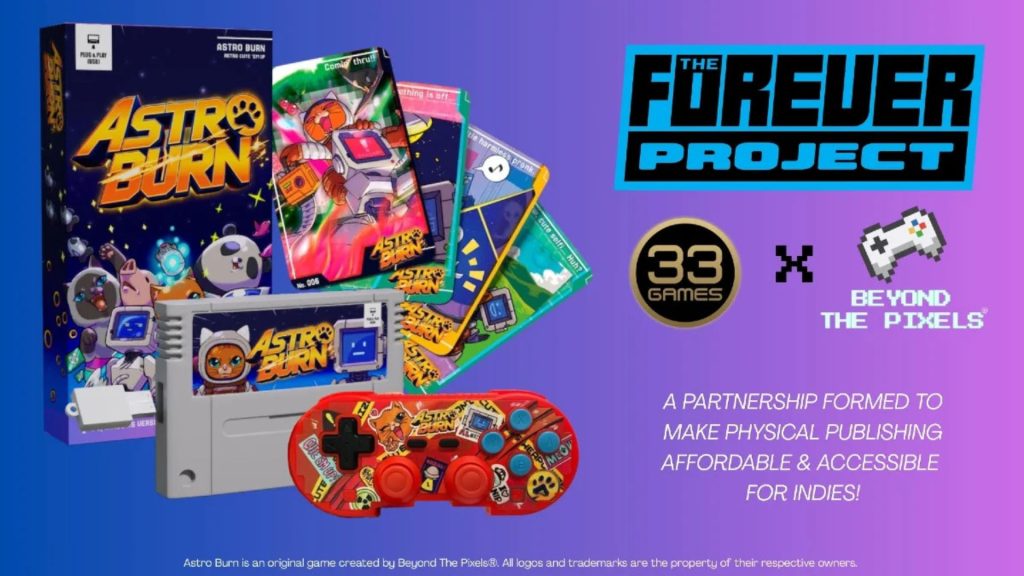
The Forever Project aims to make physical game releases more affordable for indie developers through a partnership between 33 Games…
Indie developer Oscar Celestini is expanding his retro-inspired platformer with Jixa Lady Tiger Plus, an enhanced edition that significantly builds…
RomM is a free, open-source, self-hosted platform that organizes ROM libraries, fetches metadata, and supports browser-based emulation.
The developers behind Wii64 have released Beta 1.4, marking the Nintendo 64 emulator's first major update in more than five…
Rock It Games has brought Jaleco Sports: Bases Loaded II and Goal! Two to PC after successful Nintendo Switch and…
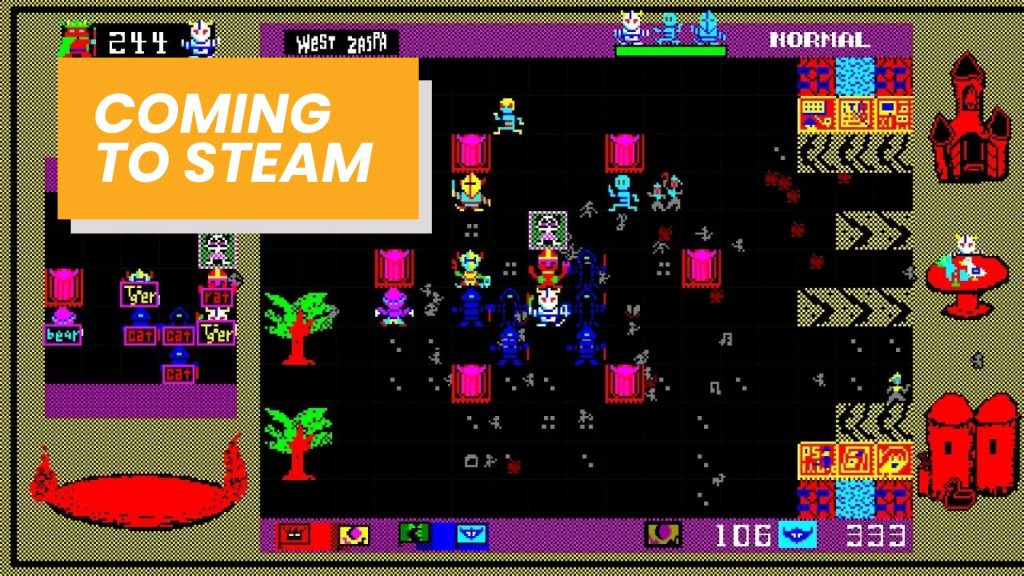
Developer Pygmy Studio has announced that Bokosuka Wars II will launch on PC via Steam in 2026, bringing the tactical…
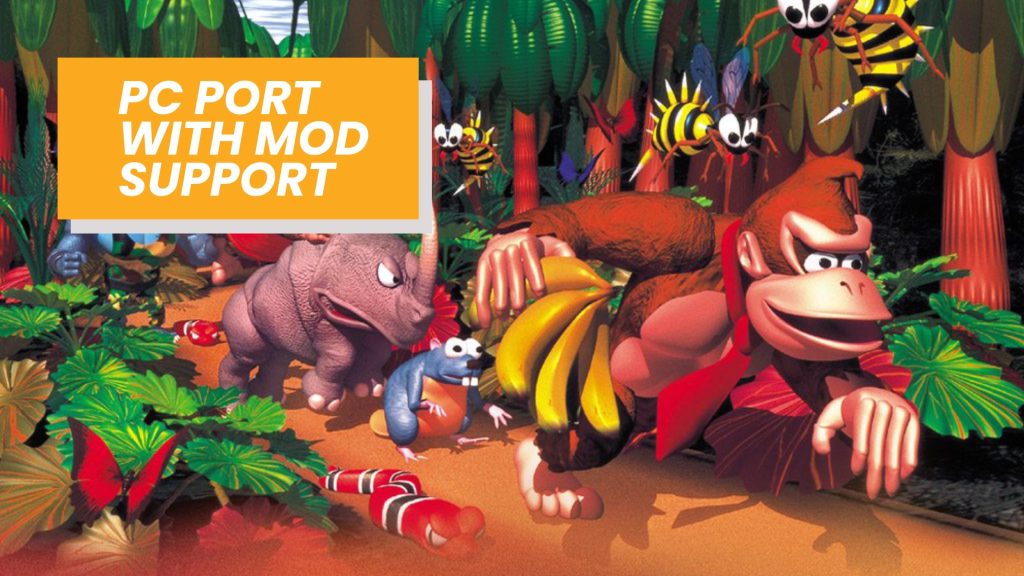
An unofficial native PC port of Donkey Kong 64 is in development, bringing rare's Nintendo 64 classic to modern hardware…
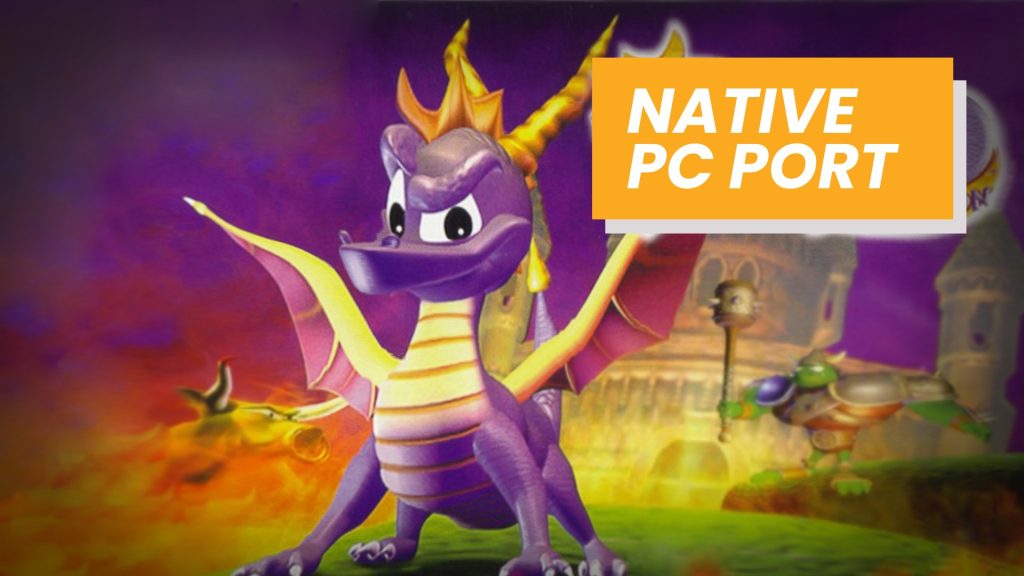
A fan-made native PC port of the original Spyro the Dragon is officially in development, bringing the 1998 PlayStation classic…
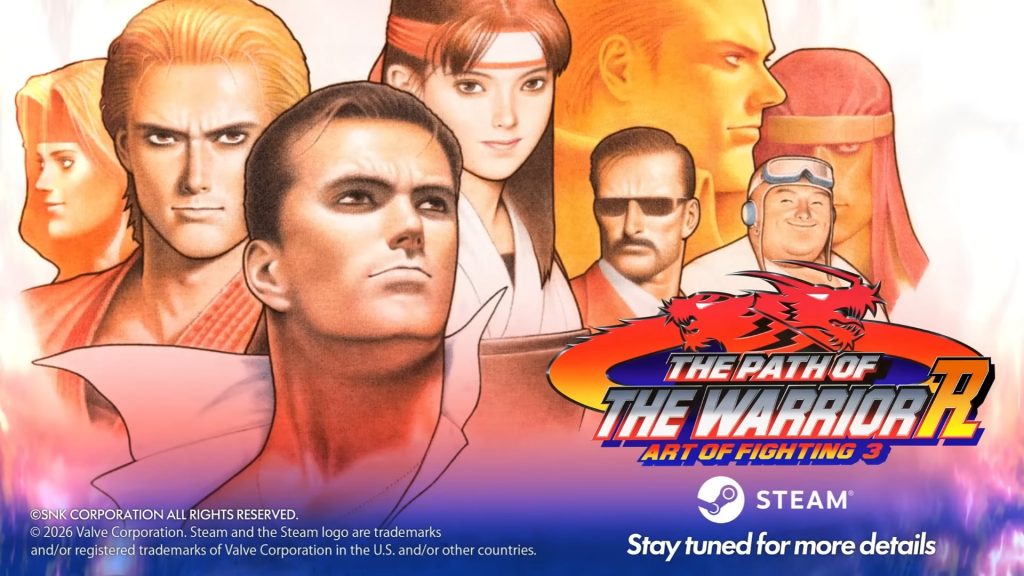
SNK has officially announced The Path of the Warrior: Art of Fighting 3 R, a modernized version of the 1996…
The developers behind ShadPS4 have introduced a major new feature that moves PlayStation 4 emulation closer to a complete experience.
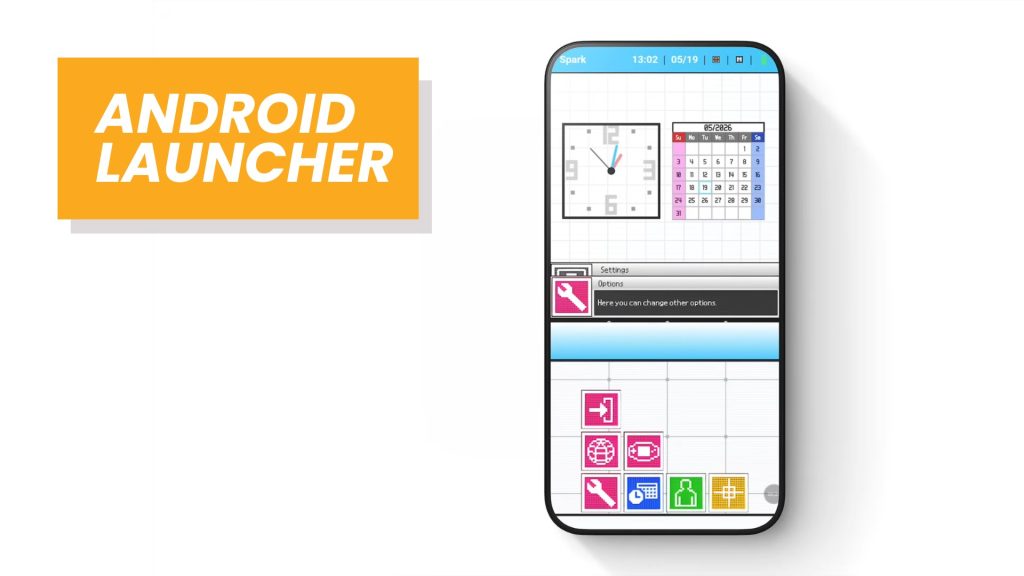
DS & DSi Launcher brings the classic Nintendo DS and DSi interface to Android, giving retro fans a nostalgic way…
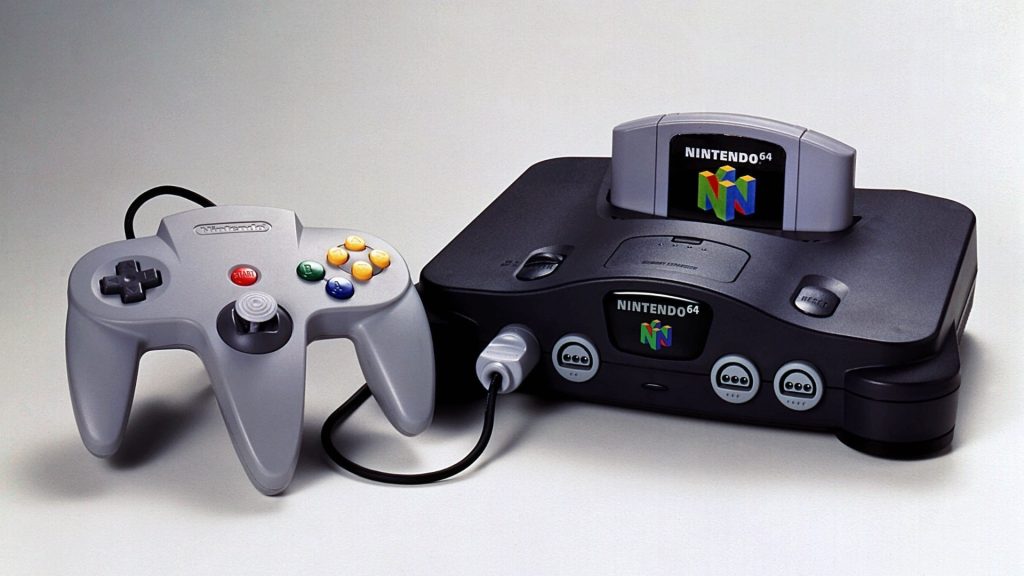
Today marks 30 years since the launch of the Nintendo 64 in Japan, and for many, that's enough to trigger…
It's hard to believe, but Batman: Arkham Knight is officially 11 years old today. This title was Rocksteady's final chapter…
