Vahrin’s Call Interview: No Classes, No Generative AI, and Complete Player Freedom
Built by a self-funded team of seven, Vahrin’s Call is an ambitious fantasy RPG inspired by Fable, The Elder Scrolls…


If you enjoy independent indie game coverage, consider supporting Indie-Games.eu on Patreon. It helps keep the site independent.
Recently, we had the opportunity to interview the extremely talented studio Egobounds, where we spoke with Szymon Barciś, Janek Mutor, Piotr Woźnicki, and Krzysztof Woźnicki about their game Egging On. In addition to joking about eggs, we dove deeper into the world of their game, learned what to expect from it, and why they decided to collaborate with the publisher Alibi Games.
This is a Polish studio whose first version of the game was created during PolyJam under the original title What Came First. Szymon is the level designer on this project and has been part of the team for a long time. Although he is a psychologist by profession, he became fascinated with level creation and decided to devote himself to that field. Janek, on the other hand, works on asset creation and 3D graphics for Egging On. During the pandemic, he taught himself Blender, which has now become his main focus.
Piotr handles the style and artistic aspects of the game, as well as the technical details related to graphics. As he says, “I have some experience in programming,” but his main responsibility is visual consistency and the overall look of the game. An important team member is also Krzysztof, the lead programmer responsible for controller functionality, camera work, and the overall technical performance of the game.
Egging On is a challenging climbing game featuring realistic egg-based physics, inspired by titles such as Getting Over It and Only Up!. Since its announcement in June 2024 during the Guerrilla Collective event, the game has gained significant attention, accumulating over 5 million views across social media and more than 25,000 Steam wishlists.
(Szymon): Yes, I eat eggs for breakfast almost every day. My favorite dish is a fried-egg sandwich where the yolk is still slightly runny. It’s been my favorite since my student days.
(Krzysztof): For me, the perfect egg is somewhere between soft- and hard-boiled—the perfect balance. But I also like scrambled eggs.
(Jan): Funny enough, I haven’t eaten eggs for about four years. But when I did, I liked fried eggs—super well cooked, dry as a bone.
(Szymon): The IGN results for various pieces of content they made about us were the biggest surprise. At first, we were shocked that they created a story based on our Guerrilla Collective trailer instead of simply re-uploading our material. The numbers they achieved were unexpected. As for wishlists, our principle is to create a high-quality game, so the more people show interest, the more it validates our efforts.
(Jan): It’s great that practically everyone likes eggs, so people naturally connect with the game and the egg-related wordplay. Even IGN made a “meme” in their video, giving a dramatic echo to the sound of an egg cracking and transitioning into its “yolky” form, which caught many people’s attention. It seems like the marketing is doing itself.
(Szymon): Yes, even at PolyJam, people kept asking: “Can the egg break?” Curiosity about eggs sparks so many questions in people’s minds. Also, no one can resist egg jokes, especially in English—replacing “ex” with “egg” is always funny. Seeing others enjoy it as much as we do is very satisfying.
(Szymon): It was Krzysztof’s idea during PolyJam: to make a game about a rolling egg. At first, there wasn’t much jumping or climbing. The first version was more of a racing game where you competed against a raw chicken from the fridge on its way to the frying pan. Jumping was just one interaction; we focused more on the egg shape.
Later, we wondered what would happen if the egg started climbing to great heights, like in Only Up!, Jump King, ALTF4, or Getting Over It. That’s when we introduced egg-like qualities, being fragile and delicate, which increases tension during climbing, because an egg falling is far more dramatic than a rubber ball, a knight, or a man in a pot.


(Szymon): We currently have two approaches to checkpoints. The first is a system of “soft checkpoints”: the player occasionally reaches safe areas where they can’t fall much lower, which helps maintain progress. We’re also considering an optional Assist Mode with “harder checkpoints.” Here, reaching certain areas saves your progress, allowing you to respawn at that exact point. This version is for players who aren’t keen on the masochistic extremes of Dark Souls or classic climbing games.
(Krzysztof): The core gameplay is hardcore, like other climber titles, but we also wanted an option for players who might not feel confident in this genre.
(Szymon): In the default mode, about 16 hours. In the assisted mode, probably about half that.
(Krzysztof): Just like Getting Over It, which can be finished in under two minutes, or even one, our game also allows that. Once someone masters it, they could complete it in just 30 minutes.
(Szymon): Yes, the chicken coop sequence shows that: players need around an hour to finish it the first time, but after a few attempts, they can do it in a minute. The map isn’t fully linear, and there are shortcuts, either intentionally designed or discovered by players—that allow faster progression and shorter runs. This opens up many opportunities for speedrunners and experienced players to experiment and reduce their completion times.
(Szymon): We have several main locations planned. First, the chicken coop and farm. Then a factory, a store, a kitchen, and another location we’re keeping secret. Each has its own unique visual style and difficulty level, requiring a slightly different gameplay approach. These locations also have distinct atmospheres enhanced by music and sound design, you can clearly feel the transition from the warm atmosphere of the farm to the cold, metallic factory.
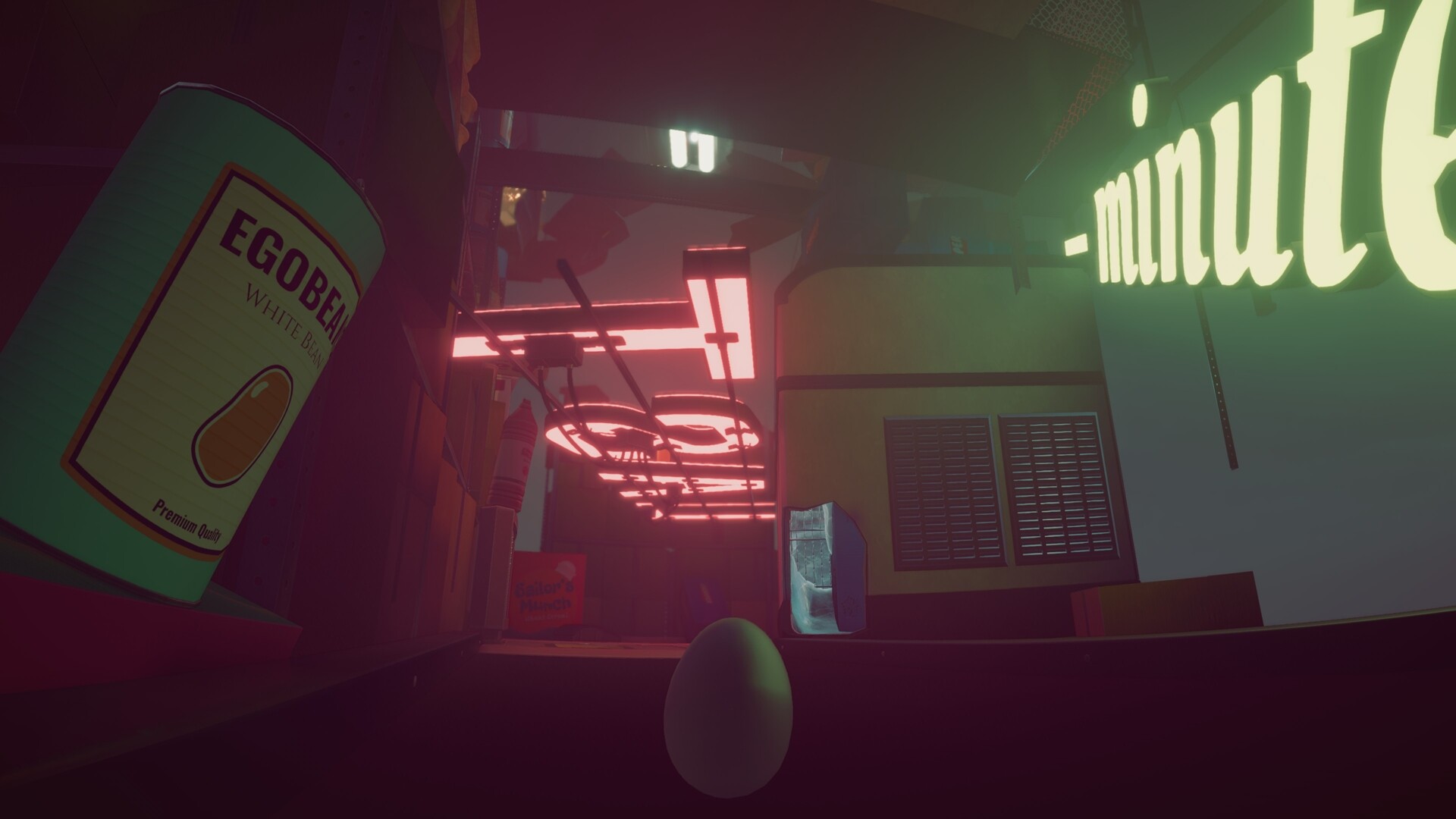

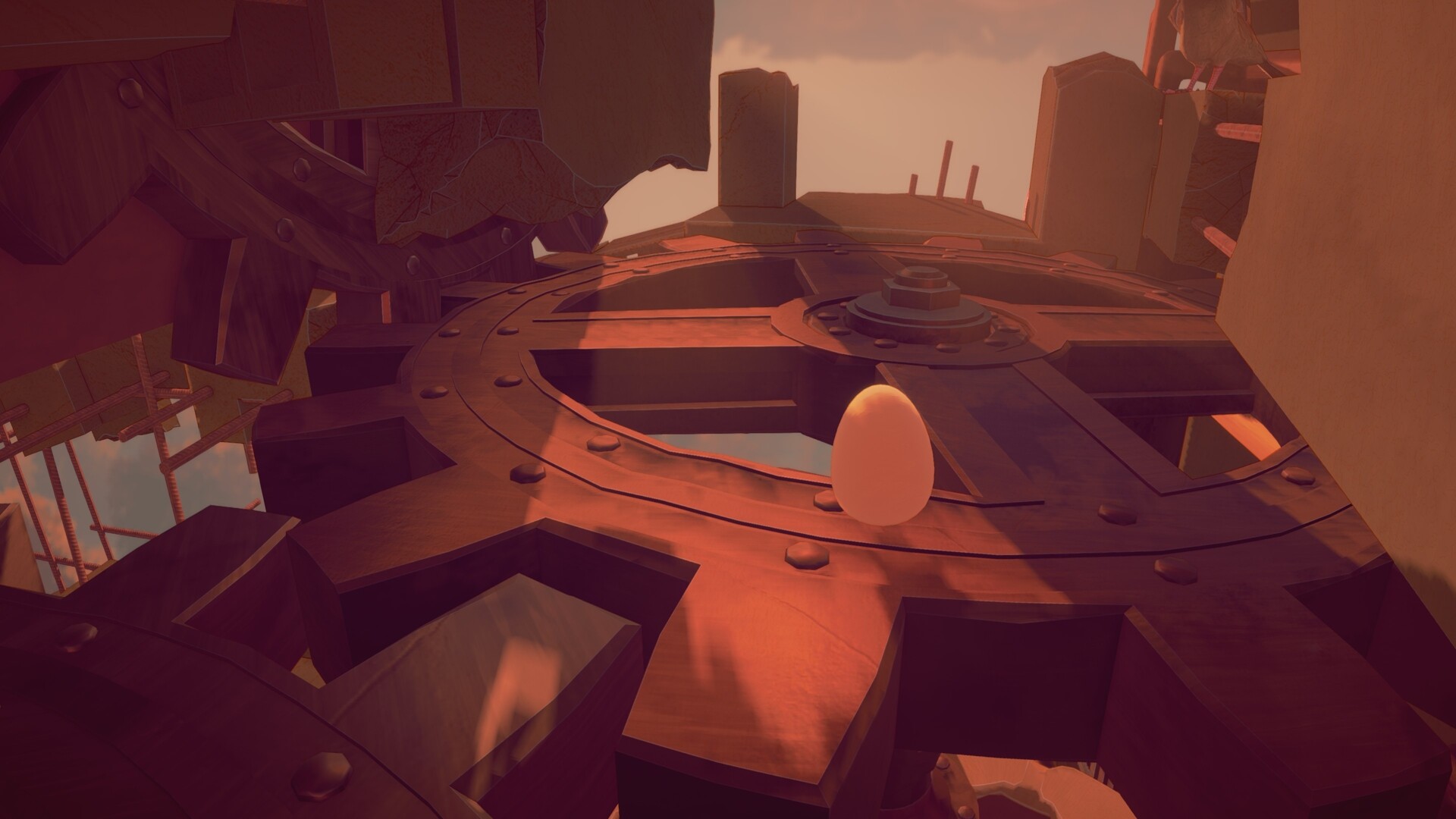
(Szymon): The first PolyJam version was created in January this year. A few weeks later, we met to plan the development of a fully functional game. Over the following months, we worked on it, not always full-time, sometimes only in the evenings, but always in full swing. Starting in July, we began working as a complete team, full-time, with additional people helping us with audio and narrative.
Before that, we weren’t fully committed because we had to prepare promotional materials, set up the Steam page, record the trailer, arrange interviews, find a publisher, review contracts, etc. Although we invested time in the project, it didn’t directly reflect in the game itself. Now, however, the vast majority of our work goes directly into the engine and the game itself.
(Szymon): Since this is a game that requires precision from the player, the levels also had to be very interconnected. It’s not just about perfecting a certain section; everything has to fit together well because you can return from one part to another. Designing spaces that met the game’s difficulty requirements was difficult. Another challenge was realism, objects had to be properly scaled. If something was too big for the egg to jump onto, we simply couldn’t use it. I think the more we work on the project, the faster we find solutions to these problems. However, discovering those solutions for the first time was probably the hardest part.
(Krzysztof): I think the biggest challenge was at the beginning, when we had to clarify the vision for the game. There were so many ideas that we eventually had to decide we wanted to make a climbing game, giving more importance to egg-breaking. That also required extra work on the camera, because in earlier versions the camera was fixed from above and didn’t move. When we unlocked camera movement and created a fully 3D space, we faced the challenge of adjusting camera behavior to this new environment.
(Piotr): I think one of the challenges was production planning itself, balancing the desire to polish things with the need to stay on schedule. It’s hard to strike that balance.
(Jan): I think creating Egging On is pure fun in itself. I feel incredibly lucky with this project, we didn’t know each other before GameJam, but we connected instantly and shared a vision for the game. Personally, I enjoy creating 3D models and graphics, and the fact that I can do it full-time is amazing.
(Krzysztof): For me, the fun part is that making Egging On feels very similar to playing, either Getting Over It or any other game where you have to keep banging your head against the wall until you succeed. For example, I had many moments when the egg behaved strangely, and then I finally figured out how to make it roll upright. That feeling of achievement after many attempts is incredibly satisfying.
(Szymon): I get the most satisfaction simply from watching people play the game, seeing how they approach it and discover new jumps. The same happens when we test things together, I hand over sections of levels for testing, and we do our own speedruns, searching for the fastest routes and sharing the tricks we discover in our own game. That’s just amazing to me.


(Szymon): It’s professional, both sides care about transparent communication. Their principle is to sign contracts only for games they genuinely like, and we can feel that in our collaboration. When we send them a new portion of the game to play, they get really excited and genuinely enjoy it. In that sense, we feel like one big team.
(Krzysztof): At this point, we can’t reveal any information about the release date. As for consoles, we also need to wait before making that decision.
(Jan): But we can invite everyone interested in the game to join our Discord server. There, you can follow the development progress, read news, and ask us questions.
(Szymon): We have channels for feedback and playtests, which we plan to organize with Discord members. We also welcome players’ ideas about what they would like to see in the game, and Discord is the perfect place to exchange those ideas.
(Szymon): It’s okay to cry, just like it’s okay to keep trying until you succeed.
Built by a self-funded team of seven, Vahrin’s Call is an ambitious fantasy RPG inspired by Fable, The Elder Scrolls…
We spoke with cosplayer Prince de Guzman, who is known for his transformations inspired by horror, anime, and video games.
Unless you’re deep in the indie gaming scene, Naphtali Faulkner might be a new name to you. But as the…
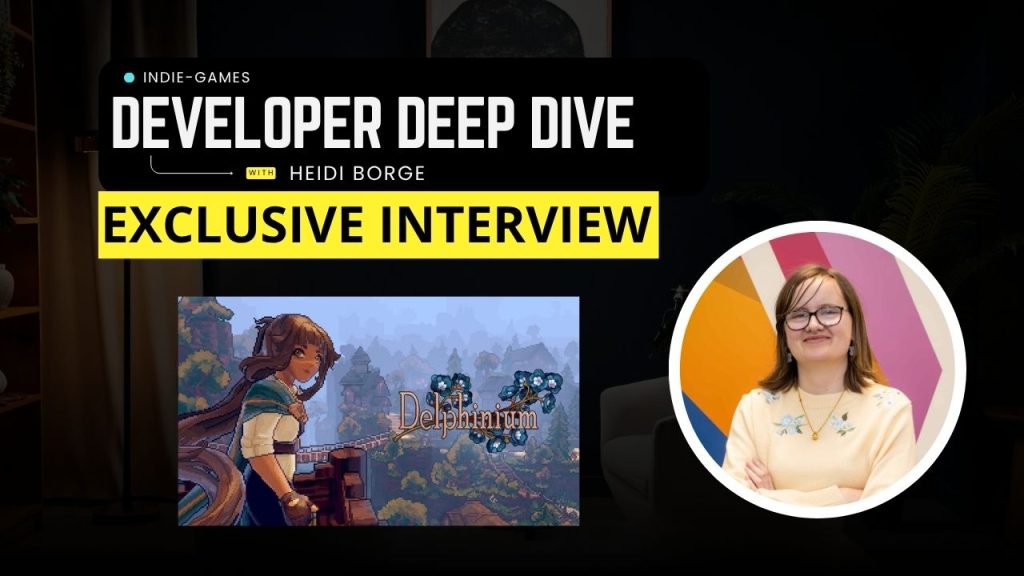
We had a chance to catch up with Heidi Borge, the developer behind narrative-driven cozy Delphinium to learn more about…
We had the opportunity to speak with Damian Czajka from MOUSE: P.I. For Hire Team.
We had the opportunity to talk with Piotr Nowakowski from Bloober Team about his work on Cronos: The New Dawn.
![[INTERVIEW] Manafinder II Is a Big Step Up – Here’s What the Developer Told Us](https://www.indie-games.eu/wp-content/uploads/2026/04/Manafinder-II-interview-1024x683.jpg)
In the interview, we discussed the game’s mechanics in greater detail, what players can expect from the sequel, and the…
We had the opportunity to sit down with the brilliant minds behind Business Goose Studios: Beau Vankemenade, Sander Ambroos, and…
![[EXCLUSIVE] Like a Bloody Storm – Interview with Kazusou Oda (Coda)](https://www.indie-games.eu/wp-content/uploads/2025/12/Oda-Kazusou-Interview-1024x576.jpg)
We had an opportunity to talk with Oda Kazusou, a theme song artist for JoJo's Bizarre Adventure.
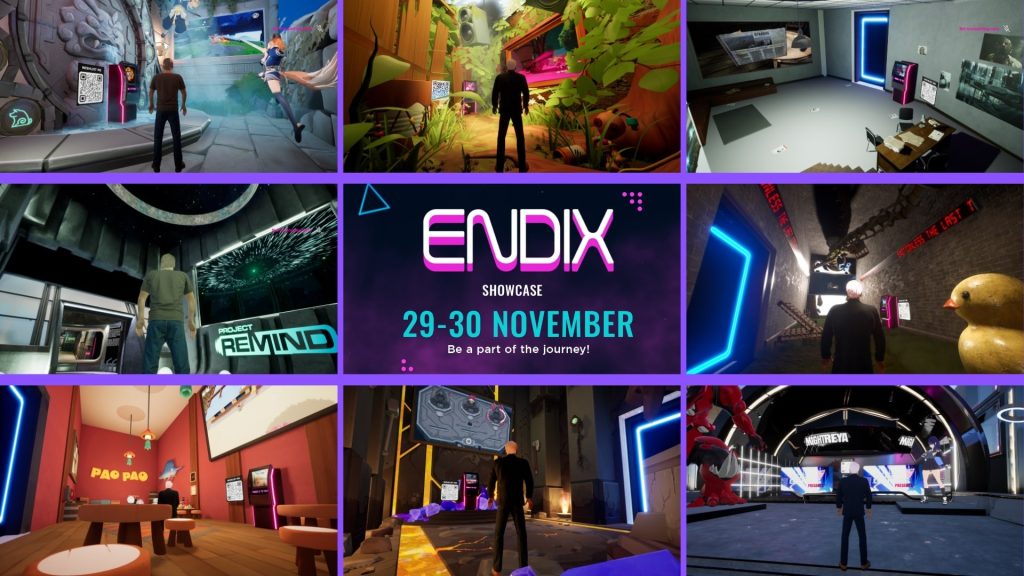
Once inside, visitors will find a fully immersive world where exhibitor booths are crafted using real in-game assets.
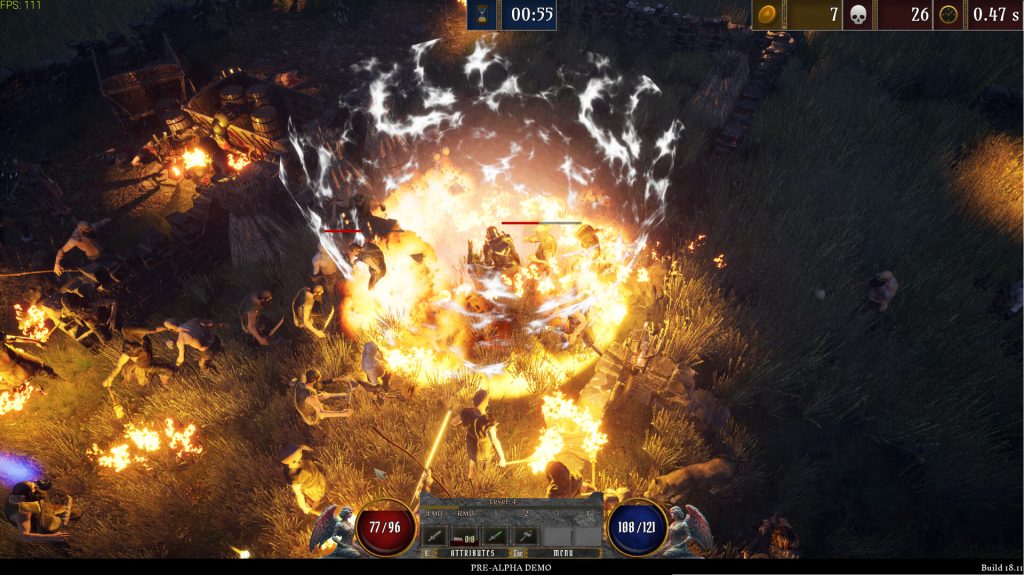
We talked to Tomasz Janicki about the details regarding Cult of Shadows.
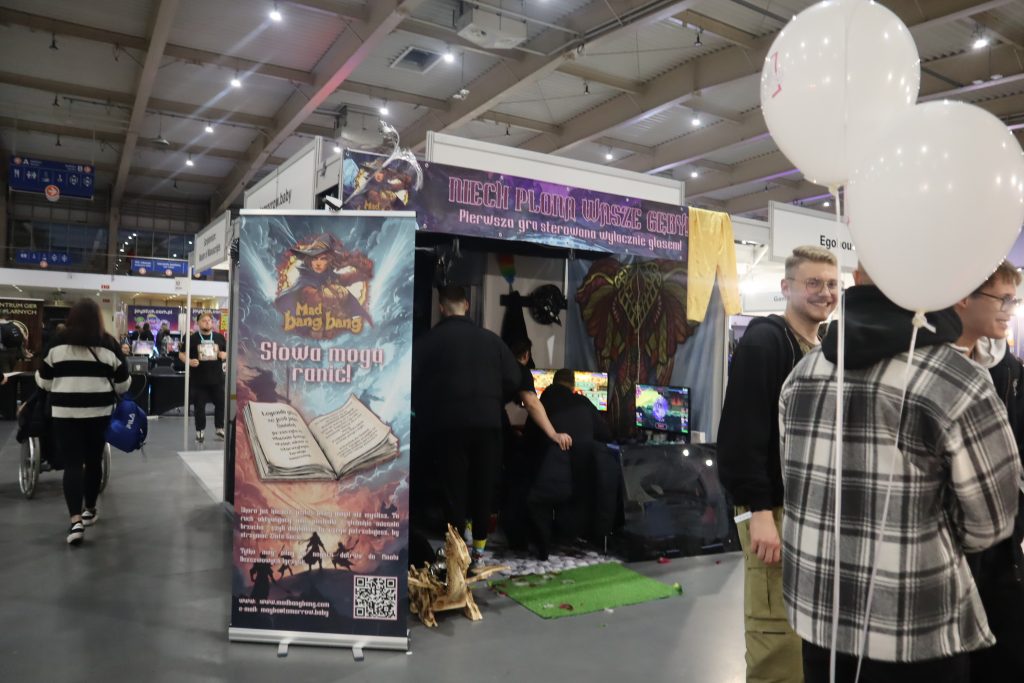
We talked to Piotr Ruszczak, one of the creators of Mad Bang Bang, about the details of this production.
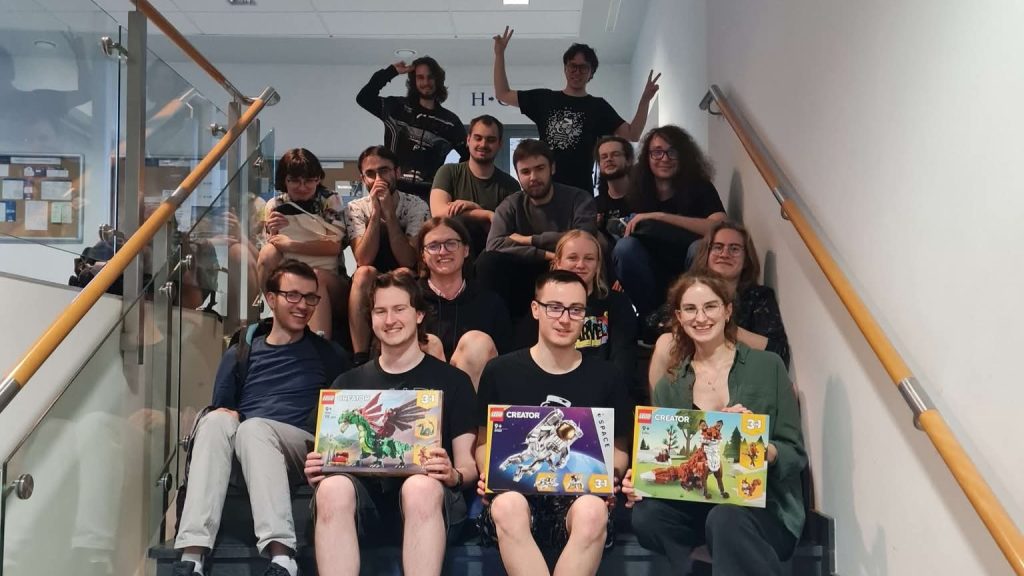
We asked Kiryl, Marek, and Jakub to reveal the secrets of their work to us.
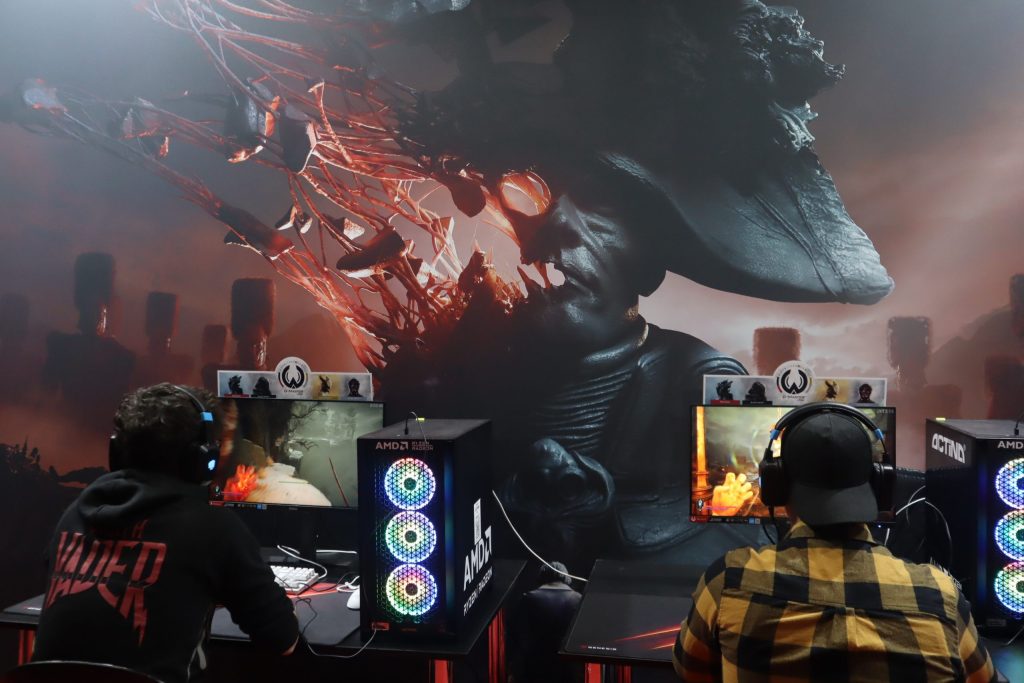
Will Valor Mortis become the hit of 2026?

We had the chance to ask Yannick Audéoud, developer behind Orbyss, some questions about the game.
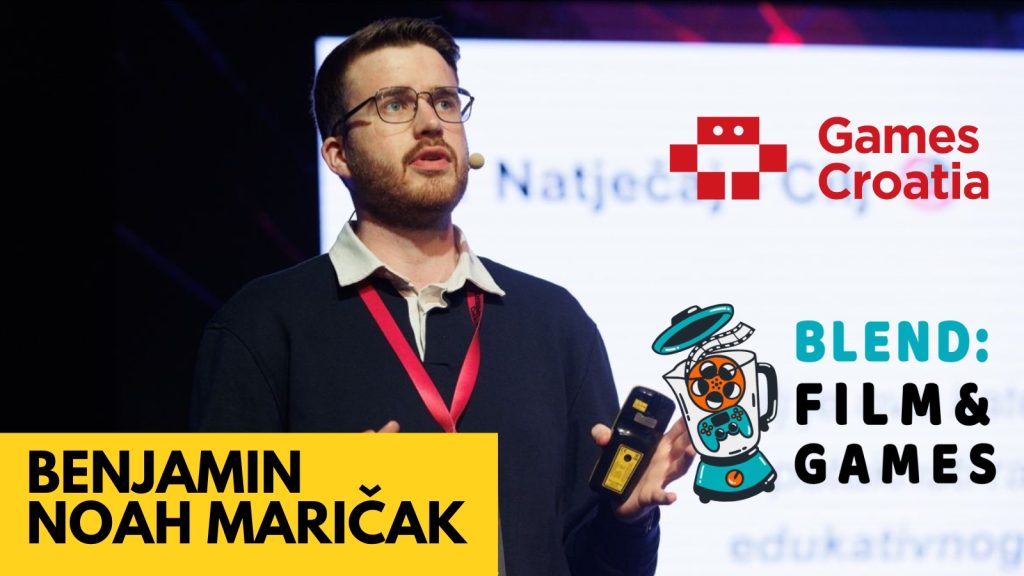
Maričak actively works to grow and promote the Croatian gaming industry while simultaneously fostering collaboration with the film industry.
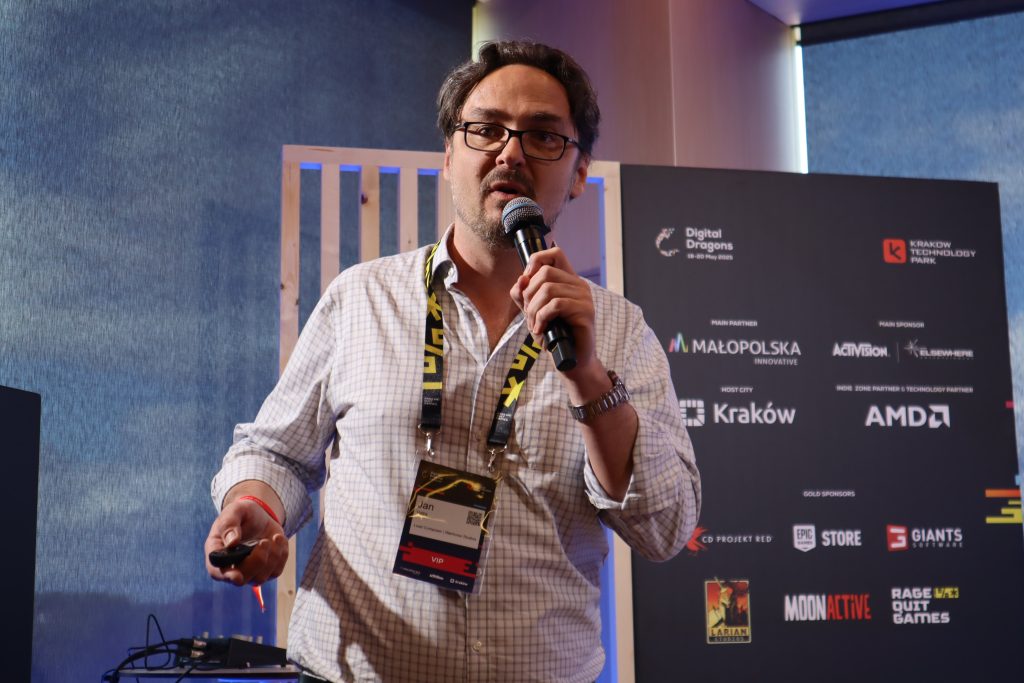
During our interview, Jan revealed the secrets of composing music for both KCD games.
In this interview, we asked Paweł Charzyński about his experience working on Frostpunk 2 as VFX coordinator.
![[A BIG INTERVIEW] Toukana Interactive Co-Founder Zwi Zausch on the Gaming Industry](https://www.indie-games.eu/wp-content/uploads/2025/09/Dizajn-bez-naslova-2-1024x576.jpg)
Zwi Zausch provided a deep dive into the gaming industry from an indie developer's perspective.
![[A BIG INTERVIEW] Deep Dive into Star Birds with Toukana Interactive’s Co-Founder](https://www.indie-games.eu/wp-content/uploads/2025/09/star-birds-1024x576.jpg)
Ever wondered what it takes to build a relaxing base on an asteroid? We spoke with Zwi Zausch, who gave…
