Fire Emblem Awakening Retro Review – Unfulfilled Potential
Awakening is worth playing if you enjoy developing characters, experimenting with tactical partnerships, and shaping an army over a massive…


If you enjoy independent indie game coverage, consider supporting Indie-Games.eu on Patreon. It helps keep the site independent.
Many older video games were released only in Japan and never received an official English translation. As a result, a huge part of gaming history has remained unreachable for many players around the world. This is where fan translations come in. They help fix this problem by allowing players to finally experience games that would otherwise stay locked behind a language barrier.
A recent example is Mabino×Style, a PlayStation 2 visual novel released in 2005. The game takes place in a magical academy and mixes story-driven gameplay with time management and relationship building. After almost twenty years, it has finally received its first English translation thanks to fan translator Gopicolo and collaborators Monnekey and Nanaboshi Hoshikawa. This release clearly shows why fan translations matter so much.
Older games that were never translated are not just hard to understand, but often impossible to play properly. Story-heavy games like visual novels rely on text for everything: characters, choices, emotions, and plot. Without a translation, players are left with images and menus that lack meaning.
This is why fan translators are so important. They turn silent text into readable dialogue and allow players to fully experience the story as it was meant to be played. In the case of Mabino×Style, you can now understand daily life at the magical academy, follow character routes and make choices that actually matter. Without the fan translation, all of this would have stayed hidden.
While official localizations often change or remove parts of a game to fit another market, fan translations usually aim for the opposite. Their goal is to stay as close to the original as possible while still being clear to new players. There have been many recent examples of poor anime translations. One controversy, for instance, involved multiple characters saying “Merry Christmas,” which was translated as “Happy Holidays” instead.
Fan translators often keep jokes, cultural details, and character personalities intact. When needed, they explain references instead of removing them. This allows anyone to experience the game as it was originally written, rather than a simplified or altered version. This approach is especially important for older Japanese games that reflect the culture and design ideas of their time.
Video games are also part of cultural history, yet many older titles are at risk of being forgotten. Hardware becomes rare, discs stop working, and digital stores shut down. If a game also lacks a translation, it becomes even more likely to disappear completely.
On top of that, not every game was designed to sell millions of copies. Many older titles were made for smaller audiences, which is often why they were never localized. This does not make them bad or unimportant. Fan translations allow these niche games to reach players who care about specific genres, such as visual novels or story-focused experiences. Mabino×Style is a good example: while it may not be a mainstream title, it now has a chance to be appreciated by players outside Japan.
Once a game is translated, discussion becomes possible. Players can share opinions, guides, fan art, and videos because everyone can finally understand the same content. As a result, fan translations often lead to renewed interest in older games. A title forgotten for years can suddenly become part of online conversations again.
It is also important to note that fan translators work on these projects out of passion, not profit. Translating a game takes hundreds of hours of work, including translating text, editing, testing, and creating patches. In most cases, this effort is completely unpaid.
Because of this, that passion often shows in the final result. Fan translations tend to be careful, respectful, and detailed. They exist because fans believe a game deserves to be played and understood, even if no company sees financial value in translating it.
In the end, fan translations are not just helpful extras; they are essential for keeping older games alive. They remove language barriers, preserve stories, respect original creators and allow forgotten titles to be enjoyed again. Without fan translators, many games would be forgotten. Thanks to their work, titles like Mabino×Style can finally be played, understood and remembered by players around the world.
Awakening is worth playing if you enjoy developing characters, experimenting with tactical partnerships, and shaping an army over a massive…
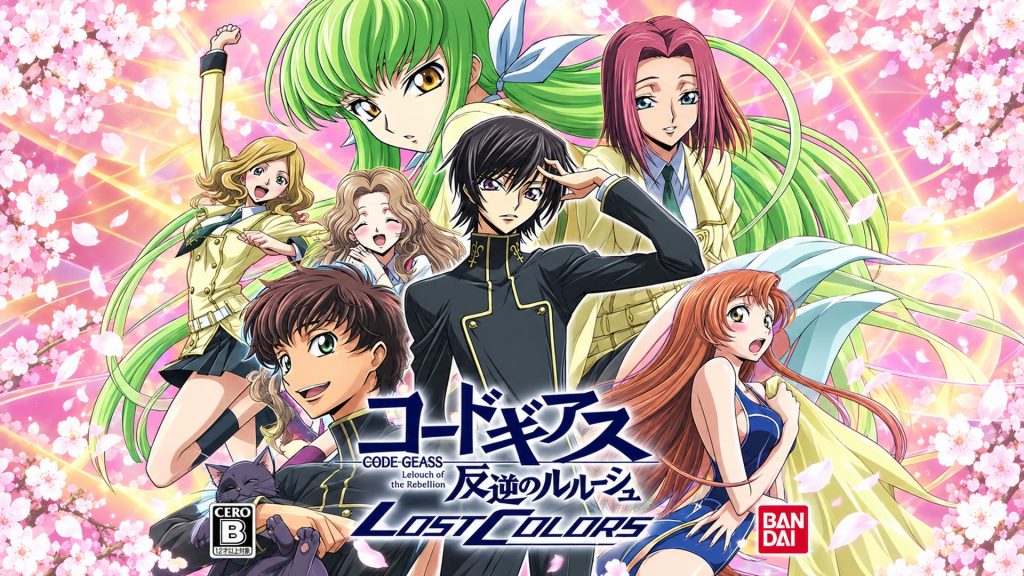
Code Geass: Lost Colors now has a complete fan-made English patch for PS2, including the platform-exclusive Blue Moon route.
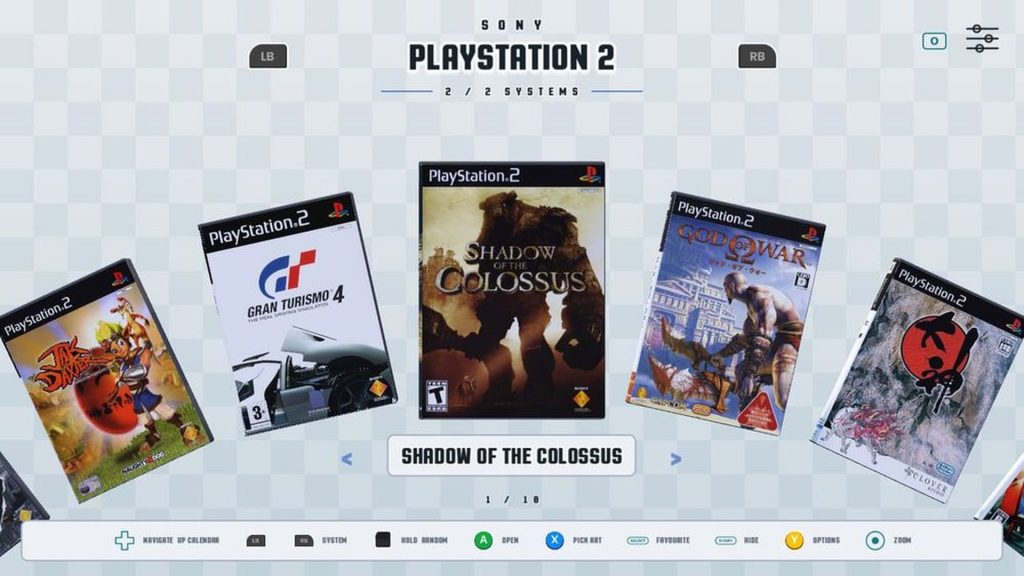
DigiBitPlay presents digital game libraries through interactive 3D boxes, discs, cartridges, consoles and scanned manuals.
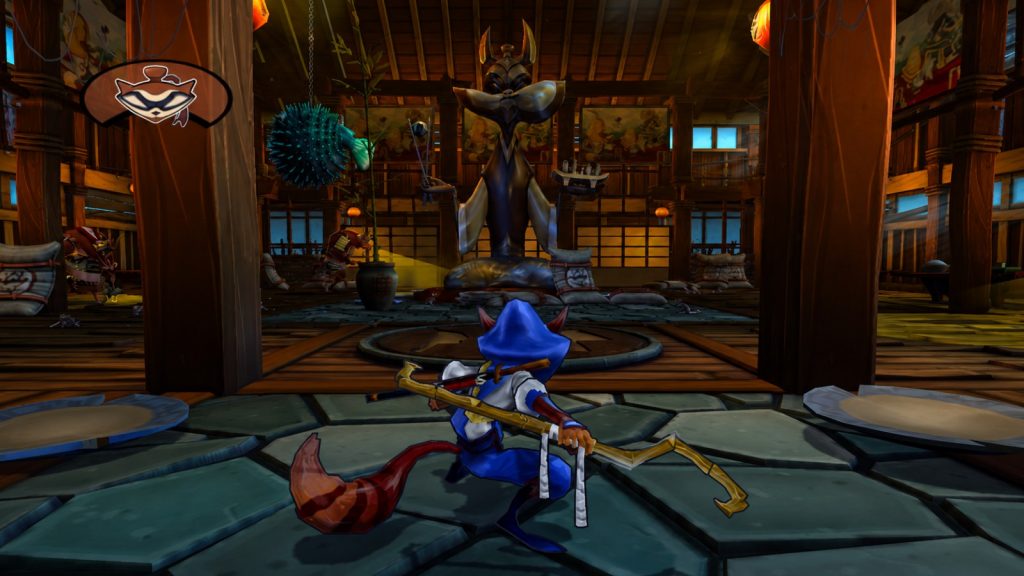
Project Cane shows new Sly Cooper PC footage, but the unofficial native port still needs menus, audio, saving, controls and…
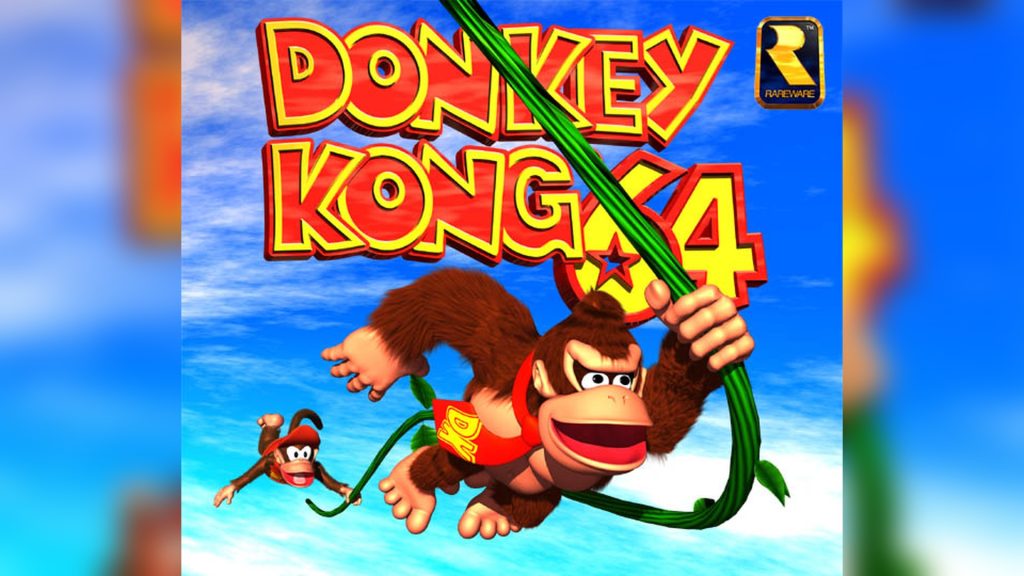
Donkey Kong 64 now runs natively on Windows, Linux and macOS with widescreen, uncapped frame rates, modern controls and optional…
PCSX2 2.8.0 delivers major performance and graphics improvements alongside EyeToy support, interface upgrades and bundled FFmpeg.
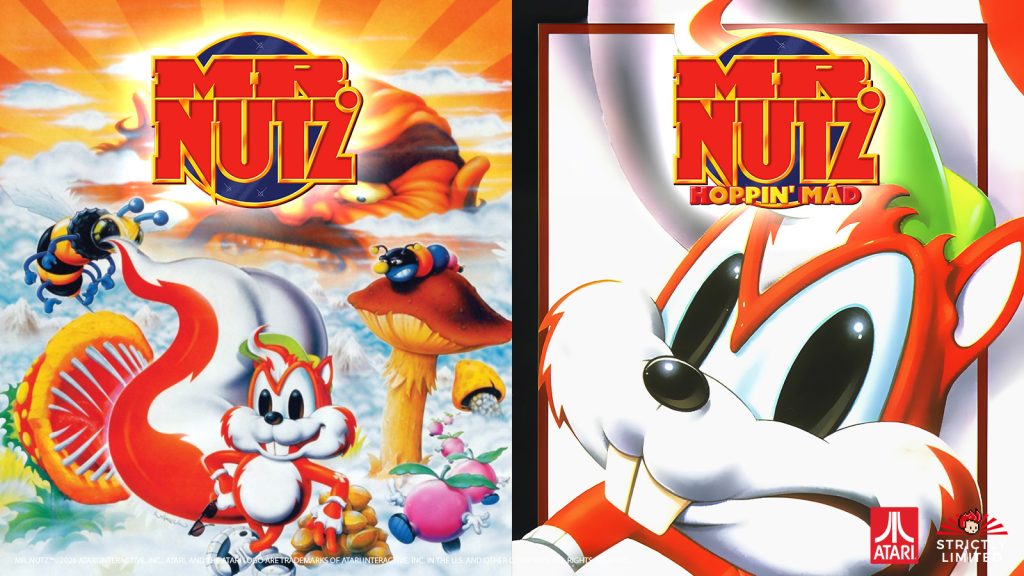
Mr. Nutz and the previously unreleased Mega Drive sequel Hoppin' Mad are receiving new physical cartridges from Strictly Limited Games…
Sony will close the PlayStation 3 Store in July 2027, while RPCS3 fully supports 75% of the console's library, highlighting…
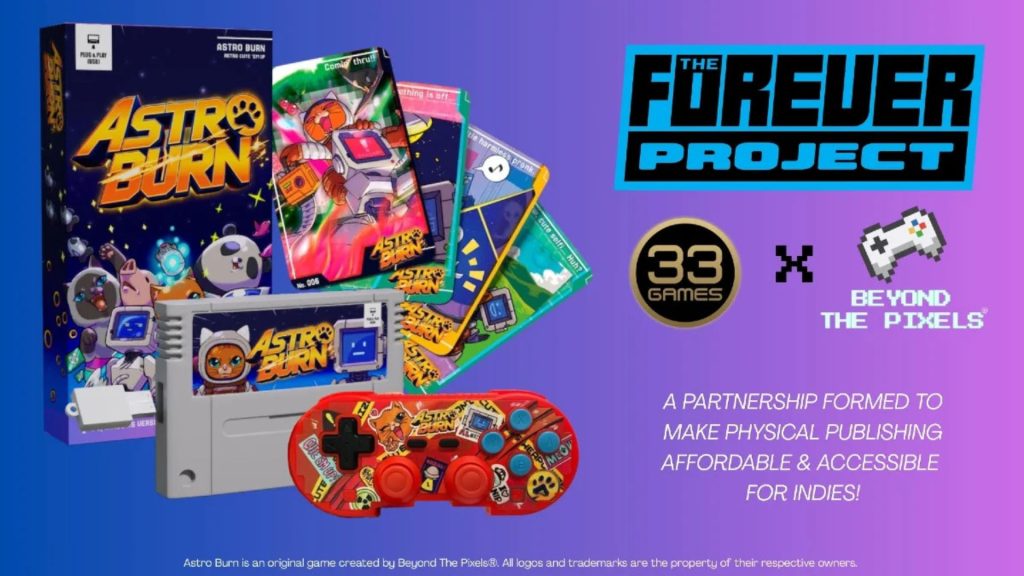
The Forever Project aims to make physical game releases more affordable for indie developers through a partnership between 33 Games…
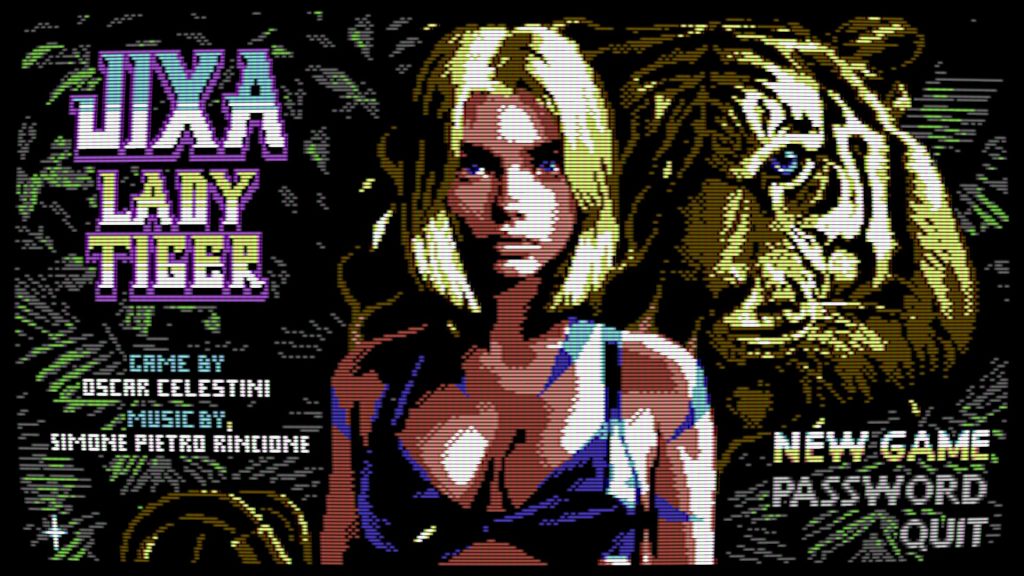
Indie developer Oscar Celestini is expanding his retro-inspired platformer with Jixa Lady Tiger Plus, an enhanced edition that significantly builds…
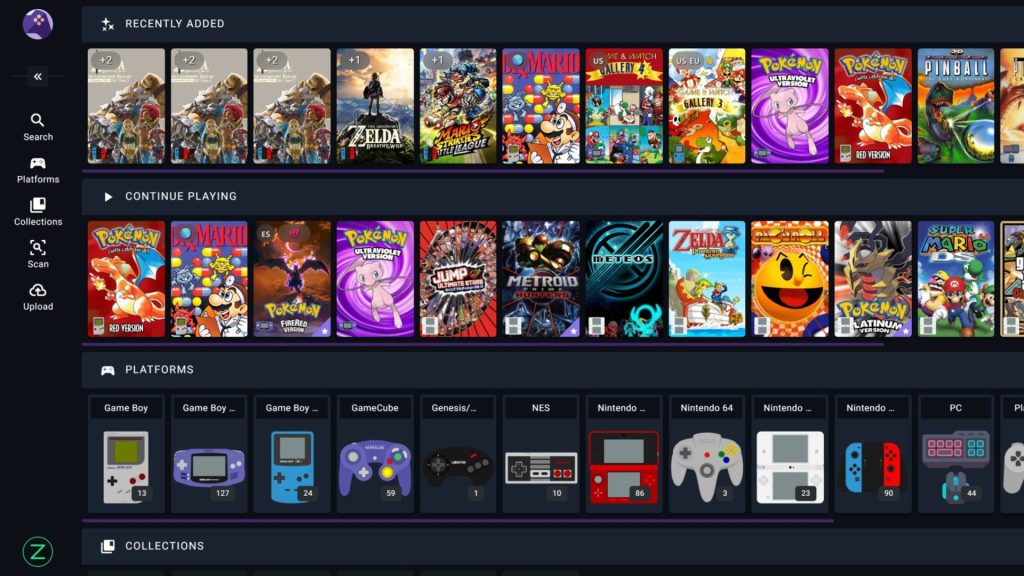
RomM is a free, open-source, self-hosted platform that organizes ROM libraries, fetches metadata, and supports browser-based emulation.
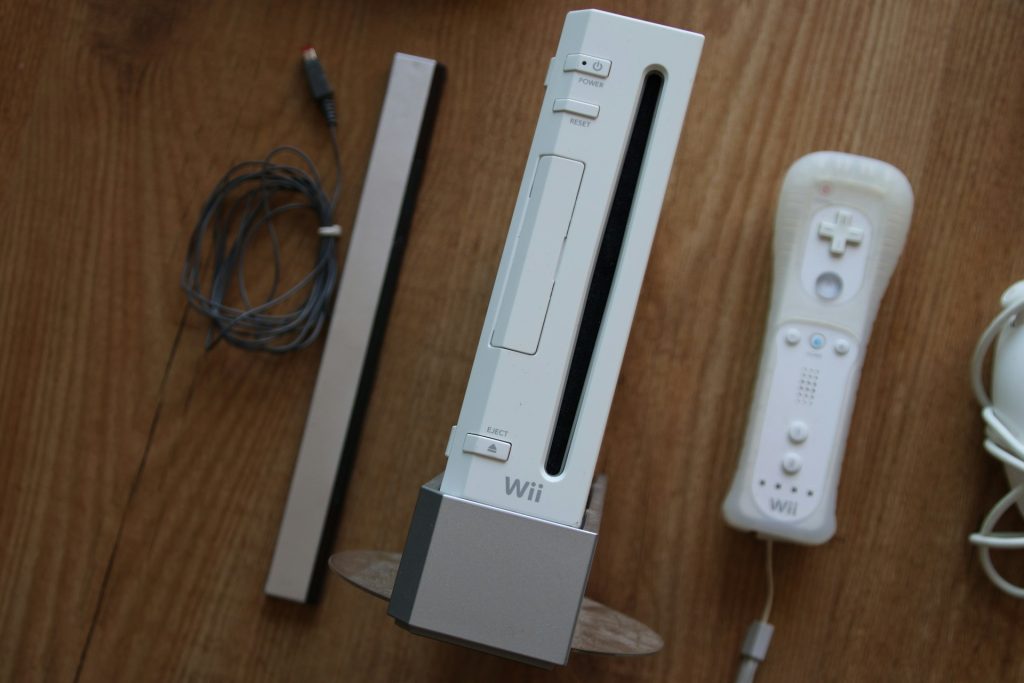
The developers behind Wii64 have released Beta 1.4, marking the Nintendo 64 emulator's first major update in more than five…
Rock It Games has brought Jaleco Sports: Bases Loaded II and Goal! Two to PC after successful Nintendo Switch and…
Developer Pygmy Studio has announced that Bokosuka Wars II will launch on PC via Steam in 2026, bringing the tactical…
An unofficial native PC port of Donkey Kong 64 is in development, bringing rare's Nintendo 64 classic to modern hardware…
A fan-made native PC port of the original Spyro the Dragon is officially in development, bringing the 1998 PlayStation classic…
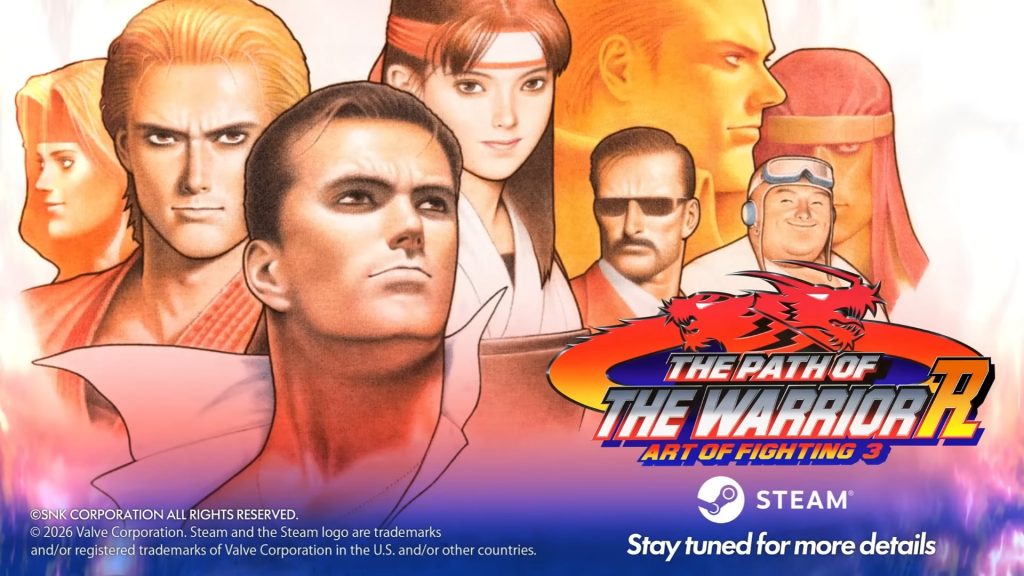
SNK has officially announced The Path of the Warrior: Art of Fighting 3 R, a modernized version of the 1996…
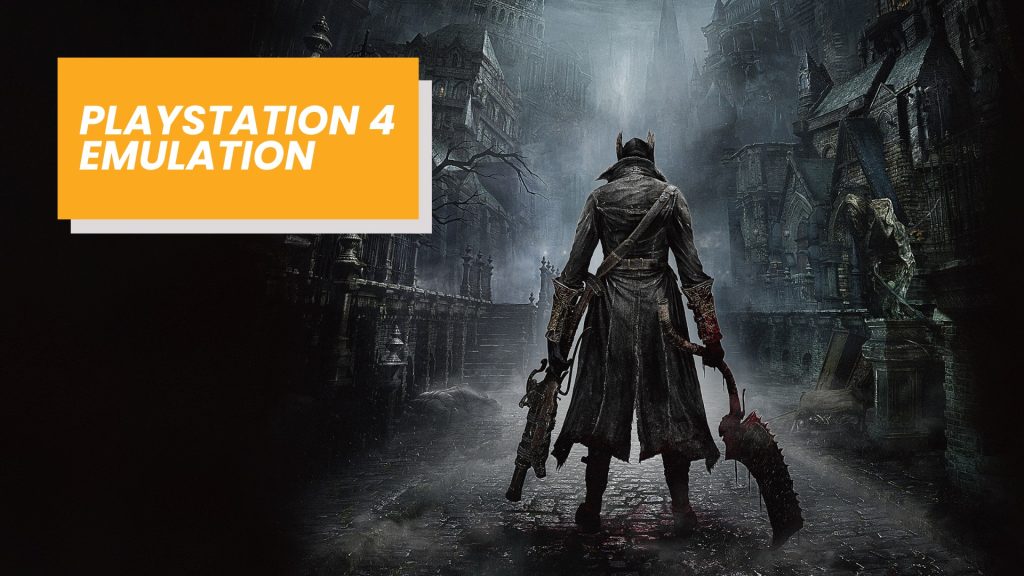
The developers behind ShadPS4 have introduced a major new feature that moves PlayStation 4 emulation closer to a complete experience.
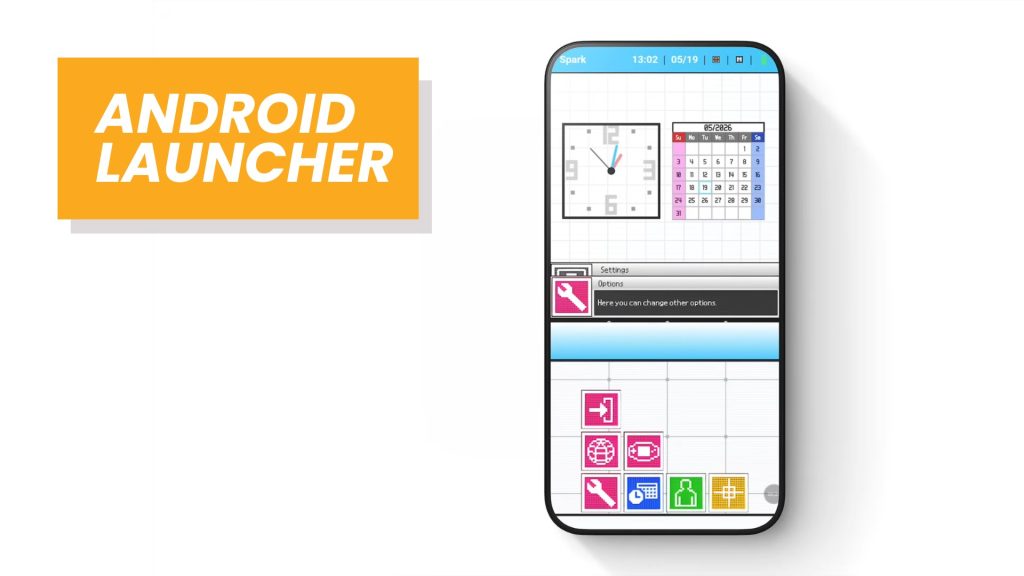
DS & DSi Launcher brings the classic Nintendo DS and DSi interface to Android, giving retro fans a nostalgic way…
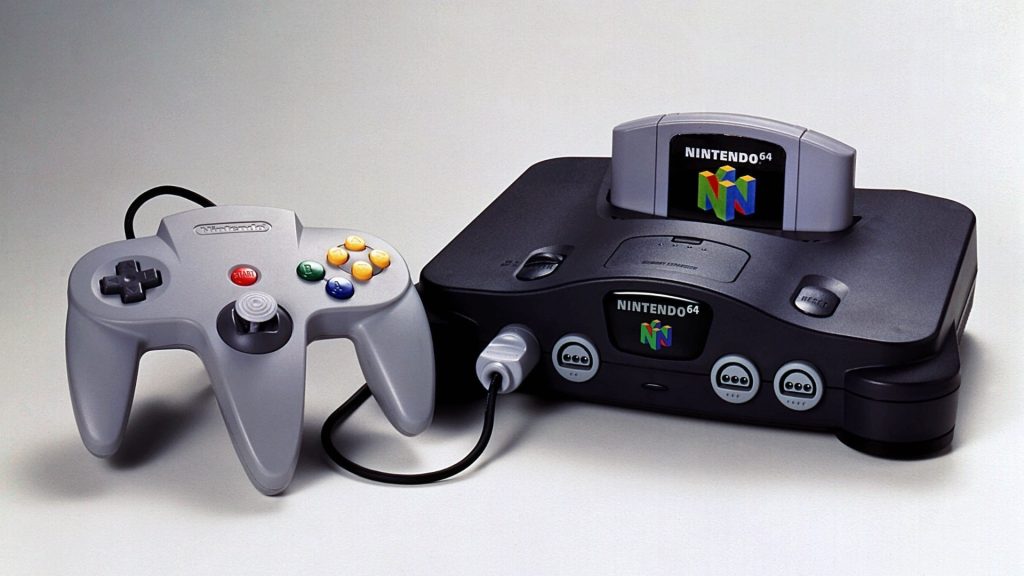
Today marks 30 years since the launch of the Nintendo 64 in Japan, and for many, that's enough to trigger…
