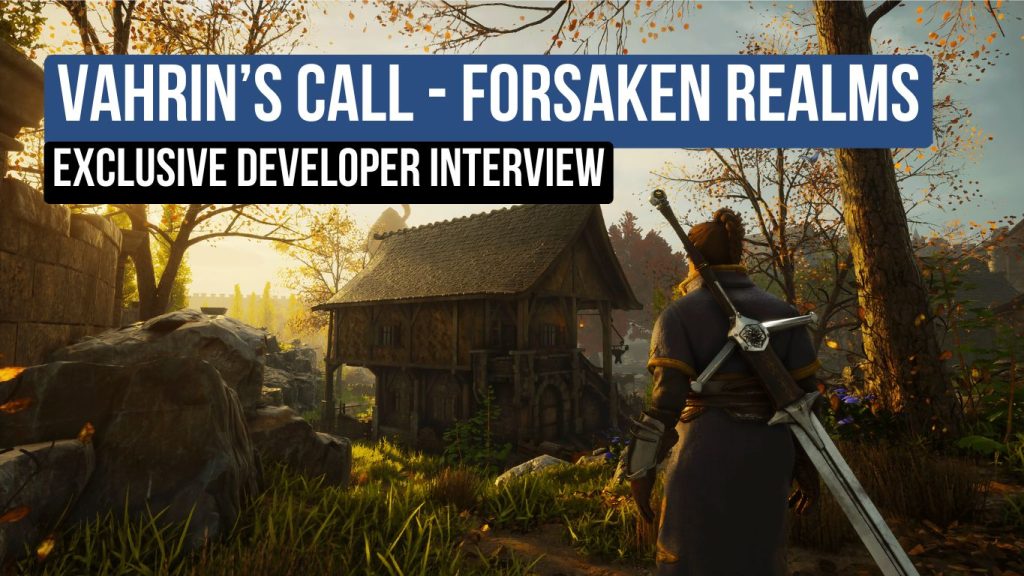
Vahrin’s Call Interview: No Classes, No Generative AI, and Complete Player Freedom
Built by a self-funded team of seven, Vahrin’s Call is an ambitious fantasy RPG inspired by Fable, The Elder Scrolls…


If you enjoy independent indie game coverage, consider supporting Indie-Games.eu on Patreon. It helps keep the site independent.
Project Tower marks the Steam debut of another French studio Yummy Games and it’s clear they poured their passion into creating this title. The game combines shooter, action, and bullet hell mechanics with a unique transformation ability, which allows you to morph into different creatures to progress. With intense boss fights and a linear story, it offers a dynamic and exciting experience. You can read our full review here.
The story begins with the Hiks, an alien race, invading Earth to capture humans as prisoners. To conquer the universe, the Hiks created a program called Project Tower, which forces prisoners to fight their way through various towers, allowing them to build their army from the captives. You play as one of these prisoners, and the only way to regain your freedom is to reach the top of the tower.
We had the opportunity to speak with Yummy Games, where they shared insights into the transformation mechanics, boss fights, the inspirations behind the game, their development process, and advice for other indie developers.
Project Tower is now available for PC via Steam and PlayStation 5.
We started around ten years ago, making small experimental games on itch.io for fun. At one point, we tried to develop an MMORPG, which didn’t quite work out. However, that experience taught us a lot, so we decided to focus on smaller projects, developing a few mobile games along the way.
After that, we wanted to move into PC and console development, so we began learning Unreal Engine and building prototypes. Project Tower is our first complete title on Steam, developed by a team of four people, while the music was composed by Jacob Lives.
As for the future, we are already working on something new! We’re using everything we learned from Project Tower to create an even better game. We can’t reveal too much yet, but we’re excited to keep moving forward.
Steam is a demanding platform, especially for indie games without a large marketing budget. Visibility largely depends on pre-release wishlists, and since Project Tower was not a highly anticipated title, breaking through to the audience was a challenge.
However, what is truly important to us is that the players who did find the game are enjoying it. Seeing people have fun with something we worked so hard on is incredibly fulfilling. So, while it hasn’t been easy, we are grateful for the support we have received.


We actually started with Unity, but we encountered certain limitations when trying to achieve the visual style we wanted without sacrificing performance. Since we are a small team, we couldn’t afford months of manual optimization for everything.
Switching to Unreal Engine made a huge difference. It provided us with powerful tools right out of the box, and the free Quixel Megascans library helped by providing high-quality assets at no extra cost. This saved us a lot of time.
We drew inspiration from several games:
We wanted to create something dynamic and engaging while maintaining a fun and intuitive experience.
Yes! As a small team, we had to be realistic about what we could achieve. We focused on making each boss fun and exciting, but also ensuring the mechanics remained feasible for development. Reusing and slightly adjusting attack patterns allowed us to maintain the balance and quality of the game, rather than spreading ourselves too thin.


We are huge fans of science fiction, so the story naturally flowed from that passion. Our priority was always the gameplay, but we wanted to find a way to tell the story without slowing down the game’s pace too much. The cinematic scenes were a good way to give players a break while still advancing the narrative.
In fact, towards the end of development, we decided to cut some scenes and even a whole level because we felt they were disrupting the game’s rhythm too much. It was a tough decision, but we believe it ultimately improved the game.
Yes, there were a few! Some of the biggest ones were:
It’s always hard to cut ideas, but we had to stay focused on finishing the game.
We are taking all of these lessons with us into our next project!


France has a great mix of indie and AAA studios, which is very inspiring. The industry is currently going through a tough period, but we hope things will improve soon.
Yes, it’s very difficult. A huge number of games are released every day, and standing out in that crowd is a real challenge. One thing we realized is that our realistic visual style made it harder for us to grab attention as an indie game. Something more stylized might have helped us stand out more. That’s definitely something we’ll consider for future projects.
The hardest part is not starting, but finishing. Take it one step at a time. It’s easy to feel overwhelmed, so break tasks down into small goals. Don’t over-analyze. Perfectionism can prevent you from ever completing a game. Sometimes, “good enough” is exactly what you need. And most importantly, enjoy the process! Game development is a tough but incredibly exciting journey.
Built by a self-funded team of seven, Vahrin’s Call is an ambitious fantasy RPG inspired by Fable, The Elder Scrolls…
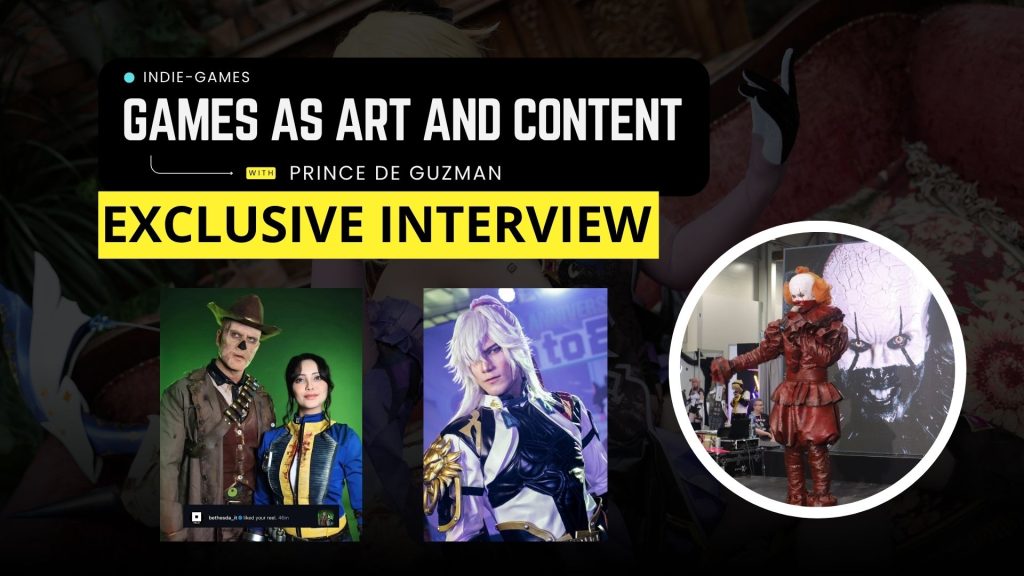
We spoke with cosplayer Prince de Guzman, who is known for his transformations inspired by horror, anime, and video games.
Unless you’re deep in the indie gaming scene, Naphtali Faulkner might be a new name to you. But as the…
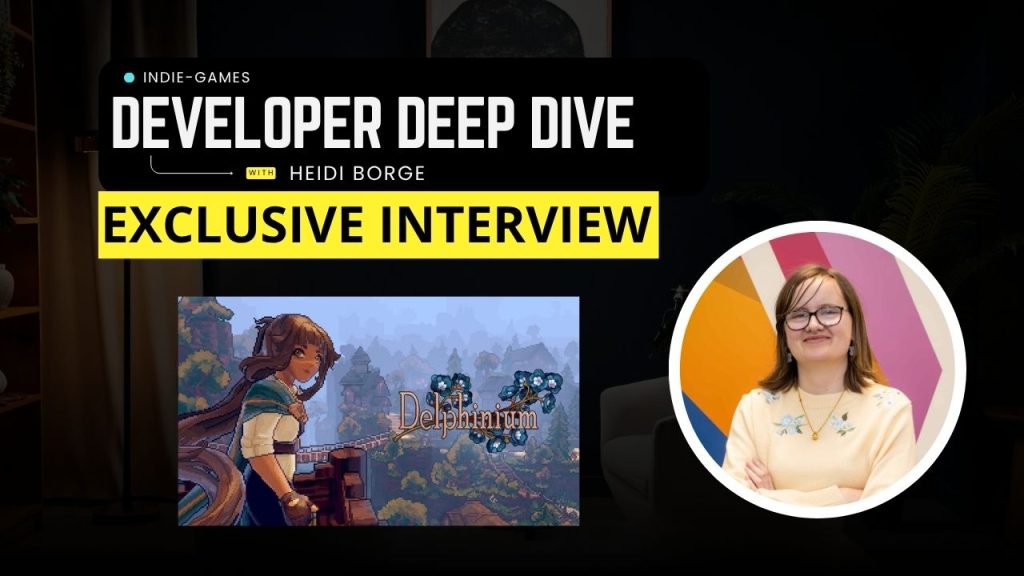
We had a chance to catch up with Heidi Borge, the developer behind narrative-driven cozy Delphinium to learn more about…
We had the opportunity to speak with Damian Czajka from MOUSE: P.I. For Hire Team.
We had the opportunity to talk with Piotr Nowakowski from Bloober Team about his work on Cronos: The New Dawn.
![[INTERVIEW] Manafinder II Is a Big Step Up – Here’s What the Developer Told Us](https://www.indie-games.eu/wp-content/uploads/2026/04/Manafinder-II-interview-1024x683.jpg)
In the interview, we discussed the game’s mechanics in greater detail, what players can expect from the sequel, and the…
We had the opportunity to sit down with the brilliant minds behind Business Goose Studios: Beau Vankemenade, Sander Ambroos, and…
![[EXCLUSIVE] Like a Bloody Storm – Interview with Kazusou Oda (Coda)](https://www.indie-games.eu/wp-content/uploads/2025/12/Oda-Kazusou-Interview-1024x576.jpg)
We had an opportunity to talk with Oda Kazusou, a theme song artist for JoJo's Bizarre Adventure.
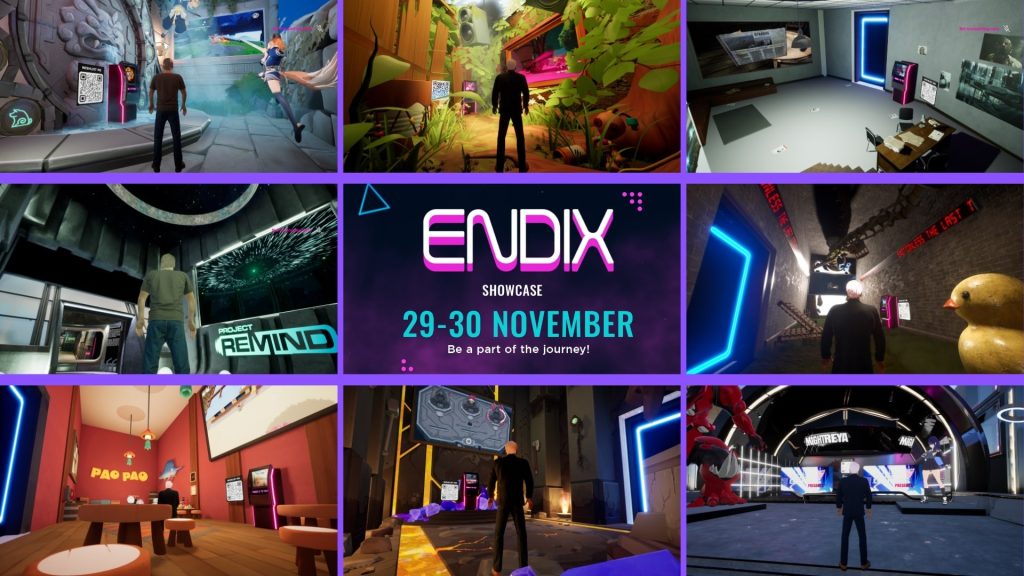
Once inside, visitors will find a fully immersive world where exhibitor booths are crafted using real in-game assets.
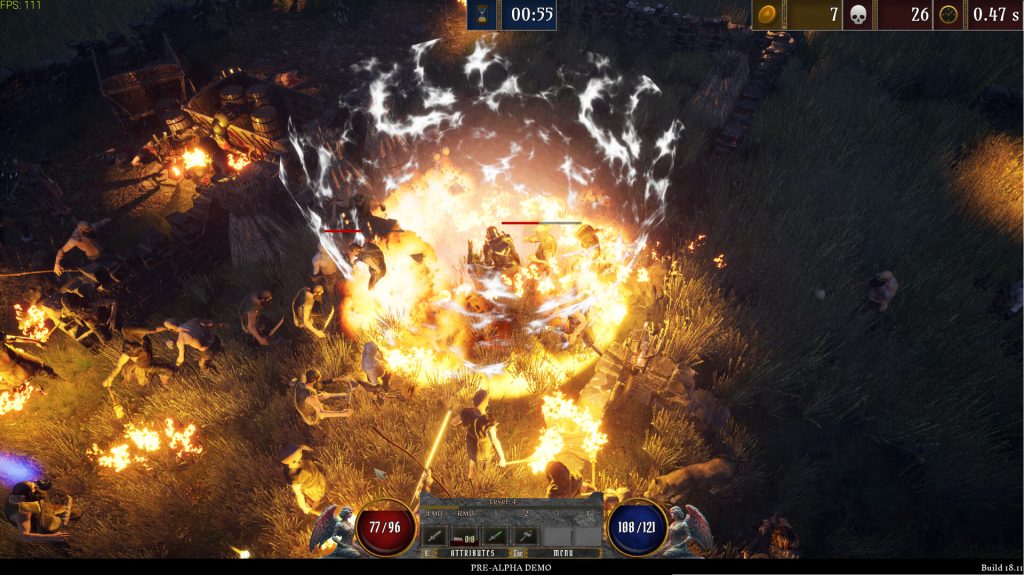
We talked to Tomasz Janicki about the details regarding Cult of Shadows.
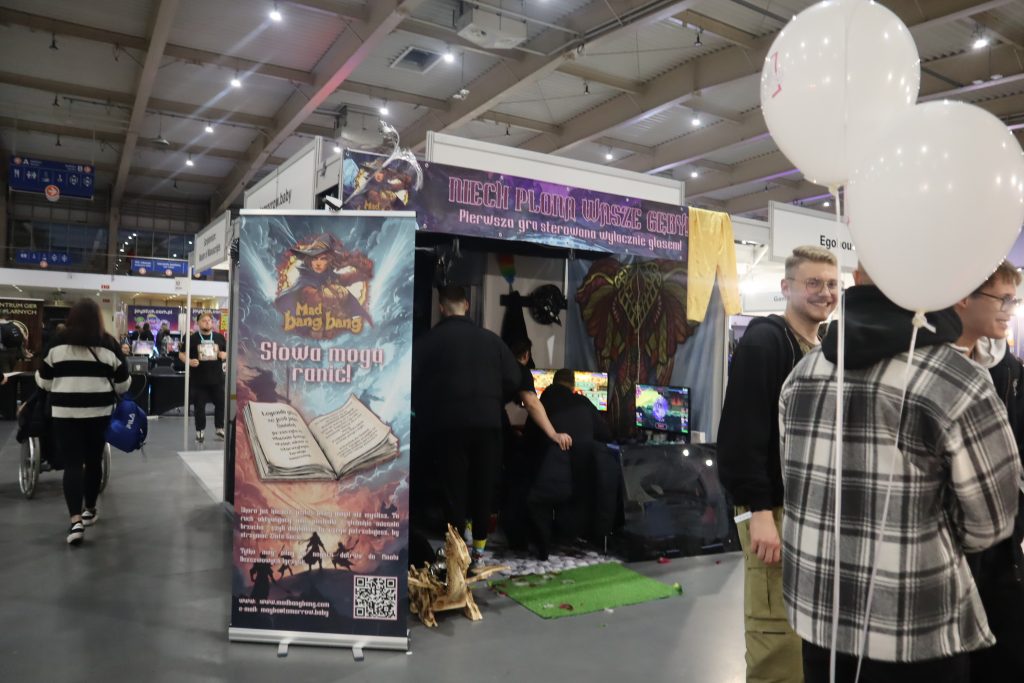
We talked to Piotr Ruszczak, one of the creators of Mad Bang Bang, about the details of this production.
We asked Kiryl, Marek, and Jakub to reveal the secrets of their work to us.
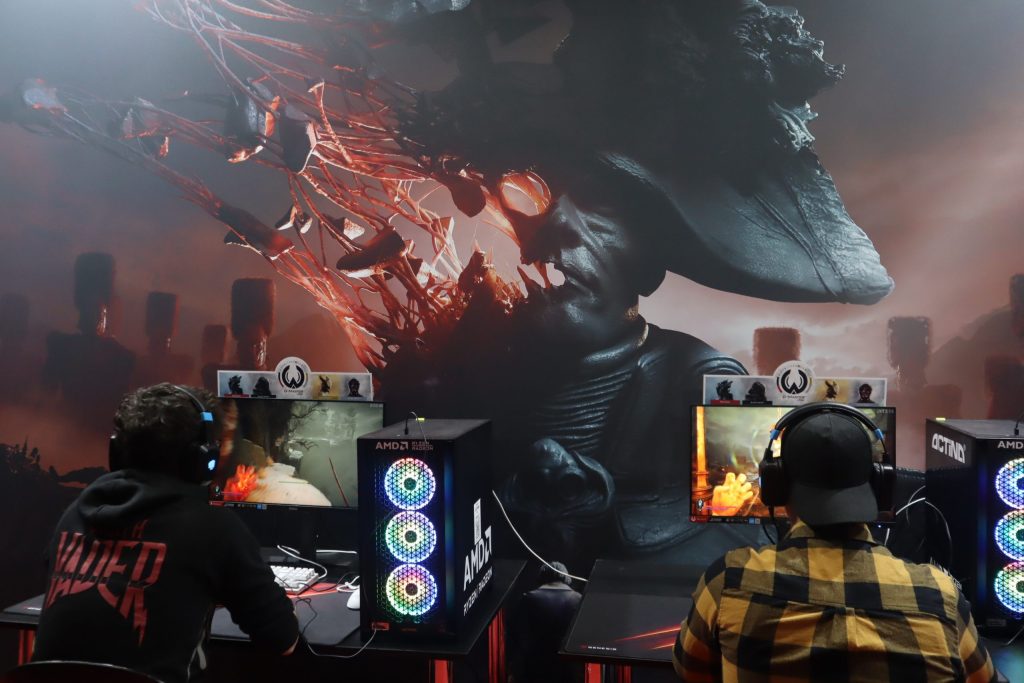
Will Valor Mortis become the hit of 2026?

We had the chance to ask Yannick Audéoud, developer behind Orbyss, some questions about the game.
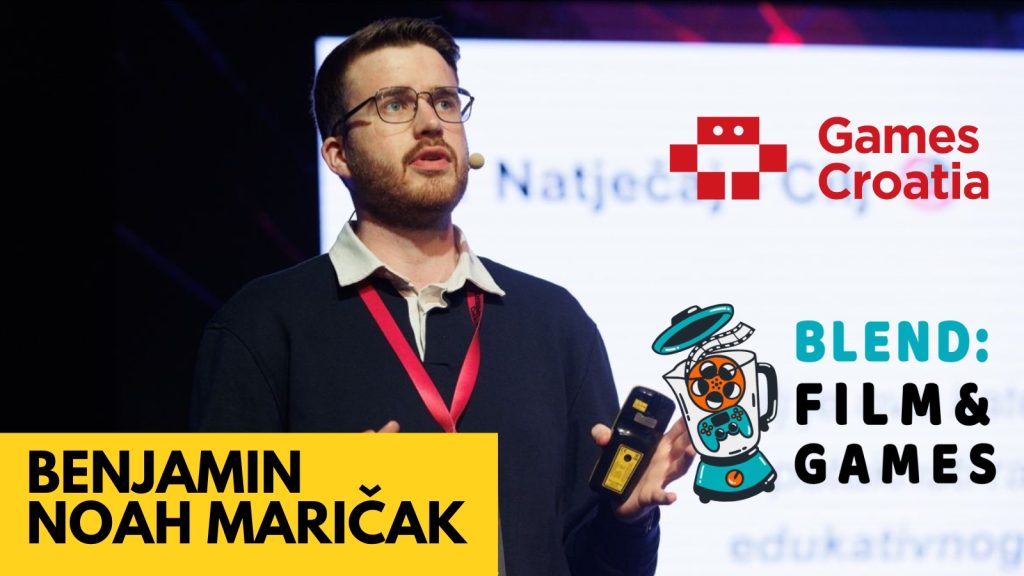
Maričak actively works to grow and promote the Croatian gaming industry while simultaneously fostering collaboration with the film industry.
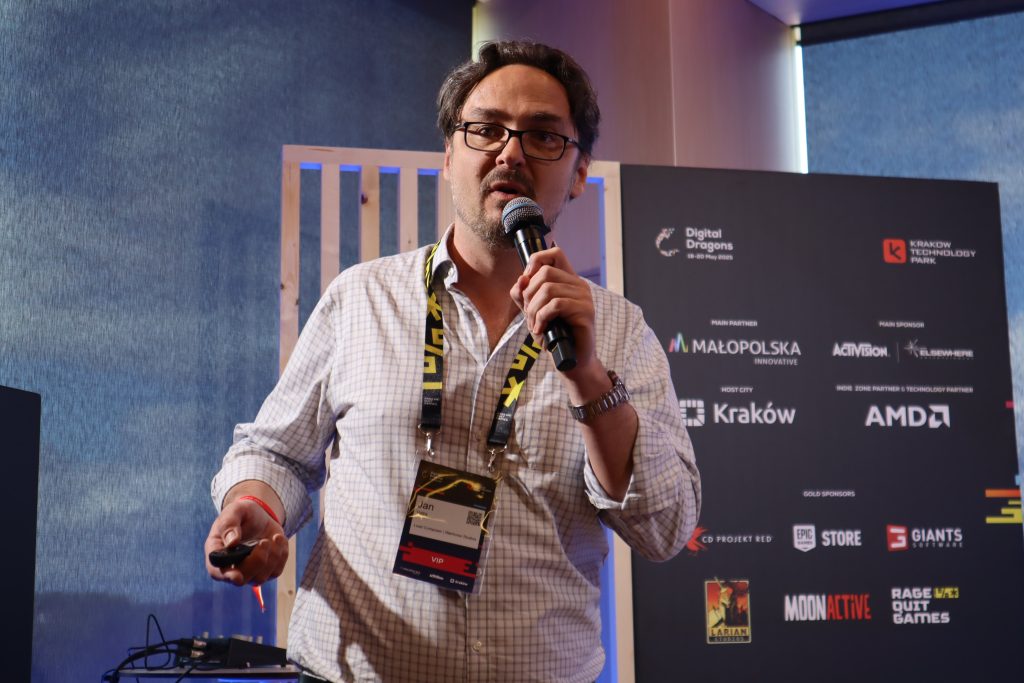
During our interview, Jan revealed the secrets of composing music for both KCD games.
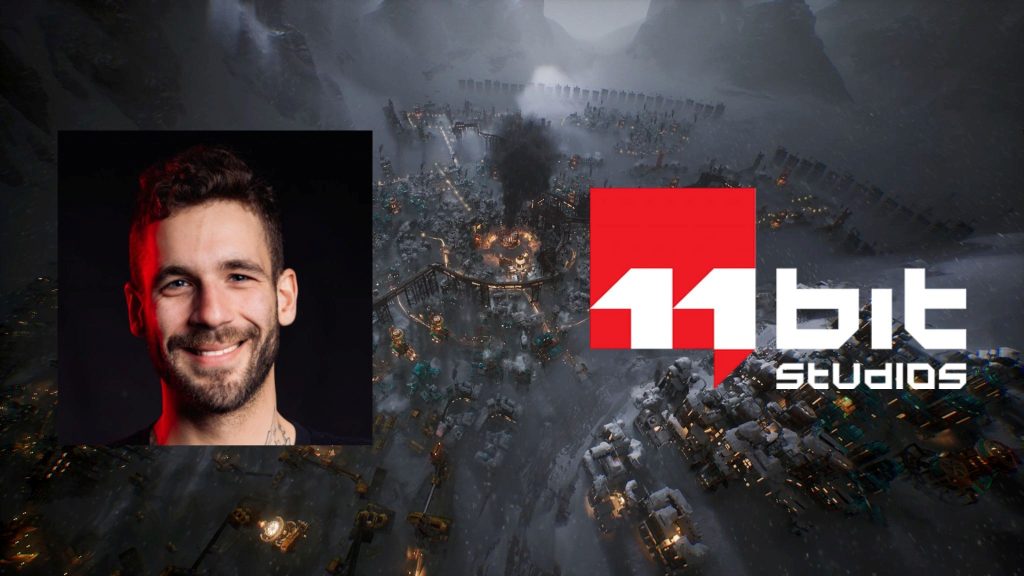
In this interview, we asked Paweł Charzyński about his experience working on Frostpunk 2 as VFX coordinator.
![[A BIG INTERVIEW] Toukana Interactive Co-Founder Zwi Zausch on the Gaming Industry](https://www.indie-games.eu/wp-content/uploads/2025/09/Dizajn-bez-naslova-2-1024x576.jpg)
Zwi Zausch provided a deep dive into the gaming industry from an indie developer's perspective.
![[A BIG INTERVIEW] Deep Dive into Star Birds with Toukana Interactive’s Co-Founder](https://www.indie-games.eu/wp-content/uploads/2025/09/star-birds-1024x576.jpg)
Ever wondered what it takes to build a relaxing base on an asteroid? We spoke with Zwi Zausch, who gave…
