DigiBitPlay Turns Digital Libraries Into Physical Collections
DigiBitPlay presents digital game libraries through interactive 3D boxes, discs, cartridges, consoles and scanned manuals.


If you enjoy independent indie game coverage, consider supporting Indie-Games.eu on Patreon. It helps keep the site independent.
Another Century’s Episode is a third-person mech shooter that brings together units from nine different anime series, each with its own weapons, abilities, and playstyles. Among the featured series are Aura Battler Dunbine, Mobile Suit Zeta Gundam, Brain Powered, and Blue Comet SPT Layzner. The gameplay is often compared to Zone of the Enders, as it places you in large, open arenas where you freely fly around while completing mission-based objectives.
These objectives vary from mission to mission and gradually increase in difficulty. At times, you will be tasked with destroying waves of enemy units, while in other scenarios you may need to defend key targets or clear obstacles such as minefields. Movement plays a crucial role in combat, as your mech can boost or dash to avoid incoming attacks. However, this ability is tied to a gauge that must recharge, which means you need to manage it carefully during intense encounters.
Each mech is equipped with up to five weapons or abilities, ranging from firearms to melee options like swords. Most weapons operate on cooldowns, while others rely on limited ammunition. Interestingly, when you attack enemies at close range, your ranged weapons can transition into melee strikes, allowing for combo-based attacks and launch mechanics. As a result, combat feels dynamic, even if it takes some time to fully understand its systems.
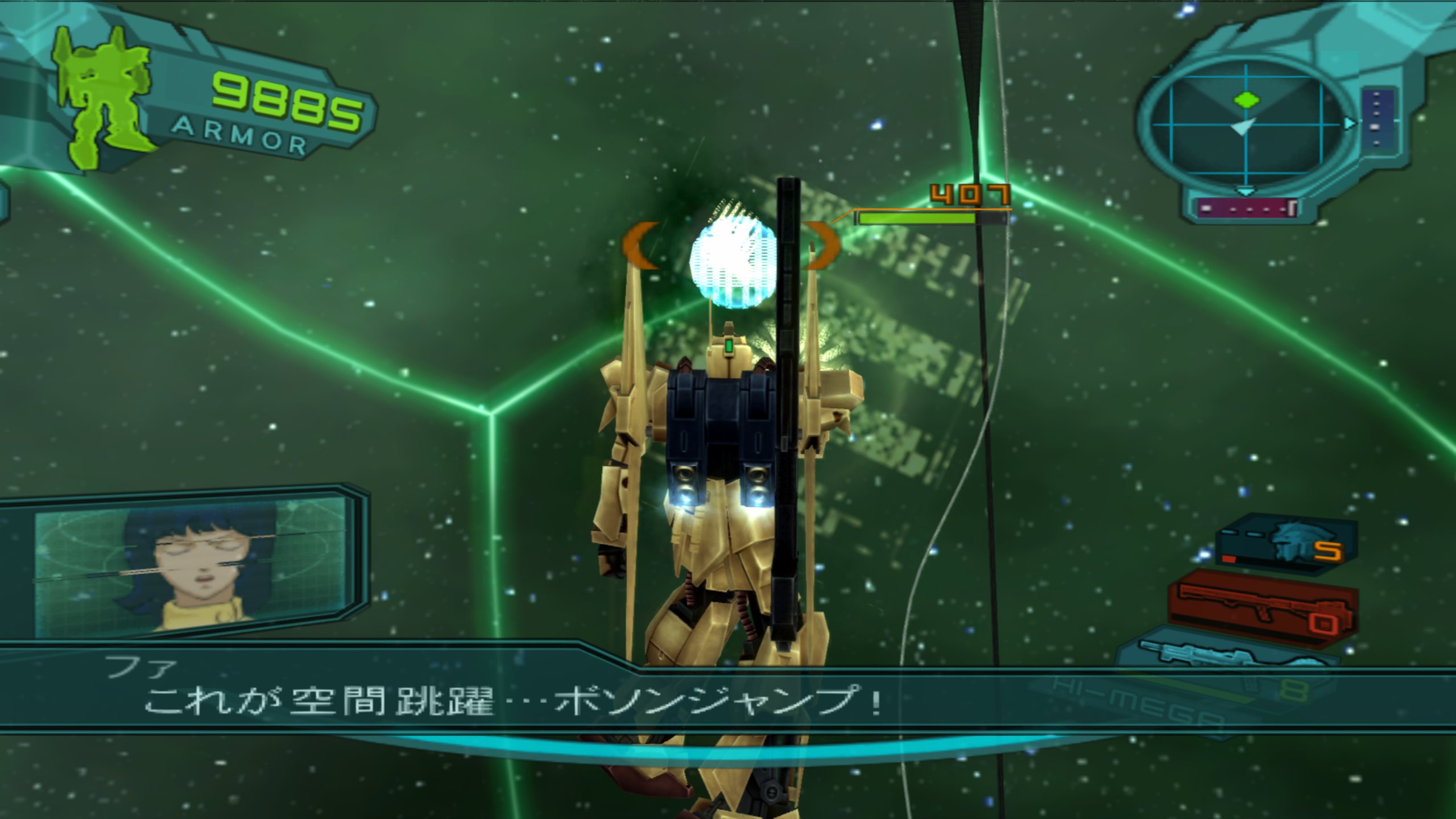
One important thing to note is that the game was never released outside of Japan for the PlayStation 2. Because of this, navigating menus and understanding certain mechanics can be challenging without knowledge of Japanese. Fortunately, the game is still largely playable thanks to its action-focused design. That said, the story is much harder to follow, as all dialogue is in Japanese, which can make narrative context easy to lose.
The plot itself revolves around a future where humanity has expanded into space, building colonies around Earth and Mars. However, political and economic tensions lead to conflict between various factions, prompting the formation of a special task force to maintain order. While this setup provides a foundation, the story quickly fades into the background, and the game becomes more about completing missions than following a cohesive narrative.
Because of the language barrier, using a guide is highly recommended. Some missions include hidden conditions or secondary objectives that are not clearly explained, especially if you cannot read Japanese. For example, certain missions may require you to complete an additional task after defeating a boss, such as protecting a vulnerable ally. Without guidance, these objectives can feel confusing, but with a guide, they become much more manageable.
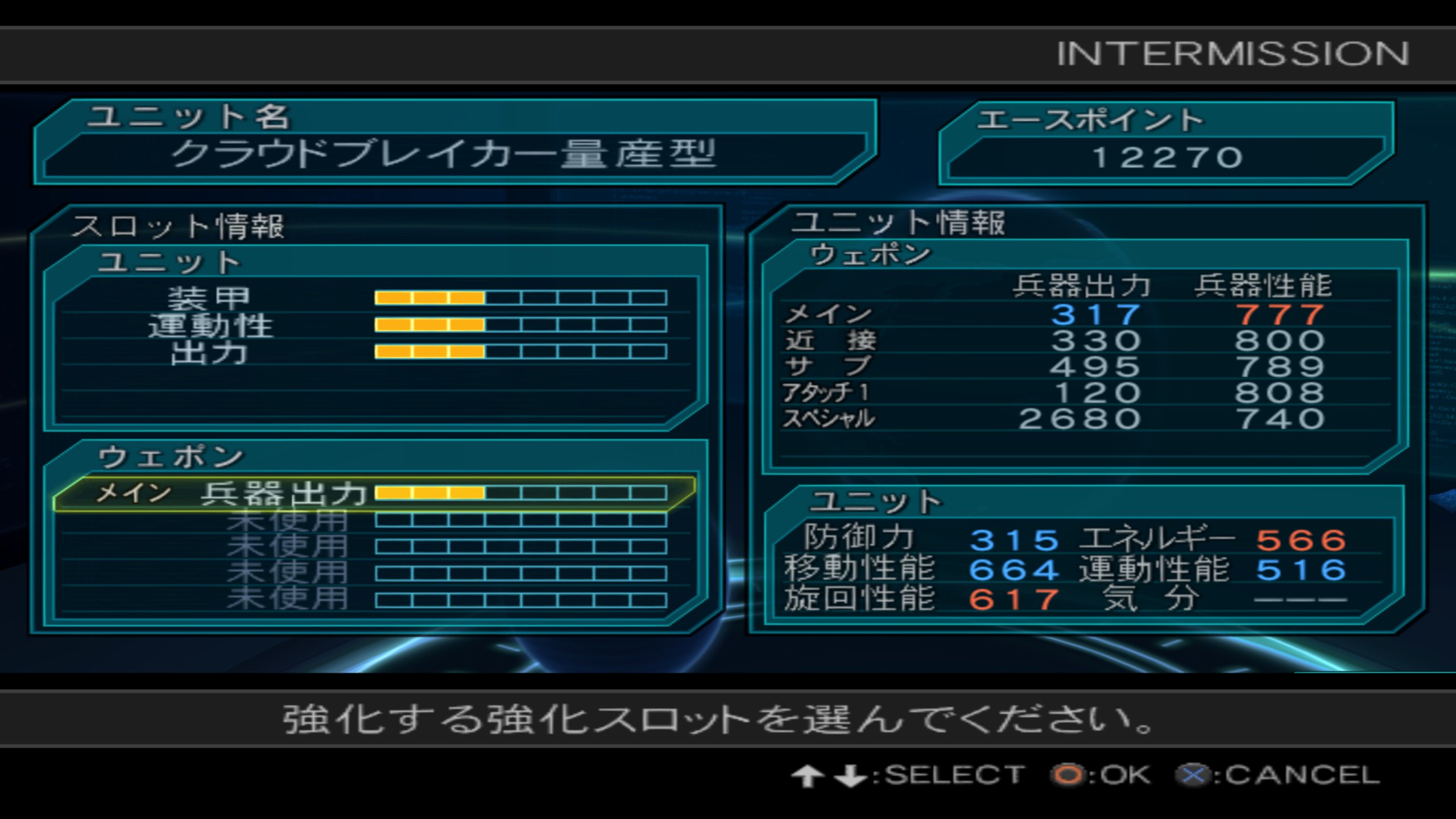
Progression is structured around missions and upgrade phases. Every few stages, you reach a rendezvous point where you can repair your units and invest in upgrades for both your mechs and your carrier. Carrier upgrades increase your capacity to deploy more units, while mech upgrades improve stats such as armor, speed, weapon power, and energy output. These upgrades come with trade-offs, so balancing them is essential for long-term success.
The game also features three difficulty levels: Rookie, Pilot, and Ace which roughly correspond to easy, normal, and hard. As you advance, the difficulty spikes can become quite noticeable, with some missions requiring multiple attempts to complete. With over 50 missions in total, the game offers a substantial amount of content, easily exceeding 25 hours of playtime.
Replayability is further improved through unlockable units and secret objectives. Completing hidden conditions, achieving high ranks, or finishing specific challenges can grant access to additional mechs. However, as mentioned, discovering these requirements without a guide can be difficult due to the language limitations.
Despite these challenges, the controls themselves are intuitive and easy to grasp. Lock-on targeting, movement, and combat inputs feel responsive, allowing you to focus on the action. Each weapon also has a specific range and function, encouraging you to experiment with different loadouts and playstyles.
Given the wide selection of mechs, you will likely find a few favorites; however, not every unit is suited for every mission. Some excel in long-range combat, while others are better in close quarters or defensive roles. As a result, adapting your loadout and upgrading wisely becomes an important part of the experience.
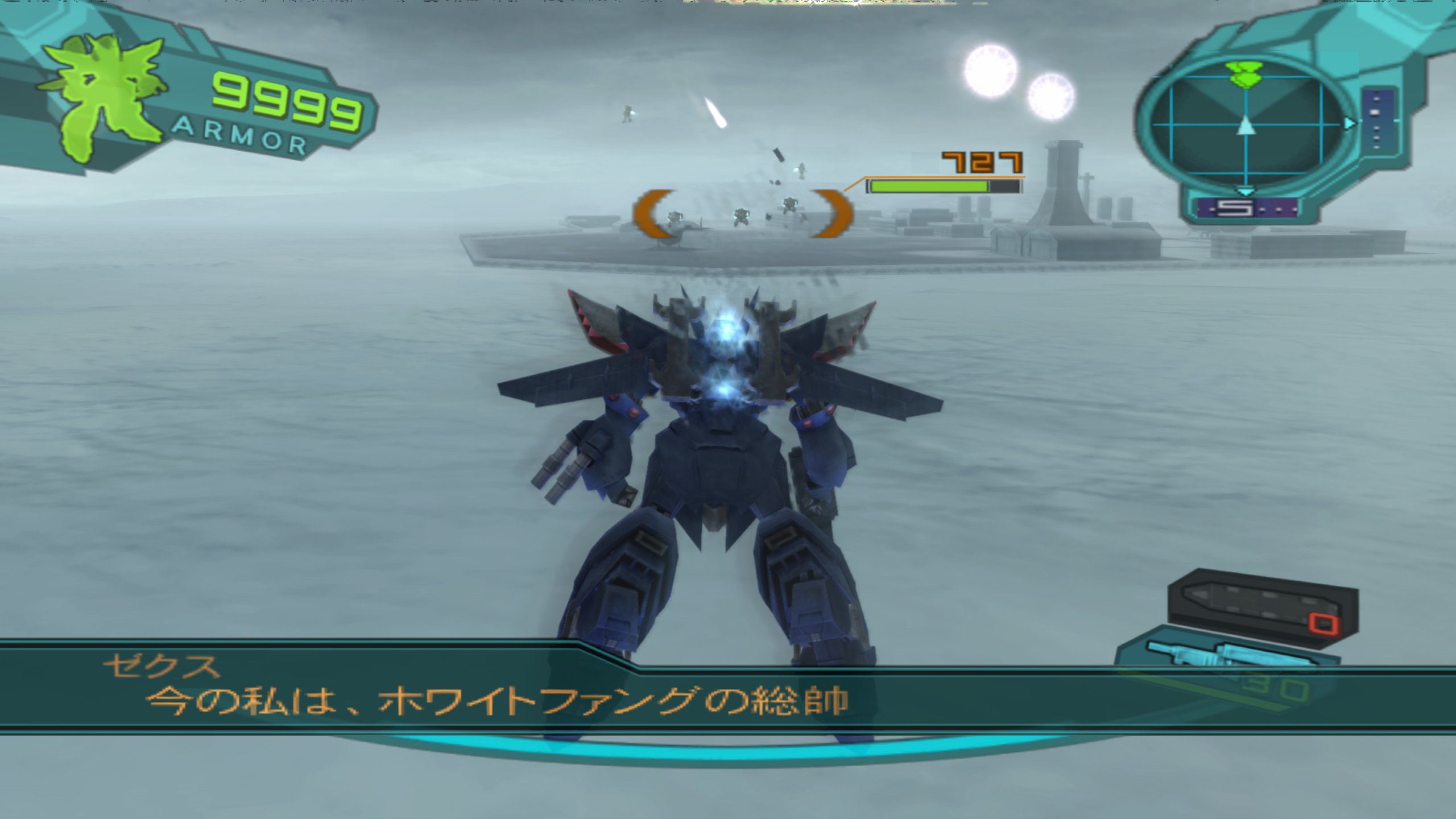
Still, despite everything, I have to admit that Another Century’s Episode does have its share of issues. First and foremost, the combat feels somewhat clunky, with movement lacking smoothness and the lock-on system occasionally struggling, especially when enemies are positioned above or below you.
Additionally, certain enemy behaviors can be frustrating, as they tend to retreat constantly without engaging, which slows the pace and disrupts the flow of battles. The game is also quite time-consuming; if you’re planning to fully complete it, be prepared to invest a significant number of hours. You’ll get the best experience for this game on the PCSX2 emulator.
In the end, Another Century’s Episode is a surprisingly deep and engaging mech shooter. While the lack of an English release and the need for a guide can be frustrating, the variety of missions, extensive customization, and fast-paced gameplay make it a rewarding experience for fans of the genre. It’s a shame it never received an official localization, as it offers far more depth than one might initially expect.
| Label | Meaning | Description |
|---|---|---|
| Timeless Classic | ⭐⭐⭐⭐⭐ | A retro game that remains outstanding today — endlessly replayable and still a joy to experience. |
| Aged but Golden | ⭐⭐⭐⭐ | Some mechanics have aged, but the fun, charm, or innovation still shines through. |
| Of Its Time | ⭐⭐⭐ | Enjoyable mainly for nostalgia — solid in context, but dated by today’s standards. |
| Left in the Past | ⭐⭐ | Historically interesting, but frustrating or dull to actually play now. |
| Retro Relic | ⭐ | Best remembered, not replayed — a museum piece more than a game. |
DigiBitPlay presents digital game libraries through interactive 3D boxes, discs, cartridges, consoles and scanned manuals.
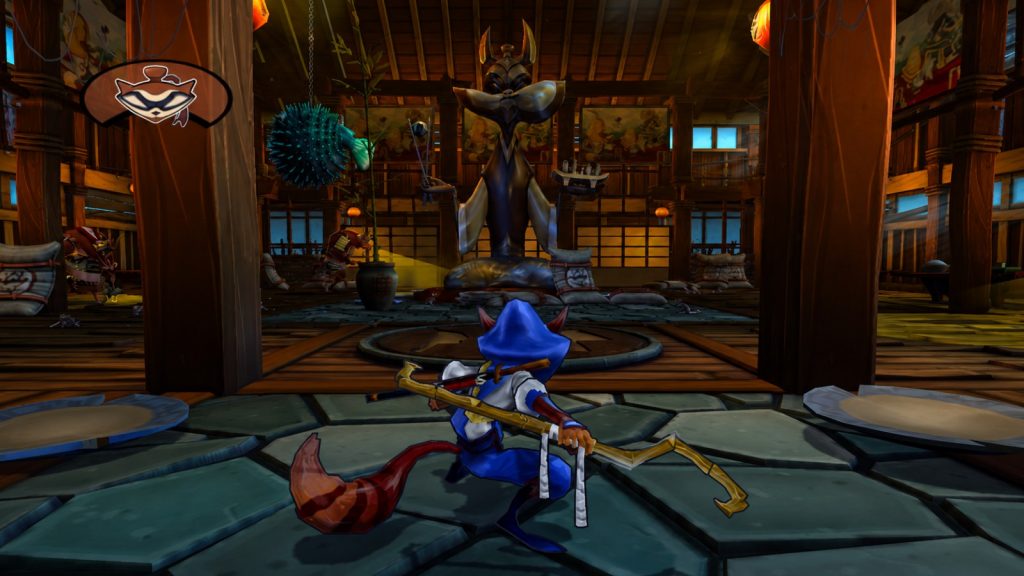
Project Cane shows new Sly Cooper PC footage, but the unofficial native port still needs menus, audio, saving, controls and…
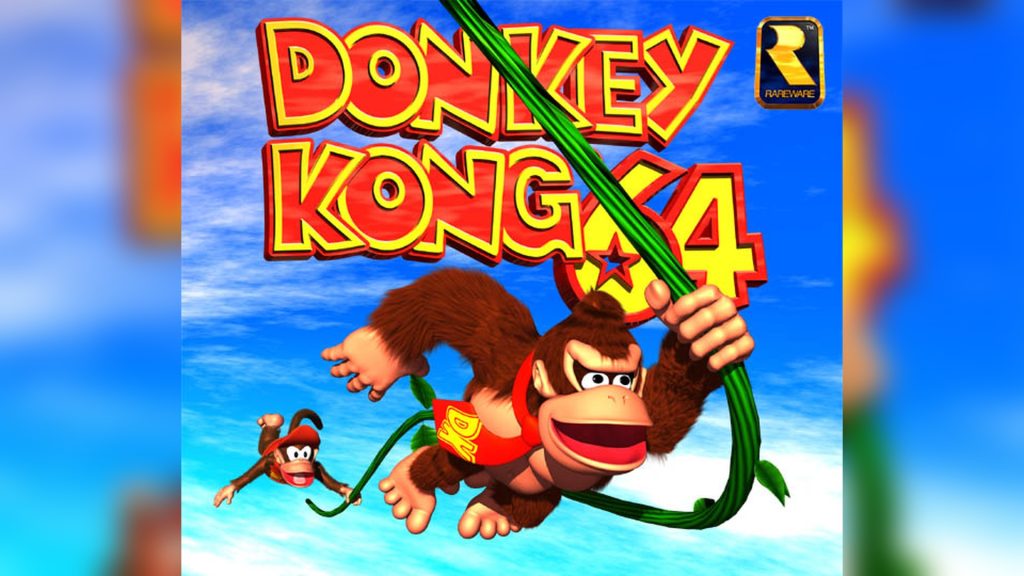
Donkey Kong 64 now runs natively on Windows, Linux and macOS with widescreen, uncapped frame rates, modern controls and optional…
PCSX2 2.8.0 delivers major performance and graphics improvements alongside EyeToy support, interface upgrades and bundled FFmpeg.
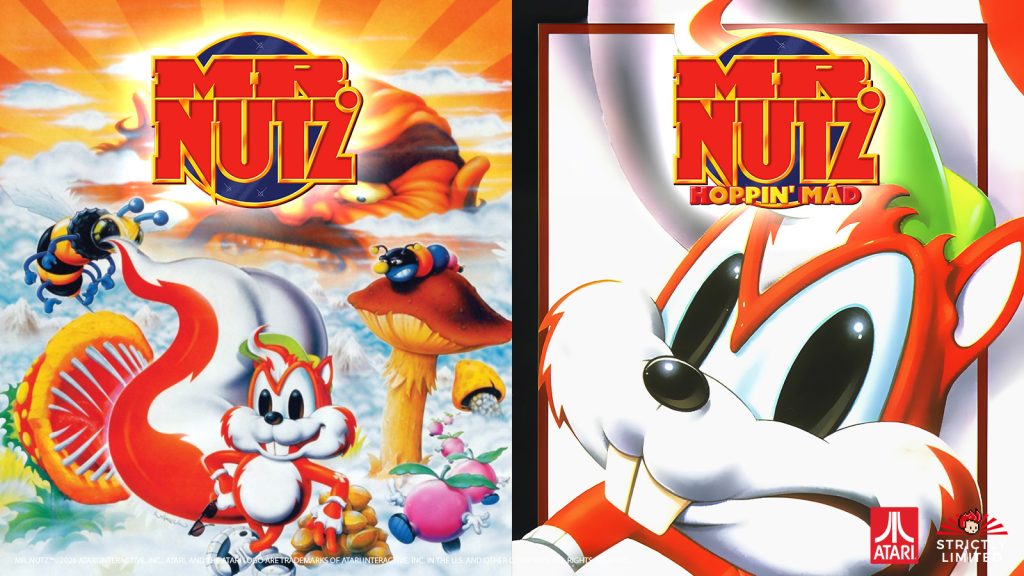
Mr. Nutz and the previously unreleased Mega Drive sequel Hoppin' Mad are receiving new physical cartridges from Strictly Limited Games…
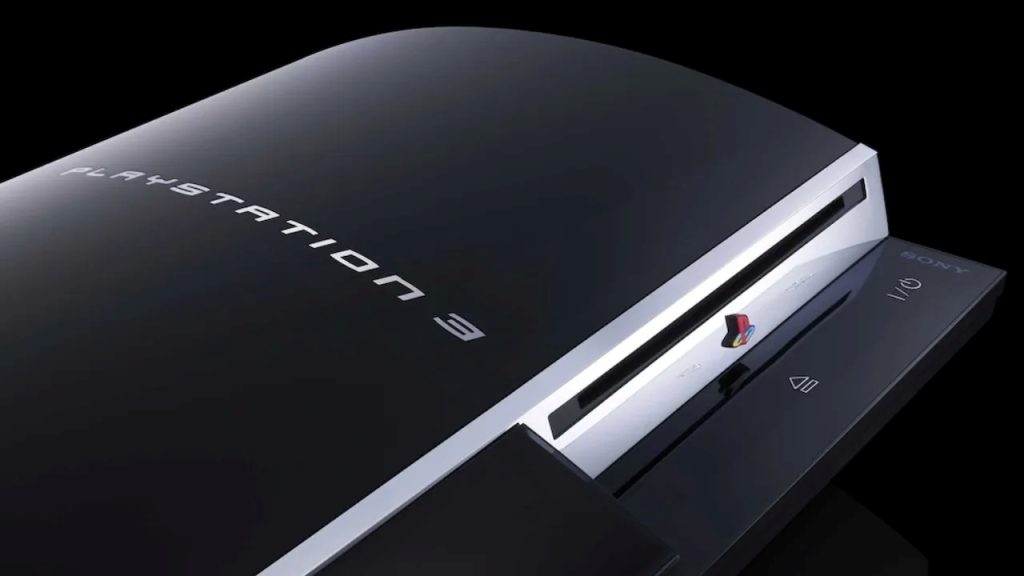
Sony will close the PlayStation 3 Store in July 2027, while RPCS3 fully supports 75% of the console's library, highlighting…

The Forever Project aims to make physical game releases more affordable for indie developers through a partnership between 33 Games…
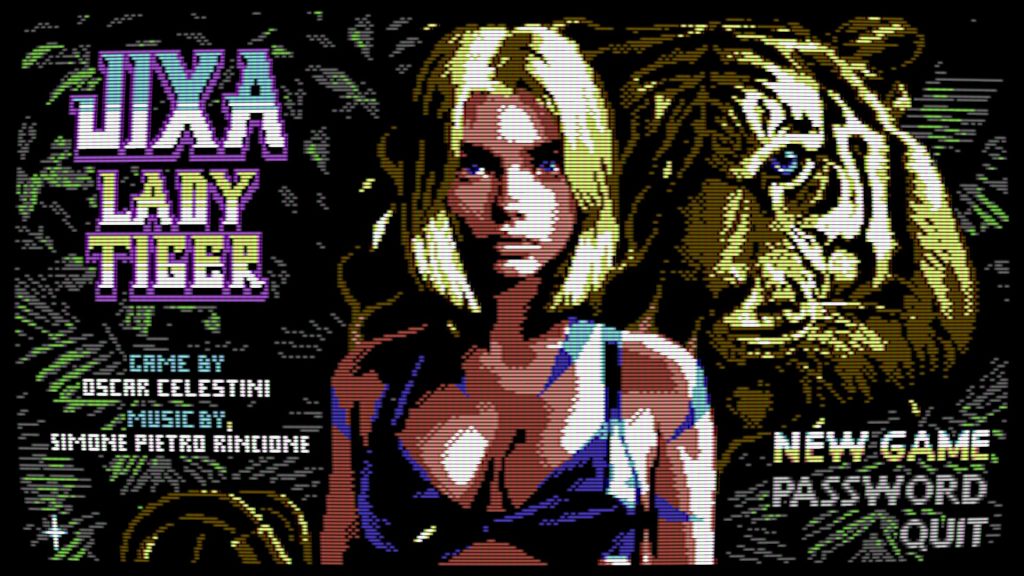
Indie developer Oscar Celestini is expanding his retro-inspired platformer with Jixa Lady Tiger Plus, an enhanced edition that significantly builds…
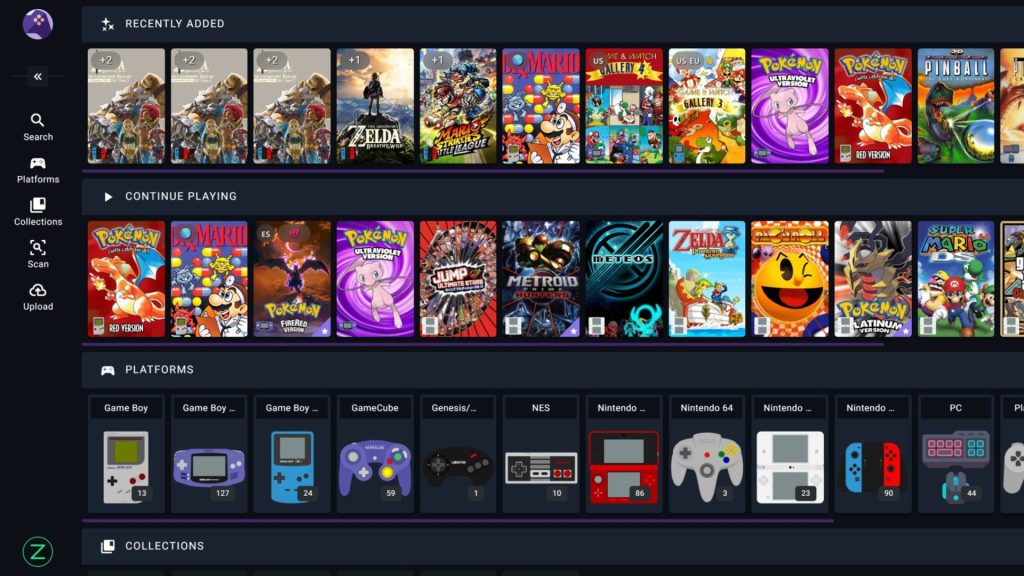
RomM is a free, open-source, self-hosted platform that organizes ROM libraries, fetches metadata, and supports browser-based emulation.
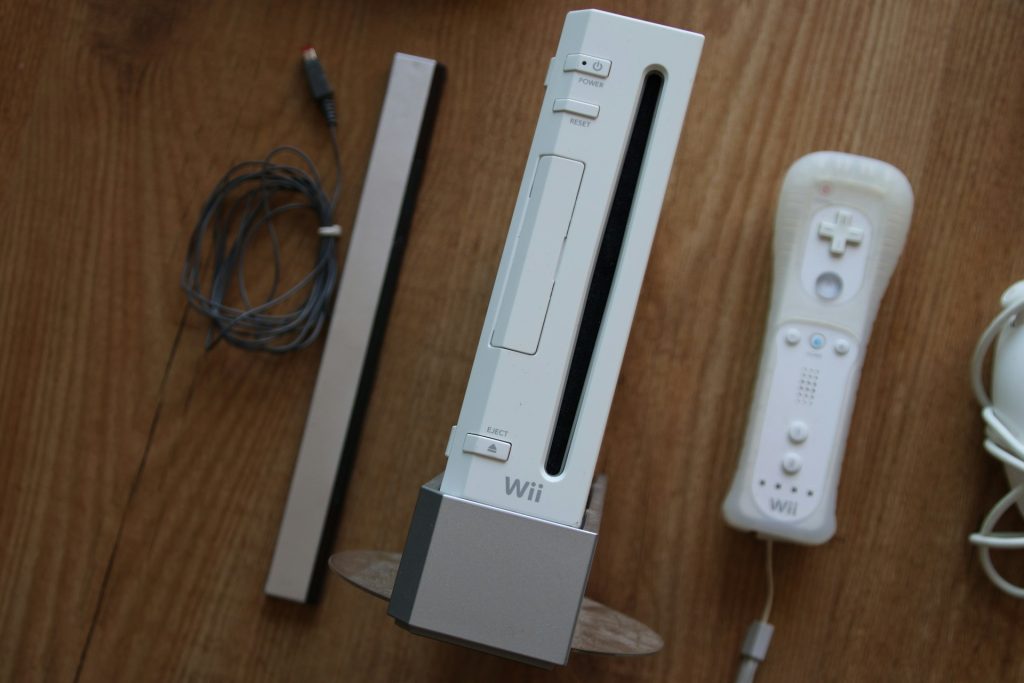
The developers behind Wii64 have released Beta 1.4, marking the Nintendo 64 emulator's first major update in more than five…
Rock It Games has brought Jaleco Sports: Bases Loaded II and Goal! Two to PC after successful Nintendo Switch and…
Developer Pygmy Studio has announced that Bokosuka Wars II will launch on PC via Steam in 2026, bringing the tactical…
An unofficial native PC port of Donkey Kong 64 is in development, bringing rare's Nintendo 64 classic to modern hardware…
A fan-made native PC port of the original Spyro the Dragon is officially in development, bringing the 1998 PlayStation classic…
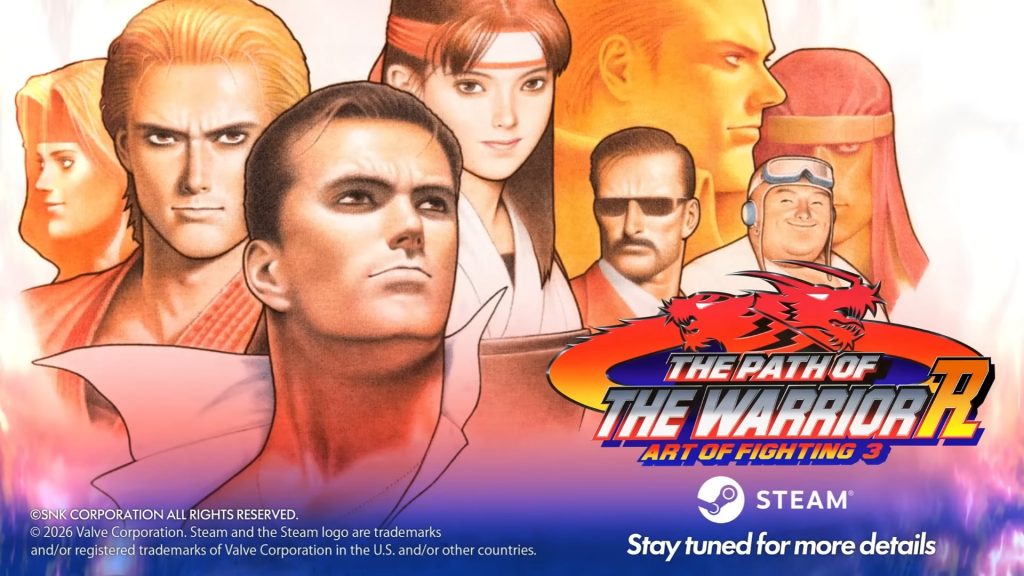
SNK has officially announced The Path of the Warrior: Art of Fighting 3 R, a modernized version of the 1996…
The developers behind ShadPS4 have introduced a major new feature that moves PlayStation 4 emulation closer to a complete experience.
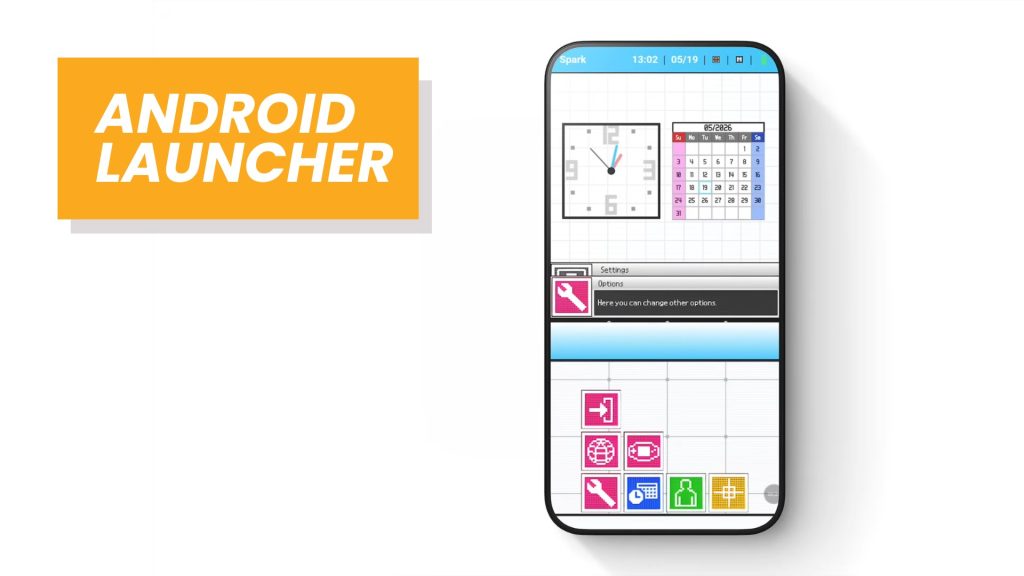
DS & DSi Launcher brings the classic Nintendo DS and DSi interface to Android, giving retro fans a nostalgic way…
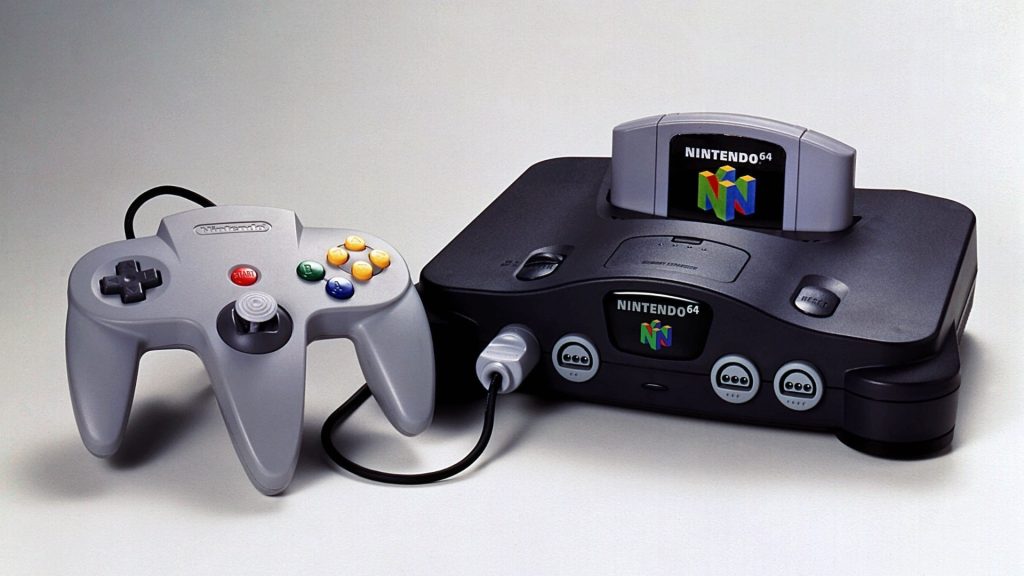
Today marks 30 years since the launch of the Nintendo 64 in Japan, and for many, that's enough to trigger…
It's hard to believe, but Batman: Arkham Knight is officially 11 years old today. This title was Rocksteady's final chapter…
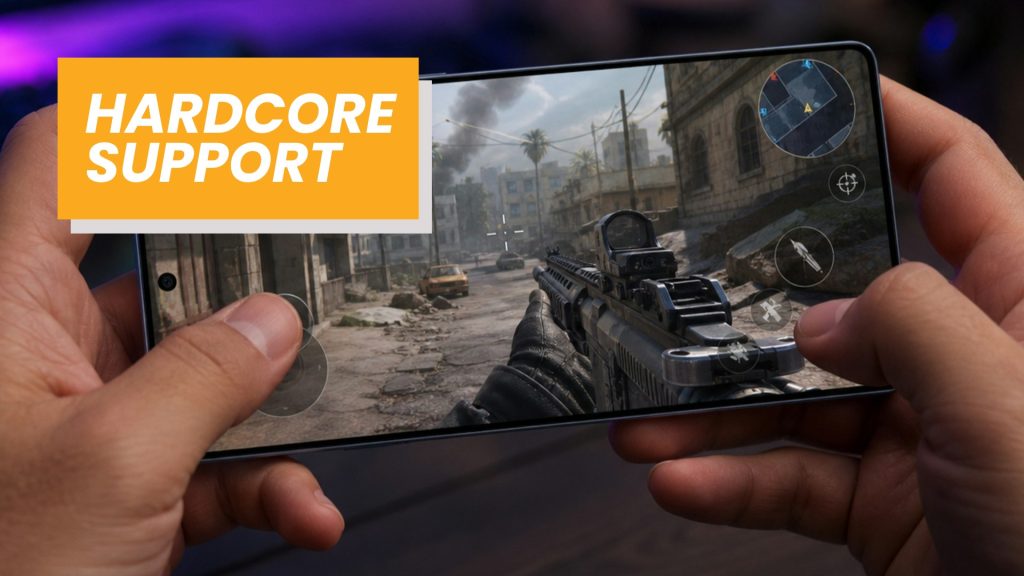
RetroAchievements has officially verified ARMSX2 as a hardcore-compatible emulator, allowing players to earn PlayStation 2 achievements on mobile devices.
