Sister Other Paranoia – Everyone Has Something Ugly to Hide
Reading another person’s mind is often presented as a desirable superpower, but Sister Other Paranoia immediately understands why it could…


If you enjoy independent indie game coverage, consider supporting Indie-Games.eu on Patreon. It helps keep the site independent.
Tokyo Valkyries is an unusual mix of genres. It’s part visual novel, part roguelite deck-builder, and part fan-service game, somehow trying to balance all three at once. After spending several hours with it, I’d say the split feels roughly like 50% visual novel, 40% deck building, and 10% fan service. Surprisingly, the combination works better than I initially expected, even if none of those individual elements are particularly groundbreaking.
The story follows Haruka Fuchi, an ordinary university student who suddenly finds herself caught between modern-day Tokyo and the fantasy realm of Grand Earth. Together with several other chosen girls, she must fight a dark force known as Belzebia while living a double life as both a student and a warrior. The premise is fairly interesting, but the game clearly places far more emphasis on character interactions than the overarching plot itself.
Tokyo Valkyries is much more of a visual novel than I expected. There are long conversations between missions, plenty of exposition, and a significant amount of dialogue dedicated to developing each character. The Japanese voice acting is excellent throughout, helping the cast feel much more expressive, and every heroine has a distinct personality that makes them memorable.
The problem is simply the pacing. There are times when you’re reading or listening to dialogue for extended periods before getting back into gameplay. Combined with fairly frequent loading screens between scenes and missions, the balance between storytelling and gameplay doesn’t always feel right. I often found myself wanting to jump back into combat much sooner.
The narrative itself is decent, but not particularly memorable. Much of the dialogue serves to introduce characters or build relationships rather than push the main story forward. While I enjoyed getting to know the cast, the overall plot became less engaging as the game went on.
Visually, the presentation is a bit of a mixed bag. Character artwork is genuinely impressive, with detailed anime-inspired designs that clearly received plenty of attention. Bosses and enemy artwork are also well illustrated. However, during combat the game swaps those detailed portraits for small chibi-style sprites fighting over mostly static backgrounds. The contrast between the gorgeous visual novel artwork and the simplistic battle presentation can feel a little jarring.
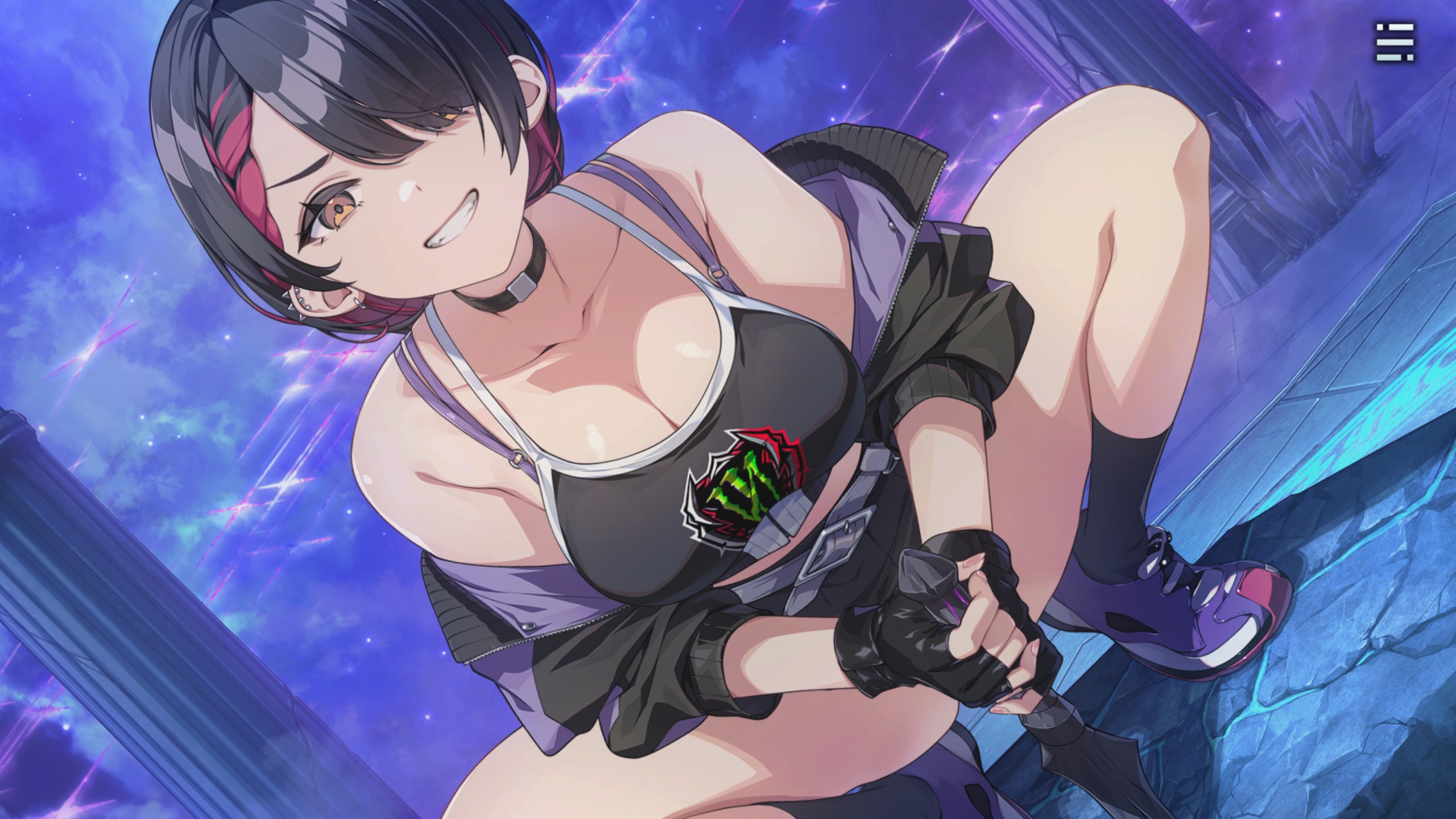
Of course, it’s impossible to talk about Tokyo Valkyries without mentioning its fan service. Thankfully, it’s nowhere near as excessive as many similar games. There are occasional suggestive scenes, revealing camera angles, torn clothing, and some obvious anime clichés, but it never goes fully overboard. It’s definitely part of the experience, and you can’t really ignore it.
The biggest example is the ritual system. After major story progress, each heroine undergoes a special ritual that permanently strengthens her abilities and eventually unlocks powerful leader skills. These scenes double as interactive minigames filled with suggestive animations and voice acting. In fact, the developers used exaggerated visual metaphors instead of explicit content. It’s admittedly a little silly at times, but if you’re familiar with anime fan-service games, you’ll know exactly what to expect.
Once the dialogue finally gives way to gameplay, Tokyo Valkyries becomes a fairly enjoyable deck builder. If you’ve played games like Slay the Spire, the overall structure will immediately feel familiar. Characters use attack, defense, support, and utility cards while taking turns against enemies, gradually improving their decks throughout each run.
The combat itself is simple to understand but has enough depth to stay interesting. Every playable character specializes in one of four attributes: Resolve, Courage, Hope, or Doll and can only use cards tied to those attributes. Each heroine also has her own unique mechanics. Haruka, for example, revolves around building Resolve to increase her damage output and trigger repeated attacks, while other characters focus on tanking, ranged attacks, or supporting the party.
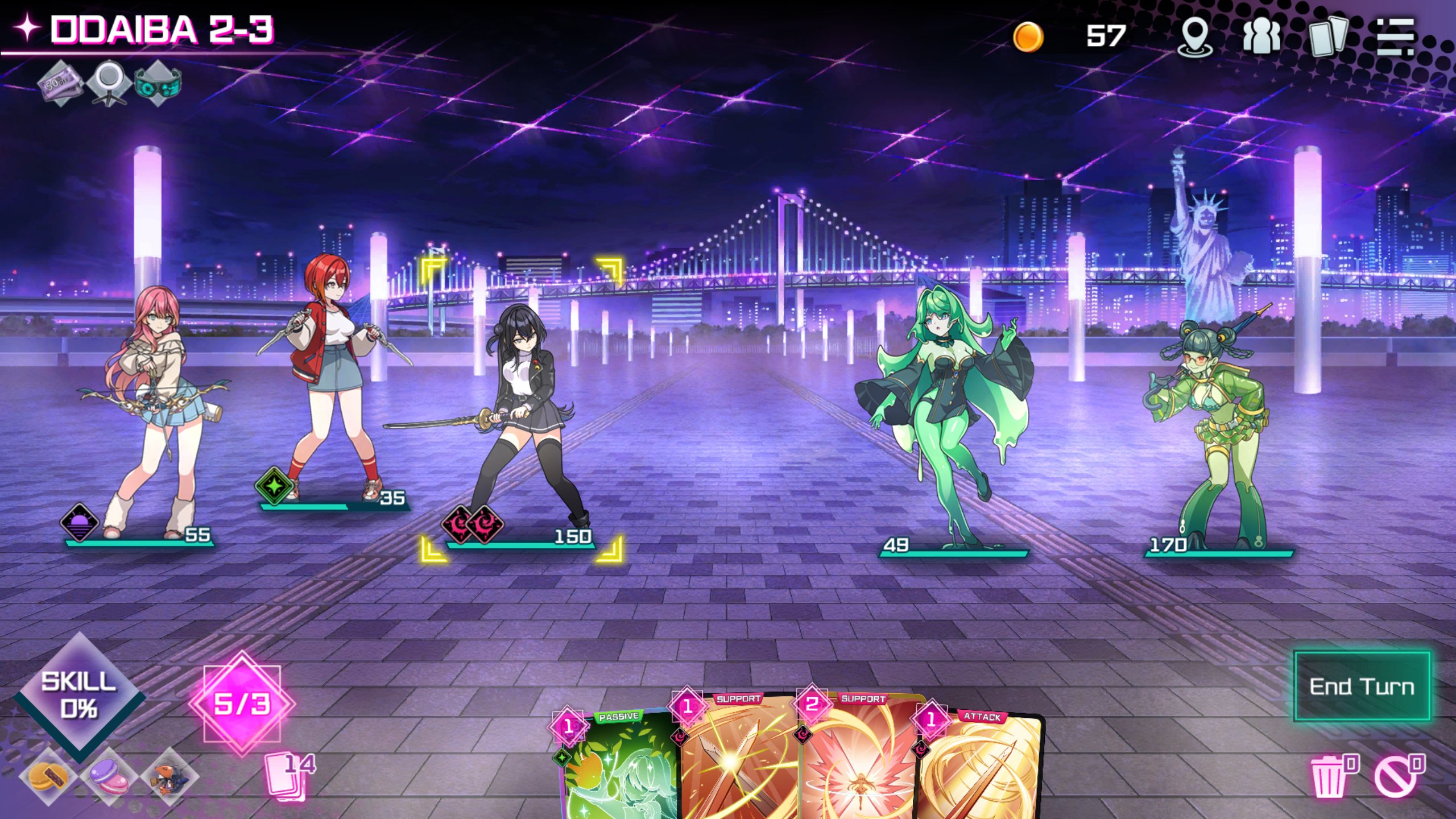
What I really liked is how party composition matters. Rather than controlling a single character, you build a team of three, with one acting as the leader. Characters actively support one another through follow-up attacks, passive abilities, and leader bonuses, making team synergy much more important than I originally expected.
Enemy intentions are clearly displayed before every turn, encouraging you to think carefully about offense and defense. The game gradually increases its difficulty, forcing you to make better use of defensive cards and resource management instead of simply attacking every turn.
Progression follows the familiar roguelite formula. Completing encounters rewards you with new cards, relics, items, and permanent upgrades. Relics provide powerful passive bonuses such as extra mana, upgraded cards, increased survivability, or stronger attacks, while consumable items help restore health, recover mana, or deal direct damage and much more.
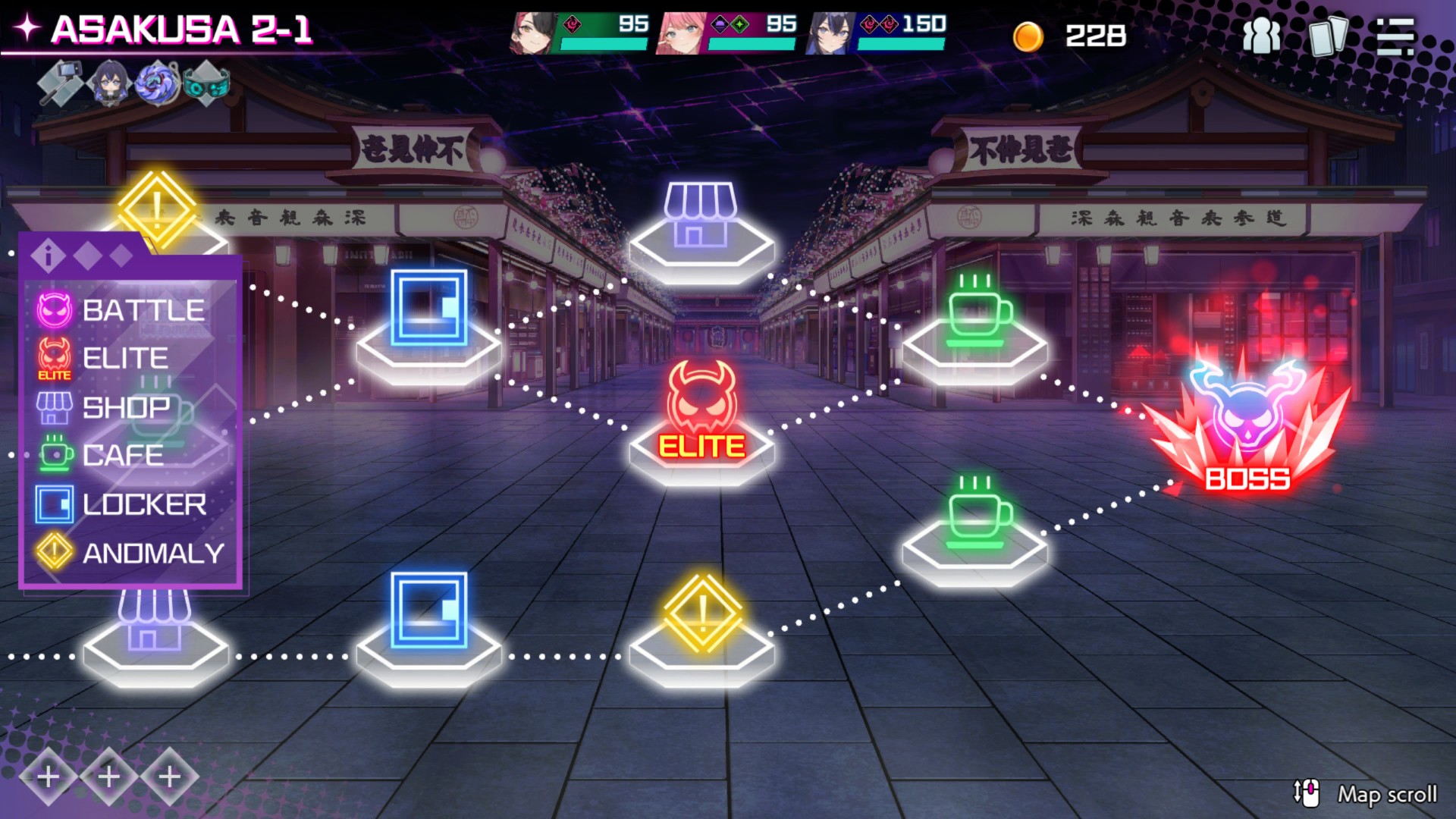
Each story chapter is divided into three phases, each ending with its own boss encounter. Along the way you’ll navigate branching maps containing normal battles, elite encounters, shops, cafés, lockers, random events, and other points of interest. While there is some randomness through locker rewards and special events, RNG never feels overwhelming. Most rewards are balanced enough that success depends more on your decisions than pure luck.
On the other hand, the deck-building itself is much simpler. Characters repeatedly gain many of the same cards during different runs, so after a while you already know what your build will probably look like. There are certainly opportunities to experiment with different leaders and team compositions, but the overall variety simply isn’t deep enough to keep every run feeling fresh.
Enemy variety also starts becoming repetitive surprisingly quickly. While bosses remain interesting throughout the campaign, regular encounters recycle many of the same enemies over and over again, making the middle and later portions of the game feel noticeably less exciting.
Quality-of-life features are also somewhat inconsistent. Being able to save and quit during runs is appreciated, but combat acceleration requires constantly holding the left mouse button instead of simply toggling fast-forward on permanently. Some animations and dialogue sequences also take longer than necessary, making repeated playthroughs slower than they should be.
Replayability is probably the game’s weakest area. Once you’ve finished the story, there isn’t much incentive to return. Sure, you can experiment with different party combinations or alternate builds, but without additional game modes, endless challenges, or free-roam content, most will likely move on after a single playthrough.
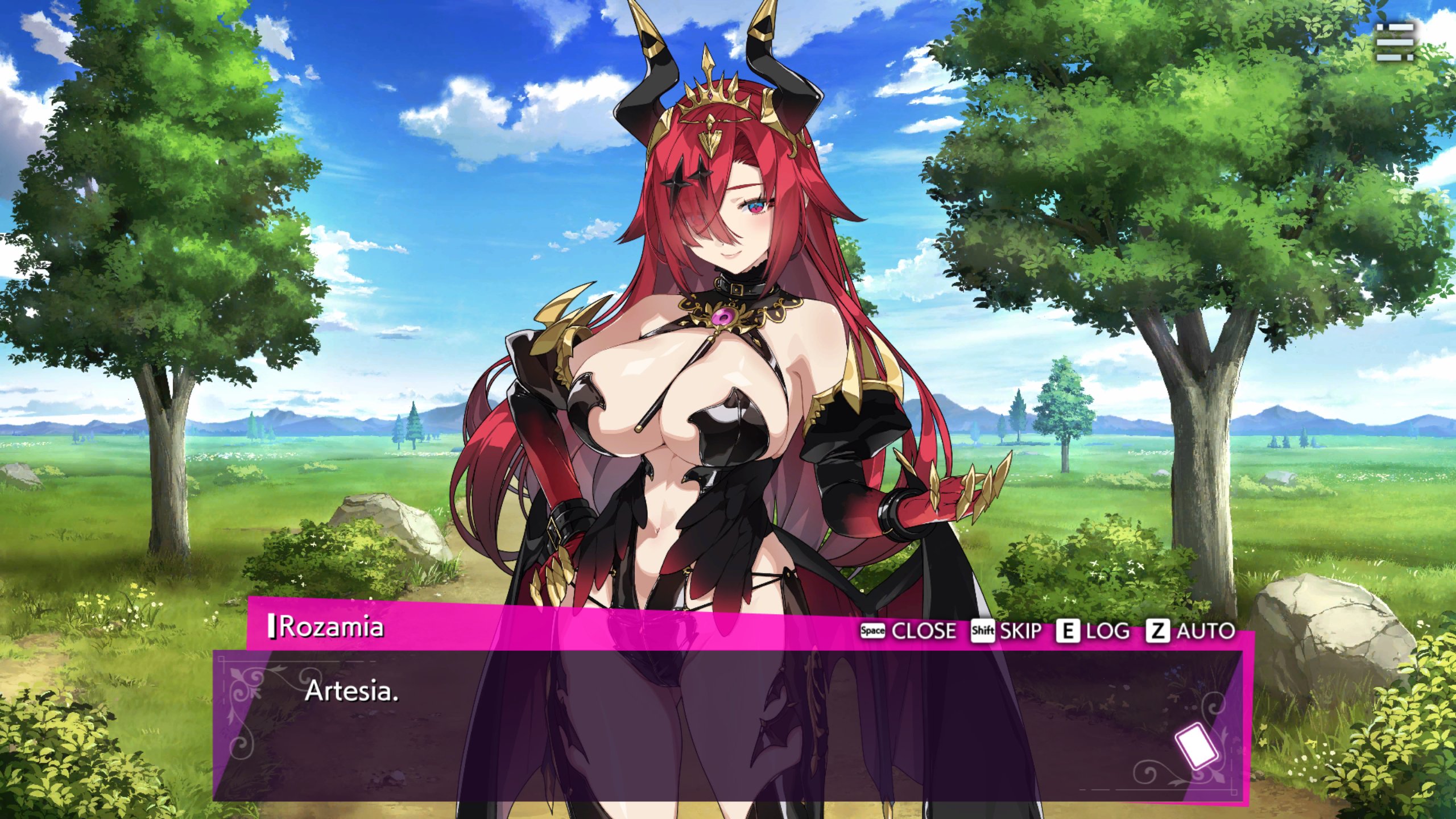
At the end of the day, Tokyo Valkyries is a solid, if fairly average, roguelite deck builder that successfully combines visual novel storytelling with light fan-service elements. The deck-building mechanics are enjoyable, party synergy is surprisingly well designed, and the Japanese voice acting does an excellent job bringing the characters to life.
Whether it’s worth the asking price really depends on what you’re looking for. If you’re hoping for a deep strategy game on the level of Slay the Spire, you’ll probably walk away disappointed. But if you enjoy anime-inspired stories, attractive character designs, likeable heroines, and don’t mind a bit of fan service mixed with accessible deck-building gameplay, Tokyo Valkyries offers enough enjoyable ideas to justify its price. It doesn’t reinvent the genre, but it delivers a competent and entertaining experience for the audience it’s clearly targeting.
Tokyo Valkyries is a solid blend of visual novel storytelling and roguelite deck-building that knows exactly who it’s made for. Its enjoyable combat, memorable cast and polished presentation outweigh its repetitive structure, slower pacing and limited replayability. It won’t replace genre hits like Slay the Spire, but if you’re looking for an accessible anime-inspired deck builder with light fan service and a strong emphasis on character interactions, it’s an enjoyable experience.
Ending Thoughts
This review is based on a copy that I purchased myself
Reading another person’s mind is often presented as a desirable superpower, but Sister Other Paranoia immediately understands why it could…
Forsaken Realms: Vahrin’s Call is exactly the kind of ambitious, slightly clumsy fantasy RPG that used to be far more…
![[Early Access] 2nd EVE – Sci-Fi Action RPG That Lacks a Sense of Stakes](https://www.indie-games.eu/wp-content/uploads/2026/08/2ND-EVE-1024x576.jpg)
2nd Eve is a space-set action RPG in which we strive to save humanity.
![[PREVIEW] Dreamcards – Strategic Exploration of Consciousness](https://www.indie-games.eu/wp-content/uploads/2026/08/Dreamcards_20260810_233631_0000-1024x576.jpg)
Dreamcards is a roguelike deckbuilder centered around dreams and nightmares.
![[Early Access] OFFBEAT – Incredibly Fun Way to Start a Music Career](https://www.indie-games.eu/wp-content/uploads/2026/08/Offbeat_20260808_201446_0000-1024x576.jpg)
In OFFBEAT, we play the role of a jobbing composer who is launching their music career.
HellSlave II retains the original’s oppressive atmosphere, morally grey world and striking art while adding a larger world, randomized loot…
Beast of Reincarnation is an ambitious but uneven action RPG elevated by satisfying parry combat, beautiful art direction and the…

K-pop Idol Stories: Road to Debut captures the pressure of building idol group, but its management systems never explore that…
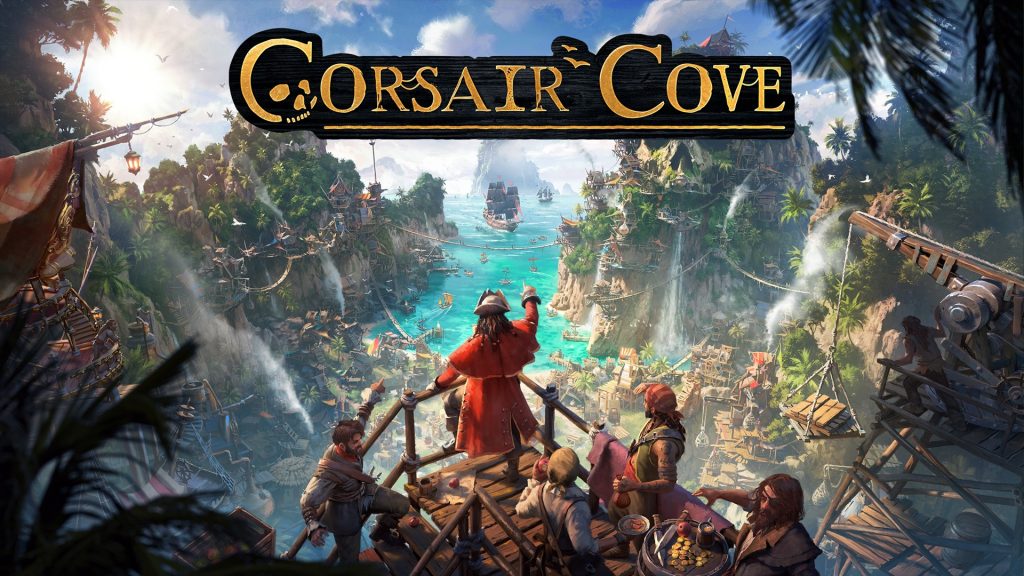
Hooded Horse keeps finding strategy games that know their audience, and Corsair Cove extends its impressive run of excellent city-builders.
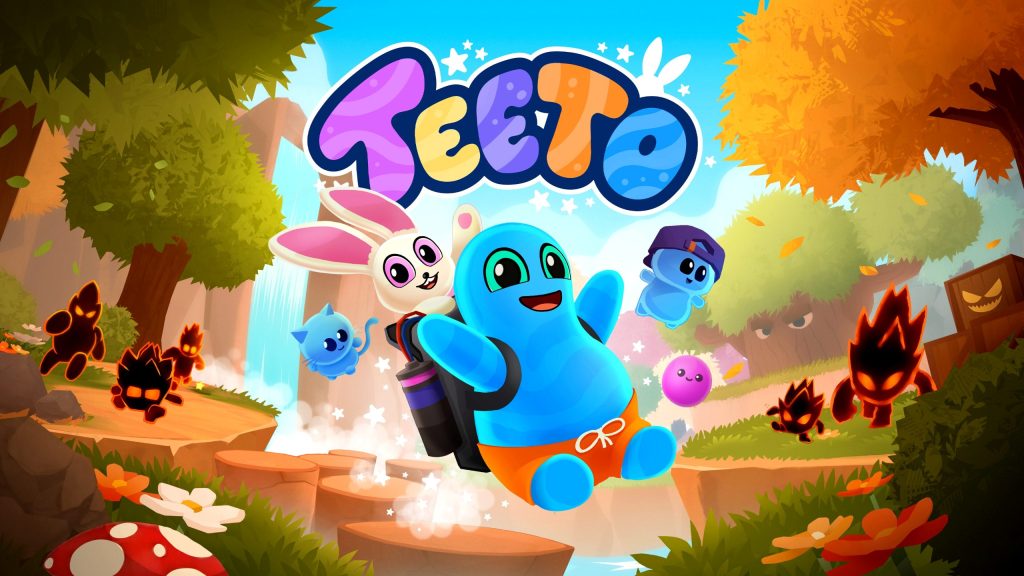
Teeto is a warm, cozy, creative and highly enjoyable 3D platformer that understands why classic collectathons remain so appealing.
Turnip Mountain stands out for its combination of a unique control system and a minimalist approach.
Dystopicon is an imaginative and memorable narrative experiment with sharp social commentary, engaging world-building and several wonderfully absurd scenarios.
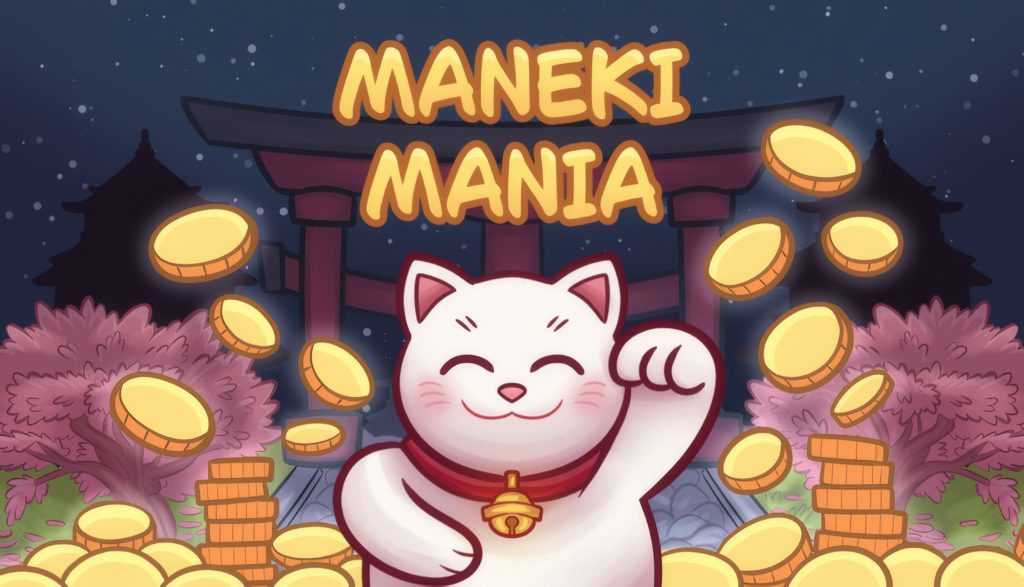
Maneki Mania is an incremental game centered around petting a lucky cat.
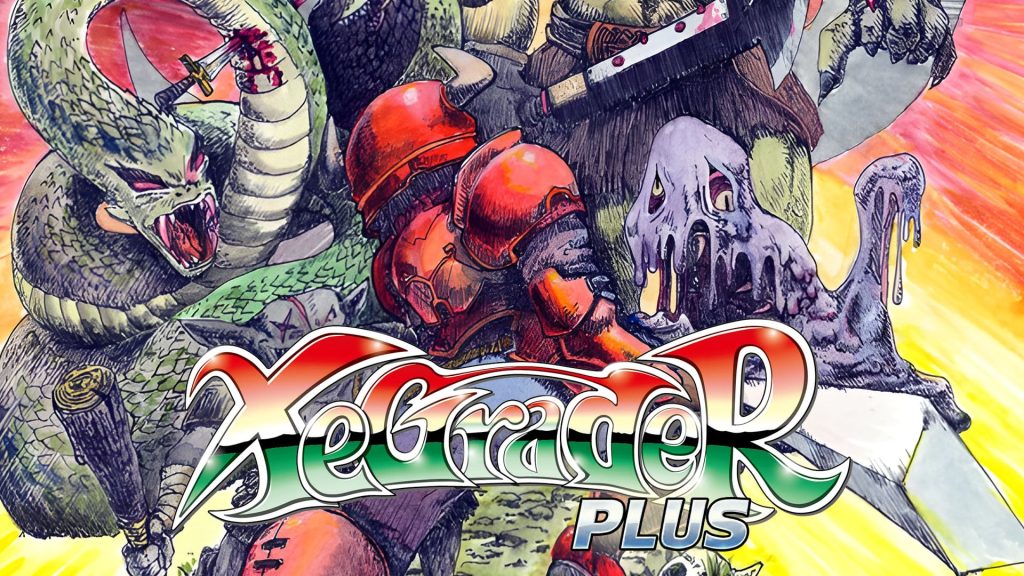
XeGrader Plus delivers colorful retro shooting, but basic mechanics, a short campaign and paid retro modes make its €20 price…
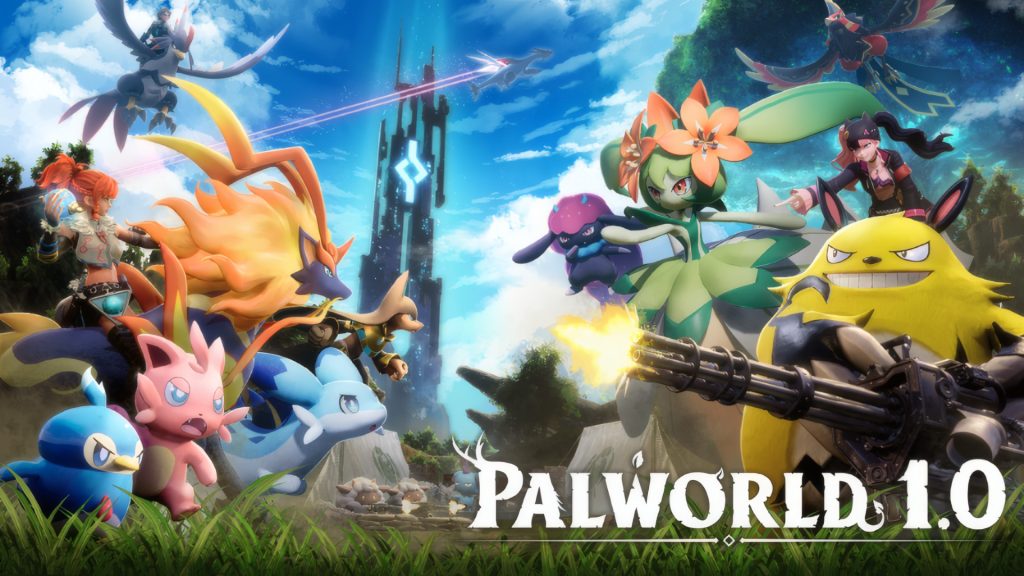
It has been roughly two and a half years since Palworld first entered Early Access, and quite a lot has…
![[EARLY ACCESS] The Last Caretaker – Survival Game I Cannot Stop Playing](https://www.indie-games.eu/wp-content/uploads/2026/07/The-last-Caretaker-Key-Art-1024x587.jpg)
The Last Caretaker is a compelling survival crafter with a flooded world and mobile base, but weak combat and performance…
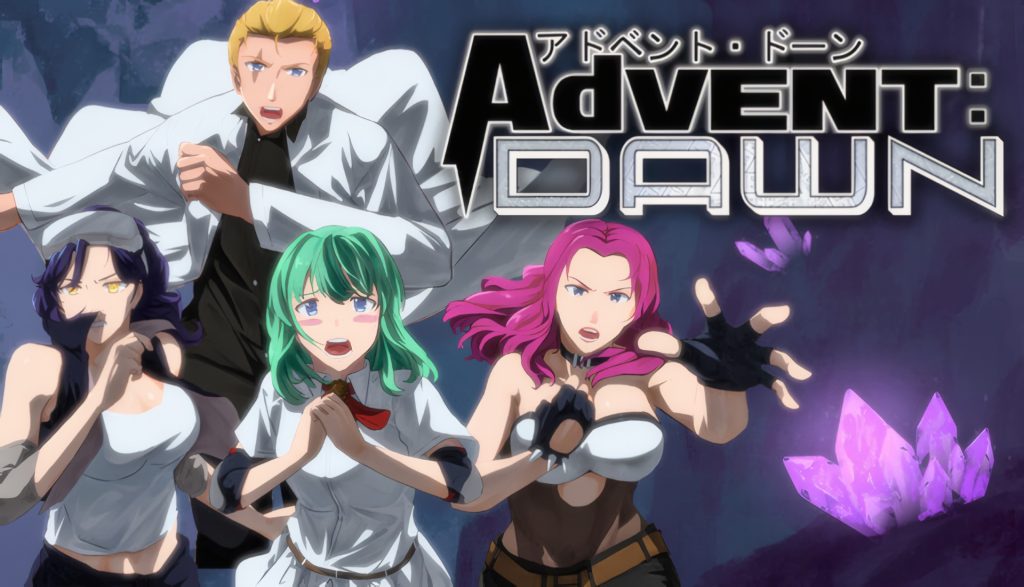
Advent: Dawn is an intriguing science-fiction visual novel elevated by a likable cast and one of the most convenient flowchart…
![[EARLY ACCESS] Hell Maiden – Beautiful but Uneven Journey Through Hell](https://www.indie-games.eu/wp-content/uploads/2025/06/HMD_screenshot_019-1024x576.jpg)
Bullet heaven and rougelite game Hell Maiden lands between a polished Early Access release and a promising game that still…
![[PREVIEW] Dark Queen of Samobor – Promising Croatian Adventure Still in Need of Polish](https://www.indie-games.eu/wp-content/uploads/2026/07/Dark-Queen-of-Samobor-1024x587.jpg)
Dark Queen of Samobor is a promising 2.5D side-scrolling action-adventure that combines Croatian folklore with combat, puzzles and cinematic platforming.
70s-style Robot Anime Geppy-X offers incredible animation, music and mecha nostalgia, but its average shooting make the €39 price difficult…
