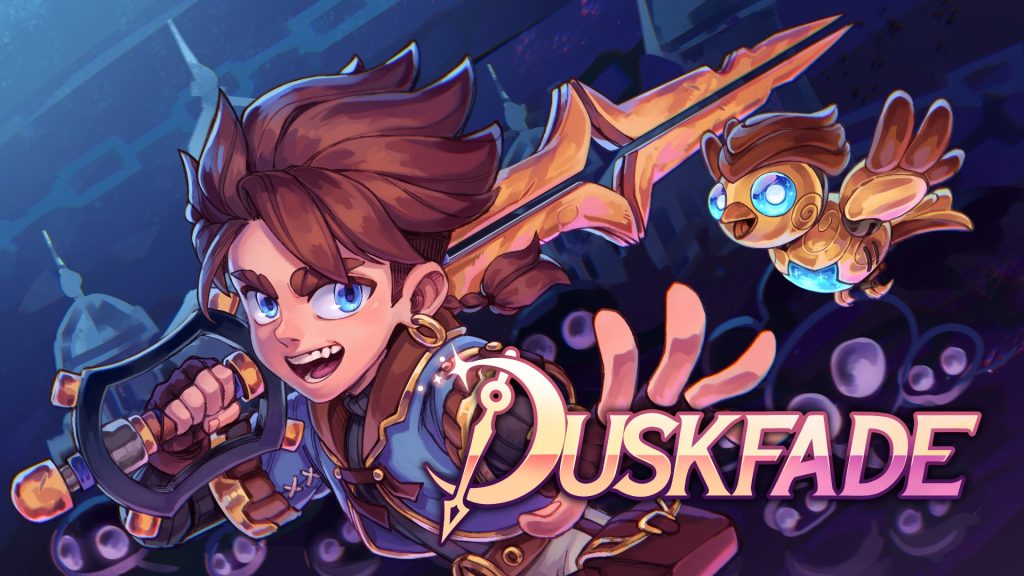
Duskfade – The PS2 Era Returns With All Its Strengths and Weaknesses
Duskfade is worth considering for players who miss colourful PS2-style action-platformers and can tolerate basic combat, floaty movement and backtracking.

If you enjoy independent indie game coverage, consider supporting Indie-Games.eu on Patreon. It helps keep the site independent.
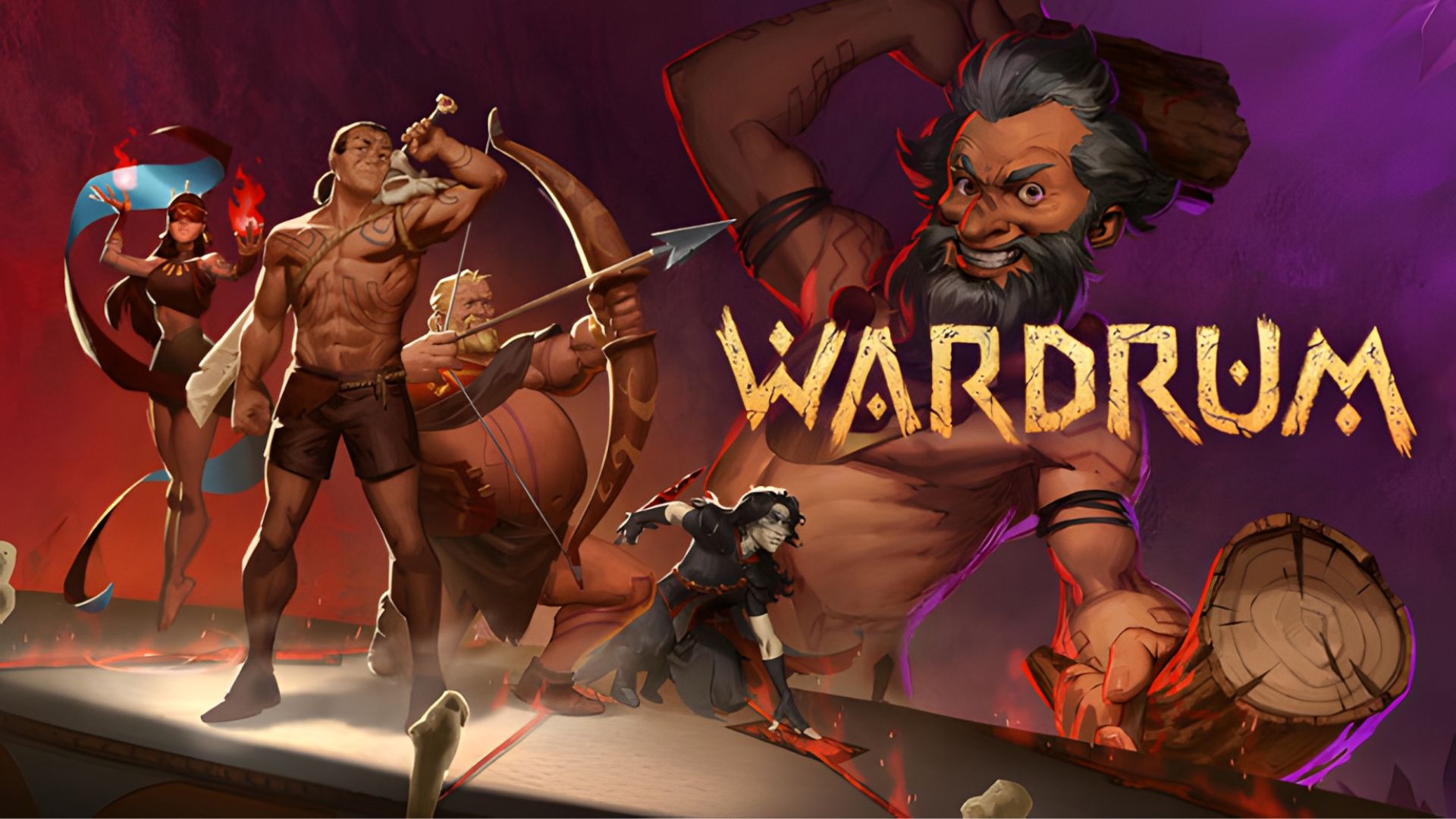
I have very mixed feelings about Wardrum, the latest title from Team17 and developer Mopeful Games. On paper, the idea immediately hooked me. A turn-based rhythm roguelite sounds genuinely unique, and for the first few hours the game absolutely delivers on that promise. The combat system is unique, engaging, and unlike anything I’ve played recently. At the same time, the deeper I got into the experience, the more its problems started to overshadow its strengths.
Everything in Wardrum revolves around rhythm. Every action, attack, and ability requires you to follow specific beat patterns using keyboard inputs like Space, F, E, W, or Q. Some actions require single taps, others involve holding notes, double tapping, or pressing multiple buttons simultaneously. Mechanically, it works really well. The timing feels accurate, responsive, and fair, and the game does a good job teaching you how each character’s rhythm patterns function.
Combat grades your performance depending on how accurately you hit the beat. You can miss entirely, land weaker attacks, score good hits, or perform perfect inputs that usually trigger critical damage. Importantly, the game is forgiving enough that mistakes never feel overly punishing, which makes the rhythm mechanics approachable even for players who are not experts at rhythm games.
The biggest issue is that the rhythm itself becomes extremely repetitive over time. The background drumbeat barely changes throughout the game, and after several hours it starts to feel monotonous. Worse, there are moments where the rhythm is not clearly audible, which becomes frustrating in a game where timing is everything. The combat system itself remains satisfying, but because encounters are often so long, you end up repeating the same patterns constantly until the excitement slowly fades away.
That pacing problem affects the entire experience. Even though you can speed up animations and enemy turns, battles drag on far too long due to the sheer number of enemies and the repetitive structure of encounters. The game constantly stretches fights beyond the point where they remain exciting.

The story itself is simple but effective. A force known as off-beat magic has corrupted the land, and your group of warriors must stop the source of the threat. Each character has their own combat role and rhythm patterns. There is a support-focused war drummer, heavy melee fighters, ranged specialists, spear users, and magical characters. This variety helps keep combat fresh early on, especially because every character feels mechanically distinct.
Characters can level up and unlock both active and passive abilities, sometimes allowing you to choose between upgrades and create different builds. The roguelite progression system is one of the game’s strongest aspects because even failed runs reward you with permanent improvements. Between runs, you return to a hub area where you can heal characters, revive fallen allies, unlock upgrades, and craft powerful custom abilities using resources gathered during gameplay. There is always a sense of progression, which kept me motivated to continue playing even during frustrating moments.
The problem is that the game’s balance often feels uneven. Enemies do not follow rhythm mechanics the way the player does, and while I understand why the developers avoided that approach, it creates encounters that can feel unfair rather than challenging. Early in the game especially, your party feels incredibly weak, and many runs seem designed around long-term progression rather than player skill alone. I only managed to complete the game after several hours and substantial unlocks.
The world itself is divided into multiple biomes, including forests, swamps, crypts, deserts, and a final mountainous area leading to the endgame. While the environments are visually distinct, the structure quickly becomes repetitive. You repeatedly fight the same enemy types within each biome, and events begin recycling themselves after enough runs. The map system lets you choose between branching paths containing fights, treasure, healing spots, and random events, but there is very little true exploration or experimentation beyond that.

This is where the roguelite structure starts working against the game. Repetition is naturally part of the genre, but Wardrum pushes it too far. A full completion can take anywhere between fifteen and twenty-five hours, and honestly, it feels like the experience could have been significantly shorter without losing anything important. The game simply stretches its content too thin.
Combat remains the highlight throughout the entire experience. Every battlefield contains environmental mechanics such as traps, hazards, weather effects, and terrain advantages. You can ambush enemies, push them off cliffs, reposition strategically, and use the environment to your advantage. Combined with the rhythm mechanics, these ideas create a combat system that genuinely feels original.
There are also artifacts and trinkets with different rarities that allow for character customization and build variety. Some combinations can become incredibly powerful depending on what you discover during a run. The game also features seven playable characters in total, though only four are available initially and the rest must be unlocked later.
Unfortunately, some systems feel underdeveloped. Items such as bombs, traps, and utility consumables are mostly underwhelming compared to the rest of the combat mechanics. Status effects like bleeding, fear, blindness, and confusion also play a major role in battles, though some of them become frustrating in a rhythm-focused game. Blindness in particular can be extremely annoying because it interferes directly with your ability to follow the rhythm prompts.

The encounter design can also become overwhelming. I remember reaching the red desert biome and suddenly facing seven charging boars at once. Moments like that feel less like tactical challenges and more like the game unfairly overwhelming the player with enemy numbers and damage output.
To the game’s credit, there are extensive accessibility and difficulty options. You can calibrate rhythm timing, adjust the challenge level, and make missed beats less punishing. Personally, I found normal difficulty to be the best balance, but the customization options are appreciated.
What makes Wardrum difficult to judge is that it constantly swings between brilliance and frustration. The rhythm-based combat system is genuinely creative and innovative within the roguelite genre, and when everything clicks together, the game feels unlike anything else out there. At the same time, pacing issues, repetitive encounters, and uneven balancing slowly wear down the experience the longer you play.
In the end, I still think Wardrum is worth trying for players who already enjoy rhythm games, tactical RPGs, or roguelites. There is enough originality here to make it stand out. For newcomers to the genre, though, it is a much harder recommendation because the game demands patience and tolerance for repetition. Whether you end up loving it or becoming frustrated by it will depend entirely on how much those issues outweigh the brilliance of its core mechanics.
Wardrum is a flawed but genuinely creative roguelite, one that rhythm game and tactical RPG fans may still find worthwhile, but one that demands patience and tolerance for repetition. Whether you end up loving it or becoming frustrated by it will depend entirely on how much those issues outweigh the brilliance of its core mechanics.
Ending Thoughts
Review copy provided by the publisher
Duskfade is worth considering for players who miss colourful PS2-style action-platformers and can tolerate basic combat, floaty movement and backtracking.

Man I Just Wanna Go Home is a noir crime story with visuals from MS Paint and life-or-death choices.
![[GAMESCOM 2026] Vikings Dynasty Preview – Expands the Dynasty Formula](https://www.indie-games.eu/wp-content/uploads/2026/09/Viking-Dynasty-09-21-26-2-1024x576.jpg)
After showing me Prospera at Gamescom 2026, Toplitz Productions' Mathias Oertel moved to a very different kind of settlement builder.…
![[GAMESCOM 2026] Prospera Preview – Production, Prosperity and Victorian Industry](https://www.indie-games.eu/wp-content/uploads/2026/09/Prospera-09-21-26-5-1024x576.jpg)
At Gamescom 2026, I met with Toplitz Productions' Mathias Oertel for a guided presentation of two upcoming games. One of…
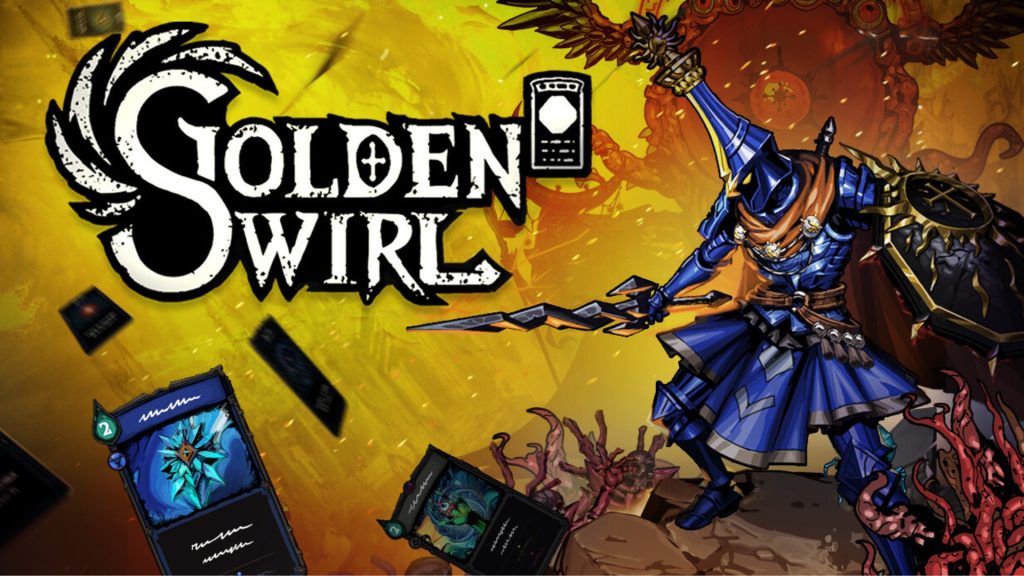
Golden Swirl inventive card combat carries the experience, but repetitive rooms, weak upgrades and excessive dialogue hold it back.
![[GAMESCOM 2026] Wilderdark Preview – Ambitious Dinosaur Horror Game That Still Has Plenty to Prove](https://www.indie-games.eu/wp-content/uploads/2026/09/Wilderdark-1024x576.jpg)
Dinosaur survival horror game Wilderdark has one of those premises that immediately makes you wonder why more games have not…
![[PREVIEW] Tiny Metal 2 – Strategy Game That Wants You to Learn From Every Mistake](https://www.indie-games.eu/wp-content/uploads/2026/09/Tiny-Metal-2-1024x576.jpg)
I rarely enjoy discovering that my opening strategy was completely wrong, but Tiny Metal 2 made that process one of…
![[PREVIEW] Remothered: Red Nun’s Legacy – Ambitious Survival Horror That Needs More Polish](https://www.indie-games.eu/wp-content/uploads/2026/09/Remothered-Red-Nuns-Legacy-4-1024x576.jpg)
Remothered: Red Nun’s Legacy has a gripping atmosphere and promising survival tools, but its repetitive hiding and rough visuals need…
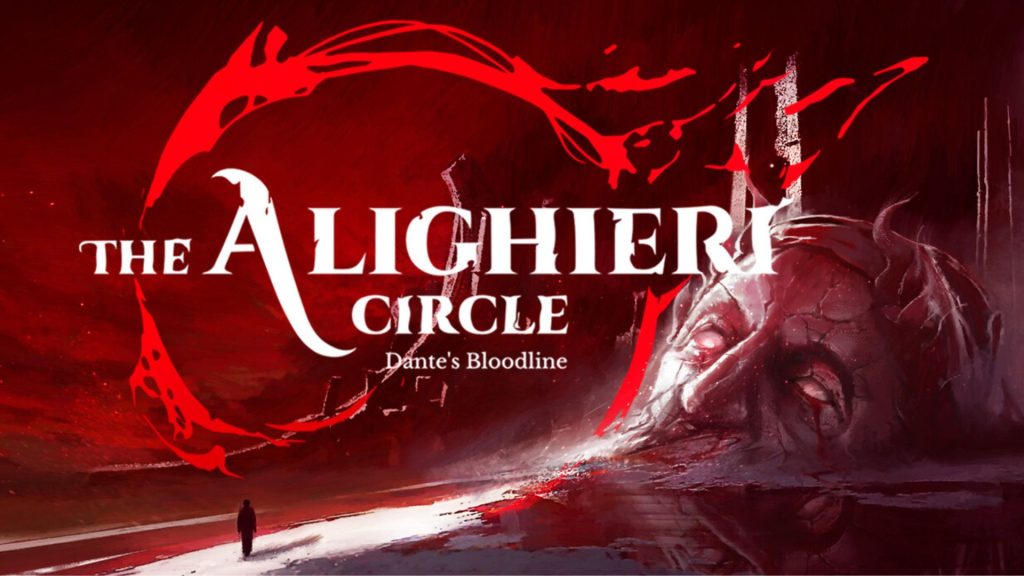
The Alighieri Circle: Dante’s Bloodline is difficult to recommend beyond players who are especially interested in Dante or enjoy solving…
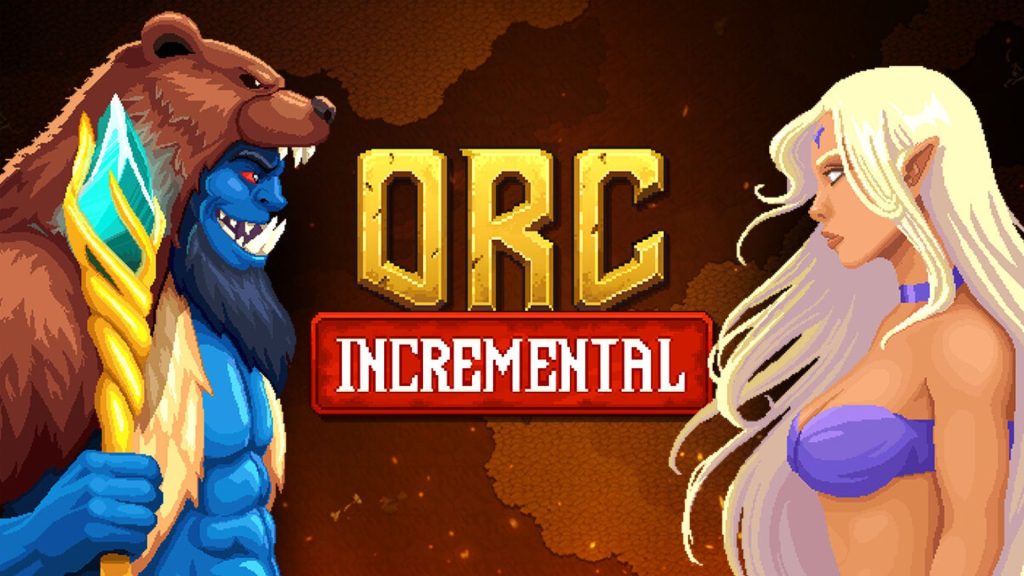
Orc Incremental offers satisfying progression, entertaining totem combinations and enough content to justify its affordable price.
![[GAMESCOM 2026] Chronoscript: The Endless End Preview – Beautiful Pages Hide Deliberate Combat](https://www.indie-games.eu/wp-content/uploads/2026/09/Chronoscript-The-Endless-End-1-1024x576.jpg)
Chronoscript: The Endless End stands out from other Metroidvanias by blending 2D manuscript worlds with exploration inside a 3D manor.
![[GAMESCOM 2026] MegaGum Preview – Combat Hits Hard in This Sticky Platforming Adventure](https://www.indie-games.eu/wp-content/uploads/2026/09/MegaGum-09-09-26-5-1024x576.jpg)
MegaGum combines hard-hitting combat, varied weapons and Gum-powered platforming in a promising Gamescom 2026 demo.
![[GAMESCOM 2026] Delphinium Preview – Cozy Routine Mixed With Enjoyable Minigames](https://www.indie-games.eu/wp-content/uploads/2026/03/Delphinium--1024x665.jpg)
Delphinium mixes cozy farming, exploration and relationships with enjoyable fishing, cooking and forging minigames in its Gamescom 2026 demo.
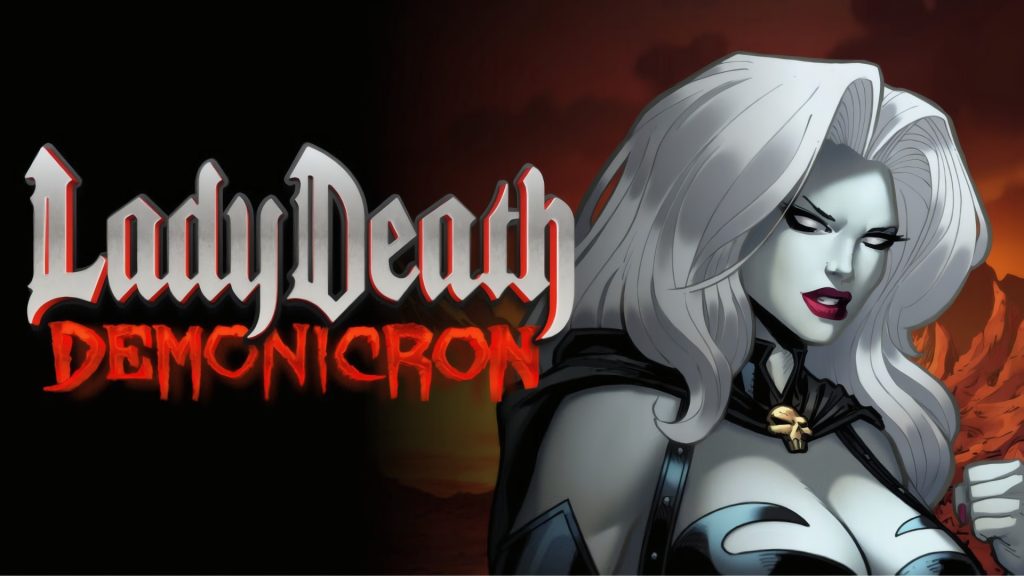
Lady Death: Demonicron looks the part, but underneath its excellent comic-book exterior is a clunky and painfully short brawler.
![[GAMESCOM 2026] Tomb Raider: Legacy of Atlantis Preview – Expands the Original Without Losing Its Identity](https://www.indie-games.eu/wp-content/uploads/2026/09/tomb-raider-legacy-of-atlantis-06-02-26-1-1024x576.jpg)
Tomb Raider: Legacy of Atlantis brings Lara back to her roots, but its Gamescom 2026 showing proved this is far…
![[GAMESCOM 2026] Clive Barker’s Hellraiser: Revival Preview – Ready to Open the Box](https://www.indie-games.eu/wp-content/uploads/2026/09/Clive-Barkers-Hellraiser-Revival-08-30-26-1-1024x576.jpg)
Hellraiser: Revival preserves the franchise’s sex, gore and psychological horror while delivering approachable survival-horror gameplay.

Swan Song creates a peaceful and forgiving puzzle space without removing the challenge that makes solving a difficult puzzle rewarding.
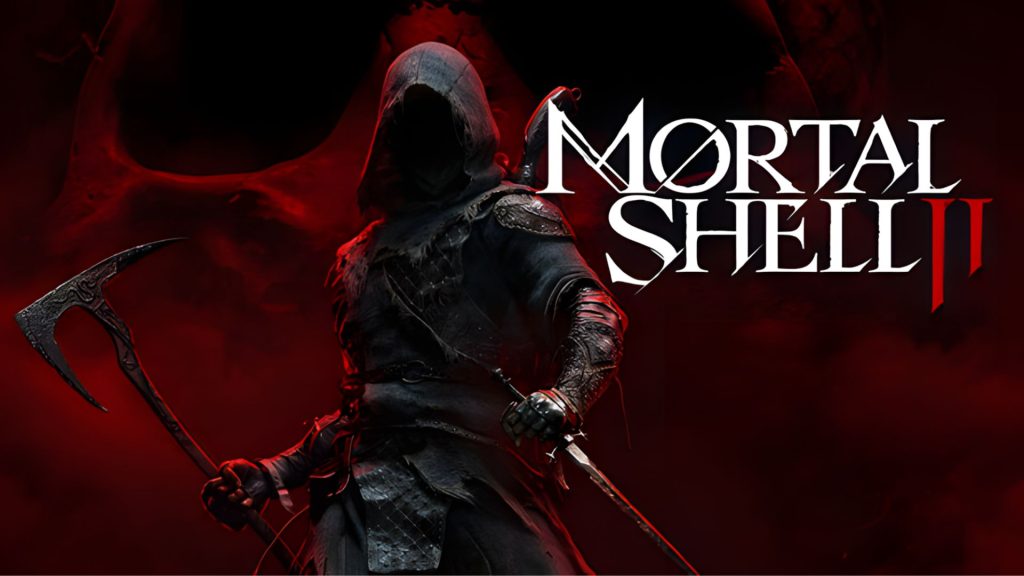
Mortal Shell II starts brilliantly but grows repetitive and exhausting, while remaining a rewarding and ambitious Soulslike sequel.
![[GAMESCOM 2026] Terranigma Preview – A Lost SNES Classic Returns in 2027](https://www.indie-games.eu/wp-content/uploads/2026/08/Terranigma-1-1024x576.jpg)
After more than three decades of limited availability, Terranigma is returning in 2027. We played its enhanced re-release at Gamescom…

Reading another person’s mind is often presented as a desirable superpower, but Sister Other Paranoia immediately understands why it could…
