
Fire Emblem Awakening Retro Review – Unfulfilled Potential
Awakening is worth playing if you enjoy developing characters, experimenting with tactical partnerships, and shaping an army over a massive…

If you enjoy independent indie game coverage, consider supporting Indie-Games.eu on Patreon. It helps keep the site independent.
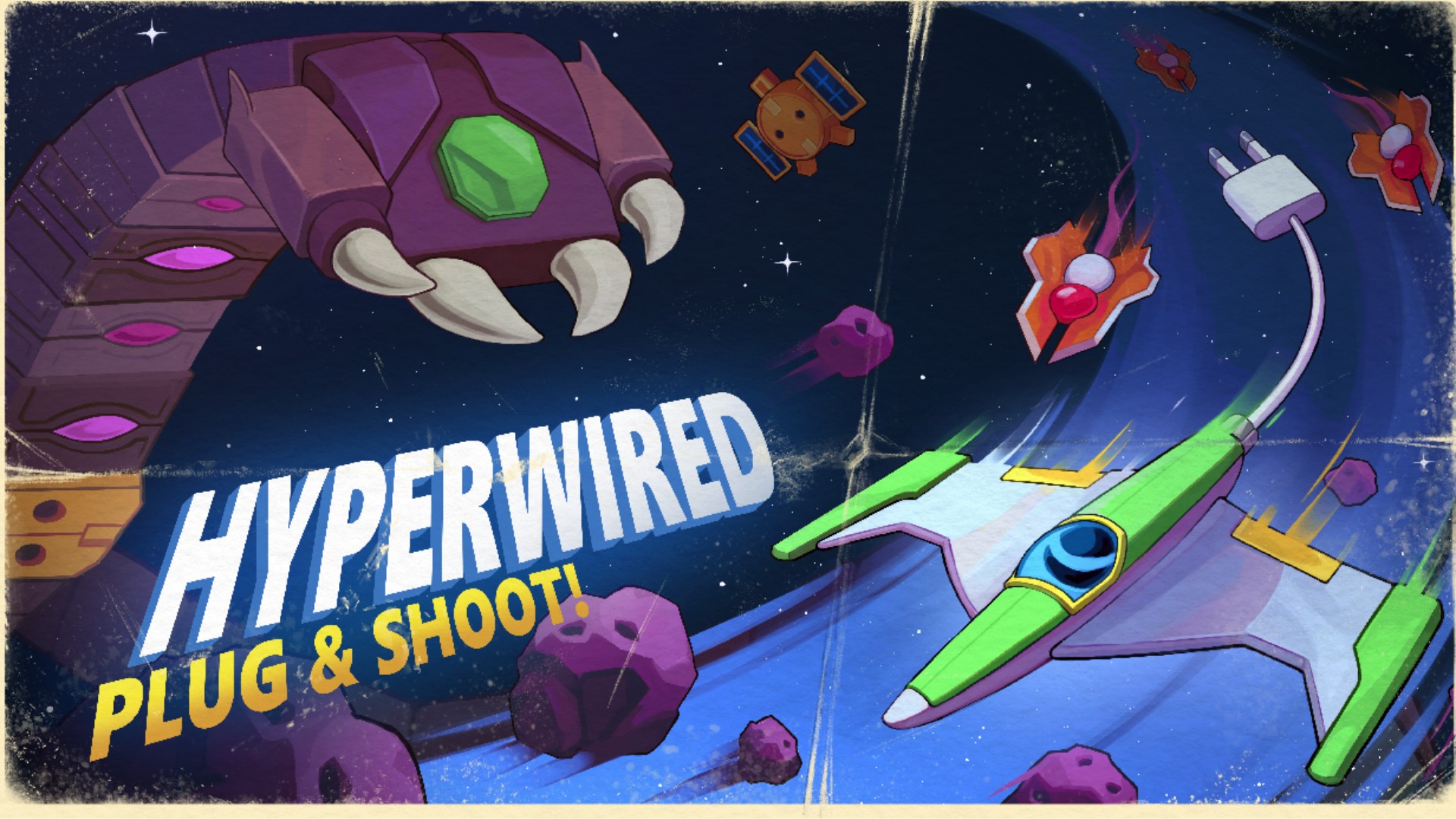
HYPERWIRED is a classic top-down roguelike shooter with a genuinely unique idea. Instead of simply flying around blasting enemies, your spaceship drags a massive electrical plug behind it. Throughout each procedurally generated level, you’ll need to plug yourself into various sockets to restore power, complete objectives, and unlock the exit to the next area. On paper, it’s a really creative concept that immediately caught my attention.
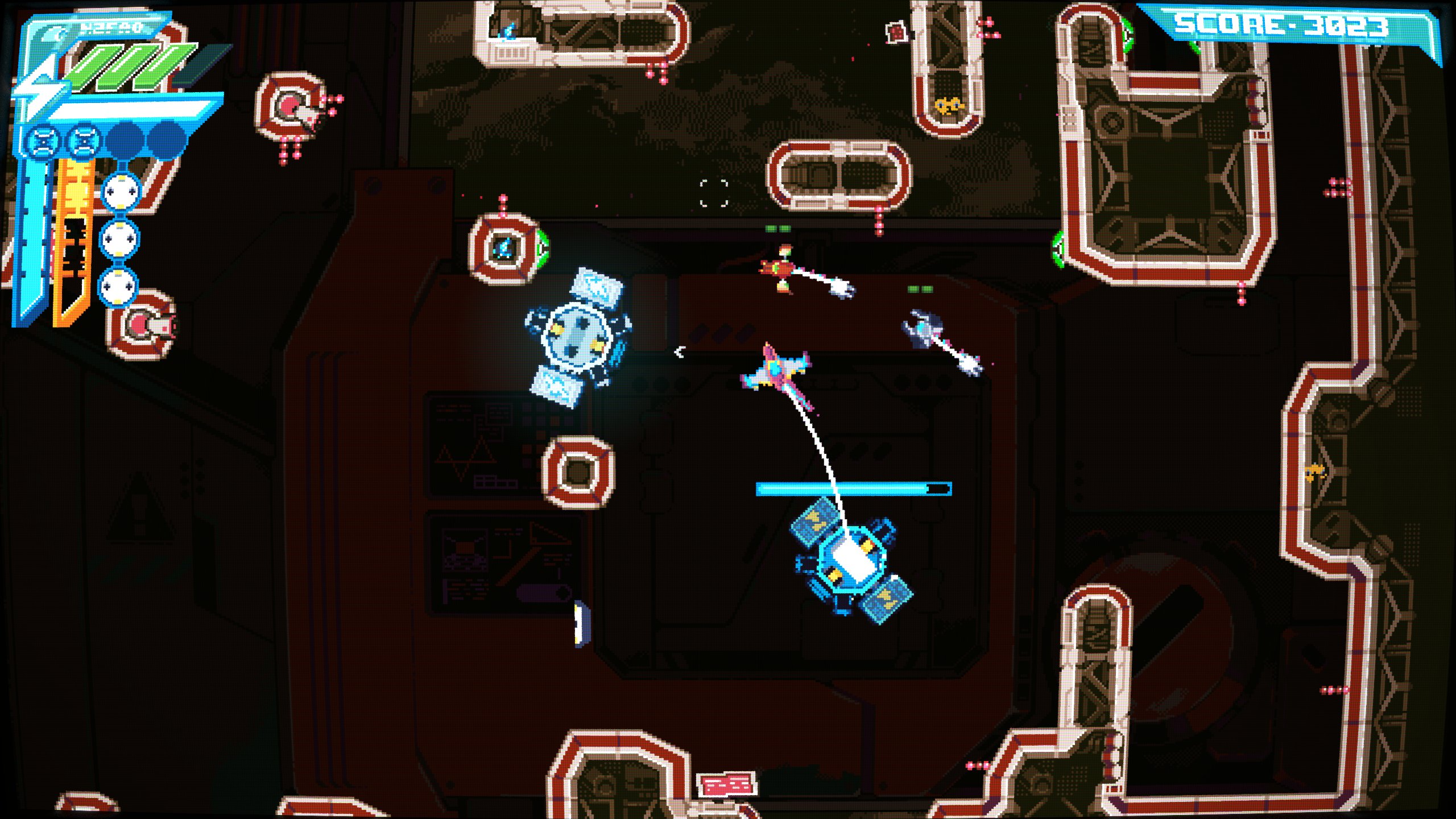
Each level revolves around activating different stations. One might restore your health, another provides ammunition, while others recharge your energy supply. Once every required station has been powered, you’re free to move on and continue exploring new levels filled with tougher enemies, new mechanics, and eventually boss fights.
The core progression loop is solid. After every level, you get to choose a new upgrade that slowly builds your character into something much stronger. You can increase your maximum health, make bullets pierce enemies or bounce off walls, extend your cable length, improve your firepower, gain temporary invisibility, reduce charging times, or increase your available energy. Batteries found throughout each stage also grant additional bullet modifiers, either by discovering them in the environment or by defeating special enemies carrying them.
Managing your energy becomes an important part of the gameplay since every movement drains your battery. Fortunately, the game gives you ways to recharge, either by connecting to charging stations or by summoning temporary power sources. It creates an interesting rhythm where you’re constantly balancing movement, combat, and resource management.
The game also offers a decent amount of replayability. There are multiple ships to unlock, each rescued during your runs. Saving these stranded ships not only gives you temporary companions that assist you during combat but also unlocks them as playable ships for future runs, giving you another incentive to keep playing.
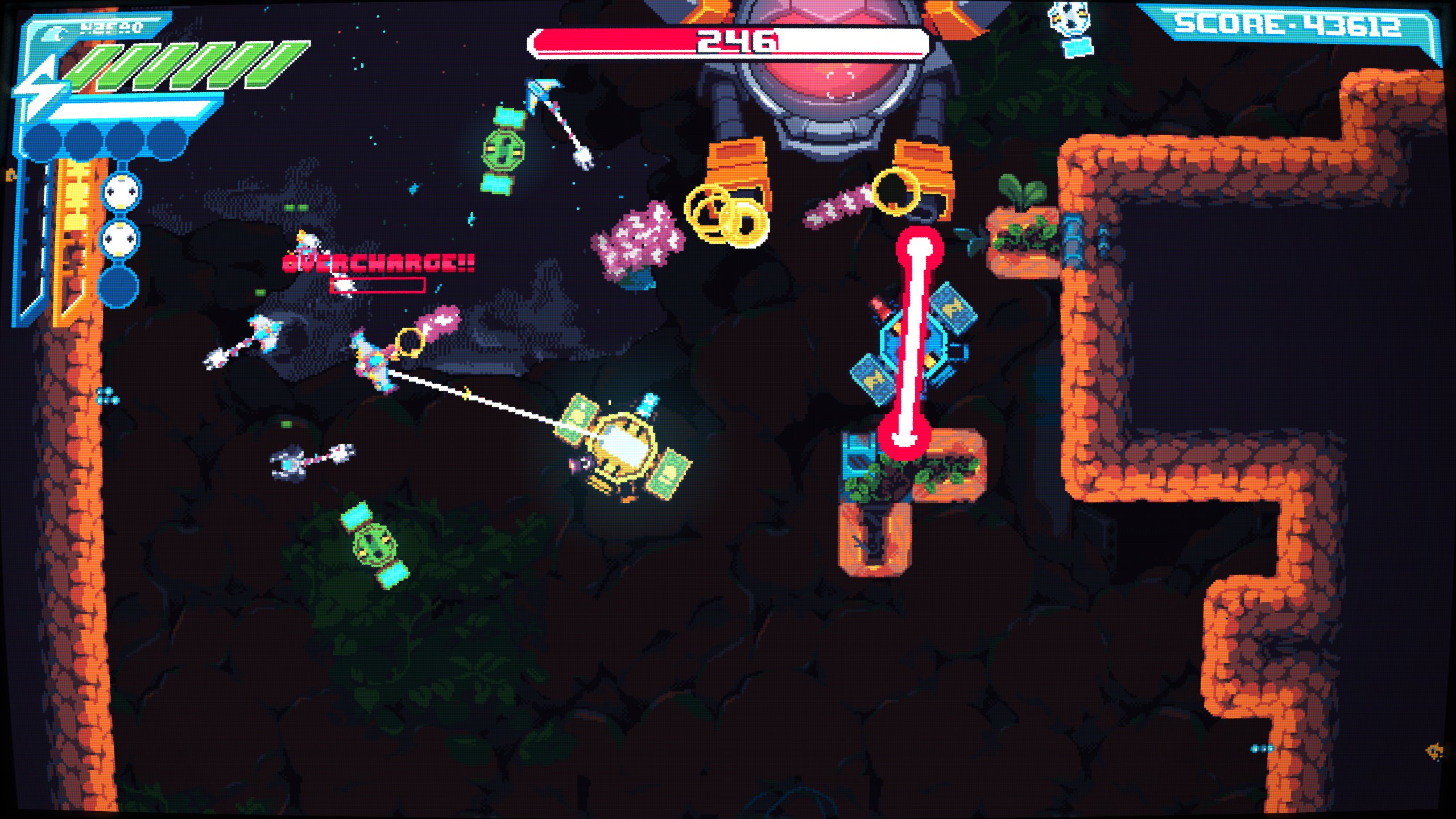
Visually, HYPERWIRED is excellent. The pixel art looks fantastic, environments are colorful, and there’s enough variety between biomes to keep each run visually interesting. Enemy designs repeat over time, but there’s still a good mix of standard attackers, ranged enemies, stationary hazards, wall-mounted turrets, and environmental traps that constantly force you to stay alert.
Boss fights are another highlight. They aren’t overly complicated, but each one has distinct attack patterns that require you to adapt. Some bosses can be attacked from any direction, while others protect themselves with shields or unique mechanics. Nearly every fight turns into a satisfying bullet hell encounter where positioning and using the environment for cover become essential. While environmental destruction exists, it’s fairly limited and doesn’t dramatically affect combat. Defeating a boss also rewards you with a permanent upgrade, making each victory feel worthwhile.
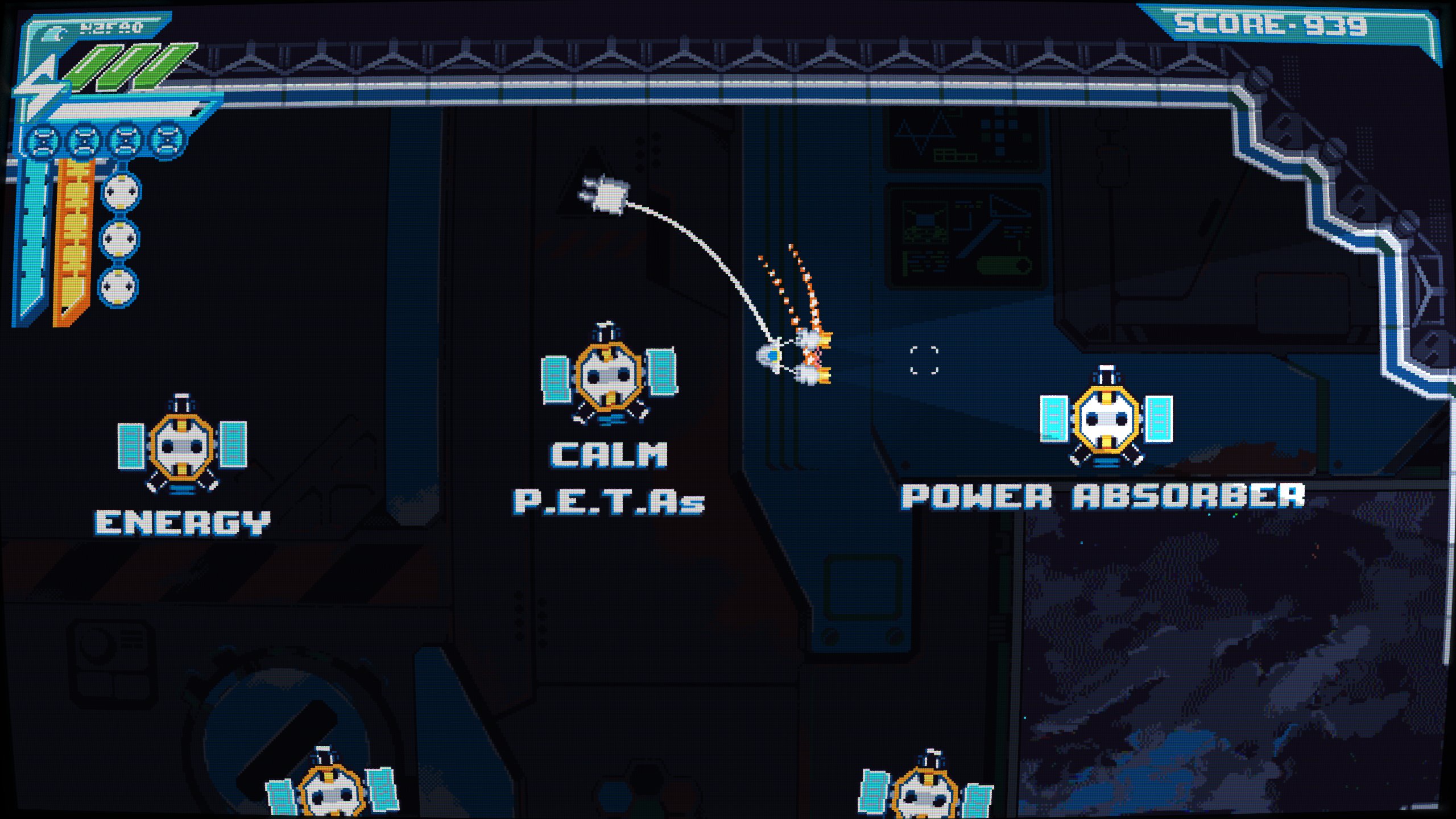
I also highly recommend playing the tutorial. The socket mechanic is unlike anything found in most shooters, and the game doesn’t ease you into its systems particularly well. Skipping the tutorial will probably leave you confused during your first few runs. Unfortunately, this is where my positives about the game stop.
Mouse and keyboard controls feel much smoother, but controller aiming feels awkward because your ship doesn’t naturally shoot in the direction you’re expecting. Instead, its aiming behavior feels clunky and unintuitive, making combat much less satisfying than it should be. Considering how much of the game revolves around constant shooting, this became a major issue if you decide to play with a controller.
The game also becomes fairly repetitive after a few hours. While procedural generation keeps the layouts fresh, you’ve essentially seen the core gameplay loop after three or four hours. That’s fairly common for the roguelike genre, so it isn’t necessarily a dealbreaker, but it does make later runs feel familiar.
However, nothing hurt my experience more than the technical problems. During my playthrough, I encountered two major crashes that completely halted my progress. Both happened after defeating the second and third bosses, forcing me to restart entire runs from the beginning. Losing that much progress in a roguelike is incredibly frustrating, especially when the crashes happened multiple times.
At the end of the day, HYPERWIRED has a fantastic core concept and plenty of clever ideas. The progression system is enjoyable, the boss fights are fun, the visuals are beautiful, and the unique socket mechanic gives it an identity that stands out from other roguelike shooters.
Unfortunately, awkward controller controls and, more importantly, major crashes significantly damaged my overall experience. If those technical issues are addressed and the controls receive some additional polish, HYPERWIRED could become an easy recommendation. Right now, it’s a promising roguelike that’s held back by problems that are simply too difficult to ignore.
HYPERWIRED is one of those indie games built around a genuinely original idea. The socket and power-management mechanics immediately separate it from the countless roguelike shooters already on the market, and the progression system gives every run a satisfying sense of growth. Unfortunately, technical problems hold it back from reaching its full potential. Losing long runs to crashes is difficult to forgive in a roguelike, where every minute of progress matters.
Ending Thoughts
Review copy provided by the publisher
Awakening is worth playing if you enjoy developing characters, experimenting with tactical partnerships, and shaping an army over a massive…
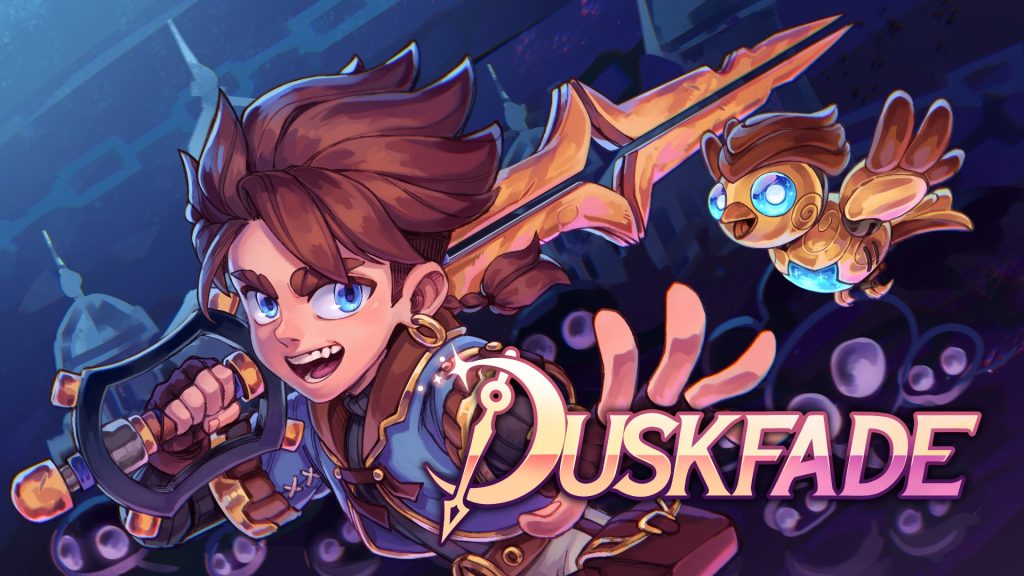
Duskfade is worth considering for players who miss colourful PS2-style action-platformers and can tolerate basic combat, floaty movement and backtracking.

Man I Just Wanna Go Home is a noir crime story with visuals from MS Paint and life-or-death choices.
![[GAMESCOM 2026] Vikings Dynasty Preview – Expands the Dynasty Formula](https://www.indie-games.eu/wp-content/uploads/2026/09/Viking-Dynasty-09-21-26-2-1024x576.jpg)
After showing me Prospera at Gamescom 2026, Toplitz Productions' Mathias Oertel moved to a very different kind of settlement builder.…
![[GAMESCOM 2026] Prospera Preview – Production, Prosperity and Victorian Industry](https://www.indie-games.eu/wp-content/uploads/2026/09/Prospera-09-21-26-5-1024x576.jpg)
At Gamescom 2026, I met with Toplitz Productions' Mathias Oertel for a guided presentation of two upcoming games. One of…
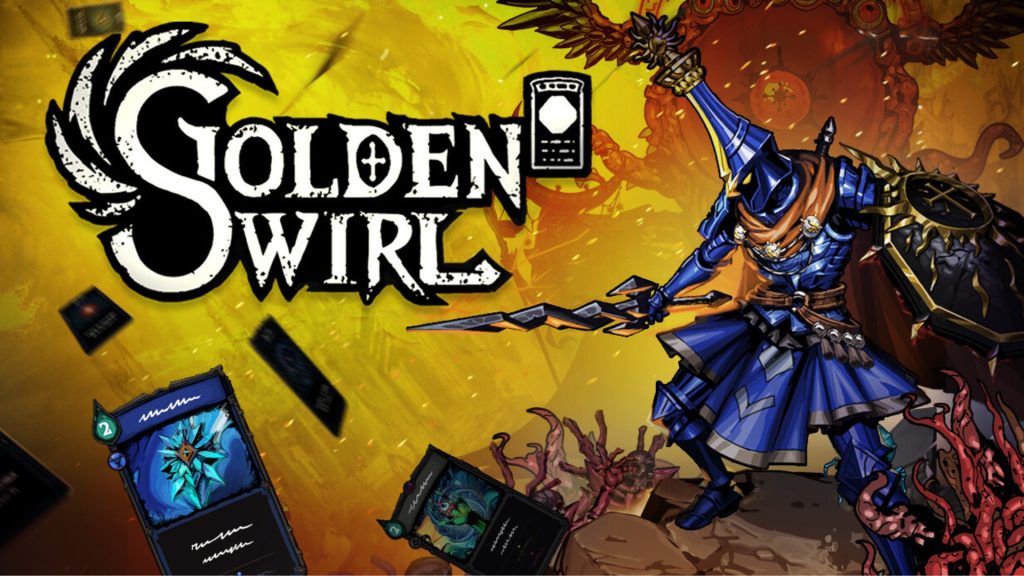
Golden Swirl inventive card combat carries the experience, but repetitive rooms, weak upgrades and excessive dialogue hold it back.
![[GAMESCOM 2026] Wilderdark Preview – Ambitious Dinosaur Horror Game That Still Has Plenty to Prove](https://www.indie-games.eu/wp-content/uploads/2026/09/Wilderdark-1024x576.jpg)
Dinosaur survival horror game Wilderdark has one of those premises that immediately makes you wonder why more games have not…
![[PREVIEW] Tiny Metal 2 – Strategy Game That Wants You to Learn From Every Mistake](https://www.indie-games.eu/wp-content/uploads/2026/09/Tiny-Metal-2-1024x576.jpg)
I rarely enjoy discovering that my opening strategy was completely wrong, but Tiny Metal 2 made that process one of…
![[PREVIEW] Remothered: Red Nun’s Legacy – Ambitious Survival Horror That Needs More Polish](https://www.indie-games.eu/wp-content/uploads/2026/09/Remothered-Red-Nuns-Legacy-4-1024x576.jpg)
Remothered: Red Nun’s Legacy has a gripping atmosphere and promising survival tools, but its repetitive hiding and rough visuals need…
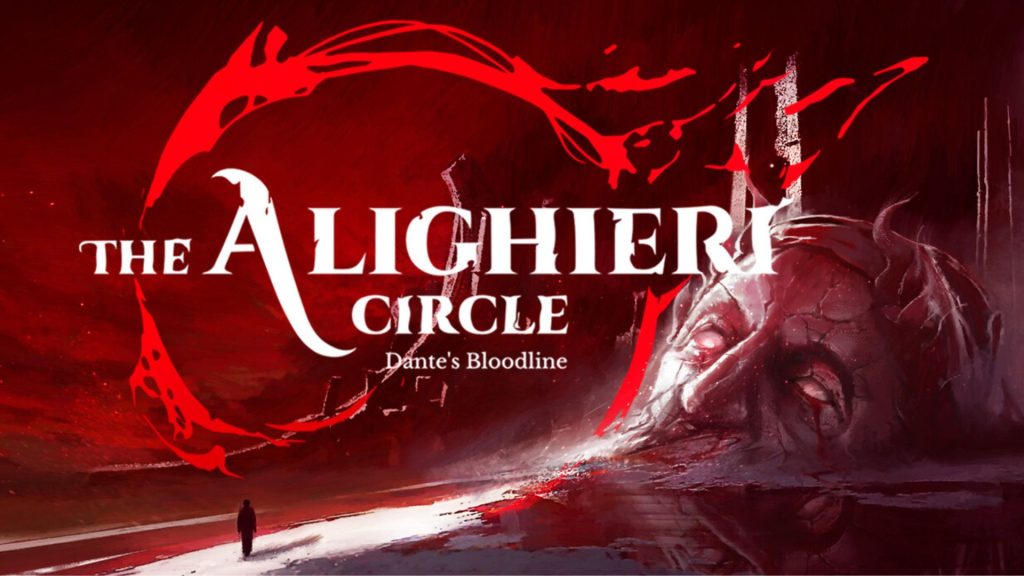
The Alighieri Circle: Dante’s Bloodline is difficult to recommend beyond players who are especially interested in Dante or enjoy solving…
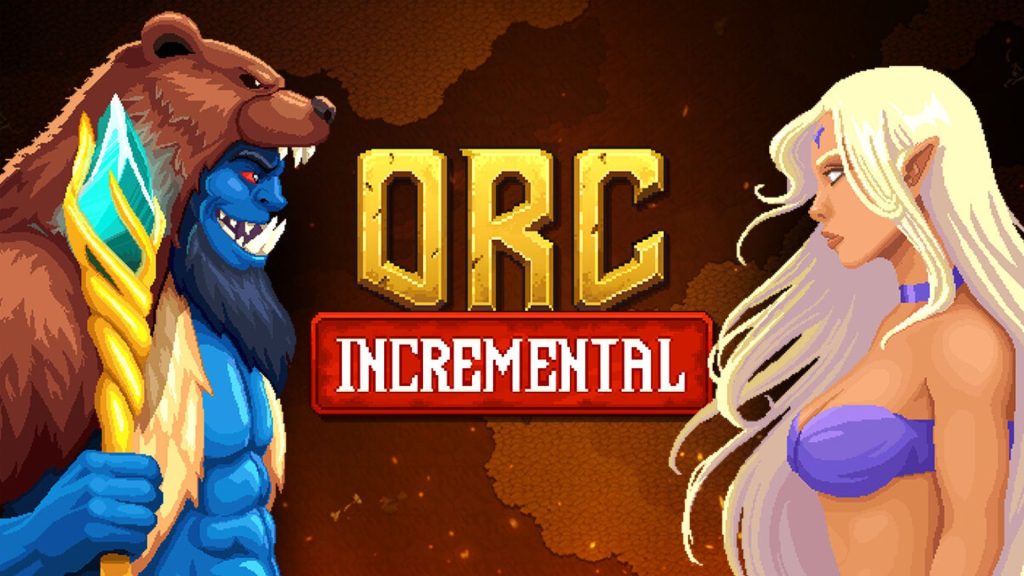
Orc Incremental offers satisfying progression, entertaining totem combinations and enough content to justify its affordable price.
![[GAMESCOM 2026] Chronoscript: The Endless End Preview – Beautiful Pages Hide Deliberate Combat](https://www.indie-games.eu/wp-content/uploads/2026/09/Chronoscript-The-Endless-End-1-1024x576.jpg)
Chronoscript: The Endless End stands out from other Metroidvanias by blending 2D manuscript worlds with exploration inside a 3D manor.
![[GAMESCOM 2026] MegaGum Preview – Combat Hits Hard in This Sticky Platforming Adventure](https://www.indie-games.eu/wp-content/uploads/2026/09/MegaGum-09-09-26-5-1024x576.jpg)
MegaGum combines hard-hitting combat, varied weapons and Gum-powered platforming in a promising Gamescom 2026 demo.
![[GAMESCOM 2026] Delphinium Preview – Cozy Routine Mixed With Enjoyable Minigames](https://www.indie-games.eu/wp-content/uploads/2026/03/Delphinium--1024x665.jpg)
Delphinium mixes cozy farming, exploration and relationships with enjoyable fishing, cooking and forging minigames in its Gamescom 2026 demo.
Lady Death: Demonicron looks the part, but underneath its excellent comic-book exterior is a clunky and painfully short brawler.
![[GAMESCOM 2026] Tomb Raider: Legacy of Atlantis Preview – Expands the Original Without Losing Its Identity](https://www.indie-games.eu/wp-content/uploads/2026/09/tomb-raider-legacy-of-atlantis-06-02-26-1-1024x576.jpg)
Tomb Raider: Legacy of Atlantis brings Lara back to her roots, but its Gamescom 2026 showing proved this is far…
![[GAMESCOM 2026] Clive Barker’s Hellraiser: Revival Preview – Ready to Open the Box](https://www.indie-games.eu/wp-content/uploads/2026/09/Clive-Barkers-Hellraiser-Revival-08-30-26-1-1024x576.jpg)
Hellraiser: Revival preserves the franchise’s sex, gore and psychological horror while delivering approachable survival-horror gameplay.

Swan Song creates a peaceful and forgiving puzzle space without removing the challenge that makes solving a difficult puzzle rewarding.
Mortal Shell II starts brilliantly but grows repetitive and exhausting, while remaining a rewarding and ambitious Soulslike sequel.
![[GAMESCOM 2026] Terranigma Preview – A Lost SNES Classic Returns in 2027](https://www.indie-games.eu/wp-content/uploads/2026/08/Terranigma-1-1024x576.jpg)
After more than three decades of limited availability, Terranigma is returning in 2027. We played its enhanced re-release at Gamescom…
