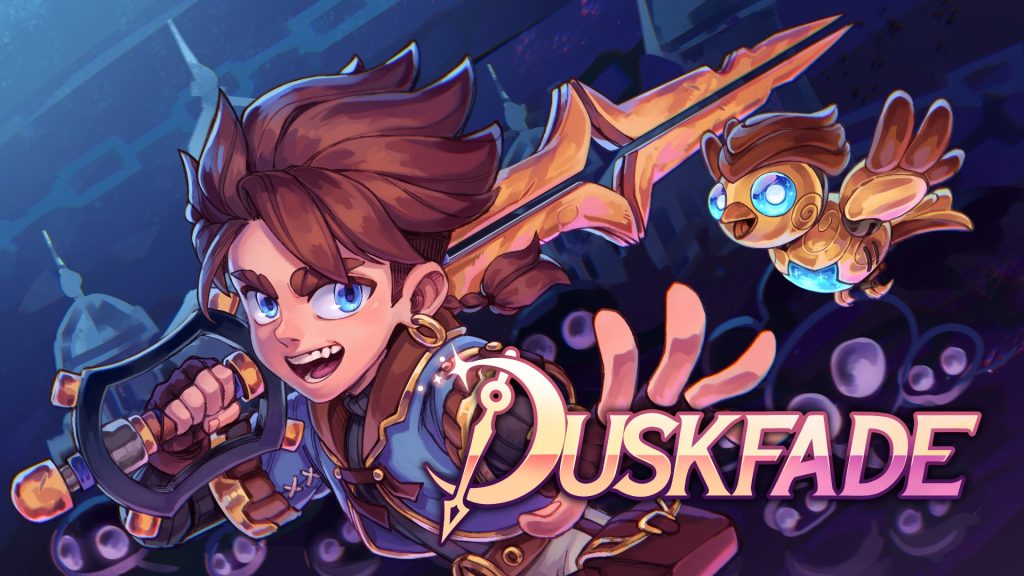
Duskfade – The PS2 Era Returns With All Its Strengths and Weaknesses
Duskfade is worth considering for players who miss colourful PS2-style action-platformers and can tolerate basic combat, floaty movement and backtracking.

![[PREVIEW] 1666: Amsterdam – Fails to Capture the Promise of Its Reveal](https://www.indie-games.eu/wp-content/uploads/2026/06/1666-amsterdam.jpg)
If you enjoy independent indie game coverage, consider supporting Indie-Games.eu on Patreon. It helps keep the site independent.
Having just recently been revealed during Summer Game Fest, 1666: Amsterdam has already received a playable prologue on Steam. Usually, when developers release a prologue, it’s meant to serve as a small slice of the game, something that introduces the story, showcases the core gameplay loop, and leaves players wanting more.
After spending around 30 minutes with this one, however, I came away with more questions than excitement. At least in its current state, the prologue feels undercooked and does very little to sell the game it’s supposed to be promoting. Part of the problem is that the trailer and the actual experience feel completely disconnected. The reveal made it seem like we were getting a story centered around a witch, complete with action-oriented gameplay and supernatural elements.
Instead, the prologue jumps between three different timelines: 1666, 1999, and the present day and only one of them even resembles what was shown in the trailer. The witch, who appears to be the central figure of the marketing, receives surprisingly little screen time and even less gameplay.
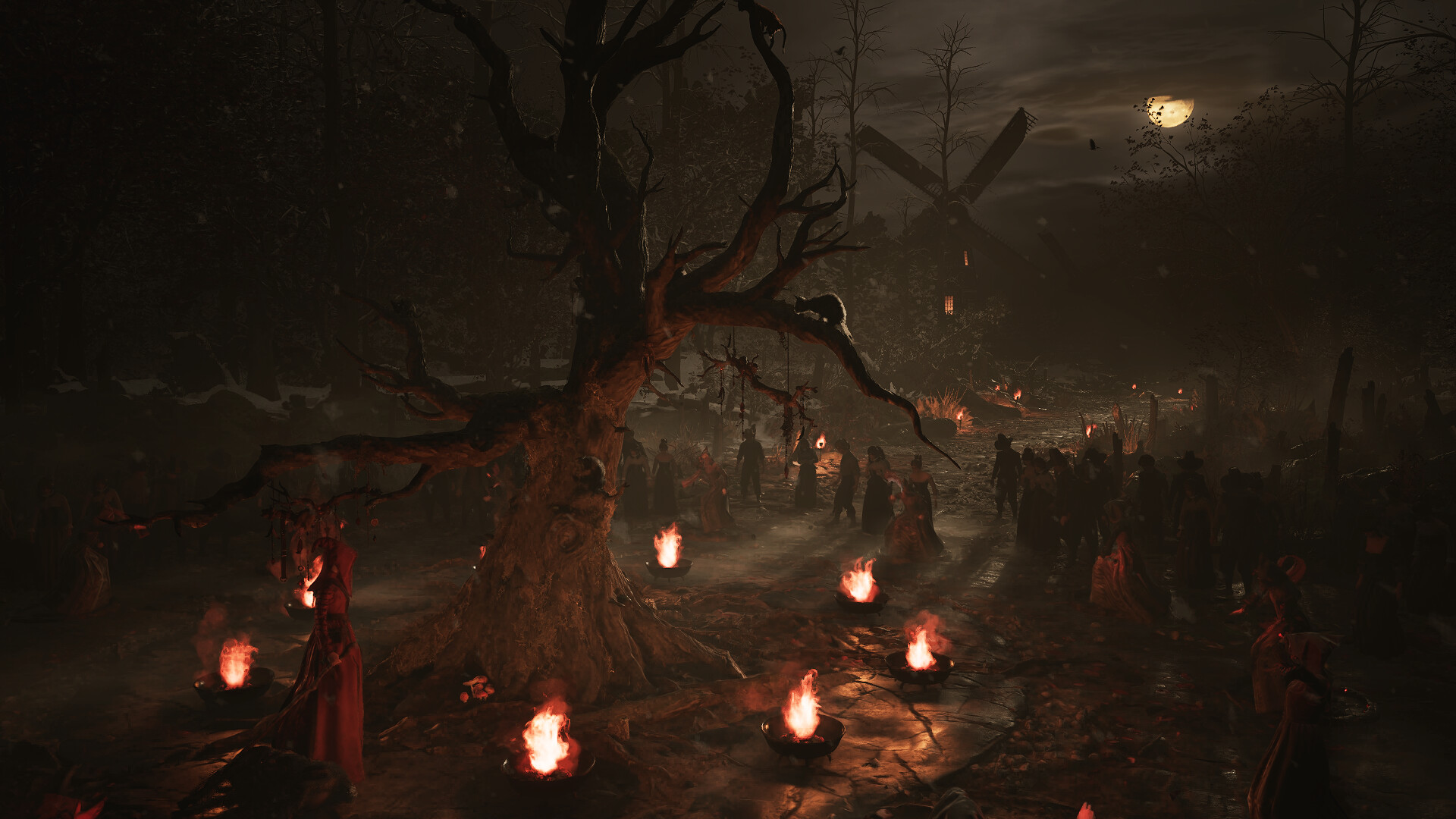
The story itself introduces several important characters but never spends enough time developing any of them. We meet Clio, a nervous student investigating her father’s past, and through a flashback we meet Aaron, her father, whose encounter with a mysterious woman appears to kick off the larger narrative.
The game hints at an ancient order tied to supernatural powers and suggests the story will span centuries, but it never properly establishes who these people are or why we should care about them. That’s what frustrated me most. We’re constantly told things about these characters, but we rarely get to see those relationships or motivations in action.
We know Clio cares about her father, but we never really see why. We know Aaron was in love, but the game doesn’t spend time building that connection. Even the character we’re supposedly playing as receives almost no introduction and isn’t even properly named until the very end of the prologue. By the time the credits roll, I still felt disconnected from everyone involved.
The mystery isn’t much stronger. I understand that there is some ancient order wielding supernatural powers, but beyond that, the game gives almost no context. Who they are, what they want, and why any of this matters remains completely unclear. Instead of creating intrigue, the lack of information made it difficult to identify what the main hook of the story actually is.
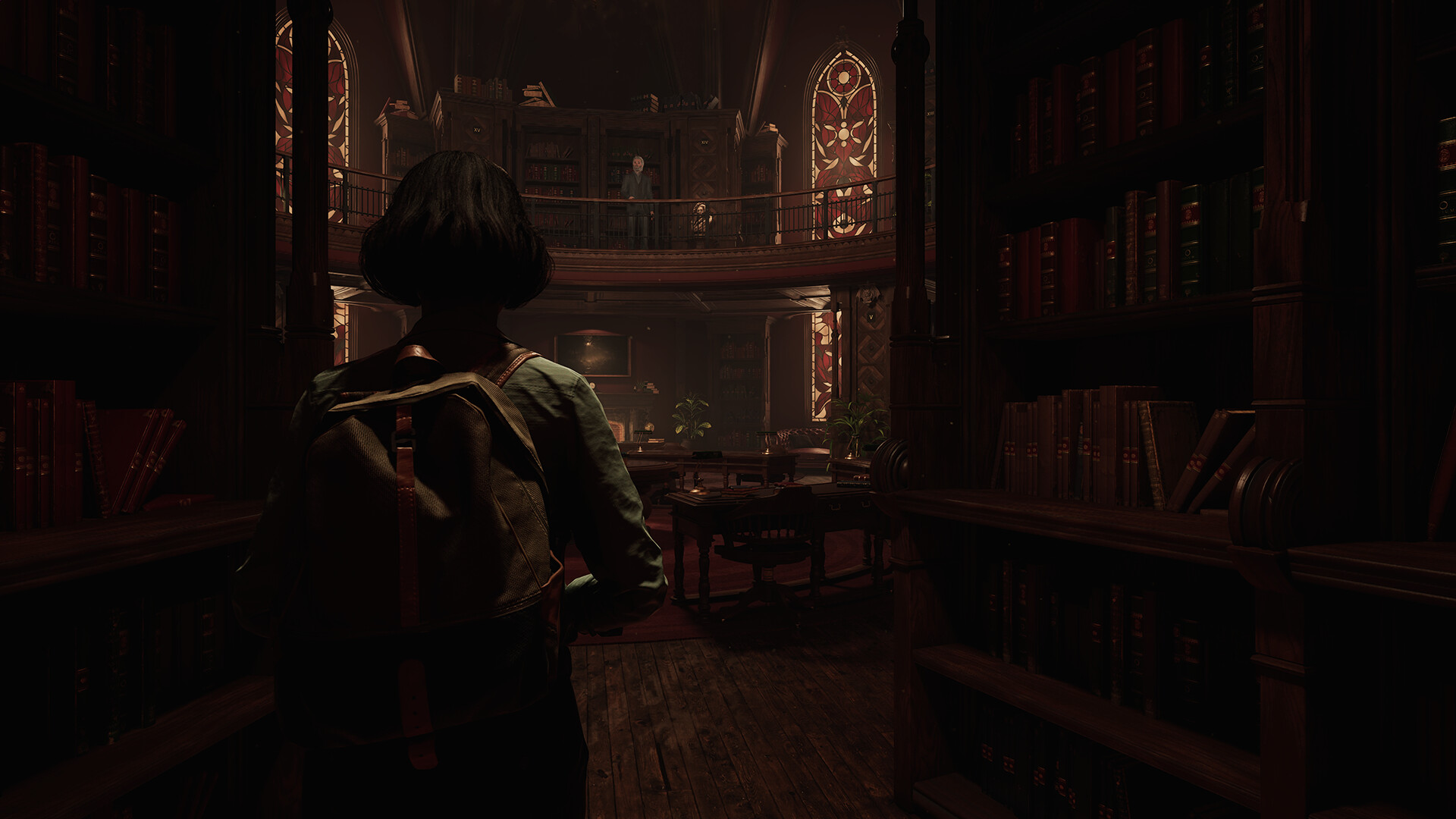
Gameplay is where the prologue struggles the most. The game appears to combine third-person exploration with puzzle-solving and investigation mechanics, but none of those systems are presented in a compelling way. Most of the experience consists of walking around, interacting with highlighted objects, and moving between story scenes.
The investigation elements are particularly disappointing because the game constantly points you toward solutions. Puzzle answers are highlighted, characters repeatedly remind you what to do, and there is very little room for actual discovery. Rather than feeling like an investigator, I felt like I was following instructions.
The hotel sequence highlights this issue perfectly. The entire section feels empty, with little to do besides walking from one interaction point to another. While you do play as a cat eventually, this sequence functions primarily as a walking simulator, consisting mostly of running around with occasional jumping.
On a technical level, the results are mixed. Some environments look genuinely impressive, with strong environmental detail and nicely crafted character models. Certain scenes successfully capture the atmosphere the developers seem to be aiming for. Other sections, however, feel noticeably rougher and lack polish. This is obviously an early build, so some choppiness is expected, but the visual quality and presentation feel inconsistent from one segment to the next.
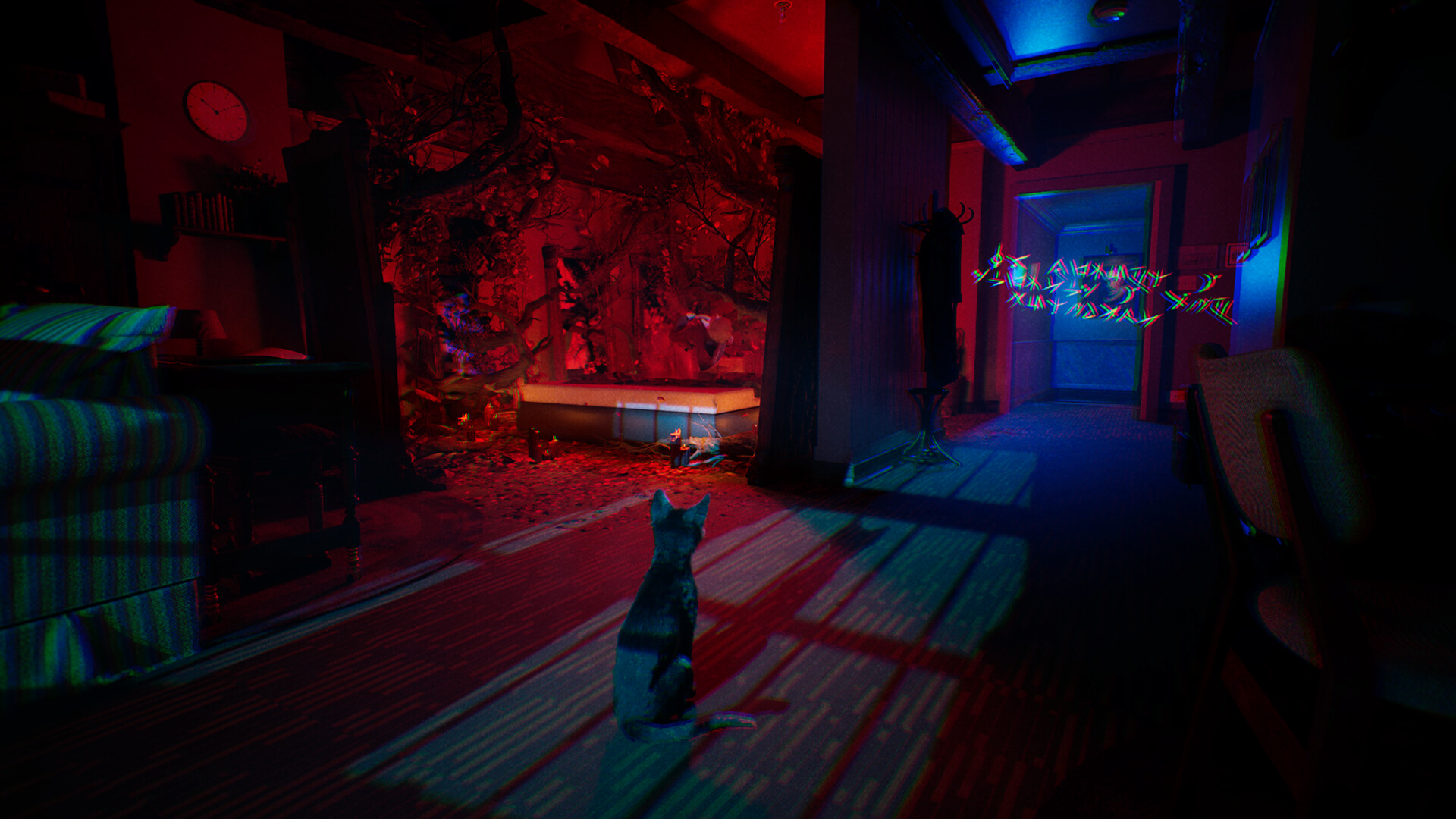
I can still see potential here. The concept of a story spanning multiple centuries, supernatural powers, and a cat companion could make for something genuinely unique. The problem is that this prologue doesn’t showcase those strengths.
A demo’s job is to make players excited about what’s coming next, and this one largely fails at that. If the final game is significantly different from what is presented here, then the trailer is doing a poor job of setting expectations. If the final game closely resembles this prologue, then there is a lot of work ahead before 1666: Amsterdam can live up to its intriguing premise.
1666: Amsterdam is in development for PC via Steam, Epic Games Store and will launch first in early access with a full launch sometime later on PC and consoles.
Duskfade is worth considering for players who miss colourful PS2-style action-platformers and can tolerate basic combat, floaty movement and backtracking.
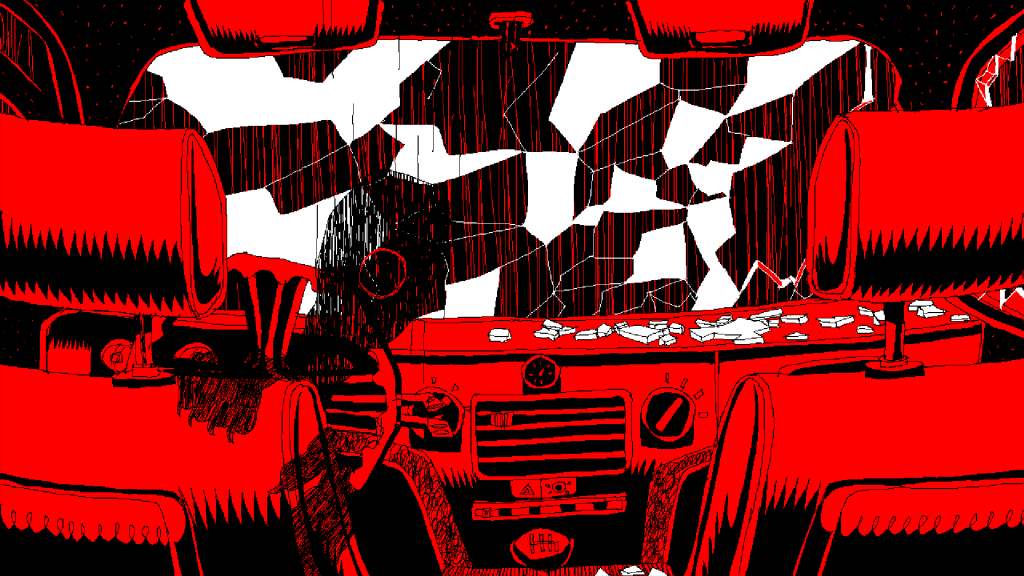
Man I Just Wanna Go Home is a noir crime story with visuals from MS Paint and life-or-death choices.
![[GAMESCOM 2026] Vikings Dynasty Preview – Expands the Dynasty Formula](https://www.indie-games.eu/wp-content/uploads/2026/09/Viking-Dynasty-09-21-26-2-1024x576.jpg)
After showing me Prospera at Gamescom 2026, Toplitz Productions' Mathias Oertel moved to a very different kind of settlement builder.…
![[GAMESCOM 2026] Prospera Preview – Production, Prosperity and Victorian Industry](https://www.indie-games.eu/wp-content/uploads/2026/09/Prospera-09-21-26-5-1024x576.jpg)
At Gamescom 2026, I met with Toplitz Productions' Mathias Oertel for a guided presentation of two upcoming games. One of…
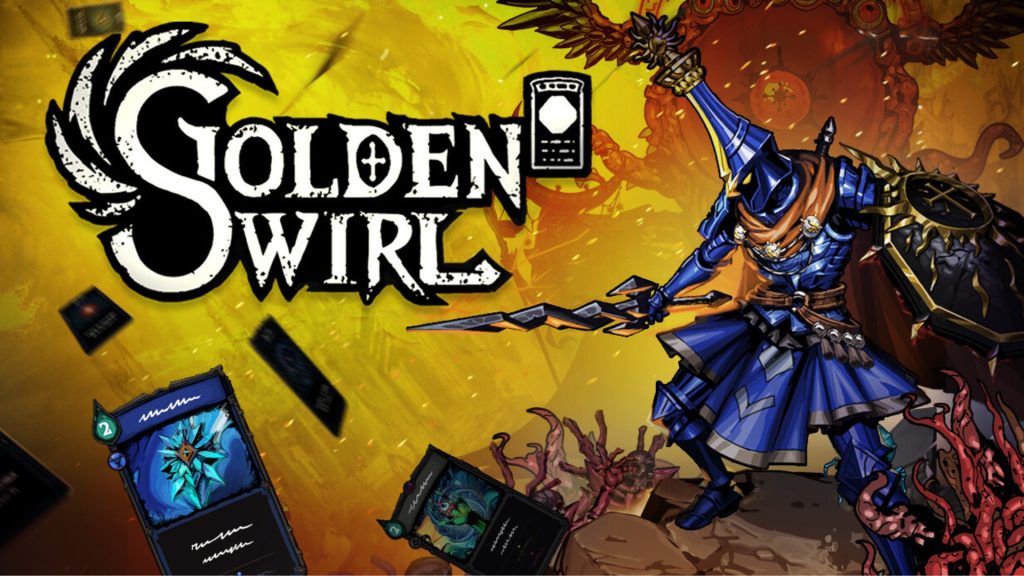
Golden Swirl inventive card combat carries the experience, but repetitive rooms, weak upgrades and excessive dialogue hold it back.
![[GAMESCOM 2026] Wilderdark Preview – Ambitious Dinosaur Horror Game That Still Has Plenty to Prove](https://www.indie-games.eu/wp-content/uploads/2026/09/Wilderdark-1024x576.jpg)
Dinosaur survival horror game Wilderdark has one of those premises that immediately makes you wonder why more games have not…
![[PREVIEW] Tiny Metal 2 – Strategy Game That Wants You to Learn From Every Mistake](https://www.indie-games.eu/wp-content/uploads/2026/09/Tiny-Metal-2-1024x576.jpg)
I rarely enjoy discovering that my opening strategy was completely wrong, but Tiny Metal 2 made that process one of…
![[PREVIEW] Remothered: Red Nun’s Legacy – Ambitious Survival Horror That Needs More Polish](https://www.indie-games.eu/wp-content/uploads/2026/09/Remothered-Red-Nuns-Legacy-4-1024x576.jpg)
Remothered: Red Nun’s Legacy has a gripping atmosphere and promising survival tools, but its repetitive hiding and rough visuals need…
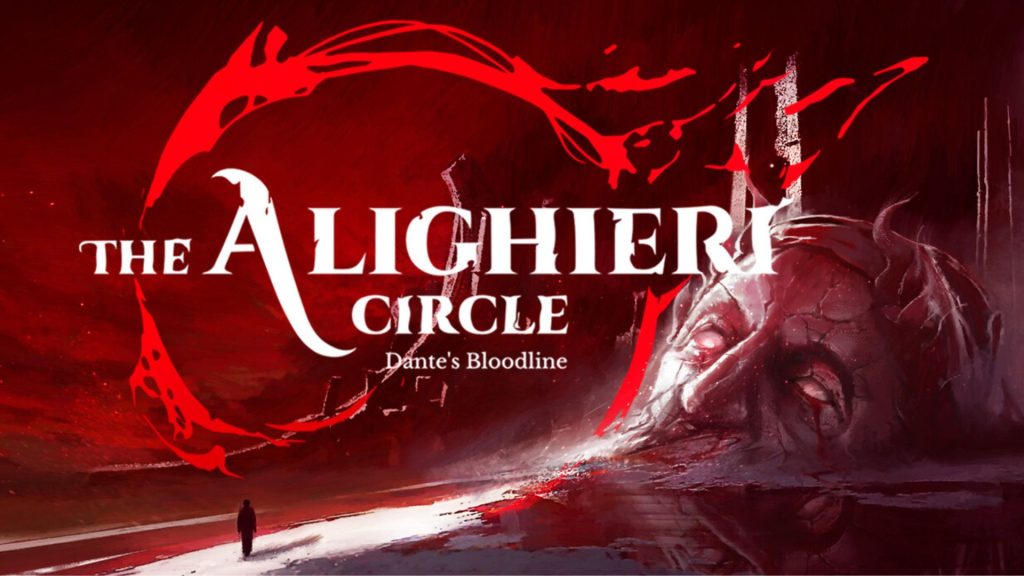
The Alighieri Circle: Dante’s Bloodline is difficult to recommend beyond players who are especially interested in Dante or enjoy solving…
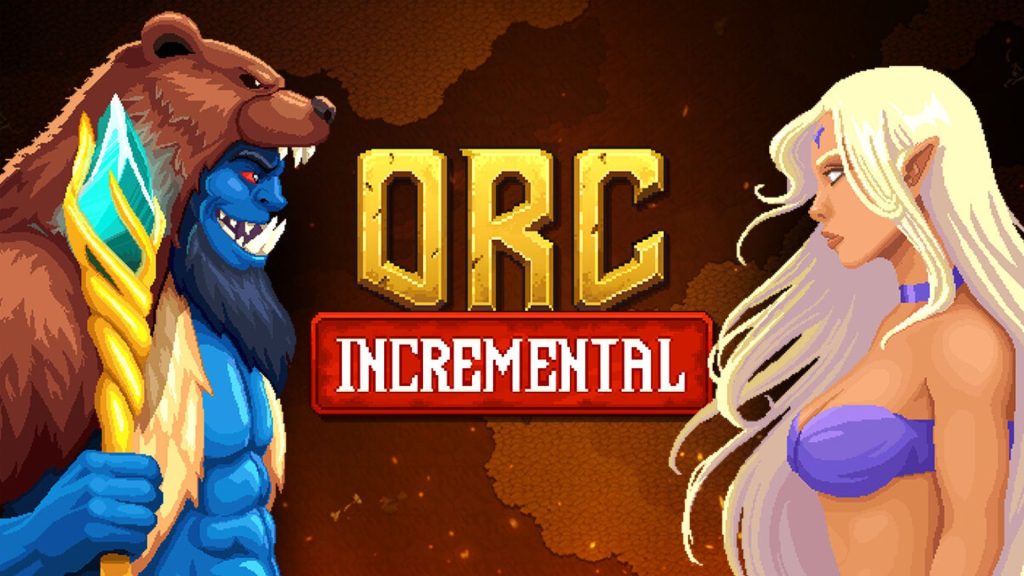
Orc Incremental offers satisfying progression, entertaining totem combinations and enough content to justify its affordable price.
![[GAMESCOM 2026] Chronoscript: The Endless End Preview – Beautiful Pages Hide Deliberate Combat](https://www.indie-games.eu/wp-content/uploads/2026/09/Chronoscript-The-Endless-End-1-1024x576.jpg)
Chronoscript: The Endless End stands out from other Metroidvanias by blending 2D manuscript worlds with exploration inside a 3D manor.
![[GAMESCOM 2026] MegaGum Preview – Combat Hits Hard in This Sticky Platforming Adventure](https://www.indie-games.eu/wp-content/uploads/2026/09/MegaGum-09-09-26-5-1024x576.jpg)
MegaGum combines hard-hitting combat, varied weapons and Gum-powered platforming in a promising Gamescom 2026 demo.
![[GAMESCOM 2026] Delphinium Preview – Cozy Routine Mixed With Enjoyable Minigames](https://www.indie-games.eu/wp-content/uploads/2026/03/Delphinium--1024x665.jpg)
Delphinium mixes cozy farming, exploration and relationships with enjoyable fishing, cooking and forging minigames in its Gamescom 2026 demo.
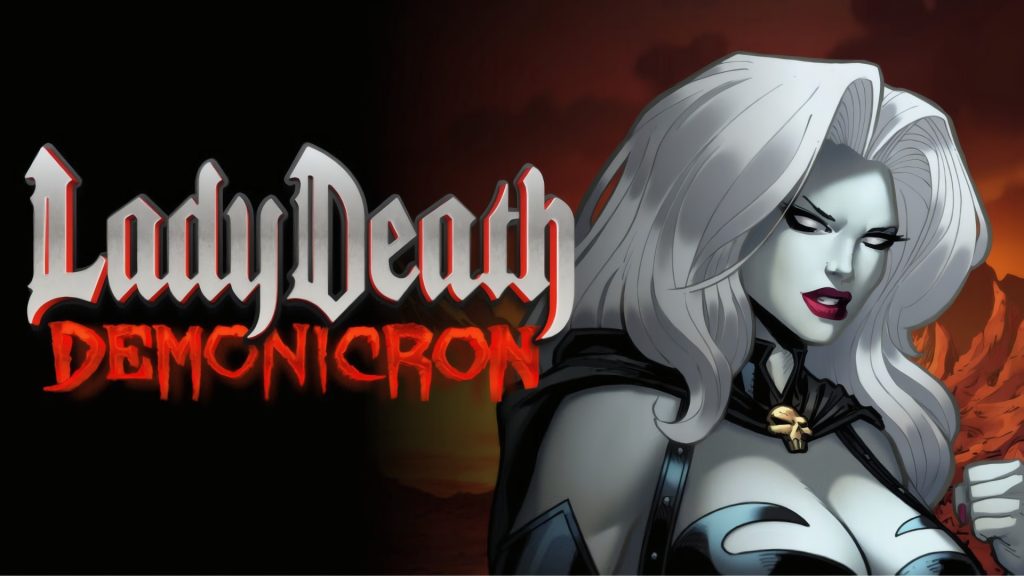
Lady Death: Demonicron looks the part, but underneath its excellent comic-book exterior is a clunky and painfully short brawler.
![[GAMESCOM 2026] Tomb Raider: Legacy of Atlantis Preview – Expands the Original Without Losing Its Identity](https://www.indie-games.eu/wp-content/uploads/2026/09/tomb-raider-legacy-of-atlantis-06-02-26-1-1024x576.jpg)
Tomb Raider: Legacy of Atlantis brings Lara back to her roots, but its Gamescom 2026 showing proved this is far…
![[GAMESCOM 2026] Clive Barker’s Hellraiser: Revival Preview – Ready to Open the Box](https://www.indie-games.eu/wp-content/uploads/2026/09/Clive-Barkers-Hellraiser-Revival-08-30-26-1-1024x576.jpg)
Hellraiser: Revival preserves the franchise’s sex, gore and psychological horror while delivering approachable survival-horror gameplay.

Swan Song creates a peaceful and forgiving puzzle space without removing the challenge that makes solving a difficult puzzle rewarding.
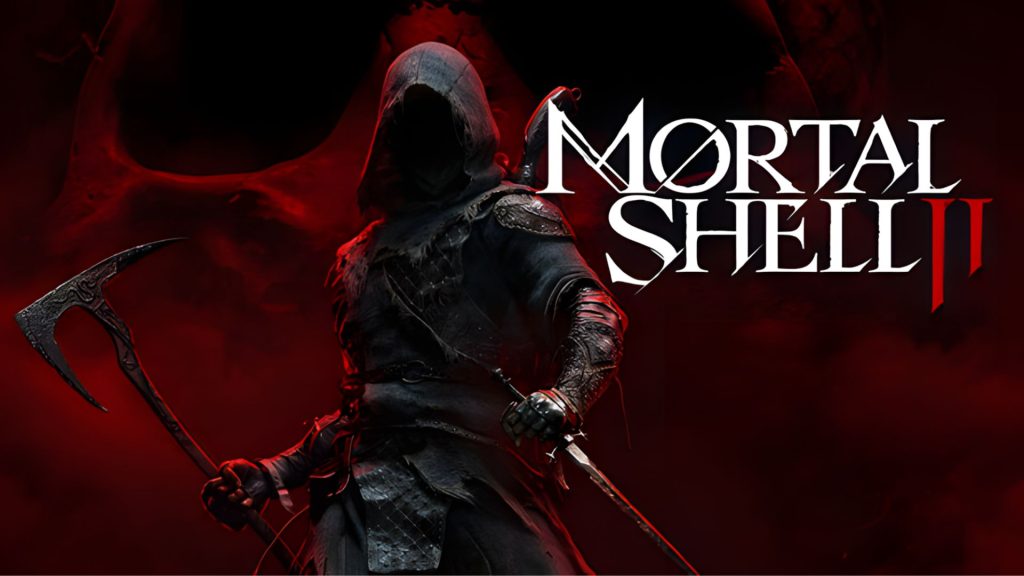
Mortal Shell II starts brilliantly but grows repetitive and exhausting, while remaining a rewarding and ambitious Soulslike sequel.
![[GAMESCOM 2026] Terranigma Preview – A Lost SNES Classic Returns in 2027](https://www.indie-games.eu/wp-content/uploads/2026/08/Terranigma-1-1024x576.jpg)
After more than three decades of limited availability, Terranigma is returning in 2027. We played its enhanced re-release at Gamescom…
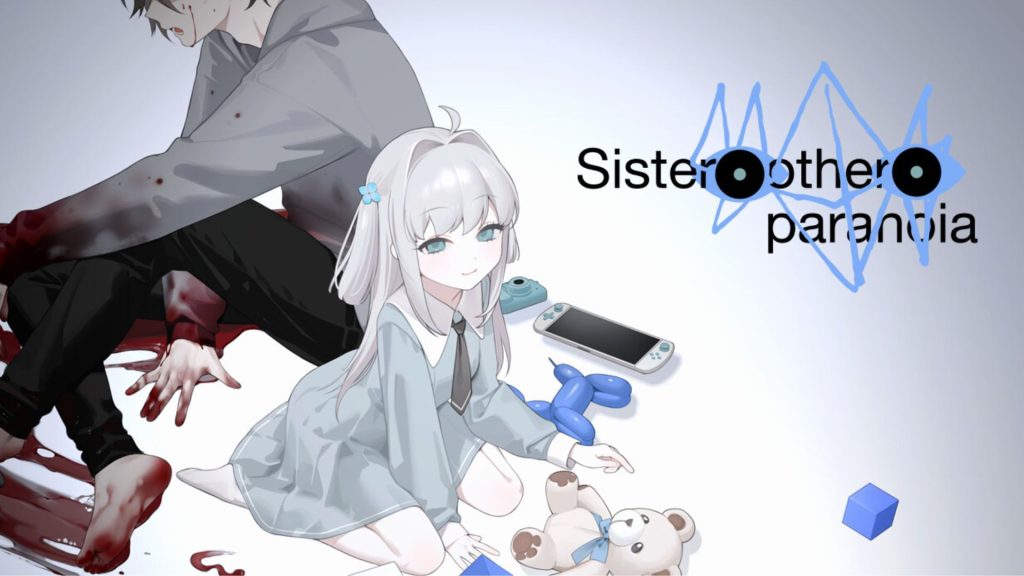
Reading another person’s mind is often presented as a desirable superpower, but Sister Other Paranoia immediately understands why it could…
