
Sister Other Paranoia – Everyone Has Something Ugly to Hide
Reading another person’s mind is often presented as a desirable superpower, but Sister Other Paranoia immediately understands why it could…


If you enjoy independent indie game coverage, consider supporting Indie-Games.eu on Patreon. It helps keep the site independent.
Demon Lord: Just a Block initially felt like another roguelike I would spend a few hours with before eventually moving on. Instead, it became one of those games I kept thinking about long after I stopped playing. The more time I spent with it, the more I appreciated how much depth was hidden beneath its simple presentation. What first appears to be a small, niche turn-based roguelite slowly reveals itself as a surprisingly clever and immersive strategy game.
The game’s biggest strength is its core mechanic: movement equals turns. The entire world pauses until you act, meaning there is never any pressure to react instantly unless you choose to. It creates a fascinating blend of grid-based tactics, turn-based combat, and roguelite progression that often feels like a real-time action game slowed down into a strategic chess match. Every movement matters because positioning controls everything: enemy attacks, traps, projectile timing, and environmental hazards.
At the same time, the game does not rely entirely on slow and methodical planning. There are mechanics such as dodging, parrying, and mobility options tied to different weapons that reward quick thinking and fast reactions. Some weapons even allow you to move through walls or reposition creatively around enemies.
Enemies telegraph attacks clearly through visual indicators, making every encounter feel readable and fair. Archers attempt to keep their distance while shooting across the grid, melee enemies swing in predictable patterns, and bosses introduce increasingly chaotic attack combinations. Over time, the game becomes heavily focused on pattern recognition. You begin learning exactly how enemies behave the moment you see them, which makes combat deeply satisfying because success comes from understanding positioning and movement rather than relying on random luck.
The progression system also adds a surprising amount of depth. Early gameplay feels completely different from the late game because many weapons, abilities, and upgrades are locked behind progression. As you continue playing, you unlock swords, daggers, fists, magical weapons, passive bonuses, revives, health upgrades, and many other systems through a vendor named Lulu. There is always something new to work toward, which gives the game a strong sense of momentum during its first several hours.

What I especially liked is how the game encourages experimentation without making failure overly punishing. During runs, you collect cards that modify your build with various bonuses and abilities. Some cards allow allies to spawn and assist you, others increase damage depending on your positioning, while some provide defensive effects or movement-based bonuses. Because levels and upgrades are procedurally generated, every run feels slightly different, and there is a constant sense of experimentation as you adapt your strategy around the tools you receive.
However, the game is not without flaws. The biggest issue is build balance. Some builds feel genuinely creative and powerful, while others barely feel impactful at all. I frequently found upgrades that sounded useful on paper but made very little difference during actual gameplay. Certain effects also begin repeating themselves too often, especially later in the game. For example, I encountered several cards with nearly identical bomb-related effects, which made progression feel less exciting over time.
This eventually leads into the game’s biggest long-term weakness: limited late-game depth. During the first ten hours, the game constantly introduces new weapons, upgrades, enemies, and systems, which makes progression extremely engaging. But once you begin unlocking most of the major systems, the variety starts to thin out. Runs become more repetitive, and builds lose some of the experimentation that initially made them so fun.
The story itself is simple but charming. You play as a defeated demon lord who has been reduced to a floating head after losing a battle against a hero and losing all memories in the process. The tone is lighthearted and humorous, with a cozy hub world filled with memorable NPCs who provide upgrades and additional interactions. There is also a surprising amount of environmental storytelling that gives the world personality despite the game’s relatively small scope.

That said, localization issues occasionally hurt the narrative experience. Some dialogue feels awkwardly translated, making it difficult to fully connect with certain story moments. It is never bad enough to ruin the experience, but it does make conversations feel less natural than they probably were intended to be.
Presentation is one area where the game consistently succeeds. The colorful cartoon-like art style gives everything strong visual clarity, and readability during combat is excellent. You always understand where enemies are attacking, how projectiles are moving, and what dangers are approaching. In a game built around careful positioning and tactical movement, that clarity is incredibly important.
Replayability is somewhat mixed. This is not the kind of roguelite you will likely spend hundreds of hours mastering. Most players will probably experience the majority of what the game has to offer within around ten hours. The replay value mainly comes from experimenting with different builds, unlocking remaining upgrades, and improving your runs rather than discovering huge amounts of hidden content. Fortunately, those first several hours are genuinely excellent because the game constantly surprises you with new mechanics and combinations.
One mechanic I had mixed feelings about was the parry and dodge system. While it adds an extra layer of skill expression, some timing windows felt frustratingly strict. There were moments where successfully parrying attacks felt unnecessarily difficult, and I honestly think the game would still work perfectly fine without leaning so heavily on reflex-based mechanics. Thankfully, the difficulty options help make the experience more accessible, allowing players to choose between easier or more demanding settings depending on their preference.
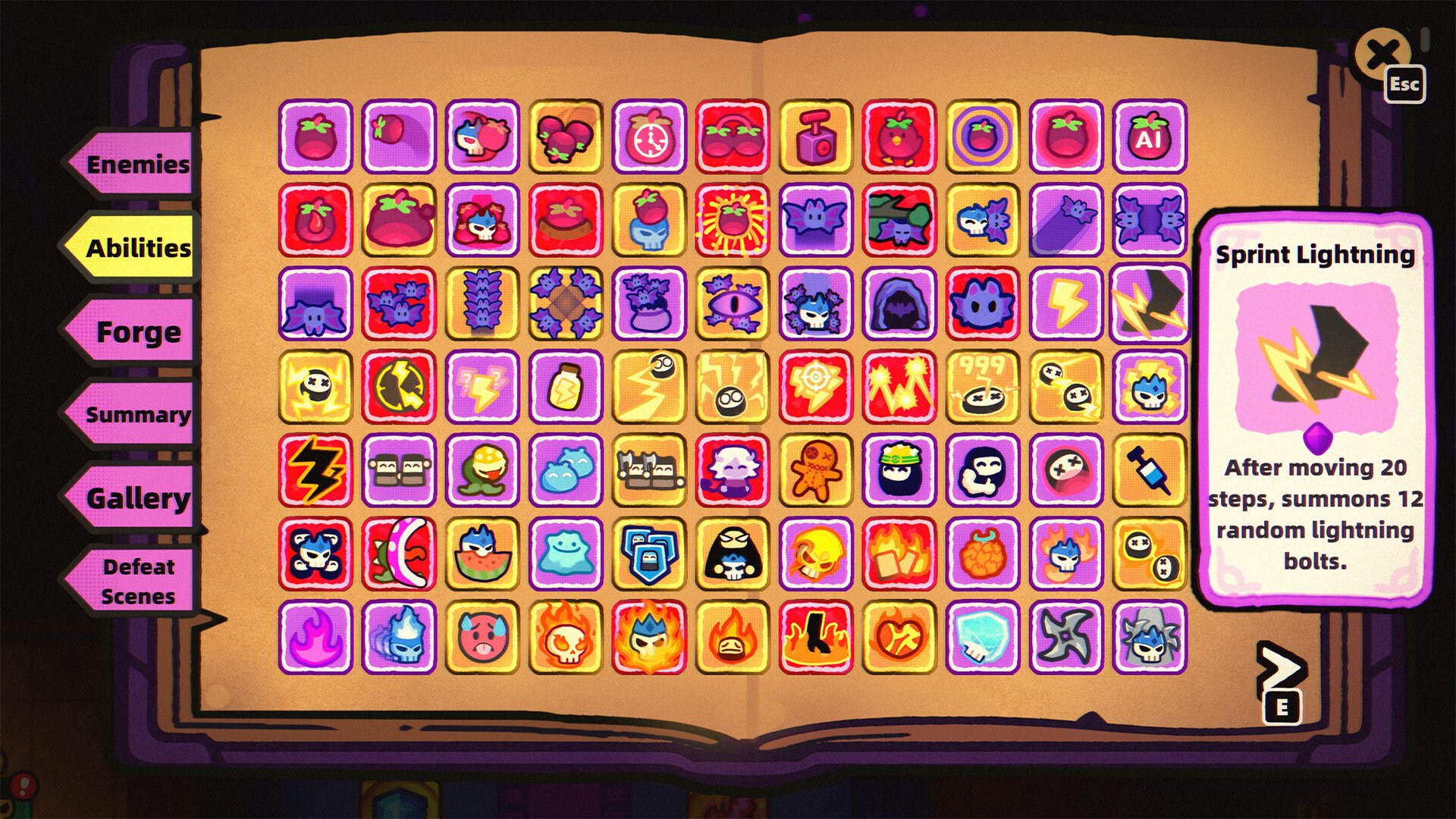
What impressed me most is how approachable the game feels despite its tactical depth. You can play aggressively with fast reactions and mobility-focused builds, or take a slower and more thoughtful approach by carefully planning every move. The game supports both playstyles equally well, which makes it easy to recommend to a wide variety of players.
In the end, Demon Lord: Just a Block succeeds because it balances simplicity with depth remarkably well. Its combat system is smart, its progression loop is addictive, and its tactical gameplay remains consistently engaging throughout its strongest moments. While repetitive builds, uneven balance, and limited late-game variety prevent it from becoming an all-time great roguelite, it still delivers a genuinely fun and memorable experience.
Demon Lord: Just a Block is an excellent, surprisingly deep roguelite that balances simplicity with depth remarkably well. Its combat system is smart, its progression loop is addictive, and its tactical gameplay remains consistently engaging throughout its strongest moments. While repetitive builds, uneven balance, and limited late-game variety prevent it from becoming an all-time great roguelite, it still delivers a genuinely fun and memorable experience.
Ending Thoughts
Review copy provided by the publisher
Reading another person’s mind is often presented as a desirable superpower, but Sister Other Paranoia immediately understands why it could…
Forsaken Realms: Vahrin’s Call is exactly the kind of ambitious, slightly clumsy fantasy RPG that used to be far more…
![[Early Access] 2nd EVE – Sci-Fi Action RPG That Lacks a Sense of Stakes](https://www.indie-games.eu/wp-content/uploads/2026/08/2ND-EVE-1024x576.jpg)
2nd Eve is a space-set action RPG in which we strive to save humanity.
![[PREVIEW] Dreamcards – Strategic Exploration of Consciousness](https://www.indie-games.eu/wp-content/uploads/2026/08/Dreamcards_20260810_233631_0000-1024x576.jpg)
Dreamcards is a roguelike deckbuilder centered around dreams and nightmares.
![[Early Access] OFFBEAT – Incredibly Fun Way to Start a Music Career](https://www.indie-games.eu/wp-content/uploads/2026/08/Offbeat_20260808_201446_0000-1024x576.jpg)
In OFFBEAT, we play the role of a jobbing composer who is launching their music career.
HellSlave II retains the original’s oppressive atmosphere, morally grey world and striking art while adding a larger world, randomized loot…
Beast of Reincarnation is an ambitious but uneven action RPG elevated by satisfying parry combat, beautiful art direction and the…

K-pop Idol Stories: Road to Debut captures the pressure of building idol group, but its management systems never explore that…
Hooded Horse keeps finding strategy games that know their audience, and Corsair Cove extends its impressive run of excellent city-builders.
Teeto is a warm, cozy, creative and highly enjoyable 3D platformer that understands why classic collectathons remain so appealing.
Turnip Mountain stands out for its combination of a unique control system and a minimalist approach.
Dystopicon is an imaginative and memorable narrative experiment with sharp social commentary, engaging world-building and several wonderfully absurd scenarios.
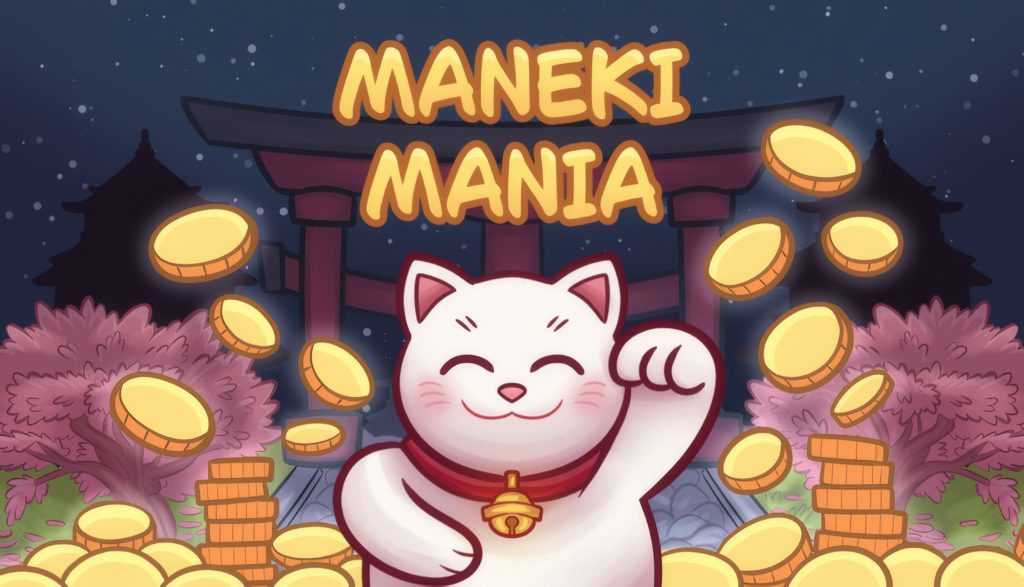
Maneki Mania is an incremental game centered around petting a lucky cat.
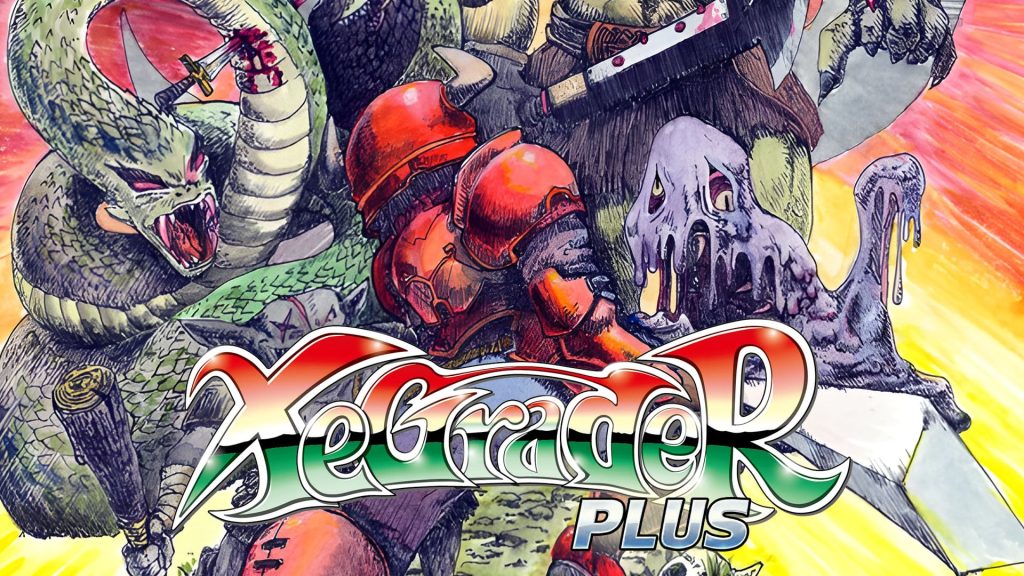
XeGrader Plus delivers colorful retro shooting, but basic mechanics, a short campaign and paid retro modes make its €20 price…
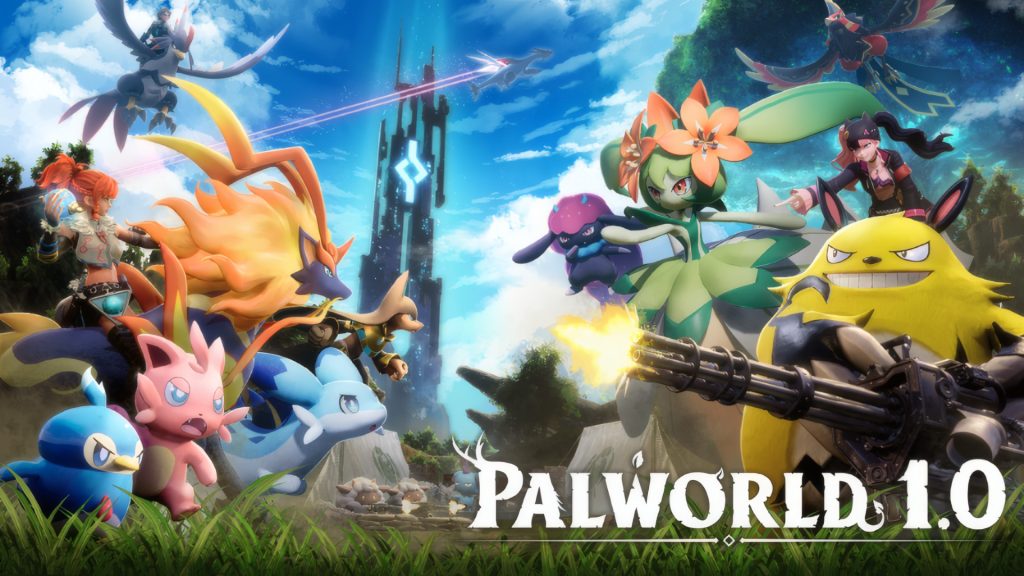
It has been roughly two and a half years since Palworld first entered Early Access, and quite a lot has…
![[EARLY ACCESS] The Last Caretaker – Survival Game I Cannot Stop Playing](https://www.indie-games.eu/wp-content/uploads/2026/07/The-last-Caretaker-Key-Art-1024x587.jpg)
The Last Caretaker is a compelling survival crafter with a flooded world and mobile base, but weak combat and performance…

Advent: Dawn is an intriguing science-fiction visual novel elevated by a likable cast and one of the most convenient flowchart…
![[EARLY ACCESS] Hell Maiden – Beautiful but Uneven Journey Through Hell](https://www.indie-games.eu/wp-content/uploads/2025/06/HMD_screenshot_019-1024x576.jpg)
Bullet heaven and rougelite game Hell Maiden lands between a polished Early Access release and a promising game that still…
![[PREVIEW] Dark Queen of Samobor – Promising Croatian Adventure Still in Need of Polish](https://www.indie-games.eu/wp-content/uploads/2026/07/Dark-Queen-of-Samobor-1024x587.jpg)
Dark Queen of Samobor is a promising 2.5D side-scrolling action-adventure that combines Croatian folklore with combat, puzzles and cinematic platforming.
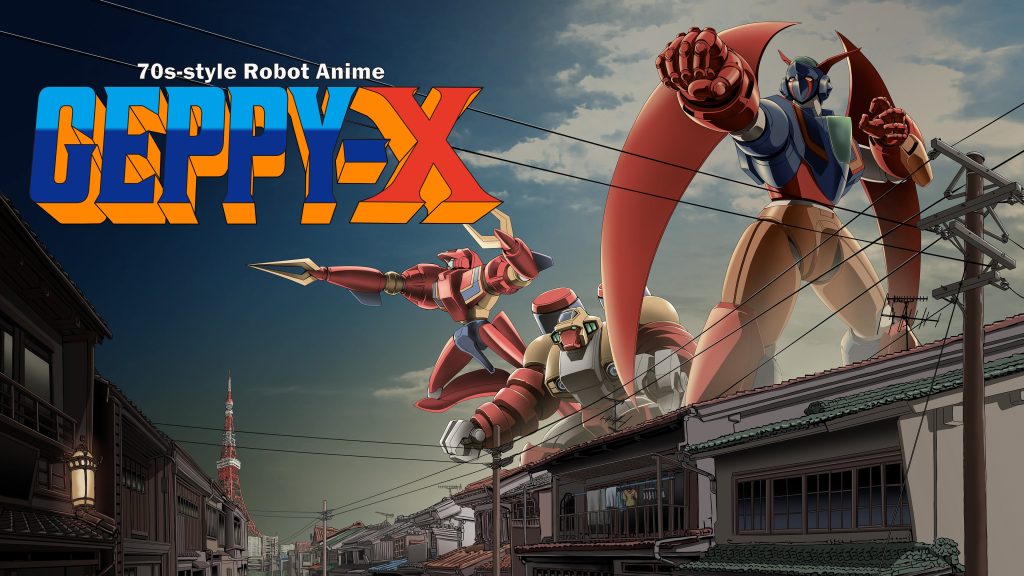
70s-style Robot Anime Geppy-X offers incredible animation, music and mecha nostalgia, but its average shooting make the €39 price difficult…
