Duskfade – The PS2 Era Returns With All Its Strengths and Weaknesses
Duskfade is worth considering for players who miss colourful PS2-style action-platformers and can tolerate basic combat, floaty movement and backtracking.

If you enjoy independent indie game coverage, consider supporting Indie-Games.eu on Patreon. It helps keep the site independent.
Vultures: Scavengers of Death is a turn-based tactical strategy game heavily inspired by classic survival horror. You can immediately feel the influence of games like Resident Evil 2 and Silent Hill 2 in its atmosphere, while the gameplay leans much more toward XCOM, Parasite Eve, and even Into the Breach in some aspects. It’s essentially a tactical strategy game wrapped inside an old-school survival horror shell, and honestly, that combination works surprisingly well.
These types of games usually live or die by how quickly they hook you in, and Vultures does a really good job at that. Right from the beginning, the atmosphere pulls you in with its late-90s PS1-inspired aesthetic, low-poly visuals, CRT filter, eerie ambient sound design, and claustrophobic room layouts that genuinely feel inspired by classic survival horror games.
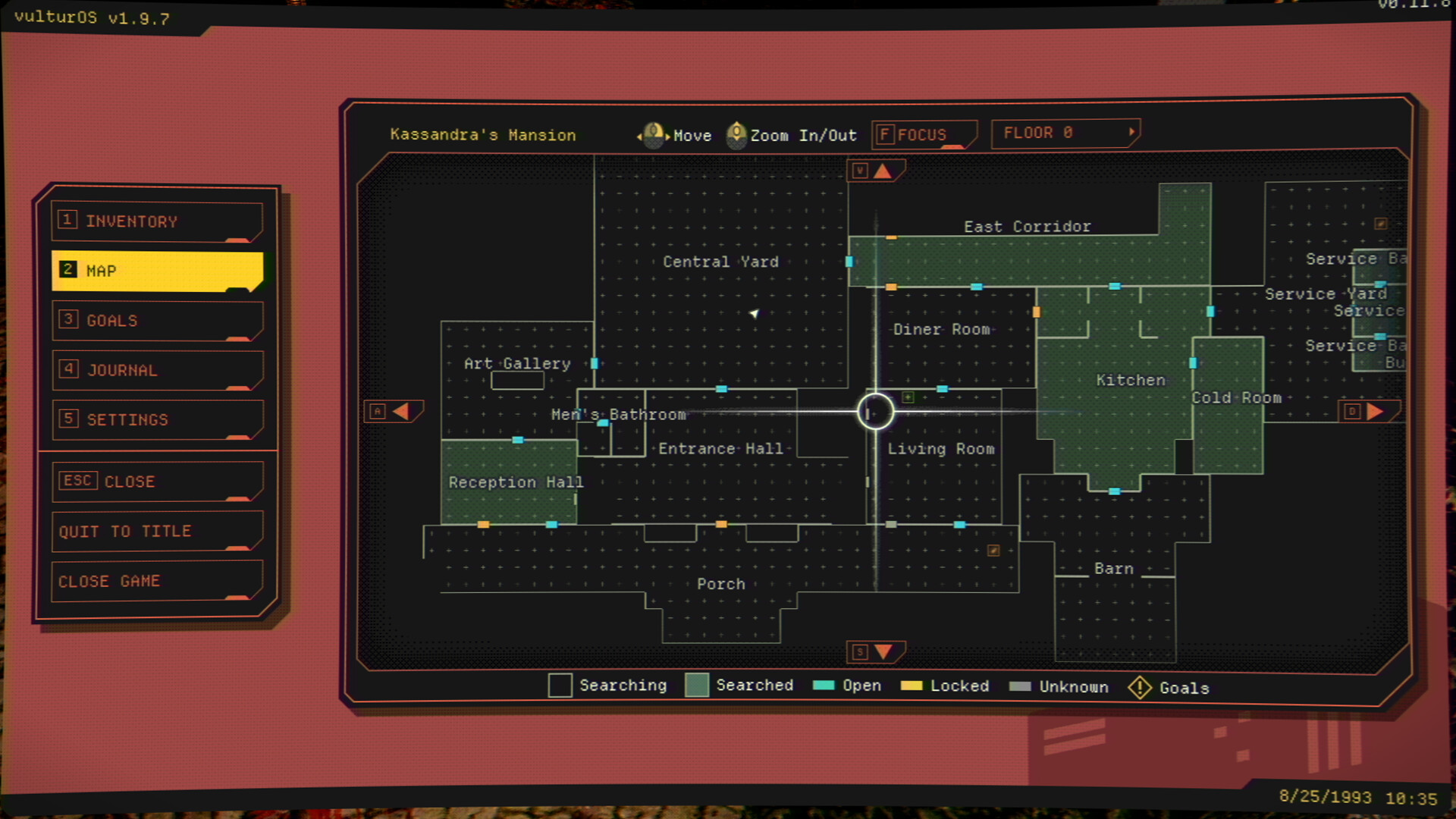
The environments are easily one of the game’s strongest aspects. You’ll explore police stations, mansions, laboratories, prisons, apartment complexes, and many other locations, each packed with interconnected rooms, locked doors, puzzles, and hidden resources.
The game also leans heavily into exploration and puzzle-solving. Early puzzles are fairly straightforward, but later on the game starts introducing more complex survival horror-style riddles that require reading documents, understanding clues, and paying attention to your surroundings. It really captures that old-school feeling of figuring things out yourself instead of having everything marked for you.
There’s a lot of backtracking too, both for progression and optional exploration, which fits the genre well, although some maps definitely overstay their welcome. There were moments where I spent too much time running back and forth because I forgot a key item or missed a locked door earlier, and that can become frustrating after a while.
You play as two protagonists, Amber and Leopold, and they differ mechanically in meaningful ways. Amber is mobility-focused, uses a grappling hook, and excels at environmental kills and repositioning enemies. Leopold, on the other hand, is more defensive and physically stronger, capable of pushing enemies around and handling tougher situations head-on. Levels are specifically designed around their abilities, which is a good thing overall, but the game doesn’t let you choose which character you want to use for missions.
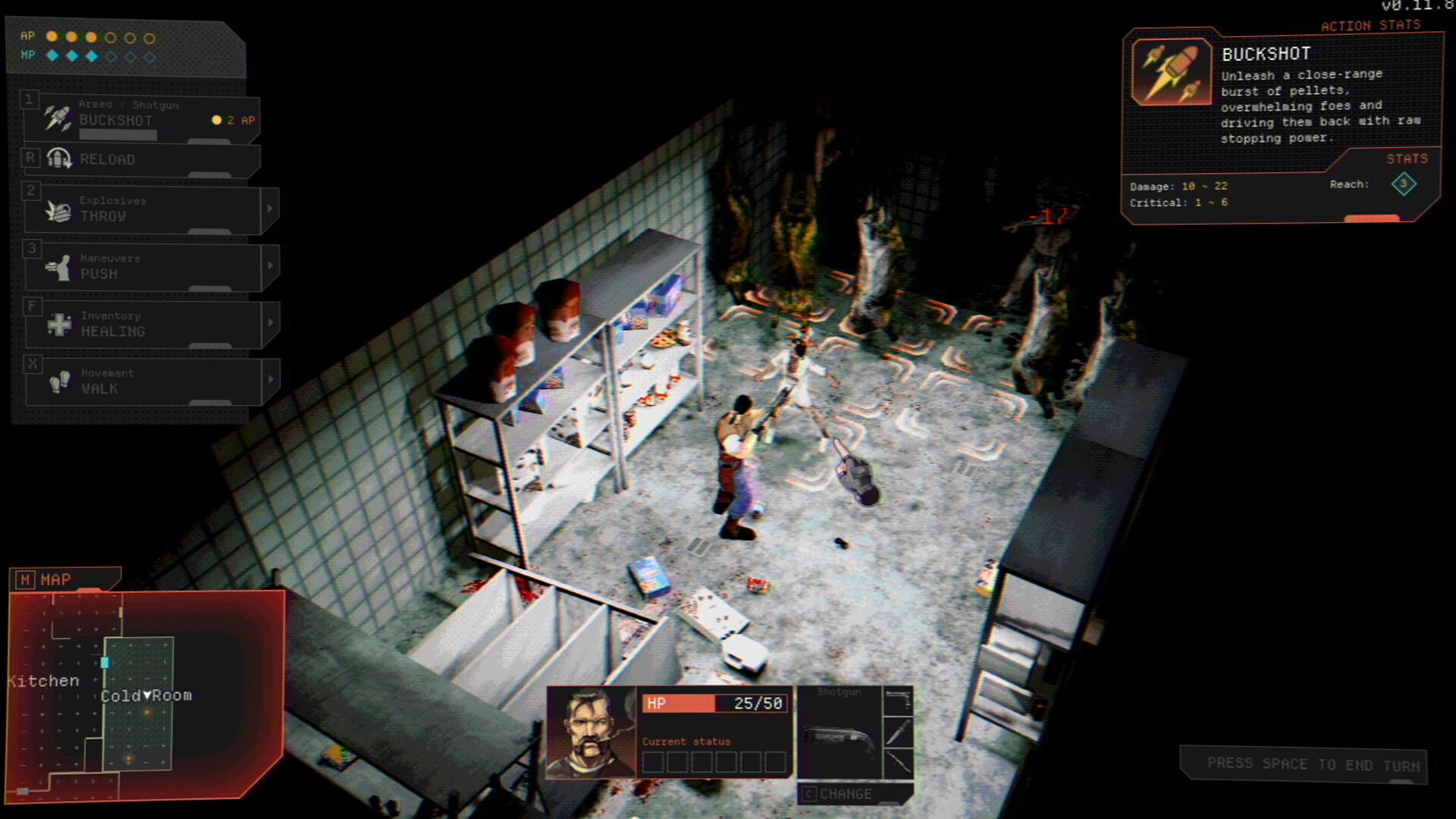
Combat is where the game becomes much more tactical than horror-focused. It uses action points and movement points similar to XCOM, and positioning matters far more than brute force. Weapons all behave differently, with pistols, shotguns, knives, and crossbows each serving distinct purposes. One thing I really liked is that you can target specific body parts.
Shooting enemies in the legs slows them down, while headshots improve critical hit chances. Environmental interactions are also extremely important. You can shove enemies into walls to stun them, electrocute them using environmental hazards, or manipulate their movement through positioning and line-of-sight management.
Stealth also plays a surprisingly important role. You can walk, run, or sneak, and sneaking allows you to ambush enemies before combat starts, often giving you an additional turn advantage. Fog of war becomes important too, since enemies won’t always detect you immediately. The game constantly encourages you to think carefully about positioning, movement, and how you approach encounters.
The problem is that eventually the combat becomes mandatory far too often. You can’t really avoid enemies for long, which slowly shifts the experience away from survival horror and more into constant tactical combat. Over time, this starts making the game feel exhausting in certain sections, especially because some levels are already quite lengthy. A few areas definitely could have been trimmed down.
Resource management is another major part of the experience. Ammo, healing items, and useful supplies are scarce, especially early on, and the market system feels somewhat underwhelming. You can buy upgrades, skins, helmets with status resistances, and equipment, but many important resources remain frustratingly limited. The game also locks some weapons behind optional exploration and puzzles, which can be annoying if you miss something and don’t want to spend extra time revisiting levels.
That said, the game consistently introduces new enemies, mechanics, and situations. Enemy variety stays relatively fresh throughout the campaign, and bosses often require different approaches. Some enemies are genuinely threatening, like heavily armored units or crawler creatures that force you to rethink positioning. Boss fights themselves vary in quality, but most at least try to introduce unique mechanics.
Technically, the game does have issues. The camera can be awkward, objectives occasionally fail to trigger correctly, and the map system feels buggy at times, especially when zooming out. I also ran into some save-related frustrations. None of these issues completely ruin the experience, but they become more noticeable the longer you play.
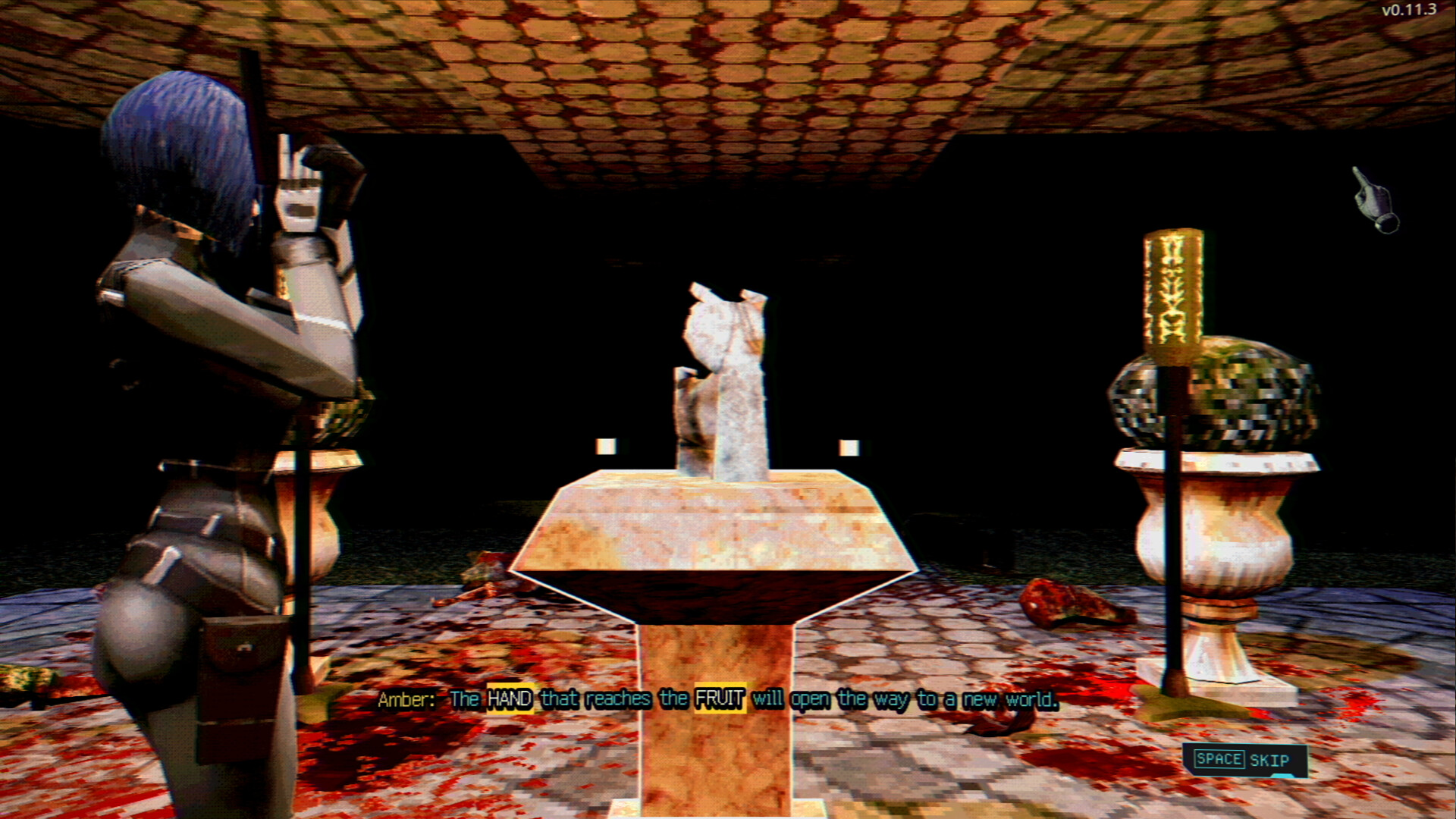
The story itself is honestly just decent. The writing works well enough to move the game forward, but the characters feel underdeveloped, and there isn’t much emotional depth beyond mission briefings and basic interactions at the hub area. The gameplay and atmosphere are very clearly carrying the experience here rather than the narrative.
What makes Vultures: Scavengers of Death stand out is how confidently it experiments with genres. You don’t often see games trying to merge tactical strategy with old-school survival horror aesthetics this directly, and even with its flaws, it creates something genuinely unique. It’s ambitious, mechanically interesting, and atmospherically very strong.
At the end of the day, I did have a lot of fun with it. It’s definitely dragged down by balancing problems, technical issues, and some overly long sections, but the core gameplay loop is genuinely engaging. If you enjoy tactical strategy games with heavy survival horror vibes, there’s a really good experience here waiting for you.
Vultures: Scavengers of Death is a confident genre experiment that merges tactical strategy with old-school survival horror aesthetics and even with its flaws, it creates something genuinely unique. The PS1-inspired atmosphere is strong: low-poly visuals, CRT filter, eerie sound design, and claustrophobic room layouts pull you in. However, be prepared for pacing issues, resource scarcity, and technical rough edges.
Ending Thoughts
Review copy provided by the publisher
Duskfade is worth considering for players who miss colourful PS2-style action-platformers and can tolerate basic combat, floaty movement and backtracking.
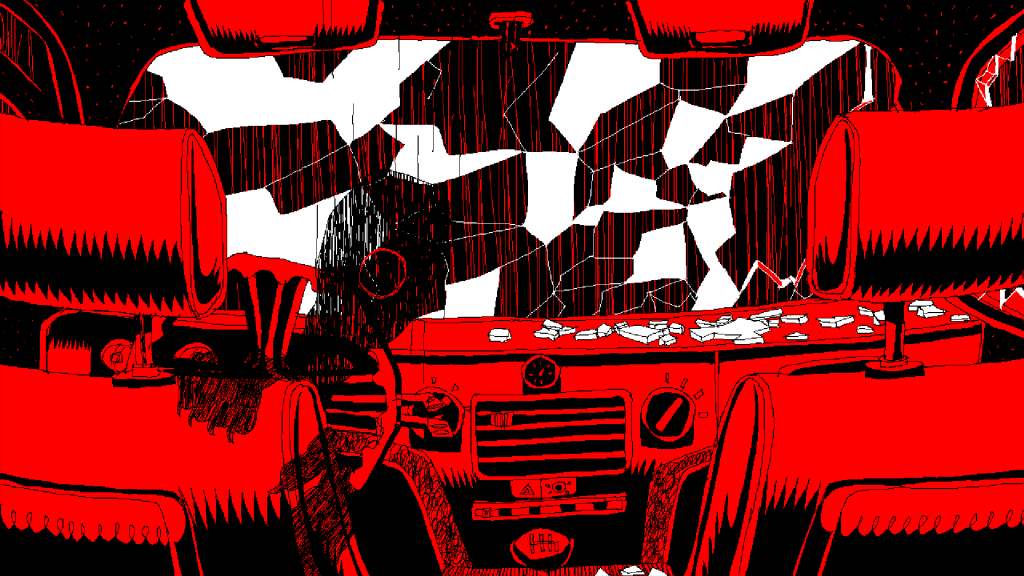
Man I Just Wanna Go Home is a noir crime story with visuals from MS Paint and life-or-death choices.
![[GAMESCOM 2026] Vikings Dynasty Preview – Expands the Dynasty Formula](https://www.indie-games.eu/wp-content/uploads/2026/09/Viking-Dynasty-09-21-26-2-1024x576.jpg)
After showing me Prospera at Gamescom 2026, Toplitz Productions' Mathias Oertel moved to a very different kind of settlement builder.…
![[GAMESCOM 2026] Prospera Preview – Production, Prosperity and Victorian Industry](https://www.indie-games.eu/wp-content/uploads/2026/09/Prospera-09-21-26-5-1024x576.jpg)
At Gamescom 2026, I met with Toplitz Productions' Mathias Oertel for a guided presentation of two upcoming games. One of…
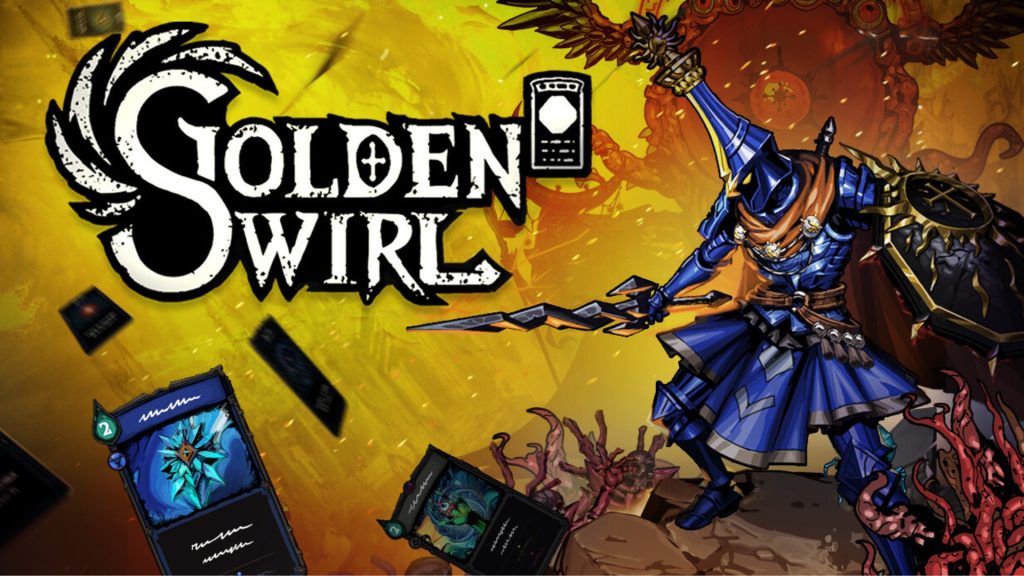
Golden Swirl inventive card combat carries the experience, but repetitive rooms, weak upgrades and excessive dialogue hold it back.
![[GAMESCOM 2026] Wilderdark Preview – Ambitious Dinosaur Horror Game That Still Has Plenty to Prove](https://www.indie-games.eu/wp-content/uploads/2026/09/Wilderdark-1024x576.jpg)
Dinosaur survival horror game Wilderdark has one of those premises that immediately makes you wonder why more games have not…
![[PREVIEW] Tiny Metal 2 – Strategy Game That Wants You to Learn From Every Mistake](https://www.indie-games.eu/wp-content/uploads/2026/09/Tiny-Metal-2-1024x576.jpg)
I rarely enjoy discovering that my opening strategy was completely wrong, but Tiny Metal 2 made that process one of…
![[PREVIEW] Remothered: Red Nun’s Legacy – Ambitious Survival Horror That Needs More Polish](https://www.indie-games.eu/wp-content/uploads/2026/09/Remothered-Red-Nuns-Legacy-4-1024x576.jpg)
Remothered: Red Nun’s Legacy has a gripping atmosphere and promising survival tools, but its repetitive hiding and rough visuals need…
The Alighieri Circle: Dante’s Bloodline is difficult to recommend beyond players who are especially interested in Dante or enjoy solving…
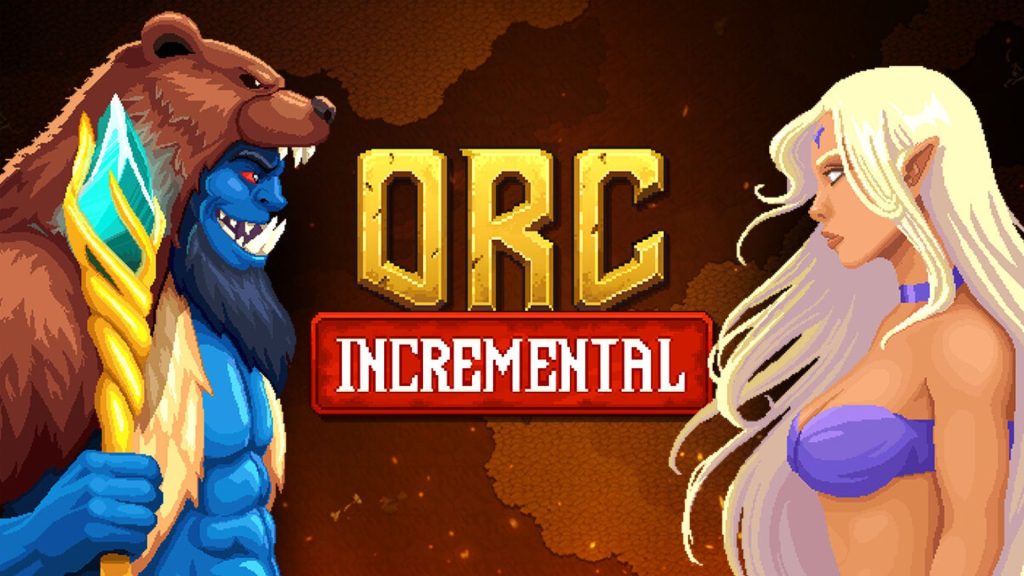
Orc Incremental offers satisfying progression, entertaining totem combinations and enough content to justify its affordable price.
![[GAMESCOM 2026] Chronoscript: The Endless End Preview – Beautiful Pages Hide Deliberate Combat](https://www.indie-games.eu/wp-content/uploads/2026/09/Chronoscript-The-Endless-End-1-1024x576.jpg)
Chronoscript: The Endless End stands out from other Metroidvanias by blending 2D manuscript worlds with exploration inside a 3D manor.
![[GAMESCOM 2026] MegaGum Preview – Combat Hits Hard in This Sticky Platforming Adventure](https://www.indie-games.eu/wp-content/uploads/2026/09/MegaGum-09-09-26-5-1024x576.jpg)
MegaGum combines hard-hitting combat, varied weapons and Gum-powered platforming in a promising Gamescom 2026 demo.
![[GAMESCOM 2026] Delphinium Preview – Cozy Routine Mixed With Enjoyable Minigames](https://www.indie-games.eu/wp-content/uploads/2026/03/Delphinium--1024x665.jpg)
Delphinium mixes cozy farming, exploration and relationships with enjoyable fishing, cooking and forging minigames in its Gamescom 2026 demo.
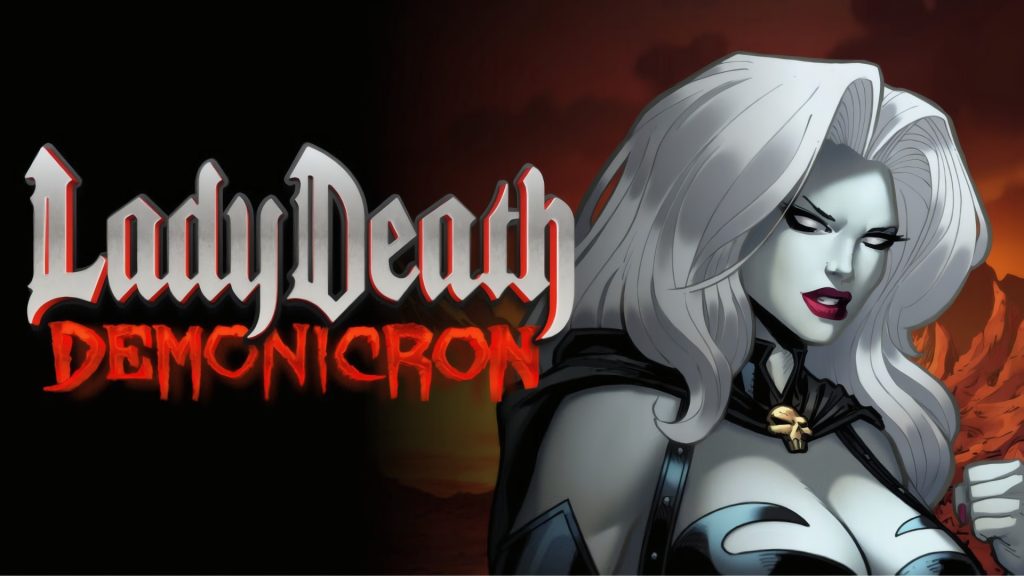
Lady Death: Demonicron looks the part, but underneath its excellent comic-book exterior is a clunky and painfully short brawler.
![[GAMESCOM 2026] Tomb Raider: Legacy of Atlantis Preview – Expands the Original Without Losing Its Identity](https://www.indie-games.eu/wp-content/uploads/2026/09/tomb-raider-legacy-of-atlantis-06-02-26-1-1024x576.jpg)
Tomb Raider: Legacy of Atlantis brings Lara back to her roots, but its Gamescom 2026 showing proved this is far…
![[GAMESCOM 2026] Clive Barker’s Hellraiser: Revival Preview – Ready to Open the Box](https://www.indie-games.eu/wp-content/uploads/2026/09/Clive-Barkers-Hellraiser-Revival-08-30-26-1-1024x576.jpg)
Hellraiser: Revival preserves the franchise’s sex, gore and psychological horror while delivering approachable survival-horror gameplay.

Swan Song creates a peaceful and forgiving puzzle space without removing the challenge that makes solving a difficult puzzle rewarding.
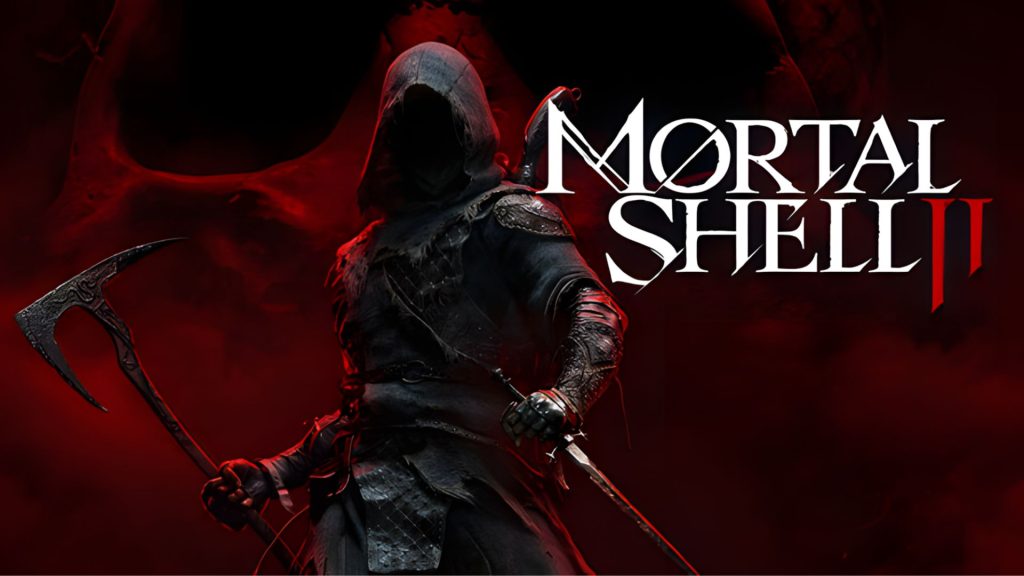
Mortal Shell II starts brilliantly but grows repetitive and exhausting, while remaining a rewarding and ambitious Soulslike sequel.
![[GAMESCOM 2026] Terranigma Preview – A Lost SNES Classic Returns in 2027](https://www.indie-games.eu/wp-content/uploads/2026/08/Terranigma-1-1024x576.jpg)
After more than three decades of limited availability, Terranigma is returning in 2027. We played its enhanced re-release at Gamescom…
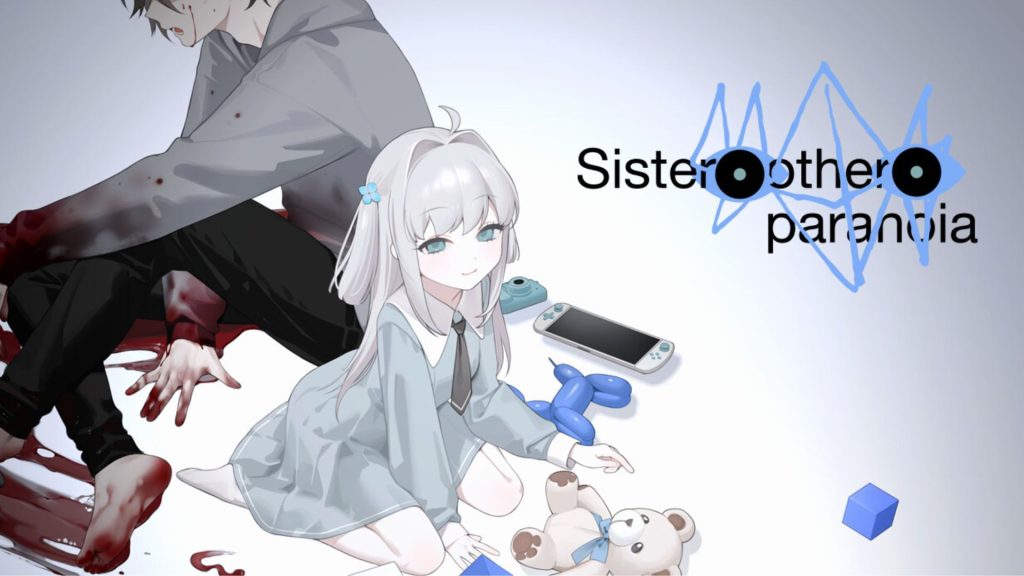
Reading another person’s mind is often presented as a desirable superpower, but Sister Other Paranoia immediately understands why it could…
