Duskfade – The PS2 Era Returns With All Its Strengths and Weaknesses
Duskfade is worth considering for players who miss colourful PS2-style action-platformers and can tolerate basic combat, floaty movement and backtracking.

If you enjoy independent indie game coverage, consider supporting Indie-Games.eu on Patreon. It helps keep the site independent.
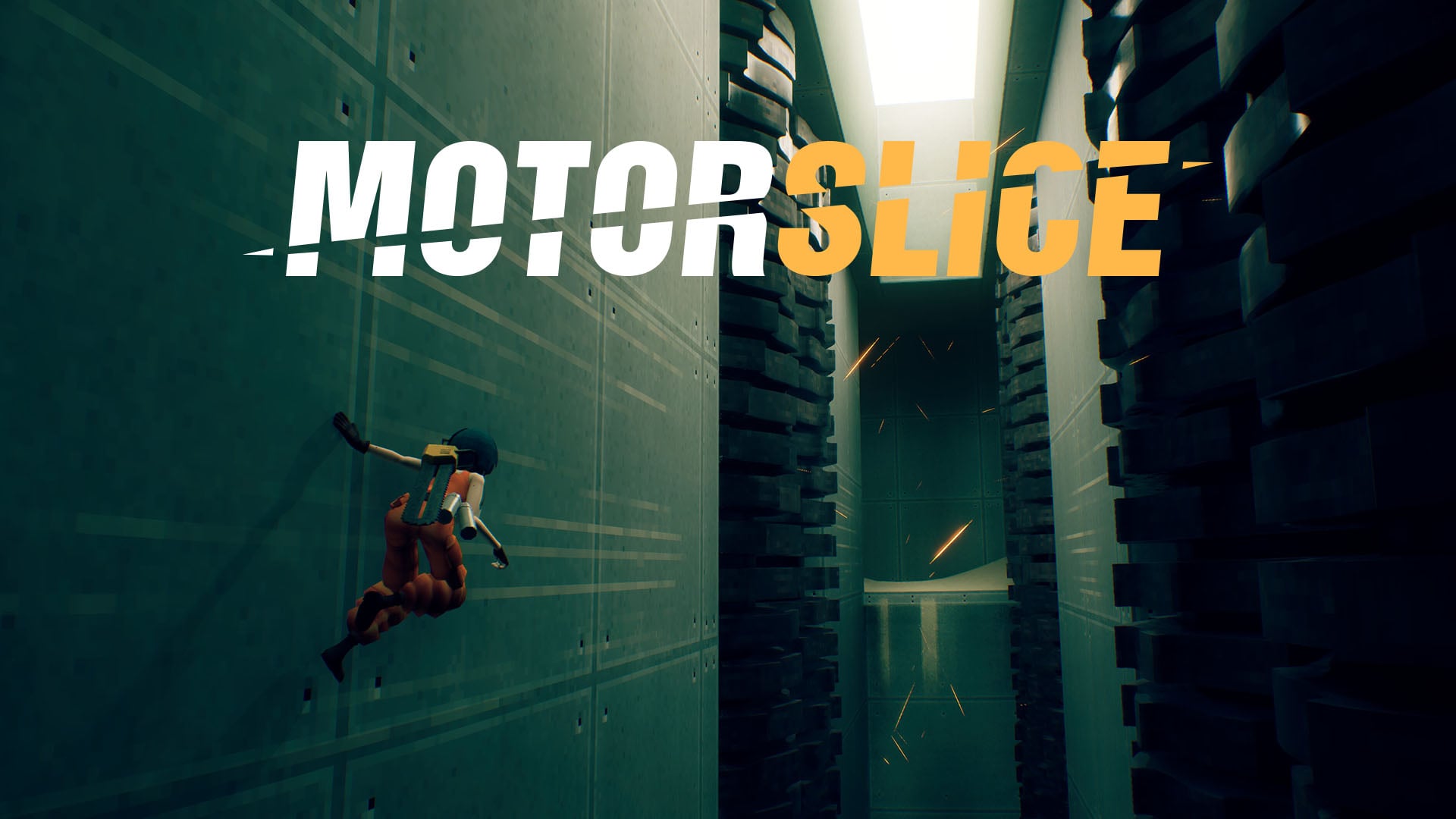
Motorslice is a game I genuinely didn’t expect to be this good and this fun, even if it’s far from perfect. It blends Prince of Persia-style platforming with Shadow of the Colossus-like boss encounters, throwing you into a massive world filled with towering machines. The game spans around eight chapters, plus a prologue, epilogue, and final boss, and each chapter can take roughly an hour to complete, giving you about nine hours of playtime overall.
What immediately stands out is the scale of the world. It’s absolutely huge, packed with corridors, rooms, and layered environments, yet it runs incredibly smoothly. No stuttering, no FPS drops, just a vast space that feels technically impressive from start to finish. Visually, the game leans into a modern low-poly, slightly pixelated style, and it looks fantastic. There’s a lot of detail in the environments, bosses, and character design, and even the voice acting does a solid job supporting the atmosphere.
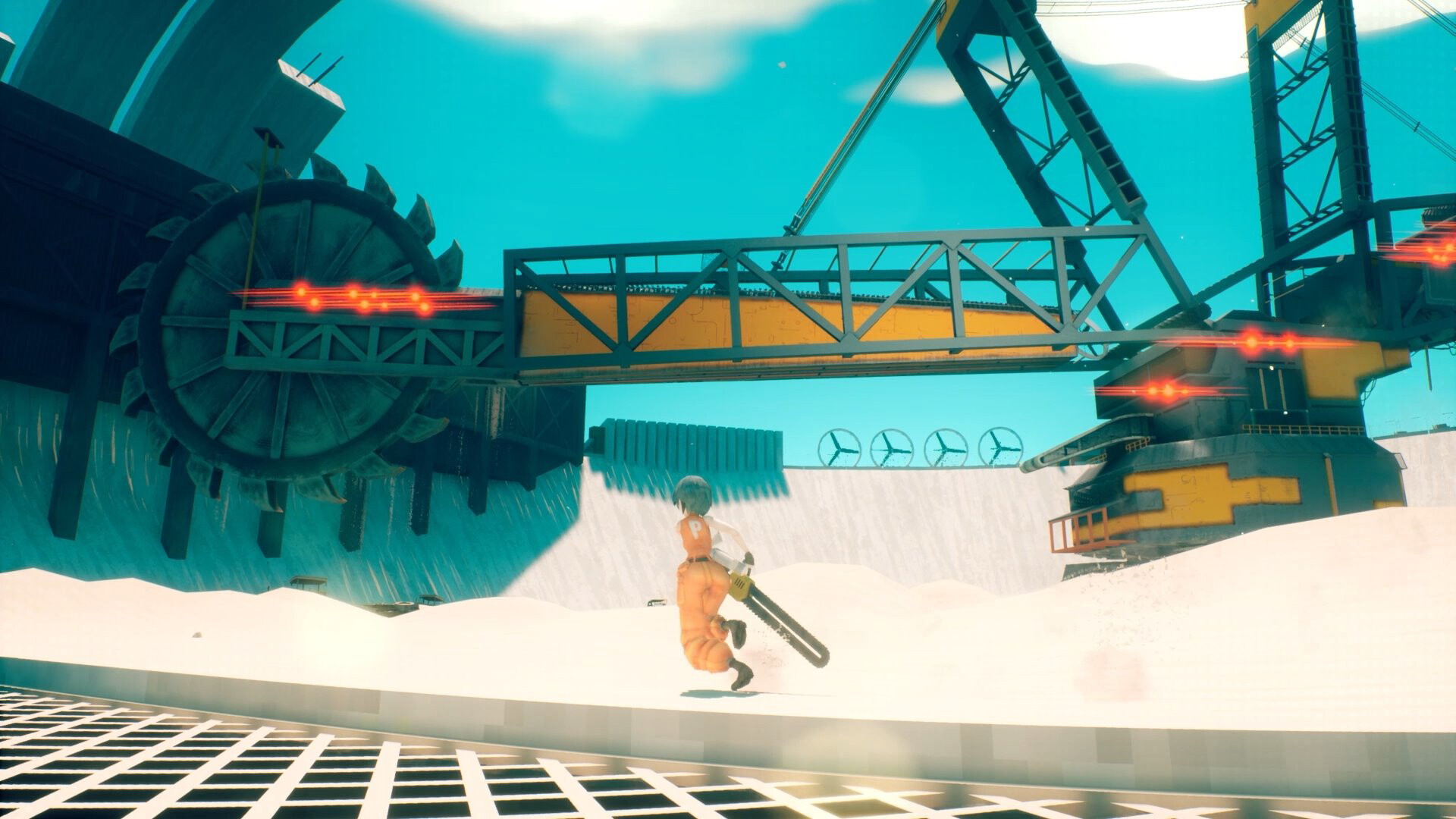
Traversal and platforming are at the heart of the experience. You’re constantly moving: running on walls, jumping between surfaces, sliding, climbing, and chaining together different actions. The game rarely lets you stand still, always pushing you forward, forcing you to look around, adapt, and find your path. That constant motion is what makes the platforming satisfying. There are also some clever mechanics, like using your chainsaw to latch onto surfaces and glide, which add a bit of uniqueness to traversal.
However, while the core movement feels good, it doesn’t evolve enough over time. You do get some added variety, like new ways to traverse, slight twists on existing mechanics, but the overall structure stays very similar throughout the game. As you progress, especially in more demanding sections, the system can start to feel a bit underwhelming. It’s also not always as smooth as it should be, particularly when the game expects quick, precise inputs during more intense moments or boss fights.
Combat is simple and mostly built around one-hit mechanics. You either strike first or you’re dead. There are small gimmicks, like deflecting projectiles, but for the most part, it’s about timing, positioning, and reacting quickly. Enemies aren’t particularly difficult, though the lock-on system can feel clunky and unreliable, which makes things harder than they need to be. Because of that, combat ends up feeling more like a test of agility than a deep system.
Boss fights are clearly one of the main pillars of the game, but they’re a bit uneven. The idea is great, massive machines that you climb and dismantle, but the execution takes time to get there. The early bosses feel underwhelming, often just moving around while you figure out how to take them down. Things improve later on, and the fights become more engaging, but the slow start doesn’t do the game many favors. The lack of hand-holding is appreciated, you’re expected to figure things out yourself, with only light hints if you struggle.
The structure of the game is fairly straightforward. You move forward through areas without much opportunity to backtrack, and while there are scattered drones around you can collect, they don’t feel particularly rewarding unless you’re aiming for completion. Most of the time, you’re just pushing ahead, solving traversal challenges, and progressing to the next encounter. Checkpoints are generous, which helps a lot given how punishing the one-hit system can be.
The world itself, despite its size, can feel a bit empty. It fits the tone, this isolated, mechanical environment, but it still gives off a slightly hollow feeling at times. Enemy variety exists, but repetition does creep in, even if the game tries to keep things new by constantly introducing new elements. Interestingly, the game starts to feel more engaging after the fourth chapter, once more mechanics and ideas are introduced, which makes the early sections feel a bit slower in comparison.
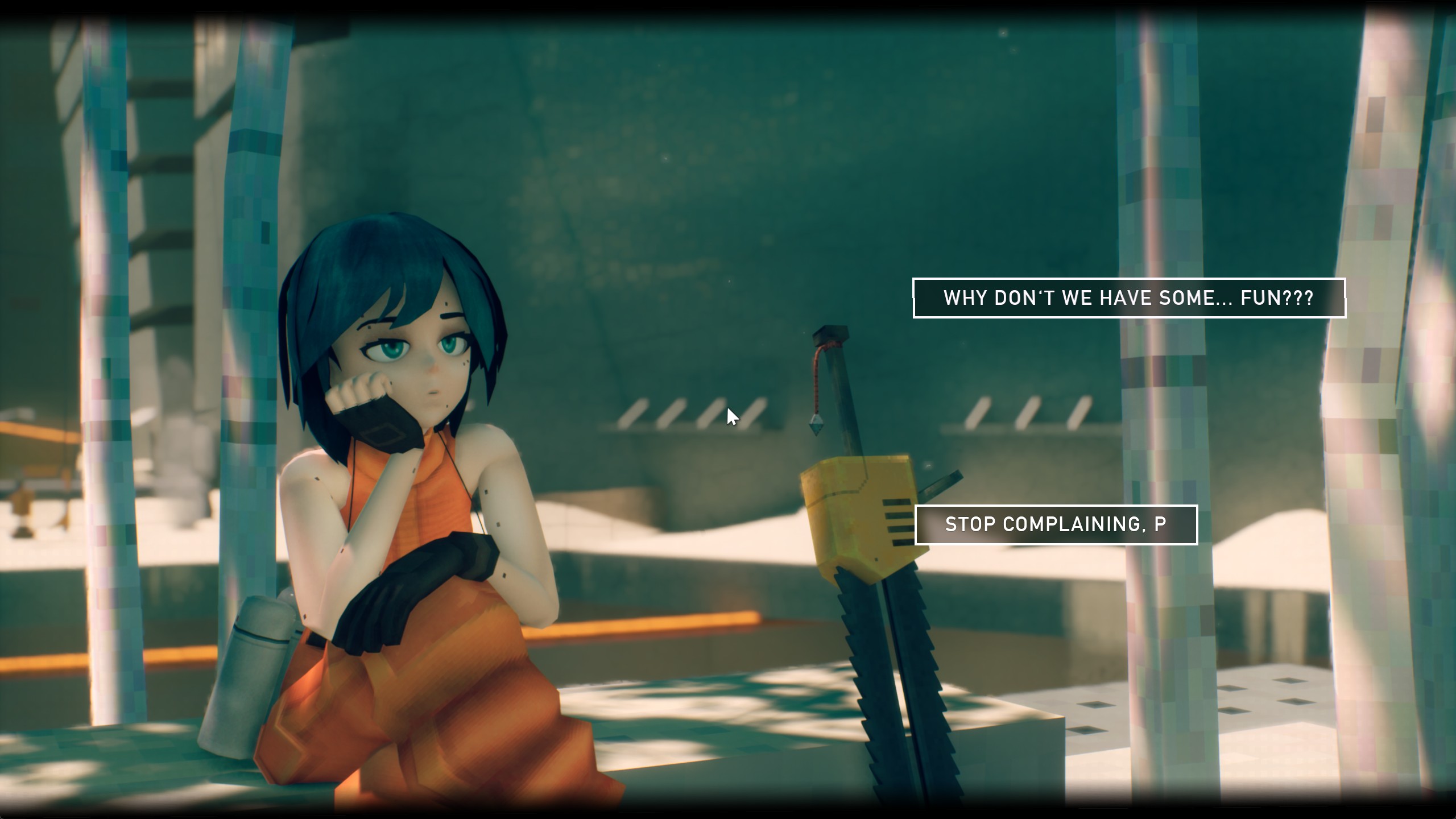
Story-wise, it’s not the main focus. You play as P, a girl tasked with destroying these massive machines, accompanied by a small drone-like companion. The narrative is minimal and mostly forgettable, serving more as a backdrop than a driving force. There are quieter moments between chapters called slacking scenes where you get to interact with P in a more personal way, adding a bit of character depth, even if those scenes lean more toward non-explicit fan service and suggestive Camera angles than meaningful storytelling.
Despite its flaws, Motorslice manages to stay engaging because it never feels completely static. There’s always something happening, something pushing you forward. Even when it gets slightly underwhelming, the game keeps introducing just enough to maintain your interest. It’s a minimalist, atmospheric experience with a strong focus on movement and spectacle, even if it doesn’t fully capitalize on all its ideas.
At around 20 euros, it feels like a worthwhile purchase. It’s not a perfect game, and there are definitely moments where it could have been better, but the core experience is fun, visually appealing, and mechanically satisfying enough to carry it through. If you’re into platforming-heavy games with large-scale boss encounters, there’s a lot here to enjoy.
MOTORSLICE is a a solid, enjoyable platforming-action game with impressive scale and smooth performance, but one held back by repetitive elements, clunky combat systems, and a forgettable narrative. If you’re into platforming-heavy games with large-scale boss encounters, there’s a lot here to enjoy. For those seeking deep combat or evolving mechanics, it may feel underwhelming, but for its price point and core movement focus, it delivers a fun experience.
Ending Thoughts
Review copy provided by the publisher
Duskfade is worth considering for players who miss colourful PS2-style action-platformers and can tolerate basic combat, floaty movement and backtracking.

Man I Just Wanna Go Home is a noir crime story with visuals from MS Paint and life-or-death choices.
![[GAMESCOM 2026] Vikings Dynasty Preview – Expands the Dynasty Formula](https://www.indie-games.eu/wp-content/uploads/2026/09/Viking-Dynasty-09-21-26-2-1024x576.jpg)
After showing me Prospera at Gamescom 2026, Toplitz Productions' Mathias Oertel moved to a very different kind of settlement builder.…
![[GAMESCOM 2026] Prospera Preview – Production, Prosperity and Victorian Industry](https://www.indie-games.eu/wp-content/uploads/2026/09/Prospera-09-21-26-5-1024x576.jpg)
At Gamescom 2026, I met with Toplitz Productions' Mathias Oertel for a guided presentation of two upcoming games. One of…
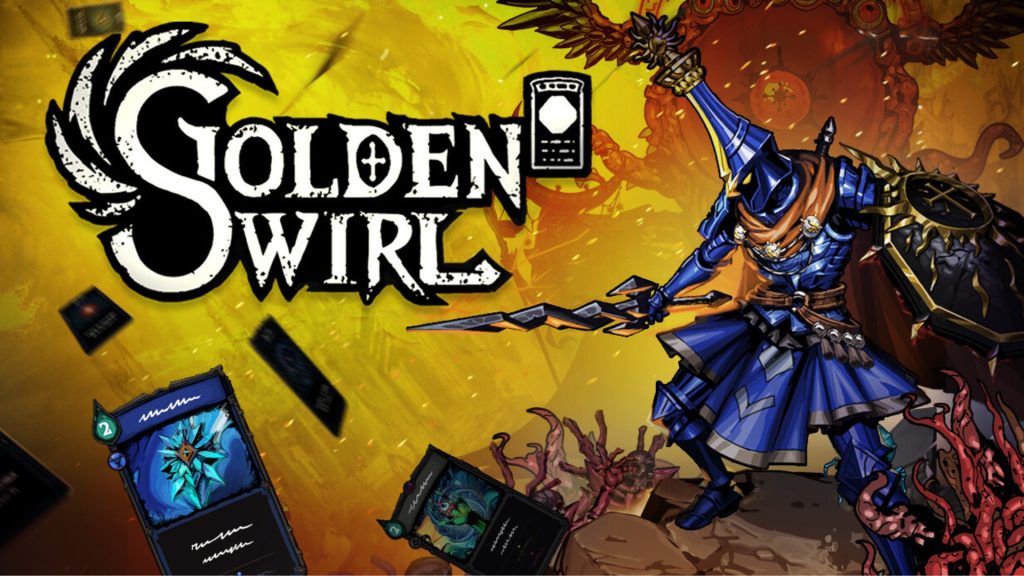
Golden Swirl inventive card combat carries the experience, but repetitive rooms, weak upgrades and excessive dialogue hold it back.
![[GAMESCOM 2026] Wilderdark Preview – Ambitious Dinosaur Horror Game That Still Has Plenty to Prove](https://www.indie-games.eu/wp-content/uploads/2026/09/Wilderdark-1024x576.jpg)
Dinosaur survival horror game Wilderdark has one of those premises that immediately makes you wonder why more games have not…
![[PREVIEW] Tiny Metal 2 – Strategy Game That Wants You to Learn From Every Mistake](https://www.indie-games.eu/wp-content/uploads/2026/09/Tiny-Metal-2-1024x576.jpg)
I rarely enjoy discovering that my opening strategy was completely wrong, but Tiny Metal 2 made that process one of…
![[PREVIEW] Remothered: Red Nun’s Legacy – Ambitious Survival Horror That Needs More Polish](https://www.indie-games.eu/wp-content/uploads/2026/09/Remothered-Red-Nuns-Legacy-4-1024x576.jpg)
Remothered: Red Nun’s Legacy has a gripping atmosphere and promising survival tools, but its repetitive hiding and rough visuals need…
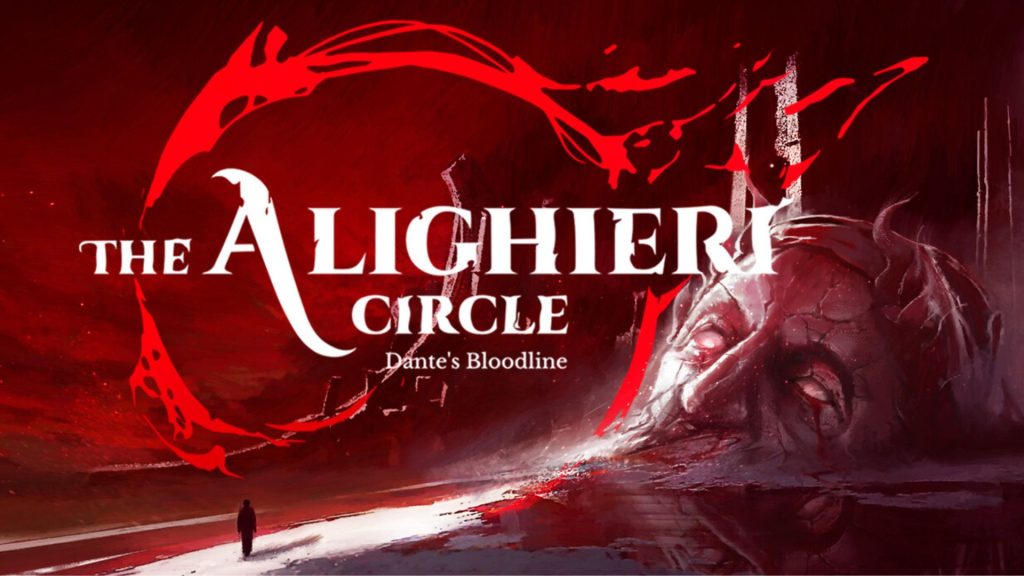
The Alighieri Circle: Dante’s Bloodline is difficult to recommend beyond players who are especially interested in Dante or enjoy solving…
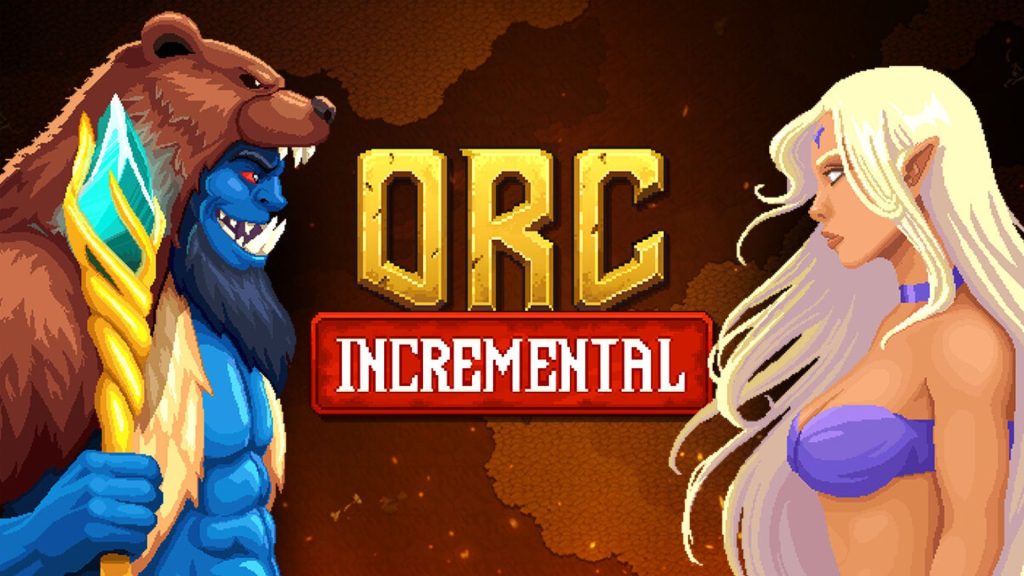
Orc Incremental offers satisfying progression, entertaining totem combinations and enough content to justify its affordable price.
![[GAMESCOM 2026] Chronoscript: The Endless End Preview – Beautiful Pages Hide Deliberate Combat](https://www.indie-games.eu/wp-content/uploads/2026/09/Chronoscript-The-Endless-End-1-1024x576.jpg)
Chronoscript: The Endless End stands out from other Metroidvanias by blending 2D manuscript worlds with exploration inside a 3D manor.
![[GAMESCOM 2026] MegaGum Preview – Combat Hits Hard in This Sticky Platforming Adventure](https://www.indie-games.eu/wp-content/uploads/2026/09/MegaGum-09-09-26-5-1024x576.jpg)
MegaGum combines hard-hitting combat, varied weapons and Gum-powered platforming in a promising Gamescom 2026 demo.
![[GAMESCOM 2026] Delphinium Preview – Cozy Routine Mixed With Enjoyable Minigames](https://www.indie-games.eu/wp-content/uploads/2026/03/Delphinium--1024x665.jpg)
Delphinium mixes cozy farming, exploration and relationships with enjoyable fishing, cooking and forging minigames in its Gamescom 2026 demo.
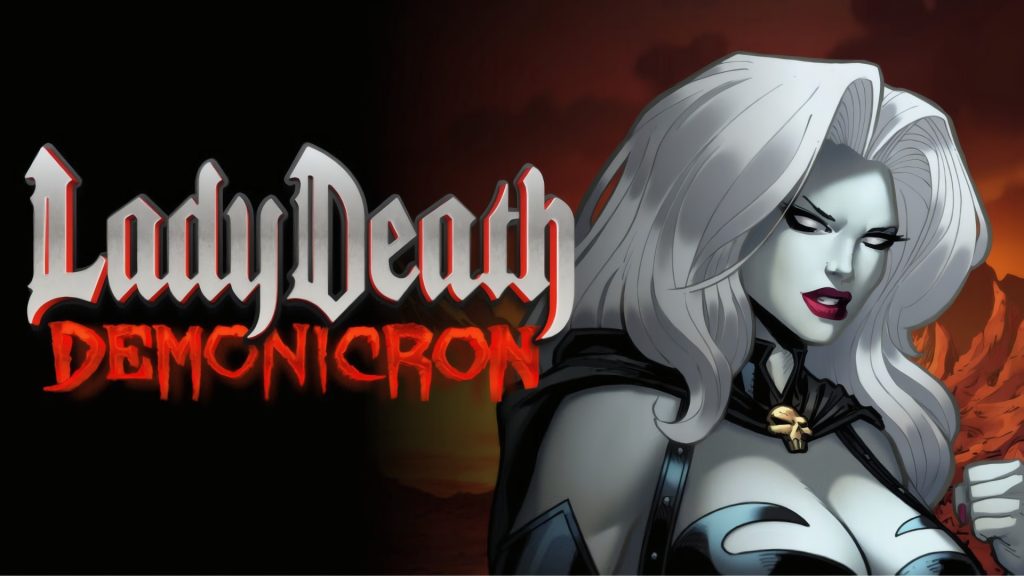
Lady Death: Demonicron looks the part, but underneath its excellent comic-book exterior is a clunky and painfully short brawler.
![[GAMESCOM 2026] Tomb Raider: Legacy of Atlantis Preview – Expands the Original Without Losing Its Identity](https://www.indie-games.eu/wp-content/uploads/2026/09/tomb-raider-legacy-of-atlantis-06-02-26-1-1024x576.jpg)
Tomb Raider: Legacy of Atlantis brings Lara back to her roots, but its Gamescom 2026 showing proved this is far…
![[GAMESCOM 2026] Clive Barker’s Hellraiser: Revival Preview – Ready to Open the Box](https://www.indie-games.eu/wp-content/uploads/2026/09/Clive-Barkers-Hellraiser-Revival-08-30-26-1-1024x576.jpg)
Hellraiser: Revival preserves the franchise’s sex, gore and psychological horror while delivering approachable survival-horror gameplay.

Swan Song creates a peaceful and forgiving puzzle space without removing the challenge that makes solving a difficult puzzle rewarding.
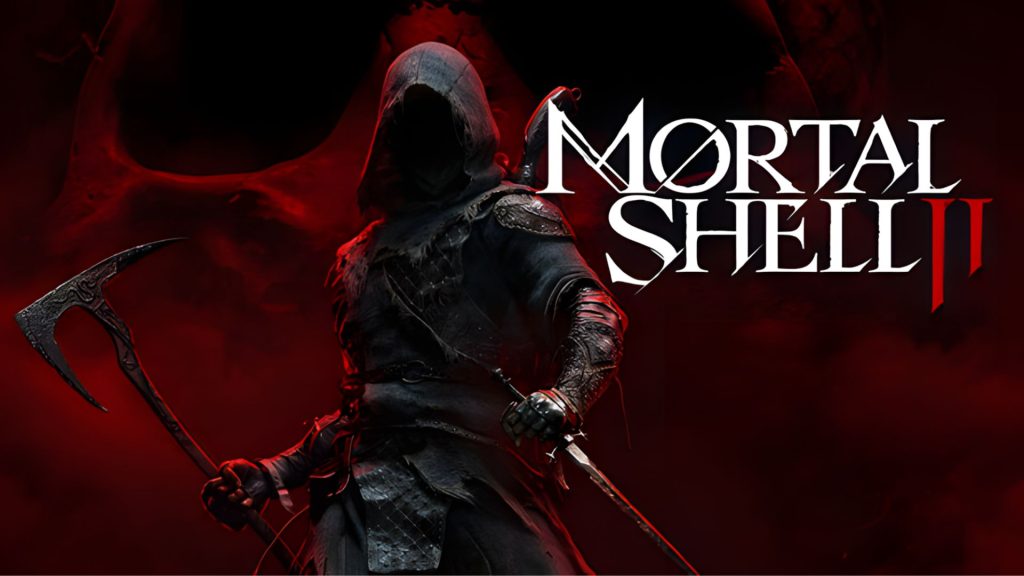
Mortal Shell II starts brilliantly but grows repetitive and exhausting, while remaining a rewarding and ambitious Soulslike sequel.
![[GAMESCOM 2026] Terranigma Preview – A Lost SNES Classic Returns in 2027](https://www.indie-games.eu/wp-content/uploads/2026/08/Terranigma-1-1024x576.jpg)
After more than three decades of limited availability, Terranigma is returning in 2027. We played its enhanced re-release at Gamescom…

Reading another person’s mind is often presented as a desirable superpower, but Sister Other Paranoia immediately understands why it could…
