![[GAMESCOM 2026] Clive Barker’s Hellraiser: Revival Preview – Ready to Open the Box](https://www.indie-games.eu/wp-content/uploads/2026/09/Clive-Barkers-Hellraiser-Revival-08-30-26-1-1024x576.jpg)
[GAMESCOM 2026] Clive Barker’s Hellraiser: Revival Preview – Ready to Open the Box
Hellraiser: Revival preserves the franchise’s sex, gore and psychological horror while delivering approachable survival-horror gameplay.


If you enjoy independent indie game coverage, consider supporting Indie-Games.eu on Patreon. It helps keep the site independent.
I Hate This Place is a survival horror title that has caught my attention for a long while. Even though I’ve never read the comic it’s inspired by, that hasn’t stopped me from becoming invested. The game isn’t a direct retelling or continuation of the original story. Instead, it borrows heavily from the comic’s atmosphere, time period, visual style, and overall mood.
While the source material lays the groundwork, familiarity with it isn’t necessary to appreciate what the game offers. The original comic, created by Kyle Starks and Artyom Topilin, is set in the 1980s and leans into chaotic, supernatural horror. It’s packed with bizarre creatures, cult activity, alien elements, and relentless psychological dread, creating a world that feels constantly unstable and threatening.
Rather than adapting that storyline, the game presents a brand-new narrative within the same universe. Players step into the role of Elena, who returns to her childhood home with her close friend Lou in hopes of facing unresolved memories and long-buried fears. Central to her past is a mysterious figure known as the Horned Man. From the moment she arrives, it’s clear that reopening old wounds was a mistake. Unsurprisingly, events spiral out of control almost right away. Lou vanishes without a trace, and their actions unleash a powerful, ancient force that begins hunting everything in the surrounding valley.
The things Elena once dismissed as nightmares quickly prove to be horrifyingly true. Twisted creatures, restless spirits, fanatical cult members, and unnatural monstrosities roam freely, turning her past fears into present dangers. From the very beginning, the game establishes its sense of mystery and tension, making it clear that you won’t be guided every step of the way. After a brief introduction, the restraints come off, and you’re left to navigate the world on your own, learning through trial, error, and the occasional mistakes.
At its core, I Hate This Place blends isometric action with survival mechanics and open-world exploration. Combat alone won’t carry you far. Staying alive requires careful planning, smart resource management, and constant awareness of your limitations. You’ll spend as much time scavenging and crafting as you do fighting, all while keeping an eye on stamina and positioning. What initially feels like a straightforward, story-focused experience gradually reveals itself to be far more open-ended, encouraging you to approach challenges in flexible and creative ways.
The game world is thoughtfully structured into varied regions, including wooded areas, flooded wetlands, open fields, hidden shelters, and the central ranch that functions as your headquarters. These locations aren’t just cosmetic changes; each introduces its own obstacles, enemy behaviors, and gameplay twists. Beyond the main objectives, every zone is layered with optional narratives and strange encounters. You might assist spirits in uncovering their final moments, stumble into bizarre cult rituals, untangle wrongful accusations, or cross paths with an unlikely priest-warrior who treats supernatural threats as target practice.
What truly brings the experience together is its storytelling and atmosphere. The fully voiced dialogue adds personality and depth to nearly every interaction, and even when performances vary, the overall effect is immersive. The writing balances horror with sharp wit and moments of genuine feeling, ensuring the world never feels hollow. No matter how quiet things may seem, there’s always another unsettling story waiting to be discovered.
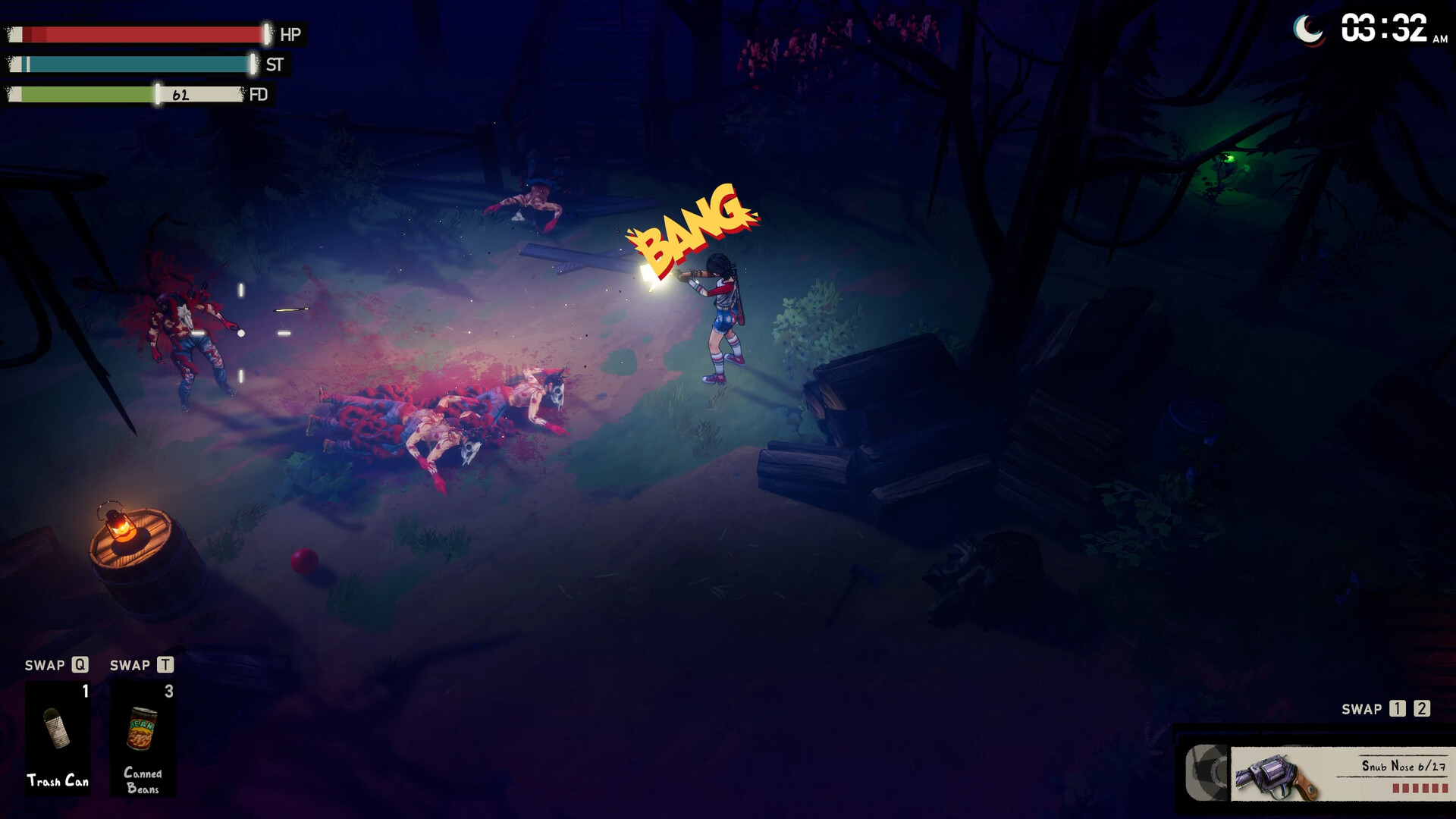
While the game world isn’t enormous, it’s filled with meaningful paths and secrets. Certain locations remain inaccessible until you reach key story moments or acquire specific gear, guiding progression without making exploration feel restrictive. One of the most impactful systems is the shifting day-and-night cycle, which reshapes how you approach every outing. Daytime offers a relative sense of safety, making travel and scavenging more manageable. Once night falls, however, the environment turns hostile. Enemies grow more lethal, visibility drops, and even moving through the darkness becomes a gamble.
Elena begins her journey armed with little more than a simple bat, leaving her vulnerable in early encounters. As the story unfolds, she gradually gains access to more powerful tools, including handguns, submachine guns, shotguns, and explosive devices. Gunfights adopt a dual-stick shooting format that emphasizes tension rather than empowerment. Limited ammunition, lengthy reload times, and restrictive terrain ensure that every firefight feels dangerous. Poor positioning or a single missed reload can quickly spiral into disaster, especially when narrow corridors and dense foliage cut off escape routes.
More often than not, confrontation is something you’re better off avoiding. Stealth plays a central role, rewarding those who move cautiously and observe enemy behavior. Every action produces noise, and even small mistakes can have serious consequences. Tossing an object to redirect attention or slipping past a patrol unnoticed can mean the difference between survival and failure. Enemies are unforgiving, stamina is limited, and careless aggression is rarely rewarded. The punishment for dying is severe, with infrequent checkpoints and long stretches between saves. Progress can only be secured in designated safe zones equipped with basic facilities.
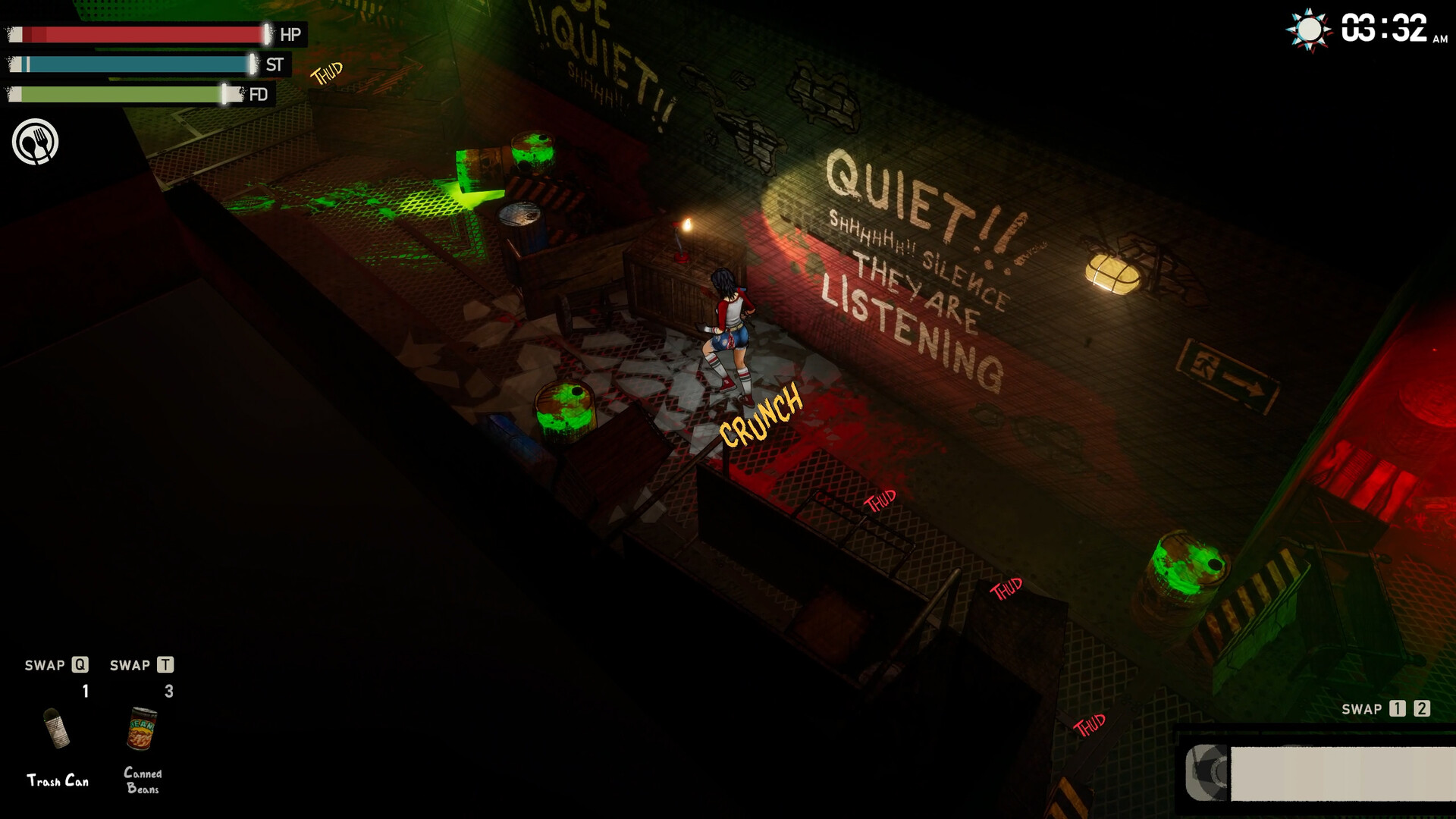
Audio design is woven directly into the game’s mechanics. Many hostile creatures rely almost entirely on sound to track their prey, turning every movement into a strategic decision. Footsteps, weapon fire, and environmental noise all broadcast your presence. Even the terrain matters: soft grass allows for quiet movement, while debris and shattered glass can betray you instantly. What makes this system especially unique is its visual translation into color-coded effects inspired by comic art, allowing you to “see” sound in real time. Both allies and enemies operate within this framework, transforming noise into a readable and manipulable system.
Before I move to the end, the ranch itself deserves special mention. It’s your home, your safe space, and your crafting hub. You can talk to your uncle to piece together the larger mysteries of the area, build structures that generate resources, craft weapons and supplies, and generally prepare for whatever nightmare you’re about to walk into next. The base-building system is well implemented, though it does have one notable flaw: it’s a little too easy to exploit. If you invest heavily in exploration and construction, you can stockpile massive amounts of supplies, making later sections significantly easier. Walking into dangerous areas with dozens of medkits, hundreds of bullets, and piles of explosives can trivialize some of the survival tension.
Also, expect around 10–12 hours for the main story, more if you complete side quests and explore thoroughly. That might sound short, but the pacing is excellent. Yes, there are plenty of rough edges. Triggers for specific voice lines felt off, often reacting to something offscreen that I couldn’t see. Lots of bugs, such as occasional awkward cutscene staging, enemies clipping and bugging out completely, plus you’re getting hungry way too often which is ridiculous.
In the end, it’s important to approach I Hate This Place with the understanding that it doesn’t aim for seriousness. Its survival mechanics are well-implemented, the sound-based stealth system feels unique, and the game trusts players to learn through experience rather than constant instruction. At the same time, it never becomes overwhelmingly challenging. Most enemies are manageable, and even reckless exploration, like sprinting through dark areas, rarely leads to major consequences.
While the game offers a generous amount of freedom, it doesn’t pressure you into rushing through its content. You’re encouraged to move at your own pace, experiment, and make mistakes without harsh penalties. It isn’t without minor issues, such as occasional performance drops in certain locations, but these problems never seriously undermine the experience. I Hate This Place doesn’t try to reinvent the genre or introduce groundbreaking ideas. Instead, it focuses on delivering enjoyable horror adventure with its own distinct character. It may not be revolutionary, but it’s confident in what it is.
Review copy provided by the publisher
Hellraiser: Revival preserves the franchise’s sex, gore and psychological horror while delivering approachable survival-horror gameplay.

Swan Song creates a peaceful and forgiving puzzle space without removing the challenge that makes solving a difficult puzzle rewarding.
Mortal Shell II starts brilliantly but grows repetitive and exhausting, while remaining a rewarding and ambitious Soulslike sequel.
![[GAMESCOM 2026] Terranigma Preview – A Lost SNES Classic Returns in 2027](https://www.indie-games.eu/wp-content/uploads/2026/08/Terranigma-1-1024x576.jpg)
After more than three decades of limited availability, Terranigma is returning in 2027. We played its enhanced re-release at Gamescom…
Reading another person’s mind is often presented as a desirable superpower, but Sister Other Paranoia immediately understands why it could…
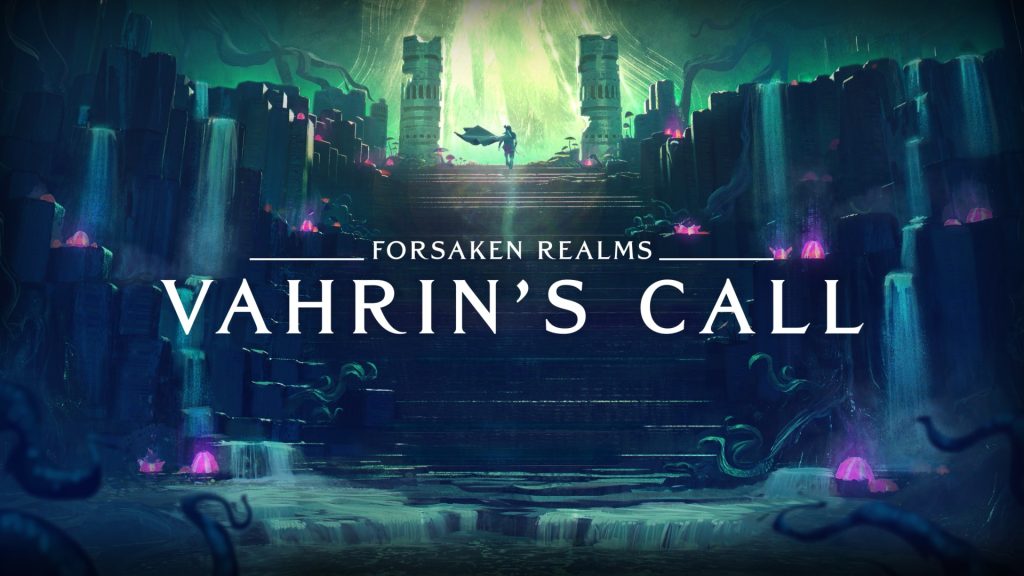
Forsaken Realms: Vahrin’s Call is exactly the kind of ambitious, slightly clumsy fantasy RPG that used to be far more…
![[Early Access] 2nd EVE – Sci-Fi Action RPG That Lacks a Sense of Stakes](https://www.indie-games.eu/wp-content/uploads/2026/08/2ND-EVE-1024x576.jpg)
2nd Eve is a space-set action RPG in which we strive to save humanity.
![[PREVIEW] Dreamcards – Strategic Exploration of Consciousness](https://www.indie-games.eu/wp-content/uploads/2026/08/Dreamcards_20260810_233631_0000-1024x576.jpg)
Dreamcards is a roguelike deckbuilder centered around dreams and nightmares.
![[Early Access] OFFBEAT – Incredibly Fun Way to Start a Music Career](https://www.indie-games.eu/wp-content/uploads/2026/08/Offbeat_20260808_201446_0000-1024x576.jpg)
In OFFBEAT, we play the role of a jobbing composer who is launching their music career.
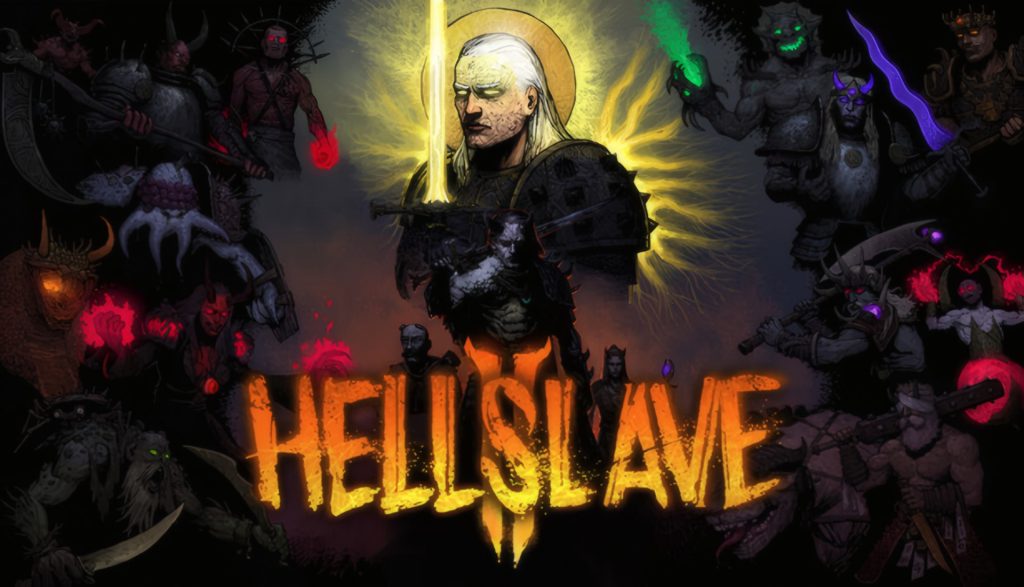
HellSlave II retains the original’s oppressive atmosphere, morally grey world and striking art while adding a larger world, randomized loot…
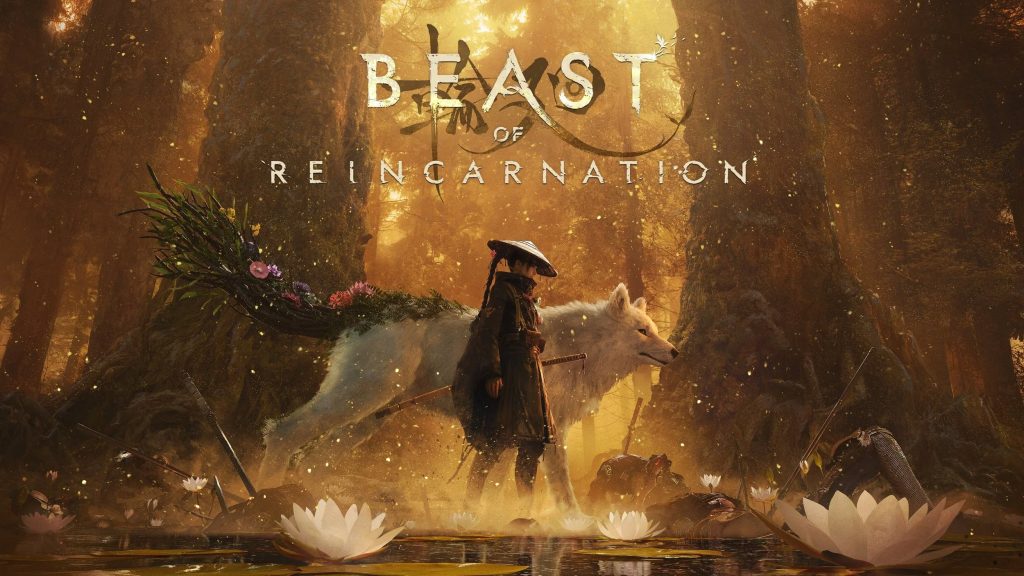
Beast of Reincarnation is an ambitious but uneven action RPG elevated by satisfying parry combat, beautiful art direction and the…

K-pop Idol Stories: Road to Debut captures the pressure of building idol group, but its management systems never explore that…
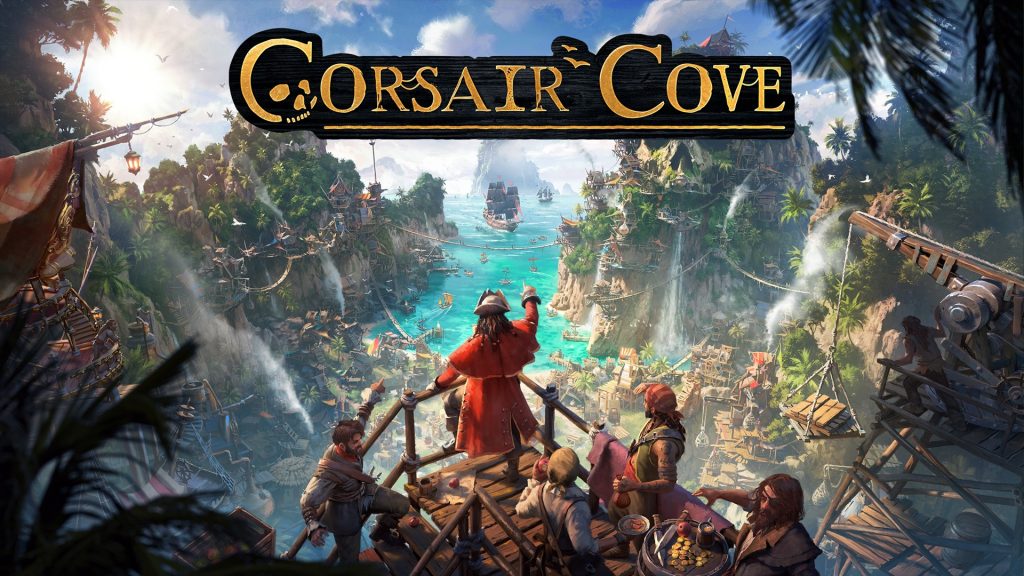
Hooded Horse keeps finding strategy games that know their audience, and Corsair Cove extends its impressive run of excellent city-builders.
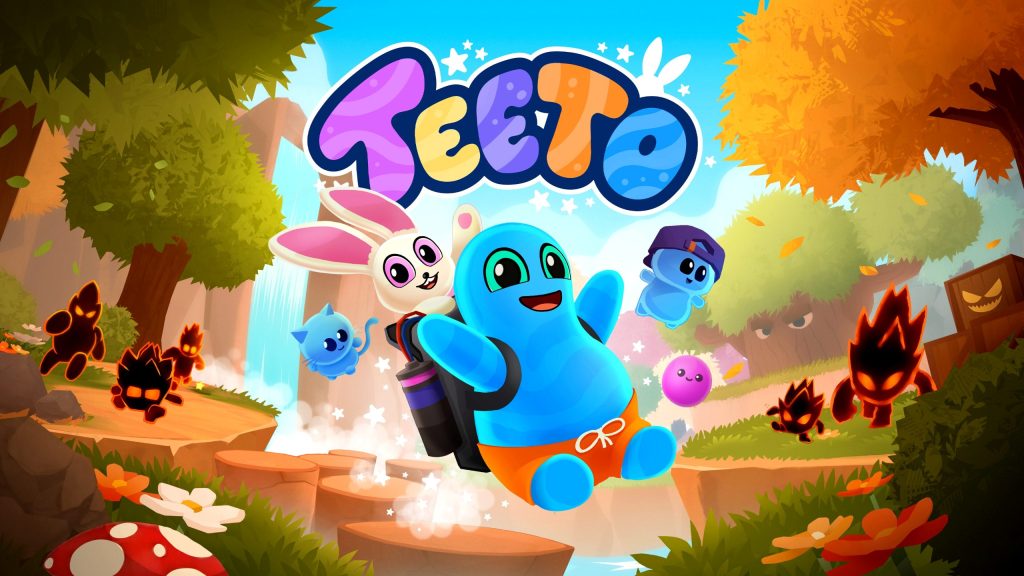
Teeto is a warm, cozy, creative and highly enjoyable 3D platformer that understands why classic collectathons remain so appealing.
Turnip Mountain stands out for its combination of a unique control system and a minimalist approach.
Dystopicon is an imaginative and memorable narrative experiment with sharp social commentary, engaging world-building and several wonderfully absurd scenarios.

Maneki Mania is an incremental game centered around petting a lucky cat.
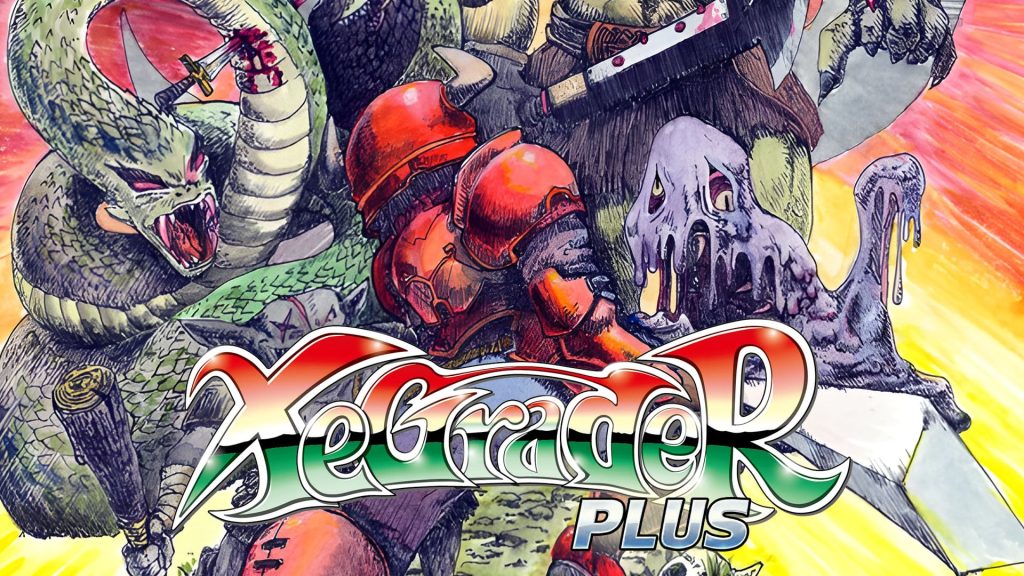
XeGrader Plus delivers colorful retro shooting, but basic mechanics, a short campaign and paid retro modes make its €20 price…
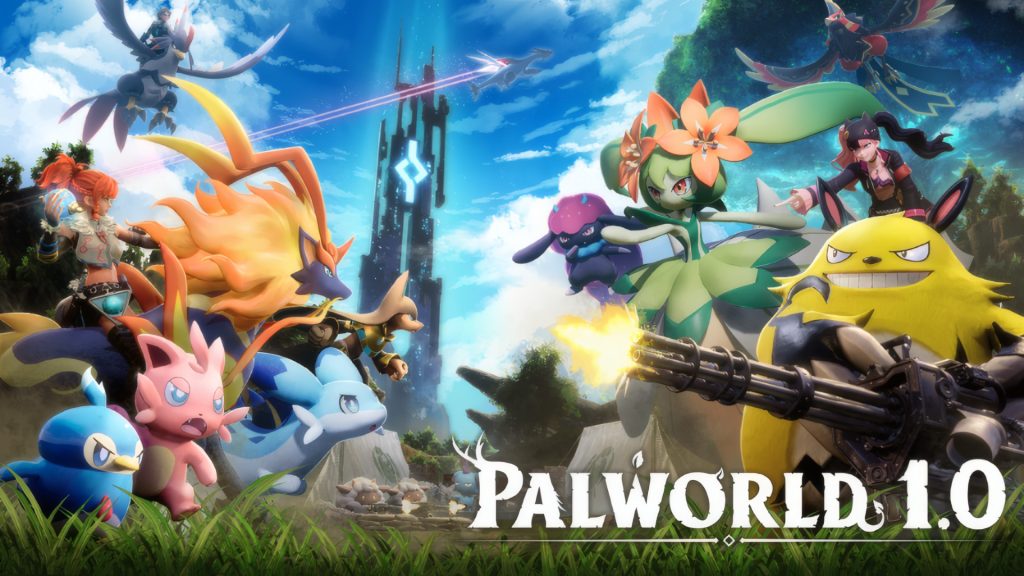
It has been roughly two and a half years since Palworld first entered Early Access, and quite a lot has…
![[EARLY ACCESS] The Last Caretaker – Survival Game I Cannot Stop Playing](https://www.indie-games.eu/wp-content/uploads/2026/07/The-last-Caretaker-Key-Art-1024x587.jpg)
The Last Caretaker is a compelling survival crafter with a flooded world and mobile base, but weak combat and performance…
