Games as Art and Content – Interview with Prince de Guzman
We spoke with cosplayer Prince de Guzman, who is known for his transformations inspired by horror, anime, and video games.

If you enjoy independent indie game coverage, consider supporting Indie-Games.eu on Patreon. It helps keep the site independent.
Unless you’re deep in the indie gaming scene, Naphtali Faulkner might be a new name to you. But as the mastermind behind the award-winning Umurangi Generation, he’s proven he knows how to make a statement. For his next act, Faulkner is teaming up with Fellow Traveller to deliver Penguin Colony, a beautifully atmospheric walking simulator with a spooky, Lovecraftian twist.
We recently caught up with Faulkner to chat about everything from his creative inspirations and visual style to the game’s unique storytelling. Want a sneak peek? You can play the Penguin Colony demo on Steam right now ahead of Steam Next Fest, which means the full release could be dropping very soon!
We also previewed the game, and you can read our full thoughts here to find out exactly what to expect from the demo.
Tali: There is always a hard question all creatives must face when creating works at this level of their profession: What do you want your studio to be known for? What do you want to be your identity?
To me, Umurangi Generation was our spin on Cyberpunk, setting it dangerously close to now rather than the distant past of the 1980s. Lovecraft, on the other hand, is something I have been stewing on for ten years. I’ve had thoughts on this genre and believe it has gone stale, much like Cyberpunk was in the late 2000s.
Often I will do “game sketches”, which are 1–2 day little ideas thrown into the top drawer to be taken out at a later date. The original game sketch for Penguin Colony came from making a penguin slide around after watching Happy Feet (2006) with my daughter. To me, it had to be set in Antarctica, and I am a big fan of At the Mountains of Madness and The Thing.
So I thought, “Okay, why not? Let’s give it a go.”
TALI: To me, At the Mountains of Madness and Who Goes There? (The Thing) are essentially the same universe. You could interpret Who Goes There? as them finding a Shoggoth, a creature which can take on any shape.
Everyone has kind of already seen what kind of game that is, though. They know that eventually you will get a gun and overcome things. I think penguins are a great creative limitation to ensure that the designer does not steer things into the known, well-trodden territory of these kinds of games.
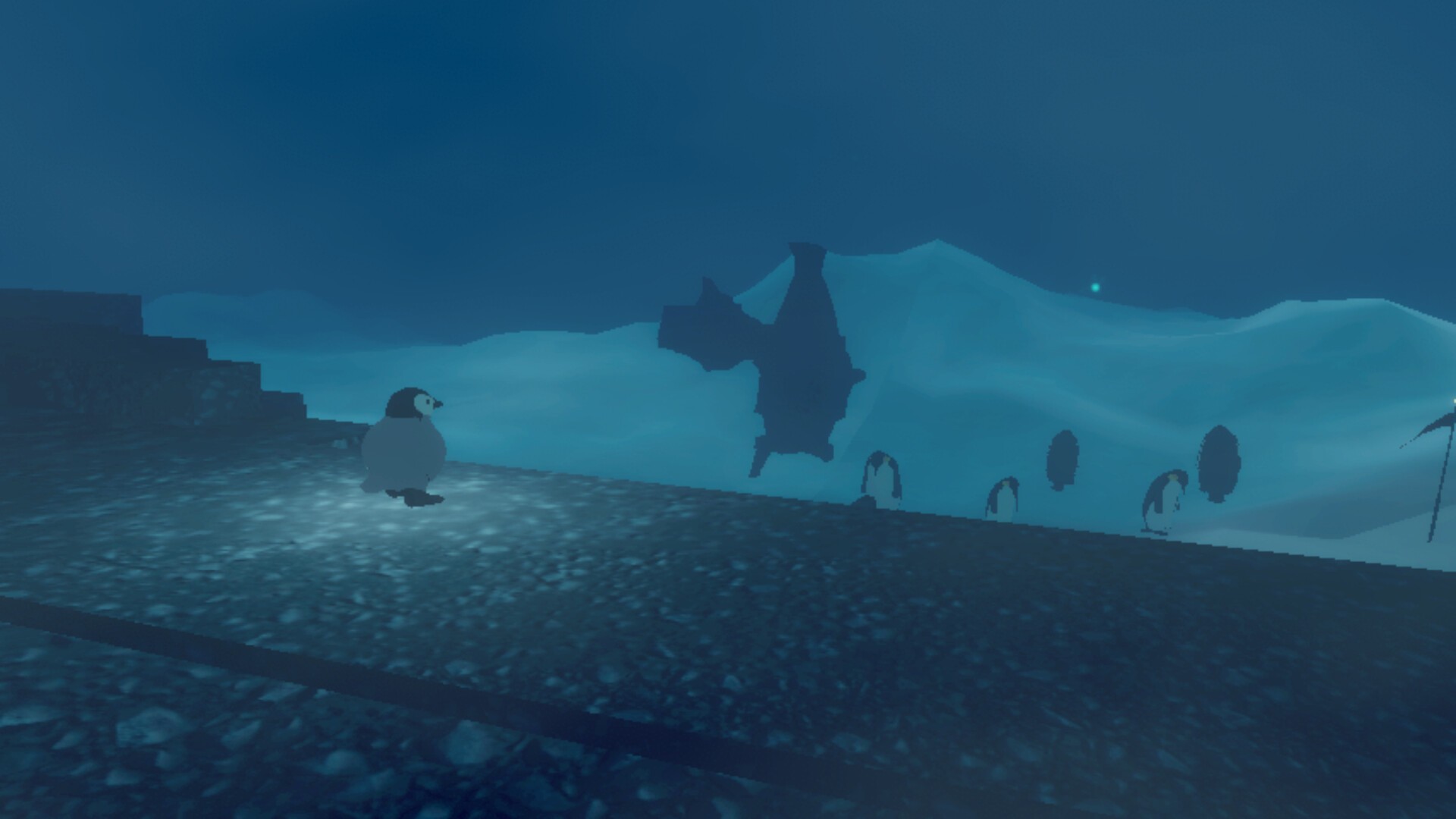
TALI: For me, I wanted to re-examine the themes which Lovecraft wrote about almost accidentally. The entire body of Lovecraft’s work stems into this territory of “Cosmic Horror”, the idea that an alien being or group who speaks a strange language is here to enslave mankind (through either overt or covert means), practice strange rituals, and do so with such a callous disregard for life.
The concept that human beings are even worth considering is so unimportant to the cosmic scale of their plans that they are absent from the discussion altogether. To me, that is colonization in a nutshell. And I want to make a trilogy of games which explore these emotions.
TALI: Len is great. He does exactly what a Lovecraft narrator needs to do. He has this voice which has such a great range between confidence, fear, and insanity. By the end, he has a monologue which begins as a whisper and ends with him shouting to the heavens. He may even appear in subsequent games.
I think about how the narrator is so important to get right, to me, Conrad Fieninger and Edward French are the gold standard. Perhaps we will approach them in the future. But to me, this narrator had to be British; it is important to the story. The English language plays a big role in the themes of the story, as well as the time it is set.
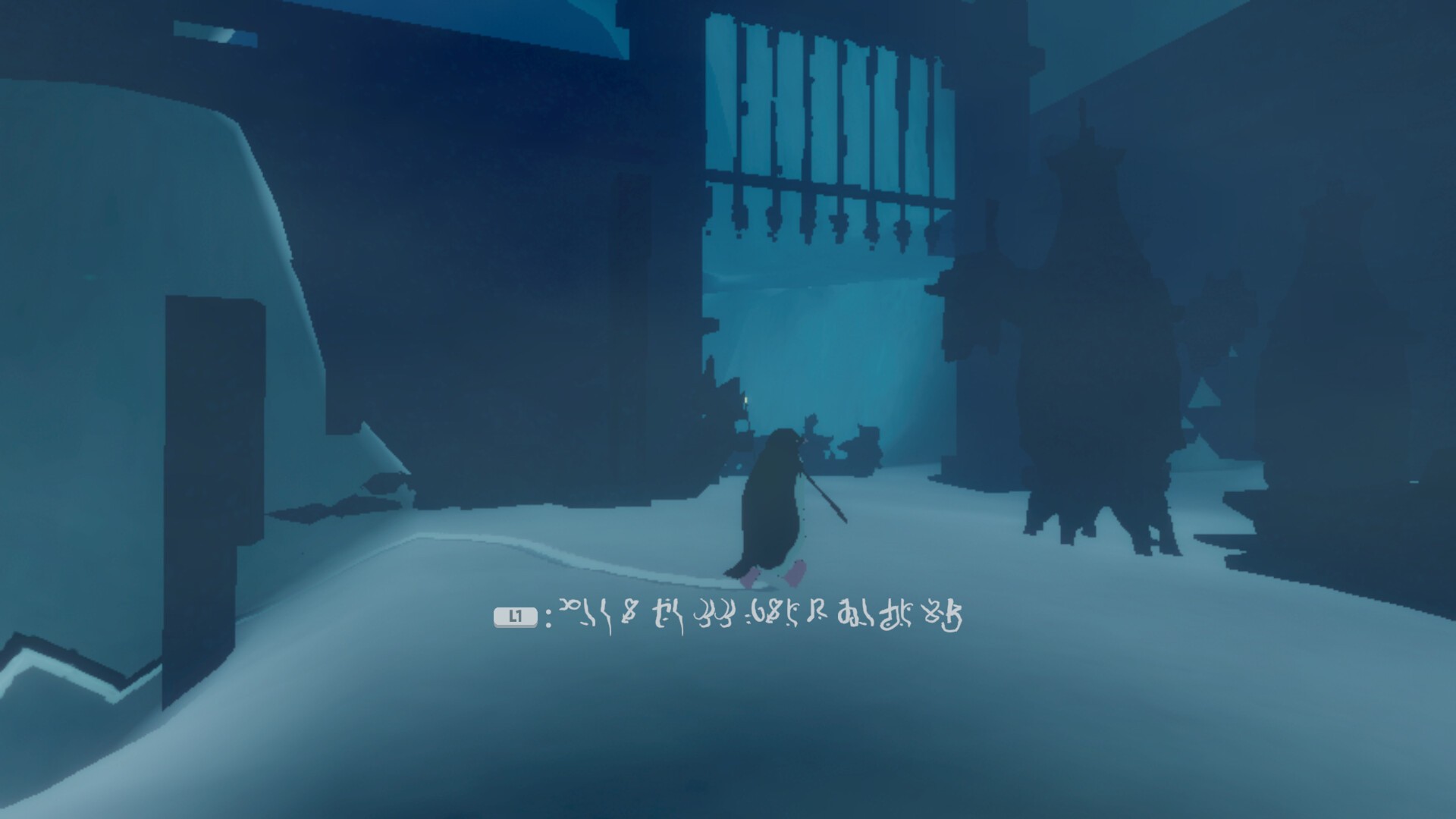
TALI: We want players to approach the narrative like a scientific expedition. There are parts of the story which everyone will experience, and there are parts which not everyone will experience. Some parts of the story are vaguer than others, which means the players must speculate within their own communities. People will have to share what they find among themselves.
We want to encourage community storytelling. This is a trilogy, and this game is a foundation to what may come. There are things hidden so well I don’t expect people to find them on Day One. I was part of the Dark Souls YouTube community pre-Dark Souls 2. I have fond memories of people piecing together the lore of that world and how quickly new findings would change the interpretations of events.
TALI: Without spoiling At the Mountains of Madness, the penguins are a part of the story which I think implies something about the world and where life originates from. To me, the clearer the game has become as it is executed from screenplay to playable world, they become really strongly associated with a binary between the two groups the story is about. You can almost see the lineage of who originates from what by the end of the game, whose ancestors are whose.
To me, it comes down to this idea of if you see humans as mammals on Earth, then penguins are the indigenous people of Antarctica, and every European colonial power has carved up the continent. There are emotions to explore there, something which is hard to summarize up in one game.
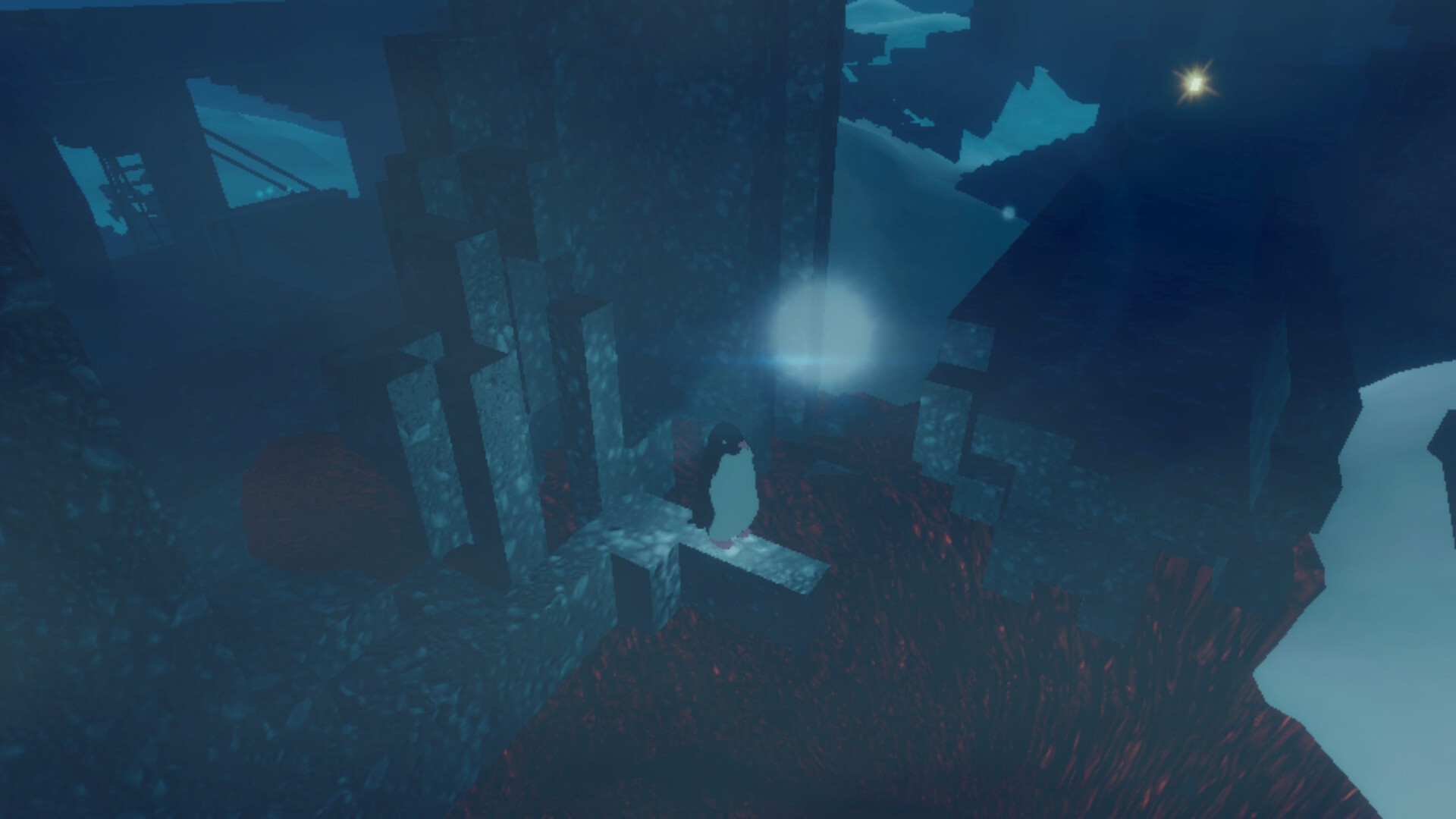
TALI: I was caught off guard that the term “walking simulator” is no longer a derogatory term. Makes me feel old. I saw how younger players have rejected this idea of “needing combat” for games, and that filled me with a positivity of what the future of games looks like.
Penguin Colony has no combat. But it is this idea that different penguins can go to places others can’t. Some of them can’t swim, but others can fit in small gaps. Some can jump high, some can’t. I don’t even know what walking simulator means anymore because back in my day it used to mean the game “had no gameplay” or that “W” was the only button you pressed to “win.” Bless the Zoomers for pushing games beyond where they are.
TALI: To me, it is the idea that you are not going to see everything the first time through. You could do multiple playthroughs, but the incentive is to make it so that you are better off playing the game with your friends and discussing what you find, sharing secrets and interpretations. This is just one in a trilogy, so some of these narrative beats are only introductions for things later.
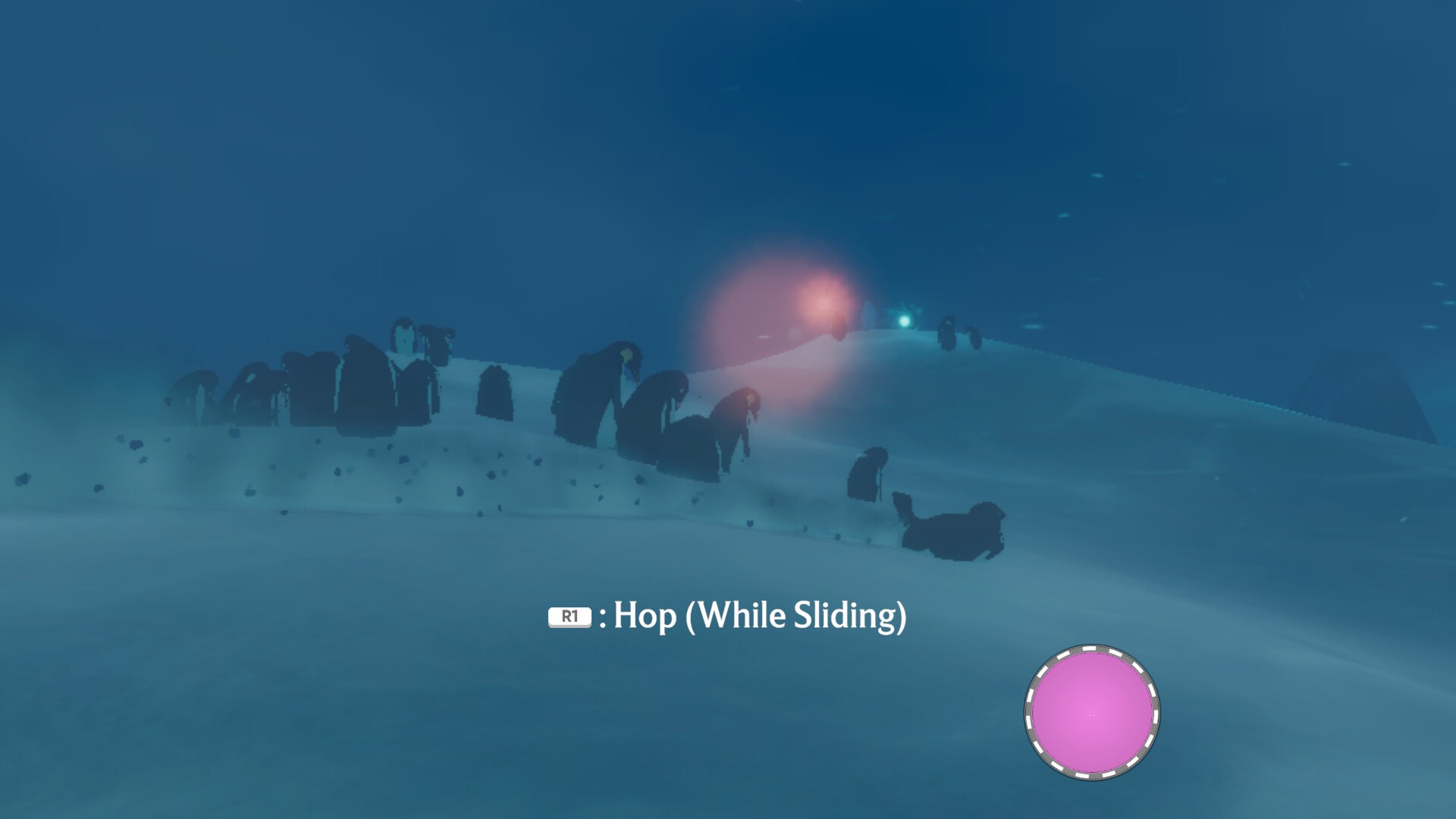
TALI: I am really not interested in realism. That is a rat race to the bottom of photorealism. I think that early Xbox 360 era game visuals were at their most romantic and impressionistic. You couldn’t spare power on realistic simulation, so artistic effects were heavily prioritized.
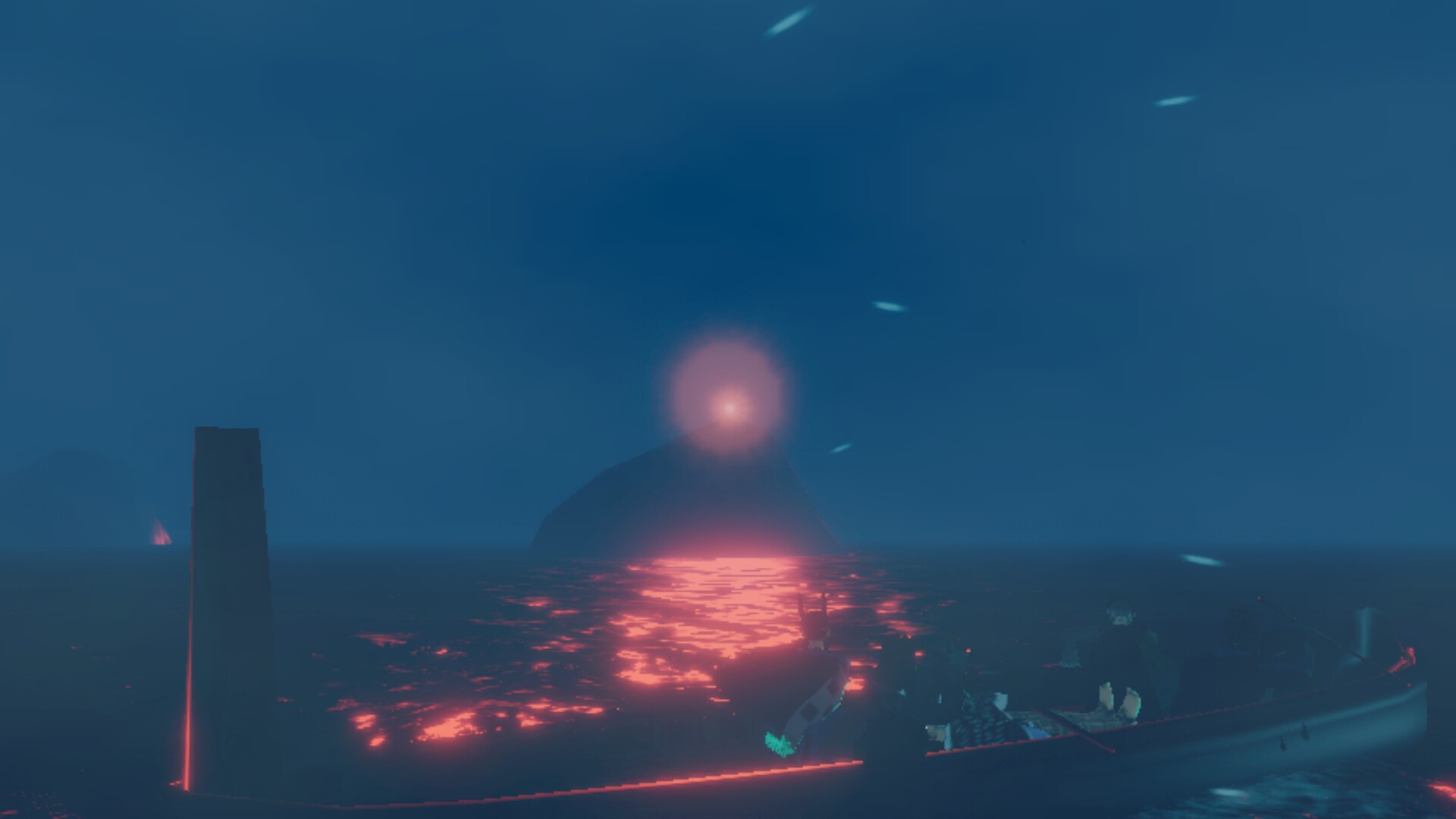
Snow in Penguin Colony is blue. Flares go through walls. None of these things make sense from a realism standpoint. I don’t really care about realism; I care about communicating emotion artistically using this medium. To me, this AI game bullshit like DLSS 5 is the logical conclusion of that kind of thinking.
Artistically, if we are talking from a more spiritual direction of “art,” I think that sincerity is the antidote to slop, and I hope people find the sincerity of what we make a breath of fresh air.
TALI: We were working on something prior to Penguin Colony, and within that time, we were experimenting with how to make our studio more sustainable. We started development on this idea of the FIVESEVEN Framework, which is an interchangeable set of tools to make games more efficiently.
Our experimental title, which we were making during this time, has been repurposed into our second game in this trilogy, called Corpse Over Huntsman. It is a detective game which expands Umurangi Generation’s gameplay horizontally. I expect after Penguin Colony releases, people will see this game sooner than they think, as the plan is to move straight into it. We started Penguin Colony as a sketch but really built it out over the last two years.
TALI: The last 2–3 years were terrible for everyone in the games industry. After the success of Umurangi Generation, many publishers were eager to sign with us on our next game. There was lots of money in the industry, but all of that changed very rapidly.
We pitched around last year, but when I told Fellow Traveller what we were doing, they got it. I get why certain publishers only try to publish safe bets, it makes sense. But I am very lucky to be working with people who are like-minded and see the true value of this art medium.
TALI: I want to convey these emotions I have felt for a long time about this author whose work is insanely influential but built on these problematic origins. I want longtime fans to eat well, because I know we’ve been starving for more than just gills and tentacles. I want people who have never experienced Lovecraft to be sucked into this world. I want them to see what is possible in this space and take the torch up after us.
I want Lovecraft to grow into this beautiful next generation of genre where people don’t look at it as nerd culture bullshit. Let’s make it go beyond just Cthulhu and the Necronomicon. I want it to go through this renaissance that Cyberpunk went through.
When players experience Penguin Colony, I want them to go and watch Dagon (2001), give Bloodborne a go, and begin to think about the same question I had about 10 years ago: “What would I do if I were to adapt this?”
We spoke with cosplayer Prince de Guzman, who is known for his transformations inspired by horror, anime, and video games.
We had a chance to catch up with Heidi Borge, the developer behind narrative-driven cozy Delphinium to learn more about…
We had the opportunity to speak with Damian Czajka from MOUSE: P.I. For Hire Team.
We had the opportunity to talk with Piotr Nowakowski from Bloober Team about his work on Cronos: The New Dawn.
![[INTERVIEW] Manafinder II Is a Big Step Up – Here’s What the Developer Told Us](https://www.indie-games.eu/wp-content/uploads/2026/04/Manafinder-II-interview-1024x683.jpg)
In the interview, we discussed the game’s mechanics in greater detail, what players can expect from the sequel, and the…
We had the opportunity to sit down with the brilliant minds behind Business Goose Studios: Beau Vankemenade, Sander Ambroos, and…
![[EXCLUSIVE] Like a Bloody Storm – Interview with Kazusou Oda (Coda)](https://www.indie-games.eu/wp-content/uploads/2025/12/Oda-Kazusou-Interview-1024x576.jpg)
We had an opportunity to talk with Oda Kazusou, a theme song artist for JoJo's Bizarre Adventure.
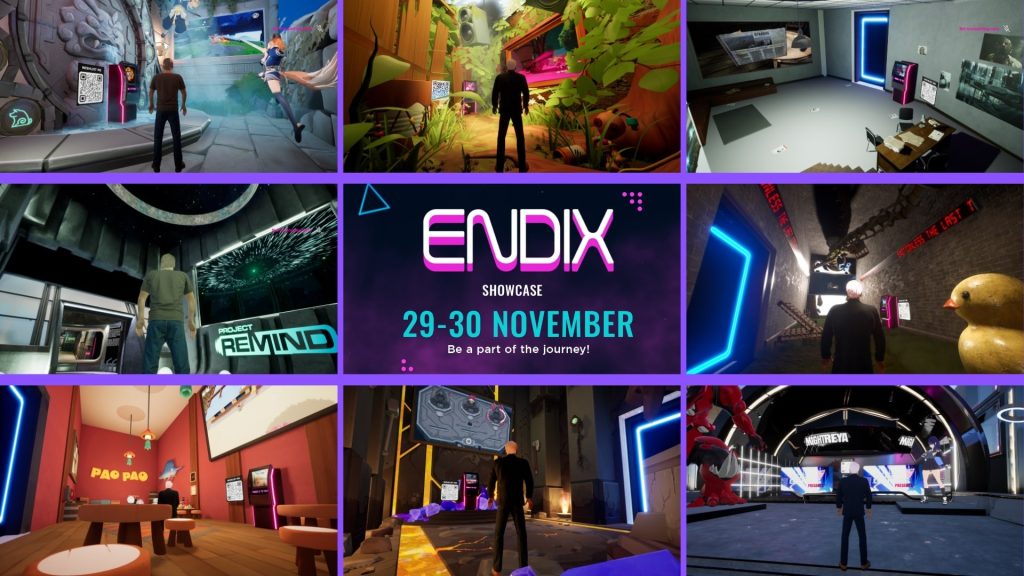
Once inside, visitors will find a fully immersive world where exhibitor booths are crafted using real in-game assets.
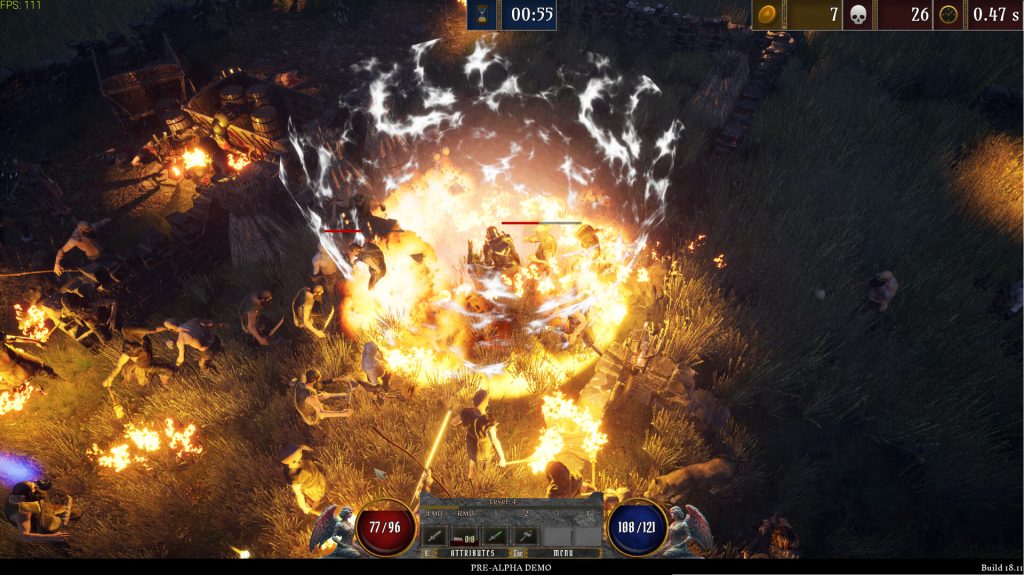
We talked to Tomasz Janicki about the details regarding Cult of Shadows.
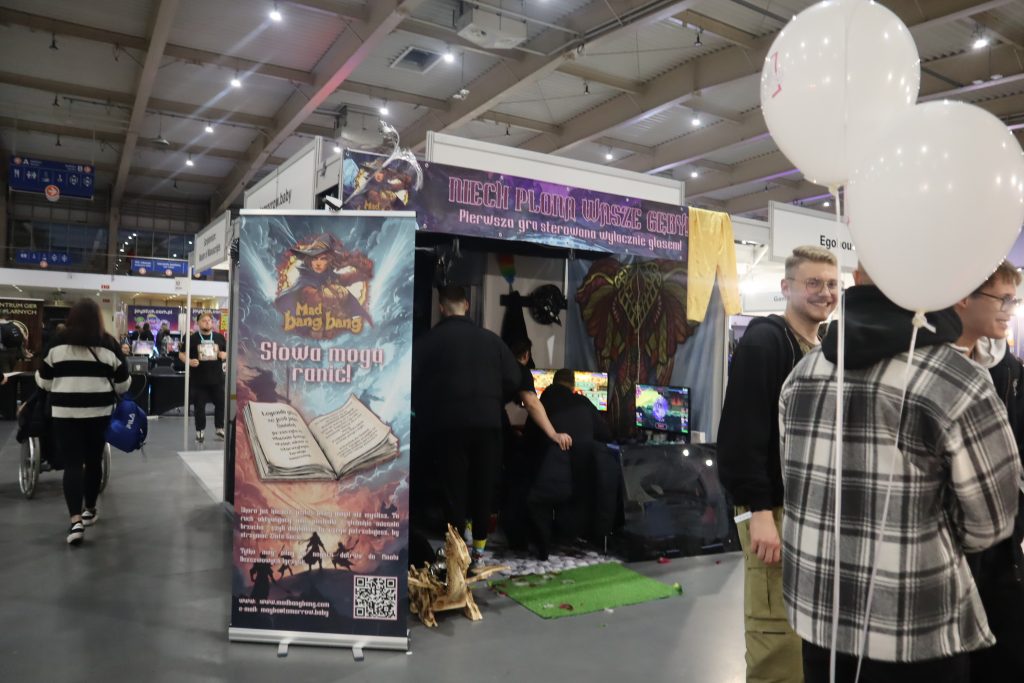
We talked to Piotr Ruszczak, one of the creators of Mad Bang Bang, about the details of this production.
We asked Kiryl, Marek, and Jakub to reveal the secrets of their work to us.
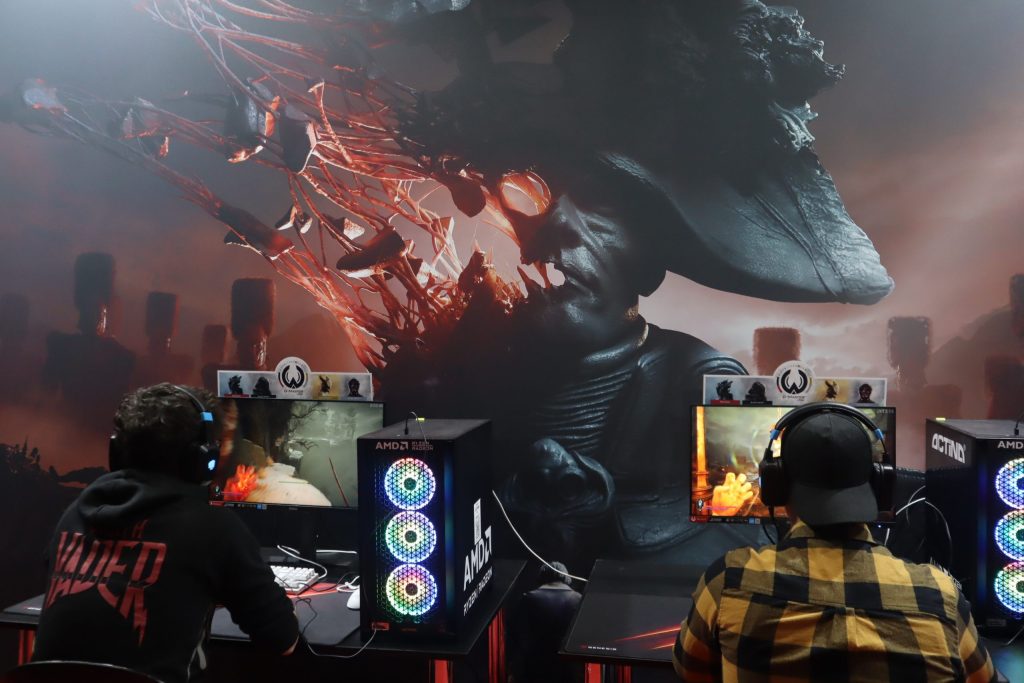
Will Valor Mortis become the hit of 2026?

We had the chance to ask Yannick Audéoud, developer behind Orbyss, some questions about the game.
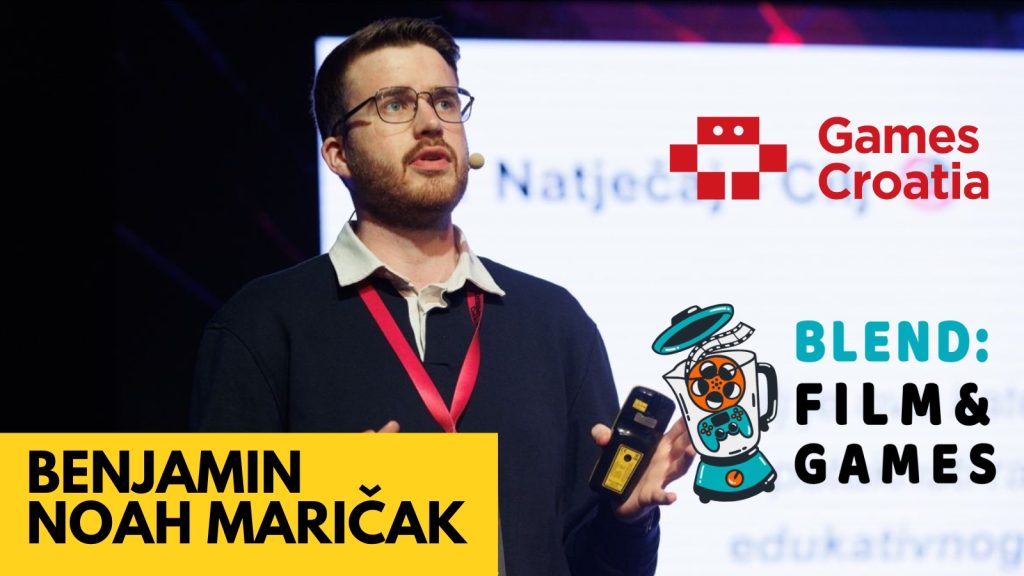
Maričak actively works to grow and promote the Croatian gaming industry while simultaneously fostering collaboration with the film industry.
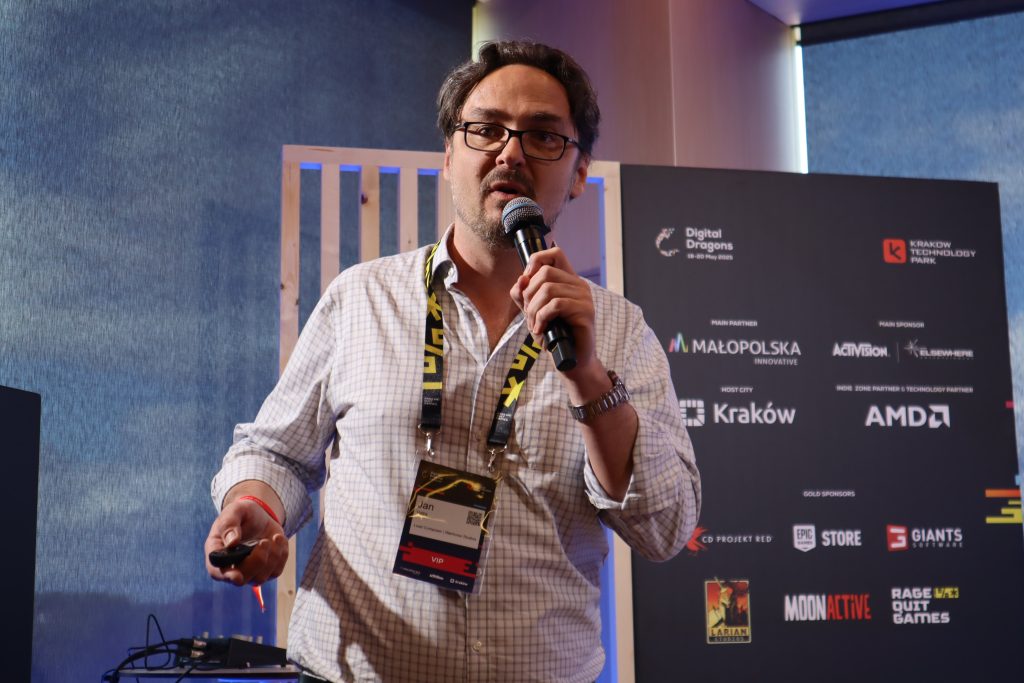
During our interview, Jan revealed the secrets of composing music for both KCD games.
In this interview, we asked Paweł Charzyński about his experience working on Frostpunk 2 as VFX coordinator.
![[A BIG INTERVIEW] Toukana Interactive Co-Founder Zwi Zausch on the Gaming Industry](https://www.indie-games.eu/wp-content/uploads/2025/09/Dizajn-bez-naslova-2-1024x576.jpg)
Zwi Zausch provided a deep dive into the gaming industry from an indie developer's perspective.
![[A BIG INTERVIEW] Deep Dive into Star Birds with Toukana Interactive’s Co-Founder](https://www.indie-games.eu/wp-content/uploads/2025/09/star-birds-1024x576.jpg)
Ever wondered what it takes to build a relaxing base on an asteroid? We spoke with Zwi Zausch, who gave…
Playtonic has upgraded every aspect of the game, not just the visuals, also the core gameplay experience.
You'll mine resources, craft ship parts, and automate planetary bases with drones and cargo ships to create logistics networks.
