![[GAMESCOM 2026] Full Circle – How One Developer Is Creating His Dream JRPG](https://www.indie-games.eu/wp-content/uploads/2026/09/Adolfo-Gazzo-Full-Circle-Interview-1-1024x576.jpg)
[GAMESCOM 2026] Full Circle – How One Developer Is Creating His Dream JRPG
At Gamescom 2026, I spoke with solo Peruvian developer Adolfo Gazzo about his upcoming JRPG Full Circle from Second Player…

If you enjoy independent indie game coverage, consider supporting Indie-Games.eu on Patreon. It helps keep the site independent.
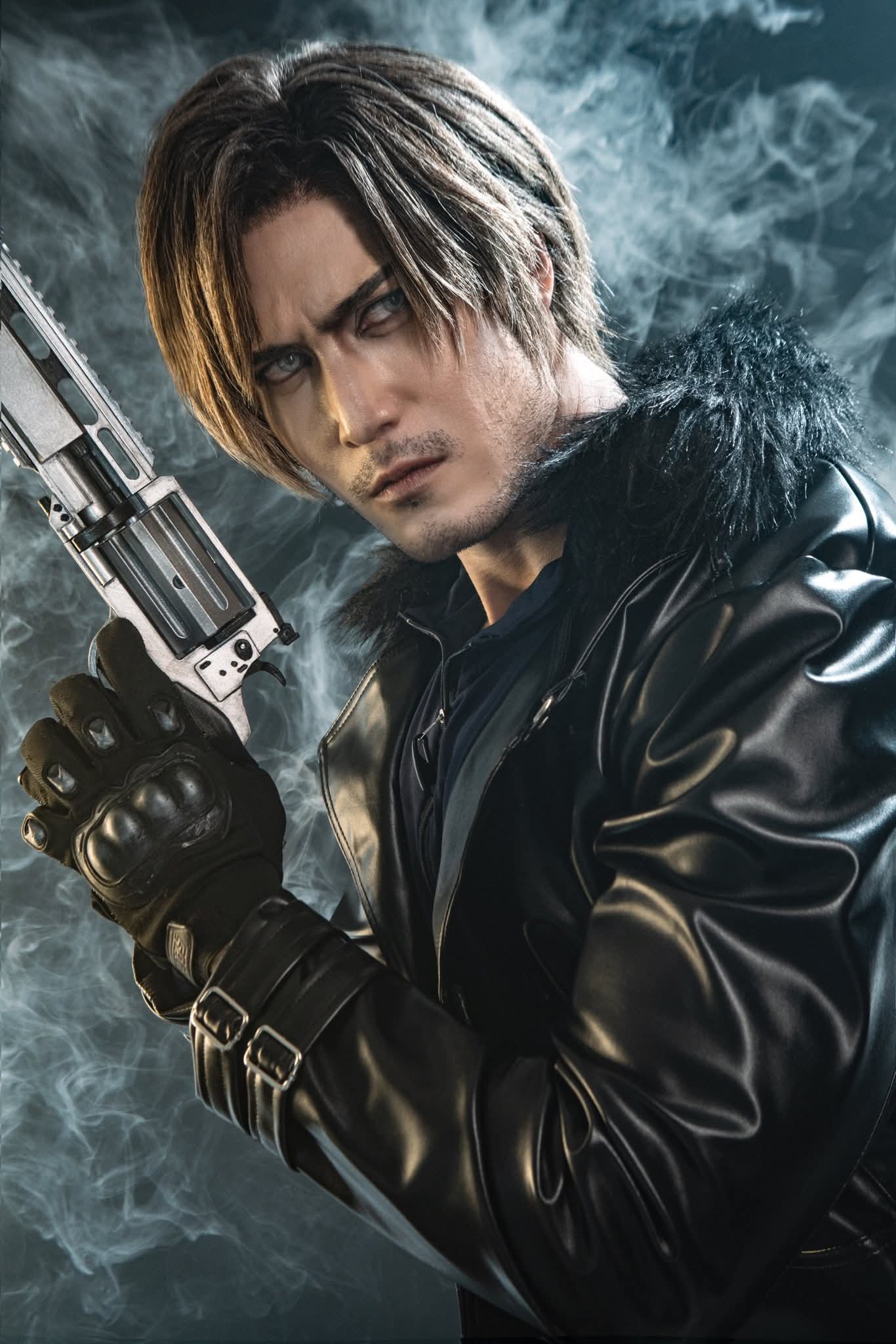
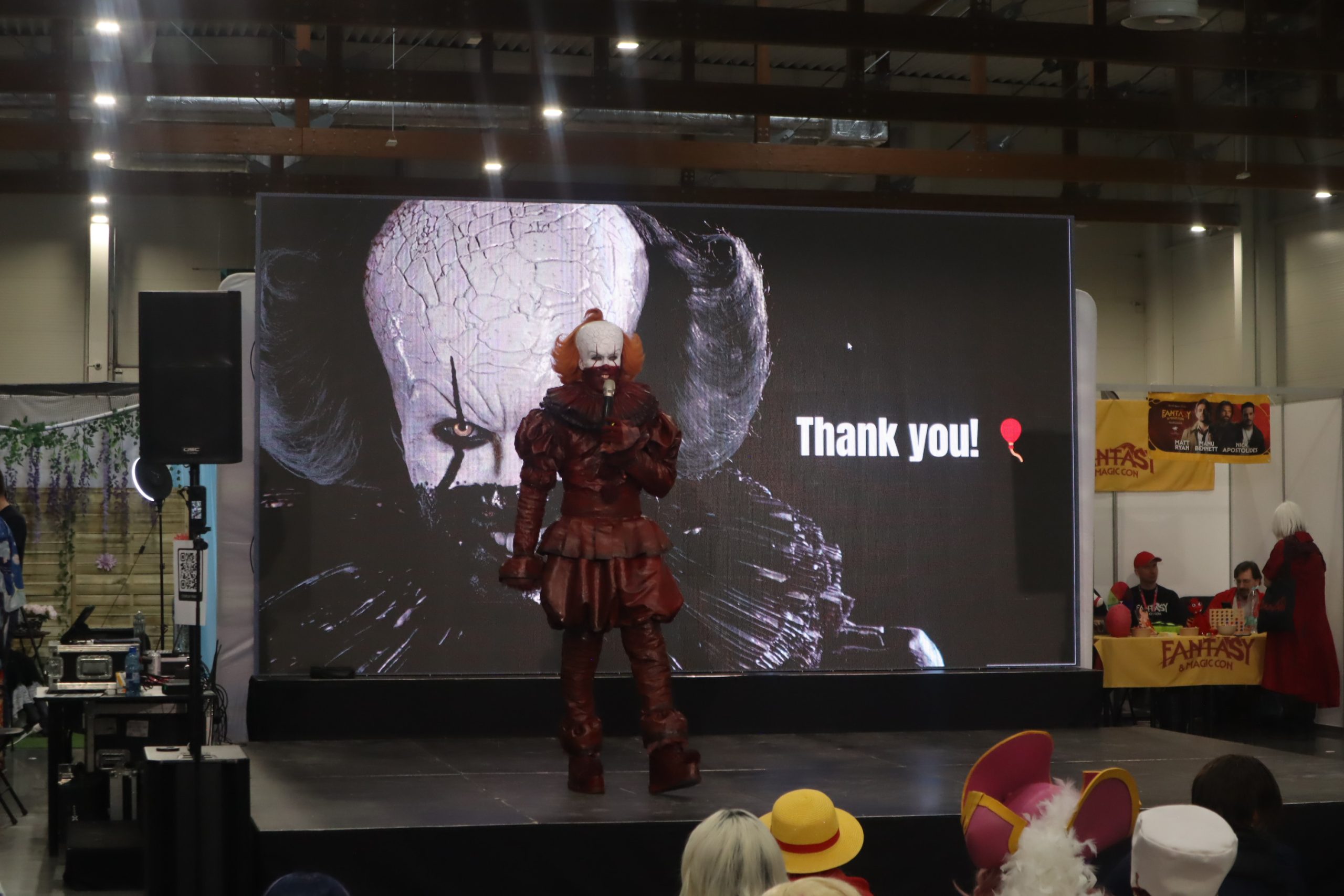
This year’s Magnificon Expo featured far more gaming-related highlights than usual. Whether it was lectures on popular game series, competitions and tournaments played on various consoles, or musical performances featuring iconic soundtracks, attendees had plenty of opportunities to expand their gaming horizons. The spring edition of the convention also featured numerous meet-and-greets with creators and artists from around the world. One of the guests was cosplayer Prince de Guzman, who is known for his transformations spanning various areas of pop culture, including video games.
Prince de Guzman is a Filipino cosplayer and content creator known as the master of transformation. He is best known for his designs inspired by horror, anime, and gaming, which he created as part of official collaborations with major film and gaming studios and producers. He has worked on projects with companies such as Riot, Blizzard, and Garena on titles like League of Legends and the Diablo series, and has also collaborated with Warner Bros., Netflix, and Disney+.
We had the opportunity to talk to him about his interest in gaming, both in his personal life and in his professional activities, the challenges of creating technical cosplays from scratch, as well as unique aspects of content creation today.
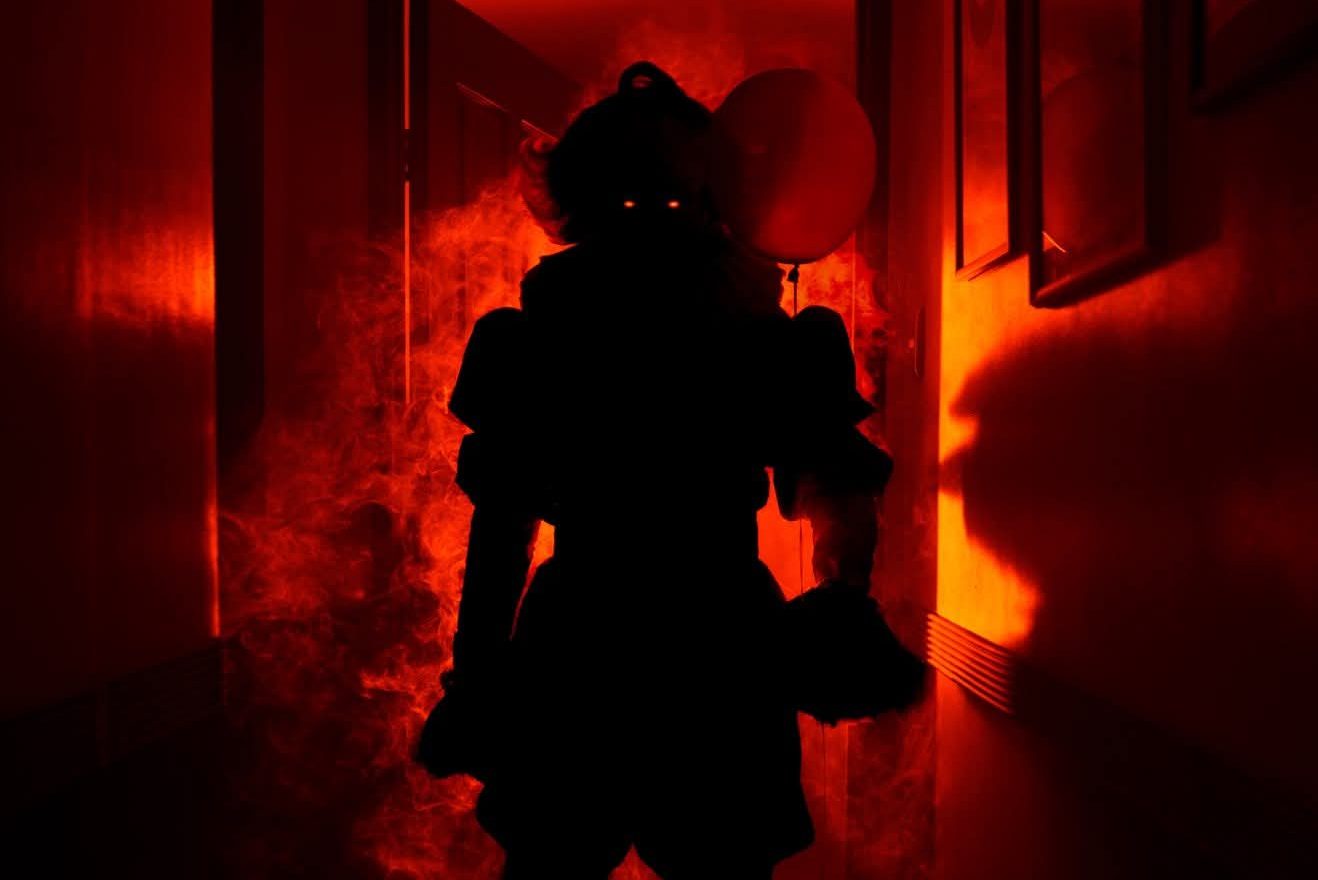
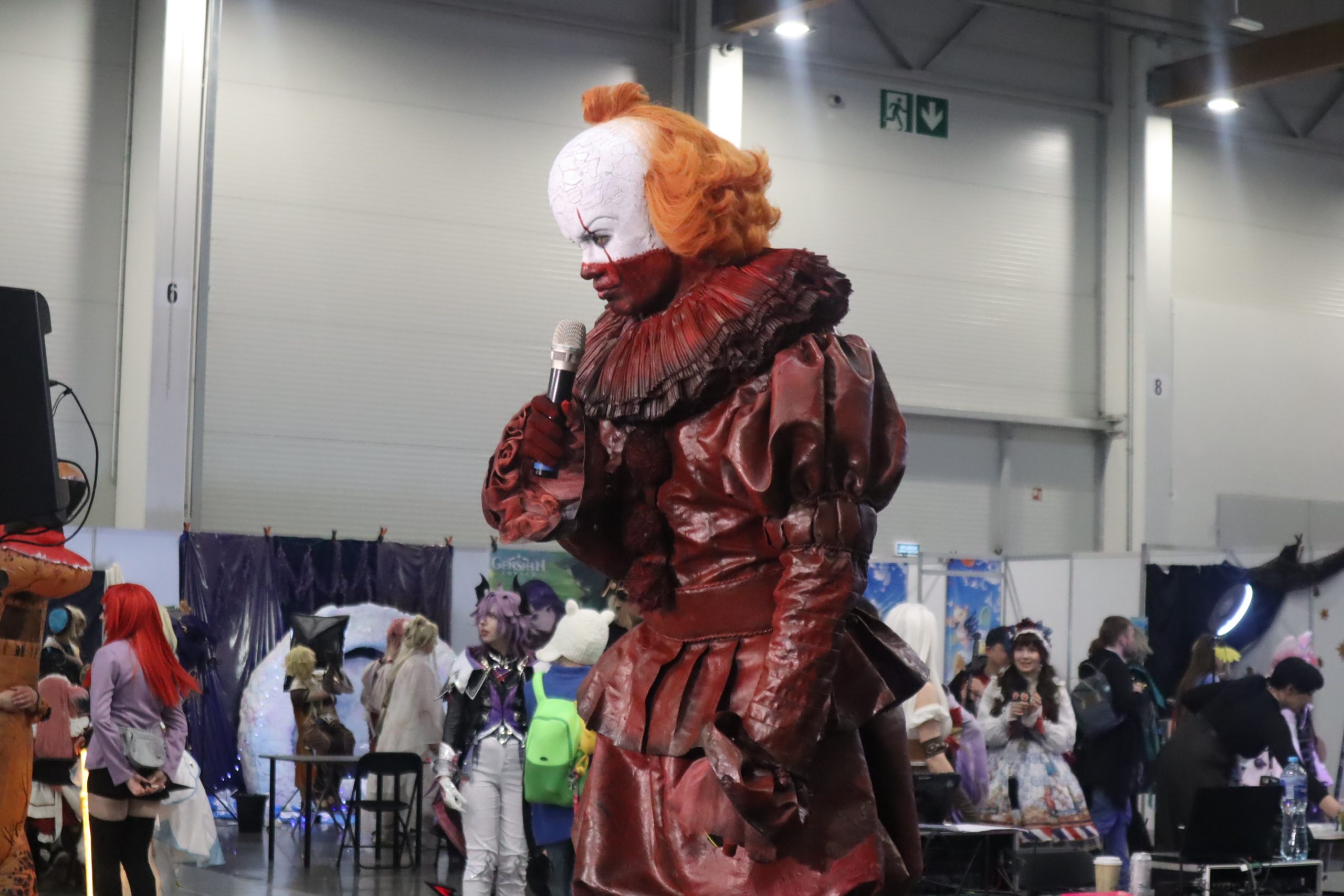
Of course, I’d choose horror. Horror is my home; that’s where my adventure really began. I first became interested in art through horror movies – I wasn’t scared while watching them, but instead, I was curious about what was happening behind the camera.
It was a very humbling experience, because at the time I was on the verge of giving up on my dreams and taking a corporate job, since I thought that creating content wouldn’t provide me with a stable source of income. But I really love makeup, so I decided to do one more cosplay, this time as Pennywise, and that’s when Warner Bros. discovered me, and the rest is history. So, every time I feel like giving up, I remind myself of that moment. It’s life-changing.
Of course, that put quite a bit of pressure on me, because I had to maintain the quality of my work while also taking into account feedback from these companies. I had to consider intellectual property issues and also try to be careful to stay true to the characters’ personalities and all that. So, yes, it wasn’t easy, but it was an honor for me to work on various projects with these big brands.
The truth is, I got into gaming a bit late. I’ve loved games since I was a kid, but my family couldn’t afford things like consoles or other equipment back then. It’s only now, since I’ve started earning my own money, that I can enjoy a PlayStation or a Game Boy. I only started playing a few years ago because I started working early – I worked during college and even before graduating from high school to pay for my education. So, now I finally have the chance to just enjoy all of this, and that’s why it was a real honor for me to work with these developers and publishers. It was a bit intimidating at first, but I felt very fulfilled.
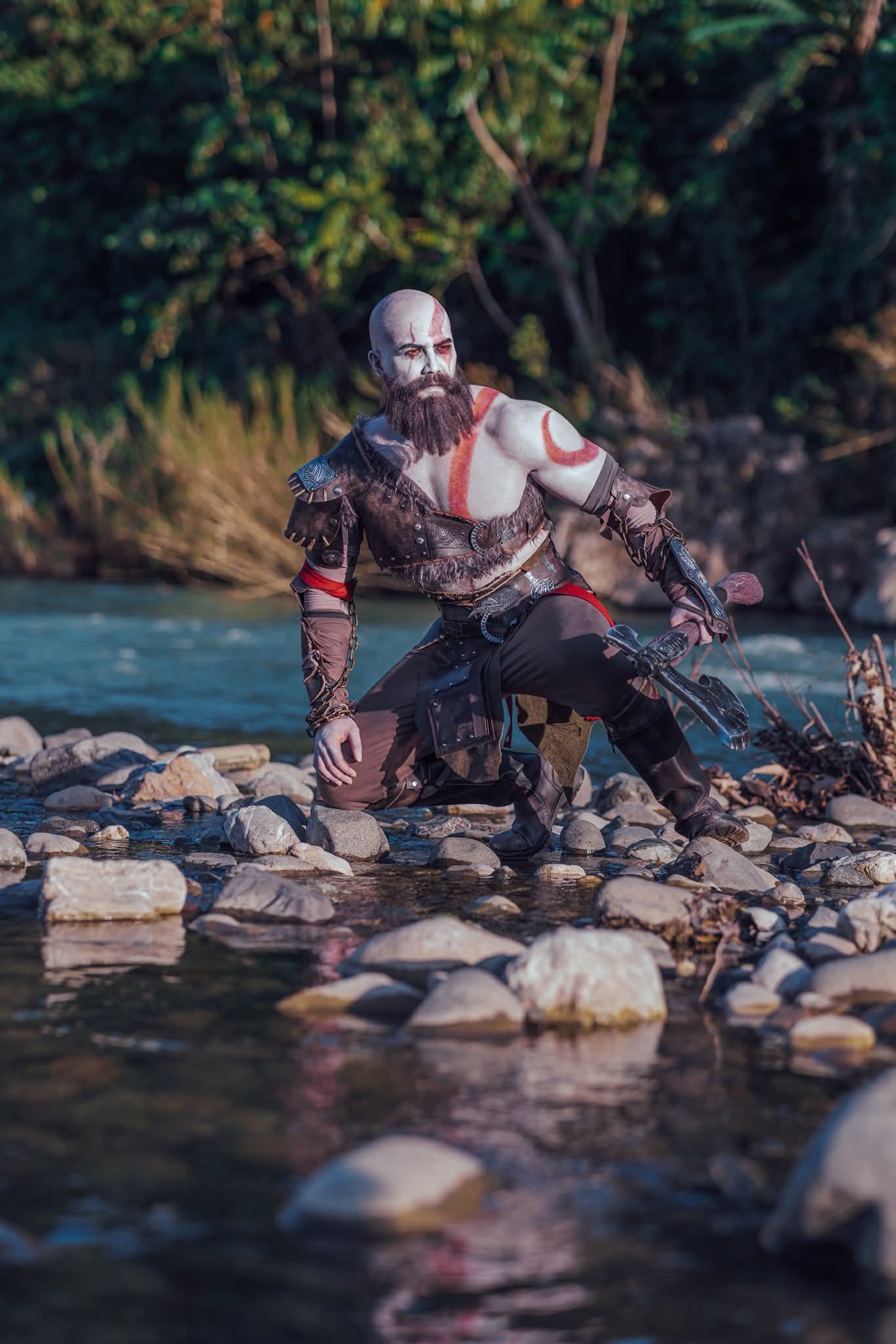
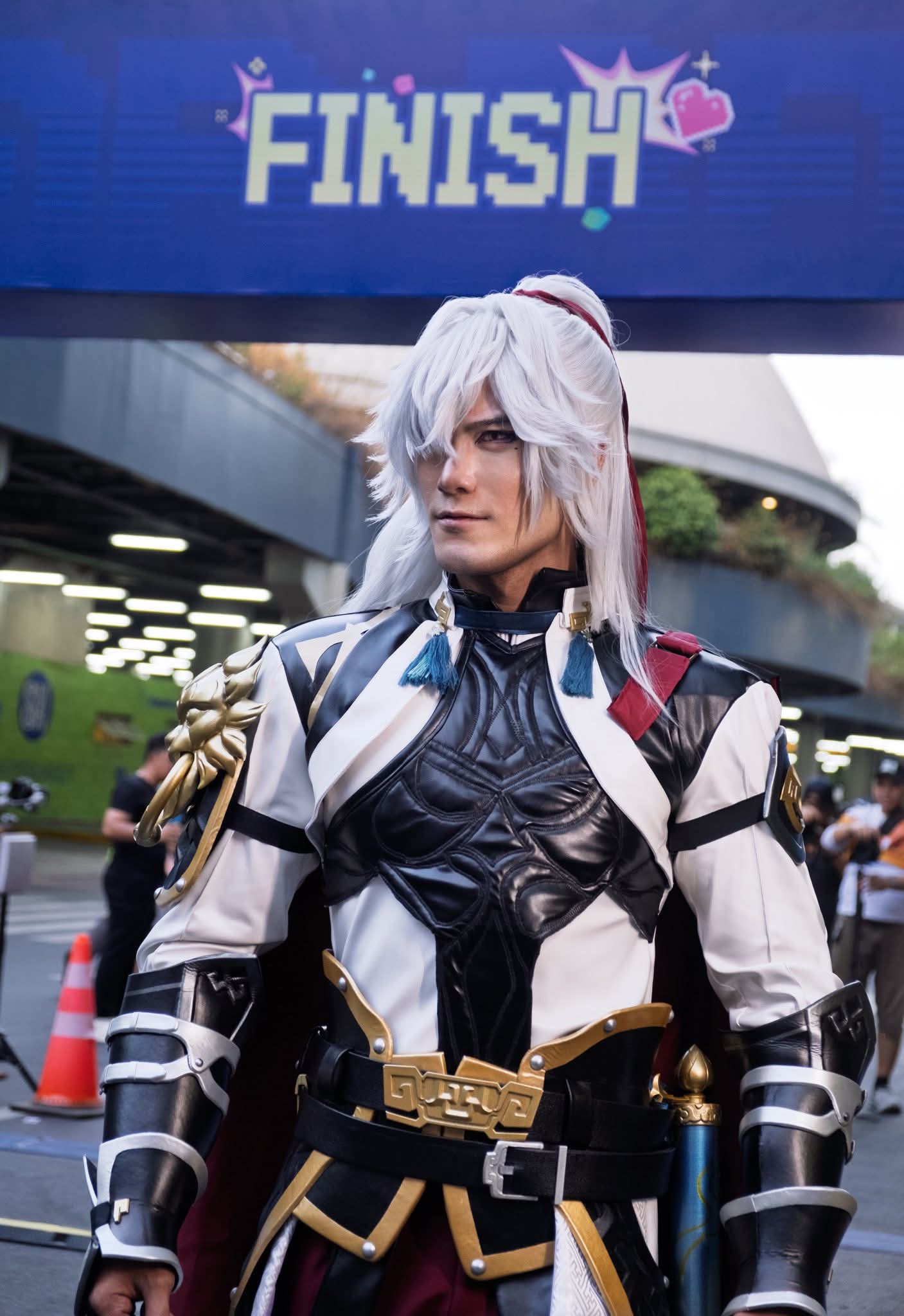
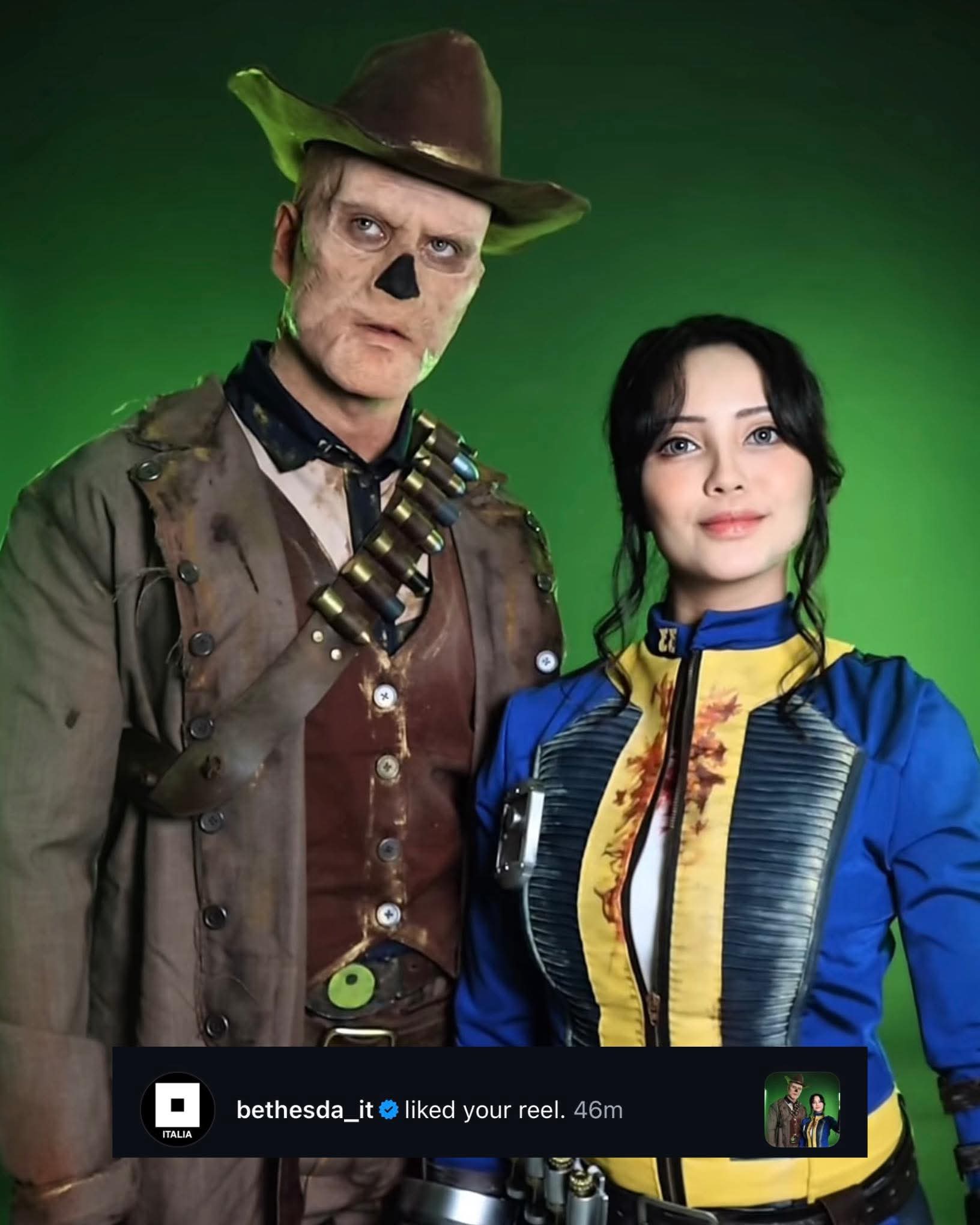
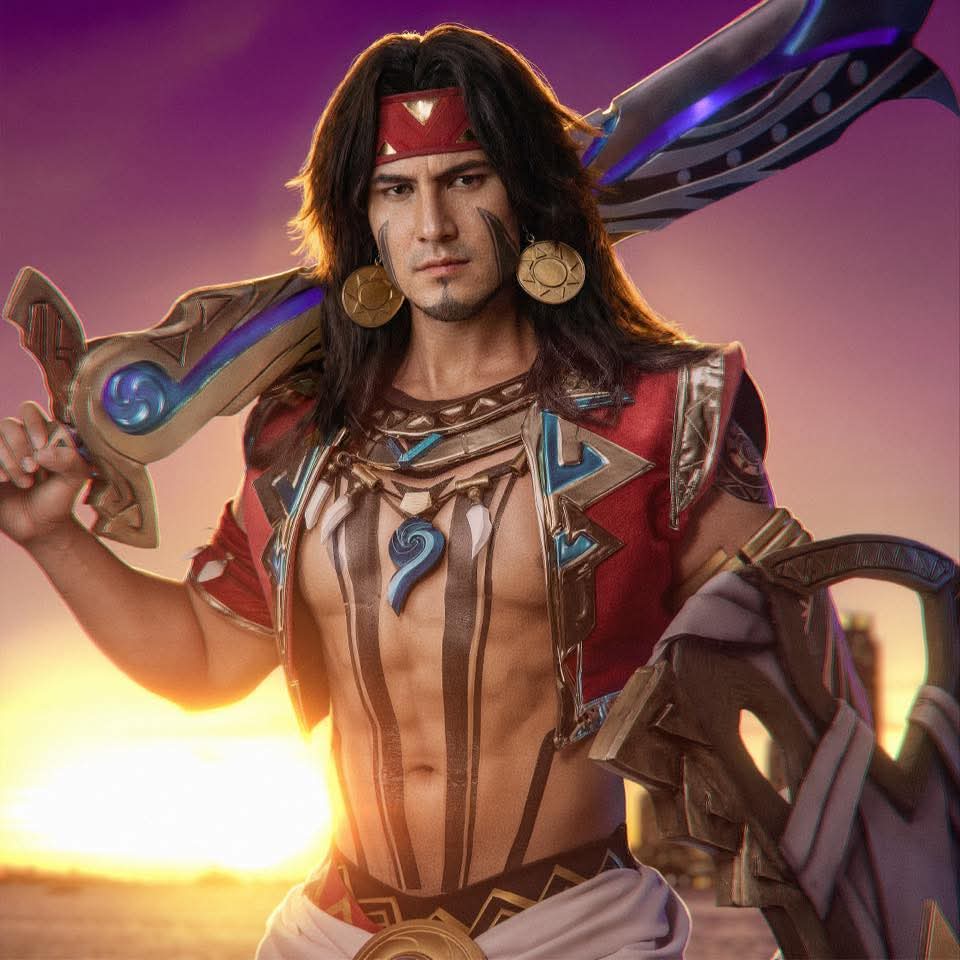
Call of Duty Mobile was the game my friends and I turned to during the pandemic. We played it practically all day and all night. We had the luxury of being able to devote time to it because we were in lockdown and there was nothing else to do. And Gunzo immediately became my favorite character since he’s a clown, he’s scary, and he laughs like Pennywise. So, when the developers of Call of Duty Mobile reached out to me, I was very happy to cosplay as Gunzo for them. After that, other gaming companies started contacting me, so this was a project that opened many doors for me.
Actually, I love them all, so it’s really hard for me to pick a favorite. But right now, I’m having a blast playing another title: Honor of Kings. It’s a mobile game that’s currently huge in the Philippines. So, I’d say that’s my favorite game right now, since I play it the most.
The biggest challenge for me was portraying Vecna from Stranger Things and the Predator from Predator: Badlands. It was really tough due to a full-face makeup look and prosthetics. Creating content with all of that going on at once is a huge challenge, so when I finished those projects, I told myself that right now, I can do anything.
First and foremost, no two costumes are exactly alike. While the creative process is the same – we sculpt and sew – every costume we make is different, always unique. That’s why I always start by delving into the character and the way they move. I wonder, for example, how a given character would translate into a live-action film, especially when it comes to games that haven’t yet been adapted for the screen.
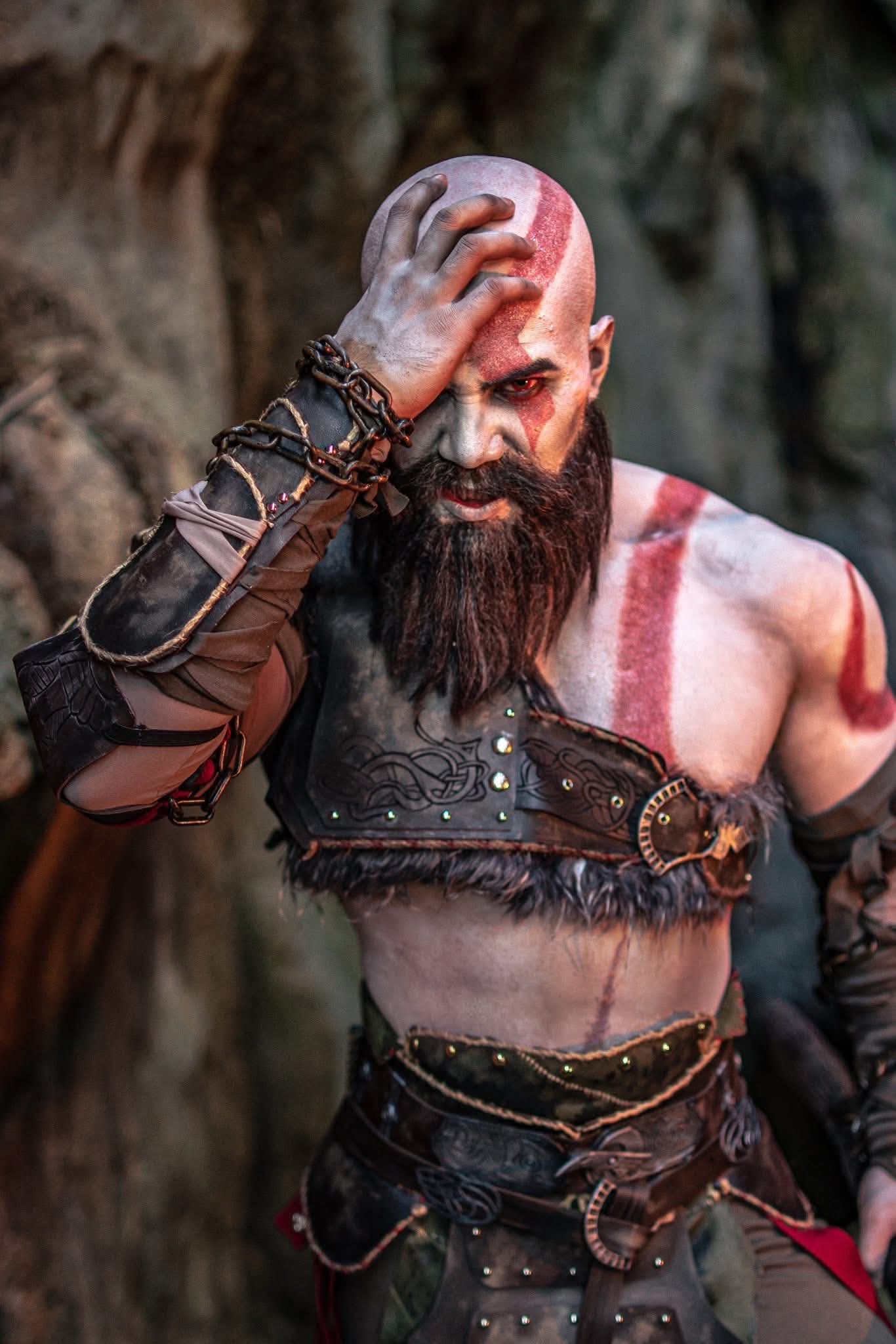
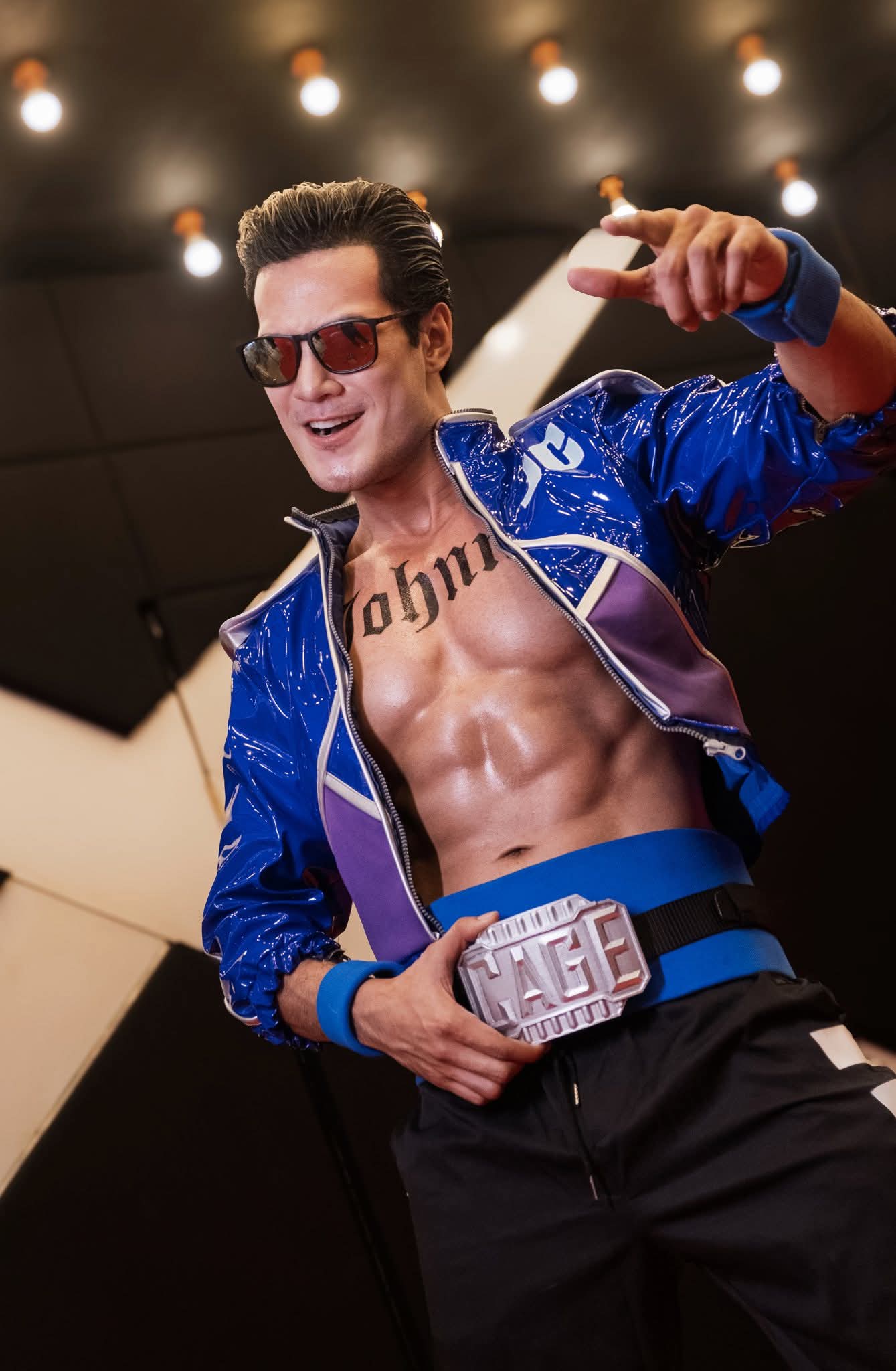
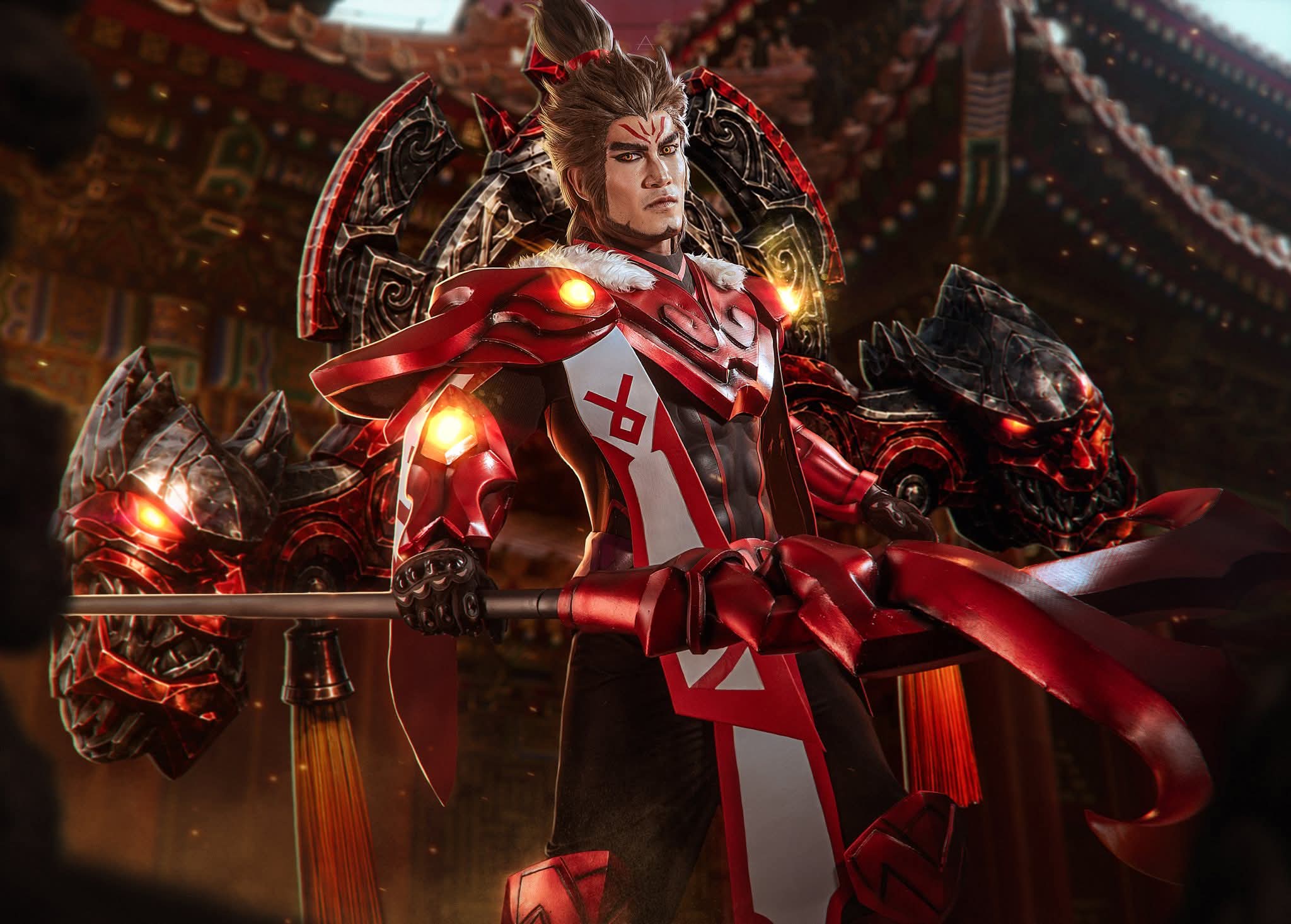
I also usually try to imagine: if this character were real, what would they look like? How would they behave? And based on the answers I come up with, I create textures in my head: I try to visualize them, try to translate the ideas into fabric. And that’s always the first step. But the middle of the process is always different – it’s always a crazy, wild ride until I figure everything out.
In general, I love collaborating with artists, both when it comes to cosplay and other forms of art, because it really sparks my imagination. But what’s unique about collaborating with an artist you’re close to is that you have more creative possibilities at your disposal.
With my partner Awie, we can do couple cosplays or famous character duos – for example, we plan to portray Garp and Coby from One Piece – and in moments like these, it’s not just work for us, but also a great opportunity to spend time together. So, I always believe that artists should collaborate with their peers, because it helps them spark creativity, especially when it comes to people they love.
Actually, you have to strike a balance, and I used to have a lot of trouble with that. Of course, at first I felt overwhelmed, because being a cosplayer and an artist is one thing, but creating content is a whole different matter. And if your content is about art, your energy and motivation will depend on inspiration, and during periods of burnout – on how you handle it.
Your main job requires a lot of soul and creativity, so you have to maintain balance to avoid burnout. When I had my first burnout, it was hard for me to get back on track as an artist afterward, so when I recovered, I told myself I wouldn’t let it happen again. So, everything has to be balanced: I have to do what I love, and I have to do what my audience loves just as much.
Of course, I feel the pressure. I believe that being a content creator is a responsibility. It’s like a superpower – you have to be careful to inspire kindness as much as possible, but at the same time, I want to take creative risks and show the audience my own strength. So, it’s important to have a healthy relationship with your community. Right now, I can say that I still feel the pressure, but not as much as I used to – I’m somewhere between not caring about what people say and truly loving those who support me.
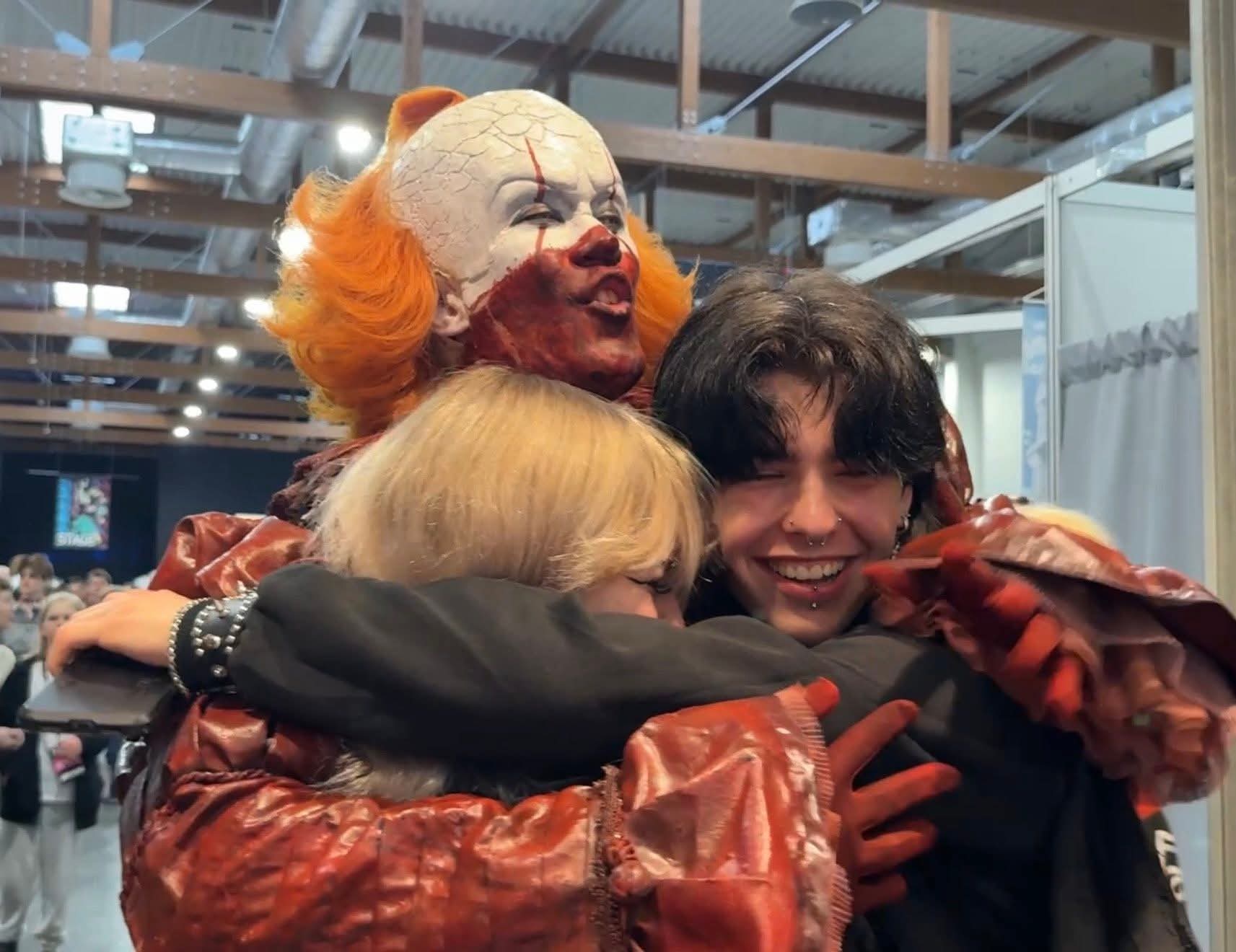
A moment ago, a girl was crying here, and I was trying my hardest to hold back my tears, because she said she’d watched my inspirational videos, and they’d really helped her. It was truly amazing, and honestly, Magnificent is one of the best experiences I’ve ever had, one of those where I received the warmest welcome.
The most important thing is to stop thinking that the world of content creation is oversaturated. It’s true that there are thousands of cosplayers and other artists online, but even though we create the same kind of content, each of us has a different story to tell. So, there’s no need to get discouraged right from the start, because everyone has a chance to stand out with their story and share it with the world.
At Gamescom 2026, I spoke with solo Peruvian developer Adolfo Gazzo about his upcoming JRPG Full Circle from Second Player…
![[GAMESCOM 2026] Hell Maiden Interview: AstralShift on Self-Publishing, Early Access and An Unlikely Trip Through Hell](https://www.indie-games.eu/wp-content/uploads/2026/09/Hell-Maiden-5-1024x576.jpg)
At Gamescom 2026, we spoke with AstralShift co-founder, writer and marketing manager Patrícia Silva about rougelike Hell Maiden.
Built by a self-funded team of seven, Vahrin’s Call is an ambitious fantasy RPG inspired by Fable, The Elder Scrolls…
Unless you’re deep in the indie gaming scene, Naphtali Faulkner might be a new name to you. But as the…
We had a chance to catch up with Heidi Borge, the developer behind narrative-driven cozy Delphinium to learn more about…
We had the opportunity to speak with Damian Czajka from MOUSE: P.I. For Hire Team.
We had the opportunity to talk with Piotr Nowakowski from Bloober Team about his work on Cronos: The New Dawn.
![[INTERVIEW] Manafinder II Is a Big Step Up – Here’s What the Developer Told Us](https://www.indie-games.eu/wp-content/uploads/2026/04/Manafinder-II-interview-1024x683.jpg)
In the interview, we discussed the game’s mechanics in greater detail, what players can expect from the sequel, and the…
We had the opportunity to sit down with the brilliant minds behind Business Goose Studios: Beau Vankemenade, Sander Ambroos, and…
![[EXCLUSIVE] Like a Bloody Storm – Interview with Kazusou Oda (Coda)](https://www.indie-games.eu/wp-content/uploads/2025/12/Oda-Kazusou-Interview-1024x576.jpg)
We had an opportunity to talk with Oda Kazusou, a theme song artist for JoJo's Bizarre Adventure.
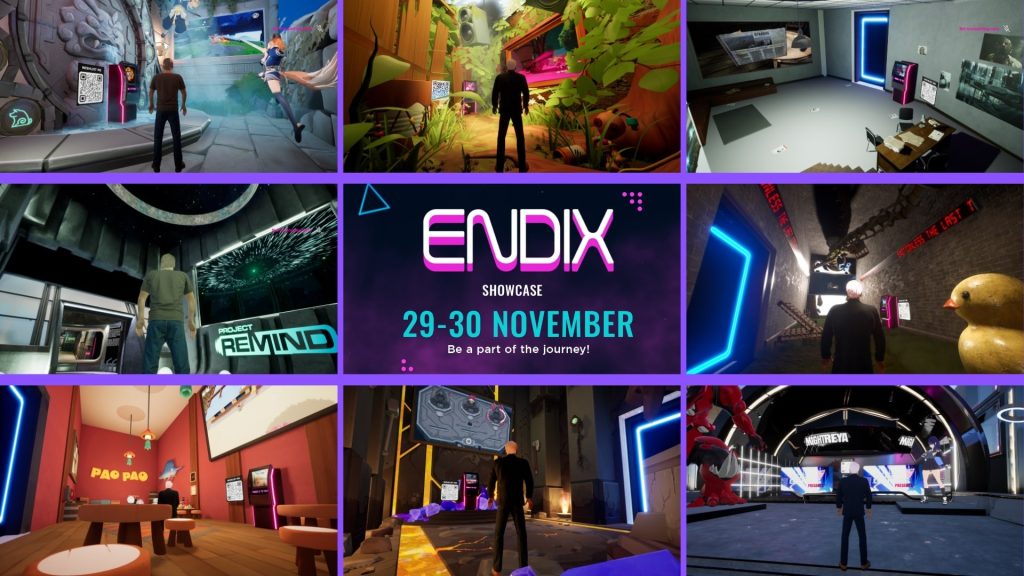
Once inside, visitors will find a fully immersive world where exhibitor booths are crafted using real in-game assets.
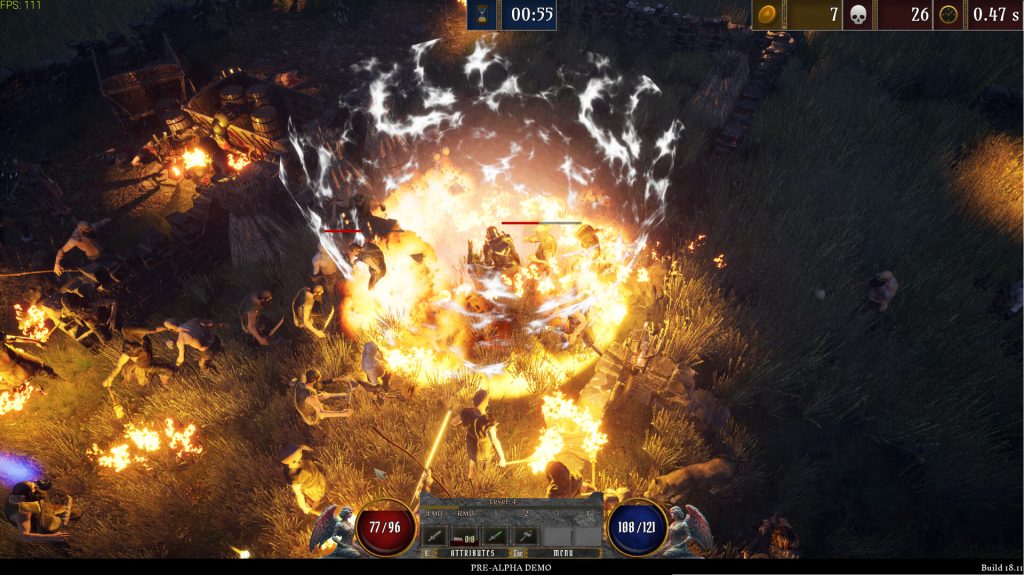
We talked to Tomasz Janicki about the details regarding Cult of Shadows.
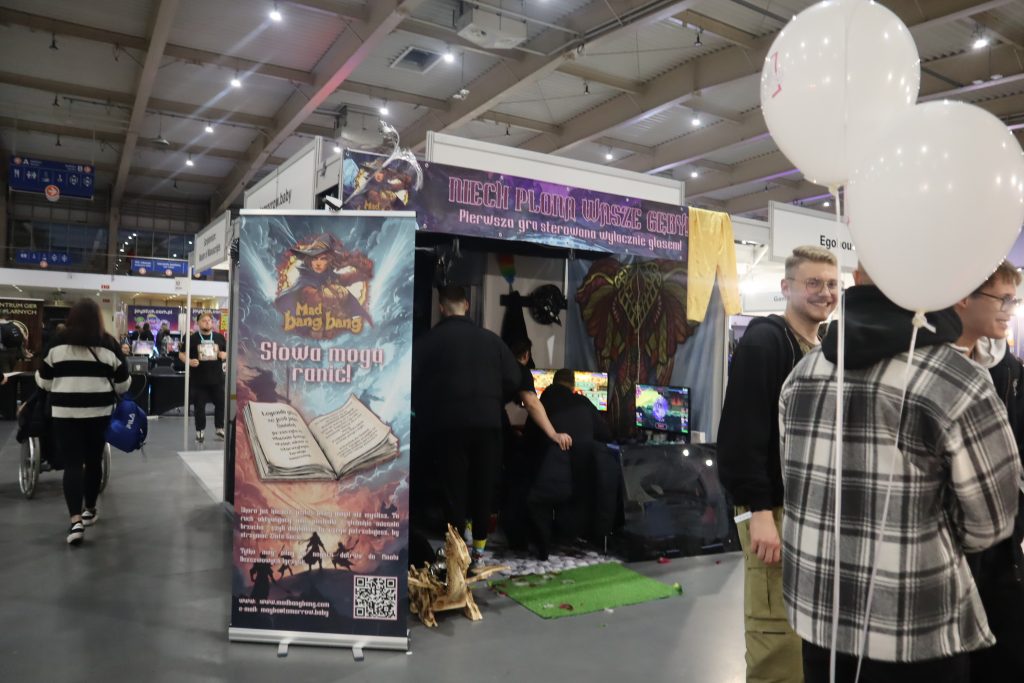
We talked to Piotr Ruszczak, one of the creators of Mad Bang Bang, about the details of this production.
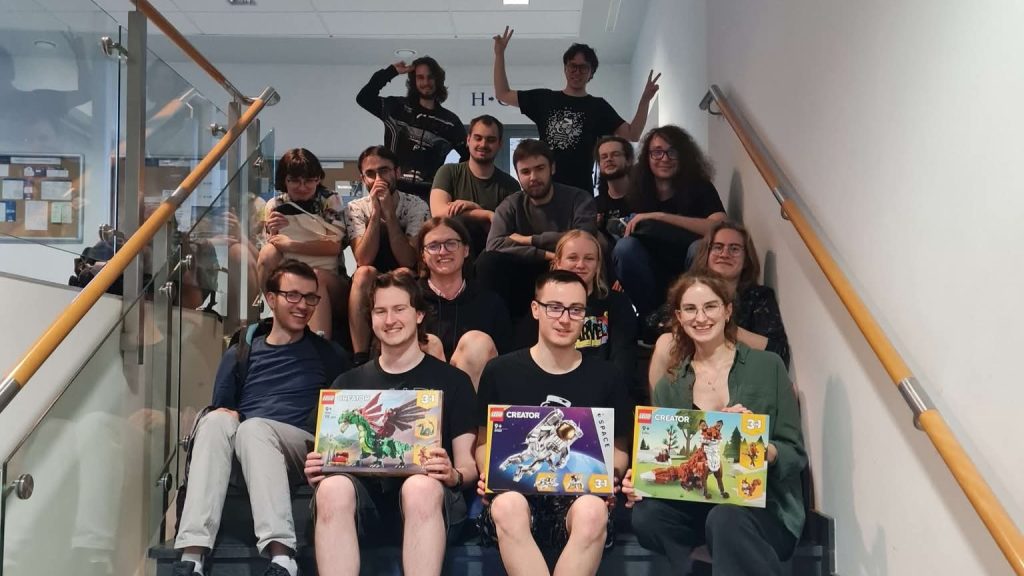
We asked Kiryl, Marek, and Jakub to reveal the secrets of their work to us.
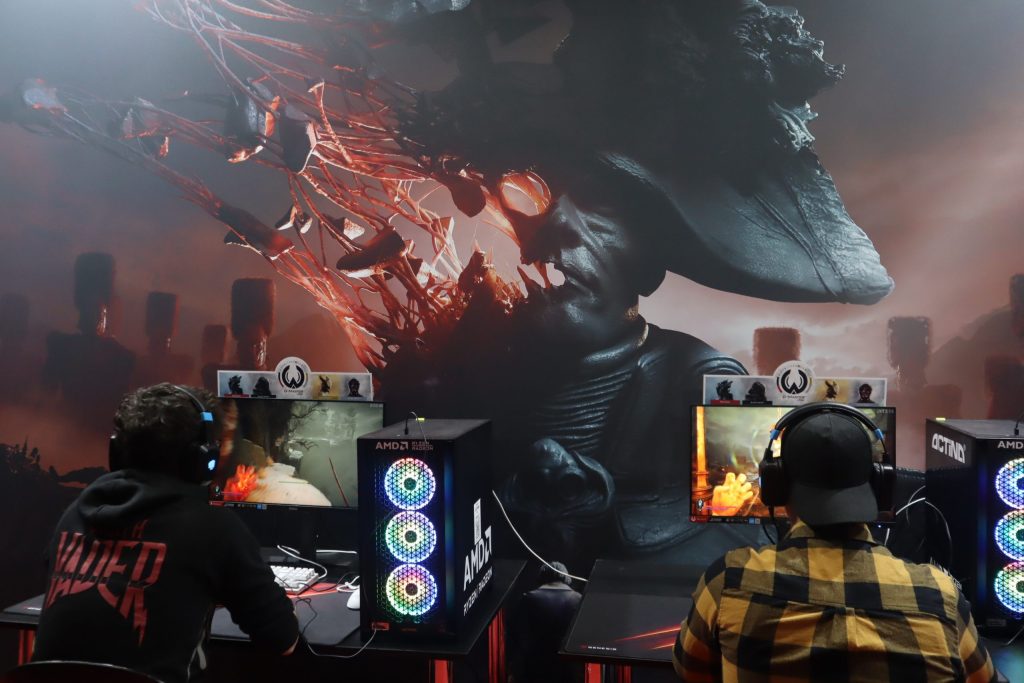
Will Valor Mortis become the hit of 2026?

We had the chance to ask Yannick Audéoud, developer behind Orbyss, some questions about the game.
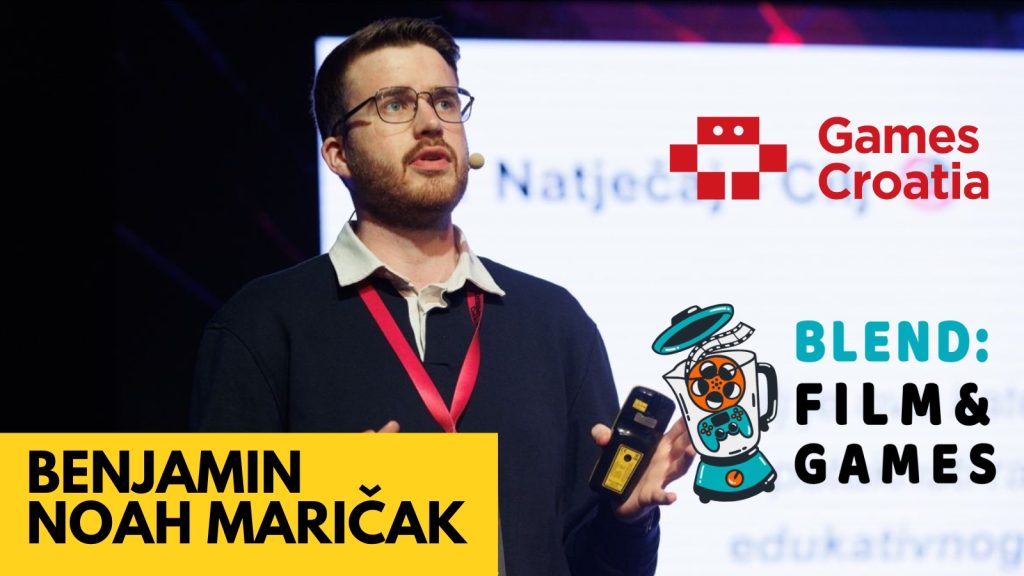
Maričak actively works to grow and promote the Croatian gaming industry while simultaneously fostering collaboration with the film industry.
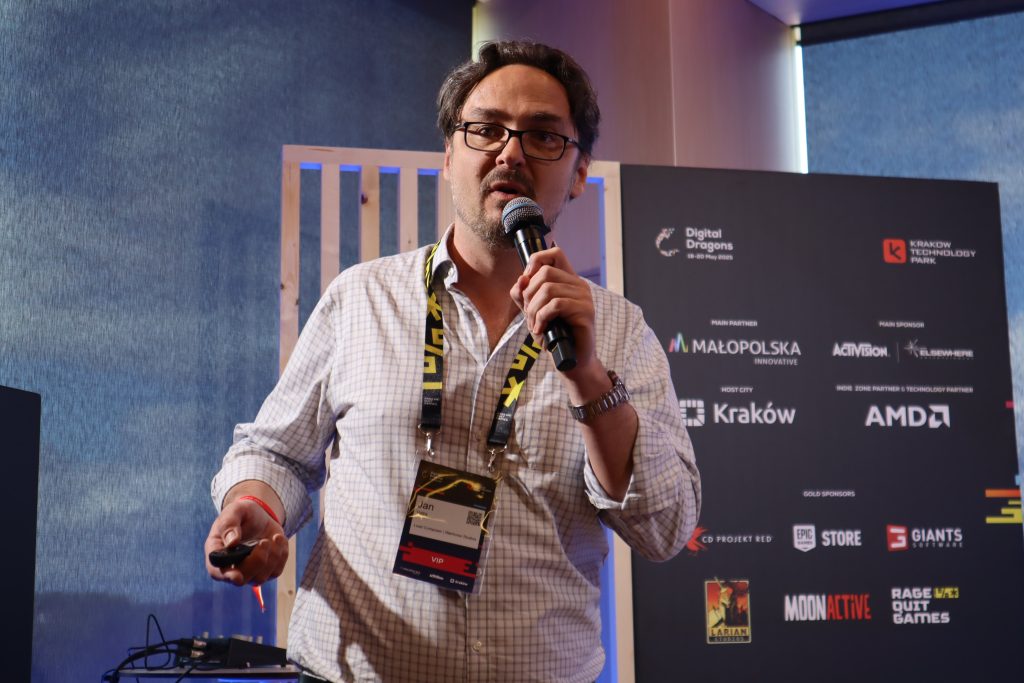
During our interview, Jan revealed the secrets of composing music for both KCD games.
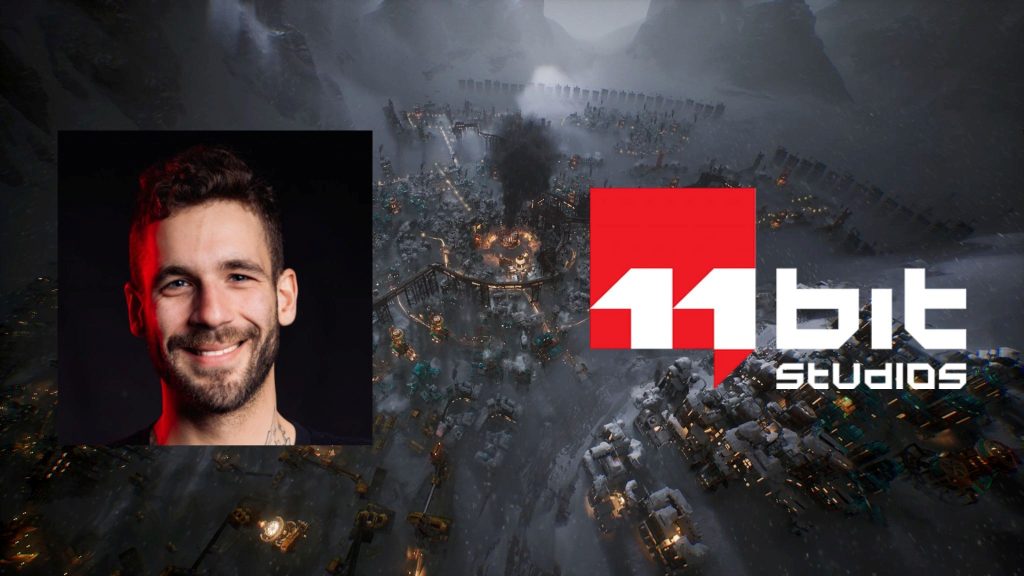
In this interview, we asked Paweł Charzyński about his experience working on Frostpunk 2 as VFX coordinator.
![[A BIG INTERVIEW] Toukana Interactive Co-Founder Zwi Zausch on the Gaming Industry](https://www.indie-games.eu/wp-content/uploads/2025/09/Dizajn-bez-naslova-2-1024x576.jpg)
Zwi Zausch provided a deep dive into the gaming industry from an indie developer's perspective.
