
Fire Emblem Awakening Retro Review – Unfulfilled Potential
Awakening is worth playing if you enjoy developing characters, experimenting with tactical partnerships, and shaping an army over a massive…

![[PREVIEW] Diviner – Dark Fantasy RPG Worth Digging Into](https://www.indie-games.eu/wp-content/uploads/2026/01/ss_b89ae32bd963134129b6d415f551faee1c131f73.1920x1080.jpg)
If you enjoy independent indie game coverage, consider supporting Indie-Games.eu on Patreon. It helps keep the site independent.
In today’s crowded game market, it’s really hard to discover new games, and many great indie titles sadly get lost along the way. That’s why I was genuinely happy when I stumbled upon Diviner. It’s a dark fantasy RPG that mixes turn-based tactical combat with exploration, dungeon crawling and deep gear and build customization.
What really caught me off guard is how unique it feels, one moment you’re exploring the world in an isometric view, and the next you’re thrown into close-up, first-person, retro-style turn-based battles where every choice matters and enemies are right in your face. The game also nails its atmosphere, with a strong fantasy setting, great character models, and a huge amount of content to dig into.
All of this comes together in a grim world where you play as a mysterious character known as a Tethered, a being bound to powerful weapons and ancient magic. Your main goal is unsettling right from the start: collecting scattered organs to rebuild the body of a dead lord. Instead of explaining everything directly, the game lets you learn about its world through exploration and mood, using the environment itself to tell the story, which makes the experience feel even more dark and immersive.

One of the most surprising features is the Resident Evil-esque inventory system, which grants an immense amount of freedom. You aren’t locked into a single gear set, instead, you carry multiple weapons that can be swapped mid-combat to adapt to any threat. This flexibility is the core of the game’s depth, allowing you to cycle through specific elemental effects like poison, fire, or lifesteal on the fly.
The customization goes far deeper than simple swaps. You can physically dismantle and reconstruct your gear by connecting different handles and gems to alter a weapon’s base behavior. Because weapons come with unique passives and modifiers, managing these components effectively is essential.
To keep your build viable, the game encourages a constant cycle of scavenge and craft:
Combat is very easy to understand at first. As soon as enemies spot you, they rush in and the game smoothly switches from the isometric top-down view to a first-person battle. From there, you choose between four actions, although not all of them are available right away. You also need to manage your action points, since every move costs a certain amount. As you keep playing, you slowly build up your skills, starting with basic attacks, then adding effects like mark or wound, and later unlocking much stronger abilities with bigger impact. It’s a simple system overall, but it does take a bit of time to fully understand as you play more.

Exploration is thankfully more than just walking around. You can crouch to reach places you normally wouldn’t, climb ladders to get to higher areas and search for hidden chests and secrets scattered throughout the world. The game clearly wants you to explore and it often rewards you for doing so. That said, I really wish there was a proper stealth system or at least a way to gain an advantage before combat starts. While you can technically hide, it doesn’t feel very useful and most encounters boil down to enemies seeing you and attacking right away, which can get a bit boring.
Visually, Diviner has a very unique style. The characters you talk to are detailed, and there’s a surprising variety of enemies. However, the game really needs more polish when it comes to animations. Right now, they feel very basic, with simple slashes and stiff movement.
The grainy, slightly pixelated look gives the game a strong identity, though it might not work for everyone, it feels a bit like an old VHS filter without fully committing to it. One detail I really liked is how you can inspect cracks in the ground to find hidden items. You use your hands or tools to dig through the dirt, but if you fail, you lose your chance, since your actions are limited.
Finally, there’s also a merchant where you can spend the gold you collect while exploring. The world feels hand-crafted, with clear paths forward and some areas blocked off. There aren’t many puzzles, and the game is mostly linear and straightforward. Still, Diviner stands out as a bold indie RPG that mixes turn-based combat with a dark, immersive world and deep gear systems.
Awakening is worth playing if you enjoy developing characters, experimenting with tactical partnerships, and shaping an army over a massive…
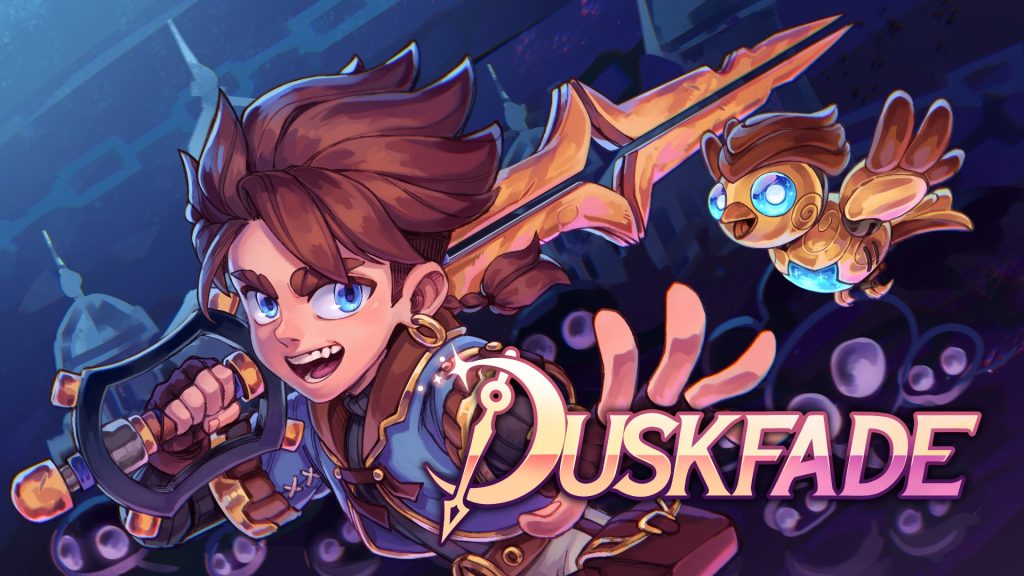
Duskfade is worth considering for players who miss colourful PS2-style action-platformers and can tolerate basic combat, floaty movement and backtracking.

Man I Just Wanna Go Home is a noir crime story with visuals from MS Paint and life-or-death choices.
![[GAMESCOM 2026] Vikings Dynasty Preview – Expands the Dynasty Formula](https://www.indie-games.eu/wp-content/uploads/2026/09/Viking-Dynasty-09-21-26-2-1024x576.jpg)
After showing me Prospera at Gamescom 2026, Toplitz Productions' Mathias Oertel moved to a very different kind of settlement builder.…
![[GAMESCOM 2026] Prospera Preview – Production, Prosperity and Victorian Industry](https://www.indie-games.eu/wp-content/uploads/2026/09/Prospera-09-21-26-5-1024x576.jpg)
At Gamescom 2026, I met with Toplitz Productions' Mathias Oertel for a guided presentation of two upcoming games. One of…
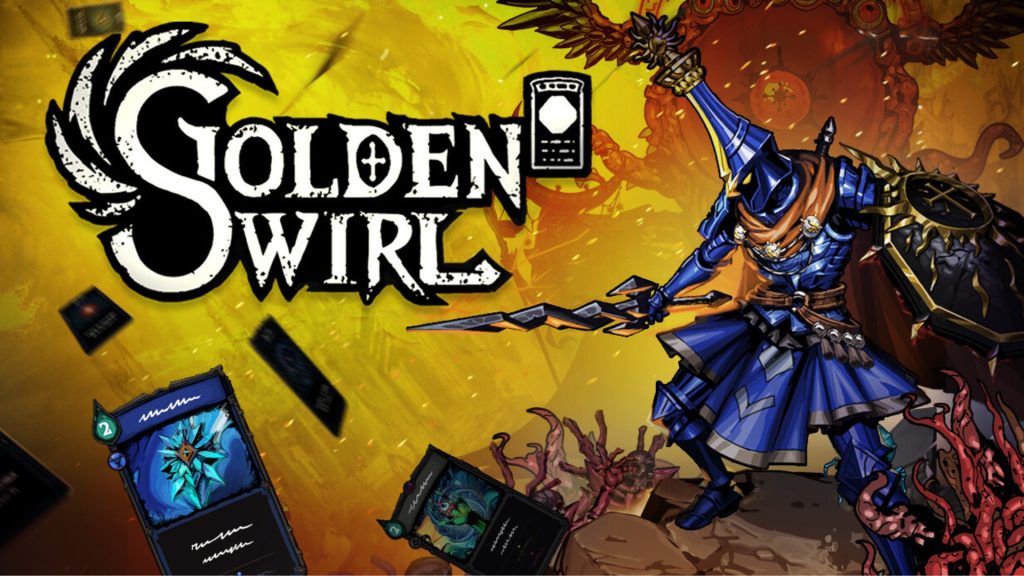
Golden Swirl inventive card combat carries the experience, but repetitive rooms, weak upgrades and excessive dialogue hold it back.
![[GAMESCOM 2026] Wilderdark Preview – Ambitious Dinosaur Horror Game That Still Has Plenty to Prove](https://www.indie-games.eu/wp-content/uploads/2026/09/Wilderdark-1024x576.jpg)
Dinosaur survival horror game Wilderdark has one of those premises that immediately makes you wonder why more games have not…
![[PREVIEW] Tiny Metal 2 – Strategy Game That Wants You to Learn From Every Mistake](https://www.indie-games.eu/wp-content/uploads/2026/09/Tiny-Metal-2-1024x576.jpg)
I rarely enjoy discovering that my opening strategy was completely wrong, but Tiny Metal 2 made that process one of…
![[PREVIEW] Remothered: Red Nun’s Legacy – Ambitious Survival Horror That Needs More Polish](https://www.indie-games.eu/wp-content/uploads/2026/09/Remothered-Red-Nuns-Legacy-4-1024x576.jpg)
Remothered: Red Nun’s Legacy has a gripping atmosphere and promising survival tools, but its repetitive hiding and rough visuals need…
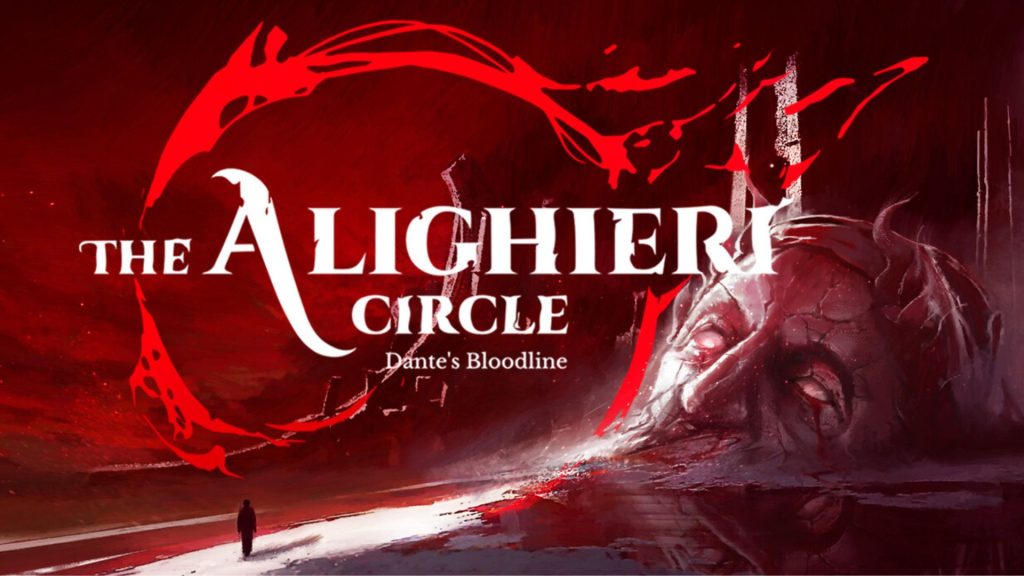
The Alighieri Circle: Dante’s Bloodline is difficult to recommend beyond players who are especially interested in Dante or enjoy solving…
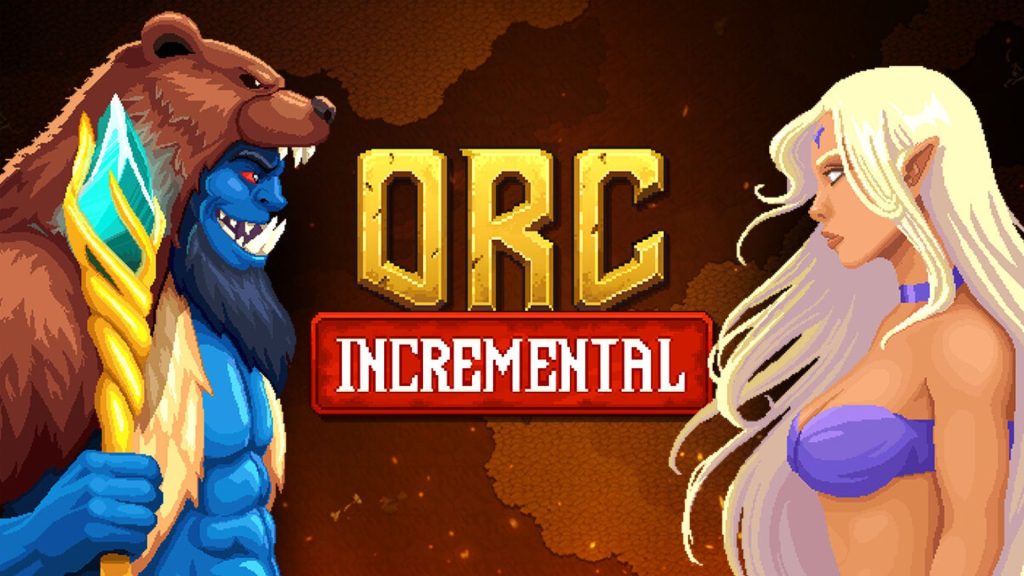
Orc Incremental offers satisfying progression, entertaining totem combinations and enough content to justify its affordable price.
![[GAMESCOM 2026] Chronoscript: The Endless End Preview – Beautiful Pages Hide Deliberate Combat](https://www.indie-games.eu/wp-content/uploads/2026/09/Chronoscript-The-Endless-End-1-1024x576.jpg)
Chronoscript: The Endless End stands out from other Metroidvanias by blending 2D manuscript worlds with exploration inside a 3D manor.
![[GAMESCOM 2026] MegaGum Preview – Combat Hits Hard in This Sticky Platforming Adventure](https://www.indie-games.eu/wp-content/uploads/2026/09/MegaGum-09-09-26-5-1024x576.jpg)
MegaGum combines hard-hitting combat, varied weapons and Gum-powered platforming in a promising Gamescom 2026 demo.
![[GAMESCOM 2026] Delphinium Preview – Cozy Routine Mixed With Enjoyable Minigames](https://www.indie-games.eu/wp-content/uploads/2026/03/Delphinium--1024x665.jpg)
Delphinium mixes cozy farming, exploration and relationships with enjoyable fishing, cooking and forging minigames in its Gamescom 2026 demo.
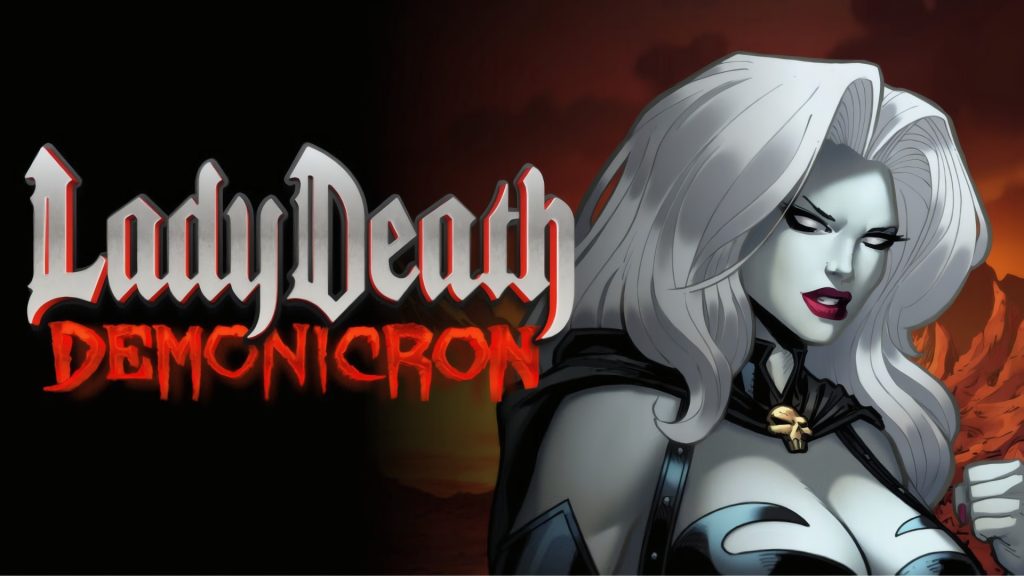
Lady Death: Demonicron looks the part, but underneath its excellent comic-book exterior is a clunky and painfully short brawler.
![[GAMESCOM 2026] Tomb Raider: Legacy of Atlantis Preview – Expands the Original Without Losing Its Identity](https://www.indie-games.eu/wp-content/uploads/2026/09/tomb-raider-legacy-of-atlantis-06-02-26-1-1024x576.jpg)
Tomb Raider: Legacy of Atlantis brings Lara back to her roots, but its Gamescom 2026 showing proved this is far…
![[GAMESCOM 2026] Clive Barker’s Hellraiser: Revival Preview – Ready to Open the Box](https://www.indie-games.eu/wp-content/uploads/2026/09/Clive-Barkers-Hellraiser-Revival-08-30-26-1-1024x576.jpg)
Hellraiser: Revival preserves the franchise’s sex, gore and psychological horror while delivering approachable survival-horror gameplay.

Swan Song creates a peaceful and forgiving puzzle space without removing the challenge that makes solving a difficult puzzle rewarding.

Mortal Shell II starts brilliantly but grows repetitive and exhausting, while remaining a rewarding and ambitious Soulslike sequel.
![[GAMESCOM 2026] Terranigma Preview – A Lost SNES Classic Returns in 2027](https://www.indie-games.eu/wp-content/uploads/2026/08/Terranigma-1-1024x576.jpg)
After more than three decades of limited availability, Terranigma is returning in 2027. We played its enhanced re-release at Gamescom…
