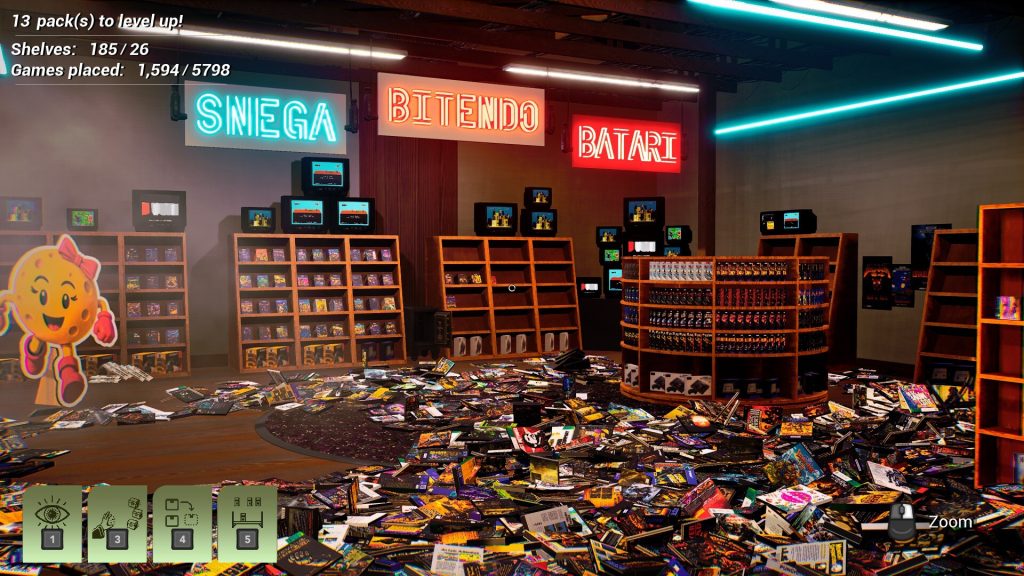
A Cat Scattered 5,798 Games Across This Cozy Supermarket Simulator
MY CAT SCATTERED GAMES asks players to organize 5,798 games and consoles before rescuing a cat trapped inside a claw…


If you enjoy independent indie game coverage, consider supporting Indie-Games.eu on Patreon. It helps keep the site independent.
When the developer of Tailside: Cozy Cafe Sim described the game’s launch as a “failure,” it wasn’t really about the quality of the game, it was about the emotional whiplash of release day. After months of building interest, growing wishlists, and sharing development progress openly, the reality didn’t match expectations. Sales came in far lower than anticipated, and the momentum that seemed so strong before launch suddenly felt like it disappeared overnight.
The game entered Early Access on Steam in late January 2026 at a modest price point, and within a couple of months it had already gathered over 100 user reviews with a very positive reception. Players who did jump in consistently praised its relaxing tone, pixel art, and low-pressure design. It’s the kind of cozy experience that doesn’t rush you, doesn’t overwhelm you, and instead focuses on simple, comforting routines like brewing drinks or decorating your space.
Part of its “failure” comes down to how Early Access is perceived today. For many players, buying into an unfinished game has become a risk they’re no longer willing to take. Too many projects have launched in Early Access only to stall, change direction, or never reach a proper 1.0 release. As a result, a growing number of players now treat Early Access as something to watch, not something to immediately support. They wishlist games, follow updates, maybe even play demos, but they wait.
Wishlists, in particular, can create a misleading sense of momentum. They’re often seen as a sign of strong demand, but they don’t always translate into day-one purchases. In Tailside’s case, the pre-launch interest was real, but the audience that clicked “wishlist” didn’t necessarily show up at release. Add to that the way storefront algorithms work, the constant influx of new titles, and competition from bigger releases, and it becomes easy for even a well-received indie game to quietly slip under the radar.
For an indie Early Access release, especially from a small team or solo developer, getting to launch at all is an achievement. Building a playable, stable experience, earning very positive feedback, and connecting with a group of players who genuinely care about the game is not nothing. In fact, it’s more than many projects ever reach.
The developer has already committed to continuing work on the game regardless of current sales, which shifts the narrative away from “failure” and toward something more long-term. Early Access, at its best, is about growth: iterating, improving, and slowly building an audience over time. A quiet launch doesn’t mean a quiet future, especially in a genre like cozy sims, where word of mouth and updates can significantly change a game’s trajectory.
MY CAT SCATTERED GAMES asks players to organize 5,798 games and consoles before rescuing a cat trapped inside a claw…
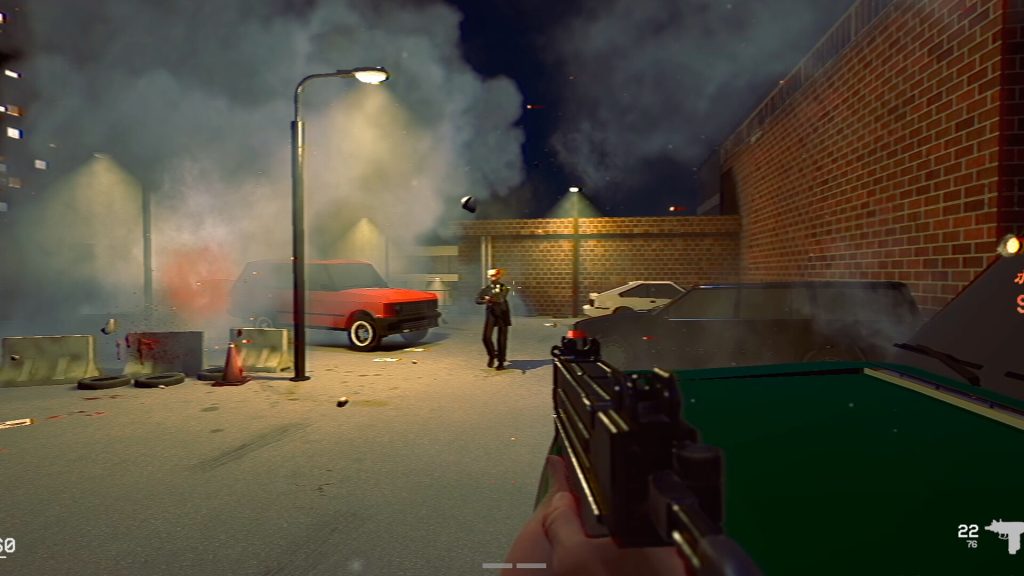
Retro corridor shooter Cop Bastard has partnered with Retrovibe for an October release, accompanied by a faster and more polished…
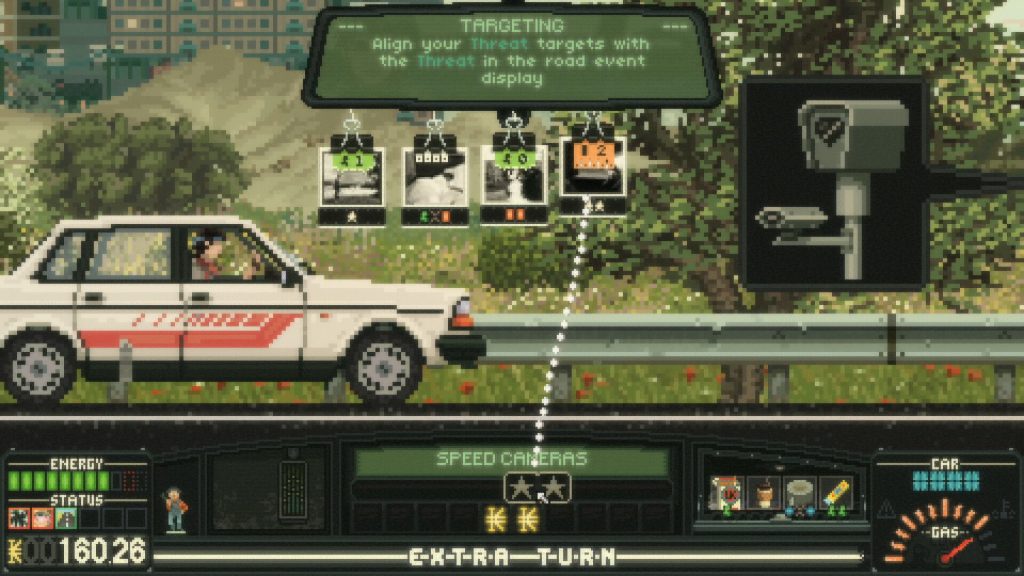
Keep Driving launches on Switch, PS5 and Xbox Series X|S on September 28 as its PC edition receives official Steam…
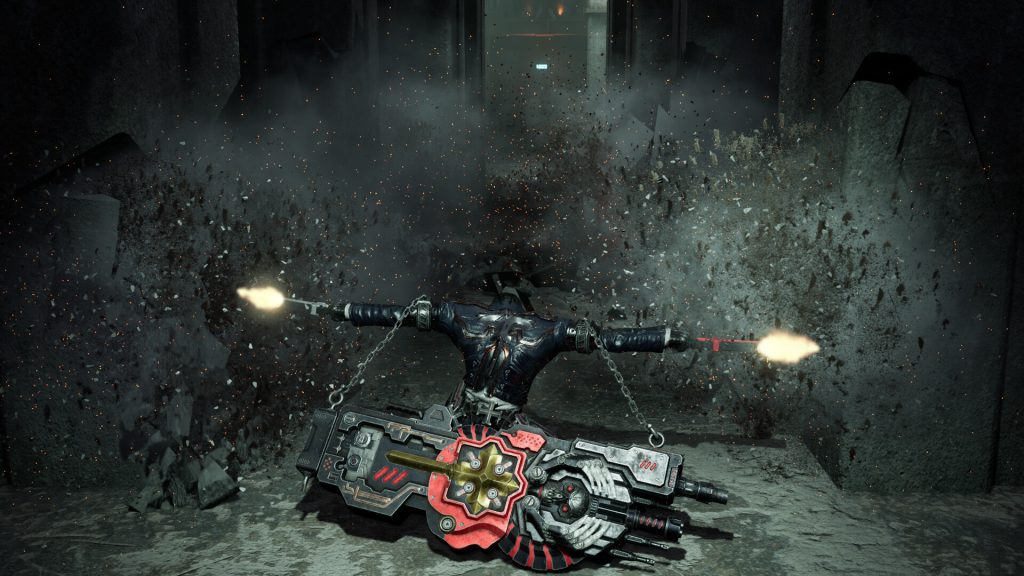
Gungrave G.O.R.E: Blood Heat shows its rebuilt combat, including parries, close-range attacks and faster 360-degree movement.

Sugar Lies follows a young man who hates dishonesty and a girl living behind a perfect persona when it launches…
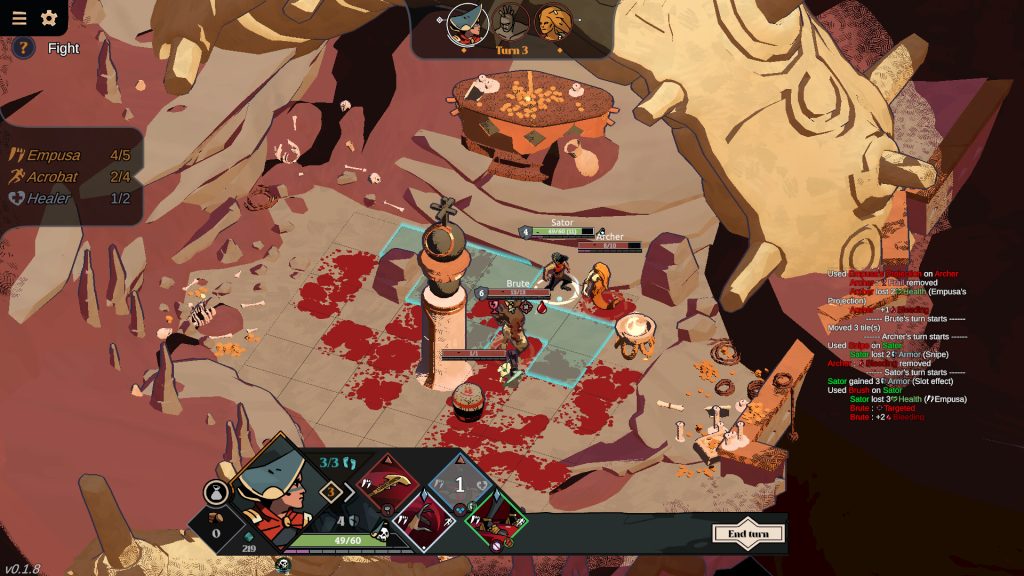
Deified leaves Steam Early Access on September 21 with its narrative ending, final boss floor, balance improvements and hidden content.
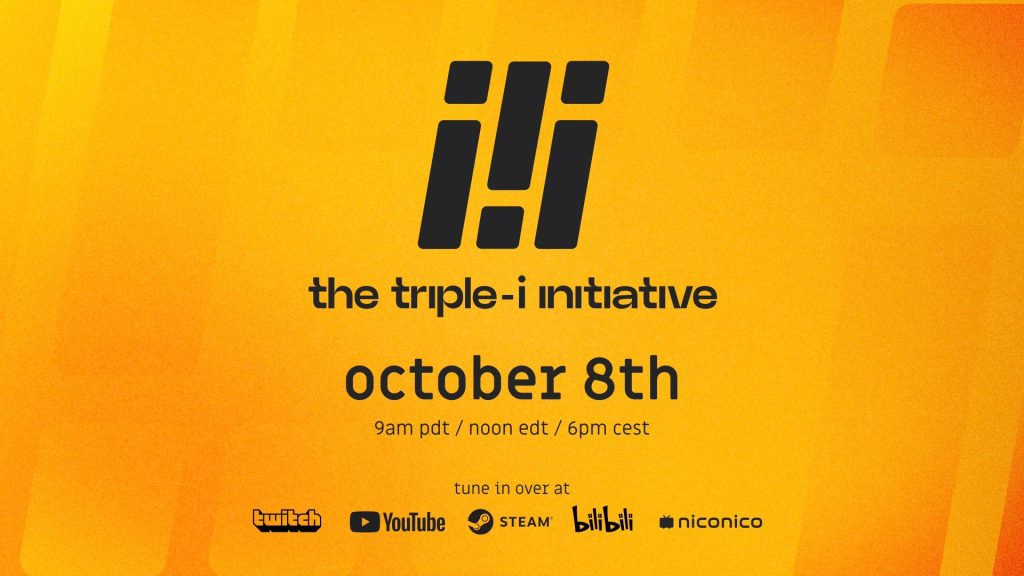
Triple-i Initiative returns October 8 with 40 games, eight world premieres and 45 minutes of trailers, release dates and reveals.
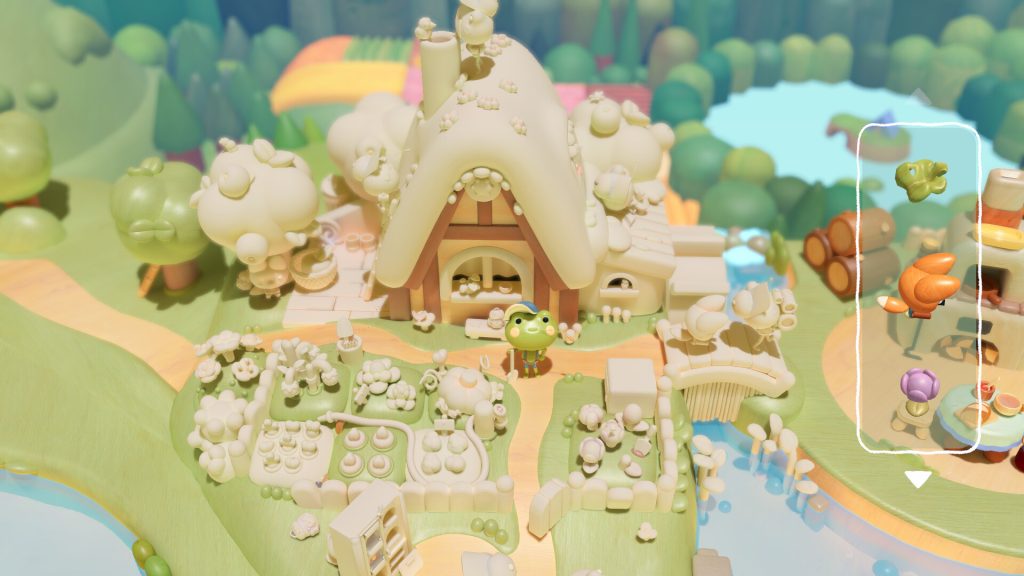
Woodo launches September 16, inviting players to rebuild childhood memories through cozy, handcrafted wooden dioramas.
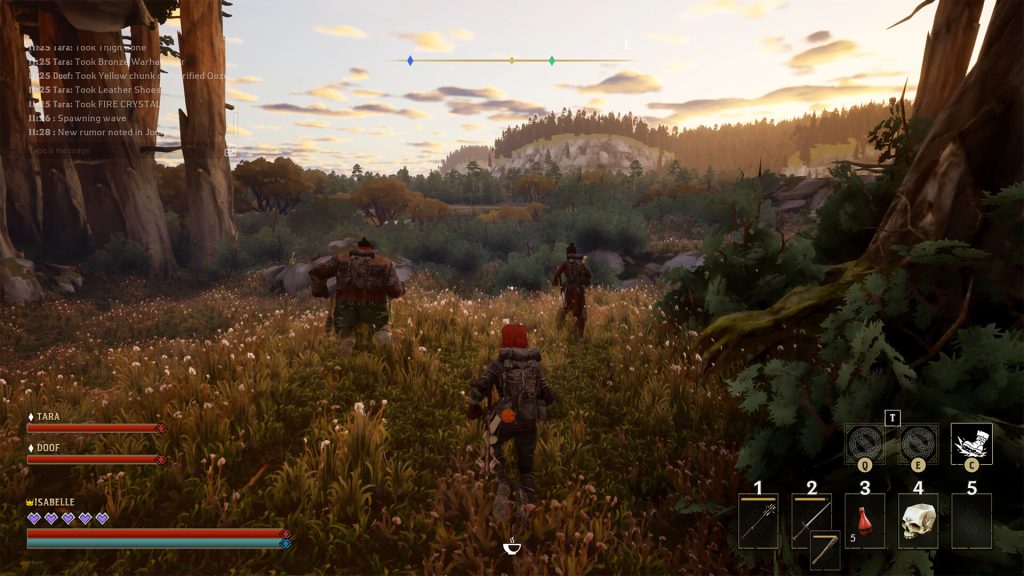
Curve Games signs Wyldheart in one of its biggest recent investments after the co-op RPG surpasses 375,000 Steam wishlists.
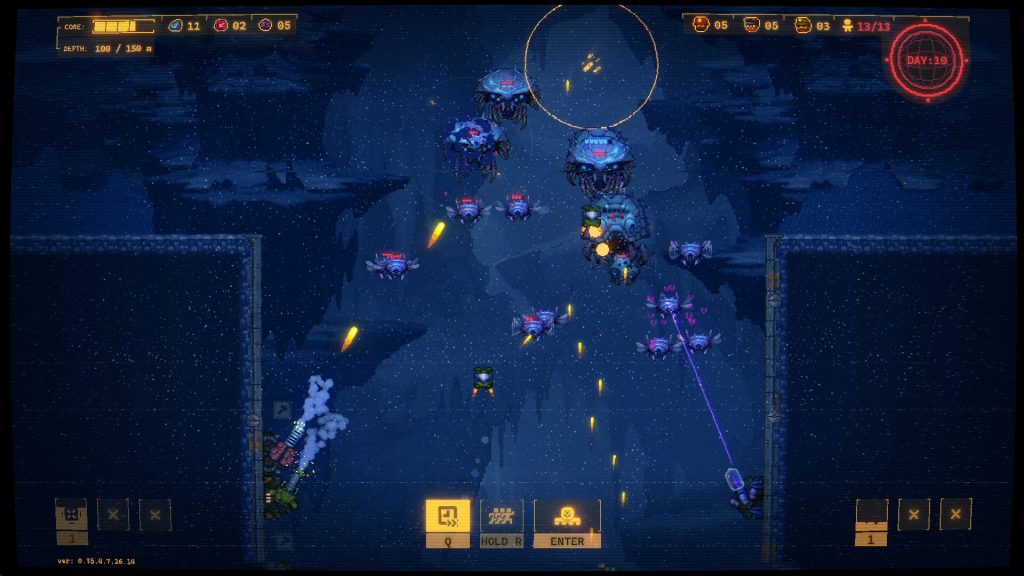
Drill Core’s free Anniversary Update adds Relaxed Mode, new bounties, specialists, platform skins and several quality-of-life improvements.
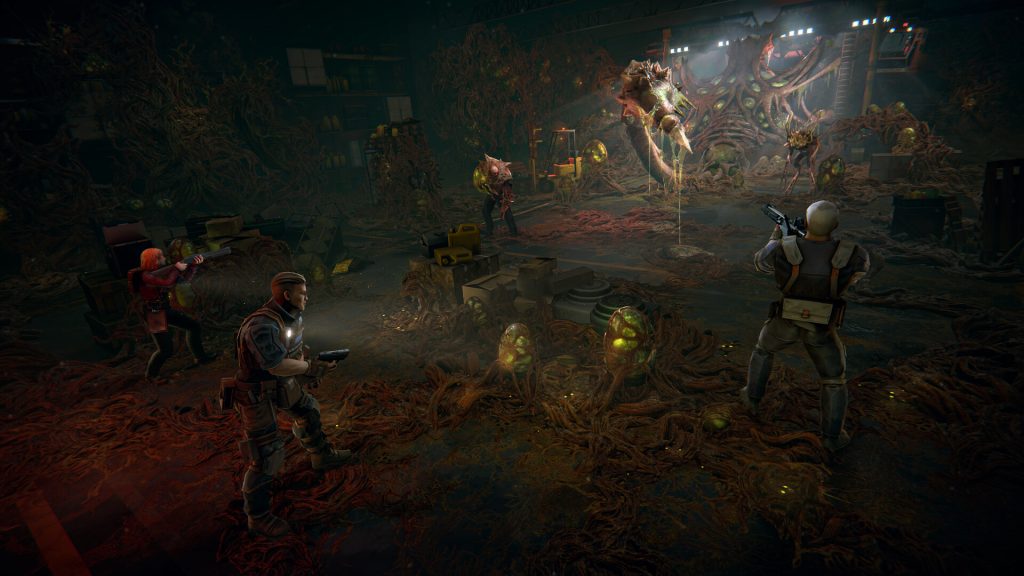
Critical Shift’s free two-hour demo combines real-time exploration with tactical combat inside a compromised Antarctic facility.
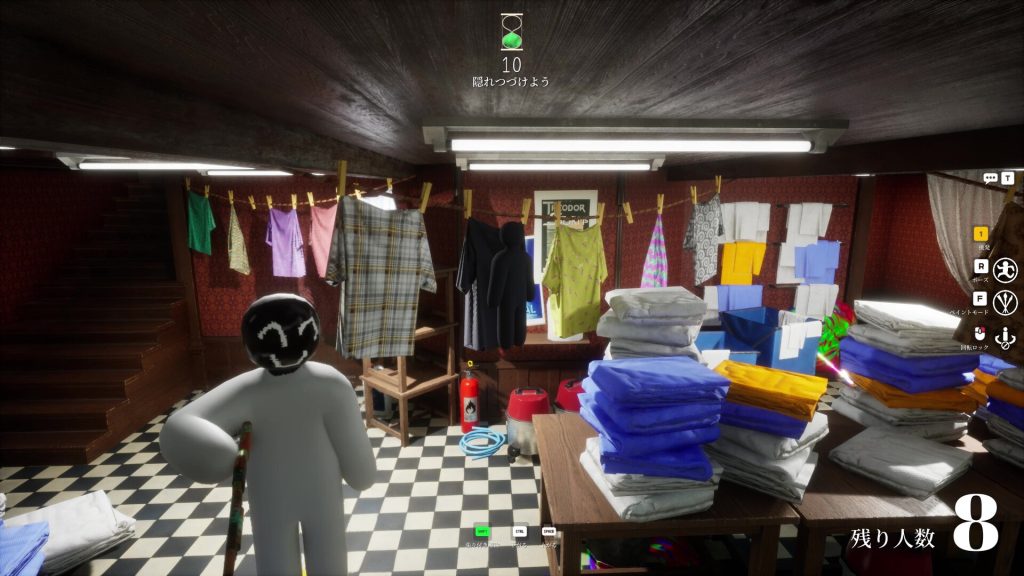
Meccha Chameleon brings its paint-based multiplayer hide-and-seek matches to Nintendo Switch 2 with a temporary $4.79 launch price.
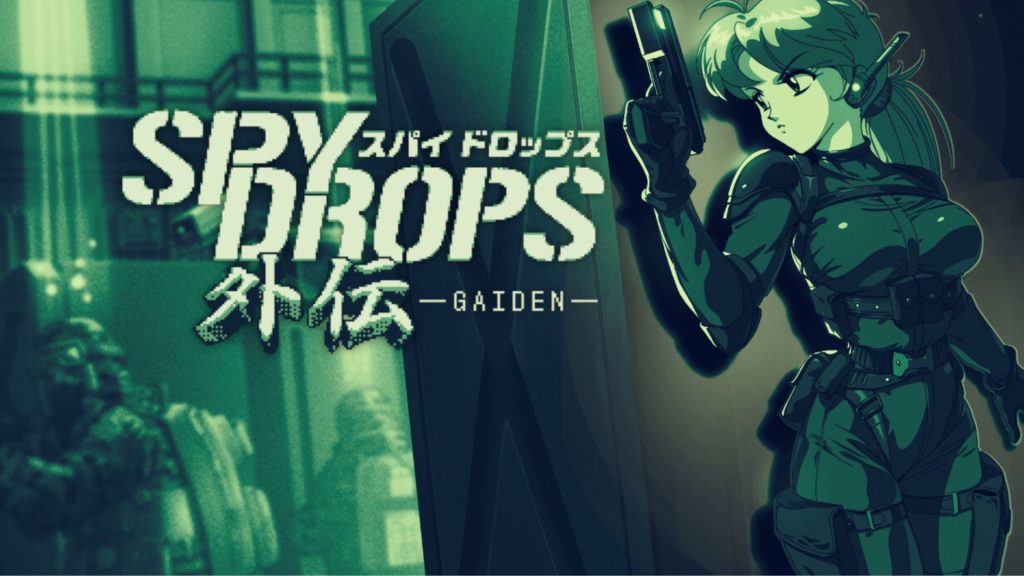
Spy Drops Gaiden brings Game Boy-style stealth, eight covert missions and intel extraction to Steam on October 12 for €4.99.
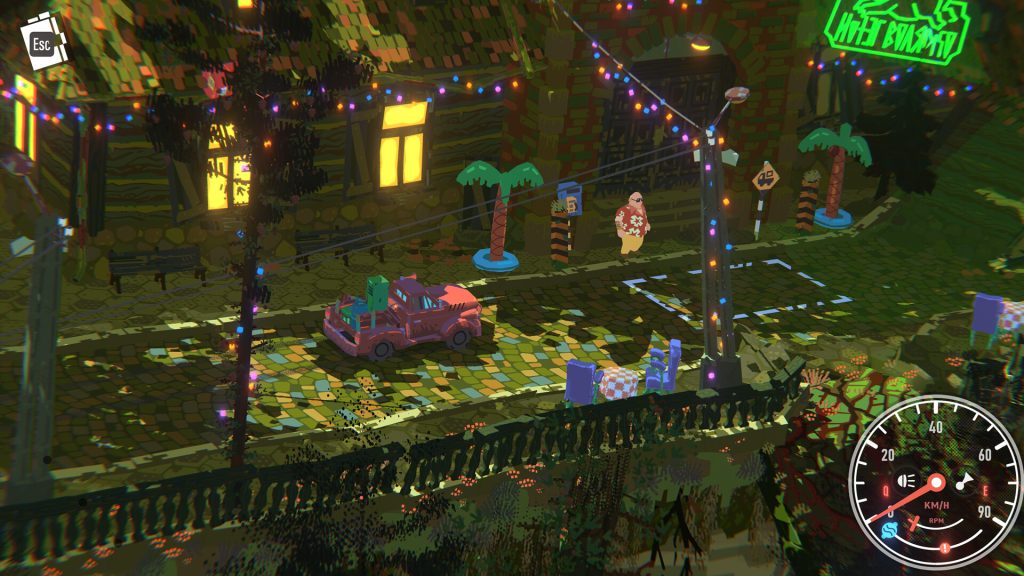
Truckful launches October 9 on Steam and Android, combining physics-based deliveries with vehicle upgrades and a mystery inside an ancient…
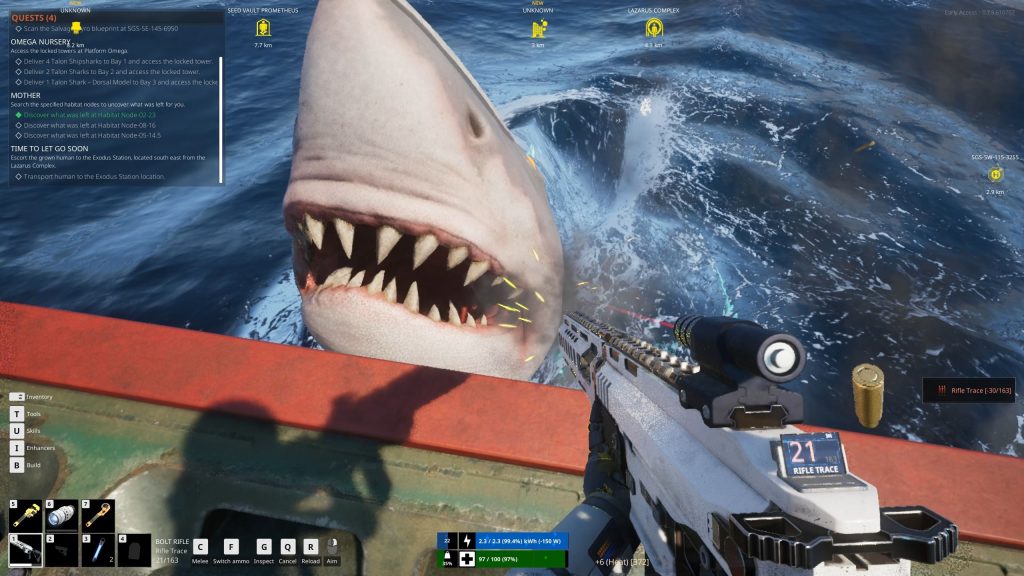
The Last Caretaker reaches version 1.0 in spring 2027 and joins Xbox Game Pass on day one after selling over…

Chronoscript: The Endless End moves to early summer 2027 as DeskWorks! improves combat responsiveness, menus and visual readability.
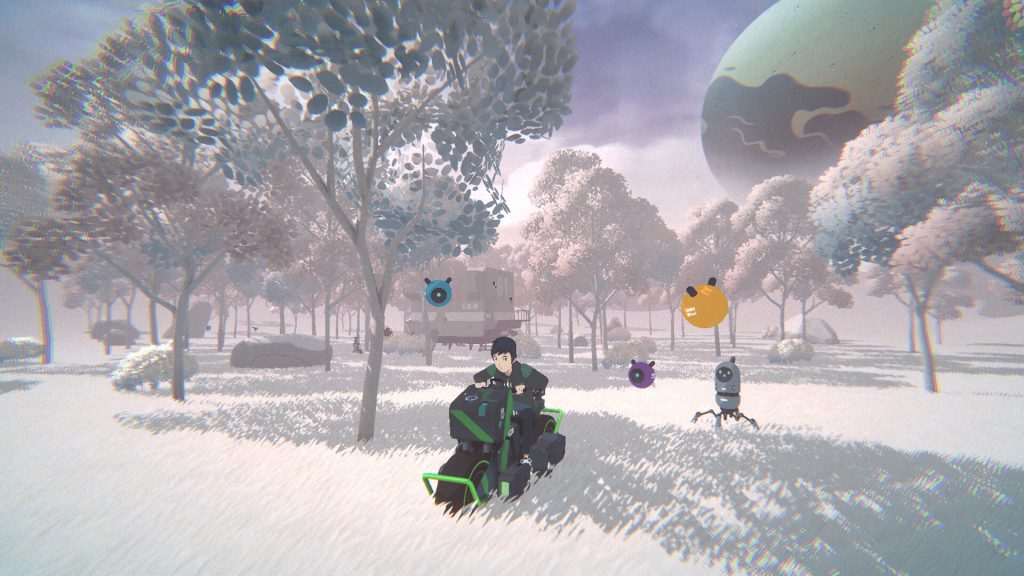
HEIMA is a parallel-world puzzle adventure from former Terra Battle developers, coming to PC in 2028 with SHIFT and HOLD…
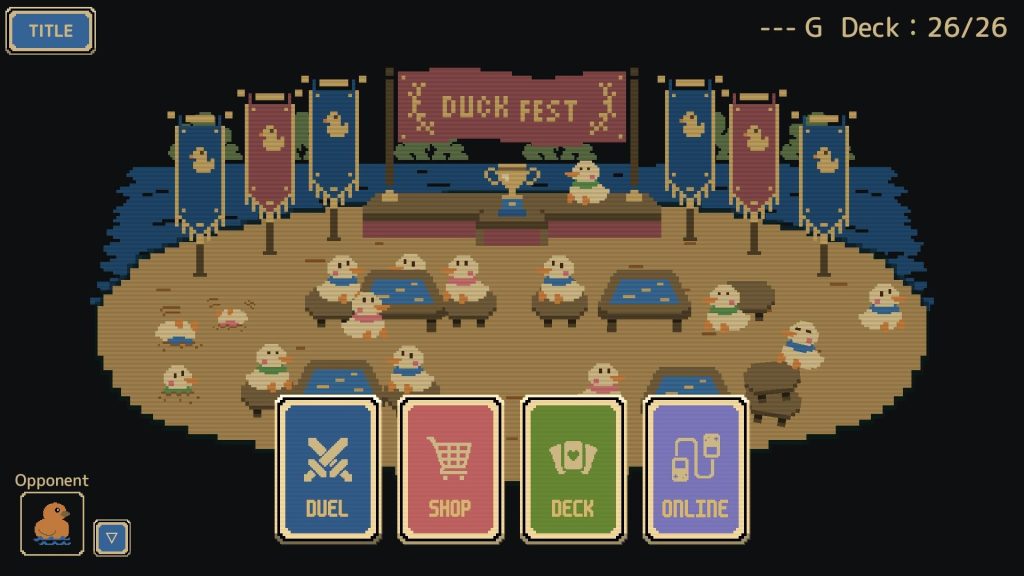
Duck Fest combines deck building and 1v1 battles with collectible cards that players can trade through the Steam Community Market.
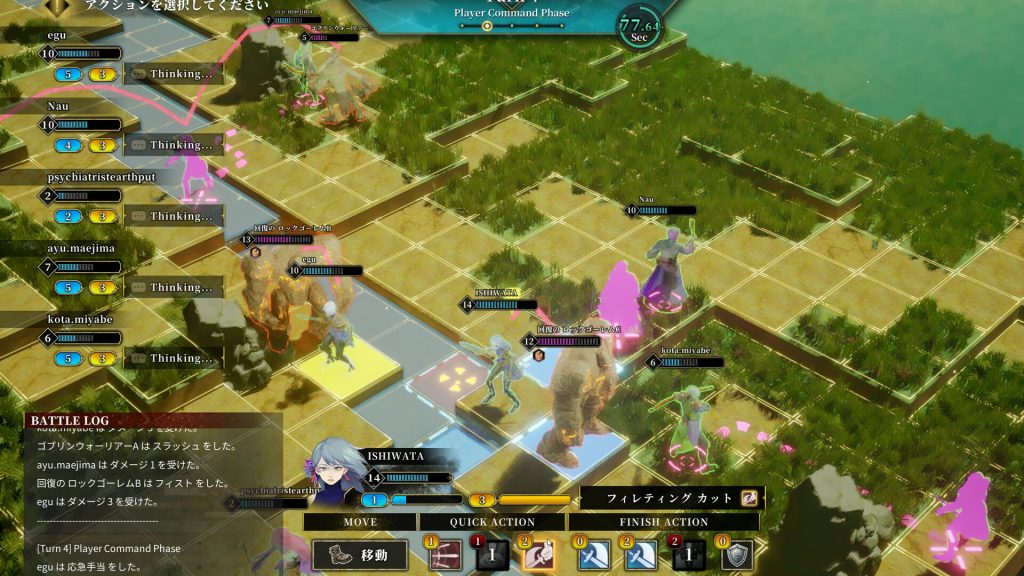
Tactful Tactics is a 1–6-player cooperative RPG where everyone plans and executes their actions simultaneously.
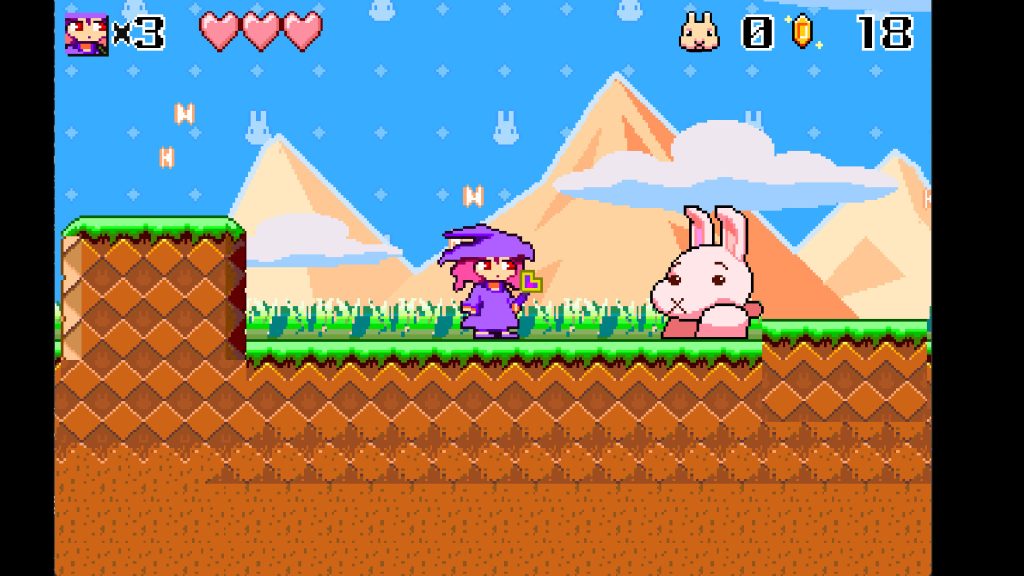
SakuSaku Witch is a retro-inspired 2D platformer about magic, bunny monsters and a suspicious toy company, coming to Steam in…
