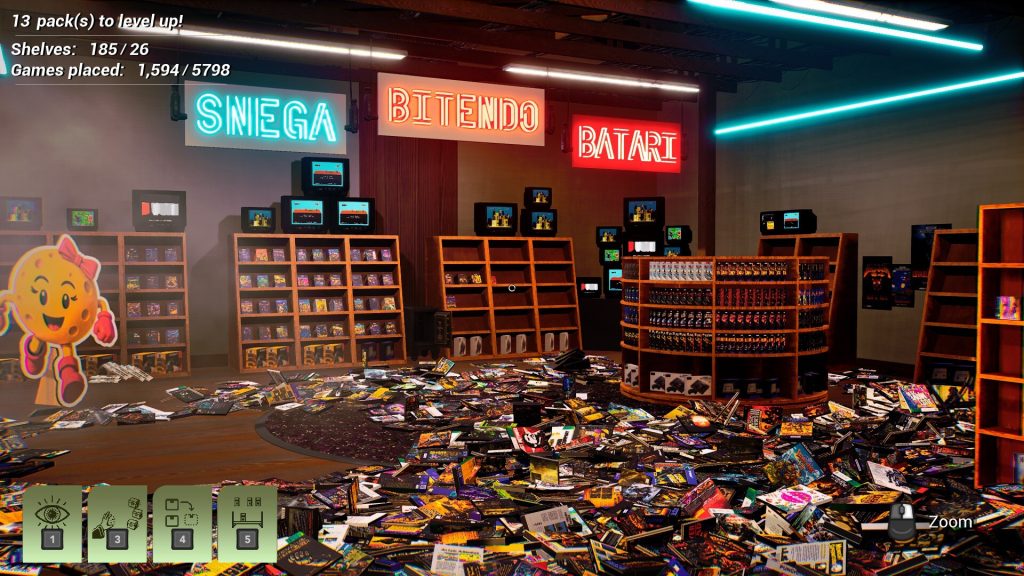
A Cat Scattered 5,798 Games Across This Cozy Supermarket Simulator
MY CAT SCATTERED GAMES asks players to organize 5,798 games and consoles before rescuing a cat trapped inside a claw…

If you enjoy independent indie game coverage, consider supporting Indie-Games.eu on Patreon. It helps keep the site independent.
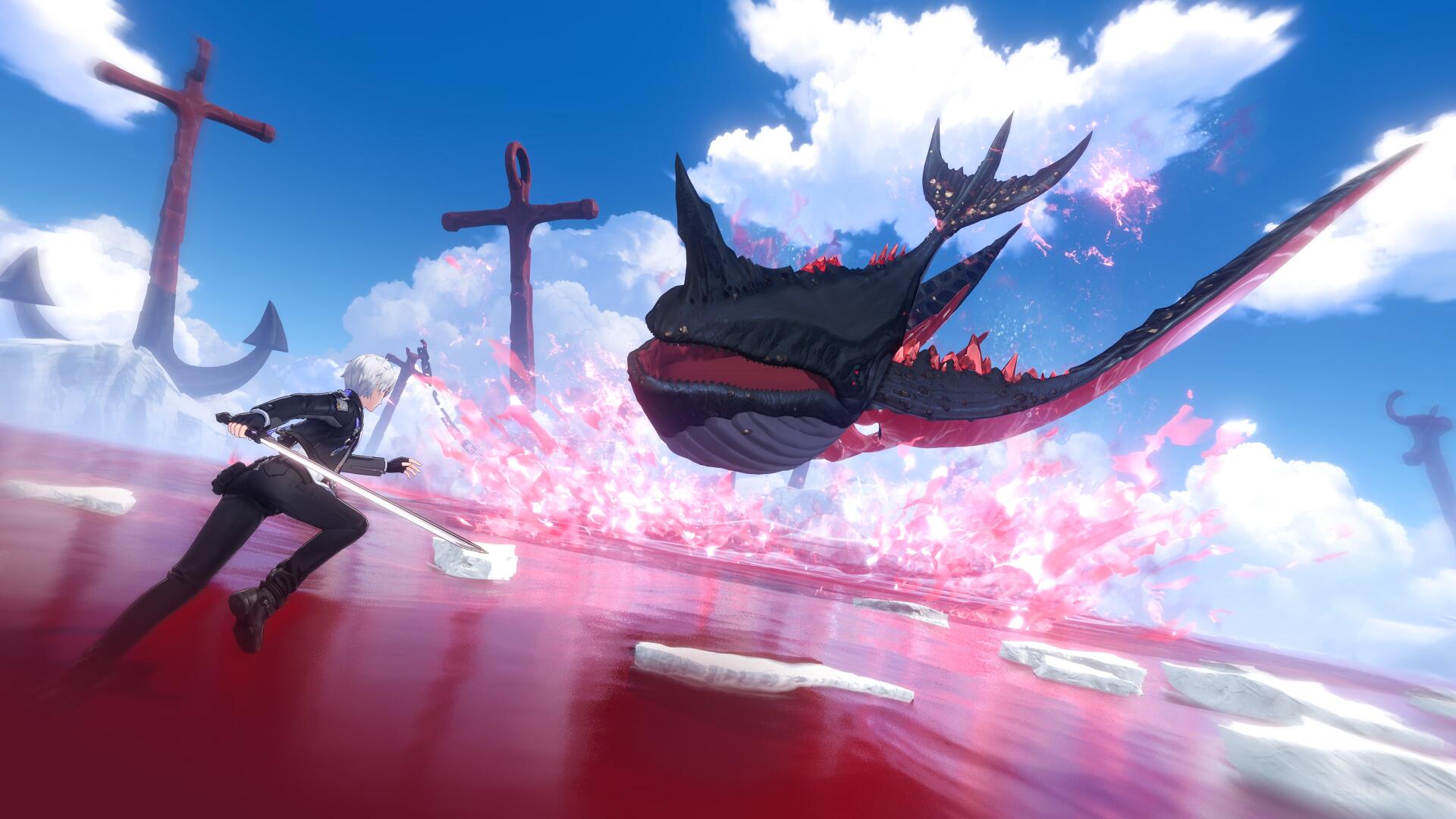
Neverness to Everness (NTE) is a recently launched supernatural open-world action RPG gacha game from Hotta Studio (the team behind Tower of Fantasy) and Perfect World Entertainment. It went live globally around April 29, 2026 and quickly gained strong initial traction, reportedly earning over $14 million on day one. In fact, it probably outpaced competitors like Wuthering Waves or Zenless Zone Zero in early revenue.
The drama erupted shortly after launch when players noticed certain in-game elements that appeared to be generated or heavily influenced by AI. This included background billboards and posters in the city of Hethereau, with one example closely resembling a scene from Makoto Shinkai’s anime film Weathering with You.
Everyone pointed to unnatural animations in short in-game clips and other visual assets that looked inconsistent or AI-like. Some accused the developers of using generative AI to replicate or filter existing artwork, which sparked accusations of theft and lack of originality.
This led to significant backlash. Several content creators and voice actors distanced themselves: VTuber Ironmouse canceled a sponsored stream after her team was reportedly told the game had “no AI anywhere.” English voice actor MeggieEliseVA and others threatened to cut ties if the issue wasn’t addressed.
However, we can argue that discovering AI usage doesn’t retroactively erase the thousands of hours of fun players have already had with the game in its first week. We can view much of the outrage as performative virtue signaling, a way for people to score internet points by loudly declaring “I hate AI too”, rather than a critique of the game’s overall quality.
The debate reflects broader tensions in gaming: concerns about AI displacing artists, ethical issues around training data and originality, and questions of transparency from developers. Supporters of the game point out that AI tools have been used in game development pipelines for years (for optimization, references, or non-final assets), and that the vocal anti-AI crowd represents a minority, especially when the game remains enjoyable for many.
As of now, Hotta Studio hasn’t issued a major public response, and opinions remain split. The game continues to be played and discussed actively, with many treating the AI elements as a minor issue or something that could be patched/replaced in updates. The whole situation highlights how quickly online gaming communities can polarize around emerging tech like generative AI.
MY CAT SCATTERED GAMES asks players to organize 5,798 games and consoles before rescuing a cat trapped inside a claw…
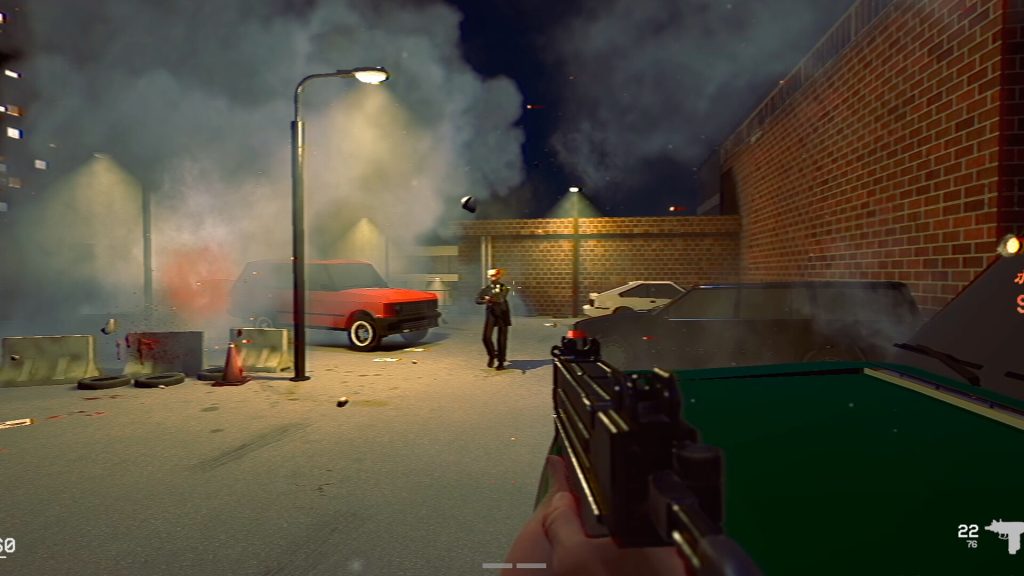
Retro corridor shooter Cop Bastard has partnered with Retrovibe for an October release, accompanied by a faster and more polished…
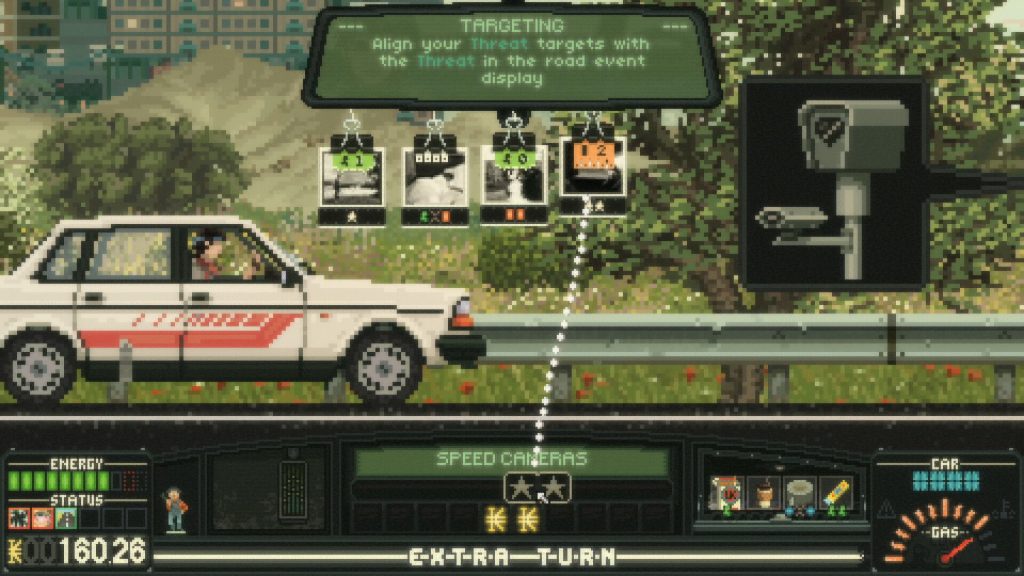
Keep Driving launches on Switch, PS5 and Xbox Series X|S on September 28 as its PC edition receives official Steam…
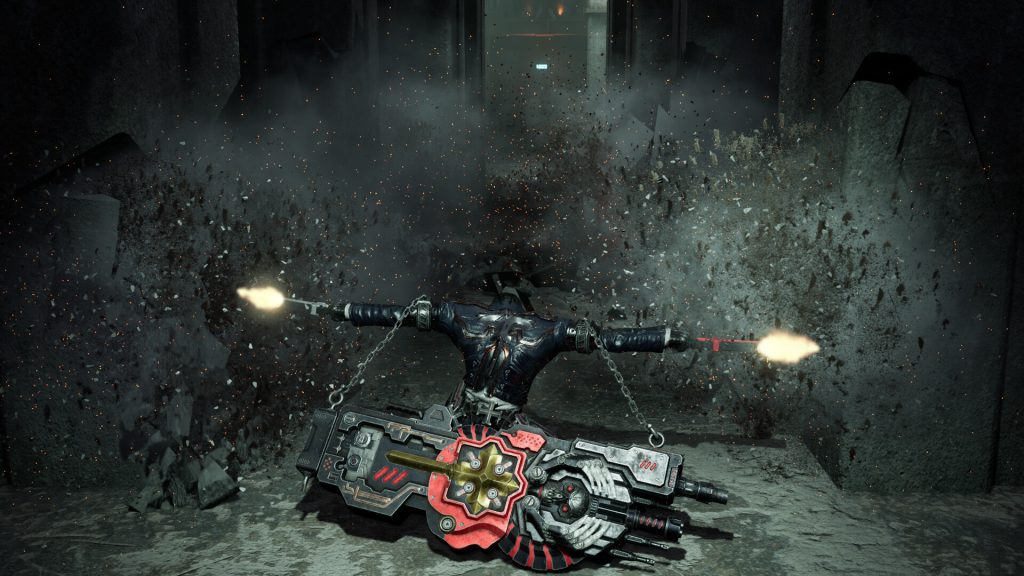
Gungrave G.O.R.E: Blood Heat shows its rebuilt combat, including parries, close-range attacks and faster 360-degree movement.
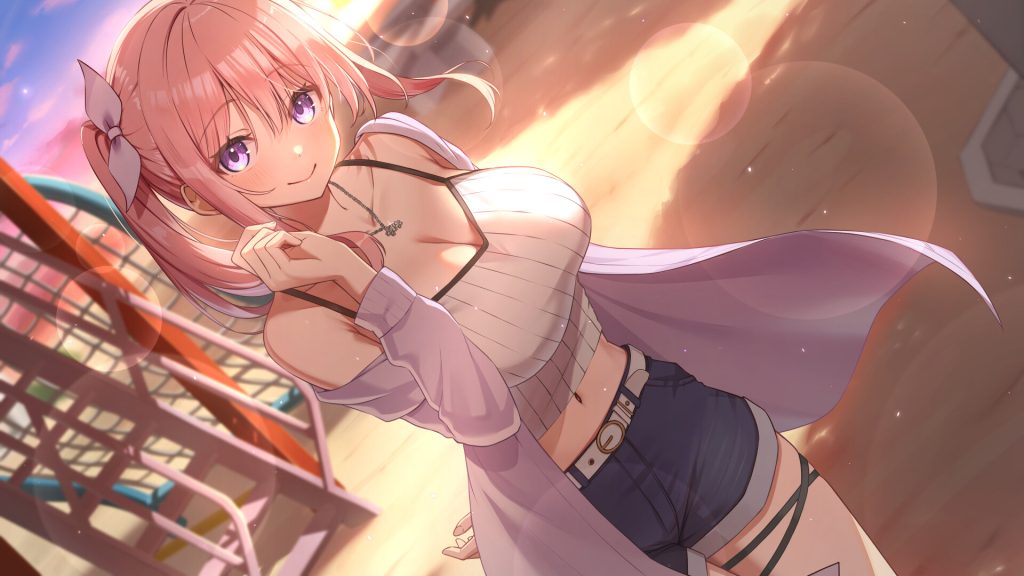
Sugar Lies follows a young man who hates dishonesty and a girl living behind a perfect persona when it launches…
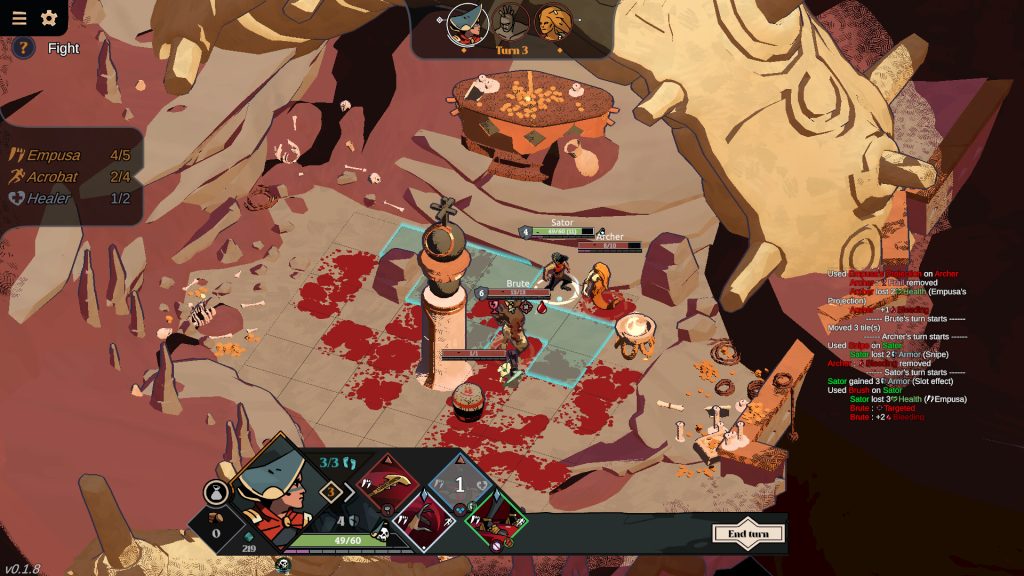
Deified leaves Steam Early Access on September 21 with its narrative ending, final boss floor, balance improvements and hidden content.
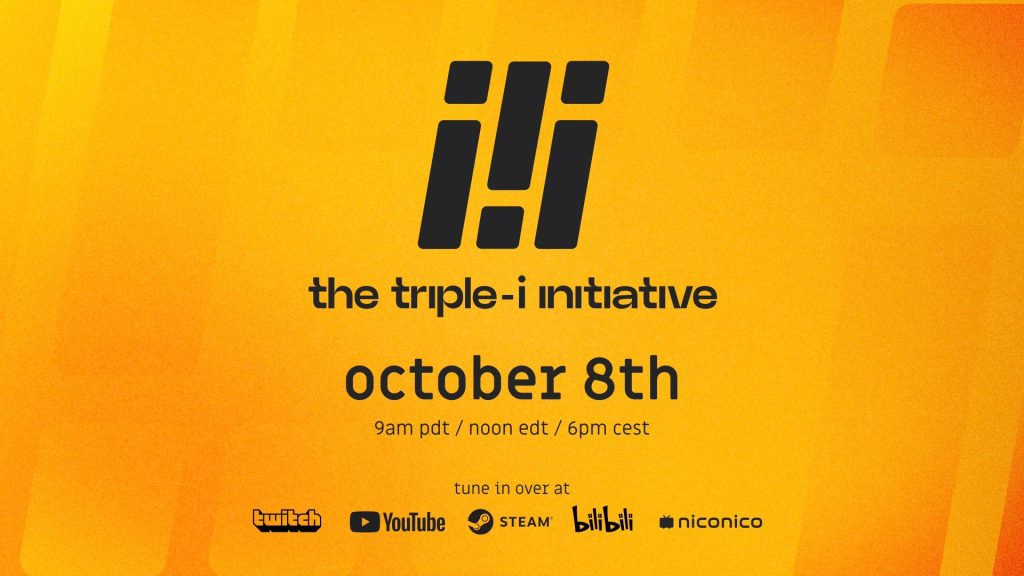
Triple-i Initiative returns October 8 with 40 games, eight world premieres and 45 minutes of trailers, release dates and reveals.
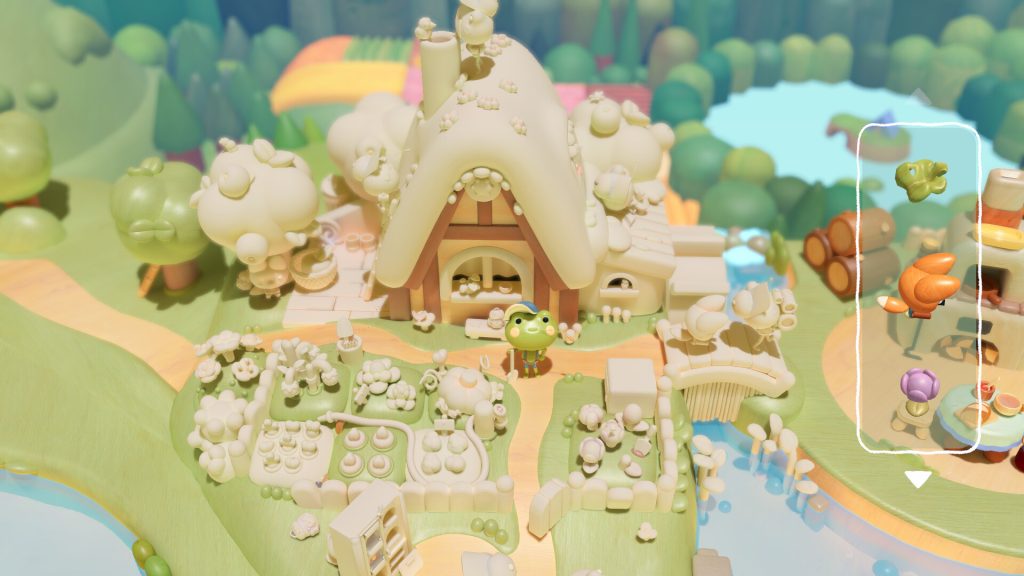
Woodo launches September 16, inviting players to rebuild childhood memories through cozy, handcrafted wooden dioramas.
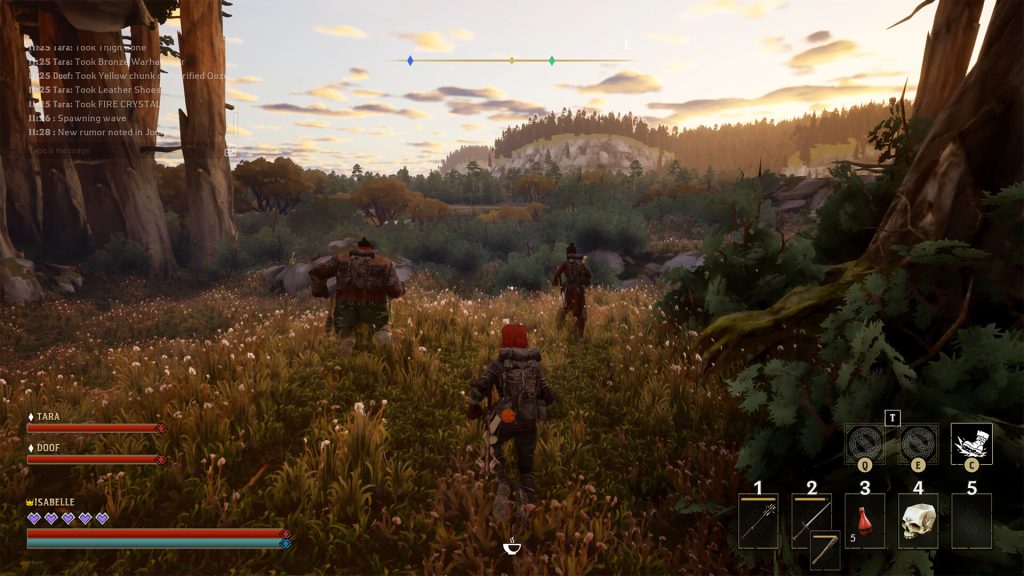
Curve Games signs Wyldheart in one of its biggest recent investments after the co-op RPG surpasses 375,000 Steam wishlists.
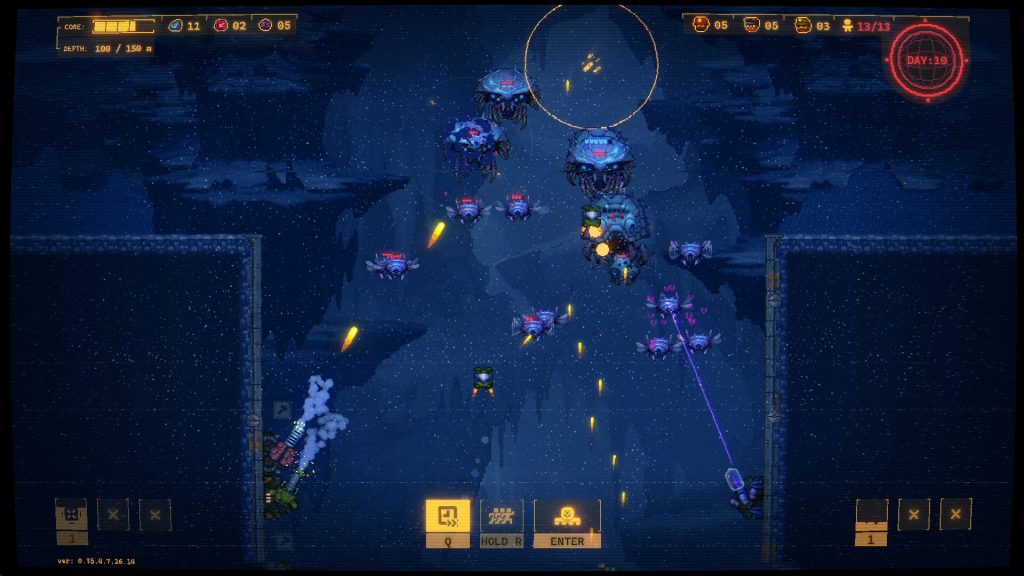
Drill Core’s free Anniversary Update adds Relaxed Mode, new bounties, specialists, platform skins and several quality-of-life improvements.
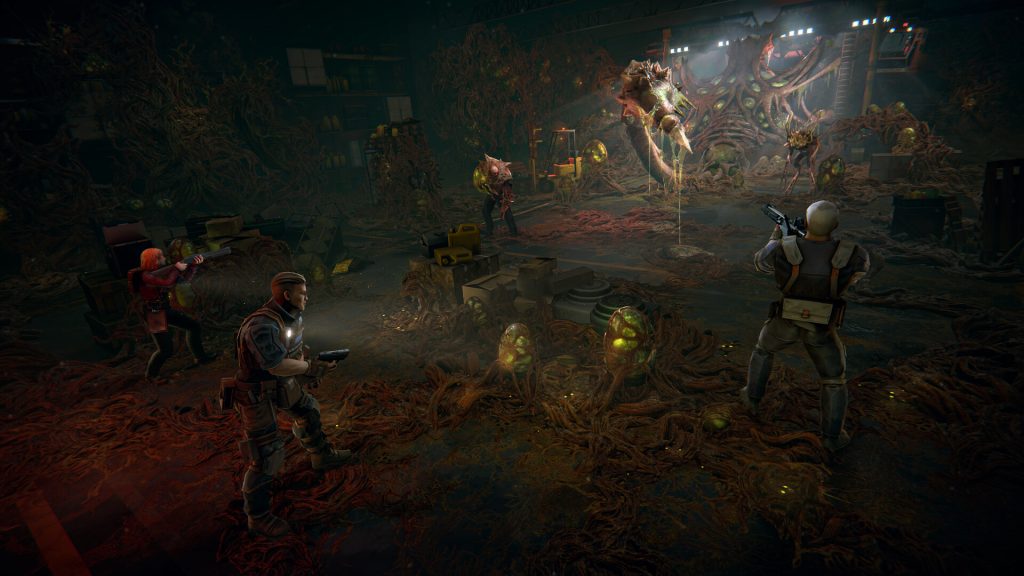
Critical Shift’s free two-hour demo combines real-time exploration with tactical combat inside a compromised Antarctic facility.
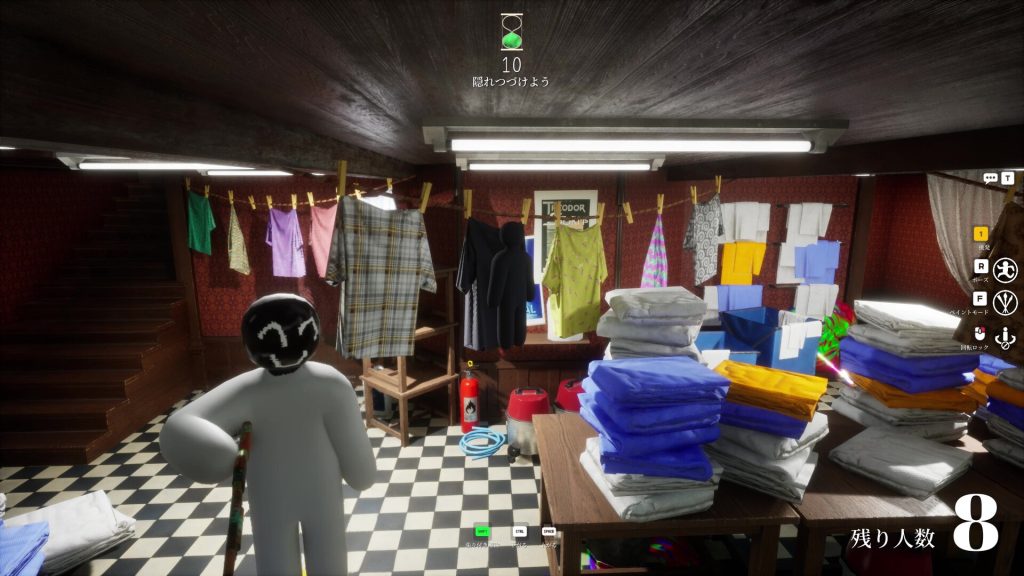
Meccha Chameleon brings its paint-based multiplayer hide-and-seek matches to Nintendo Switch 2 with a temporary $4.79 launch price.
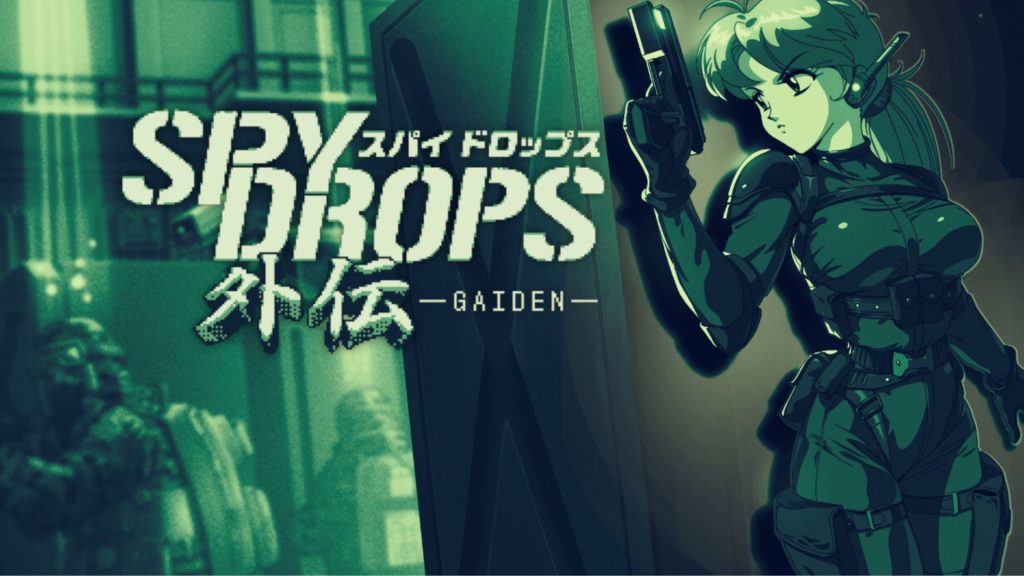
Spy Drops Gaiden brings Game Boy-style stealth, eight covert missions and intel extraction to Steam on October 12 for €4.99.
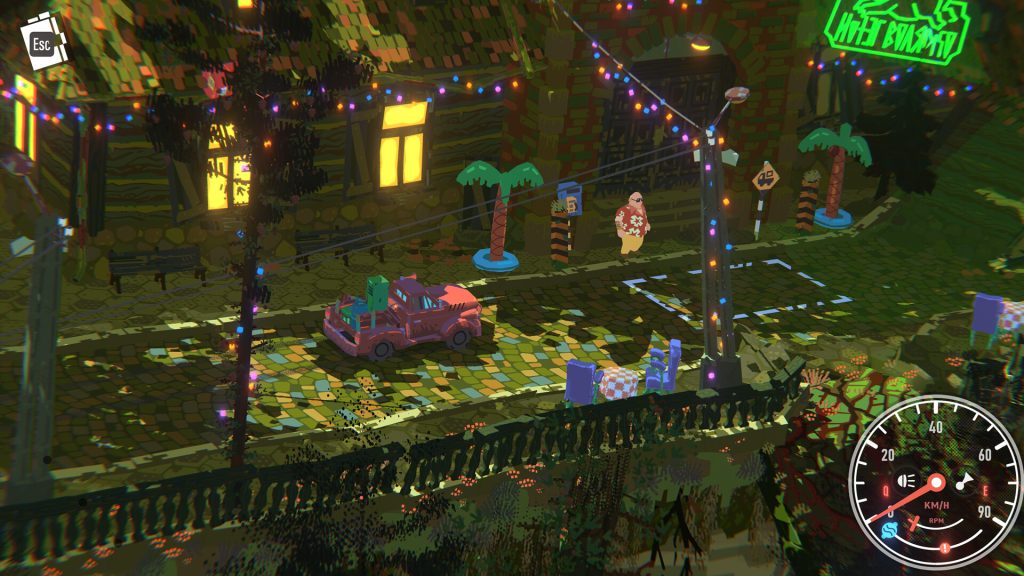
Truckful launches October 9 on Steam and Android, combining physics-based deliveries with vehicle upgrades and a mystery inside an ancient…
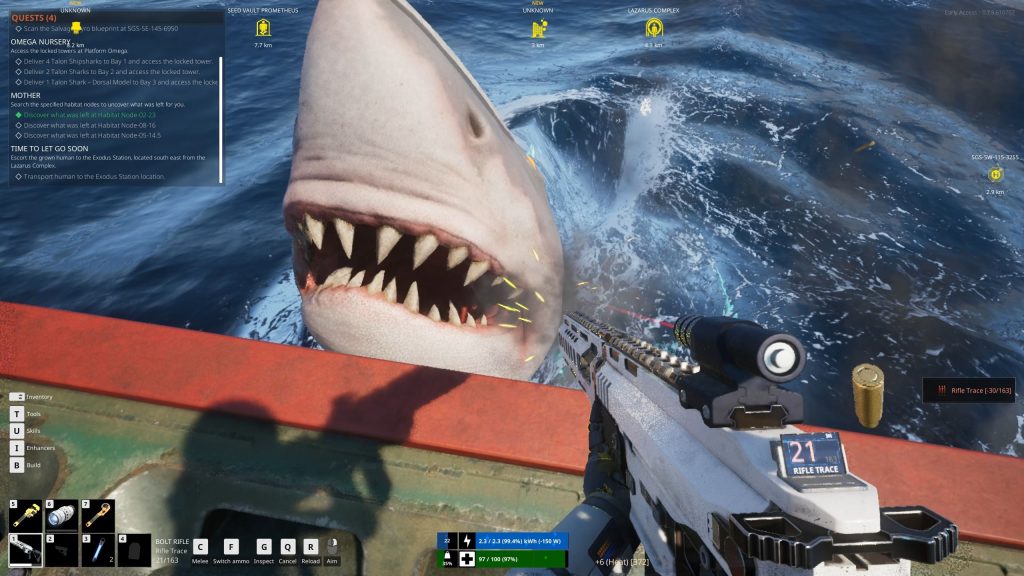
The Last Caretaker reaches version 1.0 in spring 2027 and joins Xbox Game Pass on day one after selling over…
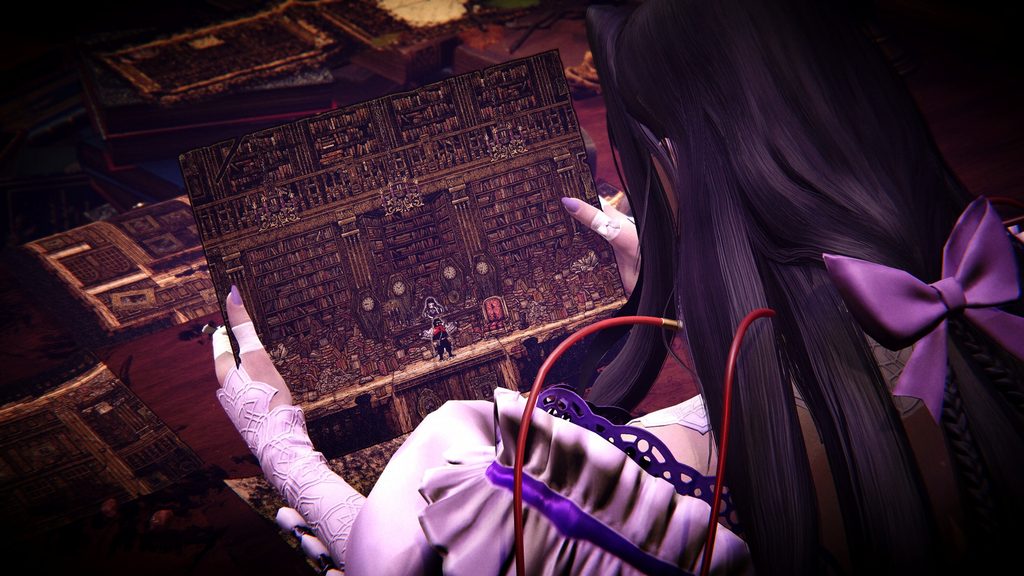
Chronoscript: The Endless End moves to early summer 2027 as DeskWorks! improves combat responsiveness, menus and visual readability.
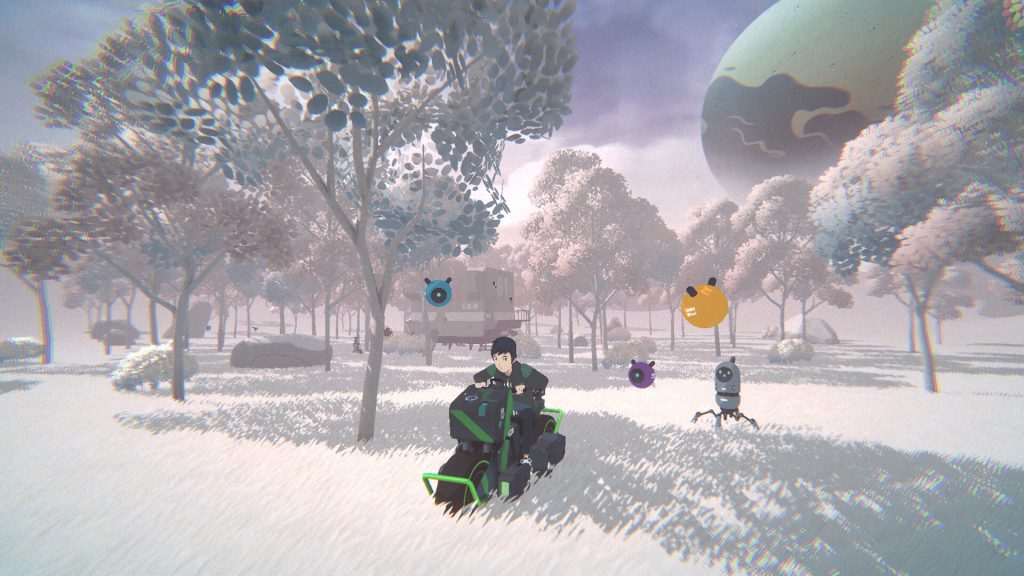
HEIMA is a parallel-world puzzle adventure from former Terra Battle developers, coming to PC in 2028 with SHIFT and HOLD…
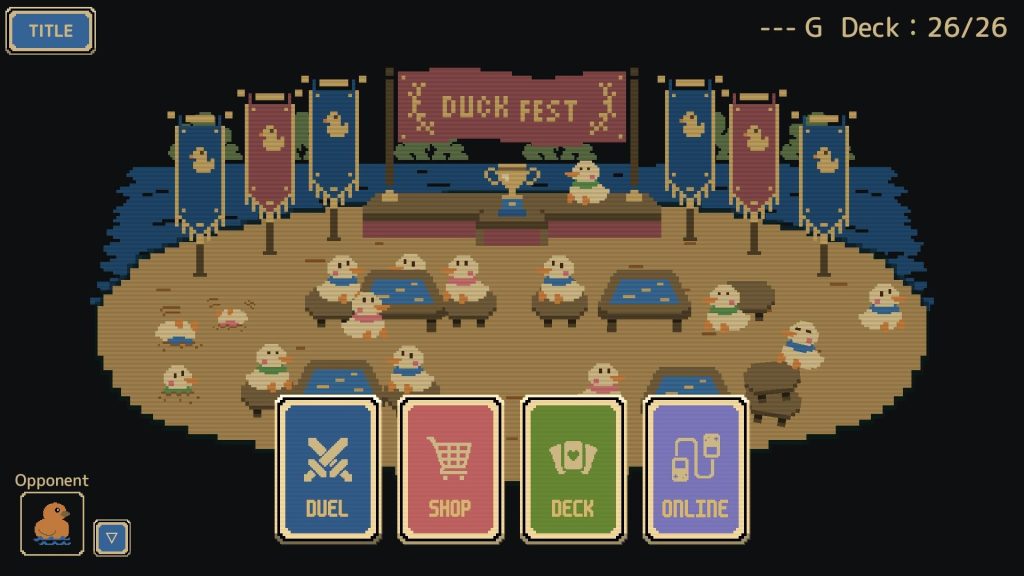
Duck Fest combines deck building and 1v1 battles with collectible cards that players can trade through the Steam Community Market.
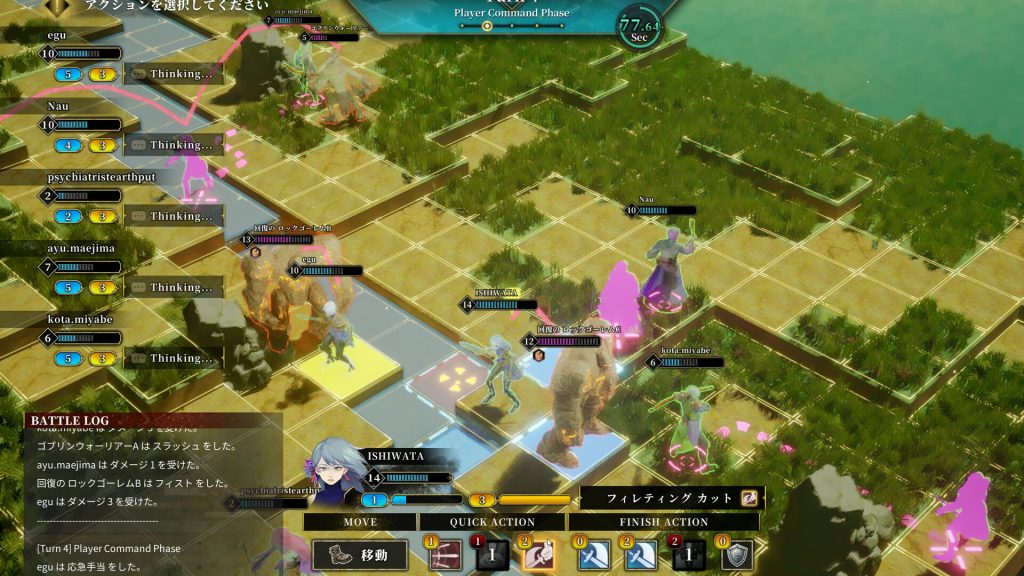
Tactful Tactics is a 1–6-player cooperative RPG where everyone plans and executes their actions simultaneously.
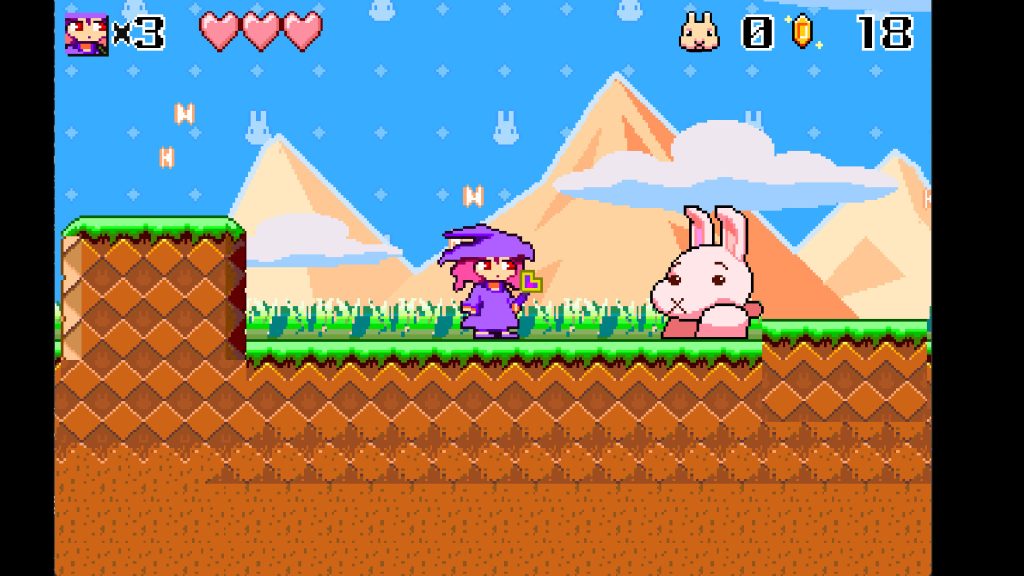
SakuSaku Witch is a retro-inspired 2D platformer about magic, bunny monsters and a suspicious toy company, coming to Steam in…
