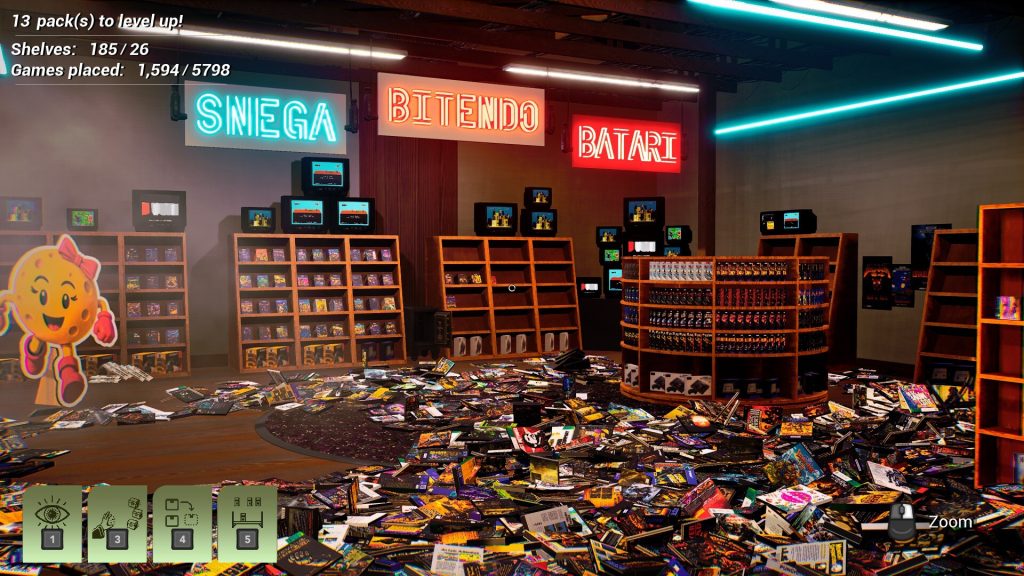
A Cat Scattered 5,798 Games Across This Cozy Supermarket Simulator
MY CAT SCATTERED GAMES asks players to organize 5,798 games and consoles before rescuing a cat trapped inside a claw…

![[OPINION] The Internet Can’t Decide If Mixtape Is a Masterpiece or “Journoslop”](https://www.indie-games.eu/wp-content/uploads/2026/05/ss_5abf2e239e21a59fa59dd2520a166b13f358d1d2.1920x1080.jpg)
If you enjoy independent indie game coverage, consider supporting Indie-Games.eu on Patreon. It helps keep the site independent.
Every now and then, gaming communities seem to rediscover the same argument in a slightly different form: what actually makes a game “good,” and how much gameplay matters compared to story, atmosphere, and emotional themes.
That conversation has exploded again recently thanks to games like Mixtape, Dustborn, and Life is Strange: True Colors, with social media users arguing over what genre these titles even belong to. A viral discussion on X started after users grouped these games together as a very specific style of narrative-driven experience focused heavily on relationships, identity, emotional storytelling, rebellion against traditional norms, and cinematic presentation.
From there, the internet did what it usually does, people began inventing sarcastic labels and memes to describe the trend. Terms like “slopaganda”, “journoslop”, and “modern audience games” started circulating in discussions criticizing what some players see as overly corporate, message-heavy storytelling with minimal gameplay depth.
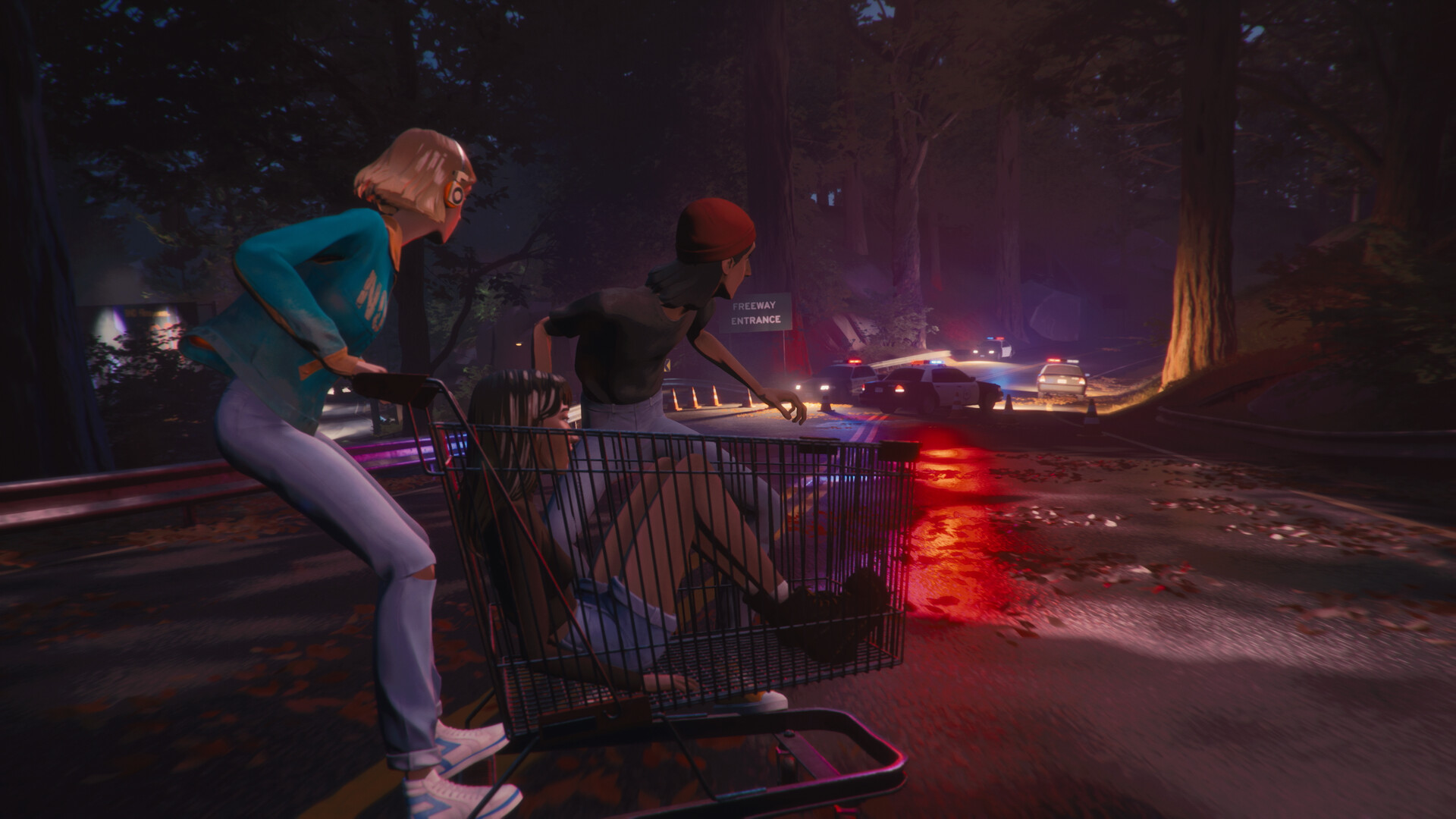
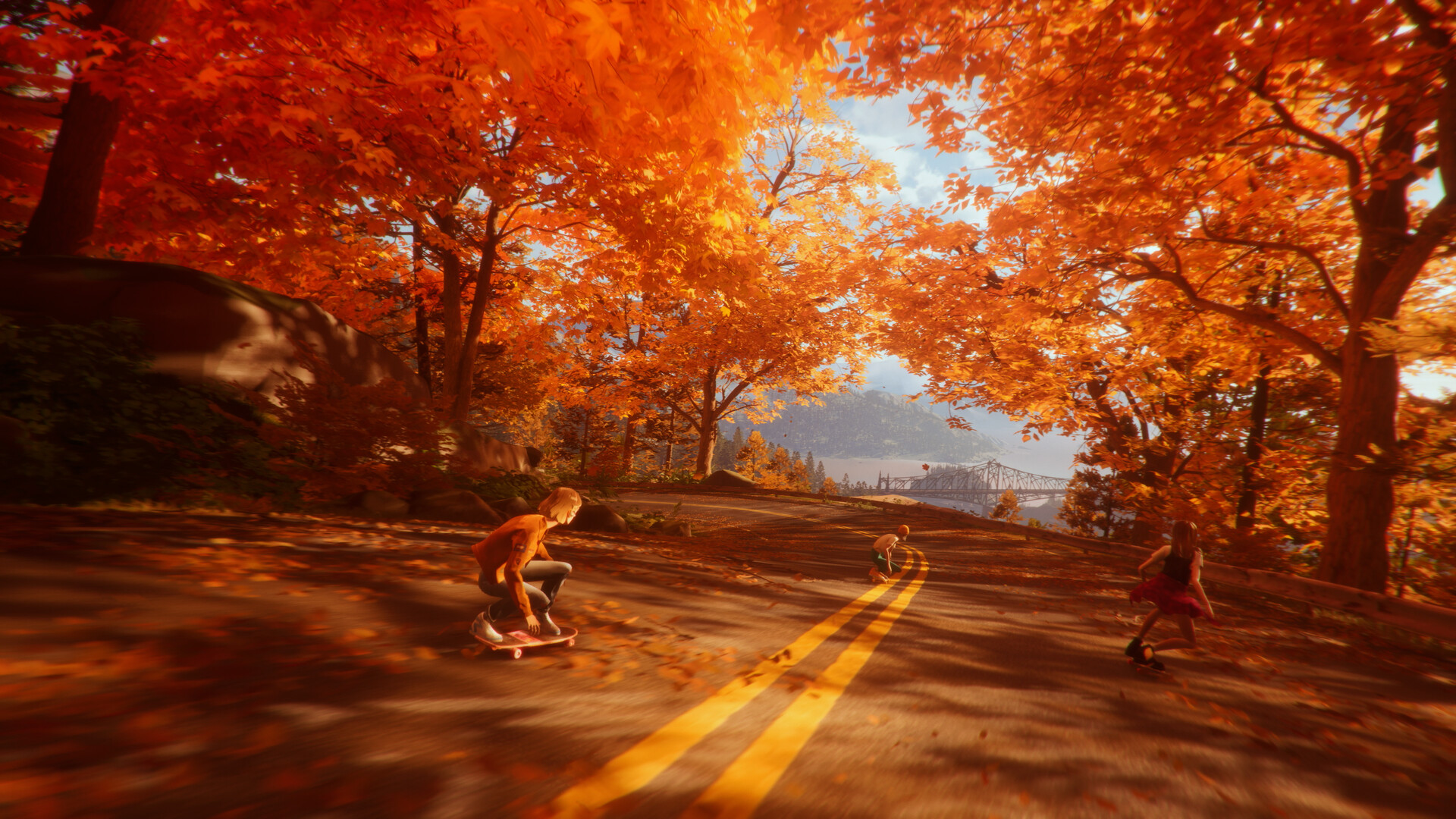
Games frequently brought up in these conversations include Life is Strange, Dustborn, and now Mixtape. For context, Mixtape launched on May 7, 2026, developed by Australian studio Beethoven & Dinosaur and published by Annapurna Interactive. The game follows three teenagers during their final night of high school in 1990s Northern California, blending nostalgic coming-of-age storytelling with skating segments, music-driven scenes, and small interactive moments.
Critically, the game has been a major success so far. Outlets like IGN praised it heavily, calling it one of the best coming-of-age stories in gaming, while many players have connected with its soundtrack, presentation, and emotional tone. At the same time, the game’s success also reopened an entirely different conversation around the modern “indie” scene.
Some argue that games like Mixtape are often treated as indie gems despite having substantial financial backing, major publishers, expensive marketing campaigns, licensed music, and high production values that smaller indie developers simply cannot compete with.
That debate has especially intensified because Annapurna Interactive, while respected creatively, is backed by major financial resources compared to genuinely tiny independent teams. Some players feel these larger narrative-focused projects dominate awards conversations, storefront visibility, and media coverage while smaller experimental indie games struggle to get attention.
Supporters argue that a studio can still absolutely be independent while having publisher support, and that creative, story-focused experiences deserve recognition even if they don’t revolve around combat, skill systems, or traditional gameplay loops. That’s where the real divide seems to happen.
A lot of the backlash isn’t necessarily about political themes alone, despite internet discourse often reducing it to that. Instead, much of the frustration comes from players who feel modern narrative-heavy games sometimes prioritize presentation, dialogue, and emotional messaging over interactivity and gameplay innovation.
Meanwhile, fans of these titles see them as accessible, emotionally resonant experiences similar to interactive films, visual novels, or walking simulators, genres that intentionally focus more on atmosphere and storytelling than mechanical complexity.
In many ways, this entire discussion reflects a broader identity crisis within gaming itself. Some players still primarily value challenge, systems, replayability, and mechanics above everything else. Others increasingly see games as a storytelling medium where emotional impact matters just as much as gameplay depth. And realistically, both audiences are probably going to keep existing side by side.
MY CAT SCATTERED GAMES asks players to organize 5,798 games and consoles before rescuing a cat trapped inside a claw…
Retro corridor shooter Cop Bastard has partnered with Retrovibe for an October release, accompanied by a faster and more polished…
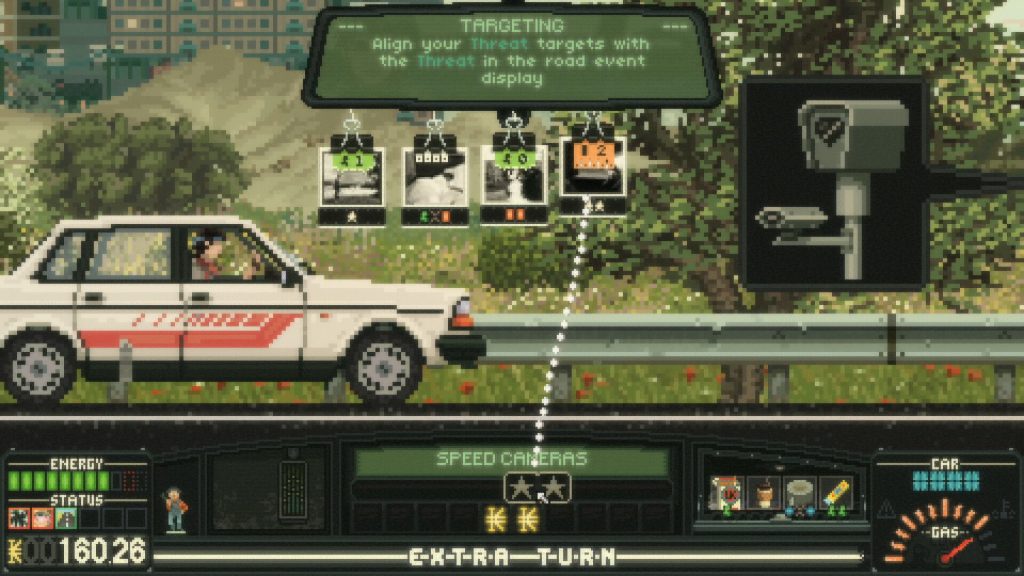
Keep Driving launches on Switch, PS5 and Xbox Series X|S on September 28 as its PC edition receives official Steam…
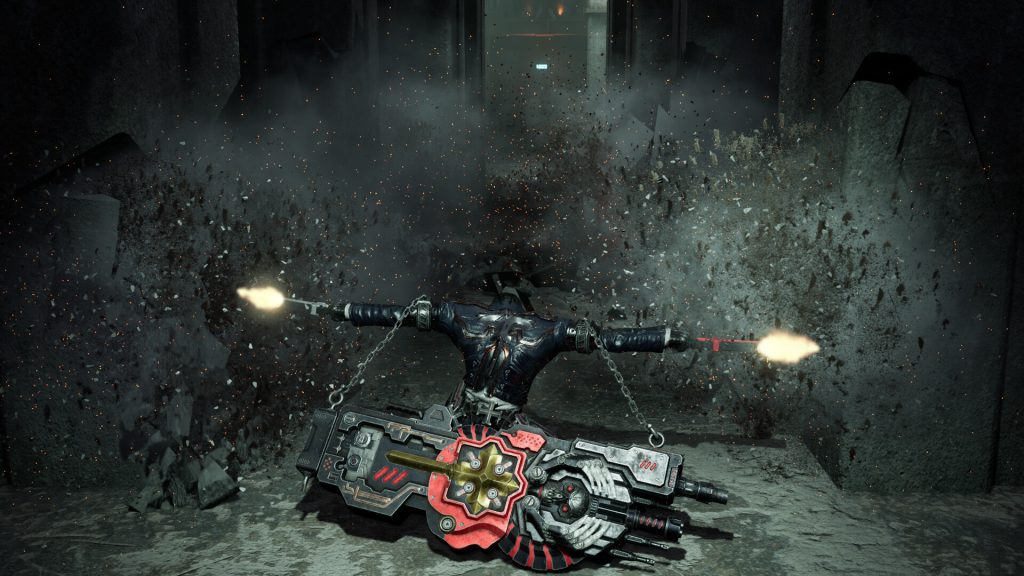
Gungrave G.O.R.E: Blood Heat shows its rebuilt combat, including parries, close-range attacks and faster 360-degree movement.

Sugar Lies follows a young man who hates dishonesty and a girl living behind a perfect persona when it launches…
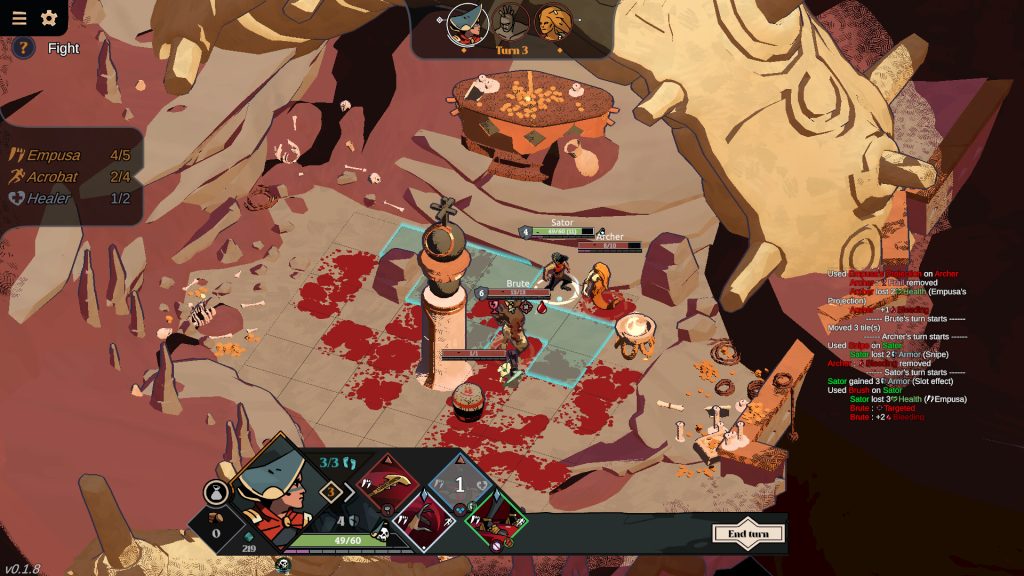
Deified leaves Steam Early Access on September 21 with its narrative ending, final boss floor, balance improvements and hidden content.
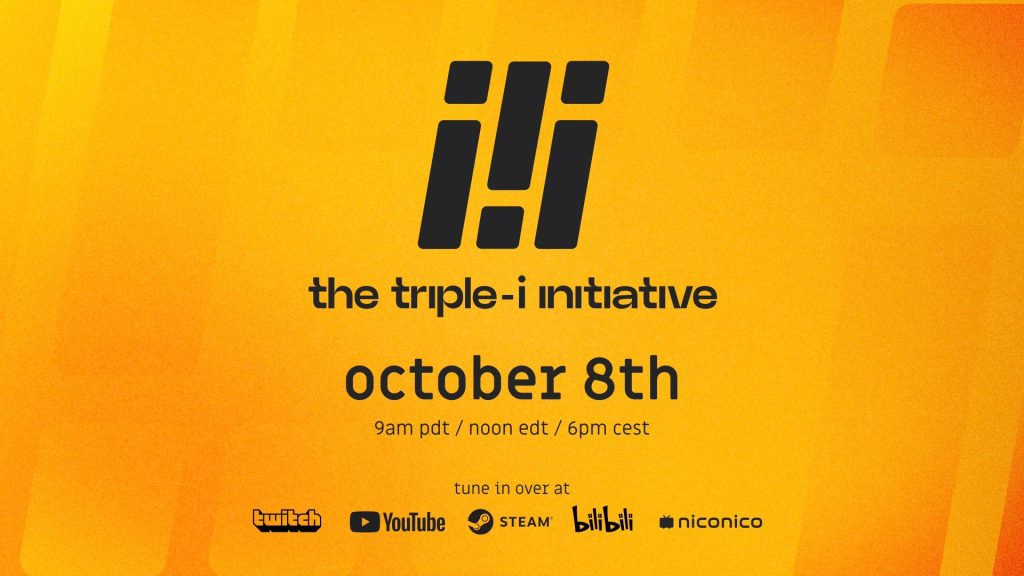
Triple-i Initiative returns October 8 with 40 games, eight world premieres and 45 minutes of trailers, release dates and reveals.
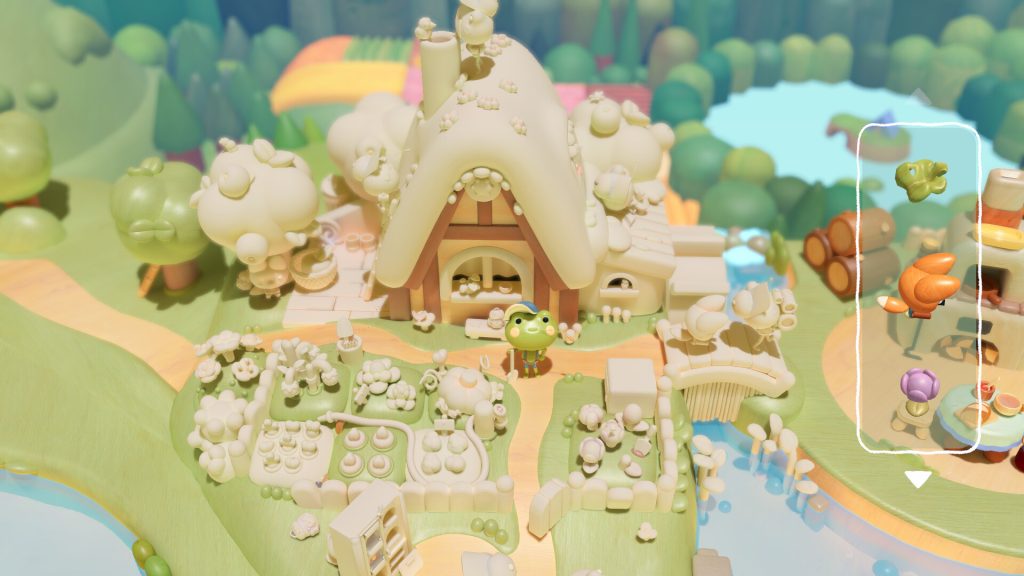
Woodo launches September 16, inviting players to rebuild childhood memories through cozy, handcrafted wooden dioramas.
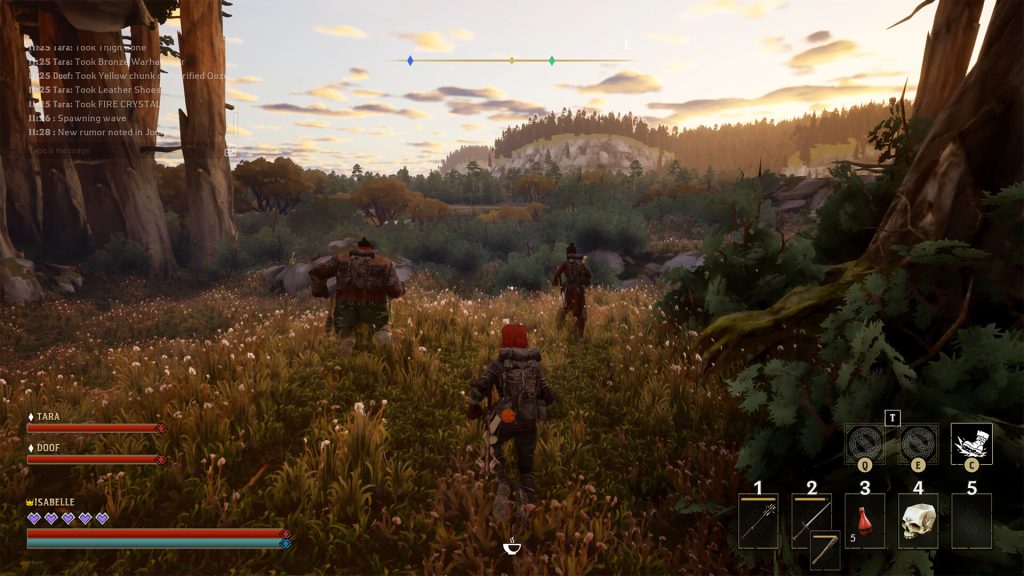
Curve Games signs Wyldheart in one of its biggest recent investments after the co-op RPG surpasses 375,000 Steam wishlists.
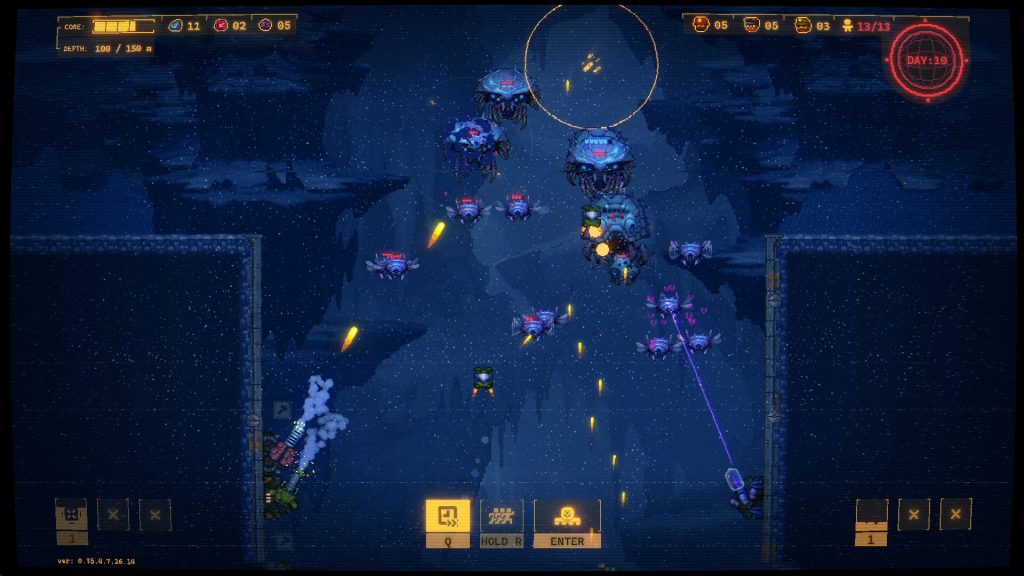
Drill Core’s free Anniversary Update adds Relaxed Mode, new bounties, specialists, platform skins and several quality-of-life improvements.
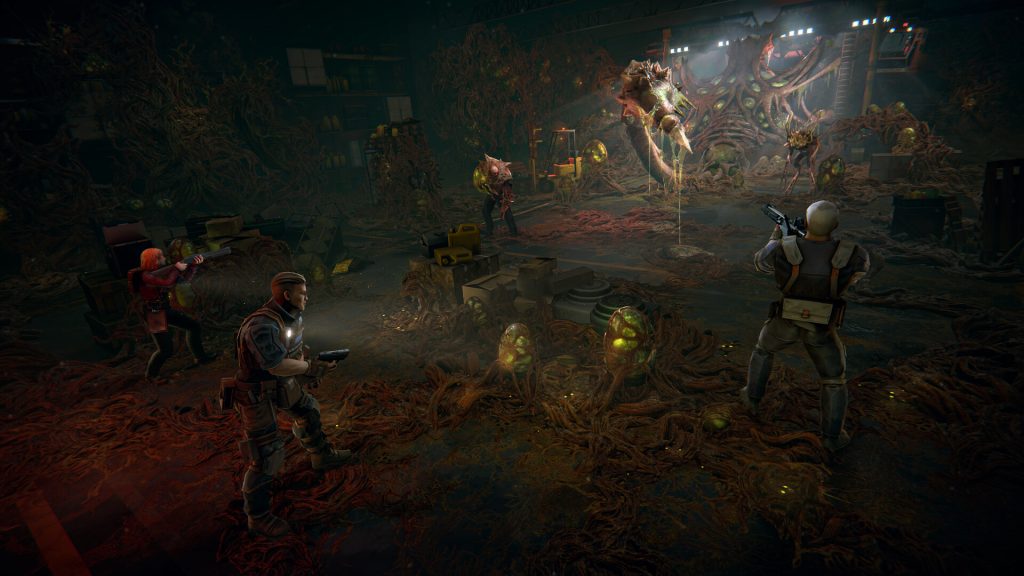
Critical Shift’s free two-hour demo combines real-time exploration with tactical combat inside a compromised Antarctic facility.
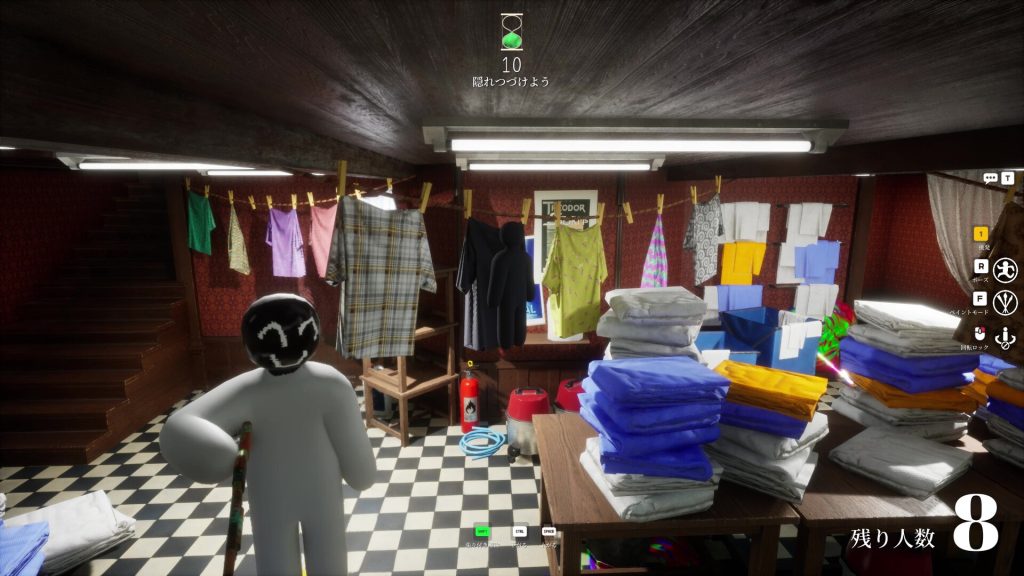
Meccha Chameleon brings its paint-based multiplayer hide-and-seek matches to Nintendo Switch 2 with a temporary $4.79 launch price.
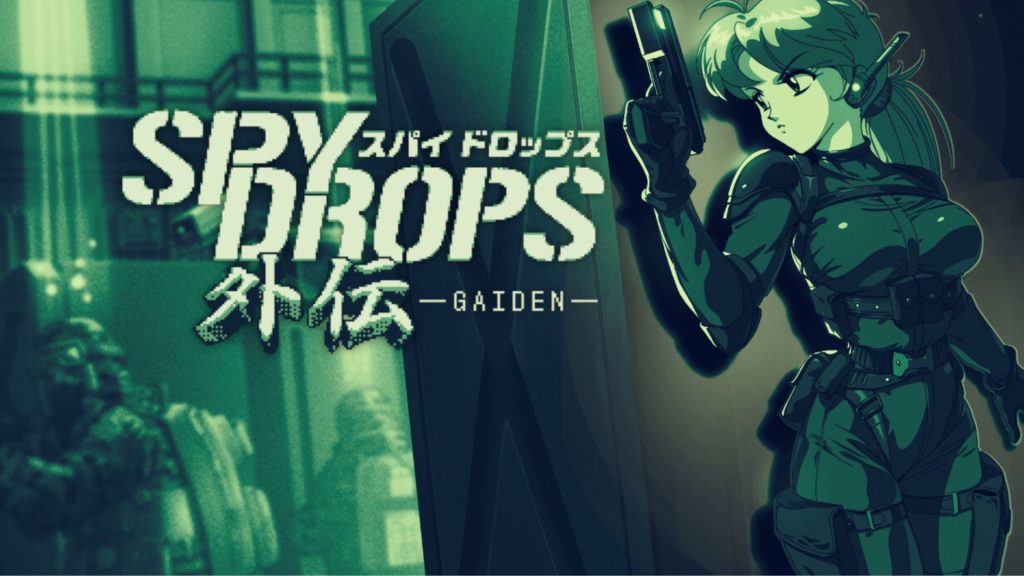
Spy Drops Gaiden brings Game Boy-style stealth, eight covert missions and intel extraction to Steam on October 12 for €4.99.
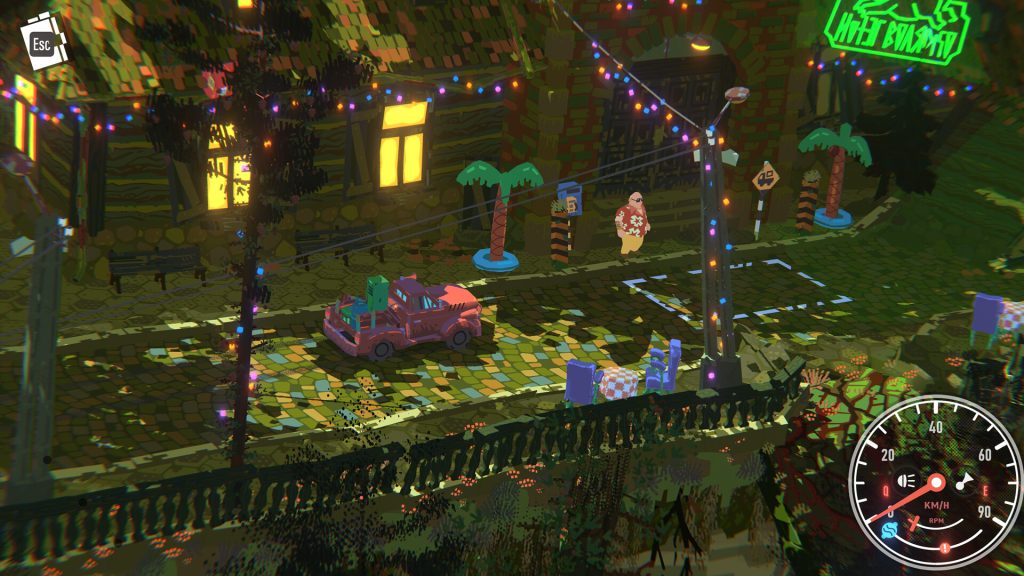
Truckful launches October 9 on Steam and Android, combining physics-based deliveries with vehicle upgrades and a mystery inside an ancient…
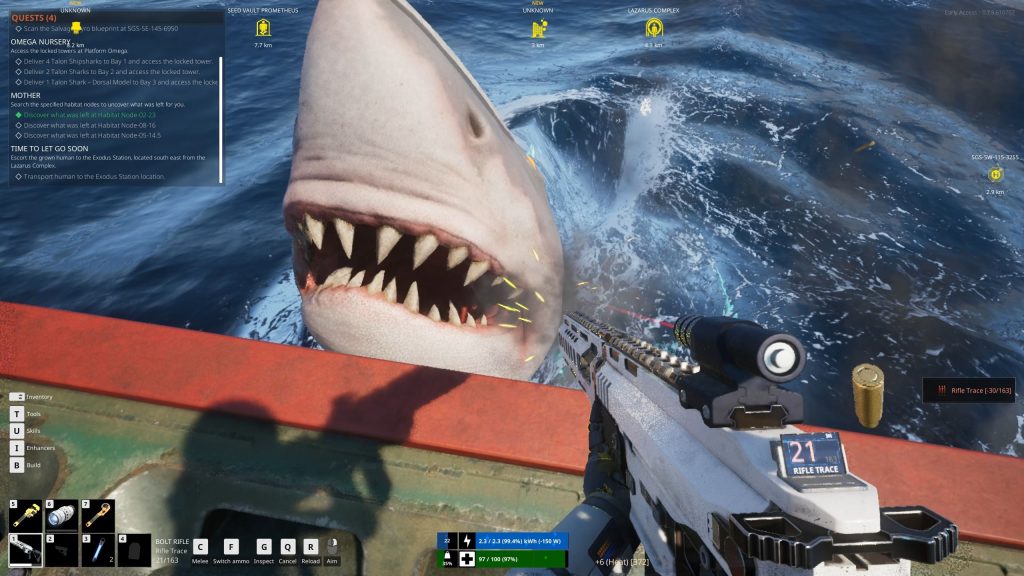
The Last Caretaker reaches version 1.0 in spring 2027 and joins Xbox Game Pass on day one after selling over…
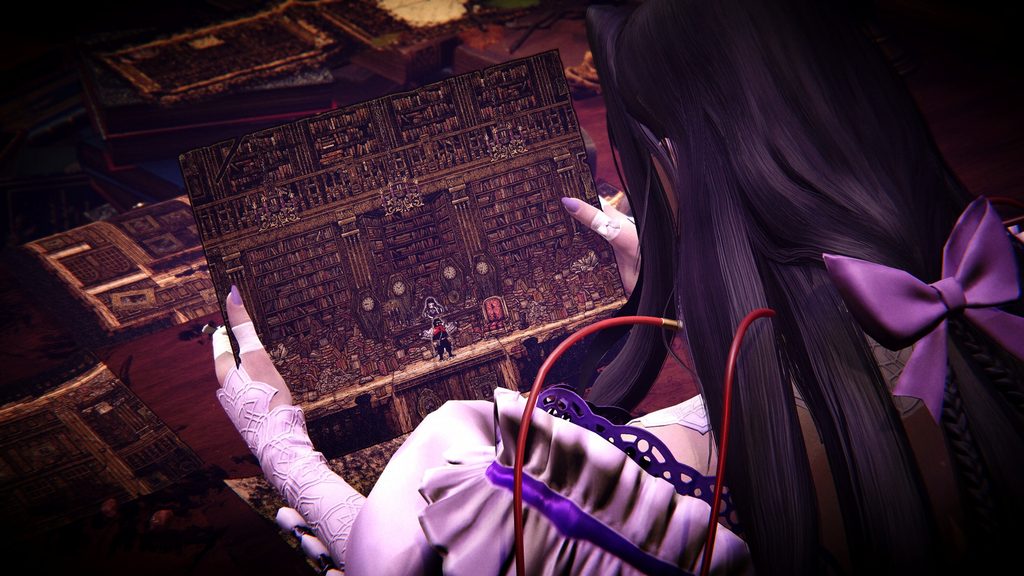
Chronoscript: The Endless End moves to early summer 2027 as DeskWorks! improves combat responsiveness, menus and visual readability.
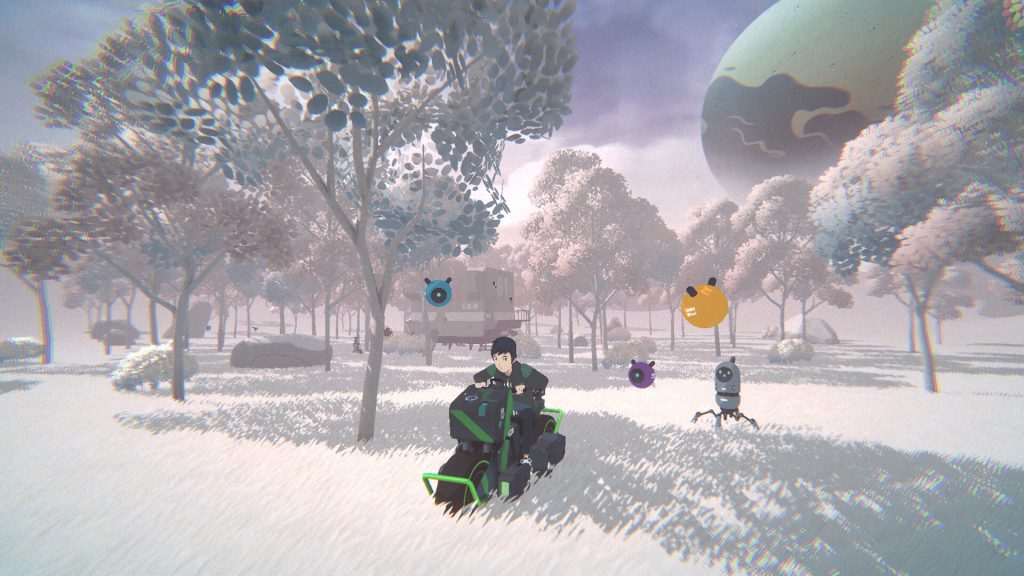
HEIMA is a parallel-world puzzle adventure from former Terra Battle developers, coming to PC in 2028 with SHIFT and HOLD…
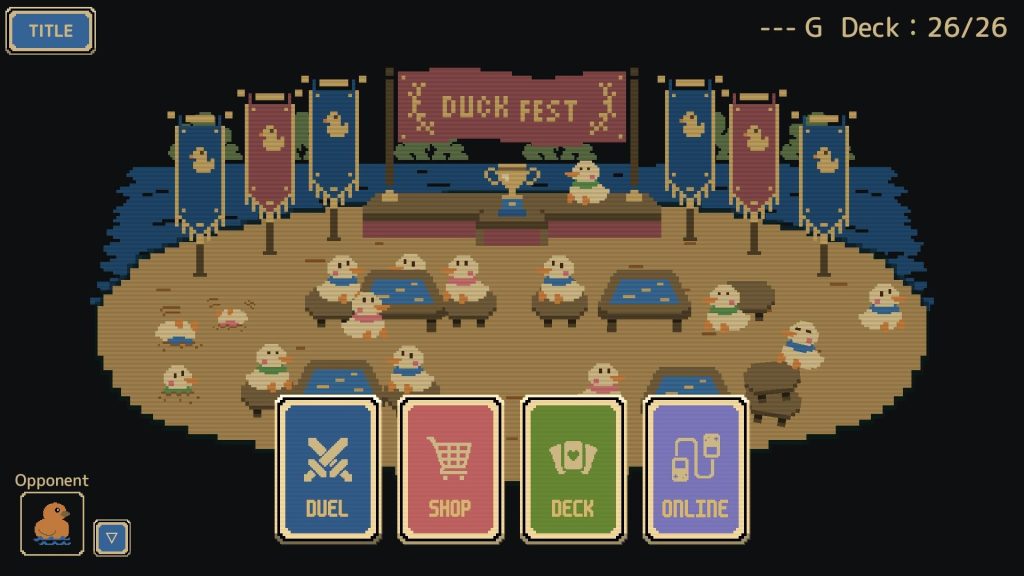
Duck Fest combines deck building and 1v1 battles with collectible cards that players can trade through the Steam Community Market.
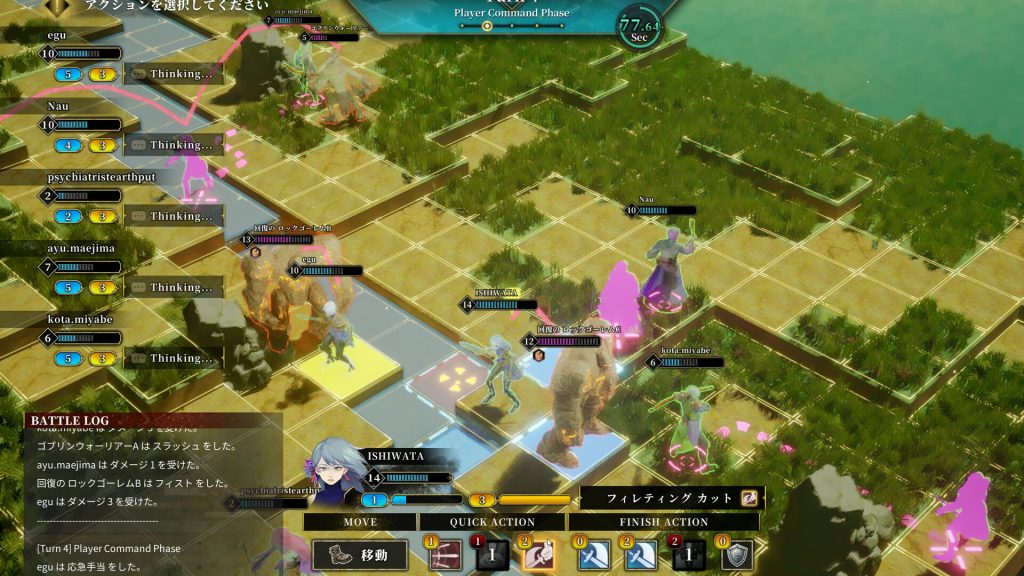
Tactful Tactics is a 1–6-player cooperative RPG where everyone plans and executes their actions simultaneously.
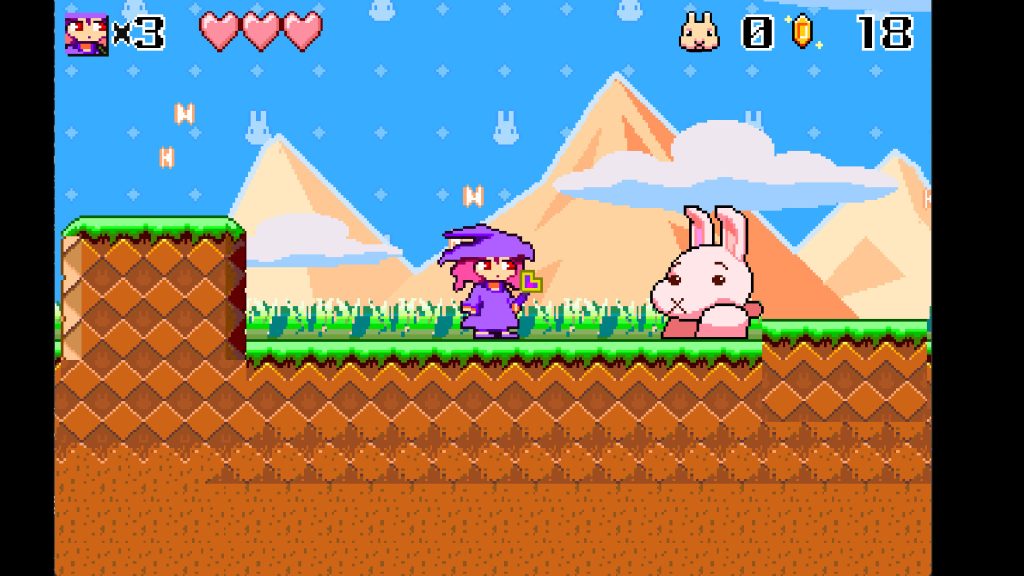
SakuSaku Witch is a retro-inspired 2D platformer about magic, bunny monsters and a suspicious toy company, coming to Steam in…
