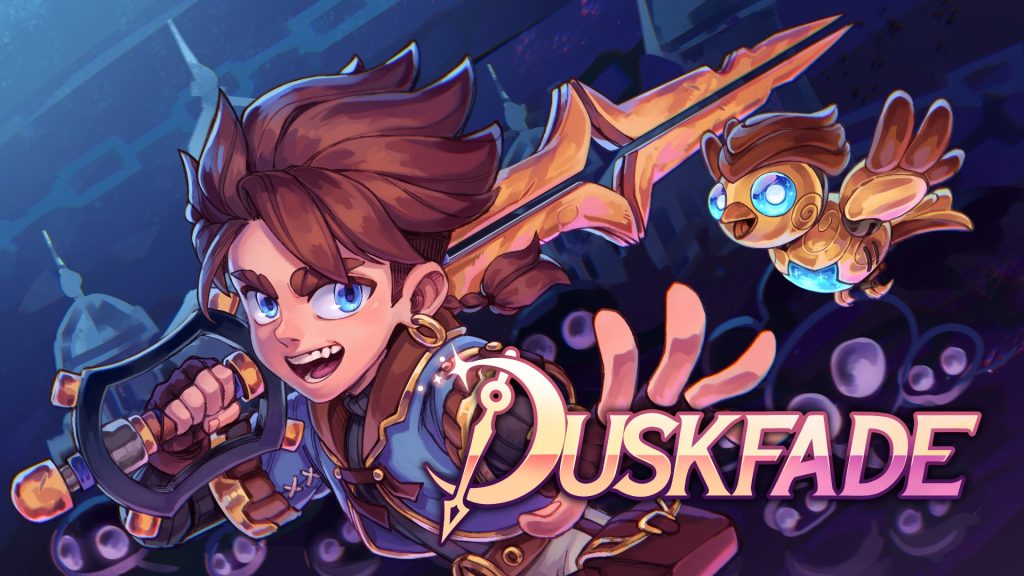
Duskfade – The PS2 Era Returns With All Its Strengths and Weaknesses
Duskfade is worth considering for players who miss colourful PS2-style action-platformers and can tolerate basic combat, floaty movement and backtracking.

![[PREVIEW] 70s-style Robot Anime Geppy-X – This Game Pretends It’s a Real 1970s Anime](https://www.indie-games.eu/wp-content/uploads/2026/06/70s-Style-Robot-Anime-Geppy-X-Preview.jpg)
If you enjoy independent indie game coverage, consider supporting Indie-Games.eu on Patreon. It helps keep the site independent.
As I continue my Steam Next Fest journey, I stumbled upon a game I honestly wasn’t expecting to enjoy as much as I did: 70s-style Robot Anime Geppy-X. This is one of those releases that immediately stands out simply because there is nothing quite like it among modern games. What starts as a retro shoot ’em up quickly turns into a bizarre, charming, and surprisingly entertaining love letter to classic Japanese robot anime.
Originally released exclusively in Japan for the original PlayStation in 1999, Geppy-X is a cult-classic 2D horizontal shooter inspired by the legendary “Super Robot” anime series of the 1970s, such as Getter Robo and Mazinger Z. Rather than simply borrowing visual inspiration, the game fully commits to the concept. Every level is presented as an episode of a television anime, complete with opening themes, commercial breaks, eyecatch transitions, ending credits, and previews for the next episode.
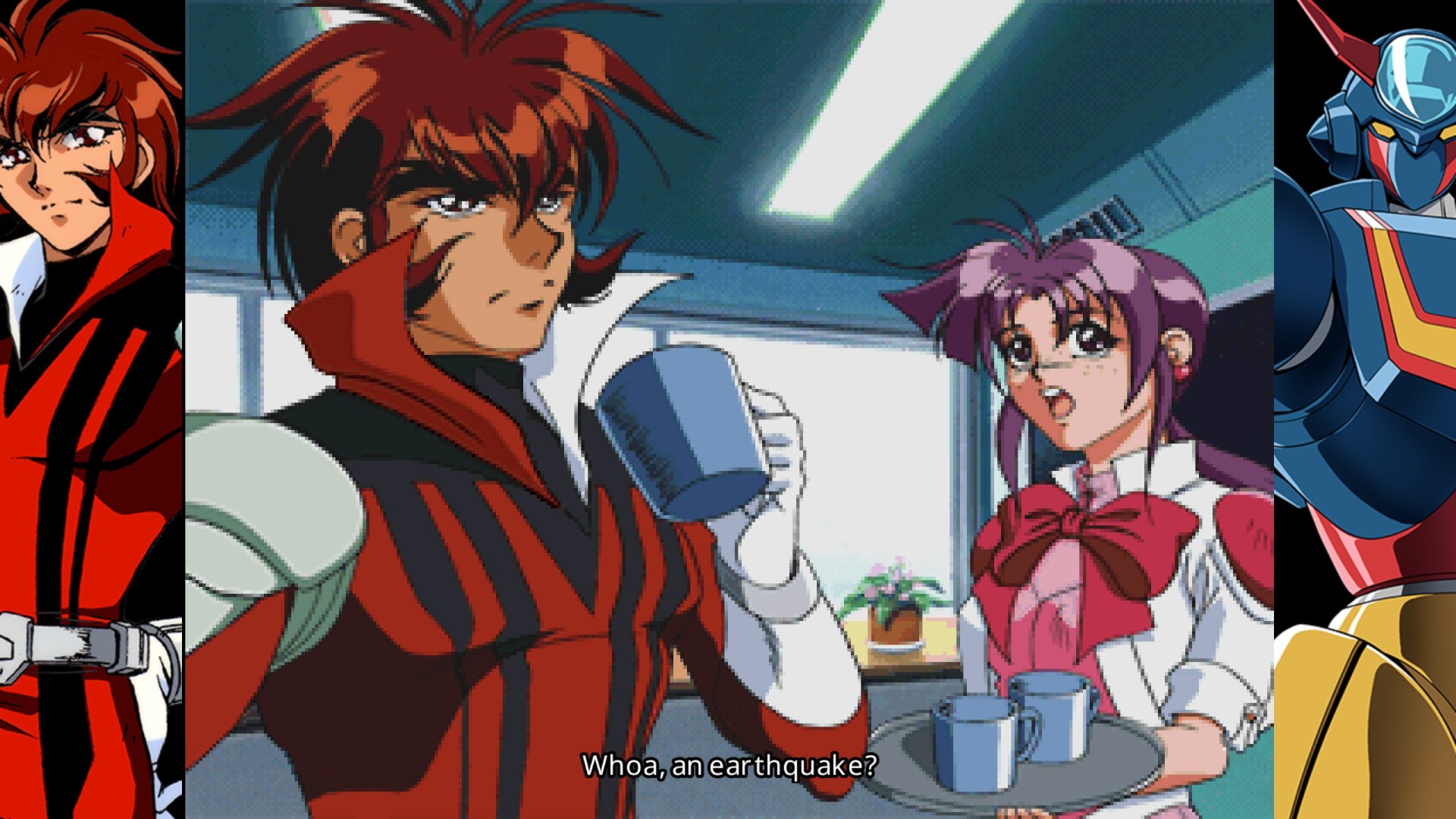
The story follows three young pilots operating the transforming robot Geppy-X as they defend Earth from an invading space demon empire. What surprised me most wasn’t the story itself, but just how unapologetically unhinged the entire presentation is. The game constantly jumps between comedy, over-the-top action, and surprisingly serious moments, yet never takes itself too seriously. It genuinely feels like you’re playing through a lost anime series rather than a traditional video game.
Even though I didn’t grow up during the era Geppy-X is celebrating, I found myself appreciating its commitment to the source material. The anime sequences are often hilarious, the characters are larger than life, and the entire experience embraces the exaggerated style that defined classic robot anime. If you’re expecting a modern reinterpretation you’ll be disappointed. This is a pure retro experience that proudly sticks to its roots.
Gameplay is straightforward but enjoyable. The demo lasts roughly 45 minutes and takes you through four different episodes, giving a surprisingly generous taste of what the full game has to offer. Most stages are fairly short and culminate in a boss battle, which helps maintain a steady pace without overstaying its welcome.
What I liked most is how the game expands on the traditional shoot ’em up formula through its three transformation modes. You can switch between an agile form that fires multiple projectiles, a balanced form equipped with a powerful laser attack, and a heavier close-range form that trades speed for raw damage. Each form comes with its own primary and secondary attacks, while a special ultimate ability gradually charges through combat. The system adds enough variety to keep encounters interesting without becoming overly complicated.
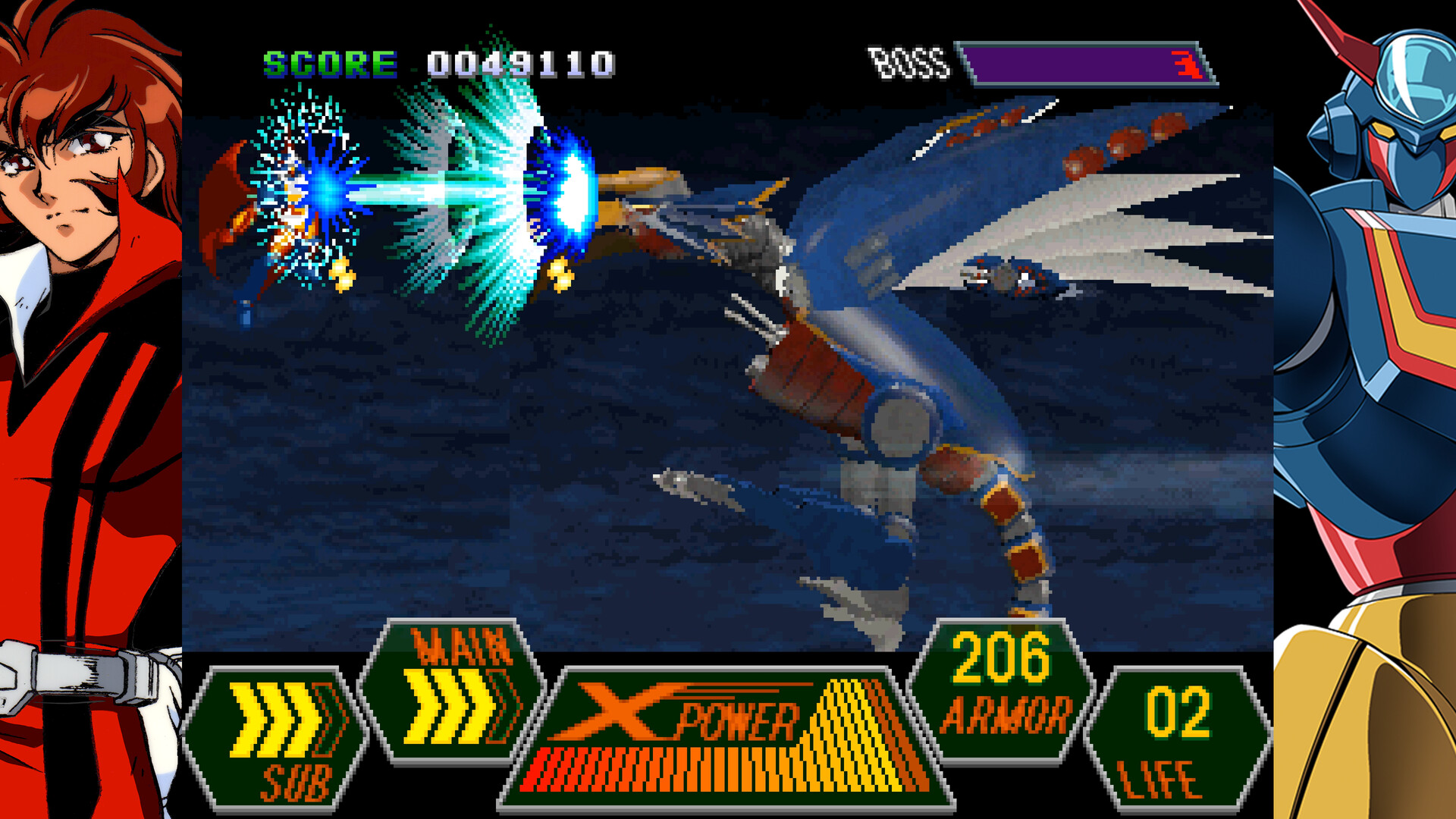
The difficulty sits comfortably in the middle. The game isn’t particularly punishing, nor does it demand the kind of pattern memorization often associated with classic shooters. That makes it approachable for newcomers while still providing enough challenge to stay engaging. I do wish there were additional difficulty options for players seeking a greater challenge, but the current balance works well for the type of experience the game is aiming to deliver.
This remastered version also does an impressive job preserving the original release. More than 8,000 hand-drawn animation frames have been restored from the original Betacam master tapes, with all anime sequences re-digitized and presented at their original 24 frames per second. Considering the PlayStation version had to compress those scenes across four discs at a significantly lower resolution and frame rate, the improvement is immediately noticeable.
The package includes several modern quality-of-life features as well. You can rewind gameplay, create save states at any point, use rapid-fire controls instead of constant button mashing, and apply various CRT filters for a more authentic retro presentation. The game also includes localized subtitles in multiple languages, a digital manual, and the original Japanese voice cast featuring several well-known anime voice actors.
At the end of the day, 70s-style Robot Anime Geppy-X is exactly what a good remaster should be. It respects the original game, improves the presentation, adds modern conveniences, and introduces a forgotten cult classic to a much wider audience. It isn’t a full remake, nor does it attempt to modernize every aspect of its design, but that’s precisely what makes it work.
If you’re a fan of retro games, classic anime, or shoot ’em ups in general, this is absolutely worth checking out. Just don’t expect an extremely difficult bullet-hell experience or a deep modern action game. What you’ll find instead is a charming, unapologetically retro adventure that feels like stepping into a lost anime broadcast from decades ago.
Duskfade is worth considering for players who miss colourful PS2-style action-platformers and can tolerate basic combat, floaty movement and backtracking.

Man I Just Wanna Go Home is a noir crime story with visuals from MS Paint and life-or-death choices.
![[GAMESCOM 2026] Vikings Dynasty Preview – Expands the Dynasty Formula](https://www.indie-games.eu/wp-content/uploads/2026/09/Viking-Dynasty-09-21-26-2-1024x576.jpg)
After showing me Prospera at Gamescom 2026, Toplitz Productions' Mathias Oertel moved to a very different kind of settlement builder.…
![[GAMESCOM 2026] Prospera Preview – Production, Prosperity and Victorian Industry](https://www.indie-games.eu/wp-content/uploads/2026/09/Prospera-09-21-26-5-1024x576.jpg)
At Gamescom 2026, I met with Toplitz Productions' Mathias Oertel for a guided presentation of two upcoming games. One of…
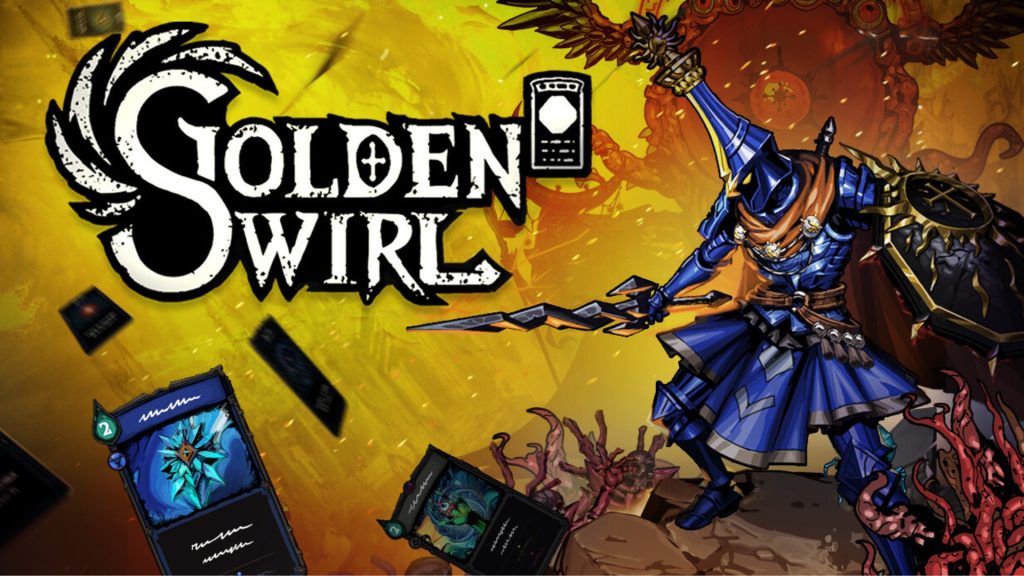
Golden Swirl inventive card combat carries the experience, but repetitive rooms, weak upgrades and excessive dialogue hold it back.
![[GAMESCOM 2026] Wilderdark Preview – Ambitious Dinosaur Horror Game That Still Has Plenty to Prove](https://www.indie-games.eu/wp-content/uploads/2026/09/Wilderdark-1024x576.jpg)
Dinosaur survival horror game Wilderdark has one of those premises that immediately makes you wonder why more games have not…
![[PREVIEW] Tiny Metal 2 – Strategy Game That Wants You to Learn From Every Mistake](https://www.indie-games.eu/wp-content/uploads/2026/09/Tiny-Metal-2-1024x576.jpg)
I rarely enjoy discovering that my opening strategy was completely wrong, but Tiny Metal 2 made that process one of…
![[PREVIEW] Remothered: Red Nun’s Legacy – Ambitious Survival Horror That Needs More Polish](https://www.indie-games.eu/wp-content/uploads/2026/09/Remothered-Red-Nuns-Legacy-4-1024x576.jpg)
Remothered: Red Nun’s Legacy has a gripping atmosphere and promising survival tools, but its repetitive hiding and rough visuals need…
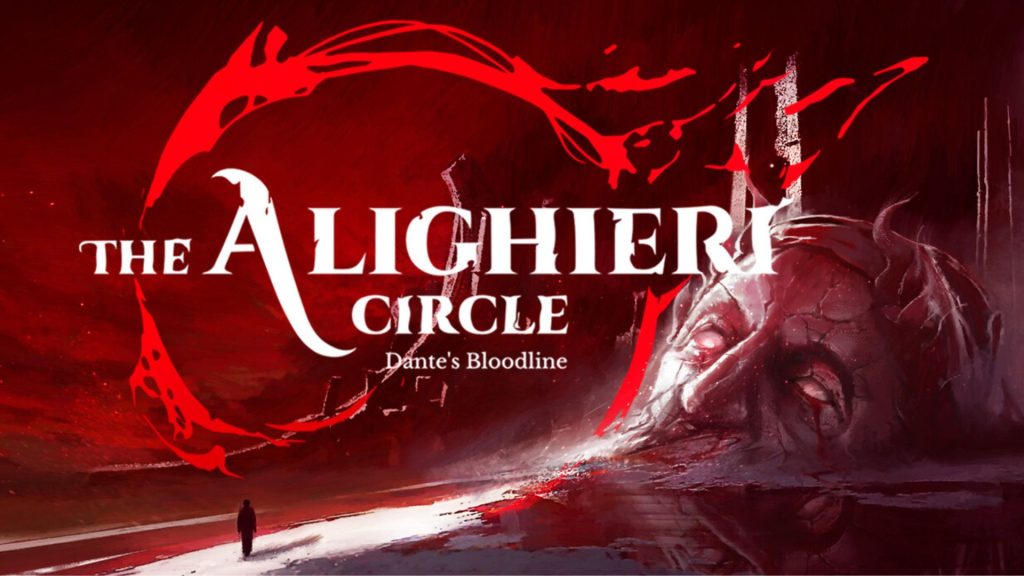
The Alighieri Circle: Dante’s Bloodline is difficult to recommend beyond players who are especially interested in Dante or enjoy solving…
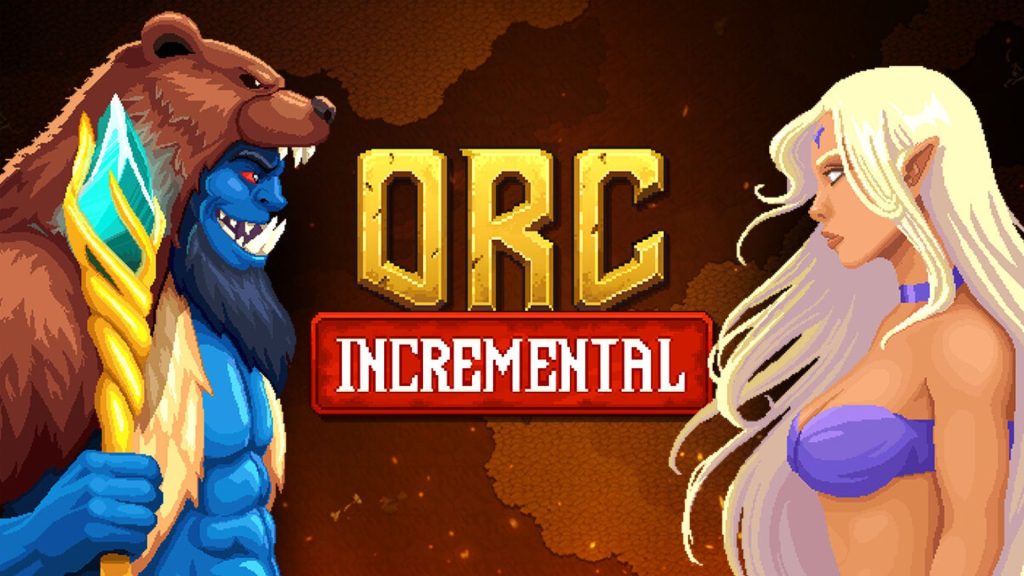
Orc Incremental offers satisfying progression, entertaining totem combinations and enough content to justify its affordable price.
![[GAMESCOM 2026] Chronoscript: The Endless End Preview – Beautiful Pages Hide Deliberate Combat](https://www.indie-games.eu/wp-content/uploads/2026/09/Chronoscript-The-Endless-End-1-1024x576.jpg)
Chronoscript: The Endless End stands out from other Metroidvanias by blending 2D manuscript worlds with exploration inside a 3D manor.
![[GAMESCOM 2026] MegaGum Preview – Combat Hits Hard in This Sticky Platforming Adventure](https://www.indie-games.eu/wp-content/uploads/2026/09/MegaGum-09-09-26-5-1024x576.jpg)
MegaGum combines hard-hitting combat, varied weapons and Gum-powered platforming in a promising Gamescom 2026 demo.
![[GAMESCOM 2026] Delphinium Preview – Cozy Routine Mixed With Enjoyable Minigames](https://www.indie-games.eu/wp-content/uploads/2026/03/Delphinium--1024x665.jpg)
Delphinium mixes cozy farming, exploration and relationships with enjoyable fishing, cooking and forging minigames in its Gamescom 2026 demo.
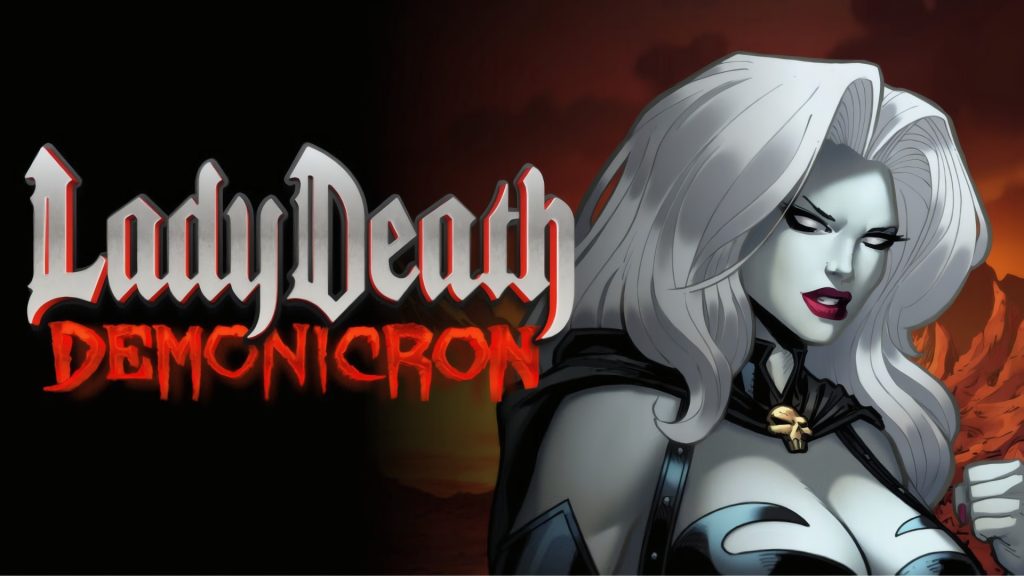
Lady Death: Demonicron looks the part, but underneath its excellent comic-book exterior is a clunky and painfully short brawler.
![[GAMESCOM 2026] Tomb Raider: Legacy of Atlantis Preview – Expands the Original Without Losing Its Identity](https://www.indie-games.eu/wp-content/uploads/2026/09/tomb-raider-legacy-of-atlantis-06-02-26-1-1024x576.jpg)
Tomb Raider: Legacy of Atlantis brings Lara back to her roots, but its Gamescom 2026 showing proved this is far…
![[GAMESCOM 2026] Clive Barker’s Hellraiser: Revival Preview – Ready to Open the Box](https://www.indie-games.eu/wp-content/uploads/2026/09/Clive-Barkers-Hellraiser-Revival-08-30-26-1-1024x576.jpg)
Hellraiser: Revival preserves the franchise’s sex, gore and psychological horror while delivering approachable survival-horror gameplay.

Swan Song creates a peaceful and forgiving puzzle space without removing the challenge that makes solving a difficult puzzle rewarding.
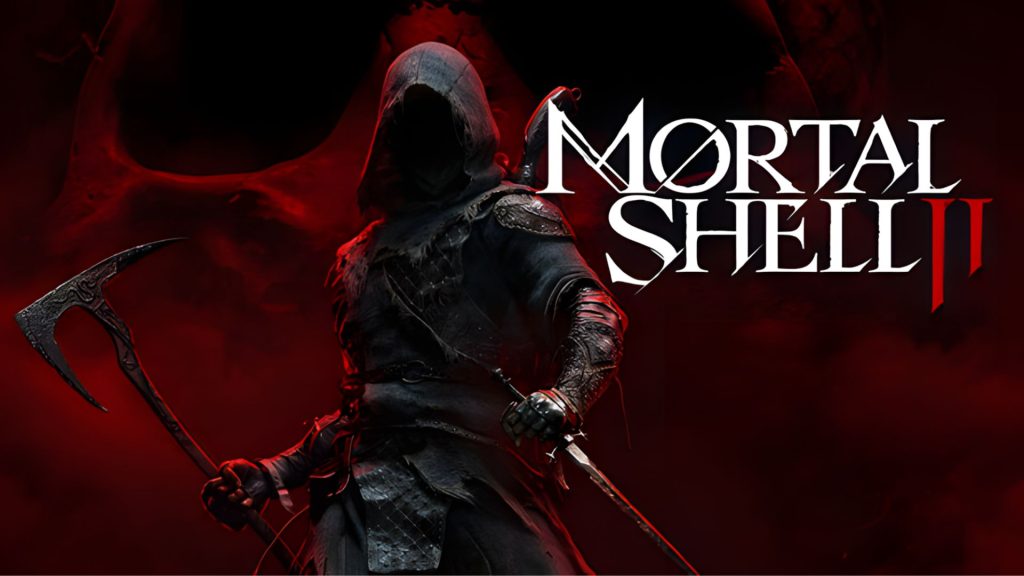
Mortal Shell II starts brilliantly but grows repetitive and exhausting, while remaining a rewarding and ambitious Soulslike sequel.
![[GAMESCOM 2026] Terranigma Preview – A Lost SNES Classic Returns in 2027](https://www.indie-games.eu/wp-content/uploads/2026/08/Terranigma-1-1024x576.jpg)
After more than three decades of limited availability, Terranigma is returning in 2027. We played its enhanced re-release at Gamescom…
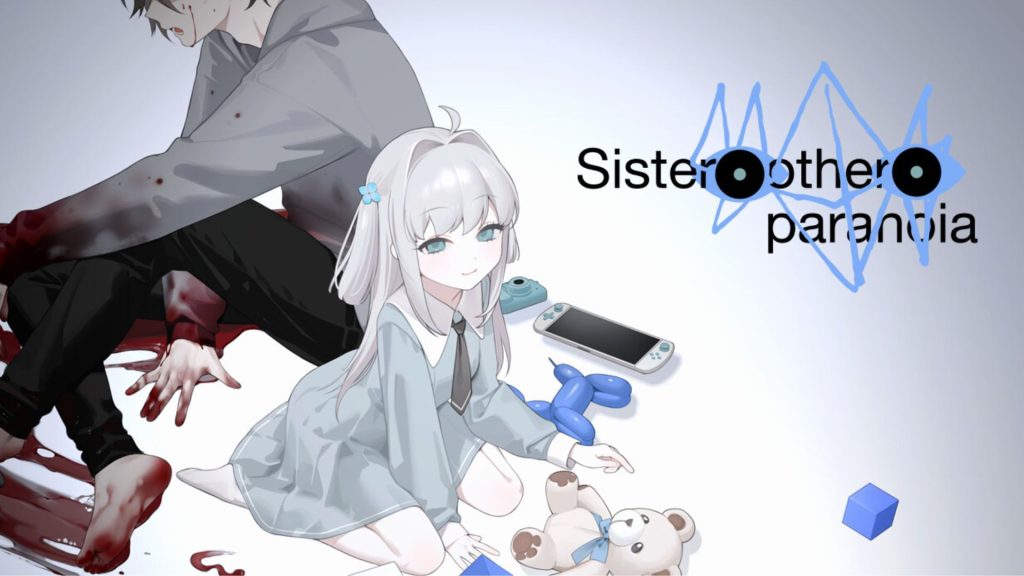
Reading another person’s mind is often presented as a desirable superpower, but Sister Other Paranoia immediately understands why it could…
