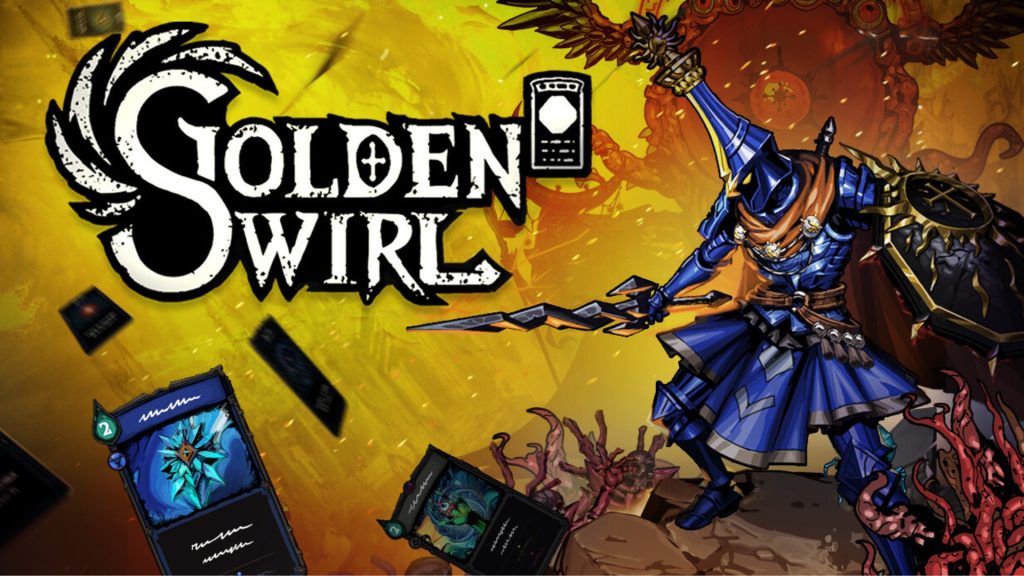
Golden Swirl – Brilliant Deckbuilding Buried Under Endless Dialogue
Golden Swirl inventive card combat carries the experience, but repetitive rooms, weak upgrades and excessive dialogue hold it back.

If you enjoy independent indie game coverage, consider supporting Indie-Games.eu on Patreon. It helps keep the site independent.
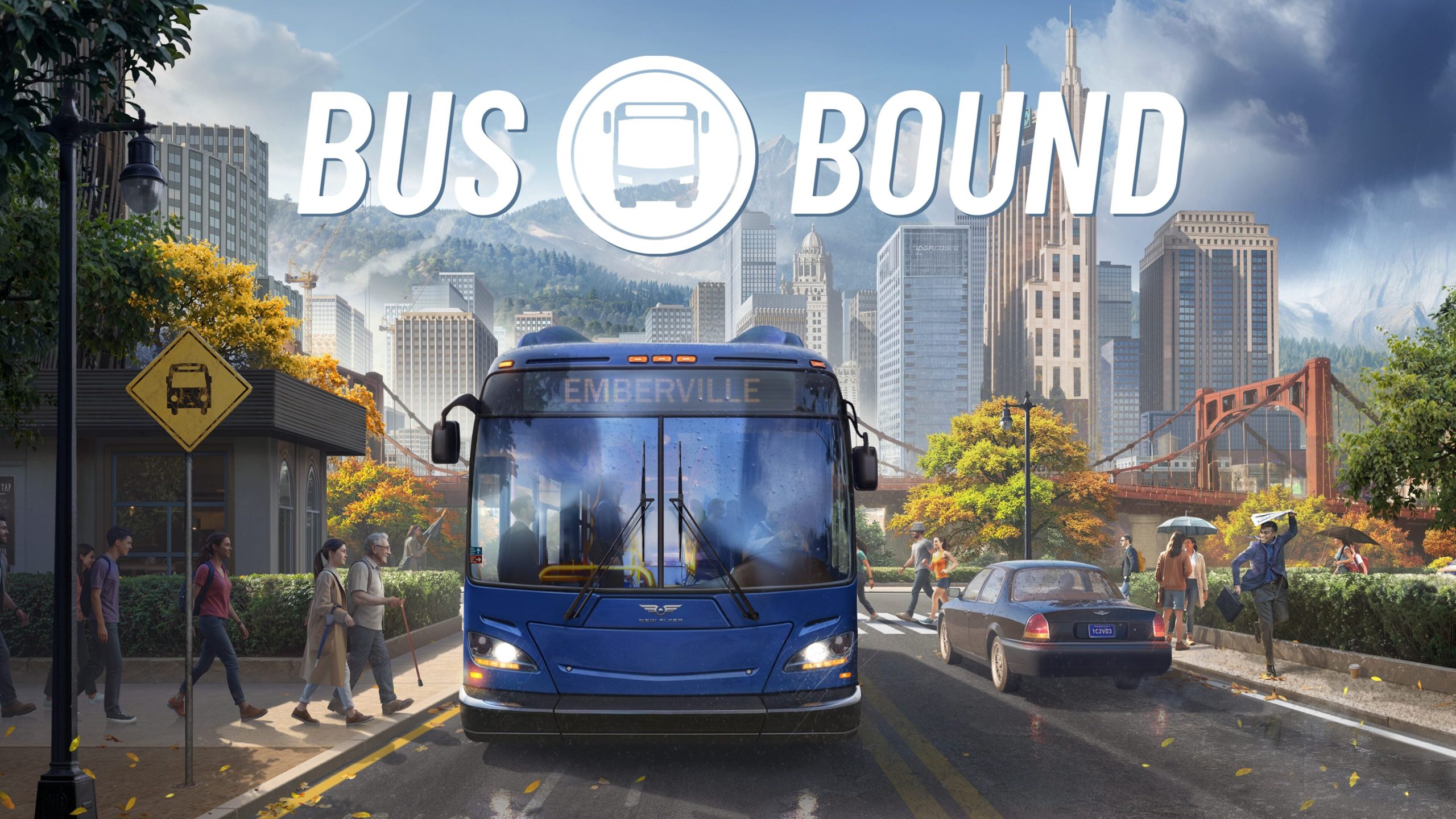
Bus Bound, from the creators of Bus Simulator 21, sits somewhere between a driving simulator and a light management game, but it leans much more toward the simulation side. Instead of managing an entire transport company or city, you’re focused on building and optimizing your own bus routes. It’s a solid game at its core, but it also has some clear limitations that are hard to ignore.
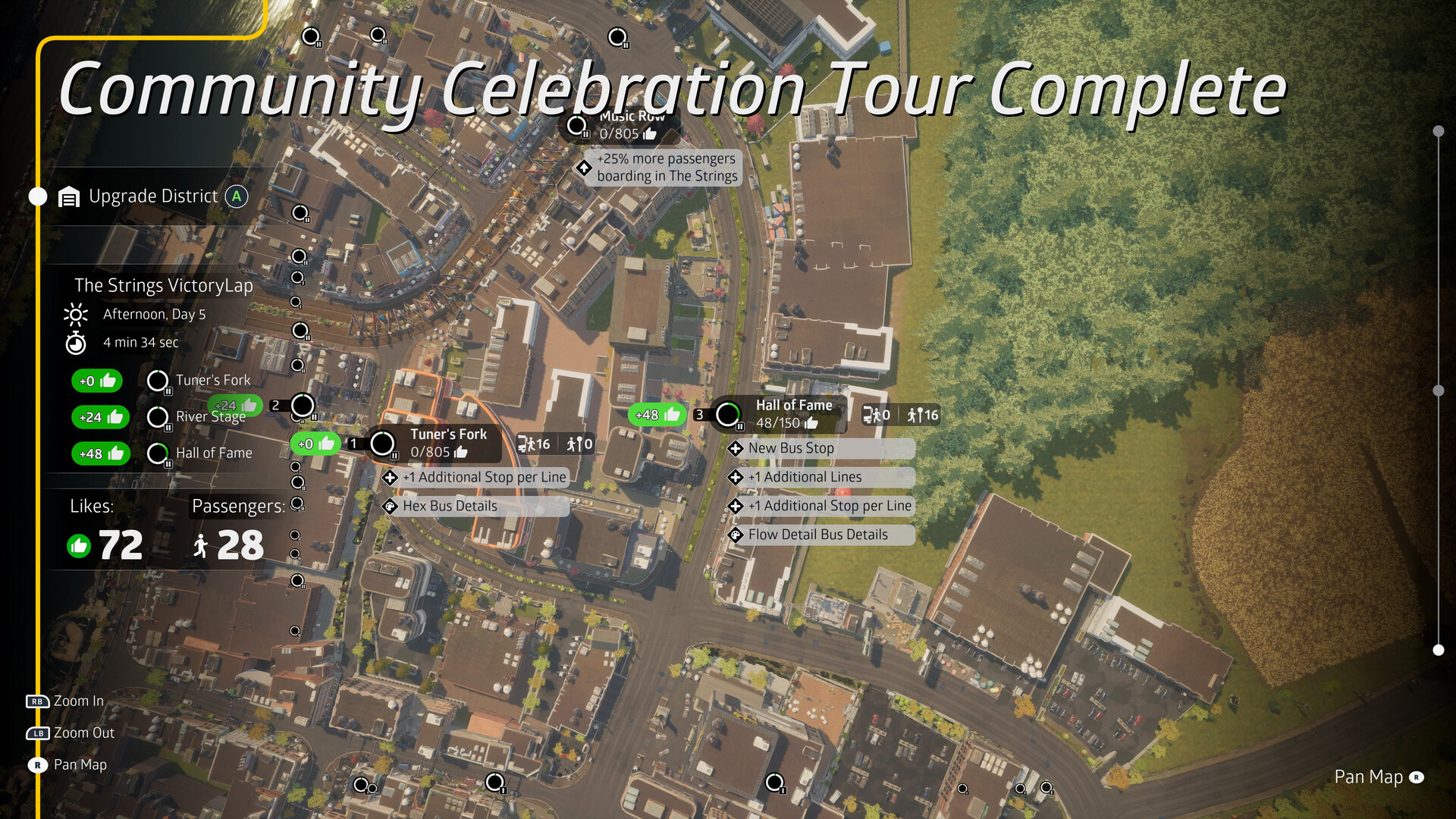
The main progression system revolves around routes and passenger satisfaction or “likes.” You connect bus stops, drive your routes, and earn likes based on performance. These likes are then used to upgrade districts and expand the map. There’s also a modifier system that adds optional challenges, things like removing navigation aids or limiting your perspective, which boost your multipliers and help you earn progress faster. It’s a nice idea, and it adds a bit of variety to what would otherwise be a very repetitive loop.
One thing the game does well is its sense of progression. As you expand your routes and upgrade districts, the city slowly grows with you. You start to recognize routes, understand the layout, and build familiarity with the world. There’s also a multiplayer co-op mode, which is a nice addition and can make the experience more engaging.
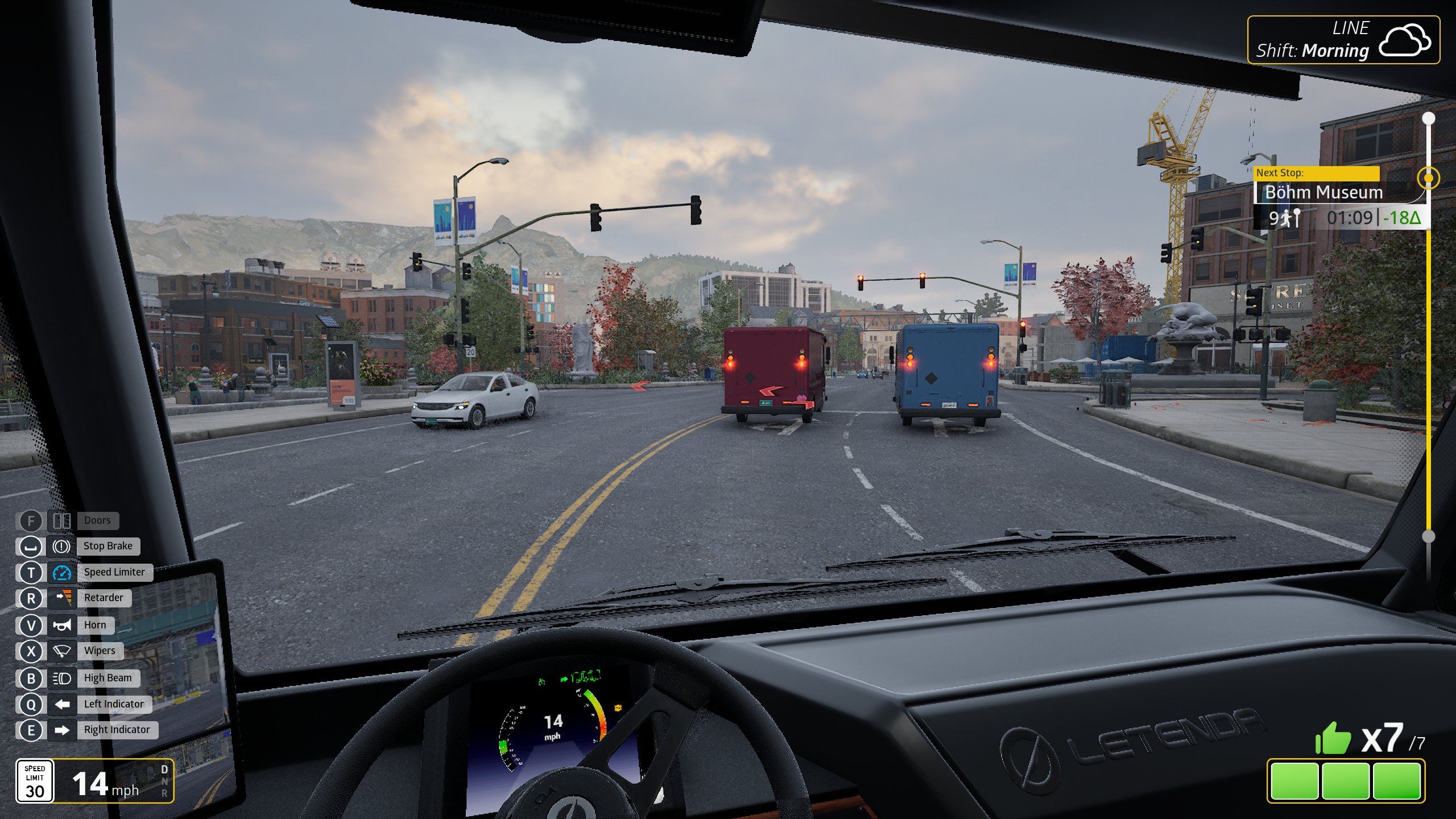
Driving, however, is where the game does well. The bus physics feel solid: vehicles have weight, turning feels natural, and controls are smooth even on mouse and keyboard. It’s easy to get into a rhythm, especially when you just want to relax, put on some music, and cruise through the city. This is where the game shines the most: as a laid-back experience rather than a deep simulator.
In terms of features, the game keeps things simple. There’s no fuel management, no vehicle maintenance, and no deeper simulation systems. You’re mostly focused on driving, opening doors, following traffic rules, and completing routes. There are different times of day and weather conditions, which help a bit with variety, but customization and flexibility are limited. The lack of mod support is also disappointing, since it could have added a lot of longevity.
There is a good amount of variety when it comes to buses. You get around 19 vehicles, each with its own feel, including double-deckers and hybrid models, and you can customize them as well. That part is genuinely enjoyable. But beyond that, the management side is almost non-existent. You can’t hire drivers, you can’t build a fleet, and there’s no real economy system. You’re not running a company, you’re just driving.
The world itself looks lively at first glance, with plenty of traffic and pedestrians, but it lacks depth. The biggest immersion breaker is the complete absence of other AI buses. You’re the only one operating in the entire city, which feels strange for a game built around public transport. On top of that, the game uses US-style driving rules, including things like turning right on red, which might feel odd depending on what you’re used to.
Visually, the city is quite appealing. It has a clean, detailed look with enough variation to keep it interesting, and the semi-open structure gives you some freedom to explore. But again, it feels like there was potential for more depth that just isn’t there yet.
That said, the overall content feels a bit thin. You can realistically see most of what the game has to offer in around 10 to 12 hours, especially if you optimize your runs using modifiers. A lot of that time is spent replaying the same routes to grind progress. The map itself is decent in size but not particularly large, you can cross it in under 15 minutes depending on the route, which makes the world feel smaller than expected.
There are some rough edges. AI traffic is inconsistent and can make questionable decisions, sometimes even crashing into you and penalizing your progress unfairly. There’s no damage system or proper feedback when collisions happen, which makes those moments feel frustrating rather than realistic.
Technically, the game runs fairly well for the most part, especially considering it’s built on Unreal Engine, but it’s not perfect. There are occasional stutters, and some UI elements, like mirrors, don’t feel properly implemented. You’ll also run into small glitches, like passengers clipping into the ground or objects behaving oddly. Nothing game-breaking, but definitely noticeable.
So the big question is whether it’s worth the price. At around 30 euros, it’s a bit hard to justify. There’s a solid foundation here, and it can be genuinely enjoyable if you’re looking for a relaxing, low-pressure driving experience. But it lacks the depth, content, and systems you’d expect at that price point.
At the end of the day, Bus Bound feels like a more casual take on the genre. It’s easy to pick up, simple to understand, and great for unwinding, but it doesn’t go far enough in terms of simulation or management. If you’re a fan of bus simulators, you’ll likely find something to enjoy here, just maybe wait for a discount.
Bus Bound sits somewhere between a driving simulator and a light management game, but leans much more toward the simulation side, specifically, just the driving. The bus physics are solid with natural turning and smooth controls, making for a relaxing, low-pressure driving experience where you can put on some music and cruise through the city.
Ending Thoughts
This review is based on the copy I purchased on Steam
Golden Swirl inventive card combat carries the experience, but repetitive rooms, weak upgrades and excessive dialogue hold it back.
![[GAMESCOM 2026] Wilderdark Preview – Ambitious Dinosaur Horror Game That Still Has Plenty to Prove](https://www.indie-games.eu/wp-content/uploads/2026/09/Wilderdark-1024x576.jpg)
Dinosaur survival horror game Wilderdark has one of those premises that immediately makes you wonder why more games have not…
![[PREVIEW] Tiny Metal 2 – Strategy Game That Wants You to Learn From Every Mistake](https://www.indie-games.eu/wp-content/uploads/2026/09/Tiny-Metal-2-1024x576.jpg)
I rarely enjoy discovering that my opening strategy was completely wrong, but Tiny Metal 2 made that process one of…
![[PREVIEW] Remothered: Red Nun’s Legacy – Ambitious Survival Horror That Needs More Polish](https://www.indie-games.eu/wp-content/uploads/2026/09/Remothered-Red-Nuns-Legacy-4-1024x576.jpg)
Remothered: Red Nun’s Legacy has a gripping atmosphere and promising survival tools, but its repetitive hiding and rough visuals need…
The Alighieri Circle: Dante’s Bloodline is difficult to recommend beyond players who are especially interested in Dante or enjoy solving…
Orc Incremental offers satisfying progression, entertaining totem combinations and enough content to justify its affordable price.
![[GAMESCOM 2026] Chronoscript: The Endless End Preview – Beautiful Pages Hide Deliberate Combat](https://www.indie-games.eu/wp-content/uploads/2026/09/Chronoscript-The-Endless-End-1-1024x576.jpg)
Chronoscript: The Endless End stands out from other Metroidvanias by blending 2D manuscript worlds with exploration inside a 3D manor.
![[GAMESCOM 2026] MegaGum Preview – Combat Hits Hard in This Sticky Platforming Adventure](https://www.indie-games.eu/wp-content/uploads/2026/09/MegaGum-09-09-26-5-1024x576.jpg)
MegaGum combines hard-hitting combat, varied weapons and Gum-powered platforming in a promising Gamescom 2026 demo.
![[GAMESCOM 2026] Delphinium Preview – Cozy Routine Mixed With Enjoyable Minigames](https://www.indie-games.eu/wp-content/uploads/2026/03/Delphinium--1024x665.jpg)
Delphinium mixes cozy farming, exploration and relationships with enjoyable fishing, cooking and forging minigames in its Gamescom 2026 demo.
Lady Death: Demonicron looks the part, but underneath its excellent comic-book exterior is a clunky and painfully short brawler.
![[GAMESCOM 2026] Tomb Raider: Legacy of Atlantis Preview – Expands the Original Without Losing Its Identity](https://www.indie-games.eu/wp-content/uploads/2026/09/tomb-raider-legacy-of-atlantis-06-02-26-1-1024x576.jpg)
Tomb Raider: Legacy of Atlantis brings Lara back to her roots, but its Gamescom 2026 showing proved this is far…
![[GAMESCOM 2026] Clive Barker’s Hellraiser: Revival Preview – Ready to Open the Box](https://www.indie-games.eu/wp-content/uploads/2026/09/Clive-Barkers-Hellraiser-Revival-08-30-26-1-1024x576.jpg)
Hellraiser: Revival preserves the franchise’s sex, gore and psychological horror while delivering approachable survival-horror gameplay.

Swan Song creates a peaceful and forgiving puzzle space without removing the challenge that makes solving a difficult puzzle rewarding.
Mortal Shell II starts brilliantly but grows repetitive and exhausting, while remaining a rewarding and ambitious Soulslike sequel.
![[GAMESCOM 2026] Terranigma Preview – A Lost SNES Classic Returns in 2027](https://www.indie-games.eu/wp-content/uploads/2026/08/Terranigma-1-1024x576.jpg)
After more than three decades of limited availability, Terranigma is returning in 2027. We played its enhanced re-release at Gamescom…

Reading another person’s mind is often presented as a desirable superpower, but Sister Other Paranoia immediately understands why it could…
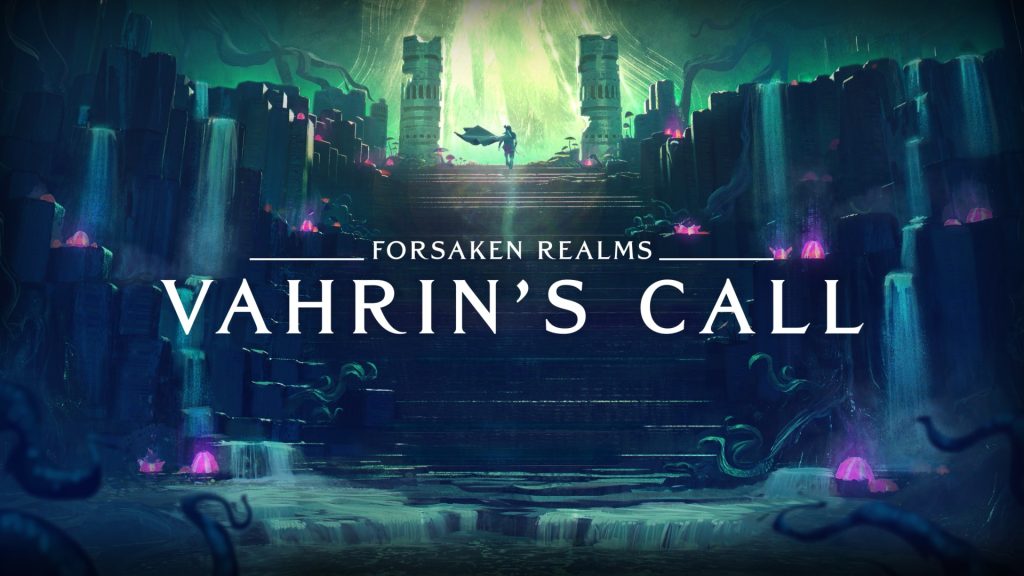
Forsaken Realms: Vahrin’s Call is exactly the kind of ambitious, slightly clumsy fantasy RPG that used to be far more…
![[Early Access] 2nd EVE – Sci-Fi Action RPG That Lacks a Sense of Stakes](https://www.indie-games.eu/wp-content/uploads/2026/08/2ND-EVE-1024x576.jpg)
2nd Eve is a space-set action RPG in which we strive to save humanity.
![[PREVIEW] Dreamcards – Strategic Exploration of Consciousness](https://www.indie-games.eu/wp-content/uploads/2026/08/Dreamcards_20260810_233631_0000-1024x576.jpg)
Dreamcards is a roguelike deckbuilder centered around dreams and nightmares.
![[Early Access] OFFBEAT – Incredibly Fun Way to Start a Music Career](https://www.indie-games.eu/wp-content/uploads/2026/08/Offbeat_20260808_201446_0000-1024x576.jpg)
In OFFBEAT, we play the role of a jobbing composer who is launching their music career.
