![[PREVIEW] Dreamcards – Strategic Exploration of Consciousness](https://www.indie-games.eu/wp-content/uploads/2026/08/Dreamcards_20260810_233631_0000-1024x576.jpg)
[PREVIEW] Dreamcards – Strategic Exploration of Consciousness
Dreamcards is a roguelike deckbuilder centered around dreams and nightmares.

If you enjoy independent indie game coverage, consider supporting Indie-Games.eu on Patreon. It helps keep the site independent.
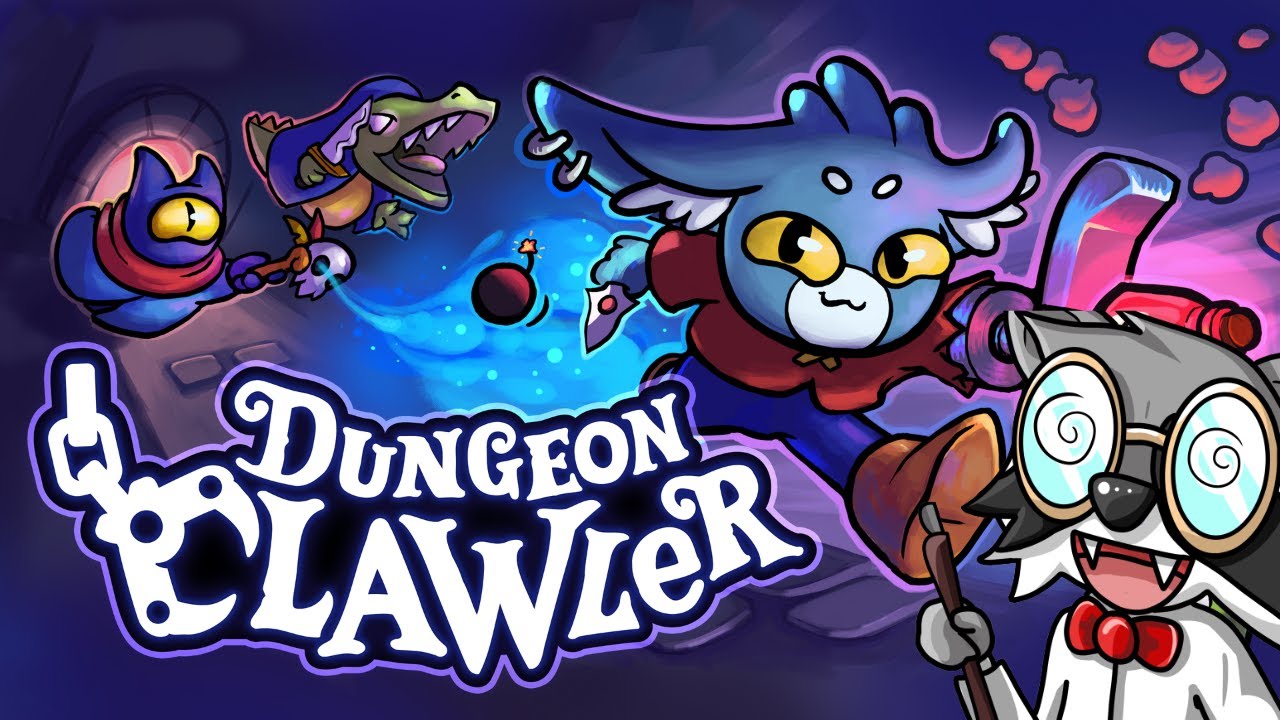
Dungeon Clawler is a roguelike deck-builder built around heavy RNG, but instead of leaning fully into chaos or strict balance, it sits somewhere in between. After about 10 hours with the 1.0 version, it’s clear there’s a strong core here, one that can feel incredibly satisfying when it clicks, but it’s also held back by repetition, uneven balance, and systems that don’t always support its own strengths.
The 1.0 update adds a solid amount of content: a daily challenge mode, a new pre-final boss, two new characters, multiple enemies and boss fights, and a range of new items and perks. On paper, it’s a meaningful expansion, and it does help flesh out the game’s variety, at least initially.
At its core, Dungeon Clawler revolves around collecting items and feeding them into your “clove machine” to create builds. You earn currency to upgrade or modify those items, gradually building synergies as you push through each run. Your starting affinity, such as strength, luck, or spike among others, gives you an early direction, but the rest is shaped by what the game offers you along the way.
That unpredictability is a big part of the appeal. Runs can spiral into powerful, creative builds that feel uniquely yours. At the same time, the structure surrounding that randomness is fairly rigid. Each run follows a familiar loop: navigate maze-like paths, fight enemies, manage your items, and trigger events that are often luck-based. While the outcomes vary, the overall flow doesn’t evolve much, which makes runs start to feel similar over time.
Combat and build crafting are where the game shows its most interesting ideas. Items interact with environmental elements like water or sticky surfaces, creating opportunities for clever synergies, like using weight or special claw that pulls metal and positioning to your advantage. When these systems align, the game feels inventive and rewarding.
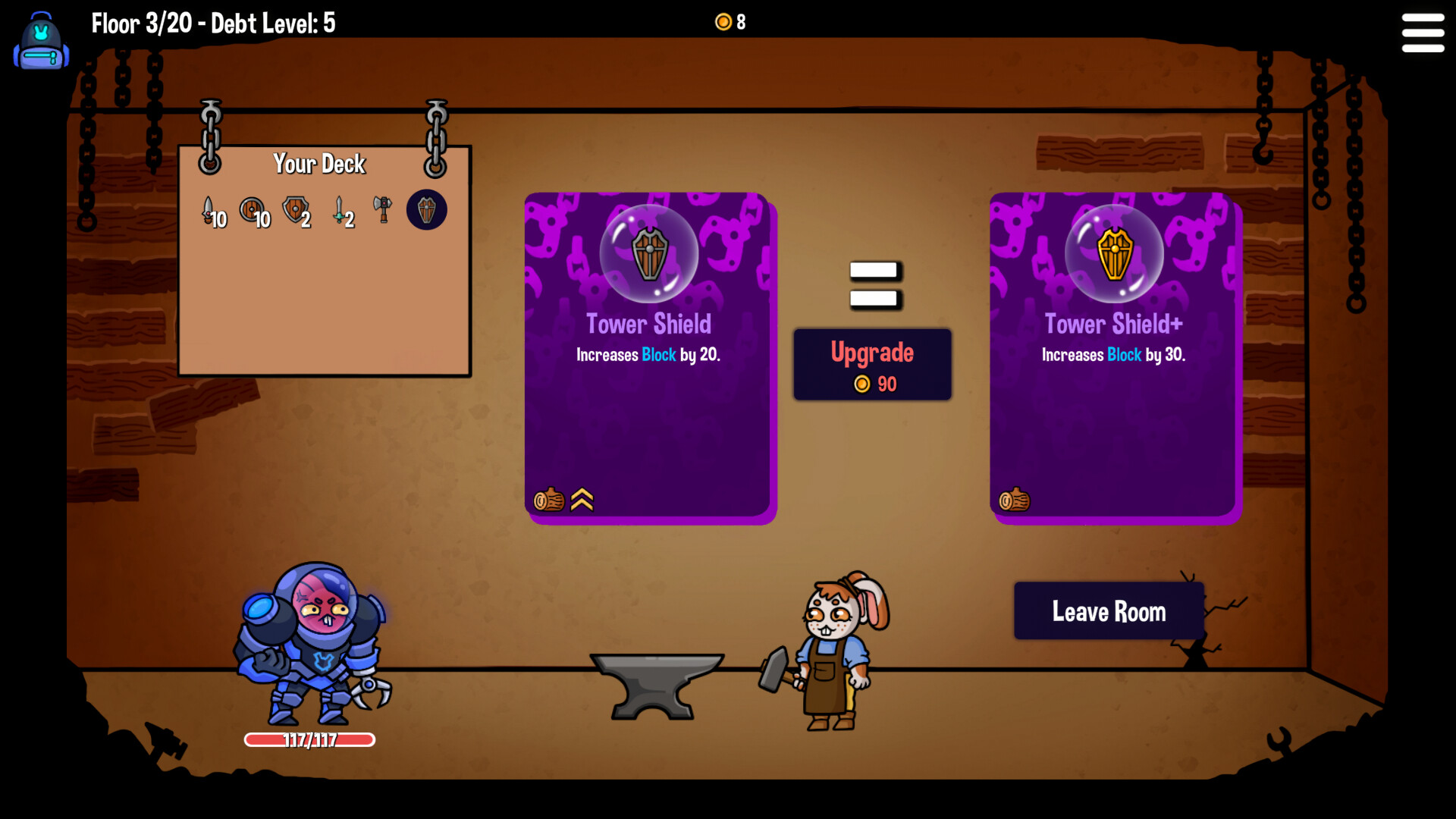
However, not all builds feel equally viable. Elemental strategies, at least in my personal experience, like fire, poison, or freeze often struggle to scale or compete with stronger, more straightforward setups. Similarly, some characters clearly outperform others, and that imbalance becomes more noticeable the deeper you go. This undercuts the experimentation the game encourages, as certain paths feel less worth pursuing.
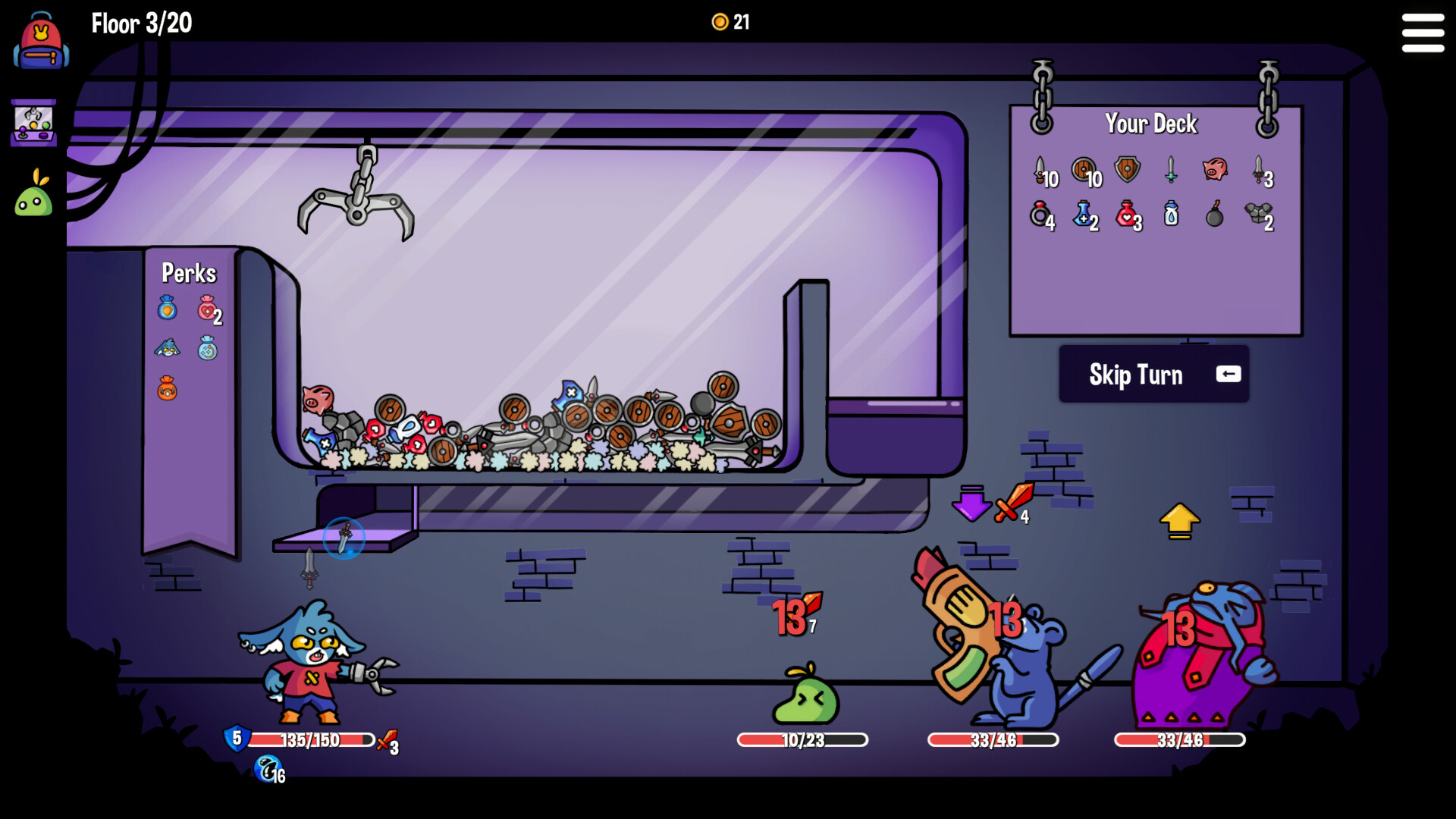
Progression adds another layer of friction. As you unlock more items, the overall pool becomes diluted, increasing the chances of weak or incompatible options. Since strong builds rely heavily on synergy, this can make runs feel constrained rather than creative. Perks help offset this by offering passive bonuses, but they don’t fully solve the issue.
One area where the game consistently succeeds is boss design. Being able to choose which boss to face adds a meaningful layer of strategy, letting you play to your build’s strengths. It’s one of the few systems that gives the player clear agency, and it stands out because of it.
Where Dungeon Clawler struggles most is repetition and pacing. Visual variety is limited, enemy design doesn’t evolve much beyond scaling difficulty, and runs can stretch up to an hour and a half. Since the core interaction, positioning the claw and grabbing items, remains the same throughout, that length can make the experience feel drawn out. The physics system adds to this frustration at times, with items behaving unpredictably or getting stuck in ways that feel less like skill-based challenge and more like uncontrollable randomness.
Interestingly, the game improves as you push past its early hours. Once you unlock higher difficulties and debts and better understand its systems, the build variety opens up and the experience becomes more engaging. Still, it feels like the overall structure could benefit from tighter pacing, fewer floors with stronger scaling might have helped maintain momentum and reduce fatigue.
Dungeon Clawler is a game with a genuinely amazing core idea. Its mix of physics-based interactions, build crafting, and RNG-driven runs creates moments that feel unique and rewarding. But it doesn’t fully capitalize on those strengths. Repetition, balance issues, and long run times hold it back from being consistently engaging.
If you enjoy experimenting with builds and don’t mind a heavy dose of randomness, there’s a lot here to like. But if you’re looking for a tightly balanced or highly varied roguelike, this may feel like a game that never quite reaches its full potential.
Dungeon Clawler has a genuinely amazing core idea, a physics-based roguelike deck-builder where you use a claw machine to grab items and build synergies. However, the game is held back by repetition, uneven balance, and systems that don’t always support its own strengths.
Ending Thoughts
Review copy provided by the publisher
Dreamcards is a roguelike deckbuilder centered around dreams and nightmares.
![[Early Access] OFFBEAT – Incredibly Fun Way to Start a Music Career](https://www.indie-games.eu/wp-content/uploads/2026/08/Offbeat_20260808_201446_0000-1024x576.jpg)
In OFFBEAT, we play the role of a jobbing composer who is launching their music career.
HellSlave II retains the original’s oppressive atmosphere, morally grey world and striking art while adding a larger world, randomized loot…
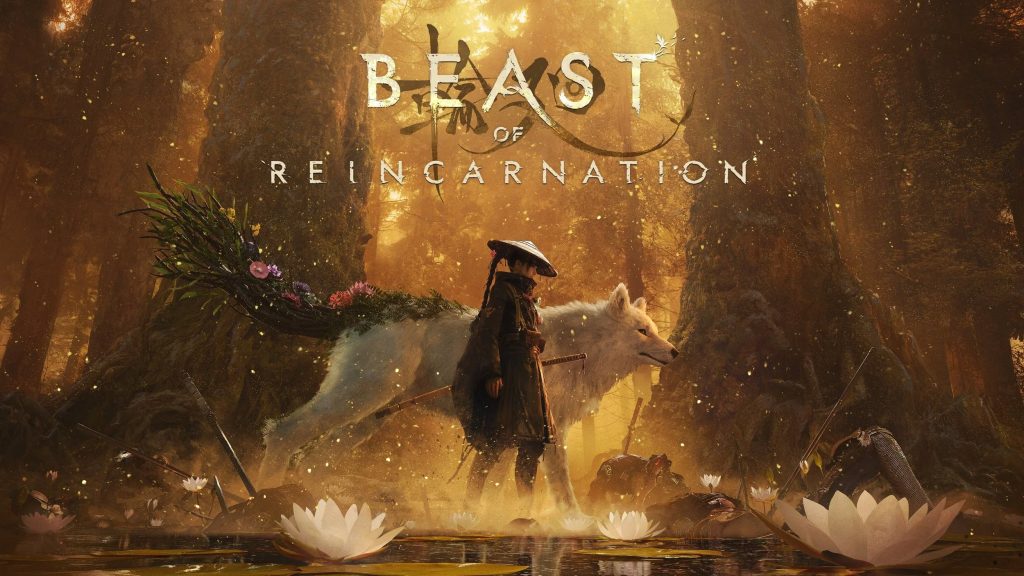
Beast of Reincarnation is an ambitious but uneven action RPG elevated by satisfying parry combat, beautiful art direction and the…

K-pop Idol Stories: Road to Debut captures the pressure of building idol group, but its management systems never explore that…
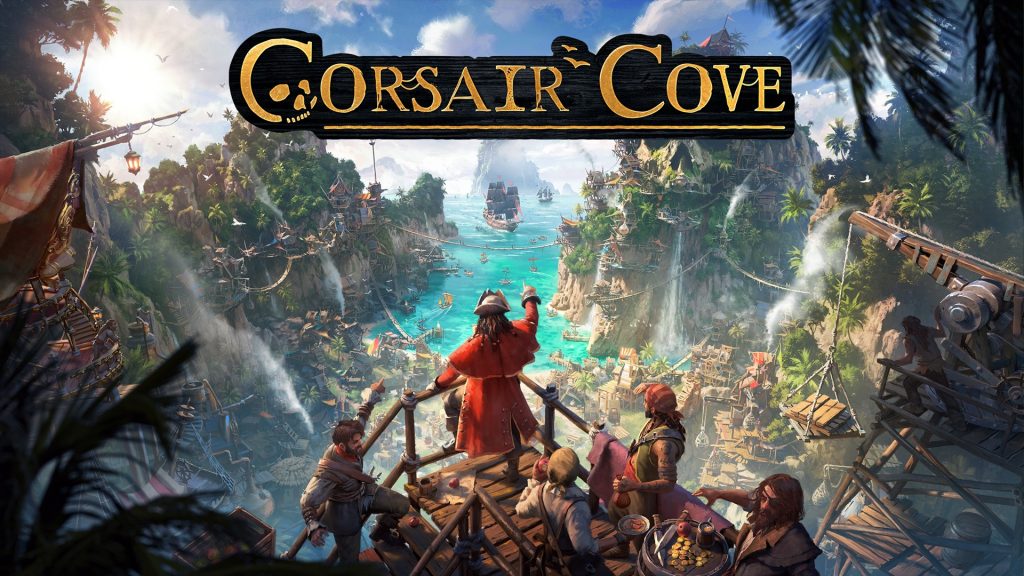
Hooded Horse keeps finding strategy games that know their audience, and Corsair Cove extends its impressive run of excellent city-builders.
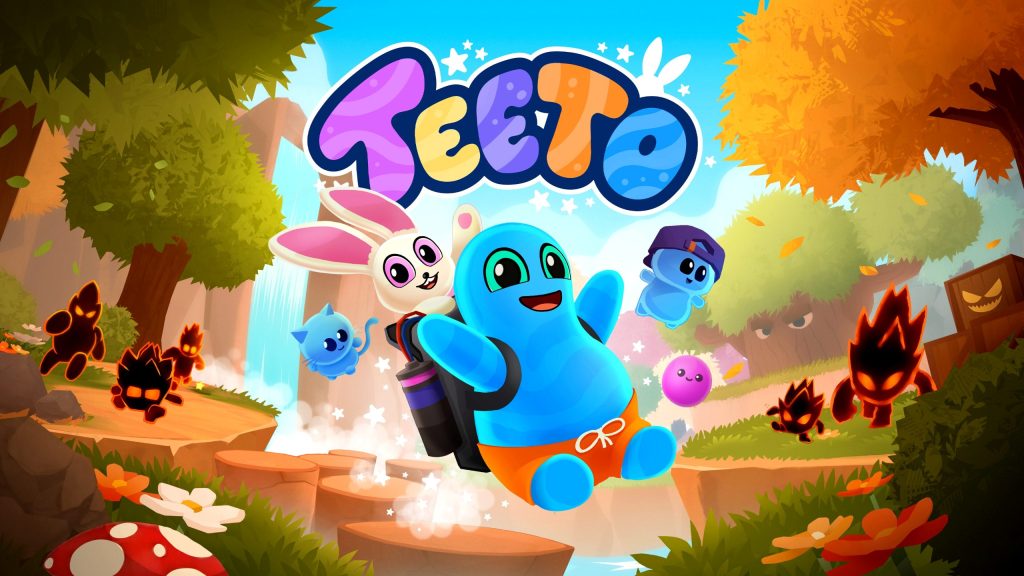
Teeto is a warm, cozy, creative and highly enjoyable 3D platformer that understands why classic collectathons remain so appealing.

Turnip Mountain stands out for its combination of a unique control system and a minimalist approach.
Dystopicon is an imaginative and memorable narrative experiment with sharp social commentary, engaging world-building and several wonderfully absurd scenarios.
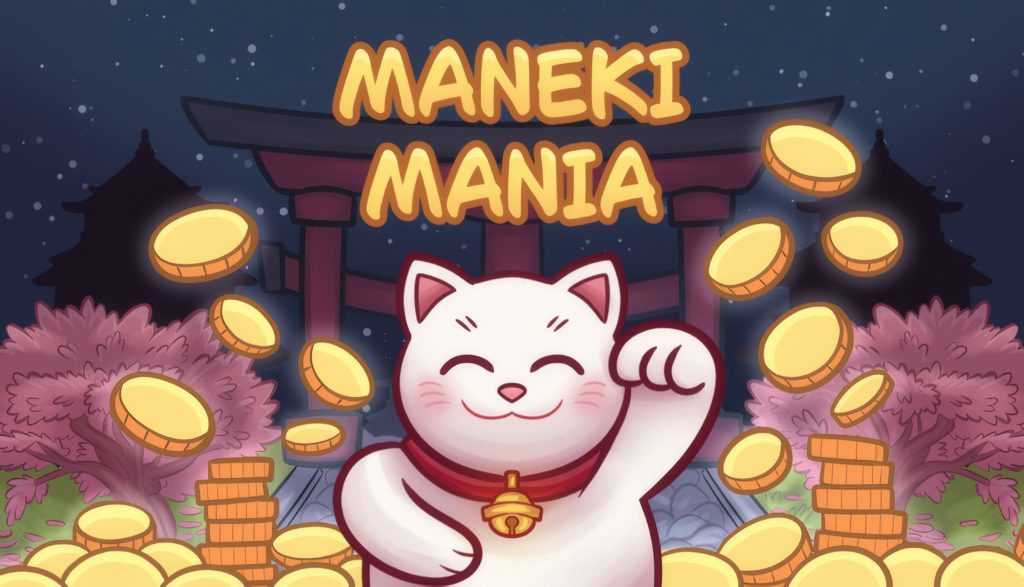
Maneki Mania is an incremental game centered around petting a lucky cat.
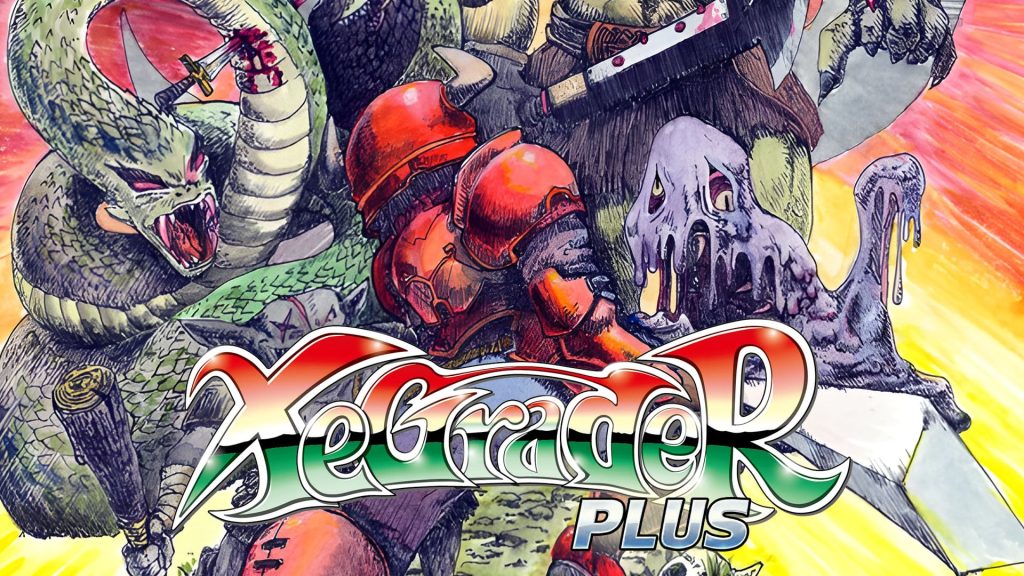
XeGrader Plus delivers colorful retro shooting, but basic mechanics, a short campaign and paid retro modes make its €20 price…
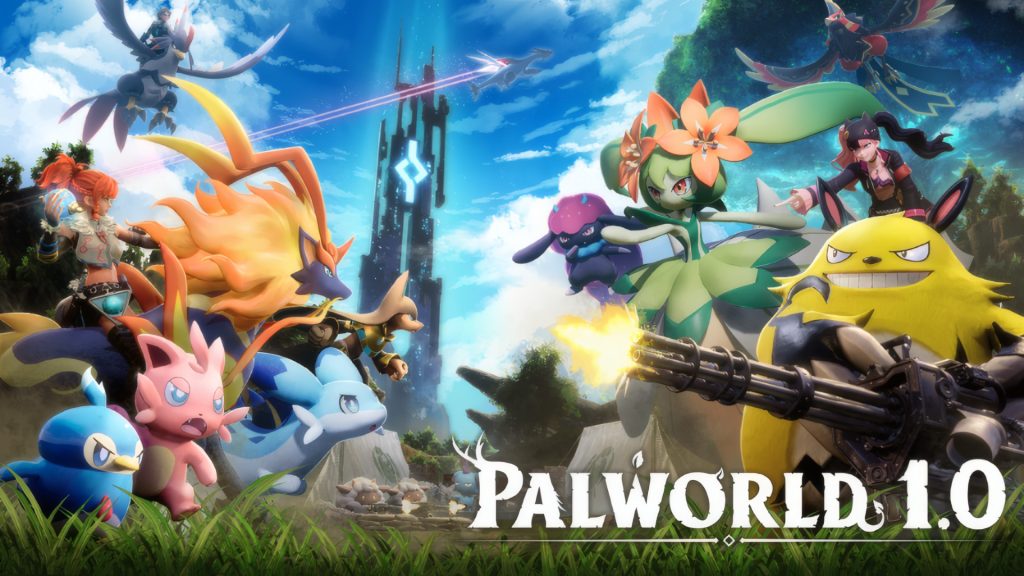
It has been roughly two and a half years since Palworld first entered Early Access, and quite a lot has…
![[EARLY ACCESS] The Last Caretaker – Survival Game I Cannot Stop Playing](https://www.indie-games.eu/wp-content/uploads/2026/07/The-last-Caretaker-Key-Art-1024x587.jpg)
The Last Caretaker is a compelling survival crafter with a flooded world and mobile base, but weak combat and performance…

Advent: Dawn is an intriguing science-fiction visual novel elevated by a likable cast and one of the most convenient flowchart…
![[EARLY ACCESS] Hell Maiden – Beautiful but Uneven Journey Through Hell](https://www.indie-games.eu/wp-content/uploads/2025/06/HMD_screenshot_019-1024x576.jpg)
Bullet heaven and rougelite game Hell Maiden lands between a polished Early Access release and a promising game that still…
![[PREVIEW] Dark Queen of Samobor – Promising Croatian Adventure Still in Need of Polish](https://www.indie-games.eu/wp-content/uploads/2026/07/Dark-Queen-of-Samobor-1024x587.jpg)
Dark Queen of Samobor is a promising 2.5D side-scrolling action-adventure that combines Croatian folklore with combat, puzzles and cinematic platforming.
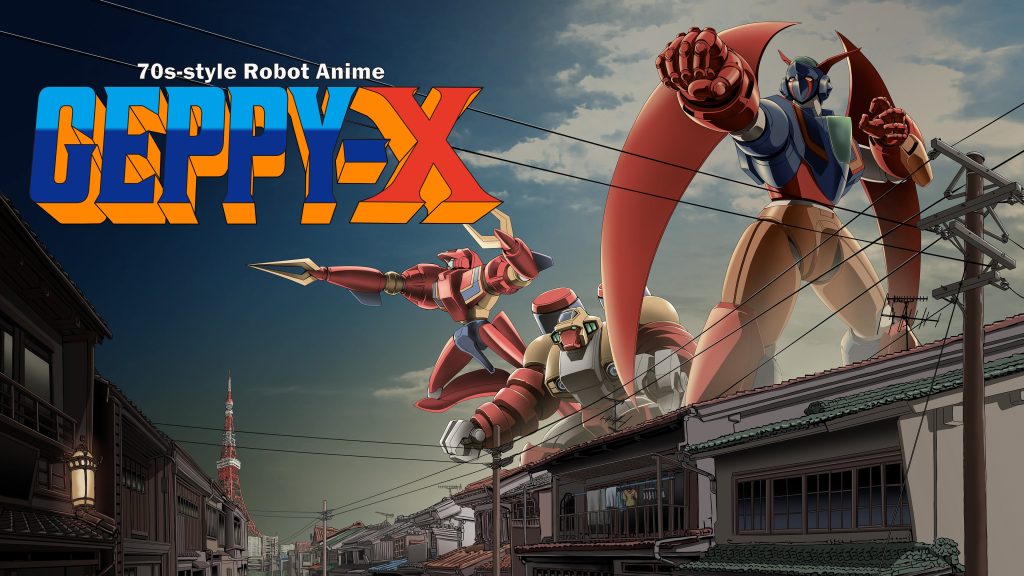
70s-style Robot Anime Geppy-X offers incredible animation, music and mecha nostalgia, but its average shooting make the €39 price difficult…

Denshattack! blends Tony Hawk, Jet Set Radio, and Japanese train culture into one of the year's most creative and unforgettable…
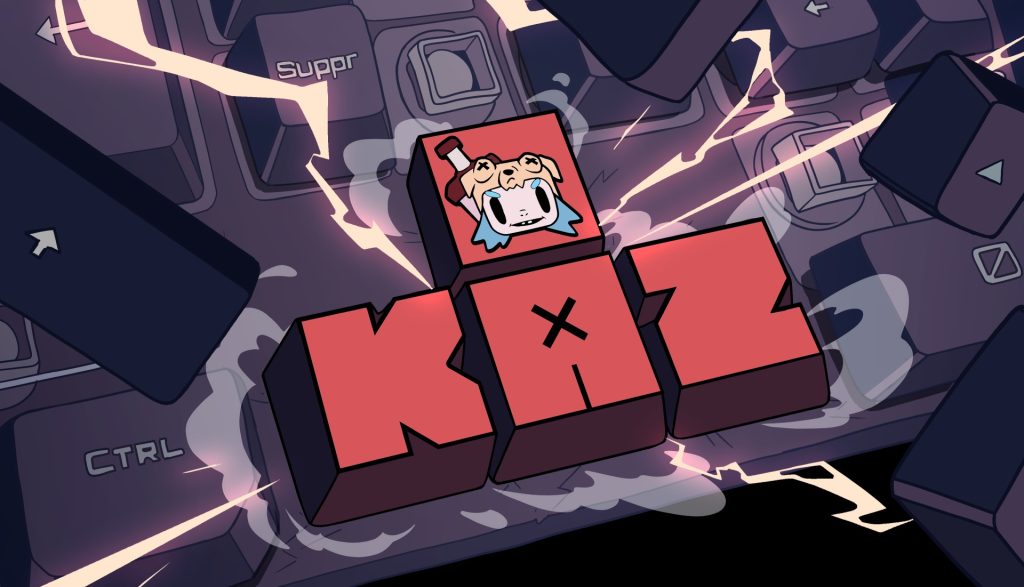
If you're looking for a game that takes an incredibly simple idea and somehow turns it into something addictive, KAZ…
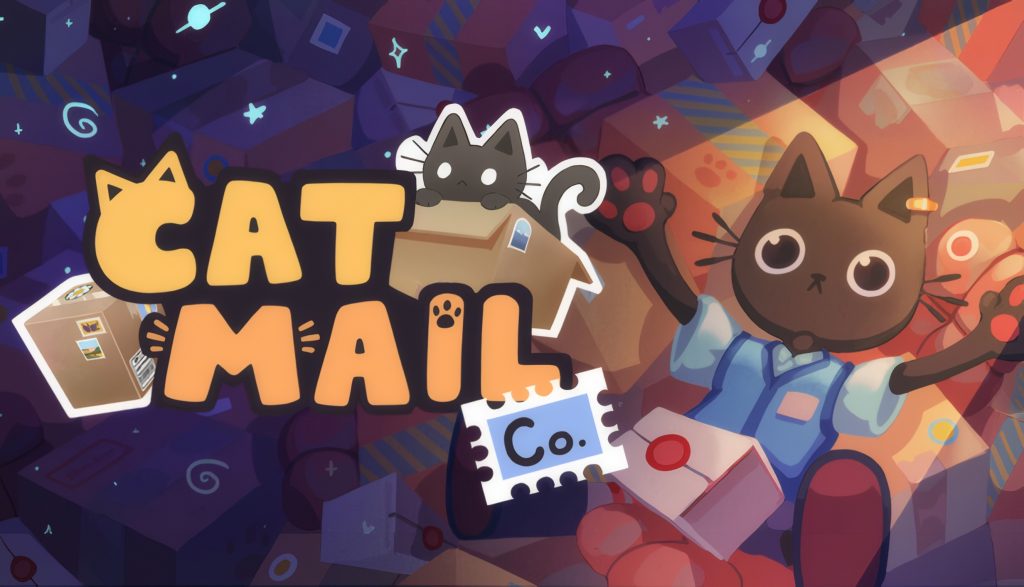
Cat Mail Co. charms with cozy visuals and satisfying mail sorting, but its full release doesn't quite live up to…
