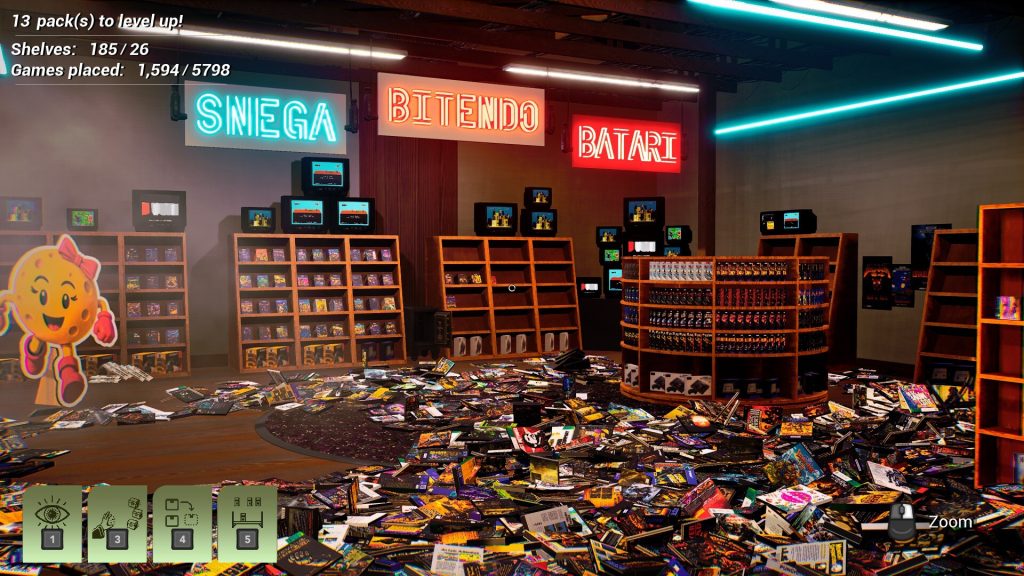
A Cat Scattered 5,798 Games Across This Cozy Supermarket Simulator
MY CAT SCATTERED GAMES asks players to organize 5,798 games and consoles before rescuing a cat trapped inside a claw…


If you enjoy independent indie game coverage, consider supporting Indie-Games.eu on Patreon. It helps keep the site independent.
In the initial review we published on Indie-Games.eu about Dreams of Another, we had many positive things to say. Without a doubt, it delivered a very unique experience both on VR, PlayStation 5 and PC via Steam. Instead of shooting objects to destroy them, you actually create things. The game arrived with promise, ambition, and a strong artistic vision, especially since multimedia artist Baiyon is well known for making games that look experimental but still meaningful.
However, despite this potential, Dreams of Another failed to gain real traction, and the main reason was its price. When I first saw the price set at 34,99 €, I was honestly confused. Why does such a simple game, with gameplay that is not very deep, cost that much? Yes, the story is emotional, the narrative is consistent, and both are of decent quality, but that alone does not justify the price.
It is almost half the price of Clair Obscur: Expedition 33, a game that won Game of the Year, and it is far above the price of Hollow Knight: Silksong, which sits at 19,50 €. I simply do not see a strong reason for a game like this to be priced so high. While it does offer a fair amount of gameplay, the value still does not match the cost.
From the very beginning, the price created a barrier between the game and its audience. Many players were interested, but felt that the price did not reflect what was being offered. Today, people compare value very carefully, and even fans of experimental games hesitate when something feels overpriced. Because of this, interest rarely turned into actual sales. For the same 35 €, you could easily buy three or more indie games, such as R.E.P.O., RV There Yet, Megabonk, and many others that offer more fun and clearer value compared to a very niche and experimental game like Dreams of Another.
The issue was not the quality of the game itself and those who did play it often praised its creativity, originality, and emotional depth. But positive feedback from a small group could not make up for the fact that most players never tried it. When pricing blocks curiosity, word of mouth struggles to grow, and the game loses momentum. Even worse, since the game is playable on VR, that market is even more niche, and everyone who plays games on VR is going to think twice before actually buying a game that costs that much.
Competition also played a big role. The game launched in October, a month packed with releases like Ball X Pit, Escape from Duckov, Digimon, Arc Raiders, and many others. In this context, a 35 € price point became even harder to understand. Faced with many choices, players naturally picked games that felt safer or offered more content for the price, such as Arc Raiders, which can easily provide over 100 hours of gameplay. Compared to these options, Dreams of Another felt more like a risk than an invitation.
This situation highlights an important lesson: pricing is not just about money, but about strategy. A high price can suggest quality, but it can also push away the audience a game needs. For Dreams of Another, that balance was lost. I am confident that if the game had been priced around 15 €, it would have attracted far more players. We have to remember that Dreams of Another is not a AA title. It is an indie game that is polished, bug-free, has an interesting idea, and offers a unique view on gaming, but nothing beyond that.
In the end, the failure of Dreams of Another was not caused by a lack of creativity or effort, but by a gap between vision and accessibility. It stands as a reminder that even the strongest artistic ideas need realistic pricing in order to truly succeed.
MY CAT SCATTERED GAMES asks players to organize 5,798 games and consoles before rescuing a cat trapped inside a claw…
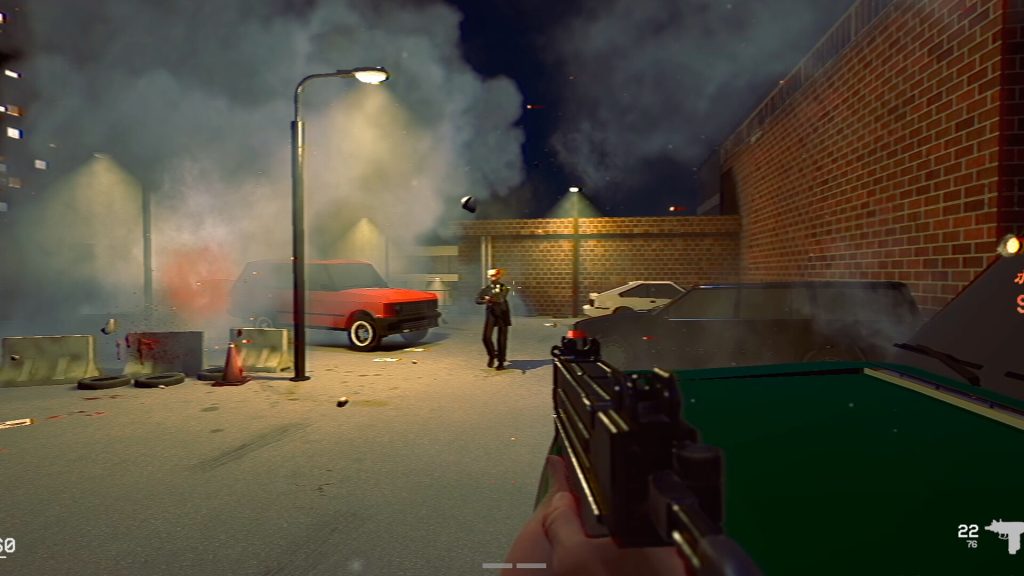
Retro corridor shooter Cop Bastard has partnered with Retrovibe for an October release, accompanied by a faster and more polished…
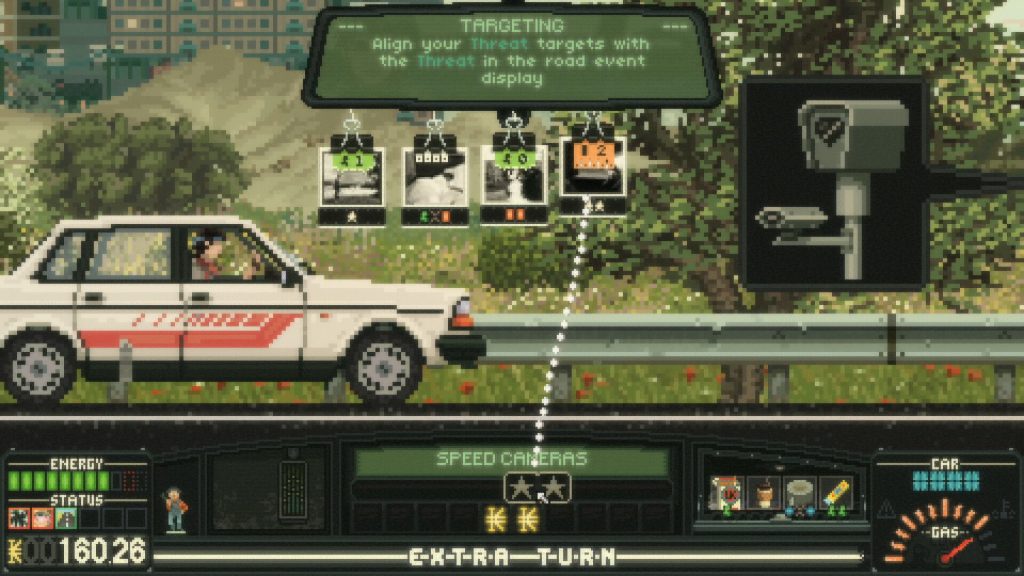
Keep Driving launches on Switch, PS5 and Xbox Series X|S on September 28 as its PC edition receives official Steam…
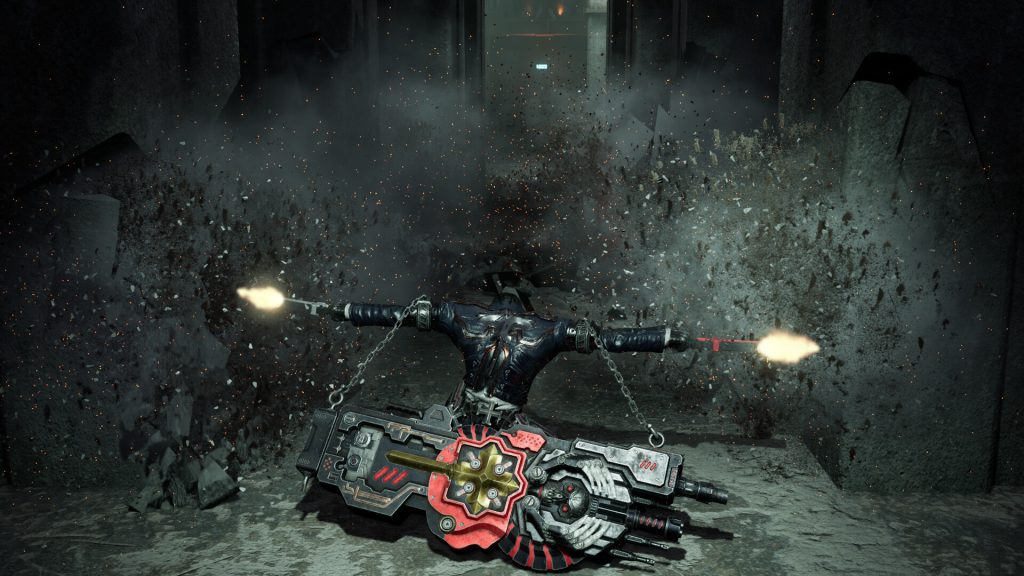
Gungrave G.O.R.E: Blood Heat shows its rebuilt combat, including parries, close-range attacks and faster 360-degree movement.

Sugar Lies follows a young man who hates dishonesty and a girl living behind a perfect persona when it launches…
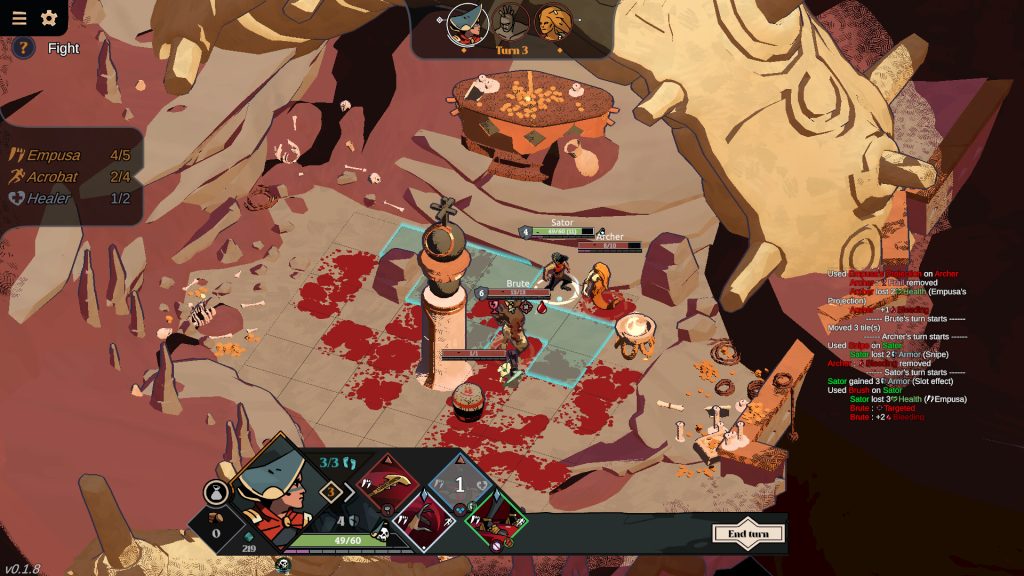
Deified leaves Steam Early Access on September 21 with its narrative ending, final boss floor, balance improvements and hidden content.
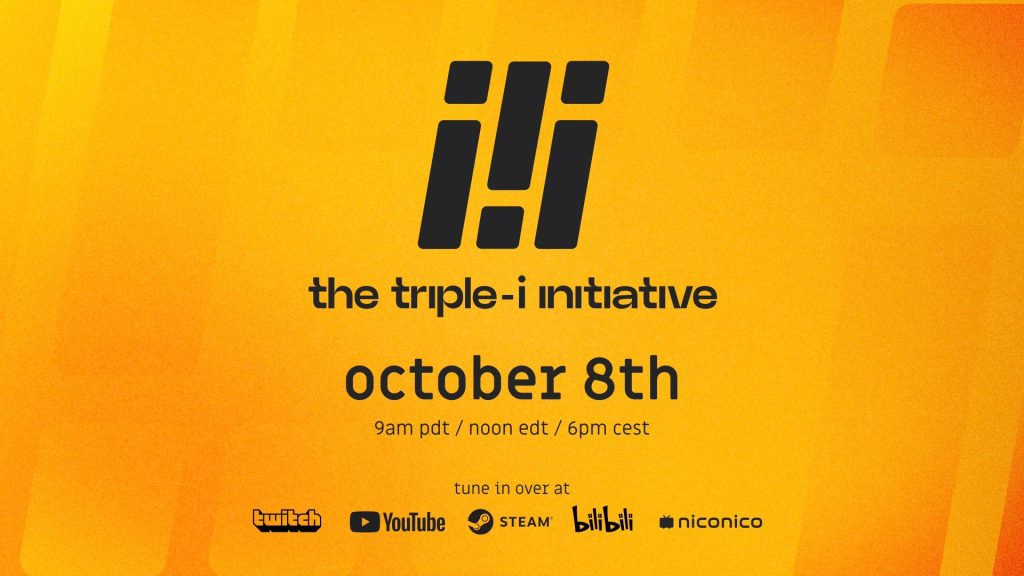
Triple-i Initiative returns October 8 with 40 games, eight world premieres and 45 minutes of trailers, release dates and reveals.
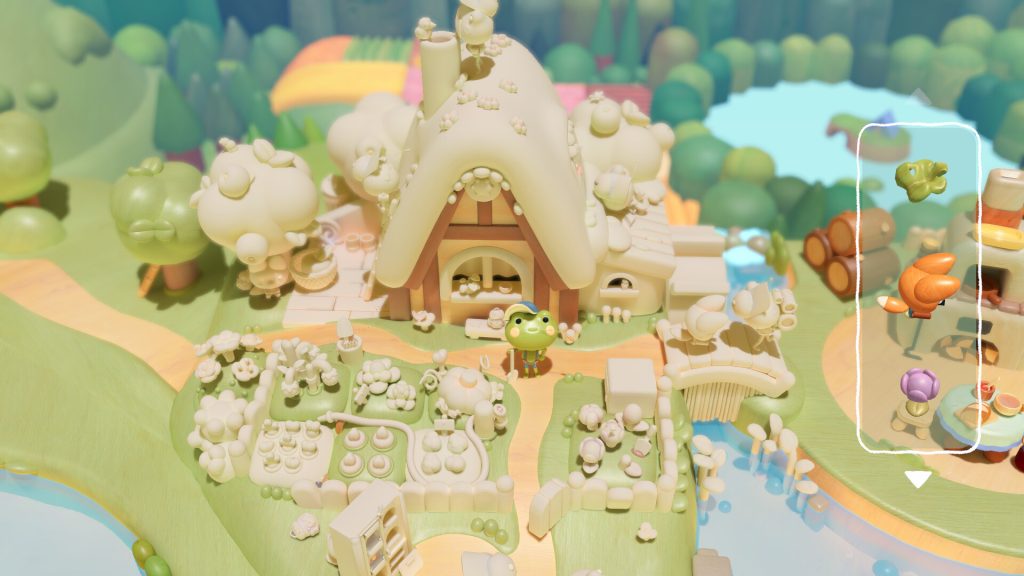
Woodo launches September 16, inviting players to rebuild childhood memories through cozy, handcrafted wooden dioramas.
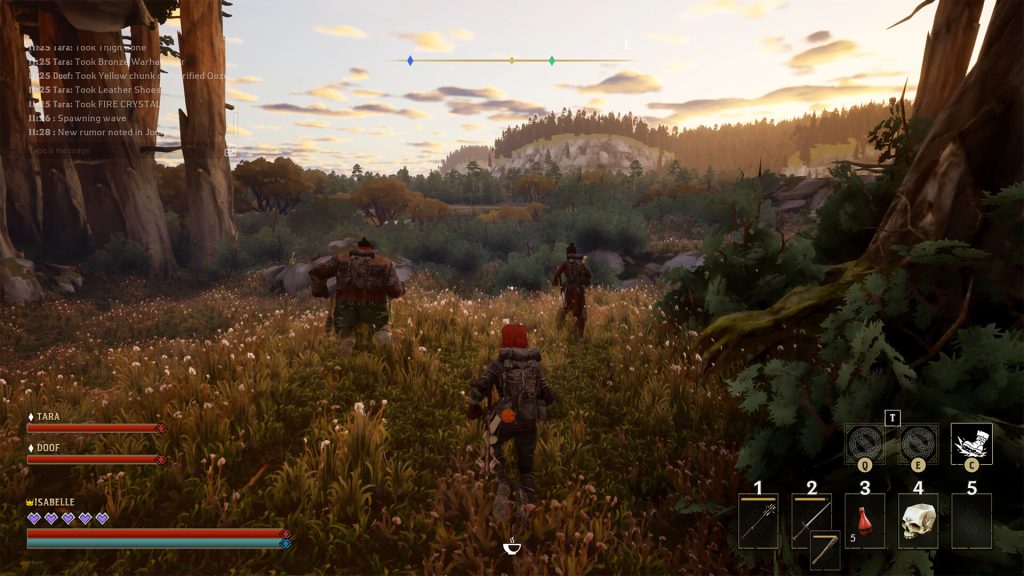
Curve Games signs Wyldheart in one of its biggest recent investments after the co-op RPG surpasses 375,000 Steam wishlists.
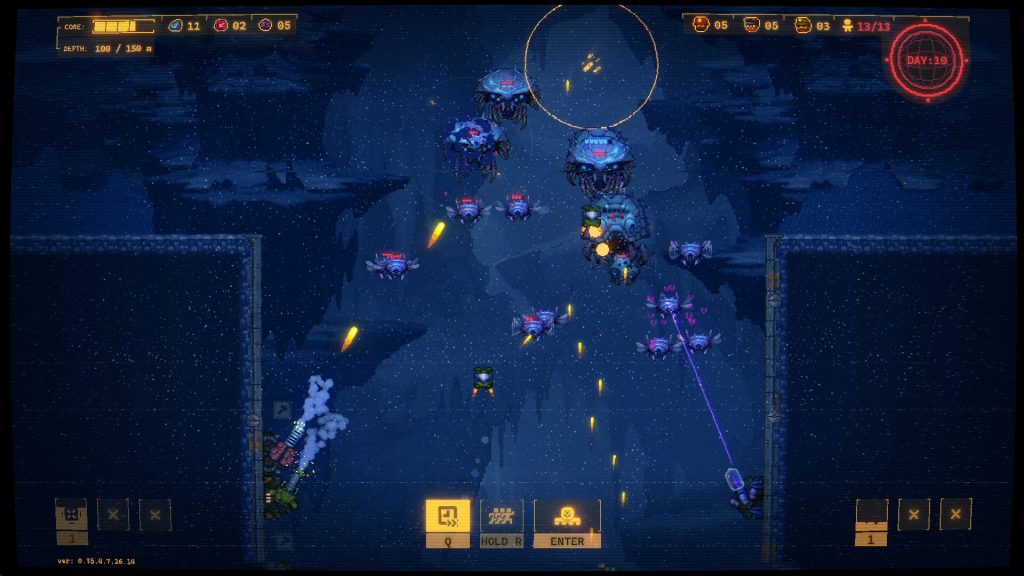
Drill Core’s free Anniversary Update adds Relaxed Mode, new bounties, specialists, platform skins and several quality-of-life improvements.
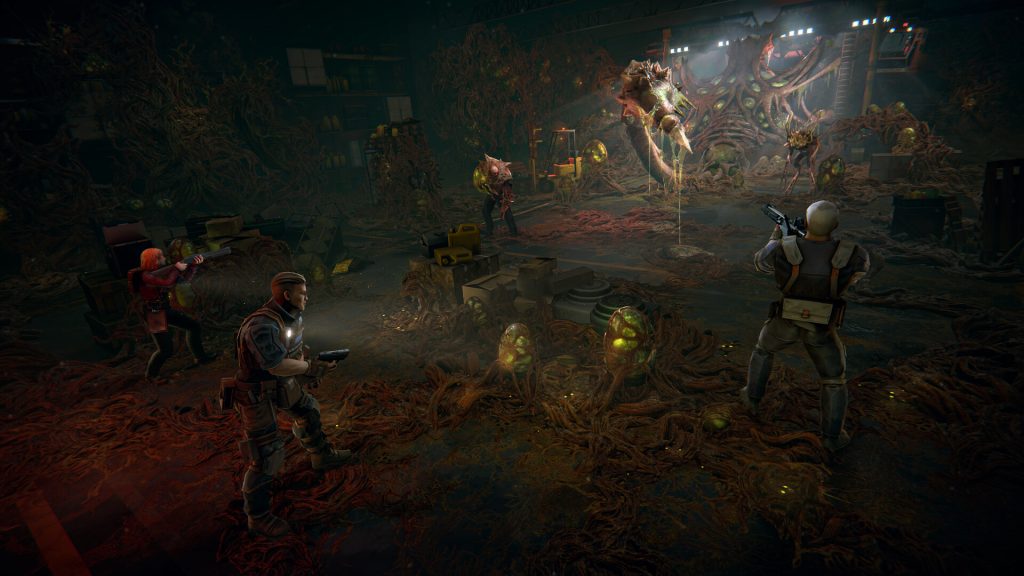
Critical Shift’s free two-hour demo combines real-time exploration with tactical combat inside a compromised Antarctic facility.
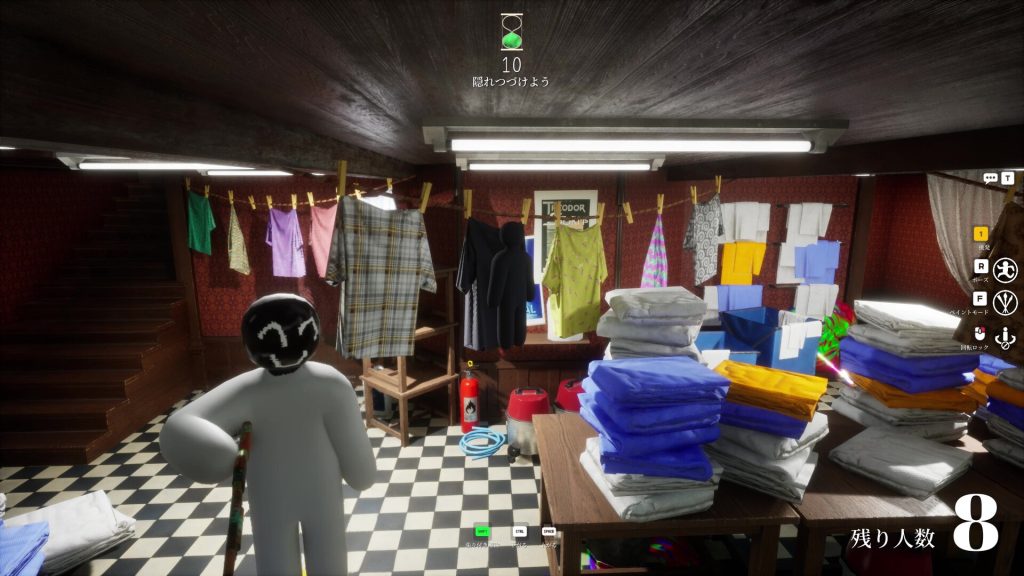
Meccha Chameleon brings its paint-based multiplayer hide-and-seek matches to Nintendo Switch 2 with a temporary $4.79 launch price.
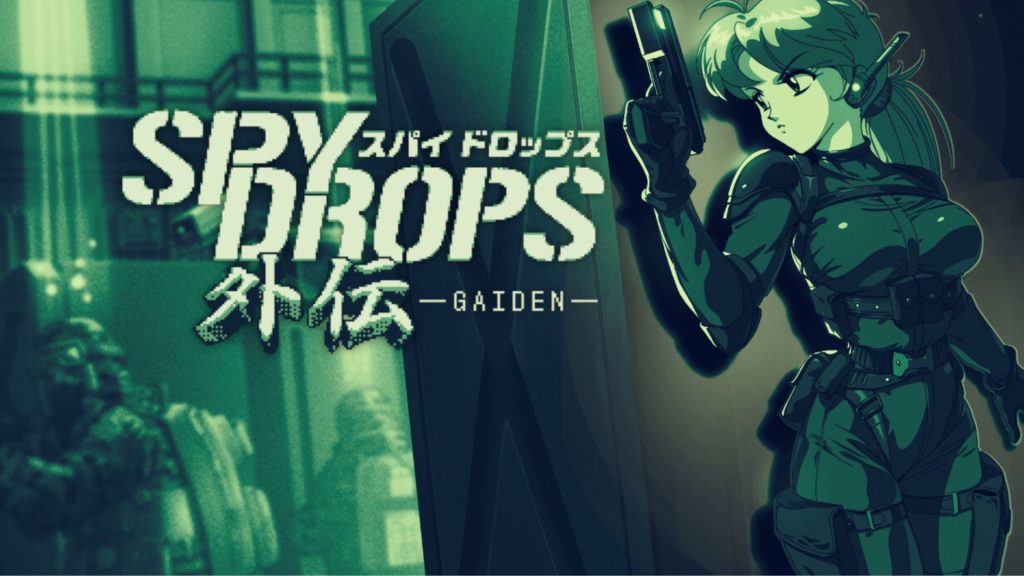
Spy Drops Gaiden brings Game Boy-style stealth, eight covert missions and intel extraction to Steam on October 12 for €4.99.
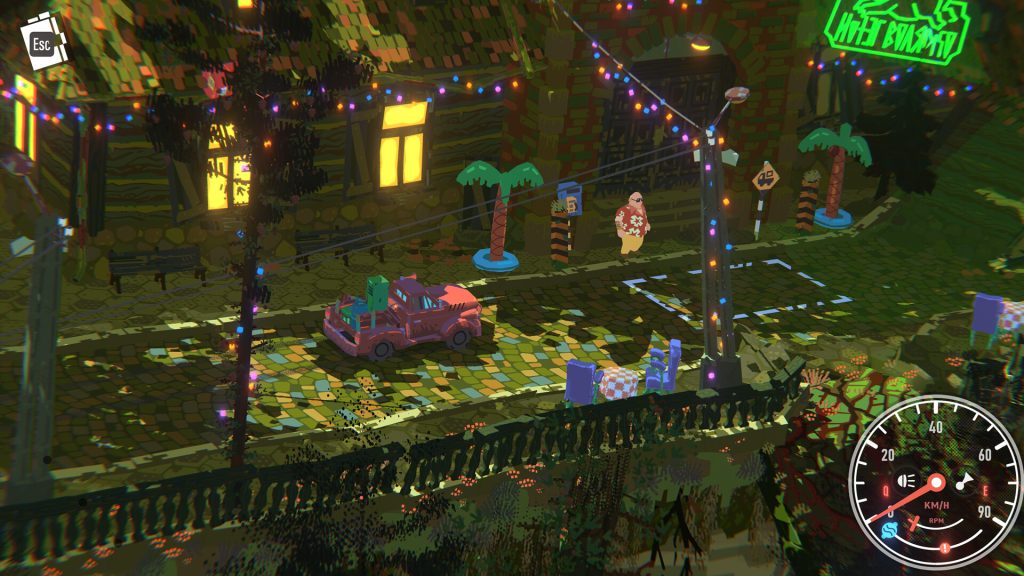
Truckful launches October 9 on Steam and Android, combining physics-based deliveries with vehicle upgrades and a mystery inside an ancient…
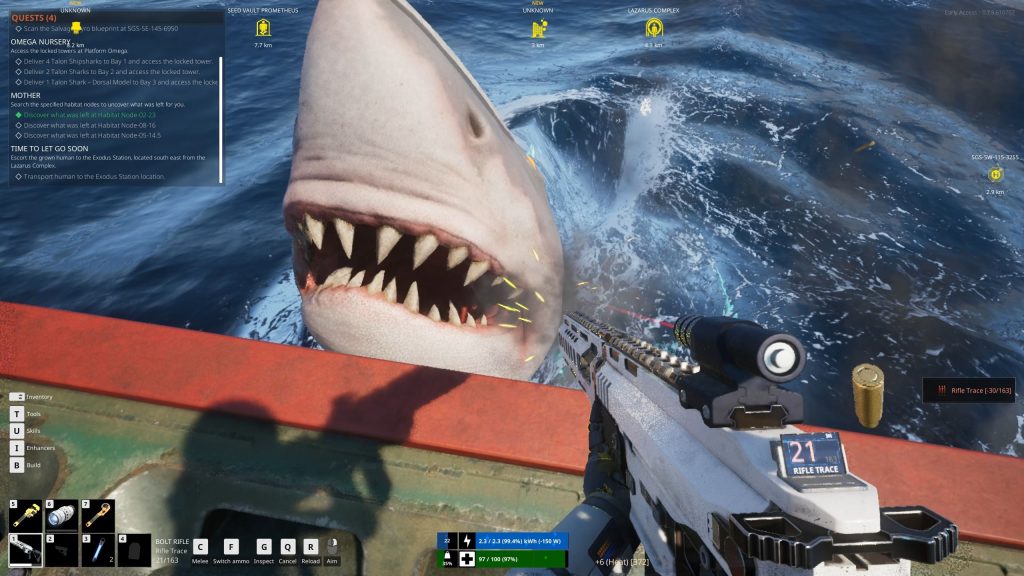
The Last Caretaker reaches version 1.0 in spring 2027 and joins Xbox Game Pass on day one after selling over…
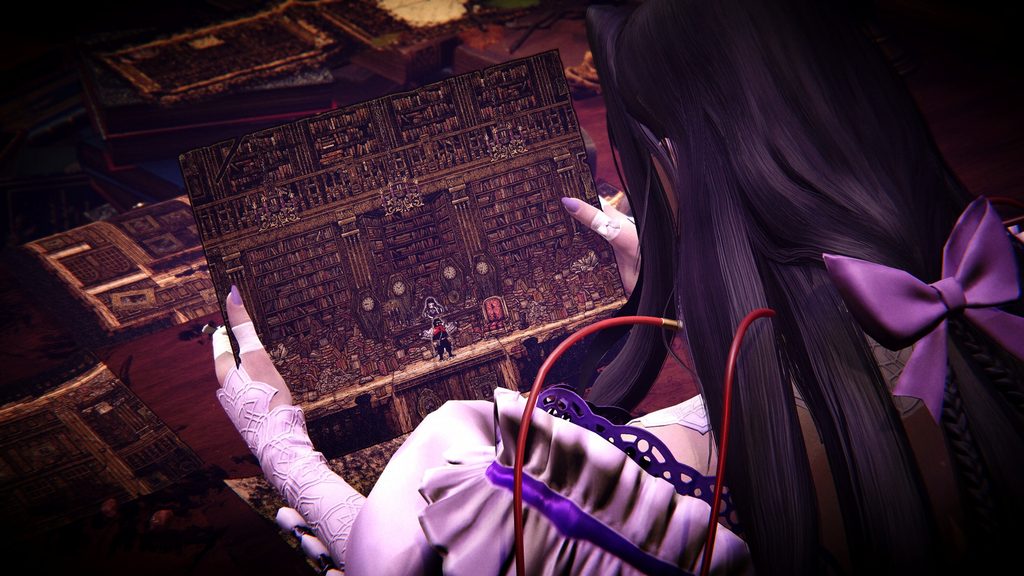
Chronoscript: The Endless End moves to early summer 2027 as DeskWorks! improves combat responsiveness, menus and visual readability.
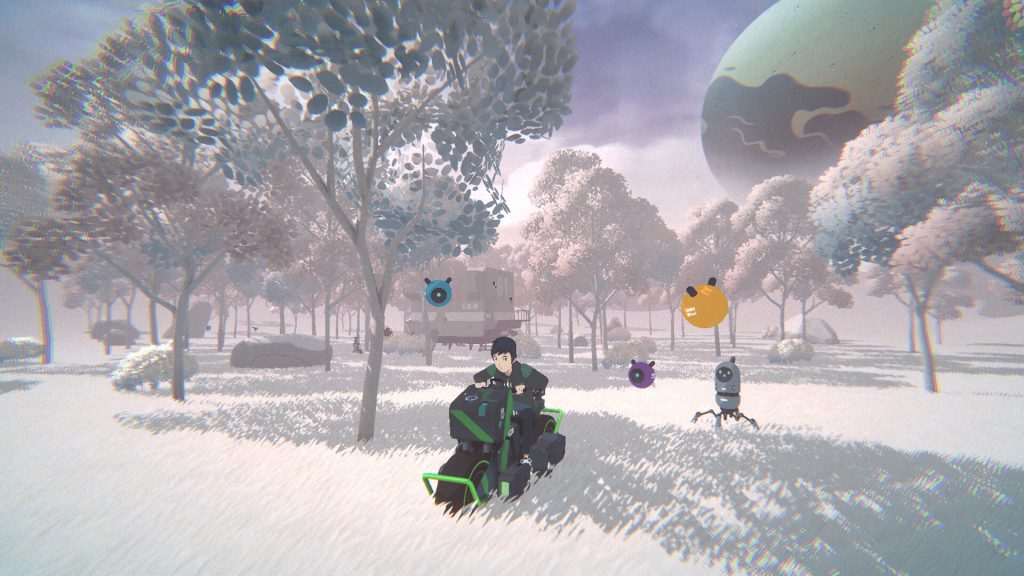
HEIMA is a parallel-world puzzle adventure from former Terra Battle developers, coming to PC in 2028 with SHIFT and HOLD…
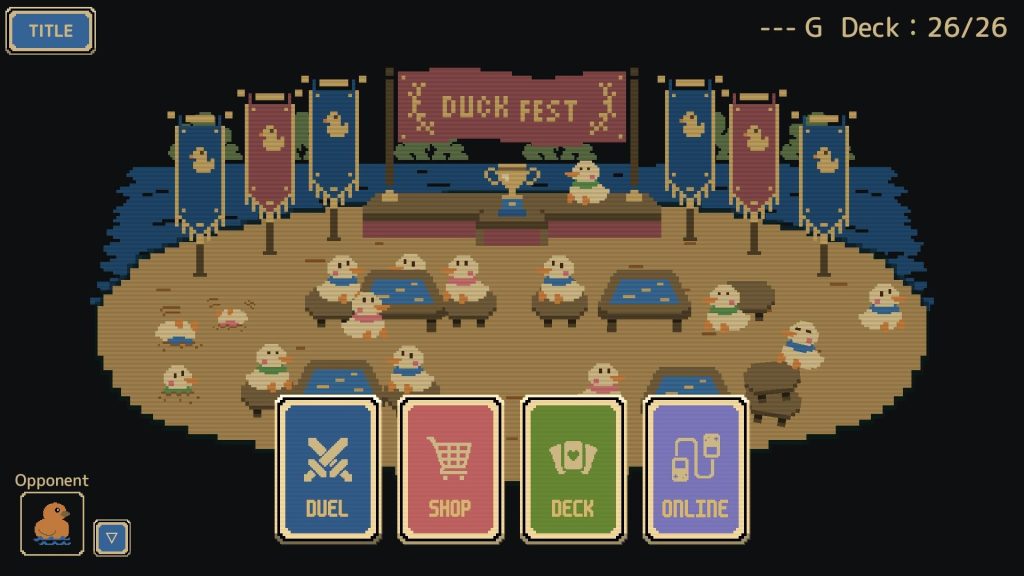
Duck Fest combines deck building and 1v1 battles with collectible cards that players can trade through the Steam Community Market.
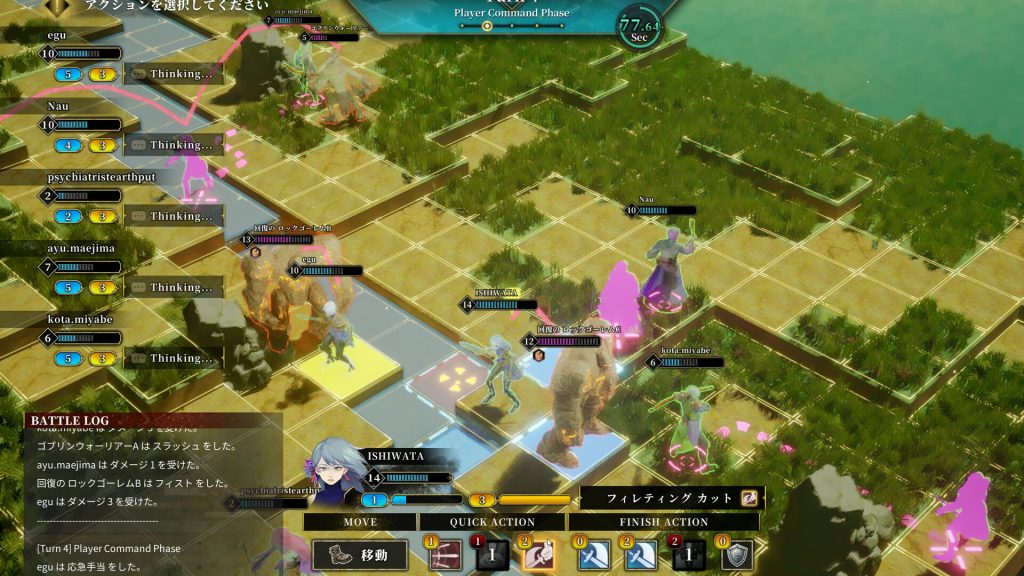
Tactful Tactics is a 1–6-player cooperative RPG where everyone plans and executes their actions simultaneously.
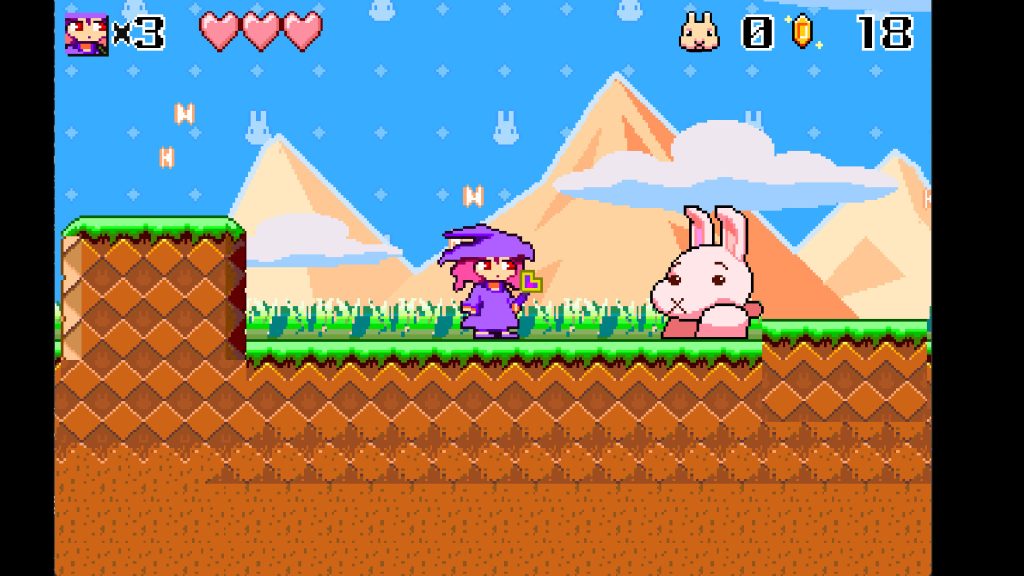
SakuSaku Witch is a retro-inspired 2D platformer about magic, bunny monsters and a suspicious toy company, coming to Steam in…
