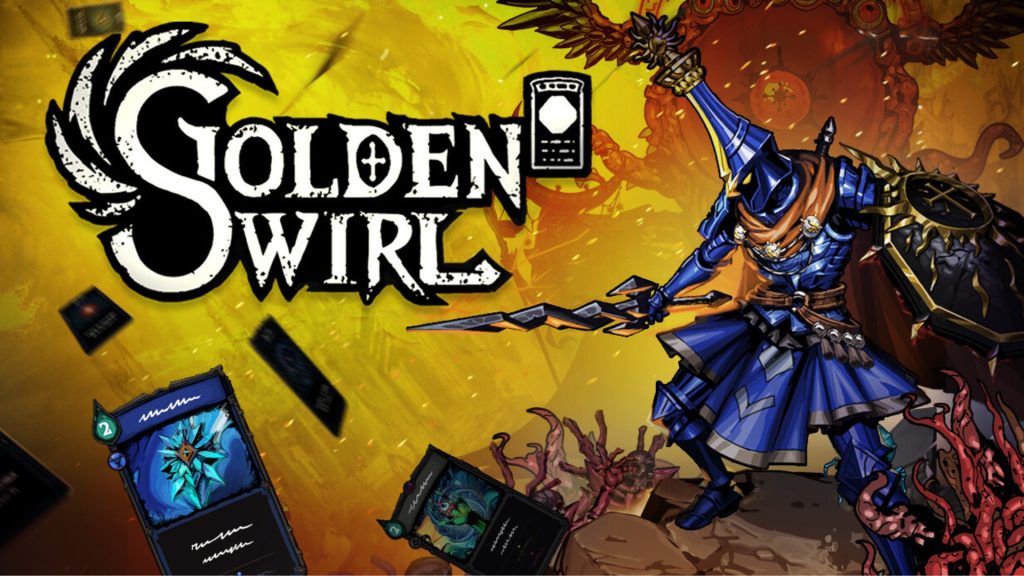
Golden Swirl – Brilliant Deckbuilding Buried Under Endless Dialogue
Golden Swirl inventive card combat carries the experience, but repetitive rooms, weak upgrades and excessive dialogue hold it back.

If you enjoy independent indie game coverage, consider supporting Indie-Games.eu on Patreon. It helps keep the site independent.
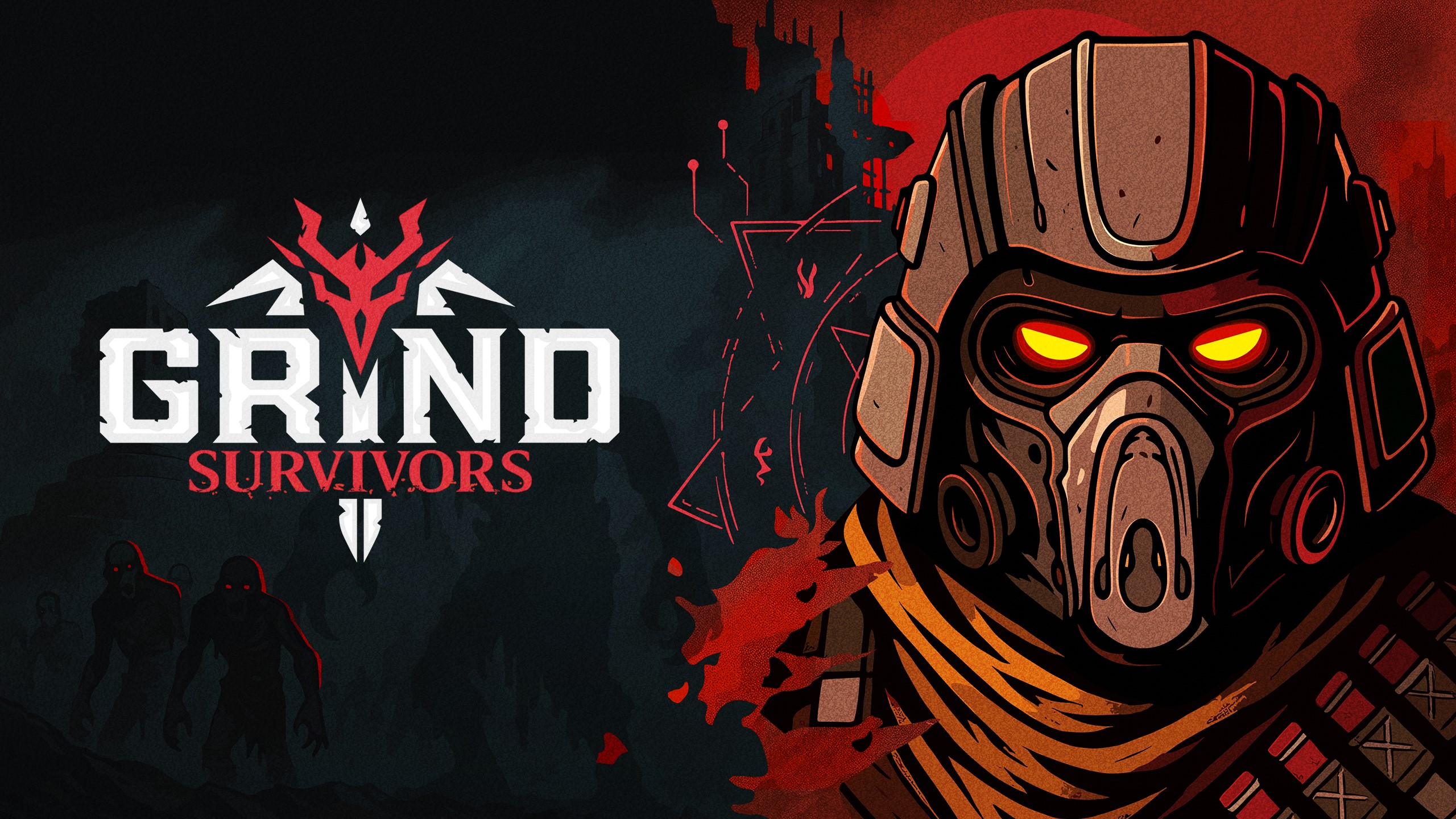
Grind Survivors is one of those games that makes a strong first impression and holds onto it, at least for a while. I first encountered it during last year’s Gamescom, where even an early demo hinted at something special. After spending more time with the full release, it’s easy to see why it stood out. While it doesn’t reinvent the Vampire Survivors formula, it refines it with a satisfying sense of progression, responsive gameplay, and a polished presentation that makes each run feel immediately rewarding.
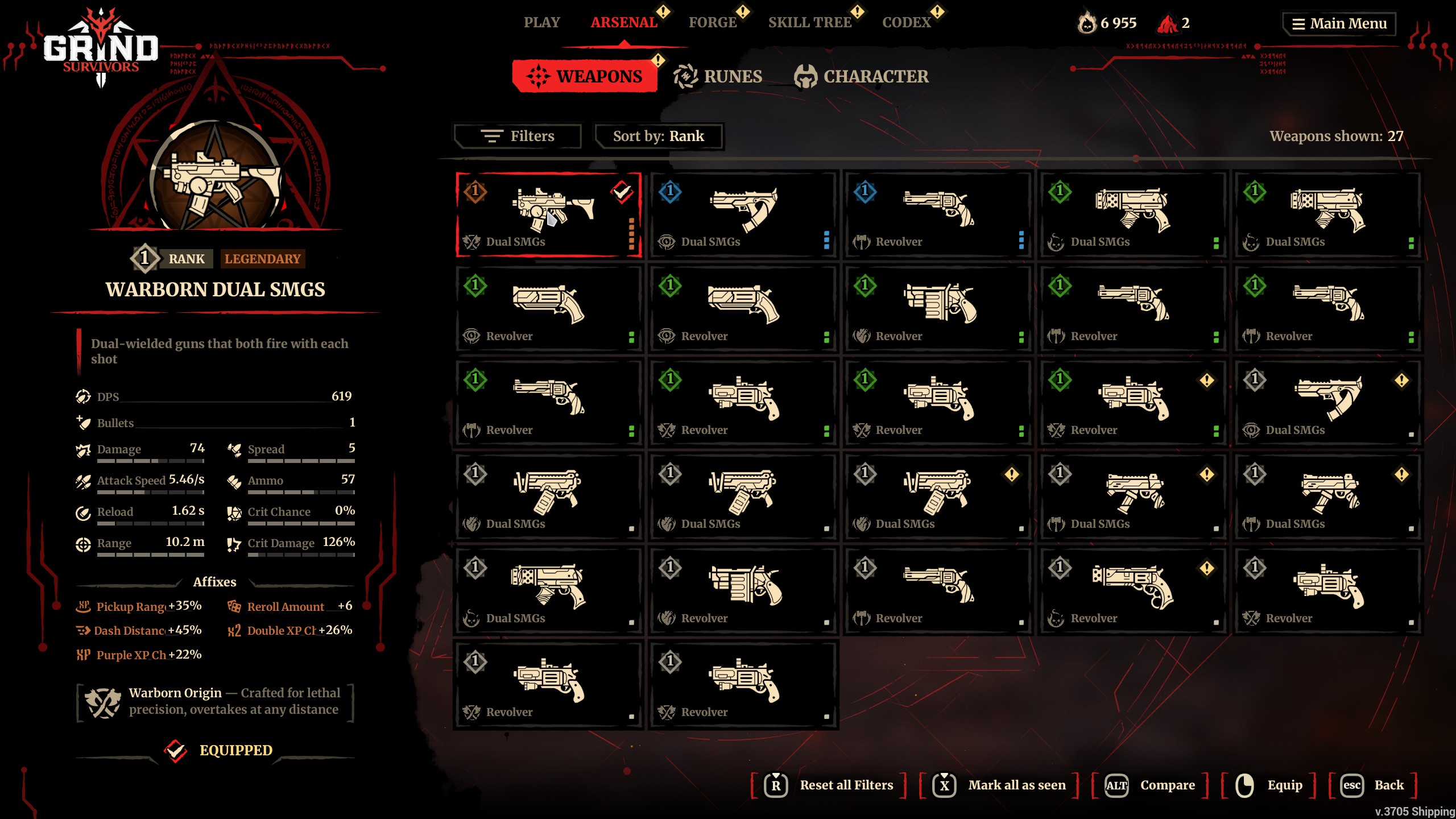
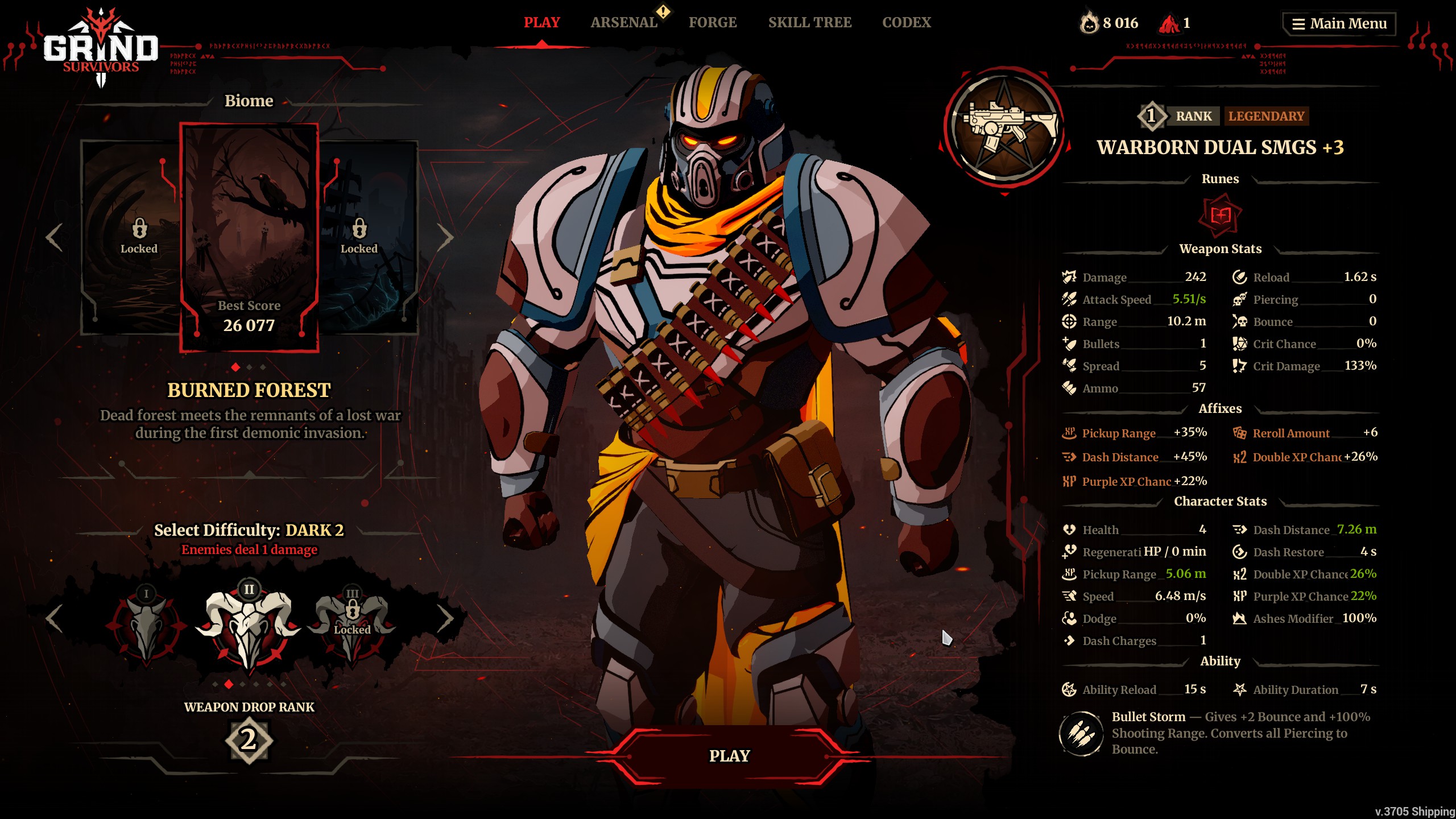
At its core, the game follows a familiar structure: survive waves of enemies, collect upgrades, and gradually evolve into a screen-clearing force. However, Grind Survivors distinguishes itself through layered progression systems that constantly push you forward. Weapons come in multiple forms, from SMGs to revolvers, each with distinct traits and upgrade paths, while abilities, stats, runes, and skill trees allow for meaningful customization.
On top of that, the forge system adds a loot-driven twist, letting you improve and combine gear over time. Combined with multiple characters and difficulty levels across three biomes, the game offers flexibility in how you approach each run, whether you prefer a more relaxed, almost automated playstyle or a chaotic bullet-hell challenge.
Technically, the game is impressive. Even when the screen fills with enemies, explosions, and overlapping effects, performance remains smooth and stable, something that’s crucial for a game where clarity and responsiveness can mean the difference between survival and failure. Runs are short and well-paced, typically lasting between 10 and 20 minutes, making it easy to jump in for quick sessions.
Early on, everything works: progression feels steady, the combat is fun, and the loop of unlocking new upgrades and experimenting with builds is genuinely addictive. However, the cracks begin to show the deeper you go. What initially feels like a rewarding progression system eventually turns into a wall of repetition. Progress slows dramatically, forcing you to replay the same levels, fight the same enemies, and overcome the same bosses multiple times just to unlock new content.
The lack of variety in weapons, abilities, and biomes only add to this issue, making the grind feel less like a satisfying climb and more like a chore. At higher difficulty levels, the game can also become frustratingly chaotic, with ranged enemies and visual clutter making it difficult to even see what’s hitting you. At that point, success feels less like a test of skill and more like a matter of chance.
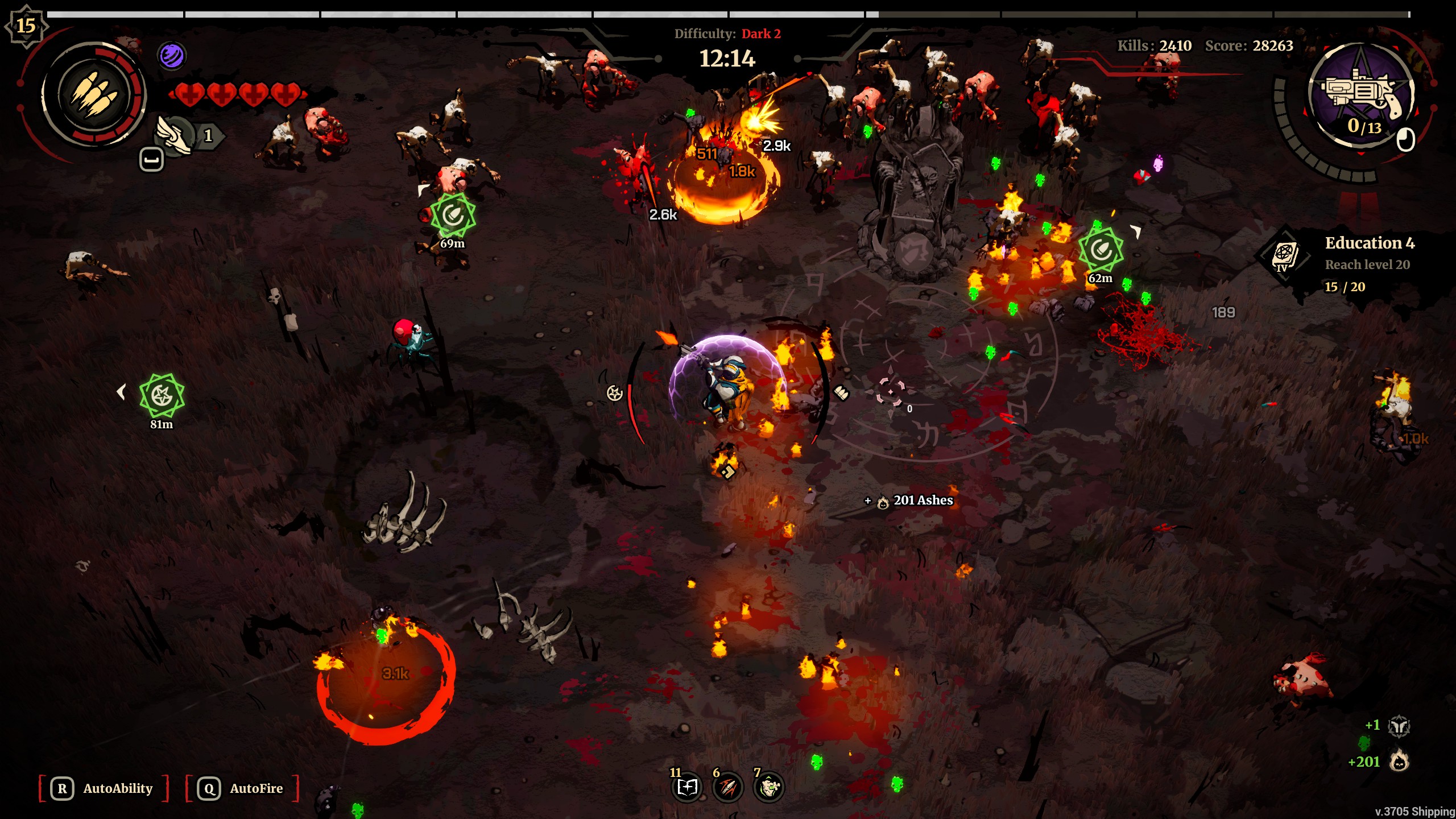

In the end, Grind Survivors lands somewhere in between a strong recommendation and a cautious one. It’s undeniably fun, especially in its early hours, with tight gameplay, impactful weapons, and a progression system that hooks you quickly. Yet, its overreliance on grinding and lack of variety hold it back from true greatness.
This is a game that’s easy to enjoy in short sessions and revisit occasionally, but harder to stay invested in long-term. Still, the foundation is solid, and with the right updates and expanded content, it has the potential to become a standout title in the survivors-like genre.
Grind Survivors is a game of two halves. Its early hours deliver an “addictive” survivors-like experience with impactful weapons, and layered progression systems that hook you quickly. The 10-20 minute runs are perfectly paced for quick sessions, and the forge system adds a welcome loot-driven twist. However, the deeper you go, the more the cracks show. Progression “slows dramatically,” forcing repetitive replays of the same levels, enemies, and bosses. The “lack of variety in weapons, abilities, and biomes” turns what started as a satisfying climb into a “chore.”
Ending Thoughts
Review copy provided by the publisher
Golden Swirl inventive card combat carries the experience, but repetitive rooms, weak upgrades and excessive dialogue hold it back.
![[GAMESCOM 2026] Wilderdark Preview – Ambitious Dinosaur Horror Game That Still Has Plenty to Prove](https://www.indie-games.eu/wp-content/uploads/2026/09/Wilderdark-1024x576.jpg)
Dinosaur survival horror game Wilderdark has one of those premises that immediately makes you wonder why more games have not…
![[PREVIEW] Tiny Metal 2 – Strategy Game That Wants You to Learn From Every Mistake](https://www.indie-games.eu/wp-content/uploads/2026/09/Tiny-Metal-2-1024x576.jpg)
I rarely enjoy discovering that my opening strategy was completely wrong, but Tiny Metal 2 made that process one of…
![[PREVIEW] Remothered: Red Nun’s Legacy – Ambitious Survival Horror That Needs More Polish](https://www.indie-games.eu/wp-content/uploads/2026/09/Remothered-Red-Nuns-Legacy-4-1024x576.jpg)
Remothered: Red Nun’s Legacy has a gripping atmosphere and promising survival tools, but its repetitive hiding and rough visuals need…
The Alighieri Circle: Dante’s Bloodline is difficult to recommend beyond players who are especially interested in Dante or enjoy solving…
Orc Incremental offers satisfying progression, entertaining totem combinations and enough content to justify its affordable price.
![[GAMESCOM 2026] Chronoscript: The Endless End Preview – Beautiful Pages Hide Deliberate Combat](https://www.indie-games.eu/wp-content/uploads/2026/09/Chronoscript-The-Endless-End-1-1024x576.jpg)
Chronoscript: The Endless End stands out from other Metroidvanias by blending 2D manuscript worlds with exploration inside a 3D manor.
![[GAMESCOM 2026] MegaGum Preview – Combat Hits Hard in This Sticky Platforming Adventure](https://www.indie-games.eu/wp-content/uploads/2026/09/MegaGum-09-09-26-5-1024x576.jpg)
MegaGum combines hard-hitting combat, varied weapons and Gum-powered platforming in a promising Gamescom 2026 demo.
![[GAMESCOM 2026] Delphinium Preview – Cozy Routine Mixed With Enjoyable Minigames](https://www.indie-games.eu/wp-content/uploads/2026/03/Delphinium--1024x665.jpg)
Delphinium mixes cozy farming, exploration and relationships with enjoyable fishing, cooking and forging minigames in its Gamescom 2026 demo.
Lady Death: Demonicron looks the part, but underneath its excellent comic-book exterior is a clunky and painfully short brawler.
![[GAMESCOM 2026] Tomb Raider: Legacy of Atlantis Preview – Expands the Original Without Losing Its Identity](https://www.indie-games.eu/wp-content/uploads/2026/09/tomb-raider-legacy-of-atlantis-06-02-26-1-1024x576.jpg)
Tomb Raider: Legacy of Atlantis brings Lara back to her roots, but its Gamescom 2026 showing proved this is far…
![[GAMESCOM 2026] Clive Barker’s Hellraiser: Revival Preview – Ready to Open the Box](https://www.indie-games.eu/wp-content/uploads/2026/09/Clive-Barkers-Hellraiser-Revival-08-30-26-1-1024x576.jpg)
Hellraiser: Revival preserves the franchise’s sex, gore and psychological horror while delivering approachable survival-horror gameplay.

Swan Song creates a peaceful and forgiving puzzle space without removing the challenge that makes solving a difficult puzzle rewarding.
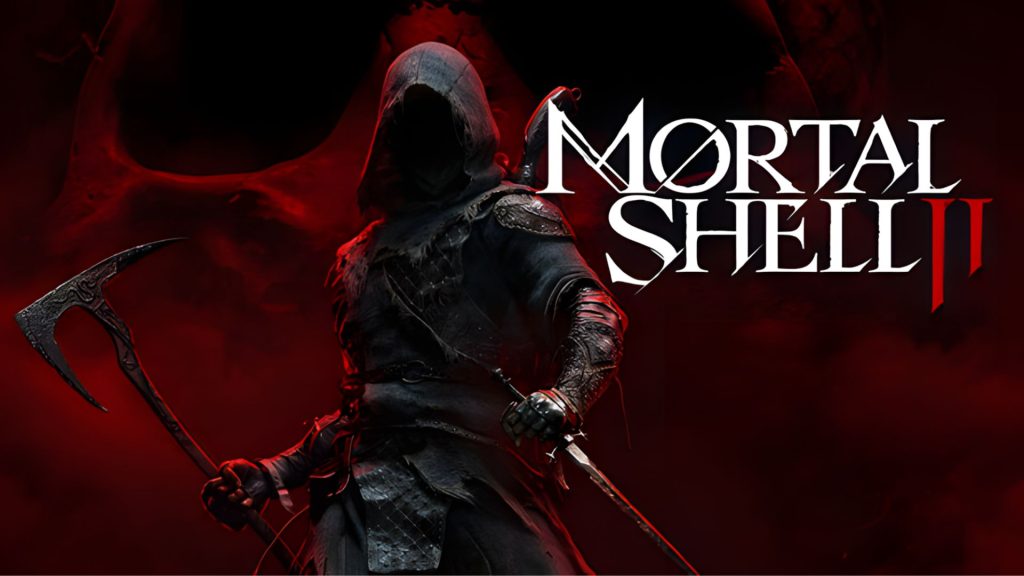
Mortal Shell II starts brilliantly but grows repetitive and exhausting, while remaining a rewarding and ambitious Soulslike sequel.
![[GAMESCOM 2026] Terranigma Preview – A Lost SNES Classic Returns in 2027](https://www.indie-games.eu/wp-content/uploads/2026/08/Terranigma-1-1024x576.jpg)
After more than three decades of limited availability, Terranigma is returning in 2027. We played its enhanced re-release at Gamescom…

Reading another person’s mind is often presented as a desirable superpower, but Sister Other Paranoia immediately understands why it could…
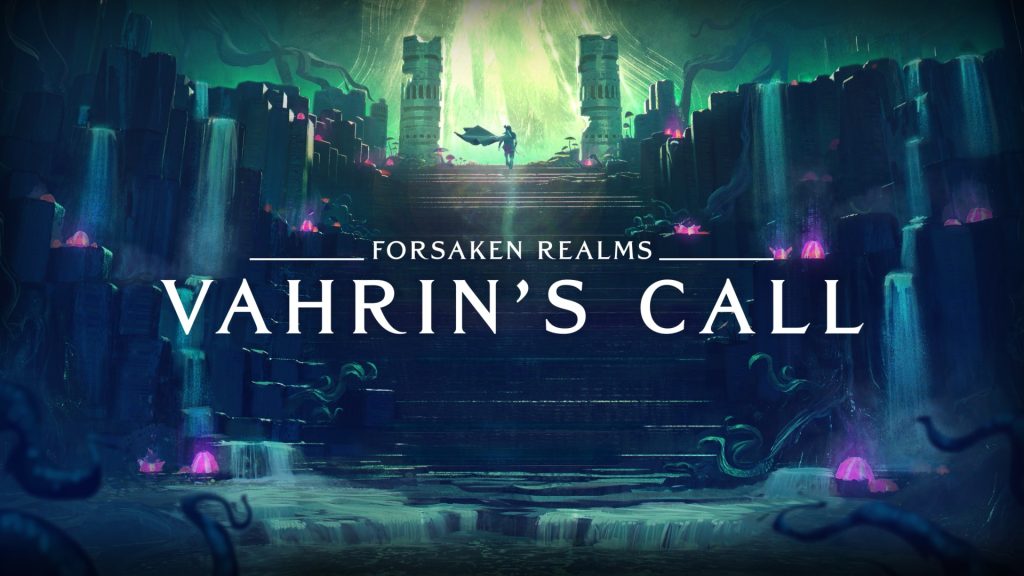
Forsaken Realms: Vahrin’s Call is exactly the kind of ambitious, slightly clumsy fantasy RPG that used to be far more…
![[Early Access] 2nd EVE – Sci-Fi Action RPG That Lacks a Sense of Stakes](https://www.indie-games.eu/wp-content/uploads/2026/08/2ND-EVE-1024x576.jpg)
2nd Eve is a space-set action RPG in which we strive to save humanity.
![[PREVIEW] Dreamcards – Strategic Exploration of Consciousness](https://www.indie-games.eu/wp-content/uploads/2026/08/Dreamcards_20260810_233631_0000-1024x576.jpg)
Dreamcards is a roguelike deckbuilder centered around dreams and nightmares.
![[Early Access] OFFBEAT – Incredibly Fun Way to Start a Music Career](https://www.indie-games.eu/wp-content/uploads/2026/08/Offbeat_20260808_201446_0000-1024x576.jpg)
In OFFBEAT, we play the role of a jobbing composer who is launching their music career.
