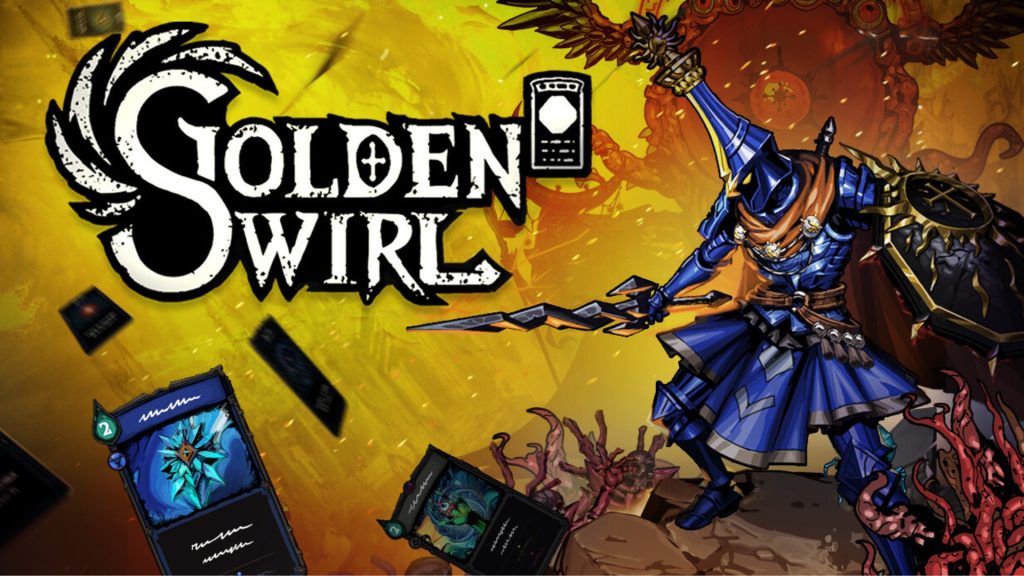
Golden Swirl – Brilliant Deckbuilding Buried Under Endless Dialogue
Golden Swirl inventive card combat carries the experience, but repetitive rooms, weak upgrades and excessive dialogue hold it back.

![[EARLY ACCESS] Morbid Metal – Great Idea Still Finding Its Shape](https://www.indie-games.eu/wp-content/uploads/2025/04/Morbid-Metal.jpg)
If you enjoy independent indie game coverage, consider supporting Indie-Games.eu on Patreon. It helps keep the site independent.
Morbid Metal ended up being a genuine surprise for me. I first played it during last year’s Steam Next Fest, which still feels like a strange move considering how far away the early access release was, but that first impression stuck. Coming back to it now, I can confidently say that the game is really fun. At its core, it’s a fast-paced hack-and-slash with roguelite elements, although that roguelite side feels noticeably underdeveloped. It’s there, but it doesn’t fully support or elevate the much stronger combat system, which is clearly the main attraction.
The structure revolves around pushing through different areas toward a final boss, then repeating that loop with various upgrades. It takes a while for the game to properly open up, mostly because resource gain is on the slower side and upgrades aren’t particularly plentiful. You do unlock new things and expand your options over time, but the builds you end up creating tend to feel very similar across runs, especially when playing with the three available characters. That lack of meaningful variation holds the roguelite aspect back more than anything else.
Where Morbid Metal truly shines is in its combat system. The game lets you switch between three characters Flux, Ekku, and Vekta on the fly, and this mechanic is easily the best part of the game. Flux is fast and agile with a sword, Ekku is slower but hits hard with a massive weapon, and Vekta offers ranged options along with utility abilities like pulling or pushing enemies.
The real magic comes from chaining them together mid-combat. You can dash in with one character, launch enemies into the air with another, then switch again to continue the combo or reposition. The possibilities feel fluid and satisfying, and it creates a combat rhythm that’s both dynamic and rewarding.
The world itself leans into a dark, sci-fi dystopian aesthetic, with machine enemies and visually strong character designs. Bosses, while limited in number, are well-designed and come with multiple phases, making them more than just simple encounters. Biomes are distinct and visually appealing, each introducing different enemy types, which helps keep things somewhat fresh even if the overall structure doesn’t change much. The main path through levels is fairly fixed, though you’ll occasionally come across optional challenges or side activities for extra resources.
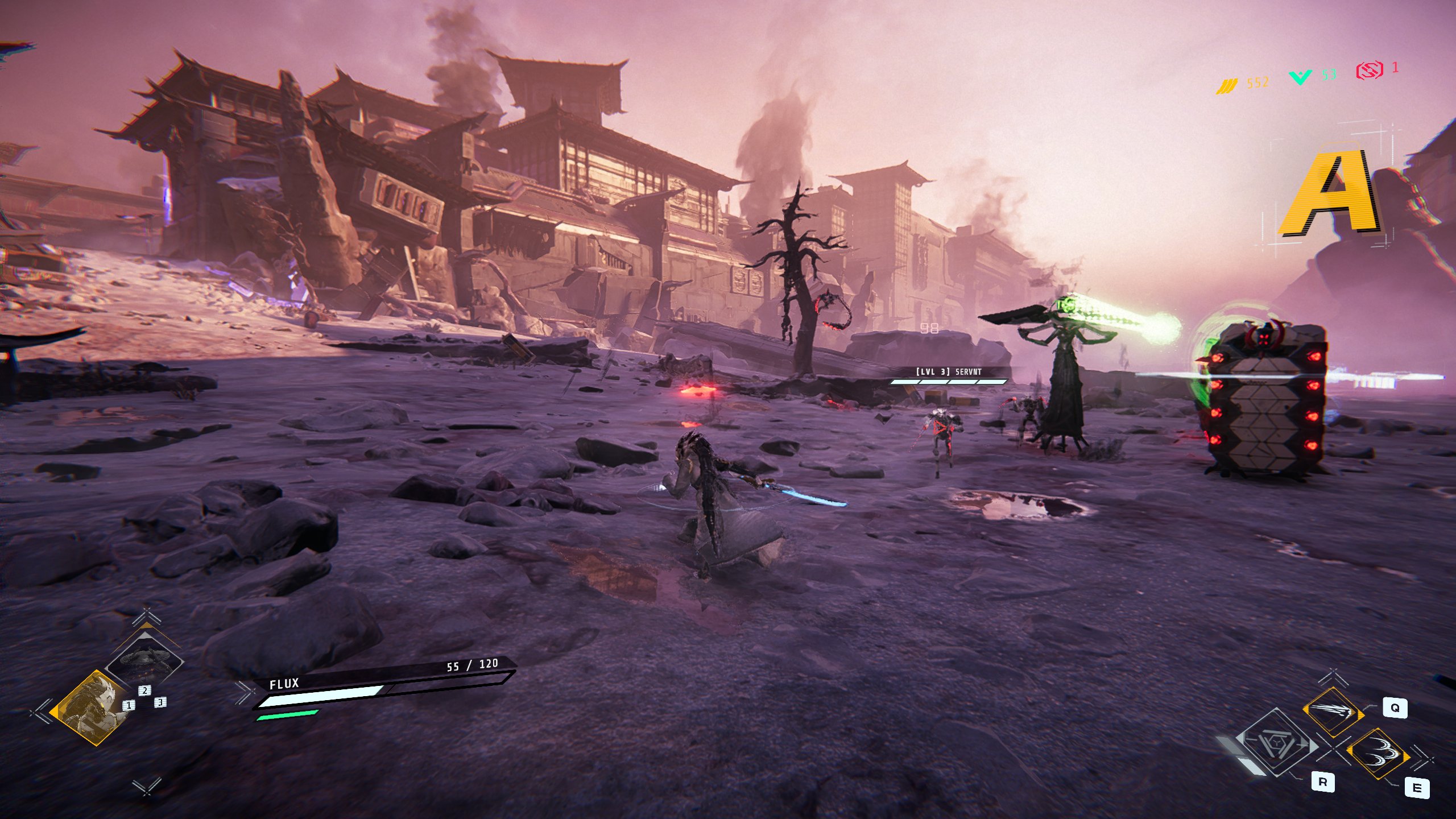
There are also platforming sections between combat encounters, and while they initially feel like a nice change of pace, they quickly become repetitive. The movement itself: jumping, dashing, and grappling works fine, but the way it’s used doesn’t evolve enough to stay interesting. Maps can also feel a bit too large at times, which only emphasizes that repetition. Secret areas exist, but they mostly reward you with resources rather than anything particularly exciting or game-changing.
During runs you’ll come across Emporium, a place where you can upgrade abilities, stats, and passive bonuses before major encounters. There are some interesting ideas here, like summoning a small robot companion or applying status effects like bleeding, but overall, the upgrade pool lacks depth. Skill customization is another area that sounds better on paper than it feels in practice. You can swap abilities as you progress, but many of them end up being less useful than your starting kit. Even when you find higher-tier skills, the difference often feels minimal.
Presentation-wise, the game does a solid job. The combat feels smooth, animations are responsive, and the soundtrack stands out with its blend of heavy metal and Japanese-inspired elements, which fits the tone surprisingly well. Story, on the other hand, is almost nonexistent. It’s there in the background, but it’s not something you’ll pay much attention to or remember.
One of the bigger problems is the number of bugs. They’re not completely game-breaking most of the time, but they are frequent enough to be annoying. I ran into issues where my character couldn’t dash, enemies got stuck behind walls, or my character briefly became invisible. These are the kind of problems you expect in early access, but they still disrupt the flow of a game that relies so heavily on responsiveness.

Upon defeat, you are returned to the main lobby to spend your rewards on various upgrades. Here, you can unlock new skills for future runs, new starting abilities for your characters, and secure permanent starting bonuses. In the end, Morbid Metal is a solid early access title with a fantastic core idea that’s already working in its favor.
The combat system, especially the character-switching mechanic, is genuinely fun and gives the game a strong identity. At the same time, it’s clear that it needs more content, more variety, and more refinement across several systems, particularly its roguelite elements and overall balance. The bugs don’t help either, even if they don’t completely ruin the experience.
Morbid Metal is a genuine surprise with a combat system that is fun and gives the game a strong identity. The ability to switch between three distinct characters mid-combat creates fluid and satisfying combos that are dynamic and rewarding. However, the game is held back by underdeveloped roguelite elements where builds feel very similar across runs and the upgrade pool lacks depth.
Ending Thoughts
This review is based on the retail copy I purchased
Golden Swirl inventive card combat carries the experience, but repetitive rooms, weak upgrades and excessive dialogue hold it back.
![[GAMESCOM 2026] Wilderdark Preview – Ambitious Dinosaur Horror Game That Still Has Plenty to Prove](https://www.indie-games.eu/wp-content/uploads/2026/09/Wilderdark-1024x576.jpg)
Dinosaur survival horror game Wilderdark has one of those premises that immediately makes you wonder why more games have not…
![[PREVIEW] Tiny Metal 2 – Strategy Game That Wants You to Learn From Every Mistake](https://www.indie-games.eu/wp-content/uploads/2026/09/Tiny-Metal-2-1024x576.jpg)
I rarely enjoy discovering that my opening strategy was completely wrong, but Tiny Metal 2 made that process one of…
![[PREVIEW] Remothered: Red Nun’s Legacy – Ambitious Survival Horror That Needs More Polish](https://www.indie-games.eu/wp-content/uploads/2026/09/Remothered-Red-Nuns-Legacy-4-1024x576.jpg)
Remothered: Red Nun’s Legacy has a gripping atmosphere and promising survival tools, but its repetitive hiding and rough visuals need…
The Alighieri Circle: Dante’s Bloodline is difficult to recommend beyond players who are especially interested in Dante or enjoy solving…
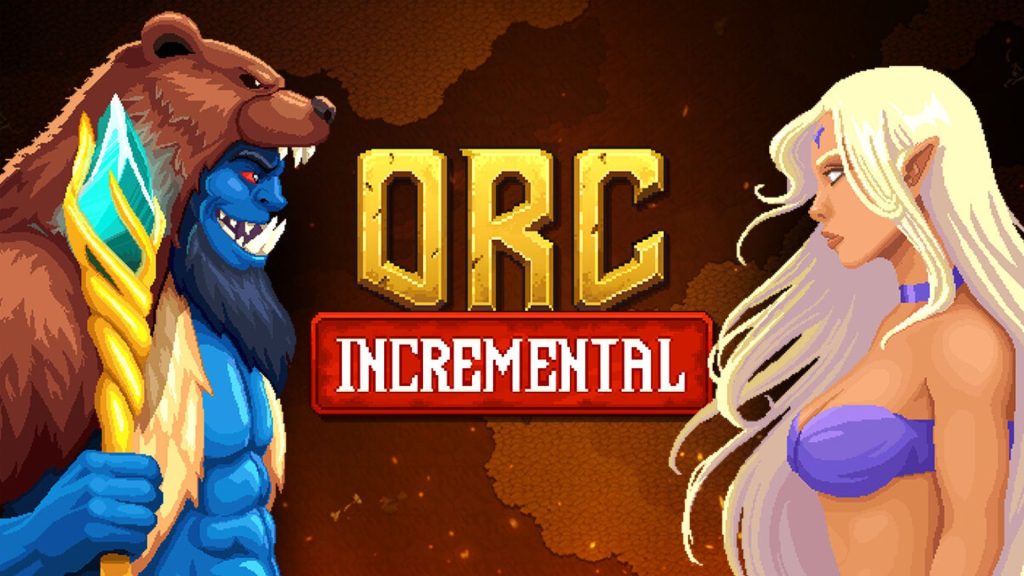
Orc Incremental offers satisfying progression, entertaining totem combinations and enough content to justify its affordable price.
![[GAMESCOM 2026] Chronoscript: The Endless End Preview – Beautiful Pages Hide Deliberate Combat](https://www.indie-games.eu/wp-content/uploads/2026/09/Chronoscript-The-Endless-End-1-1024x576.jpg)
Chronoscript: The Endless End stands out from other Metroidvanias by blending 2D manuscript worlds with exploration inside a 3D manor.
![[GAMESCOM 2026] MegaGum Preview – Combat Hits Hard in This Sticky Platforming Adventure](https://www.indie-games.eu/wp-content/uploads/2026/09/MegaGum-09-09-26-5-1024x576.jpg)
MegaGum combines hard-hitting combat, varied weapons and Gum-powered platforming in a promising Gamescom 2026 demo.
![[GAMESCOM 2026] Delphinium Preview – Cozy Routine Mixed With Enjoyable Minigames](https://www.indie-games.eu/wp-content/uploads/2026/03/Delphinium--1024x665.jpg)
Delphinium mixes cozy farming, exploration and relationships with enjoyable fishing, cooking and forging minigames in its Gamescom 2026 demo.
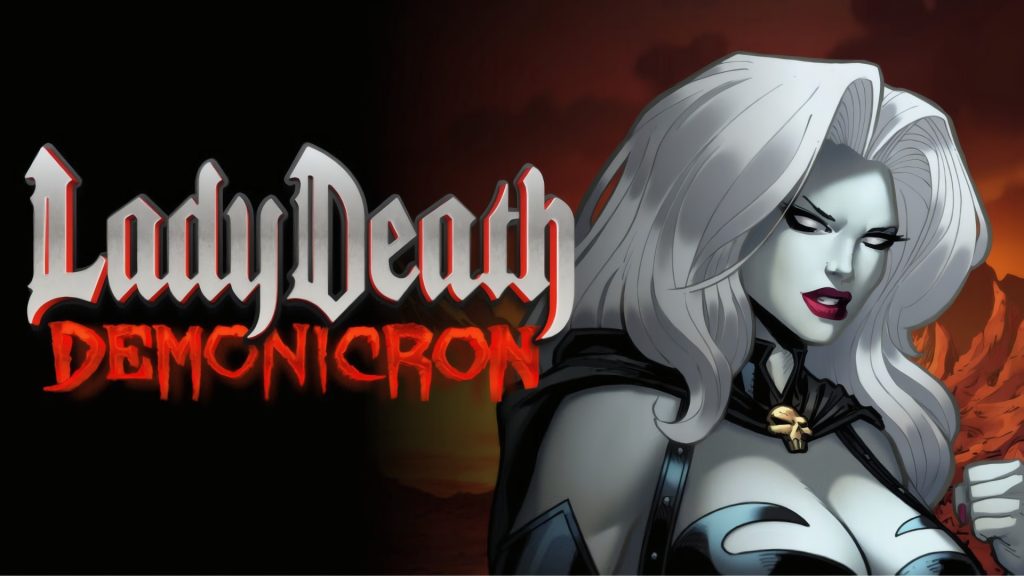
Lady Death: Demonicron looks the part, but underneath its excellent comic-book exterior is a clunky and painfully short brawler.
![[GAMESCOM 2026] Tomb Raider: Legacy of Atlantis Preview – Expands the Original Without Losing Its Identity](https://www.indie-games.eu/wp-content/uploads/2026/09/tomb-raider-legacy-of-atlantis-06-02-26-1-1024x576.jpg)
Tomb Raider: Legacy of Atlantis brings Lara back to her roots, but its Gamescom 2026 showing proved this is far…
![[GAMESCOM 2026] Clive Barker’s Hellraiser: Revival Preview – Ready to Open the Box](https://www.indie-games.eu/wp-content/uploads/2026/09/Clive-Barkers-Hellraiser-Revival-08-30-26-1-1024x576.jpg)
Hellraiser: Revival preserves the franchise’s sex, gore and psychological horror while delivering approachable survival-horror gameplay.

Swan Song creates a peaceful and forgiving puzzle space without removing the challenge that makes solving a difficult puzzle rewarding.
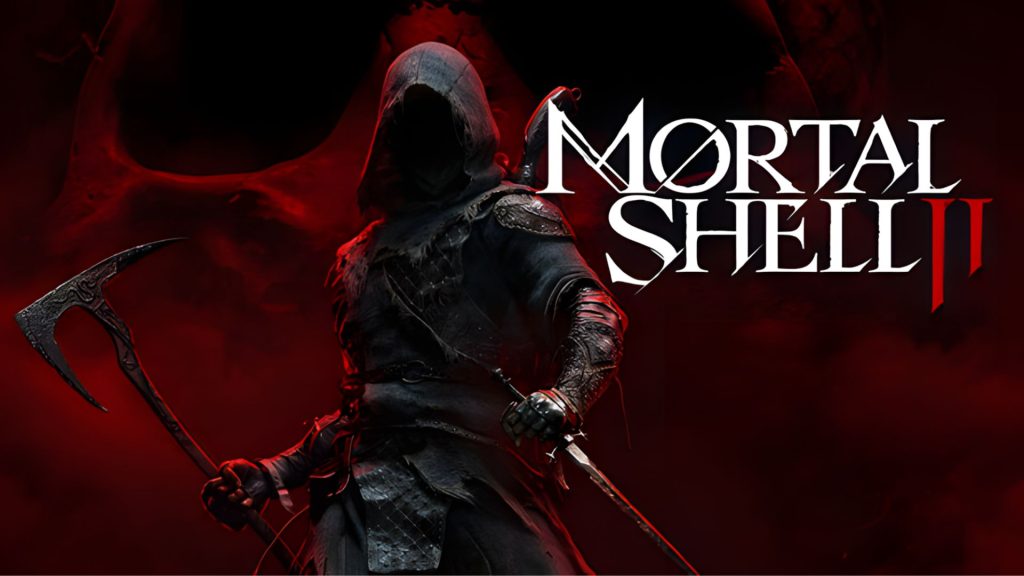
Mortal Shell II starts brilliantly but grows repetitive and exhausting, while remaining a rewarding and ambitious Soulslike sequel.
![[GAMESCOM 2026] Terranigma Preview – A Lost SNES Classic Returns in 2027](https://www.indie-games.eu/wp-content/uploads/2026/08/Terranigma-1-1024x576.jpg)
After more than three decades of limited availability, Terranigma is returning in 2027. We played its enhanced re-release at Gamescom…

Reading another person’s mind is often presented as a desirable superpower, but Sister Other Paranoia immediately understands why it could…
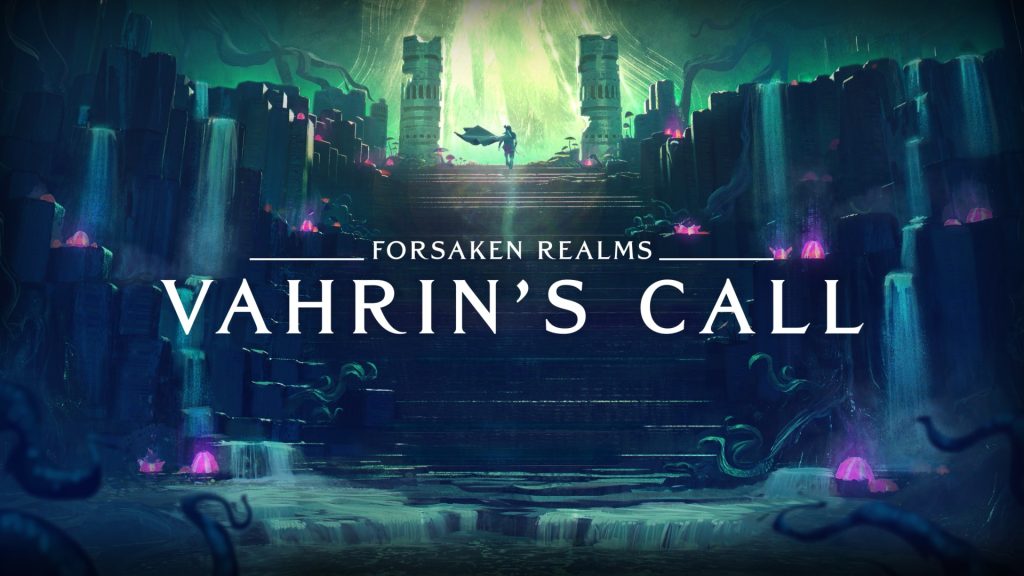
Forsaken Realms: Vahrin’s Call is exactly the kind of ambitious, slightly clumsy fantasy RPG that used to be far more…
![[Early Access] 2nd EVE – Sci-Fi Action RPG That Lacks a Sense of Stakes](https://www.indie-games.eu/wp-content/uploads/2026/08/2ND-EVE-1024x576.jpg)
2nd Eve is a space-set action RPG in which we strive to save humanity.
![[PREVIEW] Dreamcards – Strategic Exploration of Consciousness](https://www.indie-games.eu/wp-content/uploads/2026/08/Dreamcards_20260810_233631_0000-1024x576.jpg)
Dreamcards is a roguelike deckbuilder centered around dreams and nightmares.
![[Early Access] OFFBEAT – Incredibly Fun Way to Start a Music Career](https://www.indie-games.eu/wp-content/uploads/2026/08/Offbeat_20260808_201446_0000-1024x576.jpg)
In OFFBEAT, we play the role of a jobbing composer who is launching their music career.
