![[GAMESCOM 2026] Tomb Raider: Legacy of Atlantis Preview – Expands the Original Without Losing Its Identity](https://www.indie-games.eu/wp-content/uploads/2026/09/tomb-raider-legacy-of-atlantis-06-02-26-1-1024x576.jpg)
[GAMESCOM 2026] Tomb Raider: Legacy of Atlantis Preview – Expands the Original Without Losing Its Identity
Tomb Raider: Legacy of Atlantis brings Lara back to her roots, but its Gamescom 2026 showing proved this is far…

![[EARLY ACCESS] Road to Vostok – Hardcore Survival FPS with Rough Edges](https://www.indie-games.eu/wp-content/uploads/2026/04/Road-to-Vostok.jpg)
If you enjoy independent indie game coverage, consider supporting Indie-Games.eu on Patreon. It helps keep the site independent.
Road to Vostok is a game that immediately positions itself in a very specific niche, and it doesn’t try to hide it. This is a single-player FPS survival experience that clearly borrows ideas from Escape from Tarkov, but twists them into something more solitary and, at times, more punishing.
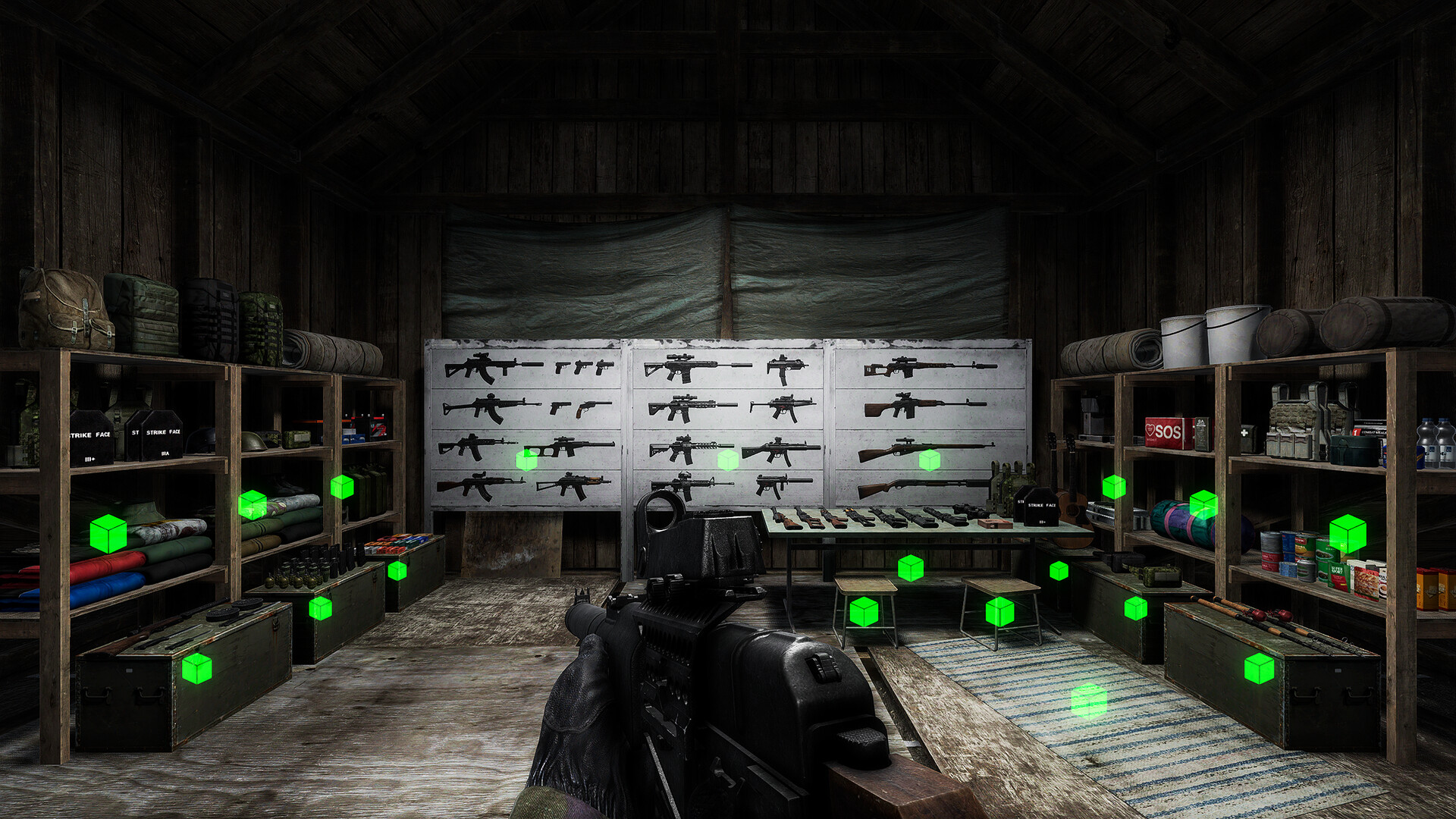
You operate from a shelter that acts as your safe zone, a place where you store items, prepare for runs, and simply breathe for a moment before heading back into the unknown. It’s essentially your hub, your “main lobby,” and it works well enough as a foundation. From there, you venture into a harsh borderland between Finland and Russia, divided into three distinct zones that gradually ramp up both the risk and the reward.
Area 05 serves as your introduction, a relatively forgiving region filled with weaker bandits, basic loot, and your first interactions with traders. The Border Zone then raises the stakes with guarded crossings, traps like mines or waterways, and a faction of corrupt, heavily armed guards who won’t hesitate to put you down, sometimes even with air support.
Then there’s Vostok, the high-risk, high-reward endgame area that I didn’t even properly reach, but its design alone says everything. It’s a permanent-loss zone where death wipes everything, guarded by military forces with heavy weaponry and even armored vehicles. The progression loop is clear: you build yourself up, gear by gear, decision by decision, until you’re ready to risk it all.
Mechanically, the game leans heavily into realism. Weapons have noticeable recoil, manual reloading is required, and how you handle your firearm actually matters. Attachments exist, but they’re not over-the-top, keeping everything grounded. Looting, however, is where things start to feel inconsistent. On paper, there’s a huge variety of items to collect, from food and medicine to weapons, attachments, and tools. In practice, it’s all heavily RNG-based, often to a fault.
Sometimes it makes sense, sometimes it absolutely doesn’t. Killing a bandit who was actively shooting at you and then finding nothing of value on them is just ridiculous. It breaks immersion and makes the whole loop feel unrewarding in moments where it really shouldn’t be.
That inconsistency extends to other systems as well. Crafting exists, but I rarely felt incentivized to use it. Most recipes are either too demanding or rely on items that are annoyingly rare, making the whole system feel underdeveloped. On top of that, the decision to completely reset your gear upon death, without any chance of recovering your body, feels unnecessarily harsh.
Dying right next to your shelter and losing everything because of a random encounter you didn’t even properly hear is not tension, it’s frustration. And that brings me to one of the game’s biggest issues: sound design. Directional audio is simply not reliable. You hear something, but you can’t properly tell where it’s coming from, which in a game like this is a massive problem.
The world itself is filled with interactable elements, but even here there are odd limitations. You can loot shelves, boxes, garbage, and corpses, yet vehicles like cars or trucks are completely off-limits, which feels like a strange omission in a game so focused on scavenging.
There’s a day and night cycle, along with weather and seasonal systems that affect temperature, hydration, and overall survival. But once you get a decent setup going, these mechanics lose their bite. They’re there, but they’re not particularly challenging or dynamic, which is a bit disappointing considering how important they could have been for immersion.
Events do add some variety, though they take time to start up. Early on, they’re quite sparse, but the longer you play, the more you’ll encounter things like airdrops, crash sites, and faction-based occurrences. Some even lean into slightly more mysterious territory, which is interesting, but I still felt like the game could push this aspect much further. The atmosphere is already strong, so giving players more unique or unpredictable situations would only improve that sense of dread and curiosity.
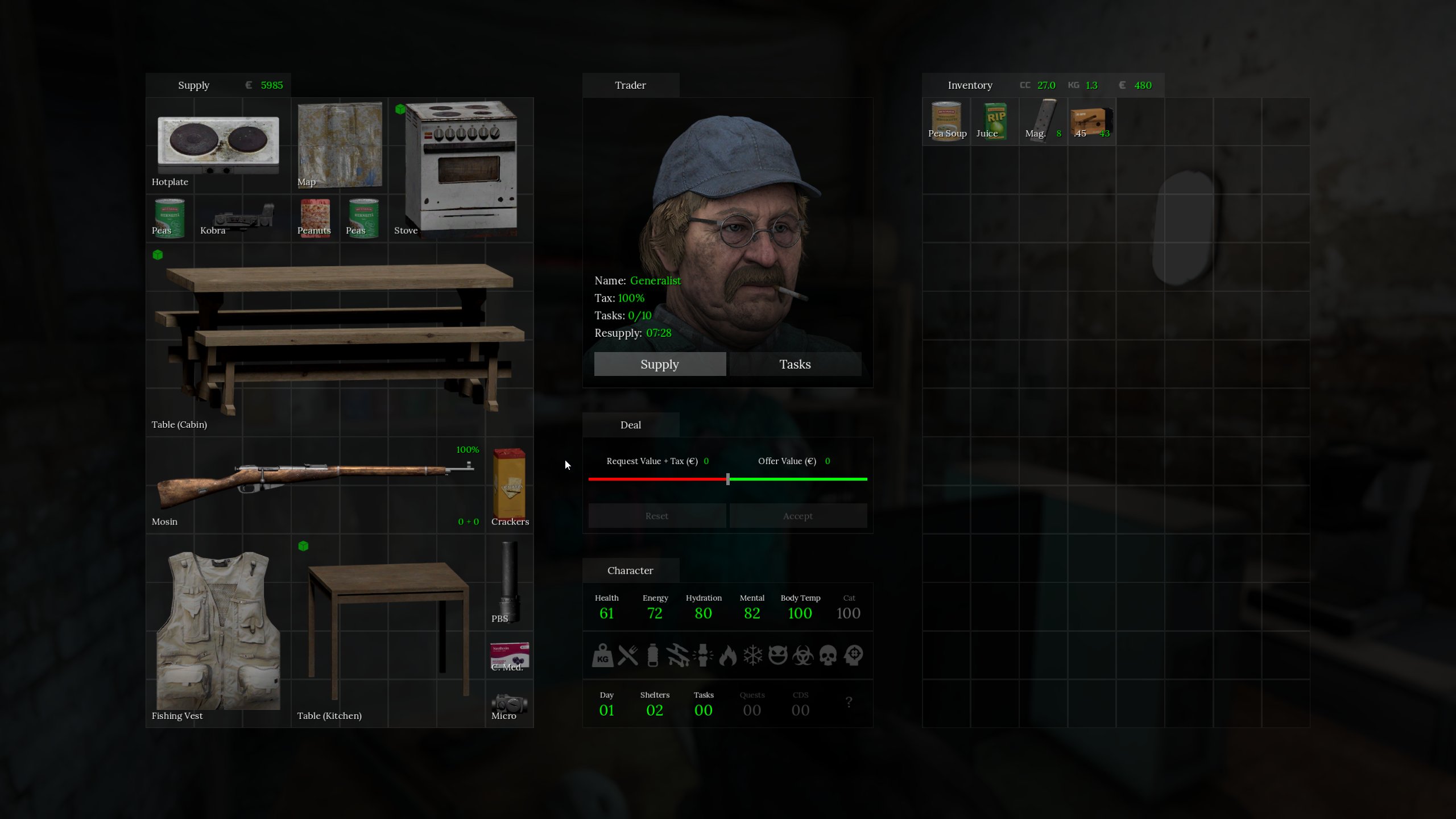
One area where the game actually does a solid job is its UI and inventory system. It’s clean, intuitive, and quick to use, which is exactly what you want in a game where managing gear is constant. Traders also play a key role, relying on a barter system instead of traditional currency.
Items have clear values, and there’s a satisfying loop of trading, upgrading, and completing tasks. These tasks can be as simple as bringing specific items or as involved as gathering rarer supplies, but overall they’re manageable and add direction without overwhelming you.
However, none of this can fully compensate for the game’s most glaring issue: the AI. It’s honestly one of the most frustrating aspects of the entire experience. Enemies are simultaneously overpowered and incredibly dumb. They patrol in predictable ways, yet somehow spot you from absurd distances and land shots with near-perfect accuracy.
Stealth often feels pointless because they seem to have near-superhuman awareness. You can’t reliably outplay them, you can’t consistently sneak around them, and when you do get into a fight, it often feels unfair rather than challenging. It’s not just difficult, it’s unbalanced in a way that actively hurts the experience.
On a technical level, though, the game holds up surprisingly well. Built in Godot, it doesn’t aim for cutting-edge visuals, but it still manages to look grounded and realistic enough for its setting. More importantly, it runs extremely well. Performance is stable, hovering between 60 and 90 FPS depending on the situation, which is genuinely commendable for a game of this scope in early access.
In the end, Road to Vostok is a game I wanted to love more than I actually did, but I can’t deny that I had fun with it. It already delivers a great single-player Tarkov-like experience, backed by a strong atmosphere and a clear vision. The tension of not knowing what’s waiting around the next corner is real, and when the game clicks, it really clicks. But at the same time, it’s held back by frustrating AI, inconsistent looting, and undercooked systems that need more depth and balance.
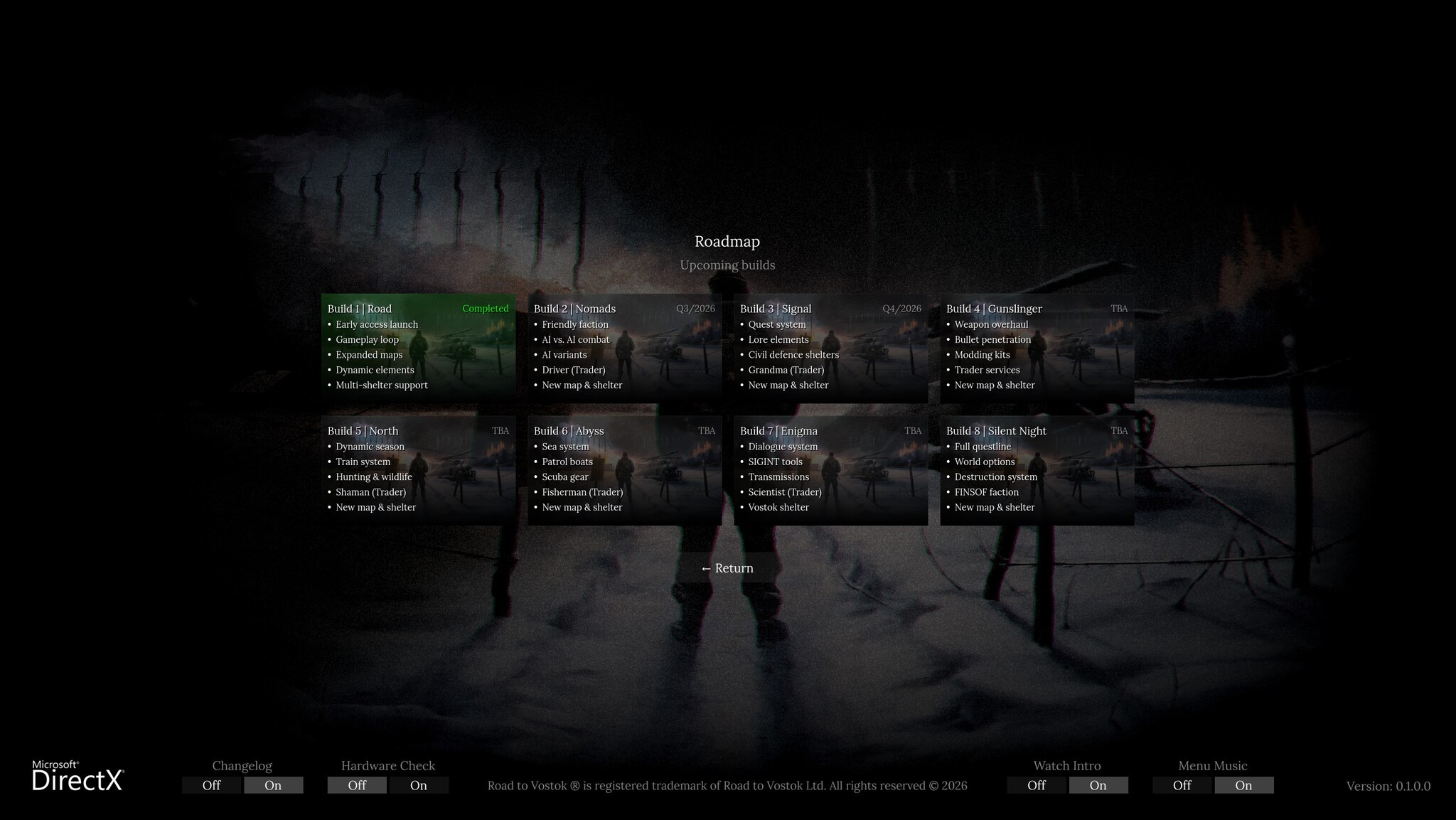
Still, this is early access, and that matters. There’s a solid foundation here, and if the developer manages to refine the AI, improve sound design, and expand on the more lacking systems, this could become something truly special. Right now, it’s decent, sometimes even very good, but not quite there yet.
Road to Vostok is a game I wanted to love more than I actually did but still had fun with. It delivers a great single-player Tarkov-like experience, backed by a strong atmosphere and a clear vision with well-structured zone progression, realistic gunplay, a clean UI, and stable technical performance. However, it’s held back by frustrating AI, inconsistent looting, and undercooked systems.
Ending Thoughts
This review is based on the retail copy I purchased
Tomb Raider: Legacy of Atlantis brings Lara back to her roots, but its Gamescom 2026 showing proved this is far…
![[GAMESCOM 2026] Clive Barker’s Hellraiser: Revival Preview – Ready to Open the Box](https://www.indie-games.eu/wp-content/uploads/2026/09/Clive-Barkers-Hellraiser-Revival-08-30-26-1-1024x576.jpg)
Hellraiser: Revival preserves the franchise’s sex, gore and psychological horror while delivering approachable survival-horror gameplay.

Swan Song creates a peaceful and forgiving puzzle space without removing the challenge that makes solving a difficult puzzle rewarding.
Mortal Shell II starts brilliantly but grows repetitive and exhausting, while remaining a rewarding and ambitious Soulslike sequel.
![[GAMESCOM 2026] Terranigma Preview – A Lost SNES Classic Returns in 2027](https://www.indie-games.eu/wp-content/uploads/2026/08/Terranigma-1-1024x576.jpg)
After more than three decades of limited availability, Terranigma is returning in 2027. We played its enhanced re-release at Gamescom…

Reading another person’s mind is often presented as a desirable superpower, but Sister Other Paranoia immediately understands why it could…
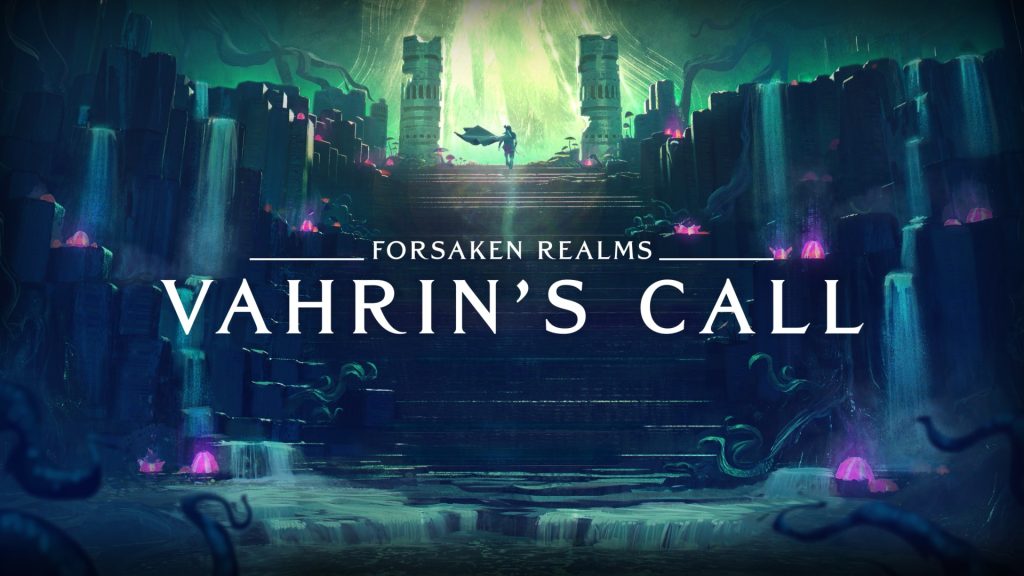
Forsaken Realms: Vahrin’s Call is exactly the kind of ambitious, slightly clumsy fantasy RPG that used to be far more…
![[Early Access] 2nd EVE – Sci-Fi Action RPG That Lacks a Sense of Stakes](https://www.indie-games.eu/wp-content/uploads/2026/08/2ND-EVE-1024x576.jpg)
2nd Eve is a space-set action RPG in which we strive to save humanity.
![[PREVIEW] Dreamcards – Strategic Exploration of Consciousness](https://www.indie-games.eu/wp-content/uploads/2026/08/Dreamcards_20260810_233631_0000-1024x576.jpg)
Dreamcards is a roguelike deckbuilder centered around dreams and nightmares.
![[Early Access] OFFBEAT – Incredibly Fun Way to Start a Music Career](https://www.indie-games.eu/wp-content/uploads/2026/08/Offbeat_20260808_201446_0000-1024x576.jpg)
In OFFBEAT, we play the role of a jobbing composer who is launching their music career.
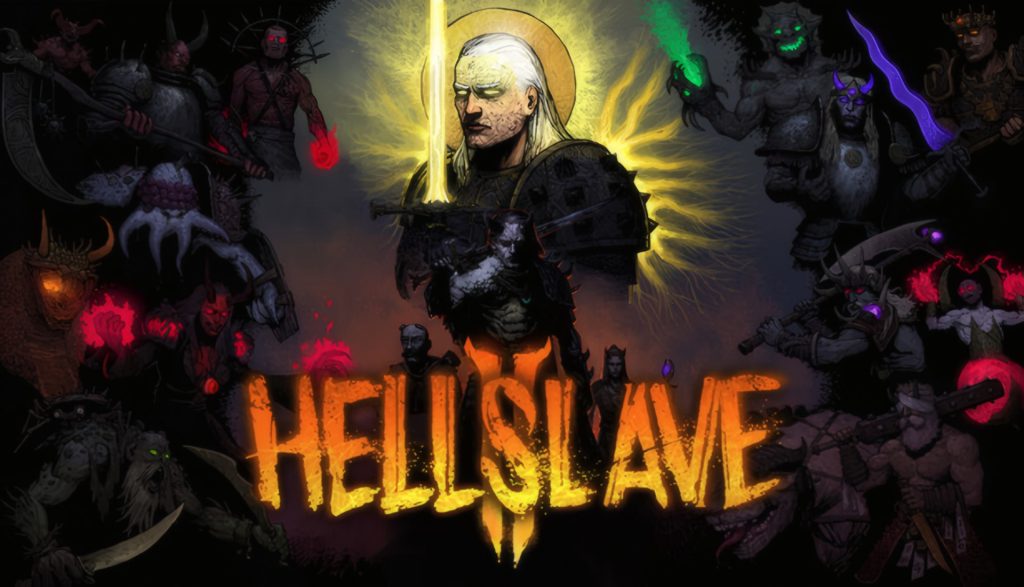
HellSlave II retains the original’s oppressive atmosphere, morally grey world and striking art while adding a larger world, randomized loot…
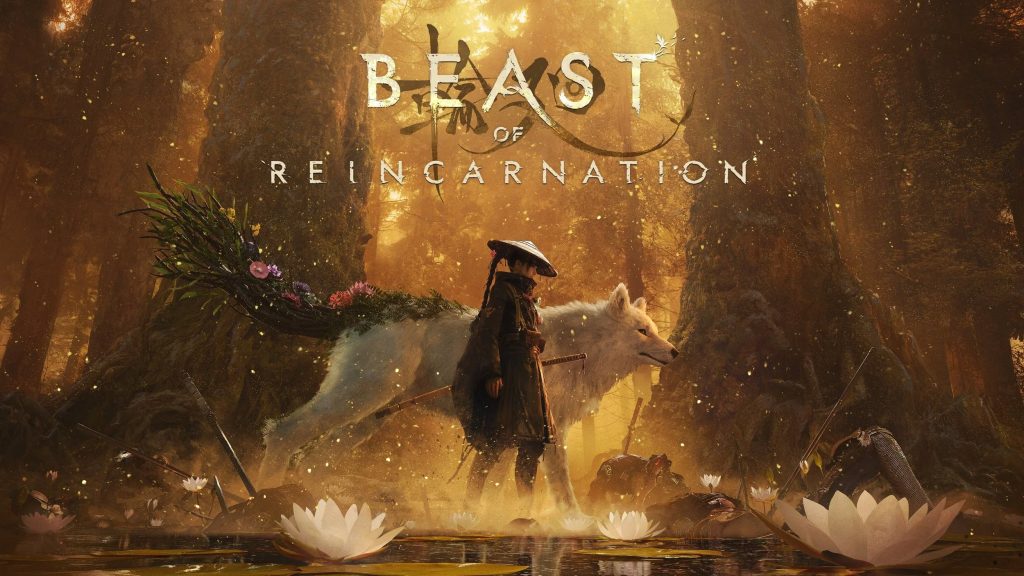
Beast of Reincarnation is an ambitious but uneven action RPG elevated by satisfying parry combat, beautiful art direction and the…

K-pop Idol Stories: Road to Debut captures the pressure of building idol group, but its management systems never explore that…
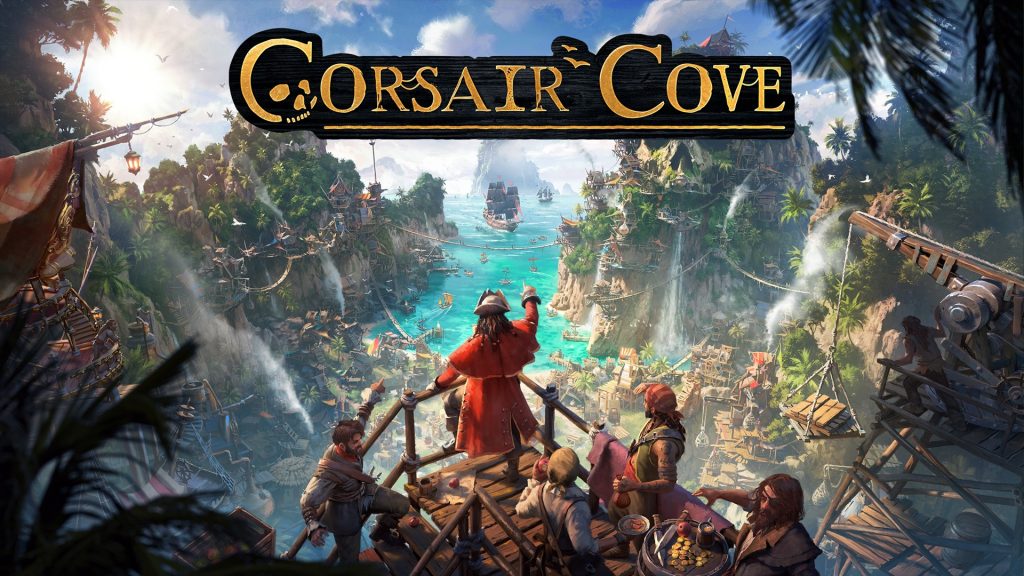
Hooded Horse keeps finding strategy games that know their audience, and Corsair Cove extends its impressive run of excellent city-builders.
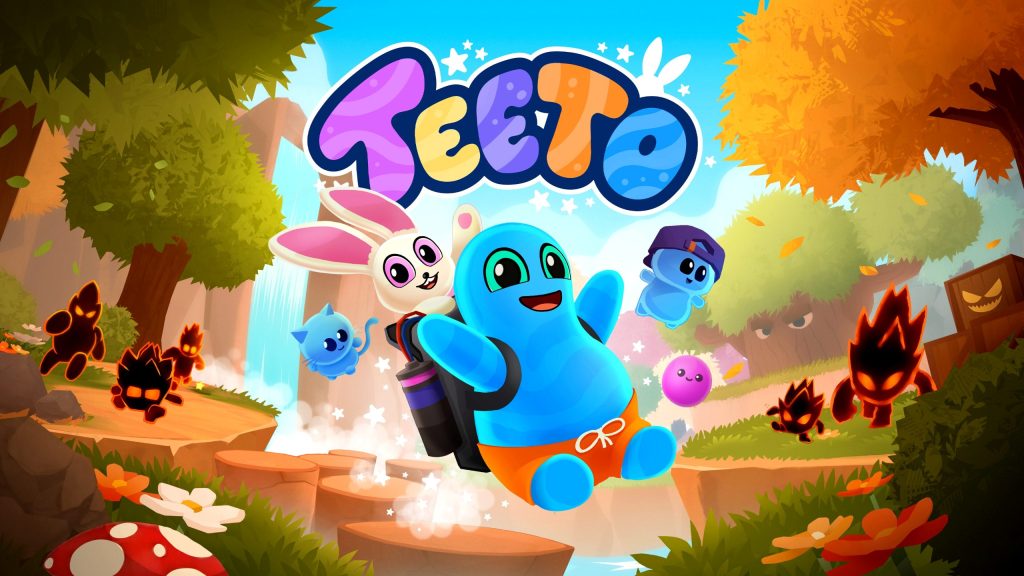
Teeto is a warm, cozy, creative and highly enjoyable 3D platformer that understands why classic collectathons remain so appealing.
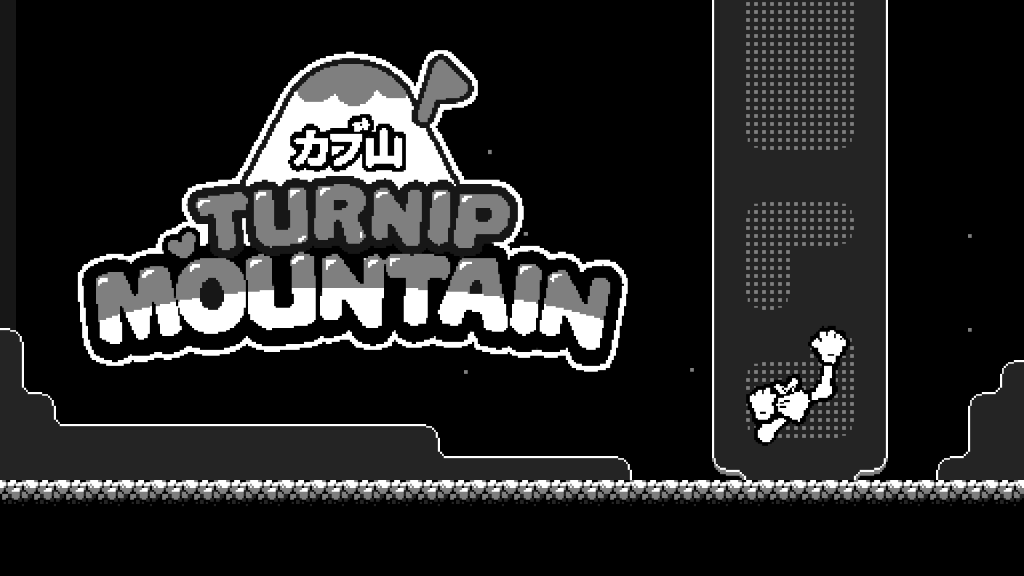
Turnip Mountain stands out for its combination of a unique control system and a minimalist approach.
Dystopicon is an imaginative and memorable narrative experiment with sharp social commentary, engaging world-building and several wonderfully absurd scenarios.
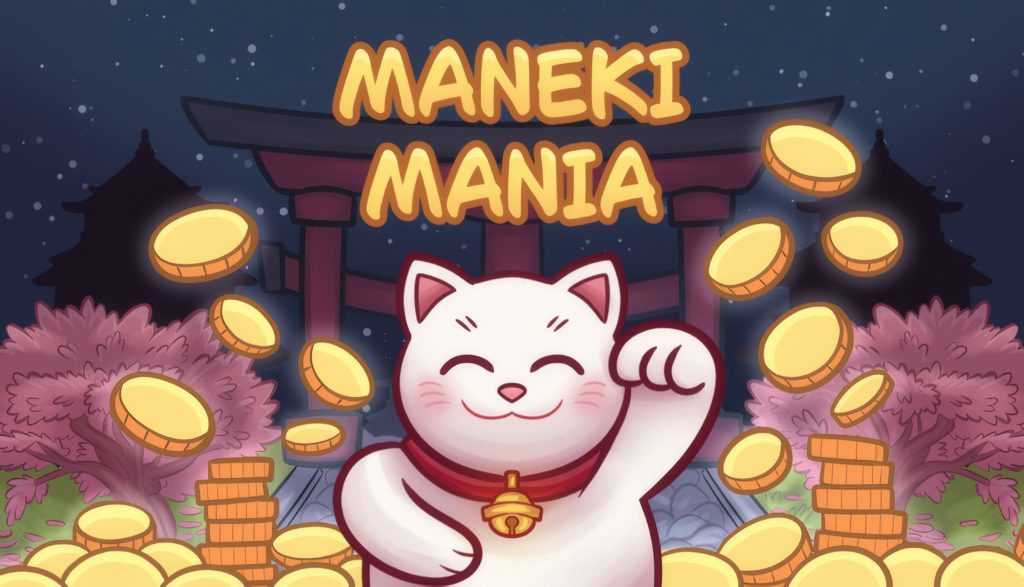
Maneki Mania is an incremental game centered around petting a lucky cat.
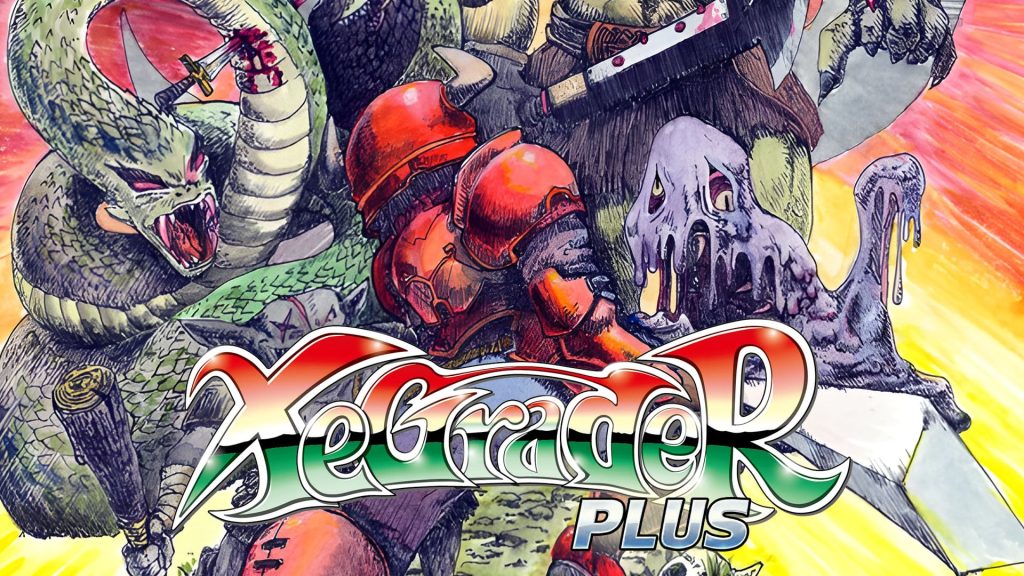
XeGrader Plus delivers colorful retro shooting, but basic mechanics, a short campaign and paid retro modes make its €20 price…
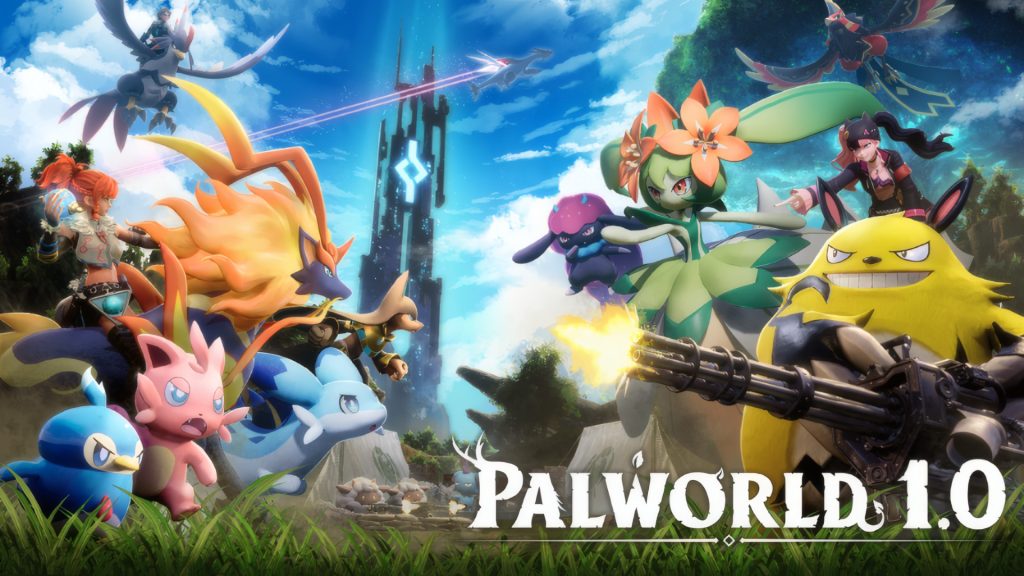
It has been roughly two and a half years since Palworld first entered Early Access, and quite a lot has…
