![[PREVIEW] Tiny Metal 2 – Strategy Game That Wants You to Learn From Every Mistake](https://www.indie-games.eu/wp-content/uploads/2026/09/Tiny-Metal-2-1024x576.jpg)
[PREVIEW] Tiny Metal 2 – Strategy Game That Wants You to Learn From Every Mistake
I rarely enjoy discovering that my opening strategy was completely wrong, but Tiny Metal 2 made that process one of…

If you enjoy independent indie game coverage, consider supporting Indie-Games.eu on Patreon. It helps keep the site independent.
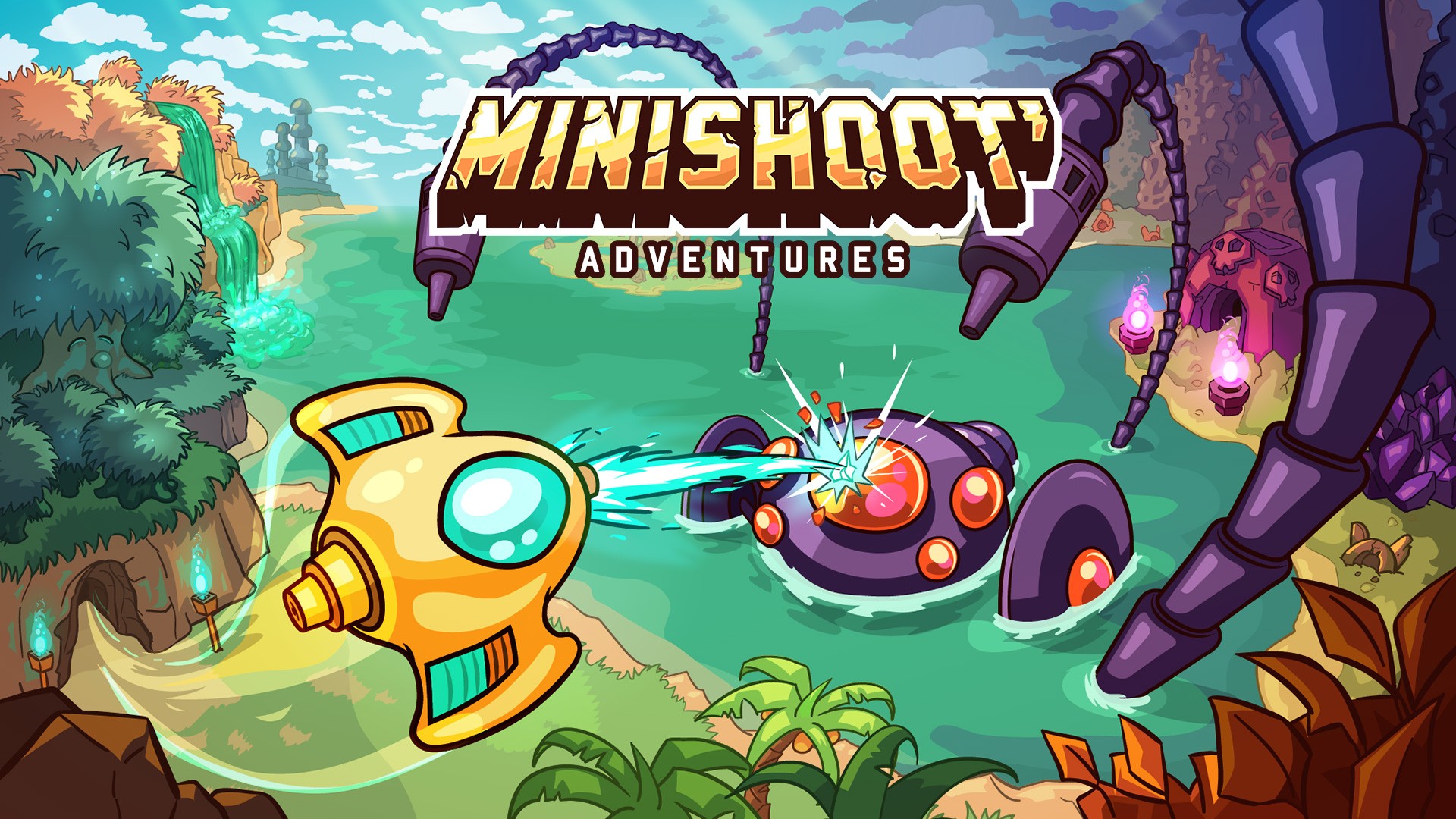
Minishoot’ Adventures is a game that took me on a genuinely unexpected journey. About an hour in, I already knew I was playing something special. What starts as an interesting blend of top-down shooter and classic Zelda-like exploration quickly evolves into something much deeper. It’s a game that isn’t afraid to leave you feeling frustrated or overwhelmed, yet it handles that tension so well that you can’t help but return.
Whether it’s the drive to 100% the map, hunt down every last secret, or test your skills on the highest difficulty, the loop is incredibly addictive. What initially seemed like a simple premise revealed itself to be a meticulously crafted experience, one that I ended up genuinely loving.
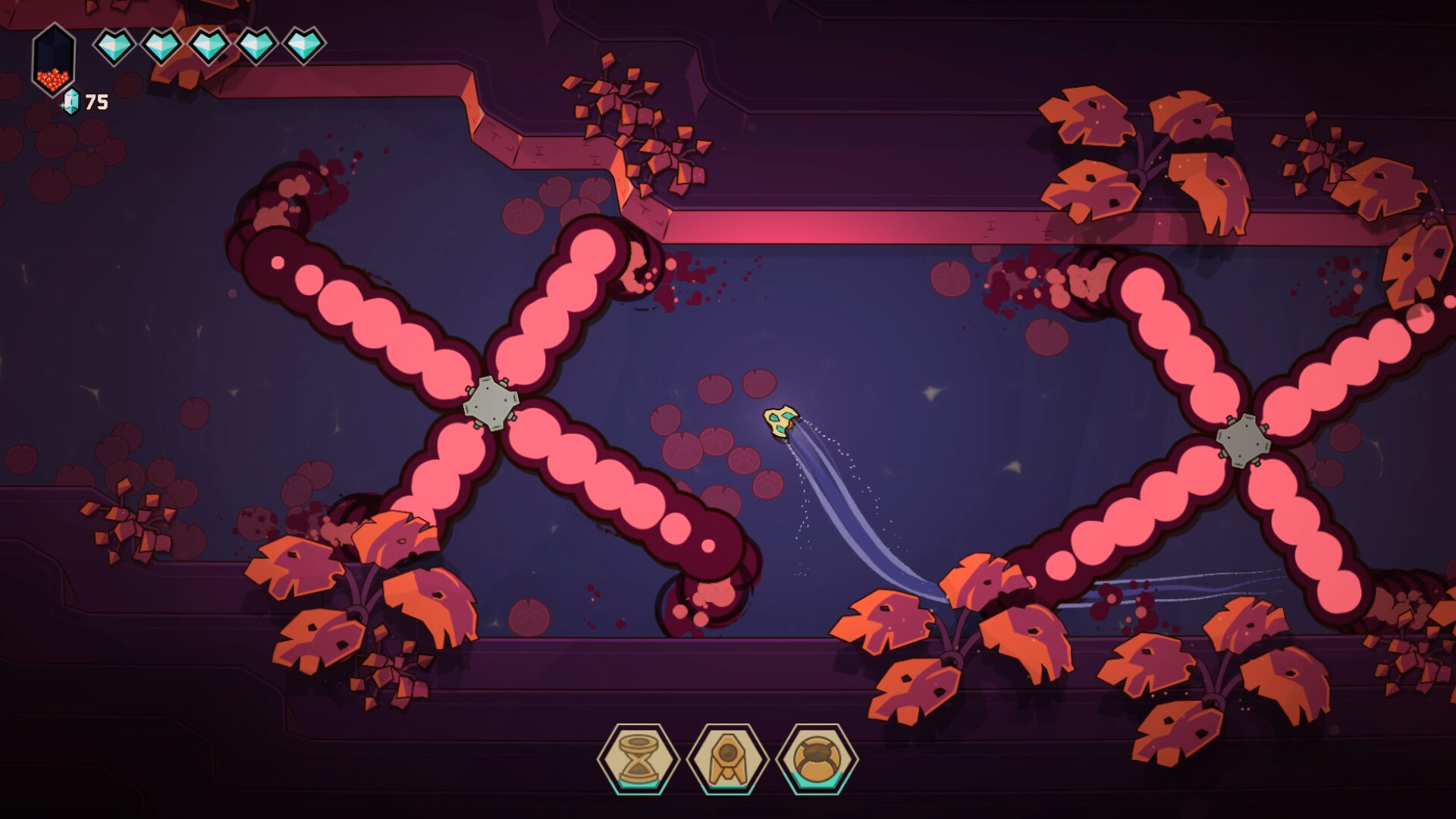
You control a small, surprisingly expressive ship in a world inhabited entirely by similar machines, with minimal storytelling and almost no handholding. At first, this lack of guidance can be a problem. The map starts mostly blank, paths are unclear, and the game rarely tells you where to go or whether you’re even ready for a particular area. As a result, the opening hours can feel aimless and even stressful, especially if you prefer a bit more structure. However, you do unlock the map and other helpful tools as you keep playing.
On the other hand, movement is immediately enjoyable, with your ship gliding across the world in a way that feels smooth. Combat follows suit, starting simple but quickly evolving into something far more engaging. You collect crystals from defeated enemies, which feed into a flexible upgrade system that lets you improve firepower, speed, range, and more.
Crucially, you can respec at any time, which turns frustrating boss fights into strategic puzzles. Add to that abilities like dashing, surfing across water, or even slowing time, and the game constantly feels better, opening new areas and possibilities in a way that feels rewarding.
Structurally, the game leans heavily on Zelda conventions, from dungeon design to heart-based health and ability-gated progression, and it doesn’t try to hide those inspirations. In fact, it embraces them. What makes it work is how the twin-stick shooting is integrated into that familiar framework. Enemy encounters range from small skirmishes to full-on bullet hell chaos, with bosses in particular delivering challenging, multi-phase fights that test both reflexes and build choices.
Even if the enemy designs themselves are visually forgettable, their behavior and attack patterns keep encounters engaging. Combined with excellent sound design, where every shot, hit, and explosion feels satisfying, the moment-to-moment gameplay is consistently enjoyable.
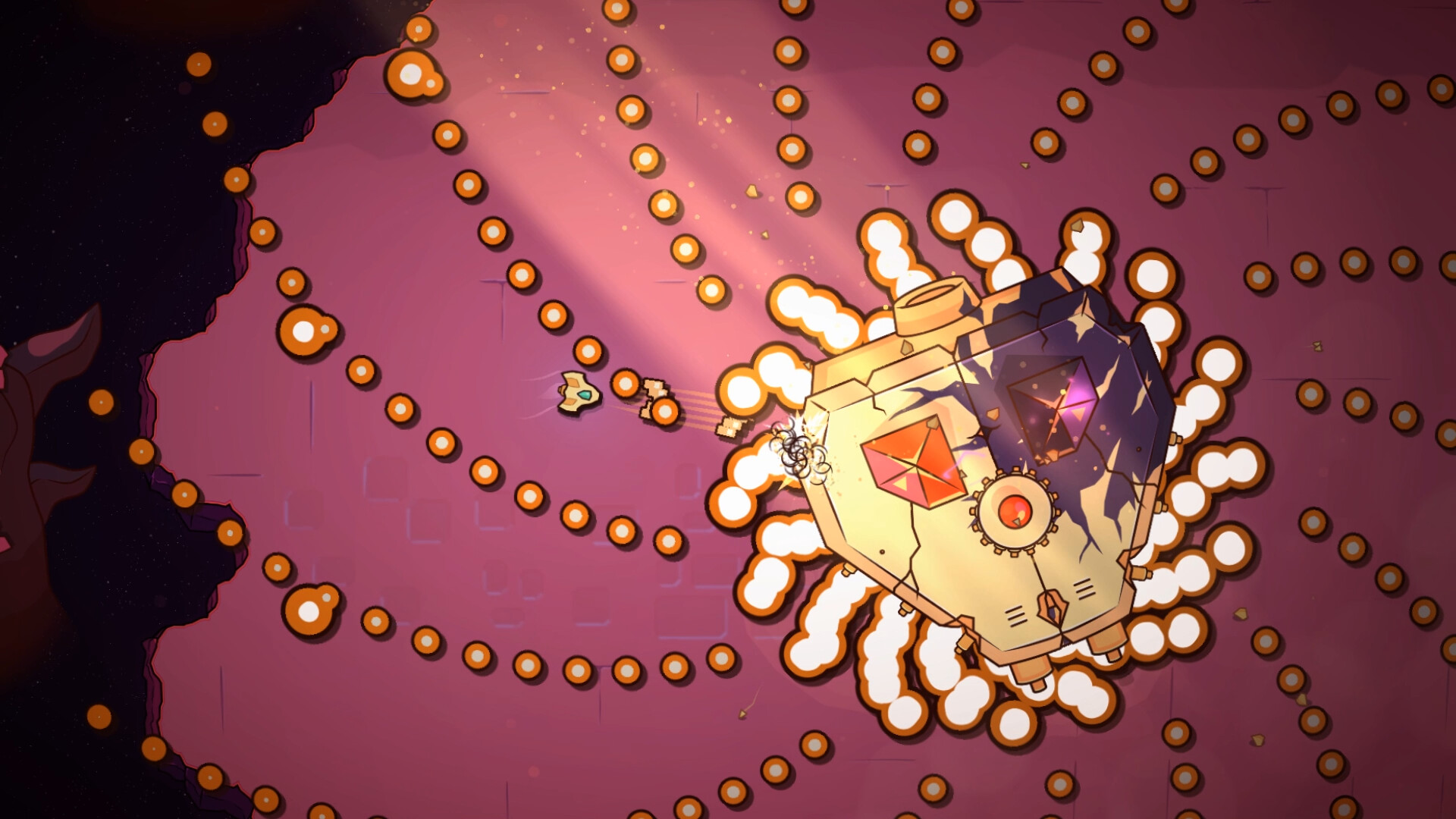
Still, it’s not without flaws. The upgrade system, while flexible, can feel “incremental” at times, with costs ramping up in a way that slows progression. The early lack of direction may turn some players away before the game finds its footing, and despite how polished everything is, it rarely feels truly original. This is, at the end of the day, a very familiar formula.
However, what ultimately elevates Minishoot’ Adventures is not innovation, but execution. It takes well-worn ideas and refines them to a remarkable degree, layering in smart design decisions, a satisfying gameplay loop, and a sense of generosity that keeps you moving forward.
In the end, Minishoot’ Adventures is a perfect example of a game that grows on you the more you give it your time. It may start off feeling like “just another indie mashup,” but stick with it, and you’ll find a deeply satisfying, tightly designed experience that’s hard to put down. It’s not revolutionary, and it doesn’t need to be. What it offers instead is something arguably more valuable: a polished, confident game that understands exactly what it wants to be and executes it exceptionally well.
Minishoot’ Adventures is a game that took me on a genuinely unexpected journey, starting as an interesting blend of top-down shooter and Zelda-like exploration that evolves into something much deeper. Its greatest strength is not innovation but execution, taking well-worn ideas and refining them to a remarkable degree.
Ending Thoughts
Review copy provided by the publisher
I rarely enjoy discovering that my opening strategy was completely wrong, but Tiny Metal 2 made that process one of…
![[PREVIEW] Remothered: Red Nun’s Legacy – Ambitious Survival Horror That Needs More Polish](https://www.indie-games.eu/wp-content/uploads/2026/09/Remothered-Red-Nuns-Legacy-4-1024x576.jpg)
Remothered: Red Nun’s Legacy has a gripping atmosphere and promising survival tools, but its repetitive hiding and rough visuals need…
The Alighieri Circle: Dante’s Bloodline is difficult to recommend beyond players who are especially interested in Dante or enjoy solving…
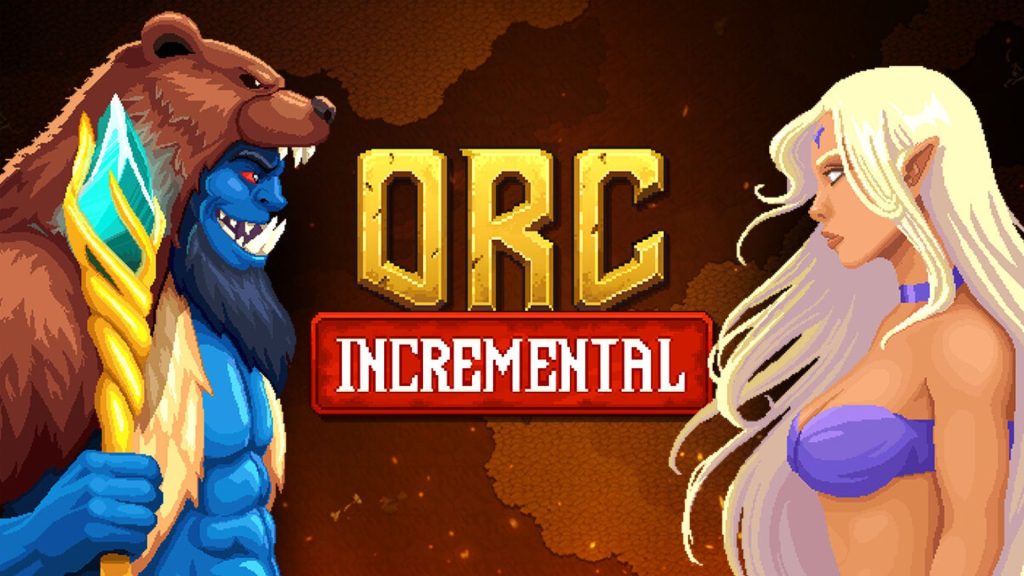
Orc Incremental offers satisfying progression, entertaining totem combinations and enough content to justify its affordable price.
![[GAMESCOM 2026] Chronoscript: The Endless End Preview – Beautiful Pages Hide Deliberate Combat](https://www.indie-games.eu/wp-content/uploads/2026/09/Chronoscript-The-Endless-End-1-1024x576.jpg)
Chronoscript: The Endless End stands out from other Metroidvanias by blending 2D manuscript worlds with exploration inside a 3D manor.
![[GAMESCOM 2026] MegaGum Preview – Combat Hits Hard in This Sticky Platforming Adventure](https://www.indie-games.eu/wp-content/uploads/2026/09/MegaGum-09-09-26-5-1024x576.jpg)
MegaGum combines hard-hitting combat, varied weapons and Gum-powered platforming in a promising Gamescom 2026 demo.
![[GAMESCOM 2026] Delphinium Preview – Cozy Routine Mixed With Enjoyable Minigames](https://www.indie-games.eu/wp-content/uploads/2026/03/Delphinium--1024x665.jpg)
Delphinium mixes cozy farming, exploration and relationships with enjoyable fishing, cooking and forging minigames in its Gamescom 2026 demo.
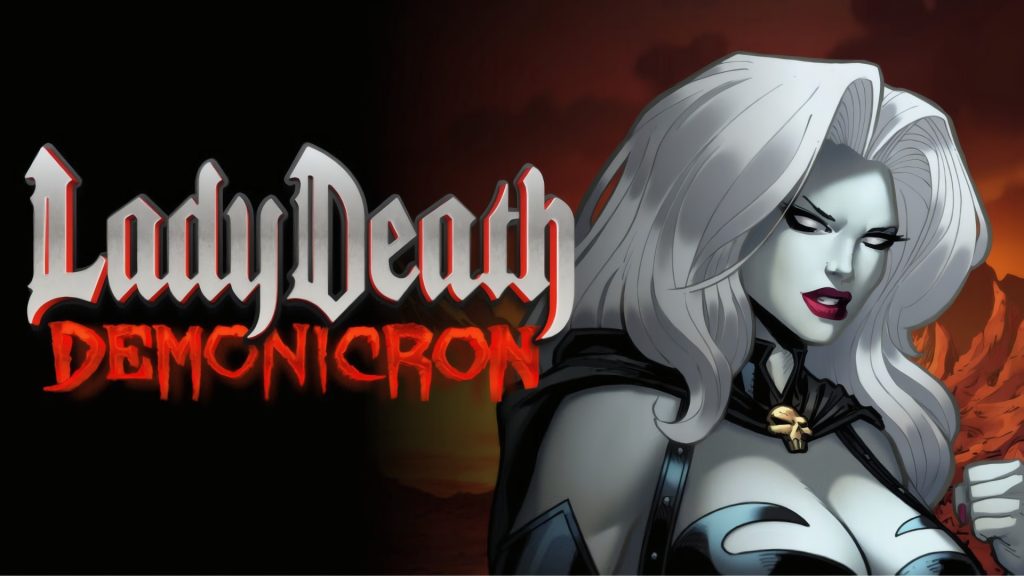
Lady Death: Demonicron looks the part, but underneath its excellent comic-book exterior is a clunky and painfully short brawler.
![[GAMESCOM 2026] Tomb Raider: Legacy of Atlantis Preview – Expands the Original Without Losing Its Identity](https://www.indie-games.eu/wp-content/uploads/2026/09/tomb-raider-legacy-of-atlantis-06-02-26-1-1024x576.jpg)
Tomb Raider: Legacy of Atlantis brings Lara back to her roots, but its Gamescom 2026 showing proved this is far…
![[GAMESCOM 2026] Clive Barker’s Hellraiser: Revival Preview – Ready to Open the Box](https://www.indie-games.eu/wp-content/uploads/2026/09/Clive-Barkers-Hellraiser-Revival-08-30-26-1-1024x576.jpg)
Hellraiser: Revival preserves the franchise’s sex, gore and psychological horror while delivering approachable survival-horror gameplay.

Swan Song creates a peaceful and forgiving puzzle space without removing the challenge that makes solving a difficult puzzle rewarding.
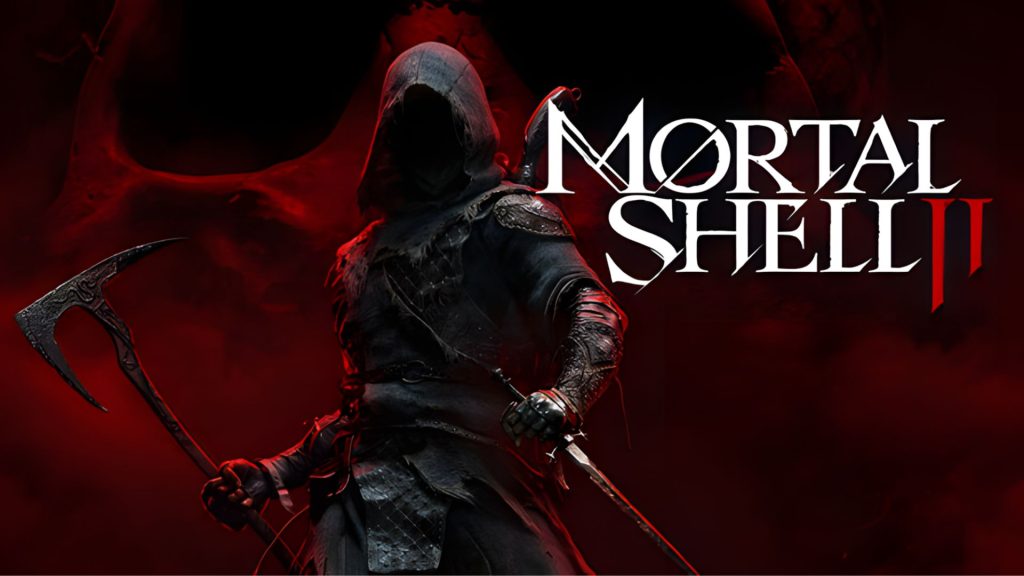
Mortal Shell II starts brilliantly but grows repetitive and exhausting, while remaining a rewarding and ambitious Soulslike sequel.
![[GAMESCOM 2026] Terranigma Preview – A Lost SNES Classic Returns in 2027](https://www.indie-games.eu/wp-content/uploads/2026/08/Terranigma-1-1024x576.jpg)
After more than three decades of limited availability, Terranigma is returning in 2027. We played its enhanced re-release at Gamescom…

Reading another person’s mind is often presented as a desirable superpower, but Sister Other Paranoia immediately understands why it could…
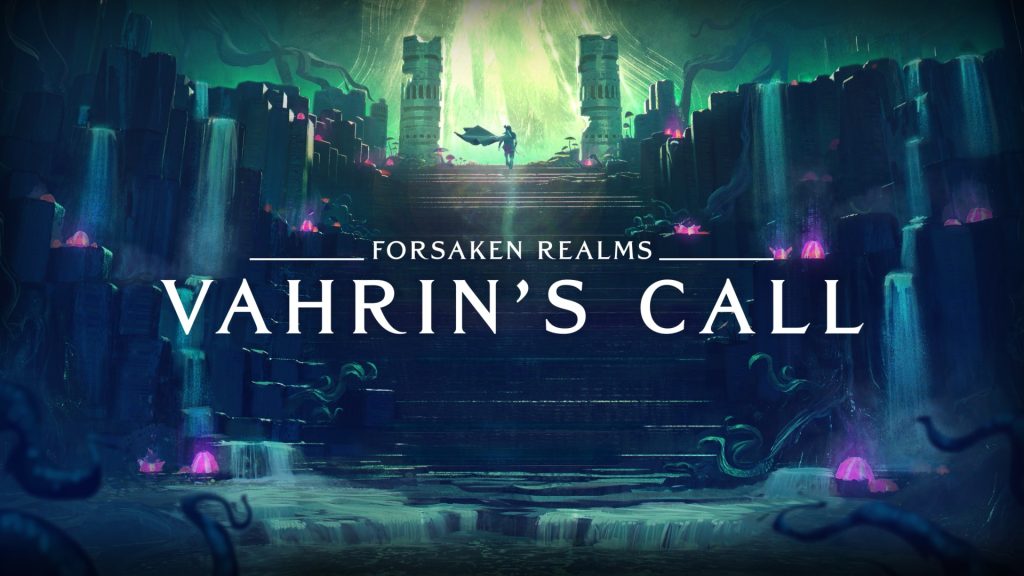
Forsaken Realms: Vahrin’s Call is exactly the kind of ambitious, slightly clumsy fantasy RPG that used to be far more…
![[Early Access] 2nd EVE – Sci-Fi Action RPG That Lacks a Sense of Stakes](https://www.indie-games.eu/wp-content/uploads/2026/08/2ND-EVE-1024x576.jpg)
2nd Eve is a space-set action RPG in which we strive to save humanity.
![[PREVIEW] Dreamcards – Strategic Exploration of Consciousness](https://www.indie-games.eu/wp-content/uploads/2026/08/Dreamcards_20260810_233631_0000-1024x576.jpg)
Dreamcards is a roguelike deckbuilder centered around dreams and nightmares.
![[Early Access] OFFBEAT – Incredibly Fun Way to Start a Music Career](https://www.indie-games.eu/wp-content/uploads/2026/08/Offbeat_20260808_201446_0000-1024x576.jpg)
In OFFBEAT, we play the role of a jobbing composer who is launching their music career.
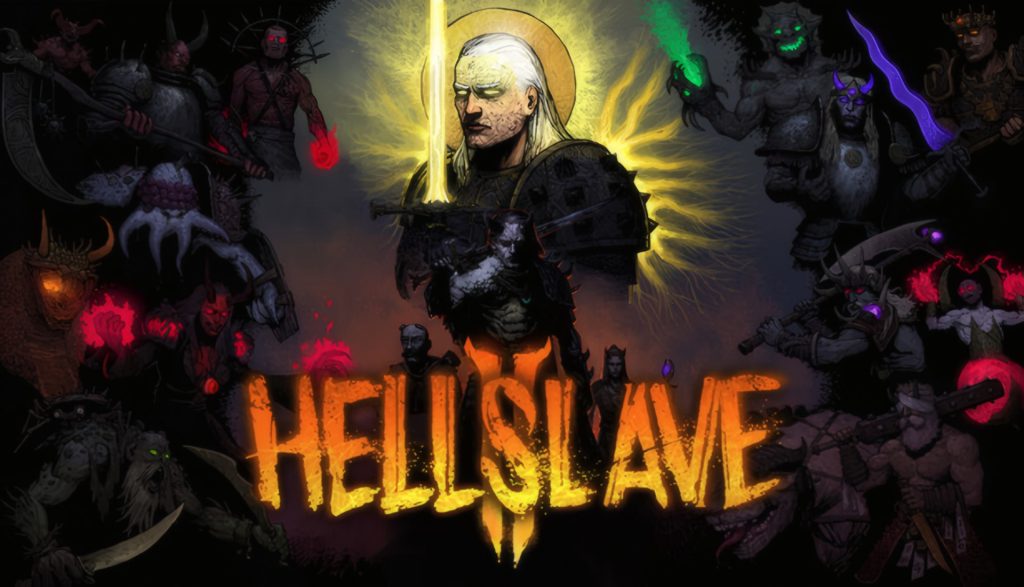
HellSlave II retains the original’s oppressive atmosphere, morally grey world and striking art while adding a larger world, randomized loot…
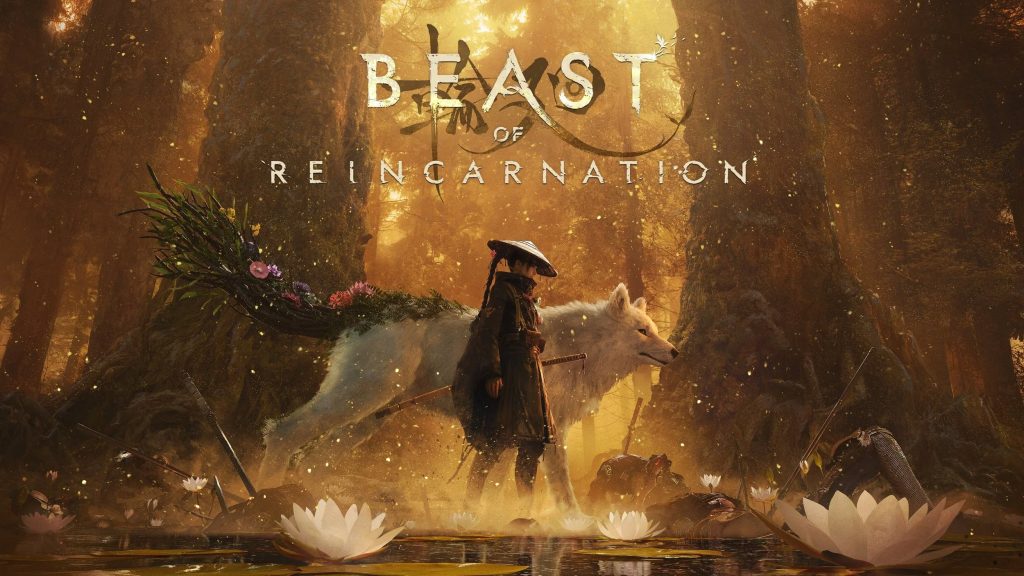
Beast of Reincarnation is an ambitious but uneven action RPG elevated by satisfying parry combat, beautiful art direction and the…
